Brazilian Beef and GIGANTIC Ribs
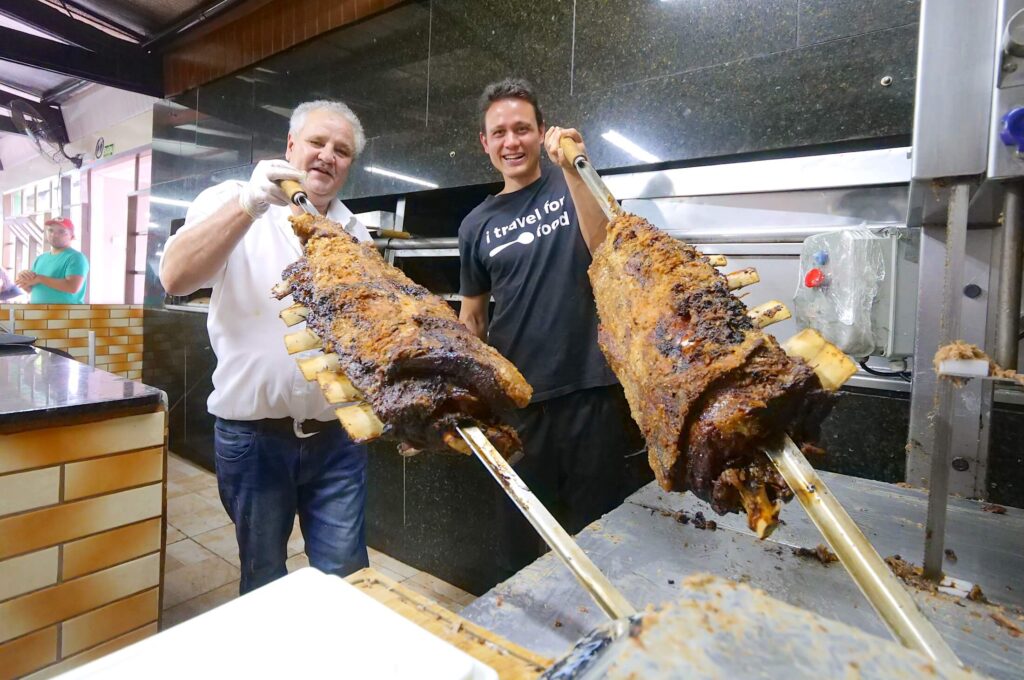
Brazilian Beef Ribs in Curitiba: A Feast Worth Traveling For Brazilian beef ribs are one of those dishes that can turn a casual meal into the main event of an entire trip, and in Curitiba, they do exactly that. At Costelão do Gaúcho, barbecue is not treated as a trend or a quick lunch option; it is a craft shaped by decades of practice, patience, and a deep respect for meat done properly. For travelers who want more than standard sightseeing, this is the kind of place that adds texture to a journey. It offers a window into southern Brazil’s food culture, where grilling is both social ritual and culinary identity. Curitiba itself is often admired for its parks, urban planning, and cool climate, but food lovers know the city also rewards those willing to go beyond the usual café stops and brunch spots. A meal here can be a highlight of a city break, especially when it involves a restaurant that has spent more than 40 years perfecting the art of serving beef ribs at their most tender and flavorful. The experience is not rushed, not fancy in the modern fine-dining sense, and not built around flashy presentation. Instead, it feels rooted, generous, and reassuringly old-school in the best possible way. Why Costelão do Gaúcho Stands Out Costelão do Gaúcho has the kind of reputation that spreads through taste rather than advertising. Located near downtown Curitiba, it has become known for enormous sides of beef ribs, slow-cooked until the meat yields with almost no effort. The restaurant’s long operating history matters because it shows in the confidence of the service, the rhythm of the kitchen, and the way the meat is handled from smoker to table. There is a sense that nothing here is accidental. Every rotation, every slice, and every plate has been refined through years of repetition. What makes the restaurant especially appealing for travelers is its authenticity. You do not come here for a staged “Brazilian experience.” You come for a real working barbecue house where families, friends, and hungry locals gather for long lunches and relaxed dinners. The mood is warm and informal, and while the menu may not be endless, the quality of the core experience makes up for it. This is the kind of place where first-time visitors to Brazil can understand, very quickly, why barbecue holds such a special place in the country’s food culture. The Aroma, the Smoke, and the First Impression One of the most memorable parts of arriving at Costelão do Gaúcho is the smell. Even before you step through the door, the air carries the unmistakable scent of charcoal and roasting beef. The smoker stack rises behind the restaurant, and although it might first resemble an industrial chimney, it is really the heart of the operation: a meat smoker that works slowly and steadily throughout the day. That smoke creates an atmosphere that immediately tells you this is a serious barbecue destination. Travelers who appreciate food as part of place will notice how sensory the experience is. The sound of activity from the kitchen, the movement of staff carrying heavy cuts of meat, and the visible heat around the grill all build anticipation. Few things are as satisfying as walking into a restaurant and knowing, from the smell alone, that the meal will be memorable. In a city like Curitiba, where cooler weather often enhances the appeal of hearty dishes, a place like this feels especially well matched to its setting. Barbecue restaurants often rely on theater, but here the theater is earned. The smoke is not decorative. It is the byproduct of hours of careful cooking, and that gives the entire room a grounded, appetizing energy. By the time you sit down, you are already halfway convinced you have made the right choice. How the Beef Ribs Are Prepared The beef ribs are the centerpiece of the restaurant for good reason. They are massive, deeply seasoned, and slow-cooked until the meat becomes beautifully soft. The preparation begins long before the ribs reach the front grill. They spend hours in a separate cooking area, where the heat and smoke work gradually through the thick cuts. This method produces the tenderness that barbecue lovers dream about: meat that stays moist, develops a concentrated flavor, and separates from the bone with minimal effort. Watching the final stage of preparation is part of the appeal. The assistant chefs transport the ribs toward the front, where the owner or head chef inspects them carefully, trims excess fat, and makes precise final adjustments. The cutting process is especially striking because it feels both highly practical and strangely artistic. The chef handles the meat with complete confidence, checking texture, judging doneness by touch, and slicing with an efficiency that comes only from years of experience. It is not just cooking; it is a performance of expertise built on repetition and pride. For visitors, this is where the meal begins to feel unforgettable. You are not simply ordering beef ribs. You are watching a system that has been fine-tuned over decades, from the smoker to the serving counter. That level of care is increasingly rare, and it is a major reason this restaurant deserves a place on any food-focused Curitiba itinerary. The Rib Saw and the Precision of Service One of the more unusual details at Costelão do Gaúcho is the way the ribs are cut. Instead of a casual carving station, the chef uses a large saw-like machine to portion the ribs with remarkable speed and precision. For travelers unfamiliar with this style of service, it can be surprising at first, but it quickly becomes part of the restaurant’s identity. The process feels industrial in one sense, yet deeply personal in another because the chef’s judgment determines how each cut is made. The ribs are weighed and priced by portion, which gives diners a practical amount of control over their meal. If you want a smaller cut, you can ask for it, but
Our Honest Take on the BLUETTI Elite 200 V2
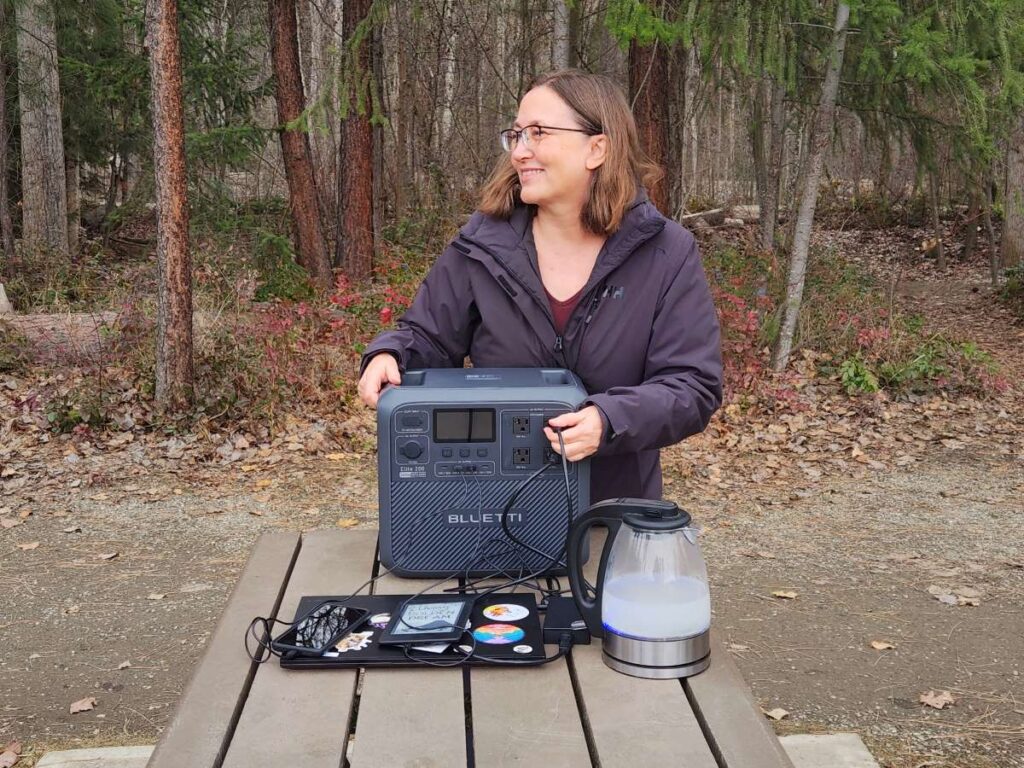
There’s a particular kind of dread that arrives with winter in the mountains, especially when the forecast starts hinting at freezing rain. In places where the weather can turn from picturesque to punishing in a matter of hours, the question is never just whether the roads will be slick or the driveway will need shoveling again. The bigger question is whether the power will hold. For travelers, remote workers, and anyone spending time in cold-weather regions, that uncertainty shapes how you plan your days, how you pack, and how seriously you take even the smallest storm warning. In British Columbia’s mountain communities, winter is both a privilege and a challenge. The landscape is stunning: dense forests dusted with fresh snow, ski hills humming with activity, and frozen lakes or outdoor rinks that invite families outside even when the air bites at your cheeks. But with that beauty comes unpredictability. Heavy snowfall, ice storms, and long stretches of extreme cold can all place real strain on the grid. What looks like a normal winter forecast on paper can become a full household disruption by late afternoon, which is why reliable backup power has become less of a luxury and more of a practical travel and lifestyle consideration. ## Why Winter Power Planning Matters in Mountain Destinations When people think about travel preparedness, they often picture hiking boots, layered clothing, or a well-packed carry-on. In mountain destinations, though, power planning deserves a place on the list too. Whether you are staying in a cabin outside town, working remotely from a rental, or living year-round in a region where outages are part of the seasonal rhythm, your devices, lights, internet, and heat-related accessories all depend on a steady source of electricity. That matters even more in winter, when daylight is short and a loss of power can quickly change the mood inside a home from cozy to stressful. For households with multiple people working from home, the stakes are even higher. Laptops, routers, phones, tablets, desk lamps, kitchen appliances, and charging stations all compete for limited backup options when the grid goes down. In that context, a portable power station is not just a gadget; it becomes part of the larger travel toolkit for cold-weather living. It helps preserve routines, keep communication open, and reduce the sense that you are at the mercy of the next storm front. ## A Practical Look at the BLUETTI Elite 200 V2 The BLUETTI Elite 200 V2 is designed for exactly this kind of environment. With 2,073Wh of capacity and 2,600W of AC output, it offers enough power to support a serious household workload instead of forcing you to ration every device. Four AC outlets, two 100W USB-C ports, and two USB-A ports make it possible to charge or run up to nine devices at the same time, which means you can keep multiple laptops going while phones, tablets, and smaller accessories stay topped up in the background. That flexibility is what turns backup power from a temporary stopgap into something far more useful in daily life. What stands out most in real use is not just the headline capacity, but the way it handles a normal workday without drama. Two laptops, several phones, a tablet, a Bluetooth speaker, and lighting can all run at once with no noticeable strain. On busier days, adding a kettle or a small fan still falls within the station’s capabilities. For travelers or remote workers who want one dependable power source rather than a patchwork of battery banks and half-charged backups, that kind of performance makes a meaningful difference. The unit also includes Hercules mode through the BLUETTI app, which can support heating devices up to 3,900W. Even if you do not plan to push it that hard often, it is reassuring to know the station has extra room for high-demand scenarios. In winter, that sort of headroom can matter more than people expect, especially if you are dealing with occasional outages and want the option to power equipment that genuinely improves comfort. ## Real-World Use Indoors and Out One of the most useful tests for any portable power station is how well it adapts to changing environments, because travel and winter living rarely happen in a neat, controlled setup. A device that works well in the living room but struggles outside in the cold loses much of its value if your actual life includes sheds, cabins, campsites, or outdoor workspaces. The Elite 200 V2 performs like a piece of equipment built for movement between settings rather than one that must stay in a single corner of the house. In a forested setting, with winter air still sharp even when the snow is not falling, the station proved surprisingly easy to use. Paired with a 200W solar panel, it created the kind of self-contained setup that feels especially appealing in remote or semi-remote destinations. Laptops ran smoothly, power remained stable, and even a kettle for hot chocolate worked without issue. That may sound like a small detail, but anyone who has spent a winter day outside knows how much morale depends on a warm drink. The ability to make that moment happen anywhere, without sacrificing productivity, is what makes portable power feel less like a backup and more like an extension of your travel freedom. The display is another feature that adds real value. Being able to see what you are drawing from the battery and how much the solar panel is adding back helps you make better decisions throughout the day. In practical terms, that means less guesswork and fewer surprises. Instead of hoping the unit lasts, you can understand exactly how your energy usage is trending and adjust accordingly. For long winter days, especially when sunlight is limited, that visibility is a major advantage. At just over 53 pounds, the Elite 200 V2 is not something you toss casually into a daypack, but it is still portable in the truest sense of the word. The integrated handles are
What to Do When Your Flight Gets Canceled When Traveling From and Within the EU

Few travel disruptions are as stressful as getting to the airport, checking your gate, and then realizing your flight has been canceled. Plans unravel quickly in those moments. A carefully timed business trip can turn into a missed meeting. A family visit can become an overnight wait in a terminal. A long-anticipated holiday can start with confusion, frustration, and expensive last-minute decisions. Yet for travelers in Europe, this kind of setback does not have to mean total loss of control. The European Union has some of the strongest air passenger protections in the world, and knowing how they work can make a cancellation far easier to handle. EU Regulation 261/2004, better known as EU261, gives passengers clear rights when flights are canceled, delayed, or when boarding is denied. The law was designed to balance the power between airlines and travelers by requiring airlines to provide care, rerouting options, and, in certain situations, financial compensation. For many passengers, the challenge is not whether rights exist, but how to use them in the middle of a stressful travel disruption. That is why understanding the basics before you fly can save time, money, and a great deal of anxiety later on. Understanding EU Passenger Rights EU261 applies to a wide range of flights, which is one reason it is so important for travelers in Europe. In general, it covers flights departing from an airport in the European Union, regardless of the airline’s nationality. It also covers flights arriving in the EU when the operating carrier is based in the EU. That means the law can apply whether you booked through a major flag carrier, a low-cost airline, or a regional operator. At its core, the regulation gives passengers two essential protections. First, it requires airlines to offer either a refund or rerouting when a flight is canceled. Second, it may require compensation, depending on the cause of the cancellation and how much notice the airline provided. These rights apply regardless of your nationality or where you purchased the ticket, as long as the flight falls within the scope of the regulation. This is especially valuable for travelers because cancellations often happen at the worst possible time. A delay may be annoying, but a cancellation can force a complete reshuffle of accommodation, transport, and sometimes even visa or car rental plans. EU261 exists to prevent the passenger from bearing the full cost of an airline problem. The more you understand the rules, the easier it becomes to insist on the treatment you are entitled to receive. What to Do the Moment Your Flight Is Canceled The first few minutes after a cancellation are critical. The airport may become noisy and crowded, airline staff may be overwhelmed, and passengers may rush to the counters or phones in search of alternatives. In that moment, your priority should be to gather information. Ask the airline why the flight was canceled and whether the reason is likely to qualify as extraordinary circumstances under EU law. This detail matters because it affects whether compensation may be available. Then, check whether the airline is offering a replacement flight, another route, or a refund. If you are traveling on a tight schedule, it is often worth comparing the airline’s options with what is available on your own. Sometimes rerouting on the same airline is the simplest solution. In other situations, particularly when the next departure is badly delayed, a refund may be the better choice if you can quickly book another carrier. The key is not to accept the first suggestion without considering how it affects the rest of your journey. It also helps to stay calm and keep a record of what is being said at the airport. Airline staff may verbally promise assistance or compensation guidance, but those conversations are much more useful if you can later verify them through email or app notifications. The more organized you are in the first hour, the easier the claim process will be later. Step 1: Confirm the Reason for the Cancellation The reason for the cancellation is one of the most important details in any EU261 claim. If the airline canceled the flight because of technical issues, operational problems, crew scheduling errors, or other causes within its control, passengers may be entitled to compensation. These are the kinds of disruptions that passengers reasonably expect airlines to manage. By contrast, airlines do not usually have to pay compensation if the disruption was caused by extraordinary circumstances. Examples can include severe weather, political instability, airport closures, security threats, or certain air traffic control strikes. In those cases, the airline still has a duty to assist passengers, but it may not owe cash compensation. That distinction is why you should always ask for the official explanation instead of relying on a vague statement at the desk. If the airline’s explanation sounds generic, ask for it in writing. The wording can matter later if you decide to submit a claim or challenge a rejection. Travelers often assume the airline will volunteer a full explanation, but in practice the burden is usually on the passenger to ask direct questions and preserve evidence. Step 2: Choose Between Refund or Rebooking Once the cancellation is confirmed, EU law gives you a choice. You can request a full refund for the unused part of your ticket, or you can ask to be rebooked to your final destination under comparable transport conditions as soon as possible. If your journey includes connections and the cancellation makes the whole trip pointless, the airline may also have to provide a return flight to your original departure airport. In practical terms, the best choice depends on your travel plans. If your trip is time-sensitive, rebooking may be more valuable than a refund because it gets you moving again without having to reorganize everything yourself. If your schedule is flexible, a refund might give you the freedom to book a better connection or even choose a different airport. When prices are high, however, keep
21 Best Things to Do in Hamilton, Ontario (for 2025)
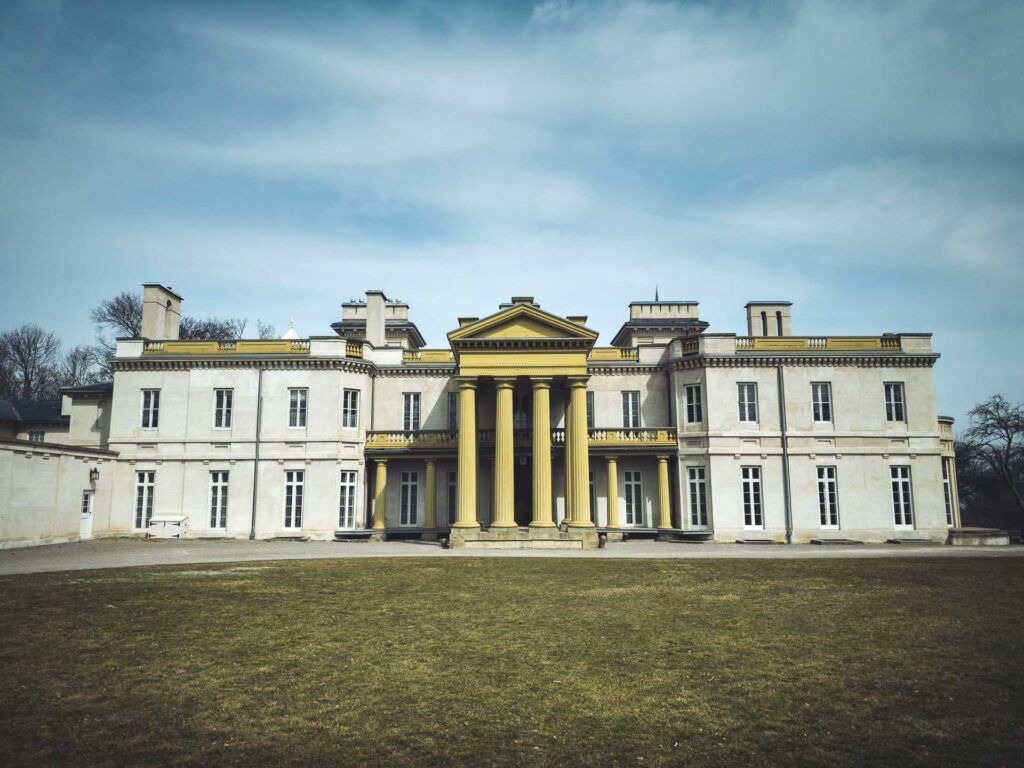
For us, a trip to Hamilton feels like coming home. Dave’s dad was born and raised here, and much of his childhood was spent visiting relatives in the city, back when Hamilton was still carrying the well-worn reputation of “Steeltown.” Over the years, we’ve watched The Hammer change in ways that feel both dramatic and deeply authentic. The industrial backbone is still part of its identity, but today Hamilton is just as well known for its creative energy, emerging food scene, cultural institutions, and the outdoor beauty of the Niagara Escarpment that rises around it. What makes Hamilton especially appealing is how easily it balances old and new. One hour you can be standing inside a grand 19th-century mansion or aboard a wartime destroyer; the next you can be hiking toward a waterfall, sipping coffee downtown, or wandering through an art gallery that rivals those in much larger cities. It’s the kind of destination that rewards curiosity. You don’t need to rush it, and in fact Hamilton is at its best when you give it time to reveal its layers. Whether you’re planning a day trip from Toronto, a weekend escape, or a longer Ontario road trip, this guide covers the best things to do in Hamilton, Ontario, along with practical tips for making the most of your visit. Top Hamilton Attractions at a Glance Hamilton offers a remarkable variety of experiences within a relatively compact area. If you’re short on time, the main appeal falls into four broad categories: historic attractions, waterfalls and conservation areas, waterfront parks and trails, and a growing cultural and nightlife scene. Dundurn Castle, the Royal Botanical Gardens, Webster’s Falls, the Waterfront Trail, and the Warplane Heritage Museum are often the headline names, but they’re only the beginning. Hamilton’s real charm lies in the way these places connect into a bigger story about the city itself. Historic Sites and Museums Hamilton’s history is not something you simply read about in a museum booklet and move on from. It is visible in the city’s architecture, its neighbourhoods, its civic pride, and its preserved landmarks. The city’s historic sites help explain how Hamilton evolved from a strategic settlement and industrial powerhouse into the modern city it is today. Dundurn Castle A visit to Dundurn Castle is one of the most rewarding ways to start exploring Hamilton. This elegant 1830s villa, once home to Sir Allan Napier MacNab, offers a carefully preserved glimpse into upper-class life in early Canada. The house itself is beautiful, but what makes the experience memorable is the guided interpretation. Costumed staff bring the rooms to life with stories about domestic routines, political ambition, and the social customs of the period. It is less like walking through an empty historic house and more like stepping into a functioning household frozen in time. The grounds are worth lingering over as well. Even if you only go for the house tour, allow extra time to walk around the property, visit the kitchen garden, and enjoy the views toward the harbour. The Hamilton Military Museum is included with admission, which adds another layer to the experience for anyone interested in Canadian history. Canadian Warplane Heritage Museum Located beside Hamilton International Airport, the Canadian Warplane Heritage Museum is one of the city’s best attractions for aviation enthusiasts, families, and anyone with an interest in military history. Its collection includes more than 40 aircraft flown by Canadians since the Second World War, but the star of the show is the Avro Lancaster. As one of only two airworthy Lancaster bombers left in the world, it draws visitors for very good reason. Even those who arrive knowing little about aviation usually leave with a new appreciation for the scale and significance of these machines. One of the best parts of visiting is the chance, on the right day, to see historic aircraft take off or land. That moment adds a rare kind of energy to the museum visit because it connects the display pieces to their living, flying histories. If you’re interested in simulation experiences, the museum also offers extras worth checking in advance. HMCS Haida National Historic Site HMCS Haida is one of Hamilton’s most memorable waterfront attractions and one of Canada’s most significant naval museums. Known as “Canada’s most fightingest ship,” this restored Tribal-class destroyer is the only surviving vessel of its kind. Visiting the ship gives you a vivid sense of what life was like aboard a naval warship during the Second World War, the Korean War, and the Cold War. The narrow passageways, steep ladders, and compact quarters all reinforce the reality of life at sea, where function mattered more than comfort. It is a hands-on experience in the best sense. You are not just looking at exhibits behind glass; you are moving through the ship itself, imagining the crew working, sleeping, and serving in remarkably tight conditions. Good shoes are important, and so is taking your time. This is one of the city’s strongest examples of heritage tourism done well, because it allows visitors to feel the scale of the ship rather than simply observe it. ##TOKENHOT_IMAGE_URL_3 Hamilton Museum of Steam & Technology Set inside the restored 1859 waterworks building, the Hamilton Museum of Steam & Technology is a fascinating stop that often surprises first-time visitors. The museum focuses on the history of steam power in Canada and preserves the enormous machinery that once supplied water to the city. For anyone with even a passing interest in engineering, industrial design, or the infrastructure that made modern cities possible, this is an absorbing place to explore. The real thrill comes during a live steam demonstration, when the massive engines and pumps are shown in operation. In that moment, the building stops feeling like a static museum and becomes what it once was: a vital, working part of Hamilton’s growth. It is one of the city’s most underrated attractions and a great reminder that Hamilton’s industrial past is not just something the city survived, but something
Why This Company is One of the Best for Finding Work

Most travel, at least the kind that fills social feeds and guidebook checklists, can be surprisingly passive. You arrive, photograph the famous square, eat where everyone else eats, take a bus tour, and leave with a camera roll full of the same scenes thousands of other visitors have captured. There is nothing wrong with that kind of trip. In fact, for many people, it is the perfect vacation. It is easy, familiar, and often exactly what a short break should be. But there is another way to travel, one that goes beyond checking off sights and collecting souvenirs. It is slower, more rooted, and far more memorable. It is the kind of travel that asks you to stay long enough to understand the rhythm of a place, not just its surface. You begin to recognize the morning rush at the local bakery, the subtle etiquette of a neighborhood café, the bus routes that actually get used by residents, and the difference between a place being interesting and a place feeling lived in. That deeper style of travel is not always easy to access on your own. It often requires a visa, a job, a program, or some kind of structured entry point that helps you move from visitor to participant. That is where working holidays, teach-abroad placements, internships, and volunteer opportunities become so valuable. They create a bridge between travel and real life, letting you contribute, learn, and stay long enough for a destination to become more than a backdrop. Why Deeper Travel Changes the Way You See a Place The most transformative journeys are rarely the ones where everything is polished and prearranged. They are the ones where you have to adapt, contribute, and engage. When you live somewhere for weeks or months, you start to see the texture of daily life: how people commute, where they buy groceries, what local routines shape the day, and how communities interact outside of the tourism economy. This changes your understanding of travel entirely. Instead of asking, “What can I see here?” you begin to ask, “How does life actually work here?” That shift matters because it creates space for genuine connection. Rather than depending on brief encounters with guides or service workers, you begin building relationships through repeated interaction. Coworkers, neighbors, host families, local friends, and project coordinators become part of your story. The destination becomes tied to people, not just places. Years later, those are the relationships and experiences that remain vivid. For many travelers, the challenge is not desire but logistics. It is easy to want a meaningful experience and harder to figure out how to get one without wasting time, money, or energy on unreliable opportunities. That is why structured programs have become such an important part of modern travel. They help you avoid the guesswork and give you a real path into a country, community, or career experience abroad. What Global Work & Travel Does Global Work & Travel is one of the largest gap year and long-term travel companies in the world, and it has spent nearly two decades helping people find working holidays, volunteer placements, teaching jobs, internships, au pair roles, and seasonal work abroad. Its reach spans destinations across the UK and Europe, the Americas, Asia, Africa, and the Pacific, giving travelers a wide range of options depending on their goals, budget, and timeline. What makes a service like this useful is not only the range of programs, but the amount of friction it removes. Moving to another country, even temporarily, involves a long list of decisions and practical hurdles. You have to think about visas, bank accounts, tax numbers, housing, transportation, interviews, language barriers, and what to do if something goes wrong after arrival. For someone new to long-term travel, that can be overwhelming. Global Work & Travel provides a support structure that simplifies the process through placement assistance, pre-departure guidance, visa support, and ongoing help via its gWorld trip management platform. That kind of scaffolding can make the difference between a dream that stays vague and a trip that actually happens. It is especially helpful for first-time travelers, younger travelers, solo travelers, and anyone who wants a meaningful overseas experience without having to build everything from scratch. Types of Programs Available The company offers several pathways into long-term travel, each suited to different interests and levels of experience. Working holidays are ideal for travelers who want to earn money while living abroad in destinations such as Australia, Canada, the UK, New Zealand, South Korea, and Japan. These programs can help with job matching, accommodation guidance, and the practical steps needed to settle in quickly. For anyone who wants to fund a longer stay without relying on savings alone, this is one of the most practical travel models available. Volunteer abroad programs are designed for people who want to contribute to wildlife conservation, community development, education, construction, or care work. These trips can be short or extended, making them accessible to a broader age range and a wider variety of schedules. Teaching programs add another layer by offering TEFL training, job placement support, and help with the administrative details that often determine whether a trip succeeds or stalls. For those interested in education and cultural exchange, teaching abroad can be one of the most rewarding ways to stay immersed in a destination. Au pair placements, summer camp jobs, and internships round out the offering. Au pair experiences allow you to live with a host family, which can be one of the most intimate ways to understand day-to-day life in a new country. Summer camp jobs provide a seasonal, social, and highly structured way to work abroad, often with accommodation and meals included. Internships can help students and early-career professionals build international experience that strengthens a resume while exposing them to a different business culture. Why Working Holidays Appeal to a New Generation of Travelers For years, the idealized version of extended travel was the digital nomad lifestyle: work remotely, earn in a
17 Magical December Destinations In The USA (personally Vetted!)
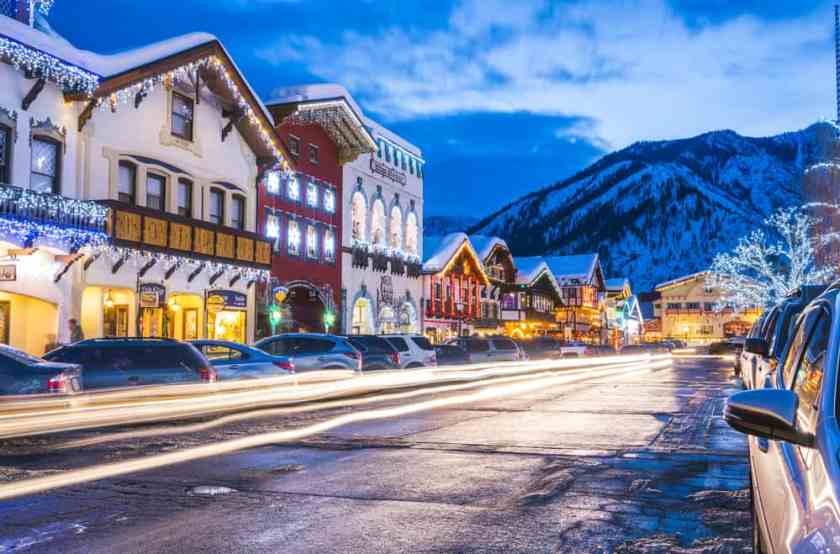
After years of living in the USA and taking unforgettable December trips, I’ve come to think of this month as one of the best times to travel across the country. December can mean completely different things depending on where you go: festive small towns glowing under snow, mountain destinations built for skiing and cozy lodge stays, and warm-weather escapes where you can swap winter coats for swimsuits. The real appeal is that December travel feels layered. There’s the holiday atmosphere, but there’s also the practical benefit of off-season pricing in some places, thinner crowds in others, and a huge range of climates to choose from. If you’re planning a winter trip and want destinations that feel memorable rather than generic, these are the places that stood out most to me. 1. Leavenworth, Washington Leavenworth is one of those places that seems designed for December, yet somehow still exceeds expectations when you arrive. Set in Central Washington, this Bavarian-style mountain town becomes especially atmospheric once the snow settles in and the village lights begin to glow. The streets, framed by alpine-style buildings and evergreen hills, look almost theatrical in winter, and the whole place has a nostalgic Christmas-movie quality that is hard to fake. The scent of glühwein and roasted food drifts through the air, carolers sing in the square, and the village feels festive without becoming overproduced. One of the most charming things about visiting in December is the town’s famous Village of Lights: Christmastown celebration. Thousands of lights illuminate the streets and shopfronts, while Santa meet-and-greets, holiday performances, and even Krampus figures add a little extra character to the season. Leavenworth also works beautifully as a weekend escape from Seattle, which makes it practical as well as pretty. I spent long hours enjoying the relaxed pace, wandering between cafés, shops, and winter activities, and the setting made even simple things feel special. The surrounding landscape is just as appealing. Icicle Valley offers sleigh rides and snow-covered scenery that look almost untouched in the right weather, while the local Winter Sports Club is a good fit for families or anyone wanting tubing and snowshoeing without a complicated ski trip. The town has a wonderfully compact layout, so you can spend a whole day exploring on foot and still never feel like you’ve rushed through it. If you’re staying overnight, a riverside inn or cozy mountain lodge is ideal, especially because evenings in Leavenworth are part of the experience rather than just downtime. There is one practical thing to keep in mind: temperatures can swing enough to turn fresh snow into slush, so it helps to pack waterproof boots and plan for changing conditions. That said, the winter atmosphere is still strong throughout December, and the town’s festive energy makes it one of the most distinctive holiday destinations in the Pacific Northwest. For food, I especially liked hearty German-inspired meals and warming drinks that matched the alpine setting. 2. Waikiki, Hawaii Waikiki offers the opposite of a snowy December and proves just how versatile winter travel can be. On Oʻahu’s south shore, you get long stretches of golden sand, turquoise water, and that easy tropical energy that feels like an instant reset. The skyline and Diamond Head create a dramatic backdrop, but the mood is still relaxed and beach-centered. December is a smart time to visit because the first half of the month can bring lighter crowds and better hotel rates than the peak holiday rush. Even with a few passing rain showers, Waikiki remains highly enjoyable in December. The weather is warm enough for beach days, snorkeling, and lazy oceanfront walks, yet it also carries a festive side. Honolulu City Lights begins early in the month and brings holiday color into the city without overwhelming the island atmosphere. I liked how easy it was to move between beach time, shopping, and dining, especially along Kalakaua Avenue, where the mood is glamorous but still distinctly Hawaiian. What makes Waikiki particularly appealing is the balance of convenience and scenery. You can spend the morning in the ocean, enjoy lunch with a view, then head out for sunset cocktails or a beachside dinner. On a longer stay, it is worth setting aside time for a day trip beyond Waikiki. The North Shore, including the area around Banzai Pipeline, adds a totally different energy and shows a more rugged side of Oʻahu. It is a little farther from the main resort strip, but the scenery and surf culture make the drive worthwhile. For accommodations, an urban-chic hotel with a rooftop lounge or hot tub gives the trip a nice blend of beach relaxation and city comfort. 3. Gaylord Opryland Resort, Nashville For anyone who likes holiday travel taken to an extravagant level, Gaylord Opryland Resort in Nashville is hard to beat. The property becomes a self-contained Christmas world in December, complete with millions of lights, indoor snow tubing, skating, riverboat rides, and enormous glass atriums filled with seasonal displays. It is less a hotel stay and more a festive experience that happens to include a bed. The scale is part of the appeal, especially if you enjoy immersive seasonal attractions and want a trip that feels bigger than a standard city break. What stood out to me most was how much there is to do without leaving the resort. Between the ICE! sculptures, holiday shows, and indoor gardens, it is easy to spend a full day exploring the grounds. Still, Nashville itself adds an extra layer of fun. Downtown honky-tonks, live music, and the city’s personality create a contrast with the polished holiday spectacle of the resort. That combination works especially well in December, when the atmosphere is already celebratory. If you enjoy spa time, the resort’s wellness facilities are a good way to break up the excitement and make the stay feel more luxurious. 4. Siesta Key, Florida Siesta Key is one of the best warm-weather December escapes in the southeastern United States. The island has that classic Gulf Coast feel, but
How the Antigravity 360 Drone Will Change Your Travels

A New Kind of Travel Drone: Why 360 Capture Changes the Way You Record the World Travel content has changed dramatically in the last few years. A phone can still handle basic clips, action cameras remain useful for quick moments, and traditional drones continue to dominate for sweeping landscape shots. But for travelers who want a more flexible way to document a trip, the latest generation of 360-degree drone technology opens up a very different workflow. Instead of trying to nail the perfect angle in real time, you can capture the entire scene first and decide on the framing later. That simple shift changes how you move through a city, how you approach outdoor adventures, and how much creative freedom you have when you return home to edit. That is what makes the Antigravity A1 so interesting. It is not just another flying camera with a few cosmetic upgrades. It is built around the idea that the camera should capture everything around it, not just what sits in front of the lens. For travelers, that matters. Markets feel busier, coastlines look more cinematic, and mountain paths become easier to film because you are no longer constantly worried about whether the drone is pointed in the right direction. You fly, you explore, and later you choose the angle that best tells the story. For anyone who has ever missed a great shot because the subject moved too quickly or the drone was pointed the wrong way, this is a meaningful change. It is also one that fits travel particularly well, because travel rarely happens on cue. The best moments are often spontaneous, and a 360 drone is designed to be forgiving in exactly those moments. Why the Antigravity A1 Stands Out The Antigravity A1 is built around a dual-lens 360-degree capture system that records in every direction at once. In practical terms, that means the drone is always gathering more visual information than a standard forward-facing camera. Instead of making you commit to a single composition before takeoff, it lets you reframe later in post-production. For travel creators, this is a major advantage. You can concentrate on flying safely and following the story, then decide afterward whether the best version of the scene is a wide reveal, a close-follow shot, or a dramatic overhead sweep. The system is especially appealing for creators who want polished footage without carrying a full production setup. Traditional drone filming often requires a mental checklist: position, angle, movement path, exposure, subject placement, and whether the gimbal is level. With a 360 drone, that pressure eases. You still need to fly responsibly and understand your surroundings, but you no longer need to solve every framing decision in the air. That gives the A1 a very specific appeal for travelers who want beautiful footage without a steep learning curve. Another important point is portability. Many travelers want drone capability, but they do not want to sacrifice luggage space or deal with bulky gear that becomes a burden on the road. The A1’s lightweight build and folding design make it easier to pack than many larger aerial cameras. It feels like gear made for actual travel rather than for a studio shelf. That alone makes it appealing for people who move between airports, trains, road trips, and different types of accommodation. Two Lenses, One Seamless Sphere What makes the camera system so distinctive is the way the two ultra-wide lenses work together. Each lens captures a huge portion of the environment, and the stitched result is a full 360-degree sphere. That means you are not just recording the view in front of the drone; you are recording the whole environment around it. When the footage is exported, the drone itself can be removed digitally, creating the effect of a camera floating in the air. For travel footage, this can look remarkably clean and immersive. This approach is particularly effective in scenic destinations where there is something interesting in every direction. Picture a cliffside road, a crowded waterfront, or a summit with clouds rolling over the ridge. A conventional drone can only tell part of that story at a time. A 360 system captures the broader atmosphere, which is often what people actually remember when they travel. It is less about a single perfect angle and more about preserving the feeling of being there. The 1/1.28-inch CMOS sensors are another reason the A1 is more serious than a typical novelty drone. While they are not as large as the sensors found in some high-end cinema drones, they offer a meaningful improvement over smaller action camera sensors, especially when the light is not ideal. Travel rarely gives you perfect conditions. Sunrise happens quickly, shade falls unevenly across streets, and dusk often arrives before you are ready. Better low-light performance and stronger dynamic range help preserve detail in skies, buildings, and shadowed landscapes when the day is working against you. Just as importantly, the drone’s 249-gram weight with the standard battery is a practical travel advantage. In many places, drones above 250 grams are subject to stricter registration and flight rules. Staying just under that threshold can simplify the process in some destinations, though travelers still need to check local regulations carefully before flying. The lesson is simple: lighter gear can mean fewer hassles, but responsibility still matters no matter where you are filming. Build Quality That Feels Ready for the Road Travel gear takes abuse. It gets packed into backpacks, stuffed into overhead bins, carried through humid cities, and unpacked on beaches, boats, and mountain trails. A drone designed for travel needs to feel sturdy enough to survive that lifestyle. The A1’s carbon-fiber-reinforced polymer construction gives it a more substantial feel than many cheaper plastic models. The folding mechanism also matters more than people think. If a product opens and closes with confidence, it inspires confidence in the field. The size is another advantage. Folded down, it becomes compact enough to sit comfortably in a carry-on or camera bag. That
The Tour du Mont Blanc: Some Tips I Learned Along the Way

There’s something humbling about circling Mont Blanc on foot. The mountains don’t care how old you are, how experienced you think you are, or how many miles you’ve logged on other trails. They simply rise around you in a cathedral of rock, ice, and weather, and ask you to be prepared. That was the feeling I carried on the Tour du Mont Blanc, a route that has become one of Europe’s most celebrated long-distance hikes not because it is easy, but because it is magnificent, varied, and deeply rewarding for hikers who come ready to respect it. At 66, I felt a little like the father of the hiking community while walking around Mont Blanc earlier this fall. Yet the trail never made me feel out of place. The TMB is absolutely doable for reasonably fit hikers, including first-timers who are honest about their limits and willing to plan carefully. In fact, I met plenty of people on the route who were older than me, and just as many who were younger but clearly underestimating how much endurance a multi-day alpine trek demands. The beauty of this hike is that it welcomes all kinds of travelers, provided they arrive with realistic expectations. The Tour du Mont Blanc is often described in broad strokes: a legendary circuit around Western Europe’s highest peak, crossing France, Italy, and Switzerland. But the lived experience is more interesting than the label. One moment you’re climbing through fragrant forest and meadows dotted with grazing cows; the next you’re staring at glaciers that look close enough to touch. Villages appear like punctuation marks in the itinerary, offering coffee, soup, and a bed before the next demanding stretch. This rhythm of effort and reward is part of what makes the route so memorable. It is not just a hike; it is a moving portrait of the Alps. Why the Tour du Mont Blanc Stands Out There are many famous hikes in Europe, but few offer the same blend of accessibility, variety, and drama. The TMB is long enough to feel like a true expedition, yet well supported by mountain huts, guesthouses, and trail towns that make logistics manageable for non-experts. That balance is a big part of its appeal. You can choose a guided trip, book lodging independently, or carry a lighter pack and stay in comfortable accommodations along the way. For many travelers, that means the adventure feels ambitious without becoming intimidating. What also sets the route apart is the constant change in scenery. Alpine forests give way to open passes. Quiet valleys turn into steep stone corridors. Waterfalls, pastureland, and jagged ridgelines each have their moment. Even on tired days, the trail stays visually interesting, which matters more than people think. When you are hiking day after day, monotony can be draining. The Tour du Mont Blanc avoids that trap. Health and Safety Come First For total novices like Shelley and me, it was wise to stay proactive about health and safety from the beginning. Long hikes punish complacency. Small problems become big ones quickly when you are carrying a pack, descending steep terrain, or pushing through weather that changes by the hour. The smartest hikers are not the ones who act fearless; they are the ones who notice trouble early and respond without ego. Good boots, liner socks, slippery powder, and moleskin for tender skin are essential. We kind of became gear geeks along the way, investing in good day bags, woolen clothes, and great hiking shoes. I was never so thankful for a wool cap in Europe. The right gear doesn’t just add comfort; it reduces friction, fatigue, and the chance that minor discomfort will snowball into something that slows you down for days. On a route like this, a blister is not a small inconvenience. It is a logistical problem, a mood problem, and sometimes a mobility problem. The footwear lesson is especially important. Boots should be broken in long before you arrive, and they should match the terrain you expect to encounter. Trail shoes work for some hikers, but many people will prefer something more protective on rocky descents and uneven alpine paths. Liner socks can help manage moisture and reduce rubbing. Moleskin, tape, and blister treatment supplies should not be buried at the bottom of your bag. Keep them easy to reach. The same goes for anything you use often, because when you need it, you usually need it fast. Pack for Performance, Not Just Comfort I was skeptical about a lot of so-called “good ideas” before the hike, but two things I eventually appreciated were a daily baggie of trail mix and my metal water bottle. I complained about the steep price tag at first, but soon realized the bottle was worth every cent. On the trail, convenience often becomes value. If an item keeps your water cold, survives the abuse of a long trek, and doesn’t fail halfway through a climb, it earns its place quickly. Trail mix sounds almost too simple to matter, but that kind of reliable food can make a real difference on a strenuous day. When energy dips and the next village still feels far away, a small handful of nuts, dried fruit, and chocolate can lift you without requiring a full stop. It is practical fuel, and on long walks practicality is often more useful than novelty. The same principle applies to every part of your pack: choose items that solve a real problem, not ones that merely look good in a packing list. Wool clothing proved to be one of the best decisions we made. Wool socks help manage moisture, wool base layers regulate temperature, and a wool cap can be surprisingly valuable when you are exposed to cold wind at higher elevations. Synthetic layers have their place, but wool earned my trust over and over again. When you’re sweating on the climb and cooling quickly on the descent, fabric choice matters more than fashion. A good day bag also matters more
2026 TWIN LAKES TAGAYTAY: Restaurants, Opening Hours & More!

Twin Lakes Shopping Village is one of those places that catches travelers off guard in the best way possible. On paper, it sounds straightforward enough: a leisure complex with coffee shops, restaurants, and a few convenience stops along the Tagaytay-Nasugbu Highway. But once you arrive, the place reveals a more layered appeal. The views are expansive, the air is noticeably cooler than the lowlands, and the setting makes even a quick stop feel like a proper escape. For Metro Manila residents looking for a day trip that does not require complicated planning, Twin Lakes has become a reliable favorite. It works as a side trip, a dining destination, a scenic overlook, and, for many, a romantic pause between errands and weekend travel. What makes Twin Lakes especially appealing is that it does not ask you to do much. You do not need to book a room just to enter the shopping village, and you do not have to commit to a full itinerary to enjoy the experience. You can simply walk in, grab a meal or a coffee, take in the ridge views, and continue on your way. That simplicity is part of its charm. It is the kind of place that feels easy to visit whether you are traveling as a couple, as a barkada, or solo with a camera and a free afternoon. Where Twin Lakes is located and why people call it Tagaytay Twin Lakes is officially located in Laurel, Batangas, not in Tagaytay. Its address is along the Tagaytay-Nasugbu Highway, which explains why so many travelers assume it belongs to Tagaytay proper. The confusion is understandable. From a visitor’s perspective, the climate, scenery, and general feel are closely associated with the Tagaytay experience. It is also close enough to be included in most Tagaytay-based itineraries, usually around 30 minutes from the city center depending on traffic and road conditions. Because of that proximity, the “Tagaytay” label has stuck in public memory, making Twin Lakes one of those borderline destinations that benefit from the branding power of a more famous neighbor. The development itself is far more than a mall. Twin Lakes Shopping Village is part of a larger 1,200-hectare township project that includes residential villages, vineyard areas, a winery, a sports club, and a hotel and spa component. The shopping village is open to non-guests and non-residents, so visitors can enjoy the property without staying overnight. That openness has helped turn it into a practical stopover for travelers heading to Batangas, Cavite, or the wider Tagaytay-Nasugbu corridor. For travelers who are mapping out a Tagaytay weekend, Twin Lakes is worth building around, not just adding as an afterthought. The drive is scenic, the weather is often cooler than Manila, and the overall environment feels calmer than the busier commercial strips in the city. It is a place where people linger, not just pass through. What the view looks like from Twin Lakes The view is one of Twin Lakes’ biggest selling points, and it is also the reason so many travelers stop here even if they have no particular shopping or dining plan. From the right vantage points, you get a broad look at the Twin Lakes Hotel set against a sloping green ridge, with Taal Lake visible in the distance. The combination of mountain air, open sky, and layered terrain gives the place a dramatic quality that is difficult to ignore. It is the sort of scenery that encourages people to slow down, order an extra drink, and stay a little longer than planned. Some viewing areas are easier to reach than others, and a number of the restaurants are positioned to maximize the panorama. Even casual visitors who do not sit for a full meal can often find a place along the mall edges or terrace-style areas to pause and enjoy the landscape. When the weather is clear, the view becomes especially memorable. On hazier days, the atmosphere still feels pleasant, though the distant lake and volcano are less sharply defined. How to get to Twin Lakes Traveling to Twin Lakes is relatively simple, whether you are coming from Manila by private car or public transport. The drive typically takes around two to three hours, though that can stretch longer during peak weekends or holiday exodus periods. Because the complex sits near the Tagaytay-Nasugbu stretch, the road conditions and traffic flow can vary significantly depending on the time of day. If you are coming by private car, the route is usually via SLEX, Emilio Aguinaldo Highway, or the Manila-Cavite Expressway before turning onto Tagaytay-Nasugbu Road. From there, continue past the roundabout and keep driving until Twin Lakes appears on your left. The destination is fairly easy to spot once you are on the correct stretch of highway, but traffic can still be heavy, especially when holiday traffic spills into the road leading toward Tagaytay and Nasugbu. If you are taking public transportation, your starting points are usually PITX or the DLTB Buendia Terminal in Pasay. Board a bus bound for Nasugbu via Tagaytay and make sure to tell the driver or conductor that you will be getting off at Twin Lakes. The fare is generally in the PHP 130 to 150 range, though prices may change depending on the route and operator. Public transport can be a good choice if you want to avoid parking hassles or if you are planning a relaxed day trip without the stress of driving back from a busy tourist corridor. One thing to keep in mind is that traffic congestion tends to build up near the complex during weekends, long weekends, and the usual late-morning to afternoon rush. If you want a more peaceful experience and better chances of parking, leaving early is usually the smartest move. The scenery is lovely at almost any time, but the crowd levels can make a huge difference in how leisurely the visit feels. Operating hours and best time to visit The shopping village generally operates with mall-style hours, but store
10 Must-Eats in London

London is one of the world’s great dining capitals, not because it has a single defining cuisine, but because it brings together nearly every food culture in one city. You can move from a classic pub lunch to Punjabi street food, from a long-standing Jewish deli to a refined afternoon tea, and then finish the day with a pint in a neighborhood pub that has been pouring drinks for generations. For travelers who plan well, the city rewards appetite as much as curiosity. Even on a short visit, it is possible to eat memorably and explore deeply, especially if you treat the city as a collection of neighborhoods rather than a single destination. That approach is what makes London such an appealing place for food-focused travel. The city’s culinary identity is not built on one signature dish alone, but on the way traditions have been preserved, adapted, and shared across districts that each have their own personality. Some areas are ideal for heritage food halls and classic British staples, while others are better known for modern bistros, global markets, and casual bites that fit between museum visits or shopping stops. If you are coming for a weekend or a week, a little planning goes a long way toward eating well without wasting time in long queues or tourist-trap restaurants. Fish & Chips: A London Essential No first trip to London feels complete without a plate of fish and chips. It is the city’s most recognizable comfort food, and while the dish has roots in the wider British Isles, London has long played a central role in its popularity. The story stretches back centuries, with Jewish immigrants helping introduce fried fish traditions to Britain, where they eventually evolved into the beloved takeaway meal people know today. That history matters, but what keeps fish and chips relevant is simpler: it is filling, affordable, familiar, and still very good when prepared properly. At its best, fish and chips is a study in contrast. The fish should arrive in a light, crisp batter that cracks at the first bite, revealing tender cod, haddock, hake, or another white fish beneath. The chips are not delicate fries; they are thick-cut, soft inside, and designed to soak up salt, vinegar, and a little tartar sauce. A proper plate also feels slightly unruly in the best possible way, with paper wrapping, steam, and a sense that it is meant to be eaten casually rather than ceremoniously. That is part of its charm. It is one of those meals that tastes best when it feels a little messy. London visitors should also know that fish and chips is not just a daytime lunch. It has long been a late-night staple, especially after pubs close or after a long day of sightseeing. In practical terms, it is one of the easiest meals to fit into an itinerary, whether you are exploring the West End, wandering through East London, or heading back to your hotel after a show. If you want the full experience, order mushy peas on the side. The bright green puree is traditional, and its gentle sweetness balances the fried richness of the fish and chips. A wedge of lemon and a splash of malt vinegar help lift the whole plate. For travelers who care about where to eat it, London has several dependable chippies across the city. Poppies, with locations in Soho, Spitalfields, and Camden, has become a favorite for good reason: it combines a nostalgic setting with a reliable version of the classic dish. In a city where the dining scene can sometimes lean toward the trendy and expensive, that consistency is refreshing. It is the kind of place where you can sit down, order without overthinking, and leave feeling like you have eaten something distinctly London. Why London Works So Well for Food Travelers London’s food culture is shaped by migration, trade, history, and constant reinvention. That means a traveler does not need to chase only the famous restaurants to eat well. Some of the city’s most rewarding meals happen in simple places: a pub that serves a strong roast dinner, a market stall with excellent noodles, a bakery with a queue out the door, or a neighborhood café that quietly serves one of the best breakfasts in town. The variety is what makes the city so attractive. You can build an itinerary around museums, parks, and historic landmarks, but your meals can be just as memorable as your sightseeing. London also suits different travel styles and budgets. Visitors on a tighter budget can rely on markets, bakeries, sandwich shops, and classic fish-and-chips counters. Travelers who want a more polished experience can book into tasting menus, historic dining rooms, or riverside restaurants. In between those extremes sits the city’s strongest sweet spot: informal places that care about ingredients and tradition without requiring a special occasion. That flexibility is one reason London remains one of the best cities in Europe for a food-centered city break. How to Eat Well in London Without Overplanning The easiest way to avoid disappointment is to think in neighborhoods. London is large, and cross-city travel takes more time than many first-time visitors expect. Instead of trying to eat at every famous spot in one day, pair meals with your route. If you are in the East End, combine your lunch with Brick Lane, Spitalfields, or Shoreditch. If you are near Westminster, plan for a classic pub or a café near the Thames. In Covent Garden and Soho, expect denser crowds and more choice, but also higher prices. The more you align meals with your sightseeing, the less time you lose in transit and the more relaxed your day feels. It also helps to think about timing. Popular places fill quickly at lunch and dinner, especially on weekends. For a smoother experience, eat slightly earlier or later than peak hours. This is especially useful if you are trying to fit in a famous chippy, a market stall, or a heritage restaurant