Few travel disruptions are as stressful as getting to the airport, checking your gate, and then realizing your flight has been canceled. Plans unravel quickly in those moments. A carefully timed business trip can turn into a missed meeting. A family visit can become an overnight wait in a terminal. A long-anticipated holiday can start with confusion, frustration, and expensive last-minute decisions. Yet for travelers in Europe, this kind of setback does not have to mean total loss of control. The European Union has some of the strongest air passenger protections in the world, and knowing how they work can make a cancellation far easier to handle.
EU Regulation 261/2004, better known as EU261, gives passengers clear rights when flights are canceled, delayed, or when boarding is denied. The law was designed to balance the power between airlines and travelers by requiring airlines to provide care, rerouting options, and, in certain situations, financial compensation. For many passengers, the challenge is not whether rights exist, but how to use them in the middle of a stressful travel disruption. That is why understanding the basics before you fly can save time, money, and a great deal of anxiety later on.
Understanding EU Passenger Rights
EU261 applies to a wide range of flights, which is one reason it is so important for travelers in Europe. In general, it covers flights departing from an airport in the European Union, regardless of the airline’s nationality. It also covers flights arriving in the EU when the operating carrier is based in the EU. That means the law can apply whether you booked through a major flag carrier, a low-cost airline, or a regional operator.
At its core, the regulation gives passengers two essential protections. First, it requires airlines to offer either a refund or rerouting when a flight is canceled. Second, it may require compensation, depending on the cause of the cancellation and how much notice the airline provided. These rights apply regardless of your nationality or where you purchased the ticket, as long as the flight falls within the scope of the regulation.
This is especially valuable for travelers because cancellations often happen at the worst possible time. A delay may be annoying, but a cancellation can force a complete reshuffle of accommodation, transport, and sometimes even visa or car rental plans. EU261 exists to prevent the passenger from bearing the full cost of an airline problem. The more you understand the rules, the easier it becomes to insist on the treatment you are entitled to receive.
What to Do the Moment Your Flight Is Canceled
The first few minutes after a cancellation are critical. The airport may become noisy and crowded, airline staff may be overwhelmed, and passengers may rush to the counters or phones in search of alternatives. In that moment, your priority should be to gather information. Ask the airline why the flight was canceled and whether the reason is likely to qualify as extraordinary circumstances under EU law. This detail matters because it affects whether compensation may be available.
Then, check whether the airline is offering a replacement flight, another route, or a refund. If you are traveling on a tight schedule, it is often worth comparing the airline’s options with what is available on your own. Sometimes rerouting on the same airline is the simplest solution. In other situations, particularly when the next departure is badly delayed, a refund may be the better choice if you can quickly book another carrier. The key is not to accept the first suggestion without considering how it affects the rest of your journey.
It also helps to stay calm and keep a record of what is being said at the airport. Airline staff may verbally promise assistance or compensation guidance, but those conversations are much more useful if you can later verify them through email or app notifications. The more organized you are in the first hour, the easier the claim process will be later.
Step 1: Confirm the Reason for the Cancellation
The reason for the cancellation is one of the most important details in any EU261 claim. If the airline canceled the flight because of technical issues, operational problems, crew scheduling errors, or other causes within its control, passengers may be entitled to compensation. These are the kinds of disruptions that passengers reasonably expect airlines to manage.
By contrast, airlines do not usually have to pay compensation if the disruption was caused by extraordinary circumstances. Examples can include severe weather, political instability, airport closures, security threats, or certain air traffic control strikes. In those cases, the airline still has a duty to assist passengers, but it may not owe cash compensation. That distinction is why you should always ask for the official explanation instead of relying on a vague statement at the desk.
If the airline’s explanation sounds generic, ask for it in writing. The wording can matter later if you decide to submit a claim or challenge a rejection. Travelers often assume the airline will volunteer a full explanation, but in practice the burden is usually on the passenger to ask direct questions and preserve evidence.
Step 2: Choose Between Refund or Rebooking
Once the cancellation is confirmed, EU law gives you a choice. You can request a full refund for the unused part of your ticket, or you can ask to be rebooked to your final destination under comparable transport conditions as soon as possible. If your journey includes connections and the cancellation makes the whole trip pointless, the airline may also have to provide a return flight to your original departure airport.
In practical terms, the best choice depends on your travel plans. If your trip is time-sensitive, rebooking may be more valuable than a refund because it gets you moving again without having to reorganize everything yourself. If your schedule is flexible, a refund might give you the freedom to book a better connection or even choose a different airport. When prices are high, however, keep in mind that a cash refund may not cover the cost of buying a new ticket on short notice, so rerouting can sometimes save money even if it is less convenient.
Some airlines may also offer rerouting for a later date that suits you better. This can be helpful for leisure travelers, but it is not always ideal if you need to arrive on a specific day. It is worth being clear with the airline about what you actually need rather than accepting the most convenient solution for the carrier.
Step 3: Know Your Right to Care
Even if the cancellation was caused by extraordinary circumstances, airlines still owe passengers a duty of care. This part of EU261 is often overlooked, yet it is one of the most useful protections in a disruption. If you are stranded at the airport, the airline must provide meals and refreshments appropriate to the waiting time. It must also allow you to make calls or send emails so you can notify family, employers, or hotels.
If the new flight departs the next day, the airline must generally provide accommodation and transport between the airport and the hotel. Travelers sometimes hesitate to ask for this help, particularly when airport staff seem rushed, but these are not optional extras. They are part of the airline’s obligations under the law.
If the airline does not arrange the essentials directly, keep your own receipts for reasonable expenses such as food, drinks, transport, and lodging. You can usually request reimbursement afterward. Still, “reasonable” is the important word here, so it is wise to avoid extravagant costs unless there is no practical alternative available at the time.
Step 4: Check Whether Compensation Is Owed
Financial compensation is the part of EU261 that most travelers hope to receive, but it is not automatic. Compensation usually depends on two main factors: the reason for the cancellation and how much advance notice the airline gave you. In many cases, if the flight was canceled less than 14 days before departure and the disruption was within the airline’s control, compensation may be available.
The standard compensation amounts are based on flight distance. Short-haul flights up to 1,500 kilometers may qualify for €250. Mid-range flights between 1,500 and 3,500 kilometers may qualify for €400. Long-haul flights over 3,500 kilometers may qualify for €600. These amounts are designed to reflect the inconvenience caused by the disruption rather than the ticket price itself.
Compensation can sometimes be reduced if the airline offers an alternative flight that gets you to your destination close to the originally scheduled arrival time. That detail is important because some passengers assume that any cancellation automatically triggers the full amount. In reality, the outcome depends on the total circumstances, including rebooking timing and arrival delays.
Step 5: Gather Evidence
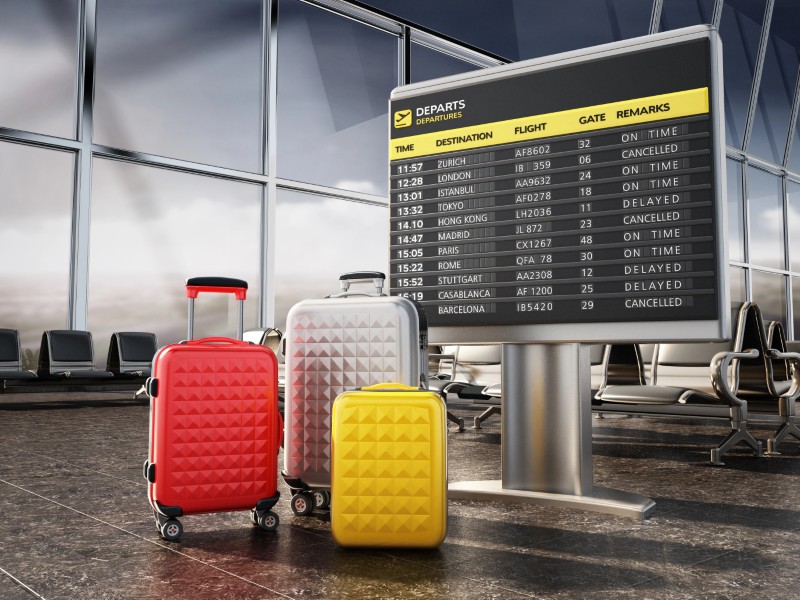
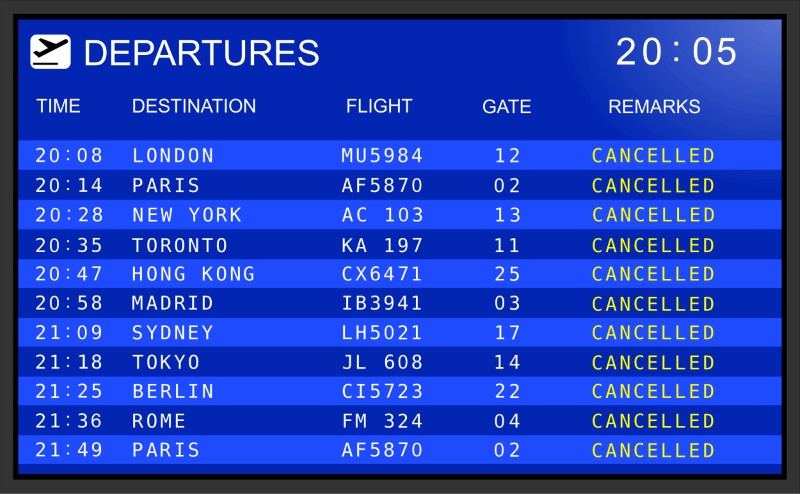
Documentation can make or break a claim. Keep your boarding pass, booking confirmation, airline emails, text alerts, app notifications, and any written communication from staff. If you can, take a photo of the departure board showing the cancellation, especially if the notice was displayed at the airport before you were contacted directly.
Receipts are equally important. If you pay for food, transport, or accommodation because the airline did not immediately provide them, preserve the proof of payment. This is particularly relevant if you are traveling with family or on a budget, since extra costs can add up quickly. Even modest expenses may be reimbursable when they were necessary because of the cancellation.
It is also smart to write down the names of any staff members you speak to, along with the time and location of the conversation. These details may seem minor in the moment, but they can help support your version of events if the airline later disputes what happened.
Step 6: Submit a Compensation Claim
Passengers can submit a claim directly to the airline, and this is usually the first step. Many airlines provide online forms where you can enter your flight number, travel date, booking reference, and a short description of the disruption. Be precise and keep your language factual. A clear timeline often works better than a long complaint filled with emotion.
If the airline rejects the claim, do not assume the decision is final. Airlines sometimes rely on broad statements about extraordinary circumstances, even when the situation may still be challengeable. If you believe the cancellation was within the airline’s control, you can escalate the matter to the relevant national aviation authority or use a claims service that specializes in air passenger rights.
Using Compensation Services
For many travelers, especially those dealing with complex itineraries or limited time, a specialist claim company can make the process much easier. These services handle communication with the airline, review the circumstances, and pursue compensation on your behalf. Many operate on a no win, no fee basis, which means they only charge a percentage if the claim is successful.
This approach can be especially practical if you are unfamiliar with EU law or if the airline has already pushed back on your request. The trade-off is that you will typically receive less than the full compensation amount because of the service fee. Even so, for travelers who value convenience or do not want to manage the paperwork themselves, it can be a worthwhile option.
That said, it is always worth reading the terms carefully. Some claim services are straightforward, while others may have additional fees or stricter payout rules. Knowing exactly what you are agreeing to can prevent frustration later.
How Long You Have to Claim
The deadline for filing a claim depends on national law, since limitation periods differ across European countries. In many places, passengers have several years to submit a request, which means that a missed deadline is not always immediate. Still, waiting too long is never ideal. The longer you leave it, the harder it can be to find paperwork, retrieve emails, or remember the details of the disruption.
If you are unsure whether your claim is still valid, it is better to check sooner rather than later. A quick review of your flight date, departure country, and airline base can usually help determine whether you still have time to act. Even old cancellations are sometimes worth revisiting if the journey was disrupted significantly and you never received proper care or compensation.
Practical Tips to Reduce Travel Disruption
While no traveler can fully prevent cancellations, there are simple ways to reduce the stress when they happen. One of the most effective is signing up for airline notifications before you travel. Many cancellations are communicated by app, email, or SMS before you even leave for the airport, and early notice gives you more options.
It also pays to pack your carry-on carefully. Keep essential medication, chargers, snacks, a change of clothing, and basic toiletries within easy reach. If you are traveling with children, carry enough diapers, wipes, bottles, or comfort items to cover an unexpected overnight stay. Small preparations can make a huge difference if you are stuck in an airport for many hours.
Booking earlier flights can also help. Morning departures are often less exposed to the chain reaction of delays that build up during the day. A cancellation on the first flight of the morning is still inconvenient, but later departures can be affected by weather, crew issues, or aircraft rotation problems that started much earlier. If your route and schedule allow it, an early departure is often the safer choice.
Hidden Gems
One of the lesser-known aspects of dealing with flight cancellations in Europe is how often nearby airports, secondary rail links, and regional connections can save a trip. If your original flight disappears from the board, look beyond the airline’s first offer. In many European cities, a short train ride or an alternative airport may get you to your destination faster than waiting for the next direct flight. This is especially useful in countries with dense transport networks, where a reroute by rail can be far more reliable than a delayed aircraft rotation.
Another hidden advantage is the availability of airport lounges and pay-per-use rest areas in some major European hubs. If you are facing a long wait and the airline has not yet arranged accommodation, a quiet work space, shower facility, or even a simple rest zone can improve the experience considerably. Travelers often overlook these options because they are focused on getting rebooked, but a few hours of comfort can make an overnight disruption feel less punishing.
It is also worth noting that some smaller airports and low-cost terminals handle cancellations differently from major international hubs. Service desks may be limited, and staff may have less flexibility on the ground. In these situations, using airline apps, local transport options, and your own records becomes even more important. Travelers who stay alert, document carefully, and ask the right questions usually navigate the disruption more effectively than those waiting passively for instructions.
Travel Smart When the Unexpected Happens
A canceled flight can ruin a carefully planned day, but it does not have to ruin the entire trip. In Europe, passenger rights are designed to keep airlines accountable and travelers supported through disruption. If you know how to confirm the cause, choose between refund or rerouting, request care, and document your expenses, you put yourself in a much stronger position.
The most useful habit is to stay proactive. Ask questions, save everything, and follow up after you leave the airport if needed. A calm, well-documented approach often produces far better results than frustration alone, and it can mean the difference between absorbing the loss and recovering the value you are owed.
For anyone flying from or within Europe, knowing how EU261 works is not just useful travel trivia. It is a practical tool that can help protect your time, your money, and your peace of mind the next time a gate change turns into a cancellation.