What to Do When Your Flight Gets Canceled When Traveling From and Within the EU

Few travel disruptions are as stressful as getting to the airport, checking your gate, and then realizing your flight has been canceled. Plans unravel quickly in those moments. A carefully timed business trip can turn into a missed meeting. A family visit can become an overnight wait in a terminal. A long-anticipated holiday can start with confusion, frustration, and expensive last-minute decisions. Yet for travelers in Europe, this kind of setback does not have to mean total loss of control. The European Union has some of the strongest air passenger protections in the world, and knowing how they work can make a cancellation far easier to handle. EU Regulation 261/2004, better known as EU261, gives passengers clear rights when flights are canceled, delayed, or when boarding is denied. The law was designed to balance the power between airlines and travelers by requiring airlines to provide care, rerouting options, and, in certain situations, financial compensation. For many passengers, the challenge is not whether rights exist, but how to use them in the middle of a stressful travel disruption. That is why understanding the basics before you fly can save time, money, and a great deal of anxiety later on. Understanding EU Passenger Rights EU261 applies to a wide range of flights, which is one reason it is so important for travelers in Europe. In general, it covers flights departing from an airport in the European Union, regardless of the airline’s nationality. It also covers flights arriving in the EU when the operating carrier is based in the EU. That means the law can apply whether you booked through a major flag carrier, a low-cost airline, or a regional operator. At its core, the regulation gives passengers two essential protections. First, it requires airlines to offer either a refund or rerouting when a flight is canceled. Second, it may require compensation, depending on the cause of the cancellation and how much notice the airline provided. These rights apply regardless of your nationality or where you purchased the ticket, as long as the flight falls within the scope of the regulation. This is especially valuable for travelers because cancellations often happen at the worst possible time. A delay may be annoying, but a cancellation can force a complete reshuffle of accommodation, transport, and sometimes even visa or car rental plans. EU261 exists to prevent the passenger from bearing the full cost of an airline problem. The more you understand the rules, the easier it becomes to insist on the treatment you are entitled to receive. What to Do the Moment Your Flight Is Canceled The first few minutes after a cancellation are critical. The airport may become noisy and crowded, airline staff may be overwhelmed, and passengers may rush to the counters or phones in search of alternatives. In that moment, your priority should be to gather information. Ask the airline why the flight was canceled and whether the reason is likely to qualify as extraordinary circumstances under EU law. This detail matters because it affects whether compensation may be available. Then, check whether the airline is offering a replacement flight, another route, or a refund. If you are traveling on a tight schedule, it is often worth comparing the airline’s options with what is available on your own. Sometimes rerouting on the same airline is the simplest solution. In other situations, particularly when the next departure is badly delayed, a refund may be the better choice if you can quickly book another carrier. The key is not to accept the first suggestion without considering how it affects the rest of your journey. It also helps to stay calm and keep a record of what is being said at the airport. Airline staff may verbally promise assistance or compensation guidance, but those conversations are much more useful if you can later verify them through email or app notifications. The more organized you are in the first hour, the easier the claim process will be later. Step 1: Confirm the Reason for the Cancellation The reason for the cancellation is one of the most important details in any EU261 claim. If the airline canceled the flight because of technical issues, operational problems, crew scheduling errors, or other causes within its control, passengers may be entitled to compensation. These are the kinds of disruptions that passengers reasonably expect airlines to manage. By contrast, airlines do not usually have to pay compensation if the disruption was caused by extraordinary circumstances. Examples can include severe weather, political instability, airport closures, security threats, or certain air traffic control strikes. In those cases, the airline still has a duty to assist passengers, but it may not owe cash compensation. That distinction is why you should always ask for the official explanation instead of relying on a vague statement at the desk. If the airline’s explanation sounds generic, ask for it in writing. The wording can matter later if you decide to submit a claim or challenge a rejection. Travelers often assume the airline will volunteer a full explanation, but in practice the burden is usually on the passenger to ask direct questions and preserve evidence. Step 2: Choose Between Refund or Rebooking Once the cancellation is confirmed, EU law gives you a choice. You can request a full refund for the unused part of your ticket, or you can ask to be rebooked to your final destination under comparable transport conditions as soon as possible. If your journey includes connections and the cancellation makes the whole trip pointless, the airline may also have to provide a return flight to your original departure airport. In practical terms, the best choice depends on your travel plans. If your trip is time-sensitive, rebooking may be more valuable than a refund because it gets you moving again without having to reorganize everything yourself. If your schedule is flexible, a refund might give you the freedom to book a better connection or even choose a different airport. When prices are high, however, keep
Why This Company is One of the Best for Finding Work

Most travel, at least the kind that fills social feeds and guidebook checklists, can be surprisingly passive. You arrive, photograph the famous square, eat where everyone else eats, take a bus tour, and leave with a camera roll full of the same scenes thousands of other visitors have captured. There is nothing wrong with that kind of trip. In fact, for many people, it is the perfect vacation. It is easy, familiar, and often exactly what a short break should be. But there is another way to travel, one that goes beyond checking off sights and collecting souvenirs. It is slower, more rooted, and far more memorable. It is the kind of travel that asks you to stay long enough to understand the rhythm of a place, not just its surface. You begin to recognize the morning rush at the local bakery, the subtle etiquette of a neighborhood café, the bus routes that actually get used by residents, and the difference between a place being interesting and a place feeling lived in. That deeper style of travel is not always easy to access on your own. It often requires a visa, a job, a program, or some kind of structured entry point that helps you move from visitor to participant. That is where working holidays, teach-abroad placements, internships, and volunteer opportunities become so valuable. They create a bridge between travel and real life, letting you contribute, learn, and stay long enough for a destination to become more than a backdrop. Why Deeper Travel Changes the Way You See a Place The most transformative journeys are rarely the ones where everything is polished and prearranged. They are the ones where you have to adapt, contribute, and engage. When you live somewhere for weeks or months, you start to see the texture of daily life: how people commute, where they buy groceries, what local routines shape the day, and how communities interact outside of the tourism economy. This changes your understanding of travel entirely. Instead of asking, “What can I see here?” you begin to ask, “How does life actually work here?” That shift matters because it creates space for genuine connection. Rather than depending on brief encounters with guides or service workers, you begin building relationships through repeated interaction. Coworkers, neighbors, host families, local friends, and project coordinators become part of your story. The destination becomes tied to people, not just places. Years later, those are the relationships and experiences that remain vivid. For many travelers, the challenge is not desire but logistics. It is easy to want a meaningful experience and harder to figure out how to get one without wasting time, money, or energy on unreliable opportunities. That is why structured programs have become such an important part of modern travel. They help you avoid the guesswork and give you a real path into a country, community, or career experience abroad. What Global Work & Travel Does Global Work & Travel is one of the largest gap year and long-term travel companies in the world, and it has spent nearly two decades helping people find working holidays, volunteer placements, teaching jobs, internships, au pair roles, and seasonal work abroad. Its reach spans destinations across the UK and Europe, the Americas, Asia, Africa, and the Pacific, giving travelers a wide range of options depending on their goals, budget, and timeline. What makes a service like this useful is not only the range of programs, but the amount of friction it removes. Moving to another country, even temporarily, involves a long list of decisions and practical hurdles. You have to think about visas, bank accounts, tax numbers, housing, transportation, interviews, language barriers, and what to do if something goes wrong after arrival. For someone new to long-term travel, that can be overwhelming. Global Work & Travel provides a support structure that simplifies the process through placement assistance, pre-departure guidance, visa support, and ongoing help via its gWorld trip management platform. That kind of scaffolding can make the difference between a dream that stays vague and a trip that actually happens. It is especially helpful for first-time travelers, younger travelers, solo travelers, and anyone who wants a meaningful overseas experience without having to build everything from scratch. Types of Programs Available The company offers several pathways into long-term travel, each suited to different interests and levels of experience. Working holidays are ideal for travelers who want to earn money while living abroad in destinations such as Australia, Canada, the UK, New Zealand, South Korea, and Japan. These programs can help with job matching, accommodation guidance, and the practical steps needed to settle in quickly. For anyone who wants to fund a longer stay without relying on savings alone, this is one of the most practical travel models available. Volunteer abroad programs are designed for people who want to contribute to wildlife conservation, community development, education, construction, or care work. These trips can be short or extended, making them accessible to a broader age range and a wider variety of schedules. Teaching programs add another layer by offering TEFL training, job placement support, and help with the administrative details that often determine whether a trip succeeds or stalls. For those interested in education and cultural exchange, teaching abroad can be one of the most rewarding ways to stay immersed in a destination. Au pair placements, summer camp jobs, and internships round out the offering. Au pair experiences allow you to live with a host family, which can be one of the most intimate ways to understand day-to-day life in a new country. Summer camp jobs provide a seasonal, social, and highly structured way to work abroad, often with accommodation and meals included. Internships can help students and early-career professionals build international experience that strengthens a resume while exposing them to a different business culture. Why Working Holidays Appeal to a New Generation of Travelers For years, the idealized version of extended travel was the digital nomad lifestyle: work remotely, earn in a
How the Antigravity 360 Drone Will Change Your Travels
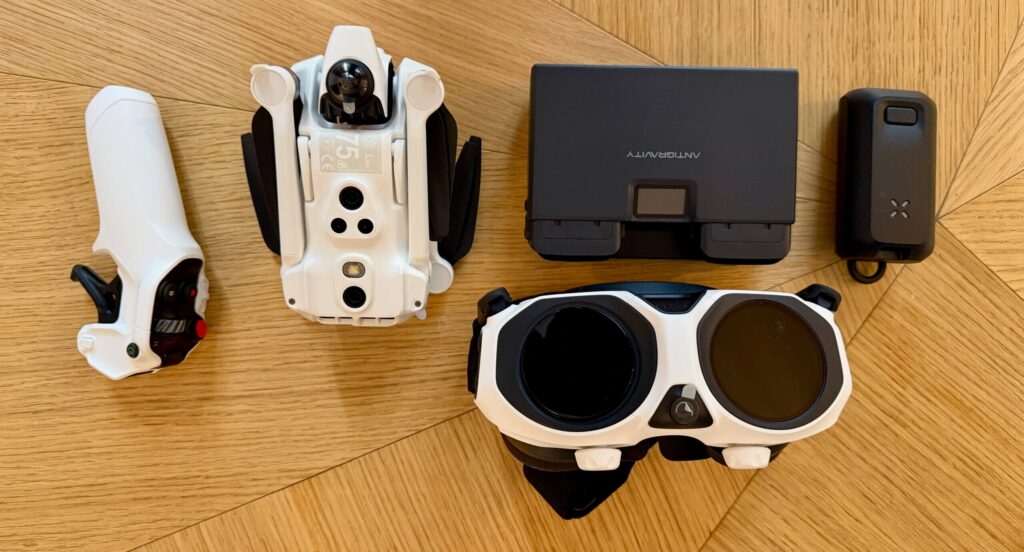
A New Kind of Travel Drone: Why 360 Capture Changes the Way You Record the World Travel content has changed dramatically in the last few years. A phone can still handle basic clips, action cameras remain useful for quick moments, and traditional drones continue to dominate for sweeping landscape shots. But for travelers who want a more flexible way to document a trip, the latest generation of 360-degree drone technology opens up a very different workflow. Instead of trying to nail the perfect angle in real time, you can capture the entire scene first and decide on the framing later. That simple shift changes how you move through a city, how you approach outdoor adventures, and how much creative freedom you have when you return home to edit. That is what makes the Antigravity A1 so interesting. It is not just another flying camera with a few cosmetic upgrades. It is built around the idea that the camera should capture everything around it, not just what sits in front of the lens. For travelers, that matters. Markets feel busier, coastlines look more cinematic, and mountain paths become easier to film because you are no longer constantly worried about whether the drone is pointed in the right direction. You fly, you explore, and later you choose the angle that best tells the story. For anyone who has ever missed a great shot because the subject moved too quickly or the drone was pointed the wrong way, this is a meaningful change. It is also one that fits travel particularly well, because travel rarely happens on cue. The best moments are often spontaneous, and a 360 drone is designed to be forgiving in exactly those moments. Why the Antigravity A1 Stands Out The Antigravity A1 is built around a dual-lens 360-degree capture system that records in every direction at once. In practical terms, that means the drone is always gathering more visual information than a standard forward-facing camera. Instead of making you commit to a single composition before takeoff, it lets you reframe later in post-production. For travel creators, this is a major advantage. You can concentrate on flying safely and following the story, then decide afterward whether the best version of the scene is a wide reveal, a close-follow shot, or a dramatic overhead sweep. The system is especially appealing for creators who want polished footage without carrying a full production setup. Traditional drone filming often requires a mental checklist: position, angle, movement path, exposure, subject placement, and whether the gimbal is level. With a 360 drone, that pressure eases. You still need to fly responsibly and understand your surroundings, but you no longer need to solve every framing decision in the air. That gives the A1 a very specific appeal for travelers who want beautiful footage without a steep learning curve. Another important point is portability. Many travelers want drone capability, but they do not want to sacrifice luggage space or deal with bulky gear that becomes a burden on the road. The A1’s lightweight build and folding design make it easier to pack than many larger aerial cameras. It feels like gear made for actual travel rather than for a studio shelf. That alone makes it appealing for people who move between airports, trains, road trips, and different types of accommodation. Two Lenses, One Seamless Sphere What makes the camera system so distinctive is the way the two ultra-wide lenses work together. Each lens captures a huge portion of the environment, and the stitched result is a full 360-degree sphere. That means you are not just recording the view in front of the drone; you are recording the whole environment around it. When the footage is exported, the drone itself can be removed digitally, creating the effect of a camera floating in the air. For travel footage, this can look remarkably clean and immersive. This approach is particularly effective in scenic destinations where there is something interesting in every direction. Picture a cliffside road, a crowded waterfront, or a summit with clouds rolling over the ridge. A conventional drone can only tell part of that story at a time. A 360 system captures the broader atmosphere, which is often what people actually remember when they travel. It is less about a single perfect angle and more about preserving the feeling of being there. The 1/1.28-inch CMOS sensors are another reason the A1 is more serious than a typical novelty drone. While they are not as large as the sensors found in some high-end cinema drones, they offer a meaningful improvement over smaller action camera sensors, especially when the light is not ideal. Travel rarely gives you perfect conditions. Sunrise happens quickly, shade falls unevenly across streets, and dusk often arrives before you are ready. Better low-light performance and stronger dynamic range help preserve detail in skies, buildings, and shadowed landscapes when the day is working against you. Just as importantly, the drone’s 249-gram weight with the standard battery is a practical travel advantage. In many places, drones above 250 grams are subject to stricter registration and flight rules. Staying just under that threshold can simplify the process in some destinations, though travelers still need to check local regulations carefully before flying. The lesson is simple: lighter gear can mean fewer hassles, but responsibility still matters no matter where you are filming. Build Quality That Feels Ready for the Road Travel gear takes abuse. It gets packed into backpacks, stuffed into overhead bins, carried through humid cities, and unpacked on beaches, boats, and mountain trails. A drone designed for travel needs to feel sturdy enough to survive that lifestyle. The A1’s carbon-fiber-reinforced polymer construction gives it a more substantial feel than many cheaper plastic models. The folding mechanism also matters more than people think. If a product opens and closes with confidence, it inspires confidence in the field. The size is another advantage. Folded down, it becomes compact enough to sit comfortably in a carry-on or camera bag. That
Tips for a Europe trip with a happy bank account

How to explore Europe on a budget without feeling like you missed out Europe has a reputation for being expensive, but that reputation only tells part of the story. With the right timing, a flexible itinerary, and a willingness to look beyond the obvious tourist trail, you can enjoy a rewarding European trip without draining your savings. The real trick is not simply finding the cheapest option at every turn. It is about choosing where to spend, where to save, and how to travel in a way that keeps the experience rich even when the budget is lean. That might mean flying into a less obvious airport, taking a scenic train instead of a short-haul flight, or basing yourself in a city that offers great value while still putting major highlights within easy reach. Budget travel in Europe works best when it feels intentional rather than restrictive. There is freedom in knowing that you can enjoy a café breakfast in a grand old square, ride a tram like a local, and still have enough left over for a memorable dinner or a day trip. The following guide breaks down the smartest ways to make a Europe trip more affordable, while still leaving space for the kind of moments that make travel unforgettable. Fly like a savvy traveler Airfare is often the first major expense to tackle, and it can shape the entire tone of your trip. If you are flexible with dates and airports, you can often find dramatic savings compared with peak-season pricing. Booking in advance usually helps, especially for popular routes, but it is also worth comparing midweek departures and early-morning or late-night flights. These less convenient time slots can sometimes be significantly cheaper, and for a budget-conscious traveler, the trade-off is often worth it. Budget airlines such as Ryanair and EasyJet have made travel between European cities far more accessible than it used to be. They are ideal for short hops when booked carefully, especially if you travel light and understand the baggage rules before you reserve. The base fare can look incredibly low, but extras add up quickly, so it pays to read the fine print. If you are strategic, however, these carriers can open up a Europe itinerary that would once have been out of reach. Another smart approach is to search for the cheapest destination rather than starting with a fixed place in mind. Some cities consistently offer lower fares because they are served by more routes or because they are less in demand at certain times of year. This can be an excellent way to discover somewhere new while stretching your budget further. In many cases, the best value destination is not the one everyone is talking about, but the one that still feels authentic, lively, and rewarding to explore. Hop on the train and travel like a pro Once you are in Europe, trains can be one of the smartest ways to move between cities. They are often faster and more comfortable than the full airport experience, especially on routes that connect major urban centers. Instead of dealing with security queues, remote airports, and long transfers, you can step onto a train and arrive close to the heart of your next destination. For many travelers, that convenience alone is enough to make rail travel the preferred option. Europe’s rail network is especially appealing because it gives you both flexibility and scenery. Whether you use a Eurail pass, Interrail pass, or simple point-to-point tickets, train travel can work beautifully for a budget itinerary when planned in advance. High-speed routes can turn what would otherwise be a long day of transit into a short, efficient journey, while slower regional trains often offer the chance to see the countryside in a more relaxed way. There is something particularly satisfying about watching the landscape change outside the window as you move from one country to another. Sleeper trains deserve special mention because they can save both time and money. A night train allows you to skip a hotel stay and wake up in a new city ready to start exploring. For travelers trying to maximize every day of a limited trip, this can be a very practical option. It is also part of the romance of traveling overland in Europe: reading by the window in the evening, watching stations pass in the dark, and stepping off the train into a new morning with your next adventure already underway. Train travel also tends to feel less stressful than air travel. You usually have more room, less waiting, and more freedom to move around. The ability to work, read, or simply enjoy the ride makes the journey feel like part of the experience rather than a necessary inconvenience. If your goal is to travel affordably without sacrificing comfort, rail travel is one of the strongest tools in your kit. Seek out unique and affordable destinations One of the easiest ways to keep a Europe trip affordable is to choose destinations that offer strong value for money. The classic capitals and famous bucket-list cities are appealing for good reason, but they are not always the best places to base a budget trip. Expensive accommodation, high restaurant prices, and crowded attractions can quickly eat into your daily allowance. By broadening your search, you can find cities that are just as beautiful, just as interesting, and far easier on the wallet. Central and Eastern Europe are particularly good regions to consider if you want rich experiences at lower daily costs. Cities such as Budapest and Prague combine historic architecture, a lively café culture, excellent public transport, and plenty of things to see on foot. You can spend a full day wandering riverside promenades, exploring old town streets, and stopping for inexpensive local meals without feeling like you have to watch every cent. Sofia and Bucharest are also worth considering for travelers who enjoy history, urban energy, and a less predictable itinerary. These cities may not be the first names that
Best Travel Insurance for Solo Female Travellers: Tried and Tested After 25 Years

Insurance is one of those travel essentials that rarely feels exciting when you are planning a solo trip, but it becomes deeply important the moment something goes wrong. A delayed connection, a stolen phone, a twisted ankle in an unfamiliar city, or a sudden illness can turn a dream journey into a stressful and expensive situation. For solo travellers, the stakes are even higher because there is no travel companion to help manage logistics, translate at a clinic, or absorb the chaos when plans change. Travel insurance is not just a box to tick before departure; it is a practical layer of protection that can save money, reduce panic, and give you the confidence to keep moving. Over many years of travelling alone, across long stretches on the road and short trips in between, I have learned that choosing the right policy depends on the way you actually travel. A two-week city break has different needs from a six-month backpacking journey or a year spent moving between countries as a digital nomad. The best insurance for solo travellers is the one that matches your route, your activities, your belongings, your health needs, and your risk tolerance. In other words, the cheapest policy is rarely the smartest one unless it genuinely covers what you need. That is especially true in uncertain times, when border rules, conflict zones, flight disruptions, and regional instability can affect travel plans with little warning. For solo travellers, flexibility matters as much as affordability. If you are travelling independently, you want a policy that will respond quickly, cover emergency medical treatment properly, and not bury critical exclusions in fine print so dense that you need a legal degree to understand it. The aim is not to buy insurance and forget about it; the aim is to choose protection that you can rely on without second-guessing every detail. What Solo Travellers Should Look for in Travel Insurance The first thing to understand is that travel insurance is not all the same. Two policies may look similar at first glance but differ dramatically once you start comparing the details. The headline price is only one part of the picture. The real question is how the policy behaves when something happens and you need help fast. That means looking closely at excess, duration, personal belongings, activities, medical cover, destination exclusions, and any rules around pre-existing conditions. Excess is the amount you have to pay yourself before the insurer contributes to a claim. A policy with a lower excess may seem attractive, but it often comes with a higher premium. A higher excess can reduce the upfront cost, which may suit budget-conscious travellers, but it also means you will pay more out of pocket if you need to claim. This balance matters more than many people realise. If you are travelling with expensive electronics, it is worth checking the item limits carefully, because a policy may say you are covered for valuables but still cap individual items at a much lower amount than the actual replacement cost of your phone, laptop, or camera. Duration is another detail that can catch travellers out. Some policies cover only a fixed number of consecutive days, and if your trip runs even one day longer than the limit, your cover may end immediately. If you are travelling several times a year, an annual policy may make more sense than buying separate cover for each trip. Many annual policies also include time limits per trip, so it is important to check whether those limits suit your usual style of travel. Long-term travellers should look for policies specifically designed for extended journeys rather than standard holiday insurance stretched beyond its natural fit. Activities are another key issue. If your itinerary includes hiking, diving, kayaking, skiing, climbing, horse riding, or anything more adventurous than a relaxed beach holiday, you need to check whether those activities are included as standard or require an add-on. Many policies exclude extreme sports or only cover them up to a certain altitude or difficulty level. That is the sort of detail that matters if you are heading somewhere like the Himalayas, planning open-water dives, or signing up for a last-minute canyoning excursion. Solo travellers often say yes to opportunities along the way, so your insurance should be broad enough to keep up. Medical cover is arguably the most important part of any travel insurance policy. It is one thing to lose luggage; it is another to face hospital bills in a foreign country without a support system nearby. Strong medical cover should include emergency treatment, hospital stays, ambulance transport, medical evacuation, emergency dental treatment, and 24/7 assistance. If you are pregnant, have a pre-existing condition, or take regular prescription medication, these details need careful attention before you buy. Some policies exclude pre-existing conditions completely unless they are declared in advance, while others offer a more tailored approach for travellers who need ongoing protection. Destination coverage is equally important. Not every worldwide policy covers every country, and some regions that appear to be included can actually be treated as special cases. The United States is a common exclusion or surcharge destination because healthcare costs there are so high. Canada, Australia, and New Zealand can also be treated differently by some insurers. If you are crossing multiple borders, make sure every destination on your itinerary is actually covered. The simplest way to avoid problems is to be exact about where you are going rather than assuming “worldwide” means universal protection. Best Travel Insurance Options for Solo Travellers Different travellers need different kinds of cover, which is why there is no single perfect insurer for everyone. The strongest policies for solo travel tend to be the ones that are transparent, flexible, and suitable for the way people really move around the world. Below are three well-known options that are often recommended by long-term travellers, backpackers, and solo female travellers alike. SafetyWing for digital nomads and long-term travellers SafetyWing is often the first name that comes
The Best Place to Stay for Digital Nomads

Balancing Remote Work and Travel Without Burning Out For digital nomads, the hardest part of life on the road is rarely the flight, the packing, or even the visa paperwork. It is the daily balancing act between wanting to explore a new place and needing a calm, reliable environment where real work can happen. That tension becomes especially clear when your day starts with a client call in one time zone, ends with a deadline in another, and somehow still needs to leave room for a walk through a new city. Working from cafés can be charming for an hour or two, but after a while the noise, the unstable Wi-Fi, and the uncomfortable seating start to wear you down. Hostels can be social and cheap, but they are not always built for focus. Many remote workers eventually reach the same conclusion: if travel is going to be sustainable, the place you stay matters as much as the destination itself. That is the gap that coliving has stepped in to fill. In recent years, remote work has moved from being a niche lifestyle to a mainstream reality, and with that shift has come a new kind of accommodation designed around both productivity and community. Instead of choosing between a lonely hotel room and an overstimulating hostel, travelers can now book spaces built specifically for long stays, shared experience, and dependable work setups. Outsite is one of the best-known names in that space. With properties in cities, coastal towns, and creative destinations around the world, it has become a favorite among remote workers who want more than a bed and a Wi-Fi password. They want a rhythm, a neighborhood, and a sense of belonging. What Outsite Is and Why It Exists Outsite began in 2015 with a simple idea: people who work remotely still need the practical advantages of a home and the social benefits of a shared environment. It started in Santa Cruz, California, as a place where surfers, freelancers, and remote professionals could live and work without giving up either side of their lifestyle. The concept proved popular, and the company expanded into a global network of coliving and coworking spaces tailored to location-independent travelers. Today, the platform offers dozens of locations and a membership model that rewards longer stays and repeat guests. The appeal is easy to understand. Most remote workers do not want to spend their time hunting for a decent desk or testing internet speeds in every new city. They want to arrive, unpack, and start working. Outsite removes a lot of the friction that normally comes with slow travel. You can filter by destination and setting, choosing a beach town, a major city, or a mountain escape depending on the kind of trip you want. For people who move often, that consistency is valuable. The experience may change from one property to another, but the basic standard stays familiar: private rooms, shared common areas, and a workspace designed for getting things done. How Outsite Works in Practice Outsite is often described as a boutique hotel crossed with a coworking space, and that is a fair comparison. You are not booking a dorm bed or a generic apartment. You are usually reserving a private room, and in many locations that room includes its own bathroom. In some properties, especially the more affordable options, the bathroom may be shared with one other guest, but the overall experience still feels significantly more private than a hostel. That privacy matters when you are staying somewhere for a week or more and need a real sense of routine. The common spaces are a major part of the experience. Outsite properties usually include large kitchens, living rooms, outdoor terraces, and design-forward interiors that feel more like a thoughtful home than a commercial stay. The kitchens are often spacious enough to cook properly, which is a notable advantage for travelers trying to manage both health and spending. Many properties also include extras such as laundry facilities, lounge areas, rooftop space, or even a small gym. The overall effect is practical without feeling plain. The spaces are usually bright, well-kept, and styled with local touches that give each property its own personality. Just as important is the workspace itself. A real remote-work setup is about more than good intentions. It requires a proper desk, a chair that supports long hours, strong lighting, and internet that can handle video calls without failing halfway through a meeting. Outsite understands that, and the properties are built with work in mind. Many include dedicated coworking rooms or work zones with monitors, ergonomic chairs, and fast Wi-Fi. That means you can move from breakfast to deep work without having to leave the building or improvise a setup at the kitchen table. Another detail that makes a noticeable difference is the social structure. Every location has a community manager, which helps turn the property from a simple place to stay into a living network of travelers. Before arrival, guests are often added to a group chat, usually on WhatsApp, where they can introduce themselves, share arrival times, and start planning outings. Events may include group dinners, weekend excursions, yoga sessions, tapas nights, or casual meetups. The point is not forced socializing. It is about creating natural opportunities for connection among people who already have something in common: they are working while traveling, and they understand the challenge of doing both at once. My Experience in Bordeaux Bordeaux is a city that suits this style of travel particularly well. It has enough going on to keep days full, but it is also compact enough that you can settle into a neighborhood and feel like a local after a short time. Staying in a place like Outsite there makes sense because you get the best of both worlds: a calm base where work can happen and a city outside the door that rewards wandering. Rather than treating the accommodation as an afterthought, the stay becomes part of the trip itself.
Capital One Venture Business Card Review

If you’re a traveler who likes getting the most value out of every trip, the Capital One Venture Business card is worth a serious look. It is designed for business owners and frequent spenders who want a simple way to earn travel rewards without juggling a complicated set of bonus categories. For many travelers, the appeal of a card like this is straightforward: put everyday expenses on the card, earn miles consistently, and turn those miles into lower travel costs later. That can mean fewer out-of-pocket expenses for flights, hotel nights, rental cars, and the little extras that often make a trip feel more comfortable. What the Capital One Venture Business Card Is The Capital One Venture Business card is the refreshed version of Capital One’s Spark Miles product, and it brings a cleaner, more travel-focused structure to the table. Instead of making you memorize a long list of rotating bonus categories or strict redemption rules, it keeps the earning model simple. You earn 2x miles on every purchase, which makes it easy to understand exactly what you’re getting every time you use the card. That simplicity is one of the main reasons the card stands out for busy travelers and small business owners who prefer a low-maintenance rewards strategy. The current welcome offer is especially attention-grabbing. New cardholders can earn up to 150,000 miles: 75,000 miles after spending $7,500 on purchases in the first three months from account opening, plus an additional 75,000 bonus miles after spending $30,000 on purchases in the first six months from account opening. For people who already put significant business expenses on a card, that can be a meaningful jump-start toward future travel. Even if you do not hit the full offer, the base earning rate gives the card long-term value. There is also a $95 annual fee, but that fee is softened by the card’s travel credit and statement credit. When you factor in those credits, the card can be very close to cost-neutral for many users. That is important because the best travel cards are not always the ones with the flashiest perks; sometimes the best card is the one that quietly delivers value year after year without creating extra mental work. Why the Simple Earning Structure Works So Well One of the biggest reasons travelers like this card is that it does not require much strategy to use well. Many rewards cards are best only when you use them in very specific categories, such as dining, groceries, hotels, or gas. That can be effective, but it also creates friction. If you forget which card to use in which situation, you can easily miss out on bonus earnings. The Venture Business card removes much of that confusion by giving you a consistent return on nearly every purchase. That consistency can be especially useful for business owners who have irregular spending patterns. Some months may be heavy on office supplies, shipping, software, client dinners, or advertising; other months may be more focused on travel. With a flat 2x earning structure, every purchase contributes to your next trip. In practical terms, that means you can rack up miles without needing to optimize every swipe. Travel Perks That Matter in Real Life Beyond the welcome bonus and everyday earning, the card includes a set of practical travel perks that can make business trips and personal trips smoother. It comes with up to $120 toward Global Entry or TSA PreCheck, which can save time at the airport and make the security experience much less stressful. For frequent flyers, that benefit alone can be genuinely useful, especially if you regularly move through crowded airports or tight schedules. The card also includes no foreign transaction fees, which is a must-have for anyone who travels internationally or makes purchases from overseas vendors. Those fees may seem small in isolation, but they can add up quickly over a long trip. Avoiding them means you keep more of your travel budget for the things you actually want to spend money on, like meals, activities, and local experiences. Another useful perk is Hertz Five Star status. If you rent cars often, that status can help reduce the frustration of long lines and improve the overall rental experience. At some locations, it allows you to skip the counter and head straight to a vehicle, which is a welcome convenience after a long flight or during a tight business itinerary. Travel is already full of moving parts; anything that shortens airport-to-road time deserves attention. Rental Car Coverage and Why It Counts Rental car coverage is one of those benefits that many travelers overlook until the moment they need it. The Venture Business card offers rental car coverage for business-related rentals when you charge the full rental cost to the card and decline the rental company’s collision damage waiver. In that case, you may be covered for damage from collisions and theft. That kind of protection can provide peace of mind, particularly if you rent cars frequently for work or in places where public transportation is limited. There is also a practical side to this perk. Rental car counters can be crowded, slow, and unpredictable, especially in major airports during peak travel times. A benefit like Hertz Five Star status, combined with rental coverage, can make the experience feel less transactional and more streamlined. It is not the most glamorous benefit on the card, but for road-heavy travelers, it can be one of the most useful. How Capital One Miles Work Capital One miles are flexible, which is one of the main reasons this card appeals to so many travelers. You can use your miles in several different ways depending on your travel style and how much effort you want to put into redemptions. The simplest option is to book travel directly through the Capital One travel portal and use miles as payment. In this setup, miles generally function like cash at a value of one cent per mile, making the process familiar and
Culture, Gastronomy, and Local Life

Madrid has a way of surprising first-time visitors and winning back seasoned travelers again and again. It is a city that runs on late dinners, long conversations, museum masterpieces, neighborhood bars, and a kind of effortless confidence that makes every walk feel cinematic. With grand boulevards, tucked-away courtyards, world-class art, and a food scene that ranges from old-school taverns to inventive modern kitchens, Spain’s capital is far more than a stopover between famous destinations. It is a place that rewards curiosity, and the best way to experience it is to give yourself time to wander, taste, and linger. What makes Madrid especially appealing is its balance. It is large enough to feel exciting and endlessly layered, yet intimate enough that you can build a meaningful trip around a few well-planned neighborhoods. You can spend one morning in a museum with some of the most important paintings in Europe, lunch in a historic market, an afternoon in a shaded park, and the evening on a rooftop with the city glowing below you. The rhythm is relaxed, but never dull. If you embrace Madrid’s slower pace, you’ll discover a capital that feels both elegant and deeply lived-in. Why Madrid Belongs on Your Spain Itinerary Madrid is often compared to Barcelona, but the two cities offer very different experiences. Barcelona dazzles with coastal charm and modernist landmarks, while Madrid leans into tradition, culture, and a more local-feeling urban energy. It is a city of plazas, art institutions, hidden taverns, and neighborhoods where everyday life spills into the streets. For travelers who love cities with personality, Madrid delivers in layers. It is also surprisingly versatile. Art lovers can lose themselves in the Prado, Thyssen, and Reina Sofía. Food lovers can build entire trips around tapas, markets, and classic restaurants. History buffs will find royal palaces, monasteries, and plazas that reflect centuries of Spanish power. Travelers on a budget can still enjoy a rich experience by prioritizing free parks, market meals, and affordable neighborhood bars. In other words, Madrid works for nearly every kind of trip. A Five-Day Madrid Itinerary That Balances Icons and Local Flavor If you want to do Madrid well, five days is an excellent starting point. That gives you enough time to see the major sights without rushing, while also leaving room for neighborhood wandering and smaller discoveries. The ideal trip mixes famous landmarks with slower experiences, because Madrid is not a city to be checked off quickly. It is a city to be absorbed. Day 1: The Art Walk and Madrid’s Cultural Heart Start in the area known as the Art Walk, a beautifully connected stretch of museums and historic spaces that offers one of the strongest cultural introductions to any European capital. The experience begins at the Prado Museum, an essential stop even for travelers who usually prefer smaller collections. Its galleries hold masterpieces by Goya, Velázquez, El Greco, Rubens, and many others, and the building itself reflects the importance Madrid has long placed on art as a symbol of identity and power. Give yourself time here; this is not a place to rush through. From the Prado, continue along the Paseo del Prado to the Thyssen-Bornemisza Museum, where the collection bridges centuries and styles with remarkable ease. Then finish the trio at the Reina Sofía Museum, where modern and contemporary works create a powerful contrast with the older masters you have just seen. The highlight for many visitors is Picasso’s Guernica, a large and emotionally charged painting that remains one of the most significant anti-war works ever created. Even travelers who are not especially drawn to modern art often find this museum unexpectedly moving. After a morning of galleries, slow down over lunch. Madrid’s museum district has no shortage of appealing places to eat, from rustic taverns serving cocido madrileño to stylish dining rooms with excellent croquetas and seasonal plates. This part of the city is ideal for a long meal, which is very much in keeping with local habits. A relaxed lunch gives you the perfect transition into the afternoon. In the afternoon, step into Madrid’s elegant house museums. These former private residences offer a more intimate look at the city’s artistic history, and they are often overlooked by travelers who focus only on the major institutions. The Sorolla Museum, with its luminous gardens and painterly interiors, is one of the most rewarding examples. Nearby, the Museum of Romanticism and the Lázaro Galdiano Museum offer equally atmospheric visits, combining art, decorative objects, and architecture in settings that feel personal rather than monumental. By evening, keep the pace gentle. Madrid’s first day is about immersion rather than exhaustion, so an unhurried dinner and a stroll through nearby streets is more than enough to end the day well. Day 2: Habsburg Madrid and the Historic Center Day two brings you into the oldest and most historic part of Madrid, where the city’s medieval and imperial past still shapes the street plan. Begin at Puerta del Sol, one of the most recognizable meeting points in Spain. This is where you’ll find Kilometer Zero, the symbolic starting point of the country’s highway network, along with the famous Bear and the Strawberry Tree statue, a beloved emblem of Madrid. It’s crowded, energetic, and slightly chaotic, but it remains one of the city’s defining landmarks. From there, walk to Plaza Mayor, one of Madrid’s grandest open spaces. Framed by arcades and elegant facades, the square has seen everything from markets and bullfights to public ceremonies and celebrations. Today it is one of the city’s best places for people-watching. Yes, some of the bars and cafés are priced for visitors, but the square still earns its place on any itinerary for its atmosphere alone. A classic local move is to stop for a calamari sandwich nearby. It is simple, filling, and unmistakably Madrid. This is one of those city staples that feels more meaningful when eaten in the right setting, especially after a slow walk through the old center. In the afternoon, head
A Step-By-Step Guide to the Best Hike in Crater Lake

Garfield Peak Hike: One of the Best Ways to Experience Crater Lake Crater Lake has a way of stopping people in their tracks. Even before you lace up your hiking shoes, the first glimpse of that impossibly blue caldera feels surreal—like nature decided to turn the saturation all the way up. If you’re looking for a trail that delivers those dramatic views without demanding an all-day commitment, the Garfield Peak Trail is one of the most rewarding hikes in Crater Lake National Park. What makes this hike so memorable isn’t just the summit view, though that’s certainly a highlight. It’s the steady sense of revelation as you climb higher and higher above the rim, with the lake changing character at every bend. One minute you’re looking across a forested slope, and the next you’re staring into the heart of a volcanic masterpiece. The trail is short enough to fit into a packed itinerary, but scenic enough to feel like a centerpiece experience. Why Garfield Peak Belongs on Your Crater Lake Itinerary Garfield Peak is one of those hikes that gives you a lot in return for a relatively modest effort. At just 3.3 miles round-trip, it’s accessible to many travelers, yet the climb still feels like a true mountain adventure. The trail gains about 1,100 feet, and while that means a sustained uphill workout, the path is manageable for hikers with average fitness and a good pair of shoes. The cultural and natural significance of this area adds another layer to the experience. Crater Lake itself is the collapsed remnant of Mount Mazama, a volcano whose eruption reshaped the landscape thousands of years ago. For the Indigenous peoples of the Klamath Basin, this is not just a scenic destination but a place of deep spiritual importance. Hiking here is a chance to appreciate both the geological drama and the living heritage of the region. Garfield Peak Hiking Stats Distance: 3.3 miles (5.4 km) round-trip Difficulty: Moderate Total Ascent: 1,100 feet (335 m) Lowest Elevation: 7,055 feet (2,150 m) Highest Elevation: 8,055 feet (2,455 m) Time: 1.5 to 2.5 hours Because Crater Lake sits at high elevation, even a relatively short hike can feel more strenuous than expected. Pace yourself, especially if you’ve just arrived from lower elevations. Is the Garfield Peak Hike Worth It? Absolutely. If you only have time for one moderately challenging hike at Crater Lake, Garfield Peak is an excellent choice. The trail delivers some of the park’s most dramatic views, and the summit offers a classic panorama: Crater Lake glowing below, the lodge tucked into the rim, and distant ridgelines stretching toward the horizon. There are other standout viewpoints around the park—Watchman Peak on the west side and Wizard Island if you can access it—but Garfield Peak stands out for its combination of trail variety, big views, and convenience. Since the trail begins near Crater Lake Lodge, you can be on the summit quickly without complicated logistics. Trailhead and Parking The easiest place to start is near Crater Lake Lodge. Parking is available in the lodge lot, along the road, and in nearby visitor areas, but spaces can fill quickly in summer and on event days. If you want the best chance at easy parking, arrive early. A few practical perks of starting here: You can use the restrooms inside Crater Lake Lodge. You’re close to the Visitor Center. You can combine the hike with the Discovery Point Trail or a meal at the lodge. The walk to the trailhead already gives you postcard-worthy views of the lake. From the lodge, follow the paved path along the rim for a few minutes to reach the official trailhead. It’s a great warm-up and a chance to take some early photos before the uphill work begins. Parking Tips Arrive early, especially in July, August, and September. If you’re visiting during Ride the Rim, go even earlier than you think you need to. Have a backup plan in case the lodge lot is full. Consider pairing this hike with a sunrise or early-morning stop to avoid the busiest parking window. Garfield Peak Step-by-Step Trail Guide The trail begins climbing almost immediately. There’s no long warm-up section, so expect a steady ascent right from the start. The grade is fairly consistent, though you’ll find brief flatter sections as you get closer to the summit. That rhythm—up, pause, take in the view, repeat—makes the hike feel rewarding rather than punishing. The route alternates between rimside stretches and steeper hillside sections, giving you a variety of perspectives as you climb. The trail surface is mostly packed dirt with occasional loose rock, and the path is generally easy to follow the whole way. What the Trail Feels Like Expect a hike that’s scenic from the first few minutes. The real joy here is that the views are frequent, not reserved for the summit alone. As you climb, the lake keeps reappearing through open sections of trail, and each viewpoint seems to reveal a slightly different shade of blue. A few things to know before you start: The trail is exposed with little to no shade. Wind can be strong along the rim. Summer sun can feel intense at high elevation. Conditions can change quickly, even on otherwise pleasant days. Best Viewpoints Along the Way One of the best parts of the hike is the viewpoint around the 1.3-mile mark. The trail opens up at a broad U-turn, and if you step carefully onto the ridge, you’ll get sweeping views in every direction. This is one of those places where hikers naturally stop, breathe, and forget about the miles. At the Summit The summit is where Garfield Peak truly earns its reputation. From the top, Crater Lake fills your field of vision in a way that photos simply cannot capture. On a clear day, the whole caldera looks almost unreal, ringed by rugged cliffs and forested slopes. You can spot the lodge below, trace the route you just climbed, and look south toward