7 Travel Destinations for Relaxation and Rejuvenation
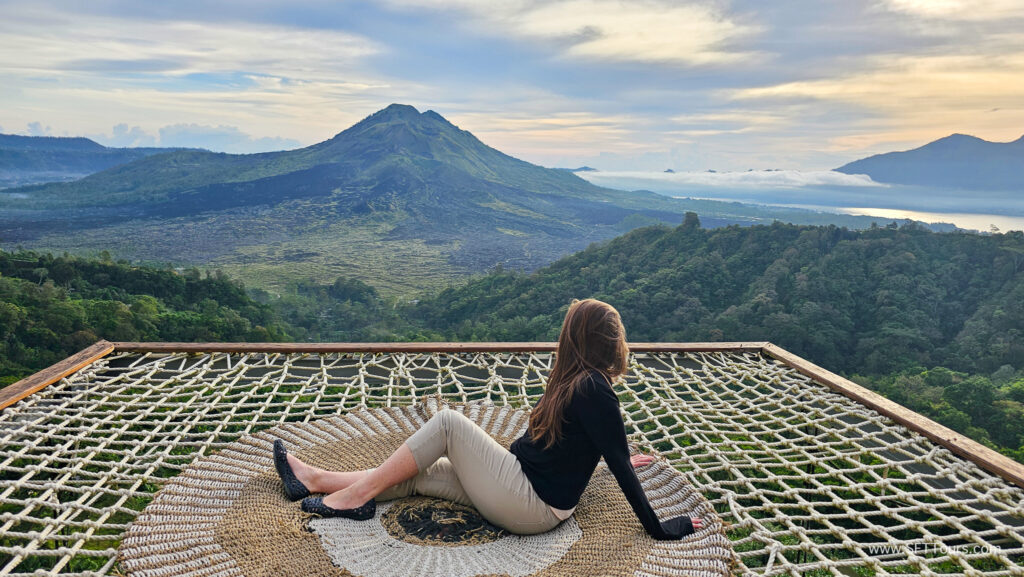
We live in a time when being busy has become a default setting. Emails stack up, notifications never stop, and even time off can feel strangely performative if you spend it answering messages from a beach chair. That is why truly restorative travel matters. The best relaxation destinations do more than offer a nice view or a comfortable bed; they change the rhythm of your day. They ask you to slow down, breathe deeper, and pay attention to small things again: the sound of wind through palm trees, the texture of old stone under your hand, the stillness that settles over a quiet garden, or the simple pleasure of a long lunch that stretches into the afternoon. Some places are famous for nightlife, adventure, or luxury. Others are famous because they have mastered the art of calm. This guide brings together seven destinations that stand out for different reasons, from tropical wellness hubs to dramatic desert escapes and historic cities where peace feels woven into the architecture itself. Whether you are planning a wellness retreat, a romantic break, or a solo reset, these destinations offer the kind of travel that leaves you feeling better than when you arrived. Bali, Indonesia Bali has long been associated with escape, but its reputation is not built on hype alone. The island has a way of easing people out of their usual pace almost immediately. Part of that comes from the landscape itself. Lush rice terraces, humid air, volcanic hillsides, and temples tucked into everyday life create an atmosphere that feels both vibrant and calm. You are never far from a sensory experience, yet the island somehow encourages stillness rather than overstimulation. The most rewarding trips to Bali are often the ones that mix a few different rhythms. In Ubud, mornings can begin with yoga in an open-air studio where the jungle sounds drift in from every direction. Later, a walk through rice terraces or a visit to a quiet temple lets the day unfold naturally. Toward the coast, areas like Seminyak and Canggu offer a different kind of relaxation, where beach clubs, ocean breezes, and long sunsets invite you to linger rather than rush. The island is also known for wellness, and the spa culture here runs deep. Treatments often blend traditional Balinese techniques with herbal remedies, massage, and a more holistic approach to recovery that goes beyond simple pampering. What makes Bali especially compelling is that it suits many types of travelers. Couples can find romantic boutique stays surrounded by tropical gardens. Solo travelers can settle into a wellness retreat or cooking class and meet people without pressure. Even travelers who usually prefer city breaks often discover that Bali has a way of slowing the mind without making you feel disconnected from the world. There is a balance here between spiritual depth and everyday comfort that makes it one of the most versatile relaxation destinations in Asia. For a more grounded experience, look beyond the most obvious luxury resorts and explore smaller villages, locally owned cafés, and less crowded corners of the island. Hidden inland roads often lead to quiet waterfalls, artisanal studios, and family-run spas that offer a more personal, less polished version of Bali that many travelers end up loving most. If your idea of rest includes a little culture, a little nature, and a lot of atmosphere, Bali delivers all three with ease. Sedona, Arizona, USA Sedona is the rare destination that looks almost unreal in photographs and somehow still manages to feel more dramatic in person. The red rock formations rise from the desert in sweeping layers of rust, orange, and gold, creating a landscape that feels both ancient and strangely uplifting. For travelers seeking quiet, Sedona offers a very different kind of restoration from the tropical softness of Bali. Here, the calm comes from wide-open space, clear desert light, and a landscape that seems to reset your perspective simply by being there. Many visitors come for the famous hiking trails, and they are well worth the effort. Bell Rock, Cathedral Rock, and Devil’s Bridge are among the most well-known routes, each offering a different combination of challenge and reward. Even if you are not an avid hiker, the scenery alone is enough to justify a slow drive through town and out into the surrounding canyons. The viewpoints around Sedona make it easy to pause and take in the scale of the place, and that alone can be a surprisingly effective antidote to mental clutter. Sedona also has a spiritual reputation that adds to its appeal. Whether you believe in vortex energy or not, there is something undeniably restorative about spending time in a place where wellness, self-reflection, and nature are part of the local identity. The town itself reflects that mixture. You will find art galleries, crystal shops, wellness centers, and excellent cafés alongside practical trailheads and scenic drives. The result is a destination that feels both grounded and slightly mystical, which is a rare and appealing combination for travelers in need of a reset. One of Sedona’s biggest strengths is how accessible calm can be here. You do not need to plan an elaborate itinerary to enjoy it. An early sunrise walk, a quiet lunch with a red rock view, a scenic Jeep tour, or an afternoon spent simply sitting outside are often enough. For travelers who want relaxation without sacrificing adventure, Sedona offers both in a way that feels natural rather than forced. Kyoto, Japan Kyoto is a place where peace feels carefully designed. The city’s temples, gardens, and traditional neighborhoods do not shout for attention; instead, they invite you to move more slowly and observe more closely. In a world where so much travel feels fast and content-driven, Kyoto stands apart because it rewards quiet attention. The beauty is not only in the famous sights but in the spaces between them: the narrow streets, the tiled roofs, the pauses between footsteps, and the understated elegance of everyday life. Temples such as Kinkaku-ji and
2026 LA VERYOL’s KAWA BATH TAGAYTAY Travel Guide

I had my first kawa hot bath experience in the province of Antique, and even years later, the memory still lingers with surprising clarity. The warmth of the water, the novelty of sitting inside a giant iron vat, and the optional coffee grains that left my skin feeling oddly refreshed all combined into one of those rare travel moments that feel both amusing and restorative. It was the kind of experience that stayed with me long after the trip ended, and after the pandemic, the thought of doing it again became even more appealing. There is something deeply comforting about soaking in warm water while the cool mountain air brushes your face, especially when the setting itself feels removed from the noise of city life. So when I learned that a kawa hot bath experience was available not far from Manila, in Tagaytay no less, I was immediately interested. The place was La VeryOl’s Mountain View Garden, a family-run property perched in a quiet part of the city where the atmosphere feels more relaxed than the busier tourist strips. I could already imagine the experience: climbing into a steaming kawa, feeling the contrast between hot water and cold mountain breeze, and taking in the view of the surrounding greenery. A few days later, that image turned into reality, and it did not disappoint. If you have ever been curious about kawa bathing, or if you are looking for a Tagaytay staycation that feels different from the usual hotel-and-café circuit, La VeryOl is worth considering. It is not just about taking photos in a giant cauldron. The experience is more layered than that, blending wellness, local culture, simple hospitality, and a setting that encourages you to slow down. Before you book, though, it helps to know what a kawa bath actually is, what to expect from La VeryOl, and how to make the most of a visit. What is a kawa hot bath? For those unfamiliar with the term, a kawa is a large metal vat or cauldron traditionally used in the Philippines for cooking food in big batches. In many provincial settings, it is commonly associated with fiestas, weddings, reunions, and other large celebrations where a huge amount of food needs to be prepared. During these events, the kawa is often set over firewood resting on stones, with smoke rising as the pot heats up. It is a familiar image in many Filipino communities, especially in the provinces, and it carries with it a sense of communal celebration and homegrown ingenuity. The idea of using the same vessel for bathing is part novelty, part cultural reinvention. A kawa hot bath looks funny at first glance because the mind instinctively associates it with food, not people. Yet that contrast is exactly what makes it memorable. Instead of stew or rice, the kawa is filled with warm water and often infused with herbs, flowers, coffee, milk, or bath additives depending on the resort. The result is a rustic spa-style experience that feels playful, relaxing, and distinctly Filipino. The kawa bath concept is widely associated with Antique, particularly Tibiao, which helped popularize it as a tourism activity. Since then, other destinations have adopted the idea in different forms, and Tagaytay has become one of the places where travelers can enjoy it without having to go far from Metro Manila. That alone makes it an attractive option for weekend travelers who want something refreshing but not too complicated to plan. What makes the experience especially appealing in Tagaytay is the climate. The city is naturally cooler than Manila, which makes a hot bath outdoors feel even more inviting. Instead of merely being a quirky attraction, the kawa bath becomes a genuinely soothing activity that suits Tagaytay’s reputation as a relaxation destination. It is the sort of thing that can easily become the highlight of a short break, especially if you pair it with good food and a slower-paced itinerary. What is La VeryOl? La VeryOl’s Mountain View Garden is a family-owned and family-run garden and spa property in Tagaytay that offers kawa hot baths, massage services, and overnight accommodations. The name “VeryOl” comes from Ver and Yolly, the names of the parents who helped shape the business. That family connection is not just a branding detail; it is something you can feel throughout the property. The place has the character of a homegrown business, where the people managing it are actively present and attentive to guests. The property sits on a ridge, which gives it a quiet, elevated feel and a relaxing view of forested slopes. It is important to manage expectations, though: this is not the kind of Tagaytay location that frames Taal Lake and the volcano in the distance. Instead, the scenery is greener, more enclosed, and more tranquil. That may not sound as dramatic in photos, but in person it creates a calm, sheltered atmosphere that suits the whole spa experience well. Inside the compound, there are veranda rooms for overnight guests, and there is also an in-house restaurant that makes it possible to spend an entire slow day on the property without needing to leave for meals. For travelers seeking a straightforward wellness escape rather than a packed sightseeing itinerary, this setup is convenient and appealing. It is also one of the reasons La VeryOl works well as a weekend stop for couples, friends, or parents looking for something memorable but not overly commercialized. This is also where the property’s charm comes through. It does not feel like a mass-market resort. Instead, it feels personal, carefully run, and grounded in family hospitality. That matters more than many travelers realize, especially in a destination like Tagaytay where so many accommodations and attractions compete for attention. A warm welcome can make a simple bath feel special. Rates, inclusions, and what to expect La VeryOl accepts both day tour and overnight guests. If you are coming from Manila or somewhere nearby, a day tour is enough for a kawa bath and massage
19 Amazing Places To Visit In November In The USA (my Favorite Gems!)
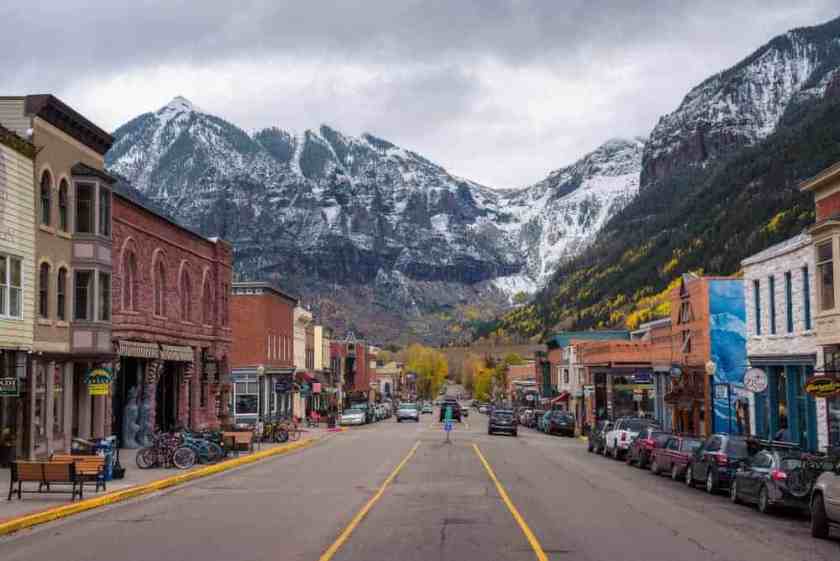
As fall fades and winter begins to settle in, November becomes one of the most rewarding months for travel in the United States. The shoulder-season window brings a rare combination of lighter crowds, more approachable hotel rates, cooler temperatures, and landscapes that are quietly transforming from autumn color to early winter sparkle. In mountain towns, that can mean the first signs of ski season and cozy evenings by the fire. In cities, it often means holiday decorations without the December crush. In coastal and desert destinations, it can mean comfortable weather that makes outdoor exploration feel effortless. If you like traveling with a bit more breathing room and a bit less competition for the best tables, trails, and viewpoints, November is a month worth planning around. What makes this month especially appealing is its variety. One week you might be watching snow settle over alpine peaks in Colorado, and the next you could be walking beneath palm trees in Hawaii or enjoying a warm Gulf breeze in Alabama. There is no single “best” November destination, because the appeal depends on the kind of trip you want. Some places are ideal for a city break with seasonal events and festive markets. Others shine as hidden gems where the first hint of winter makes the setting feel even more atmospheric. The destinations below offer a strong mix of scenery, culture, outdoor adventure, and seasonal character, making them excellent choices for travelers who want a memorable late-fall escape. 1. Telluride, Colorado Telluride is one of those mountain towns that feels tailor-made for November. Nestled in a dramatic box canyon in the San Juan Mountains, it has a cinematic setting that becomes even more striking when the first snow dusts the ridgelines. By late November, ski season is often beginning to stir, but the town still retains the relaxed pace of the shoulder season. That means you can enjoy the alpine atmosphere without the peak-winter crowds that arrive during the heart of the holiday and ski season. The appeal of Telluride in November lies in the balance between activity and calm. Early-season skiing can be a fun bonus if the snowfall cooperates, but even without deep powder, there is plenty to do. The free gondola ride to Mountain Village is one of the most iconic experiences here, especially when the surrounding peaks are painted in shades of white, slate, and pine green. In town, the streets have a cozy European feel, and the local restaurants, bars, and coffee shops create the kind of warm, polished atmosphere that makes cold weather feel inviting rather than restrictive. Craft beer lovers will also appreciate a stop at Telluride Brewing Co., which has become one of the region’s standout breweries. For culture as much as scenery, Sheridan Opera House adds another layer to the experience. This historic 1903 venue gives the town a sense of character that goes beyond the outdoors. Listening to live music in a place like this is part of what makes Telluride feel so complete as a destination: it is beautiful, yes, but it is also lived-in, creative, and intimate. November is an excellent month for travelers who want a mountain getaway with a strong sense of place. 2. New York New York City in November is pure atmosphere. The city shifts from late autumn into the early holiday season, and that transition gives it a special energy. The weather is crisp enough for long walks, but not yet harsh, and the city’s iconic streets begin to glow with festive storefronts, window displays, and early decorations. It is the kind of month when even routine activities feel elevated: a walk down Fifth Avenue turns into a visual event, and an evening stroll through Midtown can feel almost theatrical. One of the biggest advantages of visiting in November is timing. You can experience seasonal highlights before the December rush, which makes museums, observation decks, parks, and restaurants easier to enjoy. Central Park is especially beautiful at this time of year, with lingering fall color often holding on in the trees while the city around it signals the approach of winter. The Rockefeller Center Ice Skating Rink usually opens around this period, adding to the classic New York holiday mood, and Bryant Park Winter Village brings together shopping, food, and skating in a compact urban setting that feels lively rather than overwhelming. There is also plenty happening culturally. The Macy’s Thanksgiving Day Parade is one of the city’s signature November events, while the New York Comedy Festival brings a different kind of energy to theaters and clubs across the boroughs. For visitors staying longer, the city rewards slow exploration: neighborhood cafes, small galleries, bookstores, and restaurants all feel especially appealing when the weather turns cool. If you want an urban trip that combines big-city intensity with seasonal charm, New York in November is hard to beat. 3. Kauai, Hawaii Kauai is a strong choice for travelers seeking warmth, scenery, and a slower pace in November. The island’s lush landscapes remain vivid year-round, but the month feels especially attractive because the weather is typically mild and the crowds are lighter than in summer. This is the sort of destination where November can feel almost private, particularly if you are moving between beaches, trails, and scenic drives rather than chasing a packed itinerary. One of Kauai’s greatest strengths is how varied its landscape is within a relatively small area. The Na Pali Coast delivers some of the most dramatic views in Hawaii, while Waimea Canyon offers a completely different mood, with red rock, deep ridges, and sweeping overlooks that feel almost desert-like in their scale. Waterfalls such as Wailua Falls add a softer, more tropical counterpoint, and the island’s hiking routes are ideal in November because the temperatures are comfortable enough for longer outings. This is also the beginning of humpback whale season, which gives boat tours an added layer of excitement for travelers who want to get on the water. November does fall within the rainy
When Things Go Wrong Abroad, WorldTrips Atlas Nomad Insurance Steps In
Travel insurance is one of those things that feels abstract until the moment it becomes the most practical decision you have made all year. On paper, it is easy to treat it like an optional add-on, a line item to tick off before boarding a flight. In real life, especially when you are traveling for weeks or months at a time, it becomes part of the invisible structure that holds the trip together. It is the difference between a setback and a full-scale crisis, between finding a solution with some help and trying to piece everything together from a hospital chair in a country you have only just arrived in. This is especially true for long-term travelers, digital nomads, families on extended journeys, and anyone who does not move through the world on a neat seven-day schedule. Travel changes when you stop being a tourist passing through and start living in motion. Suddenly, the risks are not theoretical. You are not only worried about delayed baggage or a missed departure. You are dealing with the possibility of illness abroad, injuries in unfamiliar places, language barriers, local medical systems you do not understand, and the stress of making decisions quickly when you are far from the familiarity of home. That is why the right travel medical insurance matters so much. It is not about expecting the worst. It is about understanding that the unexpected is part of travel, and choosing a plan that actually matches the way you move. For travelers who spend longer stretches abroad or hop between countries without fixed return dates, a standard short-trip policy often falls short. It may be fine for a weekend getaway or a two-week holiday. It is much less useful when your itinerary is fluid, your destinations keep changing, and your travel style is built around flexibility rather than tidy boundaries. WorldTrips Atlas Nomad Insurance stands out because it is designed with that reality in mind. Instead of focusing only on the classic vacation model, it leans toward the needs of people who are abroad for longer periods and who need support that feels useful in the moment, not just on a policy page. For many travelers, that distinction matters more than they expected it would when they first started planning. Why travel insurance matters most when real life shows up Most people think about insurance as a precaution, which is fair enough. You hope never to need it. You buy it because responsible travelers do. But the true value of coverage only becomes obvious when travel stops being smooth. That is when the practical questions start arriving all at once. Where do you go for treatment? How serious is this? Do you need a clinic, a hospital, or simply medical advice? How much will it cost if you choose the wrong one? What happens if the nearest help is hours away, or if you do not have the language skills to explain what is wrong? Long-term travel can bring these questions into focus faster than most people expect. When you are moving from one place to another, you are more exposed to small accidents, unfamiliar foods, different climates, and general travel fatigue. You may be in a remote town, on a small island, or in a big city where you do not know how the local healthcare system works. The peace of mind that comes from knowing you have reliable coverage is not abstract. It is immediate. It changes how you respond when something goes wrong. Many standard travel insurance products are built around one simple structure: you leave, you stay, you come back. That works beautifully if the trip is short and predictable. But nomadic travel rarely looks like that. Plans stretch, routes change, and countries get added or swapped at the last minute. If your insurance cannot keep up with that kind of movement, then it is not really designed for how you travel. That is one of the main reasons WorldTrips Atlas Nomad Insurance has become a strong option for long-term travelers. It is built around the realities of extended international travel rather than the idealized version. It is meant for people whose trips evolve, whose timelines shift, and whose idea of normal is a little different from the average vacation. When travel goes sideways in the real world Anyone who has spent enough time on the road knows that the most memorable travel stories are rarely the ones you planned. Some of the best stories begin with a surprise, but the worst ones do too. Over more than twenty years of traveling with kids in tow, and often for months at a time, the lesson becomes impossible to ignore: things do not only go wrong in theory. They go wrong in the middle of ordinary days, in places that are beautiful and unfamiliar at the same time, and they often happen when you are least prepared for them. There was the time in Mexico when a pack of stray dogs attacked Charles on his way back from a wedding. One moment he was walking, and the next he was trying to figure out whether he needed stitches, where to find care in the middle of the night, and how serious the bites were. The practical part of the problem was immediate, but the emotional part was just as intense. Standing in a foreign street, trying to decide what to do while blood ran down his legs, made one thing clear: you do not want to be relying on guesswork in that moment. Another time, in Greece, one of the kids cut his ear badly enough to need stitches. On the surface, it sounds straightforward. Kids fall. Kids scrape themselves. Kids get patched up and carry on. But abroad, even a simple injury becomes a small logistical puzzle. Which clinic should you use? Will they speak English? Is there a hospital nearby? Can you trust that you are getting the right care? What if you have to navigate
How to Spend Three Days in Ulaanbaatar, Mongolia
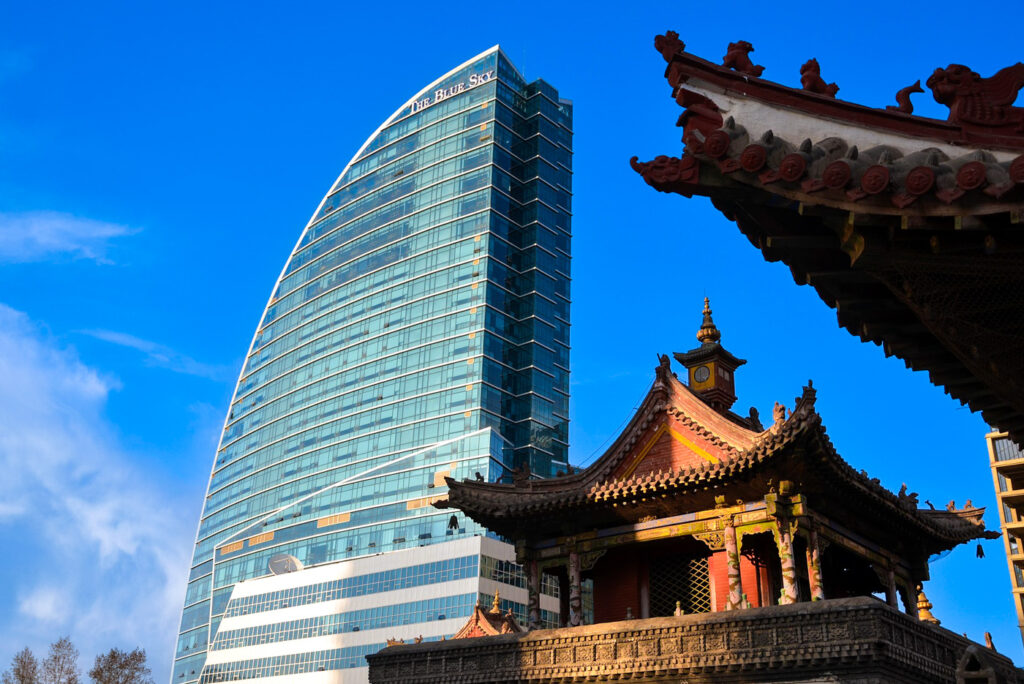
Ulaanbaatar is one of those cities that resists easy first impressions. For many travellers, it is simply the place where a Mongolian journey begins and ends: a practical stopover before the wide-open steppe, the Gobi Desert, or a long overland adventure deeper into the country. But spend a little time here and the capital starts to reveal a far more complicated identity. It is polluted, noisy, and often frustrating to navigate, yet it is also layered with history, cultural depth, and a surprising number of excellent museums and temples. The city sits at the crossroads of Mongolia’s past and present, and the tension between those worlds is visible everywhere, from Soviet-era apartment blocks to modern glass towers, from Buddhist monasteries to giant statues of Chinggis Khan. That contrast is exactly what makes Ulaanbaatar worth more than a rushed overnight stay. If you give the city two full days, or better yet three with a countryside excursion, you can come away with a strong sense of Mongolia’s identity before heading beyond the capital. You’ll understand more about the country’s imperial legacy, its centuries of Buddhist influence, the trauma of Soviet rule, and the resilience of a society that has had to adapt repeatedly to political and environmental pressure. For a city that so many people dismiss before they arrive, Ulaanbaatar offers a genuinely rich introduction to Mongolia. A Quick Primer on Mongolian History To make sense of Ulaanbaatar, it helps to understand the broad strokes of Mongolian history. The city is full of symbols that can feel confusing at first: temples standing near concrete housing blocks, heroic statues of ancient conquerors, and public squares shaped by Soviet ideology. Once you know the background, those layers begin to fit together. In the 13th century, Chinggis Khan united the Mongol tribes and built the largest contiguous land empire in history. His influence is still enormous in Mongolia today, and his image appears across the capital in statues, museums, product branding, and public monuments. After the empire fragmented, Mongolia’s political importance faded, but its nomadic traditions and sense of identity endured. Centuries later, Tibetan Buddhism became central to Mongolian life. Monasteries grew in importance and religious leaders became politically powerful. That era left a deep mark on the capital, even though much of what survives today has been reconstructed after decades of destruction. Then came the 20th century and another dramatic shift. Mongolia became a socialist state in the early 1920s and fell under heavy Soviet influence. Religion was suppressed, thousands of monks were killed, and many monasteries were destroyed. Ulaanbaatar was reshaped with large concrete buildings, broad public squares, and state monuments. Even the name of the city, which means “red hero,” reflects that political history. In the 1990s, Mongolia moved peacefully toward democracy after the Soviet Union began to collapse. That transition transformed the city once again. Today, Ulaanbaatar is a mix of old and new, traditional and modern, local and global. Once you understand those eras, the capital becomes much easier to read. Day One: Monasteries and Museums A good place to begin is Gandan Monastery, one of the most important Buddhist sites in the country. It is the kind of place that immediately reminds you how deeply spirituality still matters in Mongolia, even in a city that can feel chaotic and secular on the surface. If you time your visit for the morning prayers, you may hear monks gathering as a gong echoes through the streets. It is a moving introduction to the city and a strong first stop for anyone hoping to understand Mongolia beyond its capital’s rough edges. The main attraction here is the enormous golden statue of Migjid Janraisig, a figure associated with compassion. The current statue was reconstructed after the democratic era, following the destruction of the original under communism. Gandan is a living reminder of what was lost and what was restored. It is busy enough to feel active, but calm enough to offer a break from traffic and noise. From there, the Natural History Museum of Mongolia is a short walk away and absolutely worth your time, especially if you have even a passing interest in dinosaurs. Mongolia’s Gobi Desert is one of the most important dinosaur fossil regions in the world, and the museum showcases that legacy well. The highlight is a massive Tarbosaurus skeleton, but the collection also includes fossils, eggs, skulls, and other remains that tell the story of a prehistoric landscape very different from the dry expanse you see today. On a practical level, this museum is often delightfully quiet, which makes it one of the best places in the city to slow down and look closely at what is on display. Another essential stop on the same day is the Chinggis Khan Museum, which is one of the finest museums in Mongolia and one of the best introductions to the country’s long history. Spread across multiple floors, it traces Mongolia from early nomadic societies through the rise of the Mongol Empire and beyond. The museum is ambitious in scale and scope, with thousands of artefacts and carefully designed exhibitions that show how Chinggis Khan fits into a much wider national story. Visitors should plan to spend several hours here rather than rushing through. The museum is best approached as a journey rather than a checklist. Just be prepared for practical frustrations. Some museums in Ulaanbaatar have limited English signage and rely heavily on QR codes, which can make a visit feel more cumbersome than it needs to be. Still, the substance usually outweighs the inconvenience. For travellers who want context before heading farther into Mongolia, this is one of the most rewarding places to spend time. Depending on your pace, Dashchoilin Monastery can be added before heading to Sukhbaatar Square. It is quieter than Gandan and less famous, but that can be part of its charm. Restored in the 1990s, it offers a more intimate feel and a welcome pause from the city’s constant motion. If you are
Tips for a Europe trip with a happy bank account

How to explore Europe on a budget without feeling like you missed out Europe has a reputation for being expensive, but that reputation only tells part of the story. With the right timing, a flexible itinerary, and a willingness to look beyond the obvious tourist trail, you can enjoy a rewarding European trip without draining your savings. The real trick is not simply finding the cheapest option at every turn. It is about choosing where to spend, where to save, and how to travel in a way that keeps the experience rich even when the budget is lean. That might mean flying into a less obvious airport, taking a scenic train instead of a short-haul flight, or basing yourself in a city that offers great value while still putting major highlights within easy reach. Budget travel in Europe works best when it feels intentional rather than restrictive. There is freedom in knowing that you can enjoy a café breakfast in a grand old square, ride a tram like a local, and still have enough left over for a memorable dinner or a day trip. The following guide breaks down the smartest ways to make a Europe trip more affordable, while still leaving space for the kind of moments that make travel unforgettable. Fly like a savvy traveler Airfare is often the first major expense to tackle, and it can shape the entire tone of your trip. If you are flexible with dates and airports, you can often find dramatic savings compared with peak-season pricing. Booking in advance usually helps, especially for popular routes, but it is also worth comparing midweek departures and early-morning or late-night flights. These less convenient time slots can sometimes be significantly cheaper, and for a budget-conscious traveler, the trade-off is often worth it. Budget airlines such as Ryanair and EasyJet have made travel between European cities far more accessible than it used to be. They are ideal for short hops when booked carefully, especially if you travel light and understand the baggage rules before you reserve. The base fare can look incredibly low, but extras add up quickly, so it pays to read the fine print. If you are strategic, however, these carriers can open up a Europe itinerary that would once have been out of reach. Another smart approach is to search for the cheapest destination rather than starting with a fixed place in mind. Some cities consistently offer lower fares because they are served by more routes or because they are less in demand at certain times of year. This can be an excellent way to discover somewhere new while stretching your budget further. In many cases, the best value destination is not the one everyone is talking about, but the one that still feels authentic, lively, and rewarding to explore. Hop on the train and travel like a pro Once you are in Europe, trains can be one of the smartest ways to move between cities. They are often faster and more comfortable than the full airport experience, especially on routes that connect major urban centers. Instead of dealing with security queues, remote airports, and long transfers, you can step onto a train and arrive close to the heart of your next destination. For many travelers, that convenience alone is enough to make rail travel the preferred option. Europe’s rail network is especially appealing because it gives you both flexibility and scenery. Whether you use a Eurail pass, Interrail pass, or simple point-to-point tickets, train travel can work beautifully for a budget itinerary when planned in advance. High-speed routes can turn what would otherwise be a long day of transit into a short, efficient journey, while slower regional trains often offer the chance to see the countryside in a more relaxed way. There is something particularly satisfying about watching the landscape change outside the window as you move from one country to another. Sleeper trains deserve special mention because they can save both time and money. A night train allows you to skip a hotel stay and wake up in a new city ready to start exploring. For travelers trying to maximize every day of a limited trip, this can be a very practical option. It is also part of the romance of traveling overland in Europe: reading by the window in the evening, watching stations pass in the dark, and stepping off the train into a new morning with your next adventure already underway. Train travel also tends to feel less stressful than air travel. You usually have more room, less waiting, and more freedom to move around. The ability to work, read, or simply enjoy the ride makes the journey feel like part of the experience rather than a necessary inconvenience. If your goal is to travel affordably without sacrificing comfort, rail travel is one of the strongest tools in your kit. Seek out unique and affordable destinations One of the easiest ways to keep a Europe trip affordable is to choose destinations that offer strong value for money. The classic capitals and famous bucket-list cities are appealing for good reason, but they are not always the best places to base a budget trip. Expensive accommodation, high restaurant prices, and crowded attractions can quickly eat into your daily allowance. By broadening your search, you can find cities that are just as beautiful, just as interesting, and far easier on the wallet. Central and Eastern Europe are particularly good regions to consider if you want rich experiences at lower daily costs. Cities such as Budapest and Prague combine historic architecture, a lively café culture, excellent public transport, and plenty of things to see on foot. You can spend a full day wandering riverside promenades, exploring old town streets, and stopping for inexpensive local meals without feeling like you have to watch every cent. Sofia and Bucharest are also worth considering for travelers who enjoy history, urban energy, and a less predictable itinerary. These cities may not be the first names that
Best Travel Insurance for Solo Female Travellers: Tried and Tested After 25 Years
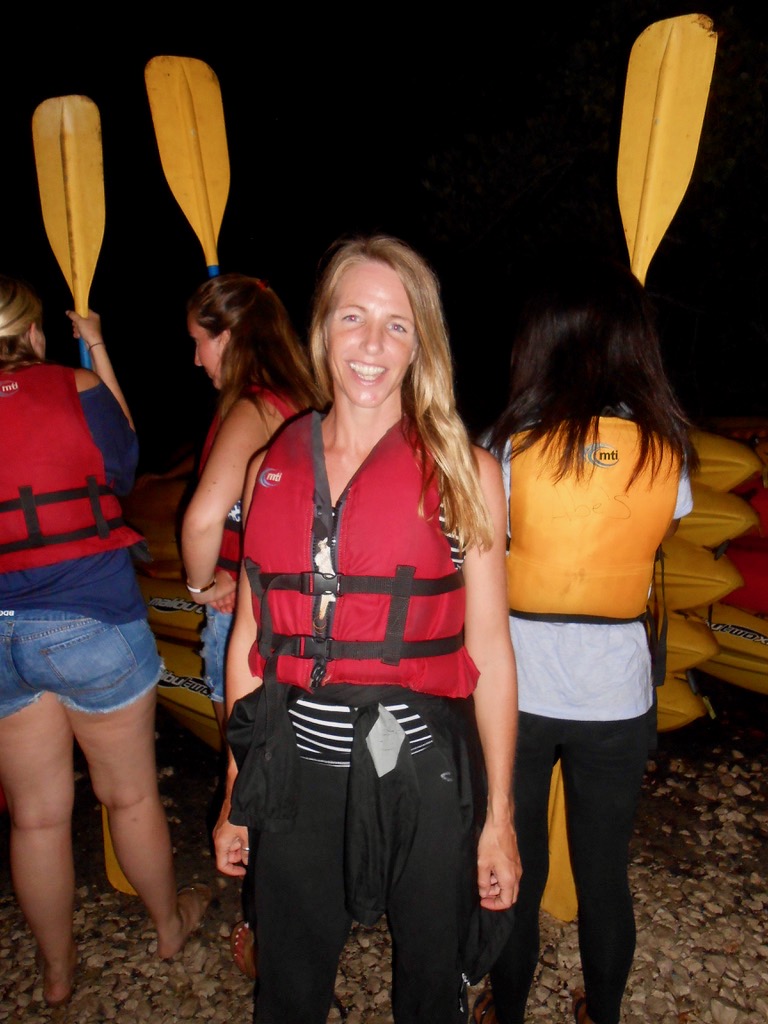
Insurance is one of those travel essentials that rarely feels exciting when you are planning a solo trip, but it becomes deeply important the moment something goes wrong. A delayed connection, a stolen phone, a twisted ankle in an unfamiliar city, or a sudden illness can turn a dream journey into a stressful and expensive situation. For solo travellers, the stakes are even higher because there is no travel companion to help manage logistics, translate at a clinic, or absorb the chaos when plans change. Travel insurance is not just a box to tick before departure; it is a practical layer of protection that can save money, reduce panic, and give you the confidence to keep moving. Over many years of travelling alone, across long stretches on the road and short trips in between, I have learned that choosing the right policy depends on the way you actually travel. A two-week city break has different needs from a six-month backpacking journey or a year spent moving between countries as a digital nomad. The best insurance for solo travellers is the one that matches your route, your activities, your belongings, your health needs, and your risk tolerance. In other words, the cheapest policy is rarely the smartest one unless it genuinely covers what you need. That is especially true in uncertain times, when border rules, conflict zones, flight disruptions, and regional instability can affect travel plans with little warning. For solo travellers, flexibility matters as much as affordability. If you are travelling independently, you want a policy that will respond quickly, cover emergency medical treatment properly, and not bury critical exclusions in fine print so dense that you need a legal degree to understand it. The aim is not to buy insurance and forget about it; the aim is to choose protection that you can rely on without second-guessing every detail. What Solo Travellers Should Look for in Travel Insurance The first thing to understand is that travel insurance is not all the same. Two policies may look similar at first glance but differ dramatically once you start comparing the details. The headline price is only one part of the picture. The real question is how the policy behaves when something happens and you need help fast. That means looking closely at excess, duration, personal belongings, activities, medical cover, destination exclusions, and any rules around pre-existing conditions. Excess is the amount you have to pay yourself before the insurer contributes to a claim. A policy with a lower excess may seem attractive, but it often comes with a higher premium. A higher excess can reduce the upfront cost, which may suit budget-conscious travellers, but it also means you will pay more out of pocket if you need to claim. This balance matters more than many people realise. If you are travelling with expensive electronics, it is worth checking the item limits carefully, because a policy may say you are covered for valuables but still cap individual items at a much lower amount than the actual replacement cost of your phone, laptop, or camera. Duration is another detail that can catch travellers out. Some policies cover only a fixed number of consecutive days, and if your trip runs even one day longer than the limit, your cover may end immediately. If you are travelling several times a year, an annual policy may make more sense than buying separate cover for each trip. Many annual policies also include time limits per trip, so it is important to check whether those limits suit your usual style of travel. Long-term travellers should look for policies specifically designed for extended journeys rather than standard holiday insurance stretched beyond its natural fit. Activities are another key issue. If your itinerary includes hiking, diving, kayaking, skiing, climbing, horse riding, or anything more adventurous than a relaxed beach holiday, you need to check whether those activities are included as standard or require an add-on. Many policies exclude extreme sports or only cover them up to a certain altitude or difficulty level. That is the sort of detail that matters if you are heading somewhere like the Himalayas, planning open-water dives, or signing up for a last-minute canyoning excursion. Solo travellers often say yes to opportunities along the way, so your insurance should be broad enough to keep up. Medical cover is arguably the most important part of any travel insurance policy. It is one thing to lose luggage; it is another to face hospital bills in a foreign country without a support system nearby. Strong medical cover should include emergency treatment, hospital stays, ambulance transport, medical evacuation, emergency dental treatment, and 24/7 assistance. If you are pregnant, have a pre-existing condition, or take regular prescription medication, these details need careful attention before you buy. Some policies exclude pre-existing conditions completely unless they are declared in advance, while others offer a more tailored approach for travellers who need ongoing protection. Destination coverage is equally important. Not every worldwide policy covers every country, and some regions that appear to be included can actually be treated as special cases. The United States is a common exclusion or surcharge destination because healthcare costs there are so high. Canada, Australia, and New Zealand can also be treated differently by some insurers. If you are crossing multiple borders, make sure every destination on your itinerary is actually covered. The simplest way to avoid problems is to be exact about where you are going rather than assuming “worldwide” means universal protection. Best Travel Insurance Options for Solo Travellers Different travellers need different kinds of cover, which is why there is no single perfect insurer for everyone. The strongest policies for solo travel tend to be the ones that are transparent, flexible, and suitable for the way people really move around the world. Below are three well-known options that are often recommended by long-term travellers, backpackers, and solo female travellers alike. SafetyWing for digital nomads and long-term travellers SafetyWing is often the first name that comes
The Best Place to Stay for Digital Nomads

Balancing Remote Work and Travel Without Burning Out For digital nomads, the hardest part of life on the road is rarely the flight, the packing, or even the visa paperwork. It is the daily balancing act between wanting to explore a new place and needing a calm, reliable environment where real work can happen. That tension becomes especially clear when your day starts with a client call in one time zone, ends with a deadline in another, and somehow still needs to leave room for a walk through a new city. Working from cafés can be charming for an hour or two, but after a while the noise, the unstable Wi-Fi, and the uncomfortable seating start to wear you down. Hostels can be social and cheap, but they are not always built for focus. Many remote workers eventually reach the same conclusion: if travel is going to be sustainable, the place you stay matters as much as the destination itself. That is the gap that coliving has stepped in to fill. In recent years, remote work has moved from being a niche lifestyle to a mainstream reality, and with that shift has come a new kind of accommodation designed around both productivity and community. Instead of choosing between a lonely hotel room and an overstimulating hostel, travelers can now book spaces built specifically for long stays, shared experience, and dependable work setups. Outsite is one of the best-known names in that space. With properties in cities, coastal towns, and creative destinations around the world, it has become a favorite among remote workers who want more than a bed and a Wi-Fi password. They want a rhythm, a neighborhood, and a sense of belonging. What Outsite Is and Why It Exists Outsite began in 2015 with a simple idea: people who work remotely still need the practical advantages of a home and the social benefits of a shared environment. It started in Santa Cruz, California, as a place where surfers, freelancers, and remote professionals could live and work without giving up either side of their lifestyle. The concept proved popular, and the company expanded into a global network of coliving and coworking spaces tailored to location-independent travelers. Today, the platform offers dozens of locations and a membership model that rewards longer stays and repeat guests. The appeal is easy to understand. Most remote workers do not want to spend their time hunting for a decent desk or testing internet speeds in every new city. They want to arrive, unpack, and start working. Outsite removes a lot of the friction that normally comes with slow travel. You can filter by destination and setting, choosing a beach town, a major city, or a mountain escape depending on the kind of trip you want. For people who move often, that consistency is valuable. The experience may change from one property to another, but the basic standard stays familiar: private rooms, shared common areas, and a workspace designed for getting things done. How Outsite Works in Practice Outsite is often described as a boutique hotel crossed with a coworking space, and that is a fair comparison. You are not booking a dorm bed or a generic apartment. You are usually reserving a private room, and in many locations that room includes its own bathroom. In some properties, especially the more affordable options, the bathroom may be shared with one other guest, but the overall experience still feels significantly more private than a hostel. That privacy matters when you are staying somewhere for a week or more and need a real sense of routine. The common spaces are a major part of the experience. Outsite properties usually include large kitchens, living rooms, outdoor terraces, and design-forward interiors that feel more like a thoughtful home than a commercial stay. The kitchens are often spacious enough to cook properly, which is a notable advantage for travelers trying to manage both health and spending. Many properties also include extras such as laundry facilities, lounge areas, rooftop space, or even a small gym. The overall effect is practical without feeling plain. The spaces are usually bright, well-kept, and styled with local touches that give each property its own personality. Just as important is the workspace itself. A real remote-work setup is about more than good intentions. It requires a proper desk, a chair that supports long hours, strong lighting, and internet that can handle video calls without failing halfway through a meeting. Outsite understands that, and the properties are built with work in mind. Many include dedicated coworking rooms or work zones with monitors, ergonomic chairs, and fast Wi-Fi. That means you can move from breakfast to deep work without having to leave the building or improvise a setup at the kitchen table. Another detail that makes a noticeable difference is the social structure. Every location has a community manager, which helps turn the property from a simple place to stay into a living network of travelers. Before arrival, guests are often added to a group chat, usually on WhatsApp, where they can introduce themselves, share arrival times, and start planning outings. Events may include group dinners, weekend excursions, yoga sessions, tapas nights, or casual meetups. The point is not forced socializing. It is about creating natural opportunities for connection among people who already have something in common: they are working while traveling, and they understand the challenge of doing both at once. My Experience in Bordeaux Bordeaux is a city that suits this style of travel particularly well. It has enough going on to keep days full, but it is also compact enough that you can settle into a neighborhood and feel like a local after a short time. Staying in a place like Outsite there makes sense because you get the best of both worlds: a calm base where work can happen and a city outside the door that rewards wandering. Rather than treating the accommodation as an afterthought, the stay becomes part of the trip itself.
Comrades No More: Thoughts on Russia’s Invasion of Ukraine
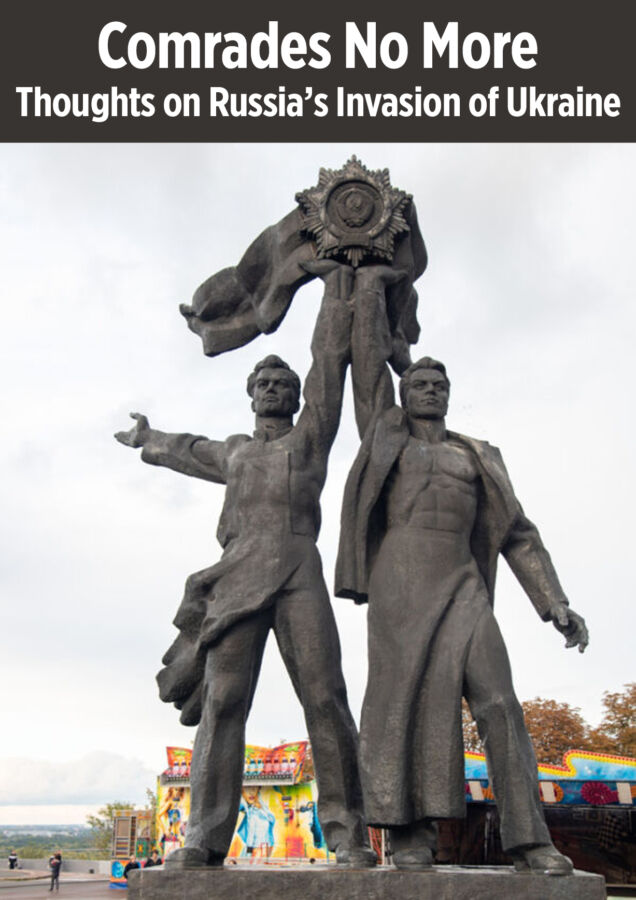
Russia and Ukraine sit at the heart of one of Europe’s most historically complicated and emotionally charged regions. Any modern travel discussion that includes these countries has to begin with context, because travel is never separate from the world around it. Borders, politics, and public sentiment all shape how people move, what they see, and how they are received. For travelers, that reality matters. It affects routes, safety, logistics, and the deeper purpose of going abroad in the first place: to understand a place beyond headlines and assumptions. For years, Europe has drawn travelers who want more than a checklist of monuments. They want to see how history lives in city streets, how ordinary people adapt when the world changes around them, and how culture persists even in difficult times. That is one reason a trip through Europe can feel so meaningful. You may begin with a landmark, a museum, or a scenic train ride, but what you carry home is often a broader sense of perspective. When conflict erupts anywhere on the continent, it reminds us that travel is not escapism. Done thoughtfully, it is a way to stay engaged with the world. In that spirit, responsible travel means paying attention to the moral and practical realities of the places you visit. Travelers often think first about flights, hotels, and itineraries, but there is also a larger question: where does your money go, and what does your presence support? These are not abstract concerns. The choices travelers make can have real consequences for local economies, communities, and political systems. That is why informed travelers need to look beyond glossy brochures and ask harder questions, especially when a destination is affected by conflict or instability. Europe’s geography can make crises feel both distant and close at once. A war in one part of the continent does not automatically define travel across the whole region, yet it inevitably influences public perception, transport networks, and visitor behavior. For many travelers, that creates confusion. Should a trip to Paris, Rome, or Athens be altered because of an event thousands of miles away? Usually, the answer depends on the actual travel conditions, official advisories, and the specific countries involved. The most important thing is not to generalize. Europe is not one uniform destination, and the realities in one place should not be carelessly projected onto another. That distinction is especially important for travelers who plan multi-country itineraries. A long tour through several cities can span very different cultural and political environments, and each stop may require its own evaluation. Train schedules, airline routes, visa rules, and local sentiment can all change quickly in response to international events. Travelers who keep flexible plans, check updated guidance, and work with reputable operators often handle disruption better than those who rely on a fixed script. In uncertain times, adaptability is a form of travel wisdom. At the same time, there is a human reason people continue to travel even when the news is difficult. Travel brings us into contact with the daily life of others. It can replace abstraction with conversation, and fear with familiarity. Walking through a neighborhood market, listening to a local guide explain a monument, or sharing a meal in a family-run restaurant does more than entertain. It helps build the kind of civic imagination that makes international empathy possible. That may sound lofty, but in practice it is often simple: people are harder to demonize after you have looked them in the eye. Understanding the Travel Context in Times of Conflict When conflict affects a region, travelers should rely on current, official information rather than rumors or social media panic. Government advisories, airline notices, embassy updates, and local tourism boards are the best starting points. Conditions can shift fast, and what was true last week may no longer apply. Travel insurance, refundable reservations, and carefully selected transportation options become far more valuable during uncertain periods. A good itinerary is not only enjoyable; it is resilient. There is also an ethical dimension to consider. Tourism can be a source of livelihood for many communities, but in times of crisis it can also become politically sensitive. Travelers need to think carefully about whether their spending supports local people directly, whether they are entering a stable environment, and whether their presence is welcome. Being a conscientious visitor means respecting the local mood rather than assuming that a destination exists to fulfill your vacation expectations. That humility is part of what makes travel worthwhile. One of the biggest mistakes travelers make is treating the map like a simple guide to risk. Distance matters, but so does context. A city may be geographically close to a conflict zone and still remain safe and fully operational, while another place farther away may experience indirect disruptions through flights, sanctions, border controls, or shifting public sentiment. Thoughtful travel planning looks at actual conditions, not just headlines. It also acknowledges that uncertainty is part of the journey, especially in regions with deep historical tensions. Why Travel Still Matters Travel remains valuable precisely because it can sharpen rather than dull our awareness. Seeing another country in person is not the same as reading about it from afar. The rhythm of a café, the architecture of a train station, the pace of a pedestrian street, and the tone of everyday conversation all reveal something that statistics cannot. In peaceful times, that experience is enriching. In difficult times, it can be grounding. It reminds us that the world is made of real places and real people, not just commentary. Many seasoned travelers understand that a good trip is not measured only by comfort or efficiency. It is measured by what you learn and how you change. That is why Europe continues to attract visitors from around the world. Its cities are layered with memory, and its public spaces invite reflection. You can stand in a grand square in the morning, visit a museum in the afternoon, and sit on a bench at dusk watching
Best Rides At Universal’s Volcano Bay Orlando Water Park (From A 10-Year Old) 2026 Update
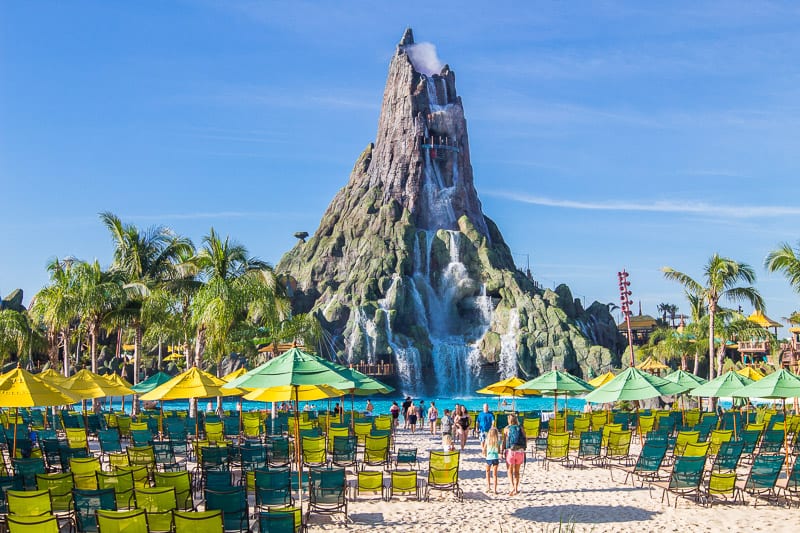
Universal Orlando Resort is one of those rare destinations that can turn a Florida trip into something far more memorable than a standard theme-park holiday. For many visitors, the headline attractions are the major roller coasters and the Wizarding World of Harry Potter, but Volcano Bay quickly earns its own place in the itinerary. It is not just a water park; it is a carefully designed, highly immersive experience that blends thrill rides, family-friendly spaces, and enough relaxation areas to make the day feel balanced rather than exhausting. If you are planning a visit to Orlando and wondering whether Volcano Bay is worth a full day, the answer is a firm yes. What makes the park stand out is how complete it feels. From the first look at Krakatau Volcano to the final sunset glow over Waturi Beach, the whole place is built around atmosphere as much as attractions. The design draws on Polynesian-inspired storytelling, and that detail gives the park a richer feel than a typical water park. It is easy to spend a day here purely chasing slides, but it is just as rewarding to slow down and enjoy the setting. That balance is part of why Volcano Bay has become such a favorite among families, couples, and anyone who wants a less frantic day between the busier Universal parks. One of the best things about Volcano Bay is that it suits different kinds of travelers. Thrill-seekers can head straight for the big drops and high-speed body slides, while younger children have dedicated splash zones and gentler play areas that feel thoughtfully separated from the more intense attractions. Adults who are less interested in adrenaline can float along lazy rivers, settle into a shaded chair, or linger near the beach-style areas and simply enjoy the view. The park manages to feel lively without becoming overwhelming, which is not always easy to achieve in a major Florida attraction. About Volcano Bay Orlando Volcano Bay opened in May 2017 and covers roughly 53 acres, making it one of the most ambitious water parks in Orlando. It was developed at significant cost and designed to feel far more immersive than a conventional collection of pools and slides. The central icon of the park is Krakatau Volcano, a dramatic structure that dominates the skyline and acts as both a visual anchor and a functional part of the ride system. Waterfalls spill from its sides, slides twist through its body, and at night the whole volcano glows in vivid color, giving the park an entirely different mood after dark. The storytelling throughout the park is loosely inspired by the journey of the Waturi people, a fictional seafaring tribe whose arrival shapes the atmosphere and design language of the park. That narrative is not essential to enjoying the rides, but it adds texture to the experience and helps explain why the park feels more polished than many other water parks. Instead of a random collection of attractions, the layout is organized into distinct villages with different personalities and crowd patterns. This makes it easier to navigate, especially for families trying to balance the needs of toddlers, teens, and adults in one visit. The four main sections are Krakatau Volcano, Wave Village, River Village, and Rainforest Village. Each area has its own rhythm. Rainforest Village is the most action-packed and contains many of the larger attractions. River Village has a calmer feel and is particularly useful for families with very small children. Wave Village offers a more relaxed atmosphere with dining options and lounging spaces, while Krakatau Volcano acts as the dramatic centerpiece that ties everything together. Once you understand the layout, the park becomes much easier to enjoy without wasting time backtracking. How Many Days Do You Need at Universal Volcano Bay? For most travelers, one full day is the sweet spot for Volcano Bay. That gives you enough time to experience the headline rides, float the lazy river, enjoy a meal, and still take breaks without feeling rushed. If you are visiting Universal Orlando Resort for several days, Volcano Bay works especially well as a middle day or a recovery day between the more intense theme parks. It gives your feet a break, lets you slow the pace a little, and still keeps the holiday feeling active and fun. That said, two days would not be unreasonable if you travel with younger children, prefer a slower pace, or want to repeat favorite attractions without worrying about fitting everything in. The park is large enough to justify it if water parks are a major part of your holiday style. If you are staying for a shorter trip, though, one day is usually enough to experience the best of it without feeling like you missed out. The key is arriving early, staying flexible, and making smart choices about which rides matter most to your group. The Best Volcano Bay Rides The ride lineup is one of the reasons Volcano Bay has such a strong reputation. Some attractions are pure adrenaline, while others are built for shared family enjoyment or simple floating and relaxing. The park works well because it does not force every visitor into the same experience. You can spend the morning chasing big thrills and the afternoon drifting through calmer water, or vice versa. Either way, there is enough variety to keep the day interesting from start to finish. Krakatau Volcano Krakatau Volcano is the heart of the park, and it deserves the attention it gets. From a distance, it looks like scenery. Up close, it becomes the source of some of the most exciting attractions in Volcano Bay. The waterfalls, the layered rockwork, and the hidden slides all make it more than a decorative feature. It feels like the park’s main event, and many guests naturally orient themselves around it throughout the day. The most thrilling rides are built into or around the volcano, and that is part of the fun. There is a real sense of anticipation as you climb