17 Fun Things To Do In Chattanooga With Kids For Lovers Of Nature & Adventure [2026 Update]

Chattanooga has gone from overlooked railroad town to one of the Southeast’s most rewarding city-break destinations, and its appeal is easy to understand the moment you arrive. The city combines mountain scenery, riverfront pathways, family-friendly attractions, and a revitalized downtown that feels lively without being overwhelming. It is the kind of place where you can spend the morning on a scenic trail, the afternoon exploring museums or historic sites, and the evening eating well in a neighborhood that still feels local. For travelers who like a destination to offer both outdoor adventure and easy urban access, Chattanooga delivers in a way that feels polished but still authentic. What makes Chattanooga especially attractive for families is the variety packed into a relatively compact area. You do not have to choose between nature and city life here. The Tennessee River winds through the center of it all, the surrounding ridges frame the skyline, and the neighborhoods each bring a different character to the trip. Southside is creative and energetic, the North Shore is laid-back and walkable, and Lookout Mountain adds the dramatic scenery that gives the city its famous nickname, Scenic City. Even a short stay can feel full, and a three-day trip is enough to build a strong first impression. If you are planning a visit with kids, it helps to think of Chattanooga as a destination that rewards a flexible pace. The city has enough attractions to keep an itinerary busy, but it also works well when you leave room for wandering, spontaneous stops, and slower moments by the river. That balance is one of the reasons it stands out among Tennessee destinations. The best trips here usually mix the iconic sights with smaller discoveries: a quiet trail, a good breakfast spot, a mural-filled alley, or a sunset over the river. Chattanooga at a Glance Chattanooga is a city where a car still makes life easier, especially if you want to reach Lookout Mountain, trailheads, or attractions outside the core downtown area. There are electric shuttles and public transportation options in the center, but having your own vehicle gives you more freedom and makes family travel simpler. Accommodation choices are varied enough to suit most budgets, from boutique hotels in the city to cabin rentals on the outskirts if you want more privacy and mountain views. For travelers who want to save, look for free festivals, outdoor concerts, and park events, especially in summer when public spaces come alive. The city is also practical in ways that matter on a family trip. Downtown is walkable, many attractions are clustered together, and several of the most popular sights can be paired on the same day. The challenge is not finding things to do; it is narrowing the list. Chattanooga works best when you accept that you will not see everything and instead focus on a thoughtful mix of scenic, cultural, and kid-friendly experiences. Why Lookout Mountain Belongs on Every Chattanooga Itinerary Lookout Mountain is the defining landscape feature of Chattanooga and one of the main reasons people fall in love with the city. Rising above the valley floor, it offers commanding views, dramatic cliffs, and a concentration of major attractions that make it worth dedicating a full day. The mountain sits only a short drive from downtown, but the feeling changes quickly once you are on it. The air seems clearer, the outlook wider, and the city below looks framed by trees, river bends, and distant ridgelines. Lookout Mountain is home to some of Chattanooga’s most famous experiences, including Rock City, Ruby Falls, the Incline Railway, and Chickamauga and Chattanooga National Military Park. Even if you only have time for one area outside downtown, this should be it. The mountain is more than a scenic backdrop; it is a place where geology, history, and tourism intersect in a way that gives the city real identity. If your schedule allows, it is worth spending time here slowly rather than rushing through several attractions in a single blur. Ride the Lookout Mountain Incline Railway The Incline Railway is one of the most memorable ways to approach the mountain. It is steep, dramatic, and just unusual enough to feel like an adventure rather than simple transportation. The ride climbs through forested slopes while giving you broad views through the windows, and the incline itself adds a little adrenaline to what might otherwise be a straightforward mountain transfer. For kids, it has the feel of a ride and an attraction at the same time, which makes it easier to hold their attention. At the top, the observation area is worth lingering over. If you are someone who likes a payoff after the anticipation, this is one of those experiences that gives you exactly that. The sweeping views over the valley and river are the kind that make you pause mid-conversation. On a clear day, you can appreciate how Chattanooga’s geography shapes everything else about the visit. The city is defined by its hills, and from this vantage point, that becomes obvious. Step Underground at Ruby Falls Ruby Falls is one of Chattanooga’s most distinctive attractions because it combines an underground cavern tour with the surprise of a waterfall hidden deep inside the mountain. The guided walk moves through caverns carved by time, with rock formations and lighting that create an atmosphere that feels part natural wonder, part theatrical reveal. For many travelers, the biggest draw is the sense of discovery. You are not just looking at a waterfall; you are going through a mountain to find it. The history adds even more interest. The story of its discovery gives the experience a human layer, and the introductory film helps place the cavern tour in context before you enter. Families often appreciate the elevator descent and the manageable pace of the tour, and children tend to be fascinated by the novelty of being so far below the surface. Once you reach the falls, the colored lighting and enclosed cavern make the scene feel almost surreal.
My Honest Review of Staying at Apukka Resort in Finnish Lapland
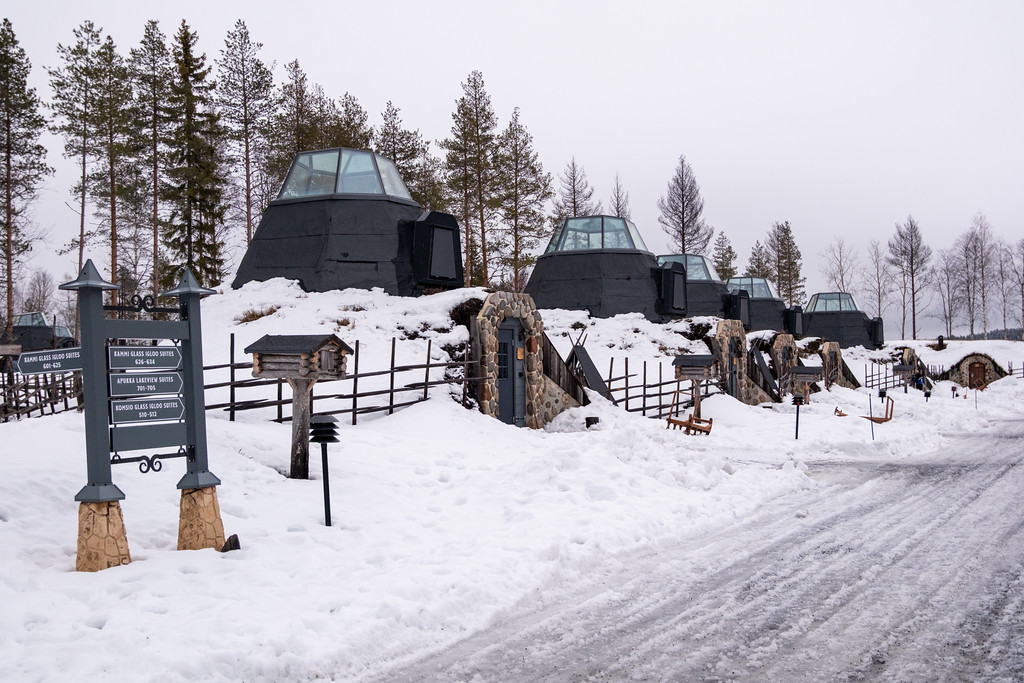
If you have ever imagined sleeping beneath a glass roof while the Northern Lights ripple overhead, gliding across a snowy forest in a husky sled, or ending a long winter day in a warm Finnish sauna, Apukka Resort in Finnish Lapland deserves a place on your travel radar. Set just outside Rovaniemi, this wilderness resort blends high-comfort accommodation with classic Arctic experiences, making it one of the most memorable places to stay near the Arctic Circle. It is not the kind of destination you choose for a simple overnight stop. You come here for atmosphere, for winter magic, and for the chance to experience Lapland in a way that feels both adventurous and surprisingly comfortable. What makes Apukka especially appealing is that it offers more than a single signature feature. Yes, the glass igloos are the headline attraction, but the resort also functions as a full Arctic basecamp. Guests can book dogsledding, reindeer sleigh rides, snowshoeing, snowmobiling, sauna sessions, aurora tours, and even dining experiences that feel rooted in the region rather than designed purely for tourists. For travelers planning a Lapland getaway, that combination of convenience and setting is a big part of the appeal. You can spend several days here without ever feeling like you are simply checking boxes on a winter activity list. My own dream of visiting a place like Apukka had been building for years, and when I finally planned a winter stay with a friend, it became clear why so many travelers are drawn to this kind of experience. It is expensive, yes, but it is also distinctive in a way that is hard to replicate. Some destinations are about value for money; others are about creating a travel memory that stays with you long after the trip ends. Apukka fits squarely into the second category. Apukka Resort igloos Northern Lights in Lapland Staying at Apukka Resort: what travelers should know Apukka Resort is located in Finnish Lapland, just above the Arctic Circle and about 15 kilometers from Rovaniemi. That distance sounds small, and in practical terms it is. But the setting feels remote in the best possible way. The resort sits beside a large lake and is surrounded by forest, which gives it the atmosphere of a secluded Arctic retreat even though it is still close enough to the town, airport, and Santa Claus Village to remain convenient. That balance is a major reason the resort works so well for visitors who want an immersive Lapland experience without the logistical stress of being truly isolated. Arctic Circle vibes The property is large enough to feel like a destination in its own right, but not so sprawling that it becomes cumbersome. Depending on where your cabin is located, the main lodge is usually a manageable five to seven minute walk away. In winter, that walk becomes part of the experience. The snow crunches under your boots, the cabins glow softly against the white landscape, and even a short stroll can feel cinematic when the sky is clear and the air is sharp with cold. When to visit Apukka Resort The most popular time to stay at Apukka is the winter season, especially from December through March, when the landscape is fully snow-covered and the resort offers its widest range of seasonal activities. This is the period when Lapland looks exactly like many travelers imagine it: white forests, frozen lakes, and dark, crisp nights with a chance of aurora activity. If your main goal is to stay in a glass igloo and watch for the Northern Lights, winter is the obvious choice. For reindeer sleighing? Winter. Northern Lights watching? October-March That said, Apukka also has an autumn season, typically from August through early November. This is a useful window for travelers who want a quieter atmosphere, lower prices, and the chance to enjoy the first dark nights of the aurora season. In Lapland, the Northern Lights are generally possible from late September onward as the nights grow longer and the skies darken earlier. For many visitors, this shoulder period offers a good compromise between winter beauty and more moderate pricing. Apukka is not open from early April through the end of July, so if your dream Lapland trip includes the Midnight Sun, you will need to look elsewhere. Still, if your priority is snow, winter activities, and aurora viewing, the resort’s seasonal schedule is part of what keeps the experience focused and authentic. Personally, late February through mid-March feels like the sweet spot. There is usually still plenty of snow, the daylight hours are longer than in midwinter, and the evenings remain dark enough for aurora hunting. For travelers building a wider Finland itinerary, that timing also helps. It gives you enough daylight for adventures without sacrificing the nighttime atmosphere that makes Lapland so special. It is the kind of trip where a slow morning, an active afternoon, and a quiet evening under the stars can all fit into the same day. What Apukka Resort offers beyond the igloos One of the most appealing things about Apukka is that it is more than a collection of pretty cabins. It is part hotel, part activity hub, and part Arctic experience center. That means you do not need to spend your time arranging every outing independently if you do not want to. The resort offers a structured but flexible way to explore Lapland, with adventure options and wellness experiences all based in one place. Main building at Apukka Sauna at Apukka Cuddling huskies Guests can book dogsledding, reindeer sleigh rides, snowmobiling, snowshoeing, ice fishing, winter fat biking, and aurora excursions. There are also several sauna experiences, including private lakeside options that feel especially satisfying after a day in the cold. For many visitors, that mix is ideal because it reduces transit time and makes it easy to do multiple activities in a short stay. When winter daylight is limited, convenience matters more than usual. The resort also provides winter clothing rentals at no charge, which is
Hidden Gems to Visit in Europe This Summer

Europe remains one of the most rewarding continents to explore as a solo traveller, especially in summer when long daylight hours make it easier to wander, take scenic detours, and settle into the rhythm of a new place without feeling rushed. One of the great advantages of travelling alone in Europe is the sheer variety on offer: coastal towns, medieval hill villages, lively port cities, island escapes, and elegant old centres where you can spend an entire afternoon people-watching from a café terrace. For travellers who prefer to avoid the most crowded hotspots, the continent also hides a wealth of lesser-known destinations that still deliver beauty, culture, and that unmistakable sense of discovery. This is not the Europe of checklist tourism. It is a slower, more considered way of travelling, where a destination is judged not by how famous it is, but by how memorable it feels when you are standing in a quiet square at golden hour, or walking along a harbour before the day’s heat builds. From France to Italy, with excellent stops in Spain and Germany along the way, these destinations are ideal if you want a summer trip that feels richer than a standard city break and more personal than a fast-paced sightseeing tour. France Antibes France is full of destinations that suit solo travel, but Antibes is one of the most appealing if you want Riviera scenery without the polished intensity of some of the better-known coastal resorts. Set between Nice and Cannes, this seaside city combines old-world atmosphere with a laid-back coastal lifestyle. It has the sort of streets that invite wandering: narrow lanes in the historic centre, a busy marina, sea walls lined with views, and local cafés where you can stop for a coffee or a simple lunch without feeling out of place on your own. Antibes also has an interesting cultural history. Pablo Picasso spent time here, and the city is home to the Picasso Museum, a strong reason to linger beyond the waterfront. For travellers who enjoy blending art with place, this is one of the most satisfying parts of a visit. The museum itself feels grounded in the city’s identity rather than detached from it, which makes the experience more memorable than a quick gallery stop in a busier destination. One of Antibes’ most important sights is Fort Carré, a star-shaped fortress commissioned by Henry II of France in the 16th century. Its strategic position made sense when the town sat on the frontier with the Duchy of Savoy, and today it offers both history and views. The structure is a reminder that the French Riviera was once defined as much by military concerns as by leisure. Walking up to the fort is especially rewarding in the cooler hours of the day, when the light is soft and the harbour below looks almost still. What makes Antibes particularly attractive for solo travellers is how manageable it feels. You can explore the old town, spend time by the coast, and still have the freedom to do very little if you want to. That balance matters on a solo trip, when some days are best spent seeing a lot and others are best spent simply enjoying the atmosphere. Antibes gives you both options without demanding too much planning. Albi Albi is one of southern France’s most striking lesser-known cities, and its appeal lies in both its architecture and its sense of identity. The red-brick buildings of the historic centre immediately set it apart from many other French destinations, giving the city a warm, earthy appearance that looks especially good in summer light. As part of the UNESCO-listed Episcopal City of Albi, it offers a remarkably well-preserved urban landscape that feels cohesive rather than overly curated. Among its most important cultural draws is the Musée Toulouse-Lautrec, dedicated to the famous artist born in the region. The museum gives the city an artistic dimension beyond its architecture, and it is worth spending time here if you appreciate places where history and creativity are closely tied together. In a city like Albi, it is easy to move between museums, riverside walks, and quiet streets without needing a rigid itinerary. Albi works particularly well for travellers who enjoy smaller French cities that still feel substantial. There is enough to fill a full day or two, but not so much that the experience becomes overwhelming. That makes it a strong option if you prefer a relaxed pace and want a destination where the details matter more than the number of attractions ticked off. Avignon Avignon adds another layer to a summer trip through southern France. Historically significant as the seat of the papacy in the 14th century, it still carries the weight of that past in its monumental buildings and strong urban presence. Even if you visit primarily for leisure, it is difficult to ignore the city’s historical importance. The old walls and central streets give it a structured, almost theatrical feel, while the surrounding region provides the softer pleasures of Provence: markets, produce, and warm seasonal flavours. One of the best places to pause is the Rocher des Doms, a peaceful green space with views over the river and the surrounding area. It is the sort of place that rewards a slower visit, particularly if you have been walking through the city in the heat. Sitting there for a while offers a good contrast to the more built-up parts of Avignon and helps balance the trip between heritage and rest. While Avignon is not especially known as a major producer itself, the wider Provence region is famous for its fruits and vegetables, and local markets are one of the best ways to experience the area. The produce on display says a lot about the region’s character: seasonal, colourful, and rooted in everyday life rather than tourism alone. If you are travelling solo, a market is also one of the easiest places to feel immersed without needing a fixed plan. Spain Cartagena Spain is a
Capital One Venture Business Card Review

If you’re a traveler who likes getting the most value out of every trip, the Capital One Venture Business card is worth a serious look. It is designed for business owners and frequent spenders who want a simple way to earn travel rewards without juggling a complicated set of bonus categories. For many travelers, the appeal of a card like this is straightforward: put everyday expenses on the card, earn miles consistently, and turn those miles into lower travel costs later. That can mean fewer out-of-pocket expenses for flights, hotel nights, rental cars, and the little extras that often make a trip feel more comfortable. What the Capital One Venture Business Card Is The Capital One Venture Business card is the refreshed version of Capital One’s Spark Miles product, and it brings a cleaner, more travel-focused structure to the table. Instead of making you memorize a long list of rotating bonus categories or strict redemption rules, it keeps the earning model simple. You earn 2x miles on every purchase, which makes it easy to understand exactly what you’re getting every time you use the card. That simplicity is one of the main reasons the card stands out for busy travelers and small business owners who prefer a low-maintenance rewards strategy. The current welcome offer is especially attention-grabbing. New cardholders can earn up to 150,000 miles: 75,000 miles after spending $7,500 on purchases in the first three months from account opening, plus an additional 75,000 bonus miles after spending $30,000 on purchases in the first six months from account opening. For people who already put significant business expenses on a card, that can be a meaningful jump-start toward future travel. Even if you do not hit the full offer, the base earning rate gives the card long-term value. There is also a $95 annual fee, but that fee is softened by the card’s travel credit and statement credit. When you factor in those credits, the card can be very close to cost-neutral for many users. That is important because the best travel cards are not always the ones with the flashiest perks; sometimes the best card is the one that quietly delivers value year after year without creating extra mental work. Why the Simple Earning Structure Works So Well One of the biggest reasons travelers like this card is that it does not require much strategy to use well. Many rewards cards are best only when you use them in very specific categories, such as dining, groceries, hotels, or gas. That can be effective, but it also creates friction. If you forget which card to use in which situation, you can easily miss out on bonus earnings. The Venture Business card removes much of that confusion by giving you a consistent return on nearly every purchase. That consistency can be especially useful for business owners who have irregular spending patterns. Some months may be heavy on office supplies, shipping, software, client dinners, or advertising; other months may be more focused on travel. With a flat 2x earning structure, every purchase contributes to your next trip. In practical terms, that means you can rack up miles without needing to optimize every swipe. Travel Perks That Matter in Real Life Beyond the welcome bonus and everyday earning, the card includes a set of practical travel perks that can make business trips and personal trips smoother. It comes with up to $120 toward Global Entry or TSA PreCheck, which can save time at the airport and make the security experience much less stressful. For frequent flyers, that benefit alone can be genuinely useful, especially if you regularly move through crowded airports or tight schedules. The card also includes no foreign transaction fees, which is a must-have for anyone who travels internationally or makes purchases from overseas vendors. Those fees may seem small in isolation, but they can add up quickly over a long trip. Avoiding them means you keep more of your travel budget for the things you actually want to spend money on, like meals, activities, and local experiences. Another useful perk is Hertz Five Star status. If you rent cars often, that status can help reduce the frustration of long lines and improve the overall rental experience. At some locations, it allows you to skip the counter and head straight to a vehicle, which is a welcome convenience after a long flight or during a tight business itinerary. Travel is already full of moving parts; anything that shortens airport-to-road time deserves attention. Rental Car Coverage and Why It Counts Rental car coverage is one of those benefits that many travelers overlook until the moment they need it. The Venture Business card offers rental car coverage for business-related rentals when you charge the full rental cost to the card and decline the rental company’s collision damage waiver. In that case, you may be covered for damage from collisions and theft. That kind of protection can provide peace of mind, particularly if you rent cars frequently for work or in places where public transportation is limited. There is also a practical side to this perk. Rental car counters can be crowded, slow, and unpredictable, especially in major airports during peak travel times. A benefit like Hertz Five Star status, combined with rental coverage, can make the experience feel less transactional and more streamlined. It is not the most glamorous benefit on the card, but for road-heavy travelers, it can be one of the most useful. How Capital One Miles Work Capital One miles are flexible, which is one of the main reasons this card appeals to so many travelers. You can use your miles in several different ways depending on your travel style and how much effort you want to put into redemptions. The simplest option is to book travel directly through the Capital One travel portal and use miles as payment. In this setup, miles generally function like cash at a value of one cent per mile, making the process familiar and
Is HandleVisa Legit? A Review For Solo Female Travellers

Why Visa Applications Feel So Overwhelming for Solo Travellers Applying for a visa can be one of the most stressful parts of planning a solo trip, especially when your schedule is tight and your departure date is already in sight. Unlike booking a flight or choosing a hotel, visa applications often involve unfamiliar rules, precise formatting, and a series of questions that can feel strangely personal. If you are travelling alone, there is no one beside you to double-check a passport number, interpret a vague instruction, or catch a missing document before you hit submit. That pressure can turn a simple administrative task into a major source of anxiety. For solo female travellers in particular, clarity and reassurance matter. Many people are comfortable navigating official government portals, but others simply want a smoother experience with fewer chances for error. That is where visa assistance platforms can become useful. They do not replace official approval processes, but they can help reduce confusion, improve organisation, and make the experience feel more manageable. For anyone juggling work, packing, accommodation, and transport all at once, that extra support can be the difference between calm preparation and last-minute panic. Visa requirements also change constantly. A destination that once required a full embassy appointment may now accept an eVisa. Another country may only need a traveller declaration or ETA instead of a traditional visa. Requirements also vary by nationality, purpose of travel, and length of stay. This is why so many travellers look for guidance before starting the process: the rules are not only complex, but they can also change without much warning. When You Need a Visa Service Not every destination requires a full visa application. Depending on where you are from and where you are going, you may only need an ETA, an electronic travel authorisation, a tourist card, or even a simple health declaration. Some countries offer clear, modern systems with streamlined steps. Others still rely on outdated portals, vague instructions, and technical language that can make an otherwise straightforward application feel unnecessarily difficult. If you are confident with official portals and comfortable checking government guidance carefully, you may not need any service at all. But if you want extra reassurance, help avoiding errors, and a cleaner step-by-step process, a visa assistance platform can be worth considering. The main benefit is not speed alone; it is peace of mind. For solo travellers who are already managing every detail themselves, that reassurance can be especially valuable. Services like HandleVisa are designed to simplify the process by breaking the application into manageable steps. Instead of making you interpret a dense government page on your own, they guide you through nationality, destination, supporting documents, and payment in a more intuitive way. For travellers who would rather spend their energy planning their route, accommodation, or safety arrangements, that can be a welcome relief. Why Government Portals Can Be So Frustrating Anyone who has spent time on official visa websites knows how unpredictable the experience can be. Some portals are clean and modern, but many are overloaded with fields, poorly translated instructions, and strict formatting rules that leave no room for minor mistakes. A passport number entered in the wrong format, a date in the wrong order, or a file uploaded in the wrong size can stop the entire process. In some cases, the form does not clearly explain what went wrong, leaving travellers to guess their way through the issue. For solo travellers, that can be particularly exhausting. You may already be researching routes, checking luggage rules, arranging airport transfers, and making sure your accommodation is in a safe area. Then, right when you expect to finish your visa application, you are faced with a portal that rejects your submission with little explanation. Many travellers have experienced the same thing: hours of filling in details, only to discover that the form needs to be restarted because of one small error. Some destinations are more notorious than others. India’s official eVisa system, for example, asks applicants to identify the correct visa category before the process even begins, and the form can be strict about passport formats and date entry. Vietnam and Thailand can present their own challenges too, especially when instructions are partially translated or hidden inside supplementary PDFs. Even experienced travellers can become frustrated when key requirements are buried beneath multiple pages of unclear guidance. China is another destination that often stands out for its demanding paperwork. The process can feel detailed and repetitive, with plenty of information required before submission. It is not unusual for travellers to worry that they have made a mistake somewhere in the application, especially when the stakes feel high and there is no obvious way to verify what the portal expects. When you are travelling alone, those small moments of uncertainty become much more stressful. How HandleVisa Approaches the Process Differently One of the strongest arguments for using a visa assistance service is simplicity. HandleVisa is designed to reduce guesswork by guiding travellers from the beginning of the process through to submission. Instead of forcing you to interpret every field independently, it presents the application in smaller, clearer stages. For many travellers, that structure alone can make the process feel far less intimidating. The platform also has the advantage of experience. With a long operating history and a large number of successful approvals, it offers a sense of reliability that many travellers find reassuring. That does not mean every application is automatically approved, because final decisions always rest with the destination country’s authorities, but it does mean the form support itself is built to help travellers avoid common mistakes. The process typically begins with basic details: your nationality, destination, and travel purpose. After that, you move into a more detailed online form, which is written in simpler language than many official portals. This is important because clarity saves time. A visa application should not feel like a legal puzzle. It should feel like a structured checklist that helps you provide
12 Important Things to Know About Traveling in Japan
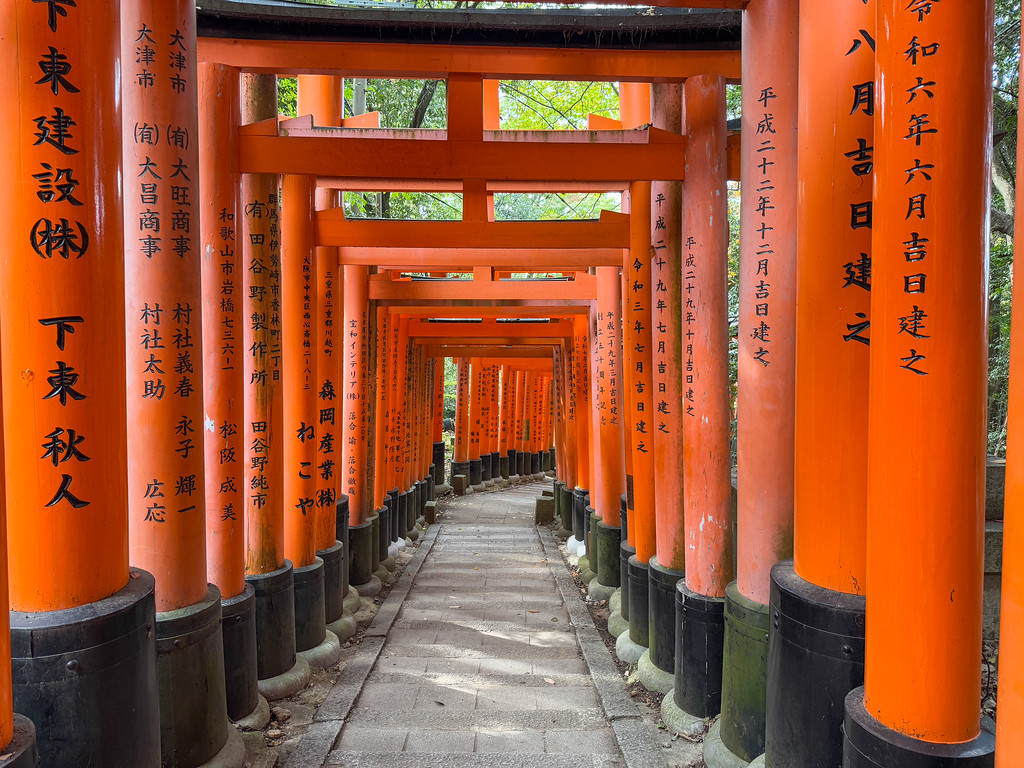
Japan has become one of the most talked-about travel destinations in the world, and for good reason. In recent years, visitor numbers have surged as more travelers seek out a place that combines ancient traditions, futuristic cities, exceptional hospitality, and some of the best food on the planet. For many first-time visitors, Japan can seem slightly intimidating from afar: the language looks unfamiliar, the transit network feels complex, and the cultural etiquette appears exacting. Yet once you arrive, the country reveals itself as remarkably welcoming, surprisingly straightforward to navigate, and deeply rewarding for travelers of all styles. What makes Japan especially memorable is the contrast. One day you can be standing beneath a row of vermilion torii gates in Kyoto, and the next you might be looking out over Tokyo’s skyline at sunset, with Tokyo Tower glowing against the evening sky and, on a clear day, Mt. Fuji faint on the horizon. Then there is Kanazawa, where elegant geisha districts and immaculately preserved gardens offer a quieter, more refined perspective on Japanese culture. Japan is not one experience but many, stitched together by efficiency, beauty, and a sense that every detail has been thoughtfully considered. Why Japan feels so special to travelers There is a reason so many visitors leave Japan already thinking about their next trip. The country delivers a rare mix of depth and ease: you can immerse yourself in centuries-old temples, wander through neighborhoods that feel wonderfully local, enjoy Michelin-caliber meals at every price point, and still move between cities with a level of efficiency that makes multi-stop itineraries realistic even for first-time travelers. Japan rewards both planning and spontaneity. It is the kind of destination where careful preparation helps, but curiosity matters just as much. Another reason Japan resonates so strongly is that it often exceeds expectations. Travelers may arrive expecting cleanliness, order, and good food, but they are often surprised by the warmth of small interactions, the thoughtful design of public spaces, the calmness of the streets, and the ease of daily life even in enormous cities. Tokyo, for example, can feel like an endless urban maze on paper, yet it is also one of the most manageable major cities in the world once you understand the transit system and embrace walking as part of the experience. Top things to know before visiting Japan There are several practical realities that can shape your trip in meaningful ways. Some are small details that make daily life easier; others influence your entire itinerary. Understanding them before you go can help turn a good trip into a seamless one. Japan is very safe One of the most reassuring things about Japan is how safe it feels in day-to-day life. Many solo travelers, including solo female travelers, find Japan to be among the most comfortable countries to explore independently. Even in busy cities such as Tokyo and Kyoto, the atmosphere tends to feel orderly and low-stress. Walking alone at night generally does not carry the same level of concern that travelers may feel in many other major cities around the world. Crime rates are low, violent crime is rare, and even petty theft is far less common than in many other popular destinations. That does not mean you should ignore basic travel common sense, but it does mean you can often relax a little more than usual. For travelers new to solo adventures, Japan can be a wonderful place to build confidence. The country’s public spaces are well maintained, stations are staffed, and most locals are happy to help if you need assistance, even if communication may require a little patience. There is a language barrier, but it is manageable Before a first trip to Japan, the language barrier can seem like the biggest obstacle. Japanese is not widely spoken outside the country, and for travelers who cannot read the writing system, even signs can appear daunting. In practice, however, many aspects of travel are designed to be accessible. Major airports, train stations, and city centers often have English signage alongside Japanese, and transport systems are generally intuitive once you spend a little time learning the basics. Technology is a major help here. Google Translate can be invaluable for menus, station information, and conversations, especially when paired with a reliable data connection through an eSIM. In many places, self-service machines include English-language options, and transit apps often provide route guidance with impressive detail. Outside the major cities, English may be less common, but travel is still very possible if you plan ahead and remain flexible. In many cases, a smile, a translation app, and a little patience go a long way. Japan is remarkably clean Japan’s cleanliness is one of the first things many visitors notice, and it is genuinely impressive. Train stations, streets, temples, and even the inside of trains are typically kept in excellent condition. The sense of public responsibility in Japan is strong, and it shows in the way people treat shared spaces. Litter is rare, and even in densely populated areas the environment often feels tidy and calm. That said, one famous travel truth is worth remembering: trash cans are not always easy to find. Travelers often carry their rubbish with them until they reach a station, convenience store, or hotel. This is one reason why “walk and eat” culture is limited in many parts of the country; it is not only about etiquette, but also about practical waste management. If you buy snacks from a convenience store, be prepared to finish them nearby or keep the wrapper until you can dispose of it properly. Public toilets are plentiful and usually free Another everyday convenience that stands out in Japan is the abundance of public restrooms. In many major cities, you can find clean, free toilets in train stations, shopping centers, parks, department stores, and convenience stores. This makes long days of sightseeing much easier, especially if your itinerary includes lots of walking or hopping between neighborhoods. Japanese restrooms are also known for their
Sacramento in 24 Hours: The Ultimate One-Day Itinerary

Planning One Day in Sacramento Planning a day trip to Sacramento, or perhaps trying to make the most of just 24 hours in California’s capital, can feel surprisingly rewarding. Sacramento is one of those cities that often slips under the radar, but once you start exploring, it reveals a rich blend of Gold Rush history, political significance, thriving arts districts, and a culinary scene rooted in the fertile Central Valley. It is a city where historic landmarks sit within easy reach of colorful murals, contemporary cafés, leafy parks, and riverfront views. That contrast is what makes Sacramento such an appealing destination for a compact city break. In just one day, you can move from the energy of Midtown’s creative streets to the dignified grounds of the State Capitol, then finish with sunset by the river and dinner in the heart of the Old Sacramento Waterfront. If you have more time, the city rewards lingering, but even a single day gives you a strong sense of its character: open, slightly underappreciated, deeply Californian, and full of local personality. This guide expands on a practical one-day itinerary while also giving you context, travel tips, and a few hidden corners worth knowing about before you go. Sacramento at a Glance Sacramento is compact enough to explore efficiently, especially if you concentrate on the downtown, Midtown, and Old Sacramento areas. The city’s grid layout makes navigation straightforward, and many of the major sights are close enough to connect on foot. That said, Sacramento is also a city best appreciated at a slower pace. Its streets reward wandering: you will spot murals tucked into alleys, historic facades beside modern cafés, and small details that reflect both the city’s frontier past and its current creative resurgence. What makes Sacramento particularly interesting is its balance of identities. It is the seat of state government, a historic river city, a food-forward destination shaped by agriculture, and a growing cultural hub. Rather than feeling overly polished, it maintains a grounded, lived-in charm that makes a visit feel authentic. For travelers who enjoy a city break with substance, Sacramento offers a lot to uncover in a short time. One Day in Sacramento Itinerary This itinerary assumes you are arriving the night before or early in the morning and have a full day to explore. It is designed for travelers who want a well-rounded experience of Sacramento’s most memorable areas, from street art and cafés to heritage sites and waterfront strolls. Be prepared for a fair amount of walking, although transit, ride-share services, and bike routes can make the day easier if you prefer not to cover everything on foot. If you happen to have a bit more than 24 hours, an extra morning gives you time to enjoy one of Sacramento’s river trails. The American River Trail and Sacramento River Bike Trail are excellent ways to extend your visit, adding a scenic outdoor dimension to an otherwise urban itinerary. But even if your time is limited, you can still enjoy a full and satisfying day. 8:00am: See the Johnny Cash Mural, Midtown The day begins with one of Sacramento’s most iconic pieces of public art. The Johnny Cash Mural stands as a bold tribute to the legendary singer and to the city’s deep connection with music history. At a towering height of roughly 15 stories, it is impossible to miss, and it makes a memorable first stop for travelers who enjoy street art with a story behind it. The mural celebrates the life and career of the “Man in Black,” with imagery that reflects his cultural impact and his connection to Folsom Prison Blues, one of his most famous songs. Start your morning here to get an immediate sense of Midtown’s creative energy. The mural is more than just a photo opportunity; it is a reminder that Sacramento’s public spaces are often used as canvases for artistic expression. If you are interested in murals, this is the perfect introduction to the city’s visual culture and an excellent way to begin a day of exploration. 8:30am: Coffee and Breakfast at Temple Coffee Roasters After your first stop, head to Temple Coffee Roasters in Midtown for a strong caffeine reset and a relaxed breakfast. Temple is one of Sacramento’s most respected coffee institutions, known for its polished interior, high-quality beans, and reliably good pastries and breakfast bites. It is an excellent place to ease into the morning, especially if you enjoy specialty coffee in a stylish but unpretentious setting. One of the most distinctive details is the café floor made from 500,000 pennies, a quirky design choice that adds to the experience and reflects the city’s playful side. Temple Coffee has multiple locations in Sacramento, but the Midtown branch feels especially well placed for a day of sightseeing. Whether you want a cappuccino, a pastry, or something more substantial, this stop gives you fuel for the rest of the itinerary while letting you experience one of the city’s favorite local hangouts. 9:00am: Explore Midtown and Its Murals Midtown is where Sacramento’s personality begins to come sharply into focus. The neighborhood is known for its tree-lined streets, historic houses, independent boutiques, lively cafés, breweries, and a rich mural scene that gives the area much of its color and energy. It feels youthful and artistic without losing its sense of place, which makes it one of the most enjoyable parts of the city to wander on foot. Take your time here. Look up, turn corners slowly, and allow yourself to drift through the district instead of rushing from one landmark to the next. Midtown’s charm is partly in its atmosphere: the mix of local businesses, public art, and urban neighborhood rhythm creates a sense of discovery around nearly every corner. Many galleries participate in Second Saturdays, a popular monthly event when local spaces open their doors for free receptions and art-focused programming. If your visit aligns with the Midtown Farmers Market, you will also find a vibrant gathering of vendors offering fresh produce,
Culture, Gastronomy, and Local Life

Madrid has a way of surprising first-time visitors and winning back seasoned travelers again and again. It is a city that runs on late dinners, long conversations, museum masterpieces, neighborhood bars, and a kind of effortless confidence that makes every walk feel cinematic. With grand boulevards, tucked-away courtyards, world-class art, and a food scene that ranges from old-school taverns to inventive modern kitchens, Spain’s capital is far more than a stopover between famous destinations. It is a place that rewards curiosity, and the best way to experience it is to give yourself time to wander, taste, and linger. What makes Madrid especially appealing is its balance. It is large enough to feel exciting and endlessly layered, yet intimate enough that you can build a meaningful trip around a few well-planned neighborhoods. You can spend one morning in a museum with some of the most important paintings in Europe, lunch in a historic market, an afternoon in a shaded park, and the evening on a rooftop with the city glowing below you. The rhythm is relaxed, but never dull. If you embrace Madrid’s slower pace, you’ll discover a capital that feels both elegant and deeply lived-in. Why Madrid Belongs on Your Spain Itinerary Madrid is often compared to Barcelona, but the two cities offer very different experiences. Barcelona dazzles with coastal charm and modernist landmarks, while Madrid leans into tradition, culture, and a more local-feeling urban energy. It is a city of plazas, art institutions, hidden taverns, and neighborhoods where everyday life spills into the streets. For travelers who love cities with personality, Madrid delivers in layers. It is also surprisingly versatile. Art lovers can lose themselves in the Prado, Thyssen, and Reina Sofía. Food lovers can build entire trips around tapas, markets, and classic restaurants. History buffs will find royal palaces, monasteries, and plazas that reflect centuries of Spanish power. Travelers on a budget can still enjoy a rich experience by prioritizing free parks, market meals, and affordable neighborhood bars. In other words, Madrid works for nearly every kind of trip. A Five-Day Madrid Itinerary That Balances Icons and Local Flavor If you want to do Madrid well, five days is an excellent starting point. That gives you enough time to see the major sights without rushing, while also leaving room for neighborhood wandering and smaller discoveries. The ideal trip mixes famous landmarks with slower experiences, because Madrid is not a city to be checked off quickly. It is a city to be absorbed. Day 1: The Art Walk and Madrid’s Cultural Heart Start in the area known as the Art Walk, a beautifully connected stretch of museums and historic spaces that offers one of the strongest cultural introductions to any European capital. The experience begins at the Prado Museum, an essential stop even for travelers who usually prefer smaller collections. Its galleries hold masterpieces by Goya, Velázquez, El Greco, Rubens, and many others, and the building itself reflects the importance Madrid has long placed on art as a symbol of identity and power. Give yourself time here; this is not a place to rush through. From the Prado, continue along the Paseo del Prado to the Thyssen-Bornemisza Museum, where the collection bridges centuries and styles with remarkable ease. Then finish the trio at the Reina Sofía Museum, where modern and contemporary works create a powerful contrast with the older masters you have just seen. The highlight for many visitors is Picasso’s Guernica, a large and emotionally charged painting that remains one of the most significant anti-war works ever created. Even travelers who are not especially drawn to modern art often find this museum unexpectedly moving. After a morning of galleries, slow down over lunch. Madrid’s museum district has no shortage of appealing places to eat, from rustic taverns serving cocido madrileño to stylish dining rooms with excellent croquetas and seasonal plates. This part of the city is ideal for a long meal, which is very much in keeping with local habits. A relaxed lunch gives you the perfect transition into the afternoon. In the afternoon, step into Madrid’s elegant house museums. These former private residences offer a more intimate look at the city’s artistic history, and they are often overlooked by travelers who focus only on the major institutions. The Sorolla Museum, with its luminous gardens and painterly interiors, is one of the most rewarding examples. Nearby, the Museum of Romanticism and the Lázaro Galdiano Museum offer equally atmospheric visits, combining art, decorative objects, and architecture in settings that feel personal rather than monumental. By evening, keep the pace gentle. Madrid’s first day is about immersion rather than exhaustion, so an unhurried dinner and a stroll through nearby streets is more than enough to end the day well. Day 2: Habsburg Madrid and the Historic Center Day two brings you into the oldest and most historic part of Madrid, where the city’s medieval and imperial past still shapes the street plan. Begin at Puerta del Sol, one of the most recognizable meeting points in Spain. This is where you’ll find Kilometer Zero, the symbolic starting point of the country’s highway network, along with the famous Bear and the Strawberry Tree statue, a beloved emblem of Madrid. It’s crowded, energetic, and slightly chaotic, but it remains one of the city’s defining landmarks. From there, walk to Plaza Mayor, one of Madrid’s grandest open spaces. Framed by arcades and elegant facades, the square has seen everything from markets and bullfights to public ceremonies and celebrations. Today it is one of the city’s best places for people-watching. Yes, some of the bars and cafés are priced for visitors, but the square still earns its place on any itinerary for its atmosphere alone. A classic local move is to stop for a calamari sandwich nearby. It is simple, filling, and unmistakably Madrid. This is one of those city staples that feels more meaningful when eaten in the right setting, especially after a slow walk through the old center. In the afternoon, head
A Step-By-Step Guide to the Best Hike in Crater Lake
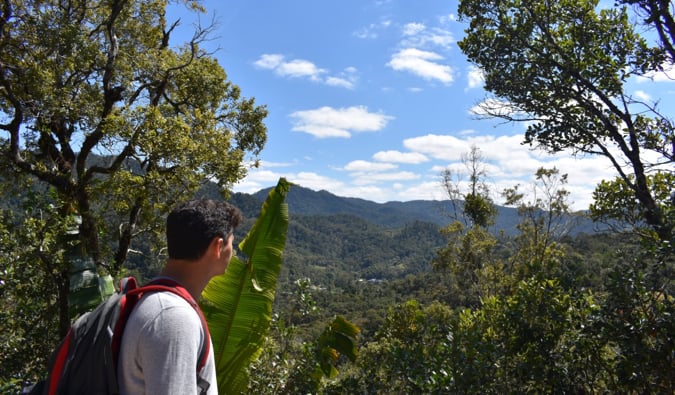
Garfield Peak Hike: One of the Best Ways to Experience Crater Lake Crater Lake has a way of stopping people in their tracks. Even before you lace up your hiking shoes, the first glimpse of that impossibly blue caldera feels surreal—like nature decided to turn the saturation all the way up. If you’re looking for a trail that delivers those dramatic views without demanding an all-day commitment, the Garfield Peak Trail is one of the most rewarding hikes in Crater Lake National Park. What makes this hike so memorable isn’t just the summit view, though that’s certainly a highlight. It’s the steady sense of revelation as you climb higher and higher above the rim, with the lake changing character at every bend. One minute you’re looking across a forested slope, and the next you’re staring into the heart of a volcanic masterpiece. The trail is short enough to fit into a packed itinerary, but scenic enough to feel like a centerpiece experience. Why Garfield Peak Belongs on Your Crater Lake Itinerary Garfield Peak is one of those hikes that gives you a lot in return for a relatively modest effort. At just 3.3 miles round-trip, it’s accessible to many travelers, yet the climb still feels like a true mountain adventure. The trail gains about 1,100 feet, and while that means a sustained uphill workout, the path is manageable for hikers with average fitness and a good pair of shoes. The cultural and natural significance of this area adds another layer to the experience. Crater Lake itself is the collapsed remnant of Mount Mazama, a volcano whose eruption reshaped the landscape thousands of years ago. For the Indigenous peoples of the Klamath Basin, this is not just a scenic destination but a place of deep spiritual importance. Hiking here is a chance to appreciate both the geological drama and the living heritage of the region. Garfield Peak Hiking Stats Distance: 3.3 miles (5.4 km) round-trip Difficulty: Moderate Total Ascent: 1,100 feet (335 m) Lowest Elevation: 7,055 feet (2,150 m) Highest Elevation: 8,055 feet (2,455 m) Time: 1.5 to 2.5 hours Because Crater Lake sits at high elevation, even a relatively short hike can feel more strenuous than expected. Pace yourself, especially if you’ve just arrived from lower elevations. Is the Garfield Peak Hike Worth It? Absolutely. If you only have time for one moderately challenging hike at Crater Lake, Garfield Peak is an excellent choice. The trail delivers some of the park’s most dramatic views, and the summit offers a classic panorama: Crater Lake glowing below, the lodge tucked into the rim, and distant ridgelines stretching toward the horizon. There are other standout viewpoints around the park—Watchman Peak on the west side and Wizard Island if you can access it—but Garfield Peak stands out for its combination of trail variety, big views, and convenience. Since the trail begins near Crater Lake Lodge, you can be on the summit quickly without complicated logistics. Trailhead and Parking The easiest place to start is near Crater Lake Lodge. Parking is available in the lodge lot, along the road, and in nearby visitor areas, but spaces can fill quickly in summer and on event days. If you want the best chance at easy parking, arrive early. A few practical perks of starting here: You can use the restrooms inside Crater Lake Lodge. You’re close to the Visitor Center. You can combine the hike with the Discovery Point Trail or a meal at the lodge. The walk to the trailhead already gives you postcard-worthy views of the lake. From the lodge, follow the paved path along the rim for a few minutes to reach the official trailhead. It’s a great warm-up and a chance to take some early photos before the uphill work begins. Parking Tips Arrive early, especially in July, August, and September. If you’re visiting during Ride the Rim, go even earlier than you think you need to. Have a backup plan in case the lodge lot is full. Consider pairing this hike with a sunrise or early-morning stop to avoid the busiest parking window. Garfield Peak Step-by-Step Trail Guide The trail begins climbing almost immediately. There’s no long warm-up section, so expect a steady ascent right from the start. The grade is fairly consistent, though you’ll find brief flatter sections as you get closer to the summit. That rhythm—up, pause, take in the view, repeat—makes the hike feel rewarding rather than punishing. The route alternates between rimside stretches and steeper hillside sections, giving you a variety of perspectives as you climb. The trail surface is mostly packed dirt with occasional loose rock, and the path is generally easy to follow the whole way. What the Trail Feels Like Expect a hike that’s scenic from the first few minutes. The real joy here is that the views are frequent, not reserved for the summit alone. As you climb, the lake keeps reappearing through open sections of trail, and each viewpoint seems to reveal a slightly different shade of blue. A few things to know before you start: The trail is exposed with little to no shade. Wind can be strong along the rim. Summer sun can feel intense at high elevation. Conditions can change quickly, even on otherwise pleasant days. Best Viewpoints Along the Way One of the best parts of the hike is the viewpoint around the 1.3-mile mark. The trail opens up at a broad U-turn, and if you step carefully onto the ridge, you’ll get sweeping views in every direction. This is one of those places where hikers naturally stop, breathe, and forget about the miles. At the Summit The summit is where Garfield Peak truly earns its reputation. From the top, Crater Lake fills your field of vision in a way that photos simply cannot capture. On a clear day, the whole caldera looks almost unreal, ringed by rugged cliffs and forested slopes. You can spot the lodge below, trace the route you just climbed, and look south toward