The Best Portuguese Food: 31+ Traditional Dishes You Have to Eat

Traditional Portuguese Food: A Long-Form Guide to the Dishes That Define a Journey There are few destinations we’ve explored that engage the senses quite like Portugal. Over two full months, we moved from the sunlit seafood restaurants of the Algarve to the cobbled, history-rich streets of the north, building our trip around one simple idea: eat as much as possible, and eat it well. Portugal rewards that kind of curiosity. The food is honest, regional, deeply rooted in tradition, and often better in the places that look the least polished from the outside. A tiny tasca in Lisbon, a family-run tavern in a village inland, a grill beside the Atlantic, or a bakery on a quiet corner can all become the most memorable meal of your trip. This is not a country where food is treated as an accessory to travel. It is part of the landscape, part of the rhythm of the day, and part of how people gather, celebrate, and slow down. If you are planning a trip and want to understand Portugal through its cuisine, this guide will help you know what to order, what each dish tastes like, and how to eat like a local rather than a tourist. From iconic seafood and comforting stews to breads, snacks, wines, and liqueurs, here is a premium, practical look at the traditional Portuguese dishes worth seeking out. What Makes Portuguese Food So Memorable Portuguese cuisine is often described as simple, but that word can be misleading. Simplicity here does not mean plain. It means confidence in ingredients. Olive oil is used generously and with purpose. Garlic, onions, parsley, bay leaf, paprika, and wine appear again and again, not to overwhelm but to support. Seafood is treated with a kind of respect that comes naturally in a coastal nation, while meat dishes often reflect the country’s rural traditions, where meals were built to nourish families through long days and cooler evenings. There is also a strong sense of regional identity. The north leans heartier, with richer stews, bread-based comfort dishes, and stronger wine traditions. The centre often mixes mountain produce, rustic recipes, and deeply traditional baking. The Algarve and the southern coast celebrate the sea, with shellfish, grilled fish, and copper-pan stews that make the most of local catches. In between, cities like Lisbon and Porto offer everything from classic recipes to modern reinterpretations, but the best food is still often the food that has barely changed for generations. Pastel de Nata: The Custard Tart That Became a National Obsession You cannot begin a conversation about Portuguese food anywhere else. Pastel de nata is more than a pastry; it is part of daily life. The best version has a shell that is crisp, delicate, and almost impossibly flaky, with layers that crack open at the first bite and scatter over your plate. Inside is a warm custard that is silky, sweet without being cloying, and usually finished with a dusting of cinnamon. Some versions lean more caramelised on top, others are softer and creamier in the centre, but the very best ones are served fresh from the oven and eaten immediately, often standing at the counter with a coffee in hand. Part of the charm is that pastel de nata is not reserved for special occasions. You’ll find it in bakeries, cafés, train stations, and neighbourhood pastelarias across the country. If you have time, try a few from different regions. Lisbon gets much of the international attention, but the joy of pastel de nata is that it is woven into ordinary Portuguese life. Eating one warm, before the pastry loses its crispness, is the simplest travel luxury in Portugal. Bacalhau: Portugal’s Most Famous Ingredient Bacalhau, or dried and salted cod, is the dish that best captures the country’s culinary identity. It is said there are 365 ways to prepare it, one for every day of the year, and while that number may be more legend than fact, it says a lot about how deeply bacalhau is embedded in the national imagination. Historically linked to sailors, preservation, and long journeys at sea, it remains a staple on menus across Portugal in forms both humble and elaborate. One of the easiest and most satisfying introductions is Bacalhau à Brás, where shredded cod is mixed with onions, fine fried potatoes, and softly scrambled eggs. The result is comforting and well balanced, with just enough texture to keep each bite interesting. You’ll also see bacalhau baked with cream, layered with vegetables, formed into fritters, or served in versions that feel tied to family Sundays and holiday tables. If you are only in Portugal for a short time, bacalhau is one of the essential dishes to understand the cuisine as a whole. Bifana: The Sandwich That Proves Simple Food Can Be the Best Food The bifana is Portugal’s answer to the perfect cheap meal. Thin slices of pork are marinated in garlic, white wine, and spices, then served inside a soft bread roll that soaks up the juices without falling apart. It is the kind of lunch that looks unassuming from the outside but delivers exactly what you want when you are hungry, short on time, and looking for something local. Some versions are plain and peppery, others slightly saucier, and mustard is commonly served on the side for anyone who wants a sharper contrast. Bifanas are especially good in no-frills places where the griddle is always hot and the air smells faintly of pork, bread, and coffee. They are popular because they are quick, affordable, and satisfying without feeling heavy. If you are traveling on a budget or trying to eat like a local, the bifana is one of the smartest orders on the menu. Grilled Sardines: The Taste of Summer by the Sea Few dishes capture the spirit of Portugal in summer as clearly as sardinhas assadas. Fresh sardines are grilled over charcoal until the skin is lightly crisp and the flesh remains juicy and rich. The flavor is simple, but
11 Awesome Things To Do In Burleigh Heads + Places To Eat [Updated 2026]
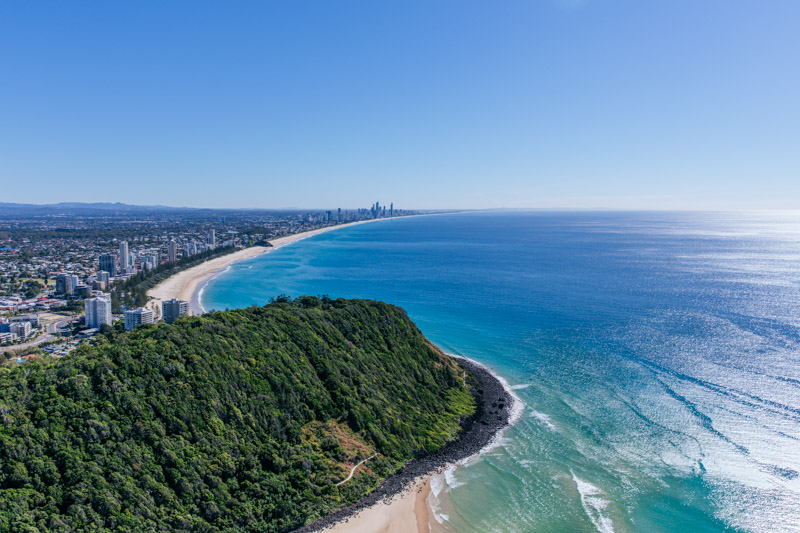
If you’re planning a Gold Coast escape and want a destination that feels both relaxed and genuinely local, Burleigh Heads deserves a place near the top of your list. Set between the busier stretches of Surfers Paradise and the southern end of Coolangatta, Burleigh has a rare balance that many beach suburbs struggle to hold onto: it is polished without feeling overdeveloped, lively without being chaotic, and scenic without trying too hard. Visitors often arrive for the surf, but they stay for the easy rhythm of the place, where mornings begin with coffee, the day unfolds around the beach or national park, and evenings drift toward market stalls, small bars, and dinner with a sea breeze. What makes Burleigh Heads especially appealing is its versatility. Families come for the parks and calm social vibe, couples come for the walkable streets and sunset lookouts, solo travellers come for the cafes and coastal trails, and food lovers come for a strong independent dining scene that leans into fresh produce, local brewing, and casual but thoughtful hospitality. Burleigh has a distinctly community-minded feel. Rather than big glossy attractions, it offers the kind of experiences that build a trip around small moments: a market coffee, a headland walk, a swim after lunch, a long sunset stroll, and perhaps a live band playing while you eat barbecue on a weekend night. For travellers who like a destination to feel manageable and walkable, Burleigh also works beautifully as a base. You can explore much of the suburb without needing to jump in the car every hour, and that alone adds to the holiday mood. The beach, cafes, headland trails, and many of the best restaurants sit close together, which makes Burleigh ideal for a slower style of travel. That does not mean there is nothing to do; on the contrary, there is enough variety here to fill several days comfortably, especially if you enjoy alternating active outings with long, unhurried meals and a little downtime by the water. Burleigh Heads at a glance Accommodation in Burleigh Heads is dominated by vacation rentals and apartment-style stays, which suits the area’s laid-back beach lifestyle. Many properties are priced as premium coastal accommodation, and it is common to see minimum stays of two nights or more, especially in peak periods. The upside is space, privacy, and the convenience of having a kitchen and living area, which is particularly useful for families or visitors planning a longer stay. Burleigh is very walkable once you are settled in, though driving is still practical and parking is generally easier than in many other Gold Coast beach hubs. In terms of highlights, Burleigh Head National Park, Burleigh Beach, the local markets, and the oceanfront walking path are the experiences most travellers remember first. If you want to save a little money, planning meals around happy hour specials, packing a picnic, or choosing accommodation slightly away from the beachfront can make a noticeable difference. Burleigh is not the cheapest part of the Gold Coast, but it can still suit a range of budgets if you choose carefully. Things to do in Burleigh Heads The charm of Burleigh is that the best things to do here are often simple, but they are done exceptionally well. There is no need to overfill your itinerary. A good Burleigh holiday is built around a few anchor experiences, and the rest of the time is spent soaking up the atmosphere between them. 1. Visit the Burleigh Markets The Burleigh Farmers Market is one of the most enjoyable ways to start a weekend in the suburb. Held every Saturday morning from 7am to 12pm at Burleigh Heads State School, it has the kind of easy, local energy that makes you want to linger longer than you planned. The market is a good place to gather fresh produce, browse organic goods, and pick up a coffee before the day heats up. It is also the sort of market where the experience matters as much as the shopping. People do not just arrive and leave quickly; they wander, chat, listen to music, and treat the morning as a gentle ritual. On the first and third Sunday of each month, The Village Markets take over the same location and shift the mood toward creative shopping and live entertainment. You will find stalls selling local art, jewellery, clothing, homewares, gifts, and boutique goods, along with food trucks and live acoustic music on the lawn. It has a very Burleigh kind of atmosphere: stylish but not pretentious, social but not overwhelming, and ideal for travellers who enjoy seeing how a suburb expresses its identity through small businesses. If you are travelling with children, the relaxed layout and grassy areas make it easy to spend a couple of hours here without feeling rushed. Burleigh’s market scene is worth factoring into your itinerary not just for the shopping, but because it gives such a strong sense of place. It is one of the best ways to understand what the suburb values: local produce, independent makers, wellness, and a community approach to weekend life. 2. Walk in Burleigh Head National Park Burleigh Head National Park is one of the area’s most memorable natural spaces, and for many visitors it becomes the highlight of the entire trip. The headland walk is compact but rewarding, and it offers a surprising amount of variety for such a small park. The Rainforest Circuit is the classic route, taking around 1.5 hours to complete at a relaxed pace, and it is manageable for most ages and fitness levels. The path winds through rocky foreshore, dense eucalypt forest, heath, pandanus groves, mangroves, and grassland, creating a changing landscape that feels more immersive than you might expect so close to a beach suburb. One of the joys of this walk is the constant view of the coastline. You can pause at lookout points to watch surfers, scan for whales during the migration season, or simply admire the clean sweep of beach and ocean beneath
17 Unmissable Things To Do In Prague, Czech Republic [Updated 2026]
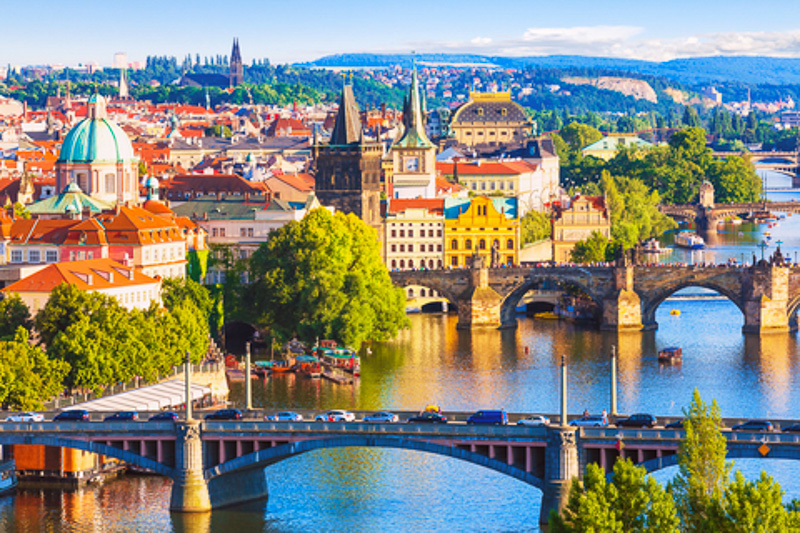
Prague earns every bit of its nickname, the Golden City of a Hundred Spires. Few European capitals layer history, architecture, and everyday life as gracefully as this one. Gothic towers rise above narrow lanes, Baroque façades catch the light at dusk, and medieval streets still carry the rhythm of modern Prague, where trams clatter past cafés, jazz drifts out of cellar bars, and locals linger over coffee as if time has learned to slow down here. It is a city that feels theatrical without being artificial, romantic without trying too hard, and deeply lived-in in ways that make a short visit feel strangely intimate. Whether you arrive for a long weekend, a family holiday, or as part of a larger Central Europe itinerary, Prague has a way of unfolding in layers. At first, it is all postcard beauty: castle views, bridge statues, and the famous clock in Old Town Square. Then, almost as soon as you settle in, the city begins to reveal quieter pleasures. A tucked-away courtyard. A neighborhood pub serving honest Czech food. A riverside path where locals stroll after work. A park with a skyline view that tourists often miss. That combination of grandeur and ease is what makes Prague one of Europe’s most satisfying city breaks. For travelers planning their time carefully, Prague also offers excellent value compared with many major European capitals. The city is compact enough to explore on foot, public transport is efficient, and there are accommodation options for nearly every budget. You can find comfortable guesthouses and hostels without stretching your wallet, while boutique and luxury hotels still tend to be more affordable than similar properties in Paris, Vienna, or London. If you like the idea of seeing a city that feels both magical and manageable, Prague belongs near the top of the list. One of Prague’s great strengths is that it suits almost every style of trip. Couples come for the atmosphere and the river views. Families appreciate the walkability, parks, and easy sightseeing rhythm. Solo travelers enjoy the balance of culture and comfort, with enough to do to fill several days without ever feeling rushed. Backpackers find a city that is easy to navigate and full of social energy, while food lovers and architecture enthusiasts can spend hours moving from one neighborhood to the next, discovering how each district has its own personality. Prague is not just beautiful; it is versatile. Prague at a glance Before diving into the city’s most memorable sights, it helps to know the basics. Prague is highly walkable, especially in the historic center, but trams and the metro make longer distances simple and inexpensive. The city has a broad range of accommodation, from budget-friendly guesthouses and hostels to stylish boutique hotels and luxurious historic properties. Many of the main attractions can be visited in a single trip, though the city rewards slower travel just as much as checklist sightseeing. If you want to save money on admissions, city passes such as the Prague Cool Pass can reduce the cost of several attractions, restaurants, and entertainment options. For travelers staying longer, that can make a noticeable difference. It is also worth remembering that Prague changes with the seasons. In winter, the city glows with markets, candlelit interiors, and atmospheric cold-weather views. Spring brings fresh green parks and quieter streets. Summer is lively and bright, though busier, and autumn is often ideal for photography, with softer light and fewer crowds. No matter when you go, the city’s sense of drama remains intact. Marvel at the Astronomical Clock The Astronomical Clock in Old Town Square is one of Prague’s defining landmarks, and it deserves its reputation. Installed in 1410, it is widely regarded as the third-oldest astronomical clock in the world and the oldest one still operating. That alone would make it remarkable, but what makes the clock especially fascinating is the way it blends engineering, symbolism, and spectacle into one enduring attraction. It is not simply a timepiece; it is a medieval machine with a story to tell. At the center of the clock is the astronomical dial, which shows the positions of the Sun, Moon, Earth, and zodiac constellations. It also includes a calendar dial marking the days and saints’ feast days throughout the year. For visitors, the clock is both an object of curiosity and a window into the scientific imagination of the Middle Ages. It reflects a time when the sky, religion, and daily life were closely connected, and when public buildings were designed not only to function but to impress. Of course, most people gather for the hourly show, the famous Walk of the Apostles. As the hour strikes, small windows open and twelve apostles pass across the clock face while bells ring and a rooster crows. The performance is brief, but the energy in the square makes it memorable. Street musicians, photographers, and travelers waiting for that exact moment all contribute to the atmosphere. If you can, come early or return later in the day when the square is quieter, because the clock itself is worth seeing outside the crowds as well. Visit Prague Castle Prague Castle is one of those places that reshapes your sense of scale. It is not a single building but a sprawling complex of palaces, churches, courtyards, gardens, and defensive structures, spread across the hill above the city. Often described as the largest ancient castle in the world, it has been expanding since the ninth century and remains one of the most significant landmarks in the Czech Republic. From a visitor’s point of view, the castle is less about ticking off one sight and more about moving through a living historical landscape. The most striking building inside the complex is Saint Vitus Cathedral, a Gothic masterpiece with soaring vaults, detailed stonework, and vibrant stained glass. It is one of Europe’s great cathedrals, and even if you have seen many churches across the continent, this one has a distinct sense of vertical drama that fits Prague perfectly.
The Different Stages of Camino de Santiago
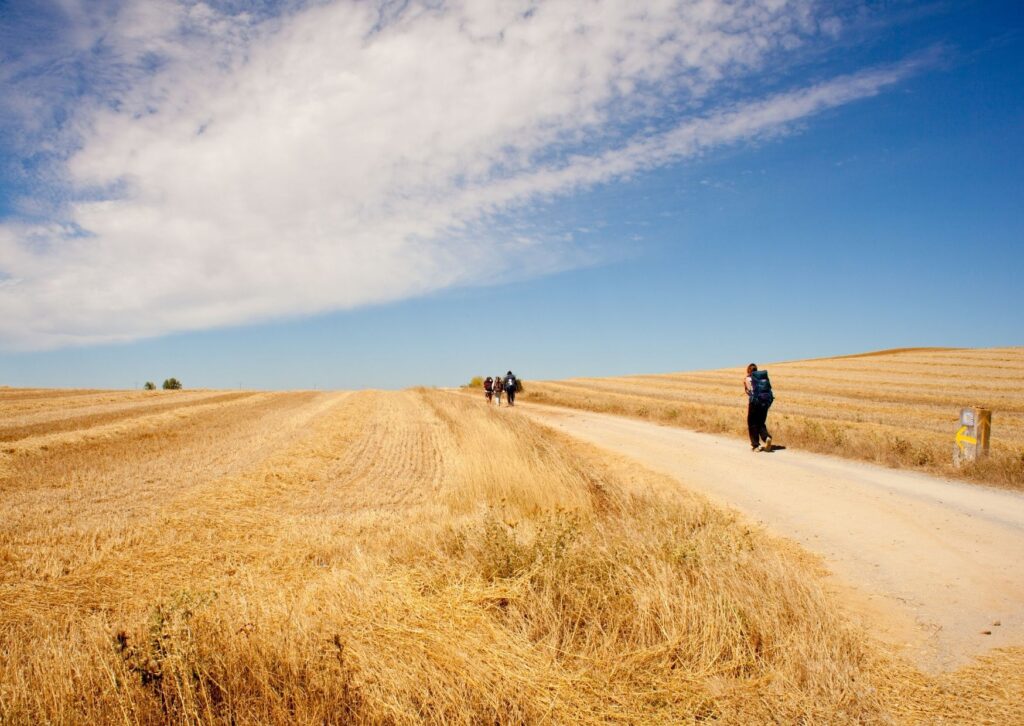
The Camino de Santiago is often described as a single pilgrimage, but that idea only tells part of the story. In reality, it is a vast historic web of routes that stretches across Spain and beyond, drawing pilgrims from many corners of Europe toward the tomb of St. James in Santiago de Compostela. That broader perspective matters, because the experience changes dramatically depending on where you begin, how much time you have, and what kind of terrain you are prepared to face. Some paths are gentle and well serviced, others are remote and physically demanding, and many offer a blend of spiritual atmosphere, cultural heritage, and practical walking challenges that reward careful planning. What makes the Camino especially compelling is that it is not just a route but a layered travel experience. One day may involve crossing a windswept mountain pass, the next a quiet village road lined with stone churches, and another a long stretch through open farmland under a wide sky. The journey can be as much about personal rhythm as destination, which is why understanding the differences between the main routes, their daily stages, and their terrain is essential before setting out. For many travellers, the Camino becomes not only a pilgrimage but also one of the most memorable long-distance walks in Europe. The Iconic Camino Frances The Camino Frances is the best-known and most frequently walked route to Santiago de Compostela, and for good reason. It begins in Saint-Jean-Pied-de-Port on the French side of the Pyrenees and runs for roughly 780 kilometres across northern Spain. This route is the classic choice for first-time pilgrims because it offers a strong balance of infrastructure, scenery, history, and community. Along the way, it passes through the Basque Country, Navarre, La Rioja, Castilla y León, and Galicia, creating a journey that feels almost like a cross-section of Spain itself. One of the most memorable aspects of the Camino Frances is how dramatically the landscape changes from start to finish. The opening stretch demands attention from the very first step, especially if you begin in Saint-Jean-Pied-de-Port and cross the Pyrenees early in the journey. The hills can be wet and grassy, and the mountain passes may test both pace and patience. Later, the route settles into the broad, open plains of the Meseta, where the scenery becomes quieter and the sense of distance more pronounced. This section may appear simple at first glance, but it has a meditative quality that many walkers come to appreciate. By the time pilgrims enter Galicia, the climate becomes greener, the hills softer, and the cultural atmosphere subtly more Celtic in character, with stone hamlets and forested paths adding a different kind of charm to the final stretch. The Camino Frances is also the route with the strongest support network. Accommodation, food stops, luggage transfer options, and historical landmarks are easier to find than on many other caminos, which makes it especially suitable for people who want a manageable first pilgrimage without sacrificing depth of experience. That said, the route is long enough that very few people walk it in one continuous journey unless they have several weeks available. Many choose to complete only the final 100 to 150 kilometres, which still allows them to experience the atmosphere of the Camino and earn the Compostela certificate if they arrive on foot in Santiago. Because the route varies so much, footwear and physical preparation matter more than some travellers expect. Versatile walking shoes or boots with ankle support can make a meaningful difference when you move from rocky mountain descents to hard-packed rural roads and then to damp forest tracks. Packing light remains one of the smartest decisions on the Camino Frances, because every unnecessary item becomes more noticeable after several days of walking. The route may be famous, but it still rewards practical thinking more than overplanning. The Rugged Camino Primitivo For walkers looking for a more demanding and less crowded experience, the Camino Primitivo offers a very different mood. Known as the oldest route in the Camino network, it begins in Oviedo and travels through the heart of the Cantabrian Mountains before joining the Camino Frances in Melide, around 55 kilometres before Santiago. Although it is shorter than the French Way at approximately 320 kilometres, it is widely considered one of the toughest itineraries because of its steep climbs, rugged profiles, and ever-changing weather. The Camino Primitivo is not a route to underestimate. Its mountainous sections require stamina, steady pacing, and good judgment in poor weather. A clear morning can turn misty or rainy in a short time, and conditions on the trail can shift quickly, especially in higher elevations. That unpredictability is part of its appeal for experienced walkers, who often seek out the Primitivo precisely because it feels more remote and less commercial than the better-known alternatives. The rewards are considerable: wide mountain views, quieter paths, and an atmosphere that feels closely tied to the early history of the pilgrimage tradition. At around 13 to 14 days for those completing the full route at a comfortable pace, the Primitivo tends to attract pilgrims who want a more concentrated challenge rather than a leisurely stroll. It is a route where preparation really matters. Good physical conditioning helps, but so does realistic stage planning, because steep ascents and descents can make even moderate daily distances feel more tiring than they would on flatter terrain. For anyone drawn to the Camino for a sense of authenticity and solitude, the Primitivo can be one of the most memorable choices in the entire network. Daily Camino Santiago Stages The total Camino de Santiago distance depends entirely on your chosen starting point, which means there is no universal answer to how long the journey takes. That flexibility is one of the reasons the pilgrimage continues to appeal to such a wide range of travellers. Some people want a short experience that fits into a week or two, while others plan a month or more to complete a major
19 Best Places to Visit in November in the USA (2025 Edition)

There’s something especially rewarding about travelling in November across the United States. The pace changes. Popular destinations breathe a little easier, the weather starts to shift into that sweet in-between space, and many places feel more local, more relaxed, and far less staged. If you’ve ever visited a national park in peak summer and wondered what it would be like without the crowds, or if you prefer city streets when they’re crisp and walkable rather than packed shoulder to shoulder, November is your month. We learned this firsthand in Zion National Park, where a return visit in November completely changed the experience. Instead of fighting for trail space under scorching skies, we found ourselves surrounded by silence, canyon walls, and cool air that made every step feel easier. The landscape was still dramatic, still vast, still unforgettable, but the mood was different in the best possible way. That’s the magic of shoulder season travel: the place stays the same, but your connection to it deepens. If you’re planning a getaway before the holiday rush takes over, this guide brings together some of the best places to visit in November in the USA. It includes warm-weather escapes, walkable cities, mountain destinations, and a few places that feel especially meaningful this time of year. Whether you want desert sunshine, autumn colour, festive lights, or a quieter kind of adventure, November offers more variety than most travellers expect. Quick List: Best Places to Visit in November in the USA November is one of the most flexible travel months in the country. You can still find warm weather in the South and Southwest, while other parts of the US are beginning to lean into holiday traditions. Here’s a quick look at some of the best options for the month. Scottsdale, Arizona is ideal for hiking, golf, and sunny patio lunches without the brutal desert heat. Maui, Hawaii offers whale watching, beach time, and tropical scenery before peak holiday crowds arrive. New York City delivers early festive energy, Thanksgiving traditions, and some of the year’s most iconic seasonal events. New Orleans becomes far more comfortable in November, making it a great time for music, food, and long walks through the French Quarter. Zion National Park is one of the best national parks to visit in the US in November because the trails are quieter and the temperatures are perfect for hiking. Asheville, North Carolina often still has beautiful fall colour in the lower elevations. Telluride, Colorado is peaceful before ski season peaks. Lake Tahoe offers quiet lakeside scenery and crisp mountain air. Napa Valley is excellent for wine tasting and beautiful vineyard views. Savannah, Georgia is comfortable, atmospheric, and especially lovely for walking. San Antonio becomes festive as the River Walk lights begin to appear. Palm Springs remains one of the best places for warm, dry weather and a laid-back desert escape. Why Travel to the USA in November? November is often overlooked because it sits between two more obvious travel seasons: autumn leaf-peeping and holiday travel. But that in-between position is exactly what makes it so good. In many destinations, the summer crowds have finally disappeared. School schedules are back in motion. Prices on flights and hotels can be lower, and parks, museums, restaurants, and city streets are easier to enjoy without planning every minute around peak-hour congestion. It’s also a month of contrast. In one trip, you might get warm sunshine in Arizona or Florida, then turn around and find twinkling lights, parade balloons, or the first snowfall in the mountains. That range makes the US especially interesting in November. A traveller can build a trip around outdoor adventure, food, history, culture, or pure rest and still find the right destination. Another advantage is comfort. Hiking in a desert park becomes safer and more enjoyable. Walking around a historic city doesn’t feel exhausting. Wine country feels settled and scenic instead of busy with harvest traffic. And even places that are famous for their holiday season, like New York City and Chicago, often feel more accessible before December arrives in full force. Best Places to Visit in November for Warm Weather If your ideal November trip means leaving behind coats, gloves, and grey skies, the US still has plenty of warm options. These destinations offer sunshine, manageable temperatures, and enough to do that you won’t feel like you’re only travelling for the weather. Scottsdale, Arizona Scottsdale is one of the easiest places to recommend for a November trip because the weather alone changes the whole experience. The desert cools down enough that hiking becomes genuinely enjoyable, yet the days are still bright and warm. Camelback Mountain, which can feel punishing in the heat of summer, becomes a much more approachable adventure in November. Early starts are still smart, but you’ll be rewarded with energising air, wide-open views, and a much more comfortable climb. Beyond the hiking, Scottsdale works well as a slow-travel destination. Old Town has galleries, boutiques, and restaurants that are best experienced on foot. Taliesin West gives you a deeper look at Frank Lloyd Wright’s architectural vision. And if you want to keep things low-key, the city’s resorts and patios are perfect for a few unhurried hours in the sun. Scottsdale is a strong choice for couples, friends, and solo travellers who want a blend of outdoor activity and easy comfort. For travellers planning a longer Arizona itinerary, Scottsdale also pairs well with road trips to Sedona or even a wider desert circuit. In November, the state feels at its best: clear skies, manageable temperatures, and a sense that you can spend the whole day outside without regretting it by noon. Maui, Hawaii Maui in November has a softer rhythm than peak winter season, and that’s part of its appeal. It’s the beginning of whale watching season, which gives the ocean a sense of anticipation. Seeing humpbacks return to Hawaiian waters is one of those travel experiences that feels both peaceful and dramatic. You may spend one morning in a boat,
There’s So Much To Love About Madrid
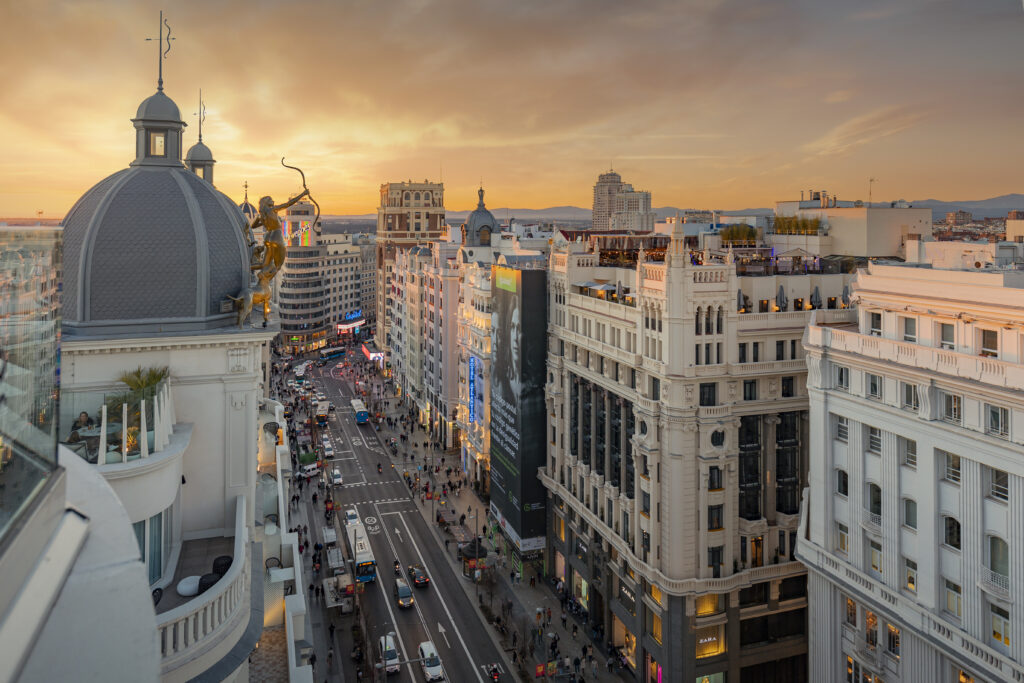
Madrid has a way of revealing itself slowly. It doesn’t hit you with a single grand gesture and then fade into the background. Instead, it unfolds through late lunches, museum afternoons, long walks under plane trees, and evenings that begin far later than most visitors expect. For travelers who enjoy cities with personality, rhythm, and a strong sense of place, Madrid is one of Europe’s most rewarding destinations. It is a city for people who like to wander with no fixed agenda, who want good food without fuss, and who appreciate the simple pleasure of moving through a place that feels fully lived-in. What makes Madrid especially compelling is that it never feels like a city designed only for visitors. Yes, it has headline museums, elegant boulevards, atmospheric plazas, and polished hotels. But it also has the ordinary texture that gives a city depth: neighborhood bakeries, packed terrace bars, bookshops, local markets, and parks where residents actually linger. Madrid is a place where you can spend the morning in front of world-famous art, the afternoon in a leafy park, and the evening in a bar where the menu has barely changed in decades. That combination is hard to beat. Madrid Runs on Its Own Clock If you are arriving from a country with earlier dining hours, Madrid can feel like it operates by another set of rules entirely. Meals happen late, social life stretches deep into the evening, and the city seems to believe that every hour deserves to be enjoyed properly. Lunch is not a quick refueling break but a real event. Dinner often begins after most people elsewhere would already be thinking about bed. Even on weekdays, the city stays lively well past what many visitors expect. This rhythm is one of Madrid’s great charms. It encourages you to slow down and adjust rather than rush from sight to sight. One of the best parts of a trip here is embracing the local tempo. A lazy breakfast, a long museum visit, a pause for coffee, then an afternoon terrace stop before dinner — this is the Madrid way. The city rewards those who do not try to force it into a rigid schedule. The late-afternoon tradition known as tardeo captures that spirit perfectly. It is the social window between the workday and the evening, when friends meet for drinks and conversation before heading home, out to dinner, or further into the night. In neighborhoods like Salamanca, terraces fill with people who seem in no hurry to be anywhere else. It is a very Madrid kind of pleasure: polished but relaxed, social but unpretentious. What to Expect When You Visit Visitors sometimes worry that Madrid will feel too big or too busy, but the city is surprisingly easy to navigate once you settle in. The center is compact enough to walk, while the metro is efficient, clean, and useful for longer hops. Distances that might feel intimidating on a map are often straightforward in practice. This makes Madrid a particularly good choice for a city break, especially if you like being able to combine sightseeing with neighborhood wandering. It also helps that Madrid is a city of broad skies and generous public spaces. Unlike some capitals that feel compressed by traffic or commercial energy, Madrid gives you room to breathe. Streets open onto plazas, boulevards stretch farther than you expect, and the city’s parks create welcome pauses in the urban rhythm. That sense of space softens the experience and makes it easier to settle into the city’s pace. Parks and Greenery El Retiro Park is one of the first places many visitors fall in love with in Madrid, and for good reason. It is not just a park in the functional sense; it is a destination in its own right. In a city that feels dense and metropolitan, Retiro offers an immediate shift in mood. Step inside and the noise seems to drop away. The paths widen, the trees rise overhead, and the pace of the day naturally slows. The park’s rowing lake is a classic Madrid scene, especially on bright afternoons when boats drift across the water and people gather around the edges to watch. The Crystal Palace is another highlight: a 19th-century glass-and-iron structure that looks delicate from a distance and almost theatrical up close. The monument to Alfonso XII, with its grand curved colonnade and lakefront setting, adds another layer of drama to the landscape. Retiro is not only beautiful; it has the kind of scale and variety that makes it easy to spend a long time there without feeling repetitive. For many travelers, the best way to enjoy Retiro is simply to claim a bench or find a quiet patch of shade and linger. Bring a book, a coffee, or nothing at all. In a city as rich as Madrid, not every memorable moment has to be scheduled. Art and Museums Madrid is one of Europe’s most important museum cities, and its art institutions are reason enough to plan a visit. The city’s most famous trio — the Prado, Reina Sofía, and Thyssen-Bornemisza — forms what is often called the Golden Triangle of Art. Together they offer a remarkable sweep of European and Spanish art, from Old Masters to modern masterpieces. The Reina Sofía is essential for anyone interested in modern art, contemporary history, or the emotional force of painting on a monumental scale. Picasso’s Guernica is the museum’s most famous work, and it deserves the attention it receives. The painting is enormous, unsettling, and unforgettable in person. Even if you have seen it reproduced many times, the original has a physical presence that photographs cannot convey. It dominates the room, and the experience of standing before it is one of the most powerful museum moments in the city. But a great museum visit is rarely only about the famous pieces. Some of Madrid’s most lasting art memories come from the unexpected discoveries that stop you in your tracks. That is part of the
What NOT to Do in Uzbekistan (Common Mistakes to Avoid!)

Uzbekistan is one of those destinations that surprises travelers in the best possible way. For many people, it begins as a faraway name on a map, tucked into the heart of Central Asia and associated mainly with Silk Road history. Then they arrive and discover a country that is not only visually striking, but also remarkably approachable, affordable, and rich in texture. Ancient madrasahs and dazzling tilework sit alongside lively bazaars, efficient rail connections, modern cafés, and a culture that feels welcoming without being overperformed for tourists. It is a country that rewards curiosity. The more time you spend there, the more it reveals. My own solo trip through Uzbekistan was part of a larger journey through Central Asia, and it ended up being one of the smoothest and most enjoyable trips I’ve ever taken. I visited Tashkent, Samarkand, Bukhara, and Khiva, learned traditional crafts, took a day trip into Tajikistan, and spent long hours simply observing the rhythms of daily life. What I found most memorable was not just the architecture, although the architecture is extraordinary. It was the ease of moving around, the quality of the food, the generosity of locals, and the sense that I had stumbled into a place still deeply rooted in its own traditions while remaining accessible to independent travelers. Why Uzbekistan feels easier than many first-time visitors expect One of the biggest myths about Uzbekistan is that it is a hard destination. That perception lingers partly because Central Asia still feels off the beaten path to many travelers, and partly because people assume any country ending in “-stan” must require advanced-level expertise to navigate. In reality, Uzbekistan is one of the more straightforward destinations I’ve visited. It is safe, organized, and increasingly traveler-friendly, with a strong tourism infrastructure in its major cities and a transportation network that works well when you plan ahead. That planning matters, of course. Uzbekistan is not the sort of place where you want to wing everything at the last minute, particularly when it comes to train tickets. But if you do a bit of homework in advance, the country is wonderfully manageable. Hotels are often reasonably priced, taxis are inexpensive, and meals can be surprisingly affordable even when you’re dining well. That combination gives travelers room to upgrade strategically: a better hotel here, a faster train there, or a guided experience in a market or museum that makes the trip feel more immersive. There’s also something reassuring about how popular Uzbekistan has become with older, well-traveled tourists from across Europe and North America. On my trip, I saw plenty of senior tour groups, which is usually a clue that a destination is far more comfortable than outsiders imagine. The contrast between the country’s intimidating reputation and its real-world ease is part of what makes a first trip here so satisfying. Getting around Uzbekistan without stress Train travel is one of the great joys of visiting Uzbekistan. The fast Afrosiyob trains connect the main Silk Road cities efficiently, and the journey from Tashkent to Samarkand, for example, is quick enough to keep your itinerary moving without exhausting you. That said, the best trains do sell out fast, often within hours of becoming available. If you’re traveling during a popular season, book as soon as tickets go on sale. Waiting until the last minute can mean settling for slower service or altering your route entirely. If you’re nervous about navigating the ticketing systems yourself, using a travel agency can be worth the peace of mind, especially if you ask them to secure the tickets the moment they are released. There is often a markup, but for travelers who value certainty, the extra cost may feel worthwhile. In a country where the train is one of the simplest ways to move from city to city, planning ahead really does pay off. Within cities, the Yandex Go app is essential. It is the closest thing to a ride-hailing lifeline in Uzbekistan, and it works well in most urban areas. The fares are low, the waits are usually short, and the app is useful not only for taxis but for food delivery and other practical tasks too. That said, it is wise to know that connectivity can be patchy around train stations and some more remote locations, so don’t assume you’ll be able to summon a ride at the exact moment your train pulls in. A little patience goes a long way. An eSIM is another piece of travel gear that makes a major difference here. Being able to access maps, order taxis, communicate with guides, and translate menus without relying on inconsistent public Wi-Fi will save time and reduce friction. In Uzbekistan, that convenience is more than a luxury; it is a practical travel tool. I found city signal reliable enough for day-to-day use, though you should not expect perfect connectivity across long rail stretches or in rural areas. What to wear and how to blend in respectfully Uzbekistan is not a destination where you need to overthink dressing, but it is worth paying attention to the local norms. The country is culturally diverse and modern in many ways, yet most women dress in a manner that is modest rather than revealing. That means covering shoulders, knees, and cleavage is a sensible approach for female travelers who want to avoid standing out unnecessarily. Men should also keep things modest and practical, especially in cities and around religious or historic sites. There is no need for a headscarf in daily public life unless you are entering a mosque or another religious space where such dress may be expected. Still, wearing loose, comfortable clothing that feels polished rather than flashy is a good rule of thumb. I found that simple outfits worked best: jeans, long dresses, cardigans, lightweight jackets, and layers that could be adjusted as the day warmed up or cooled down. The goal is not to disappear; it is to travel with a kind of quiet respect that helps you move
Is Egypt Safe To Travel? A Realistic Guide for 2026
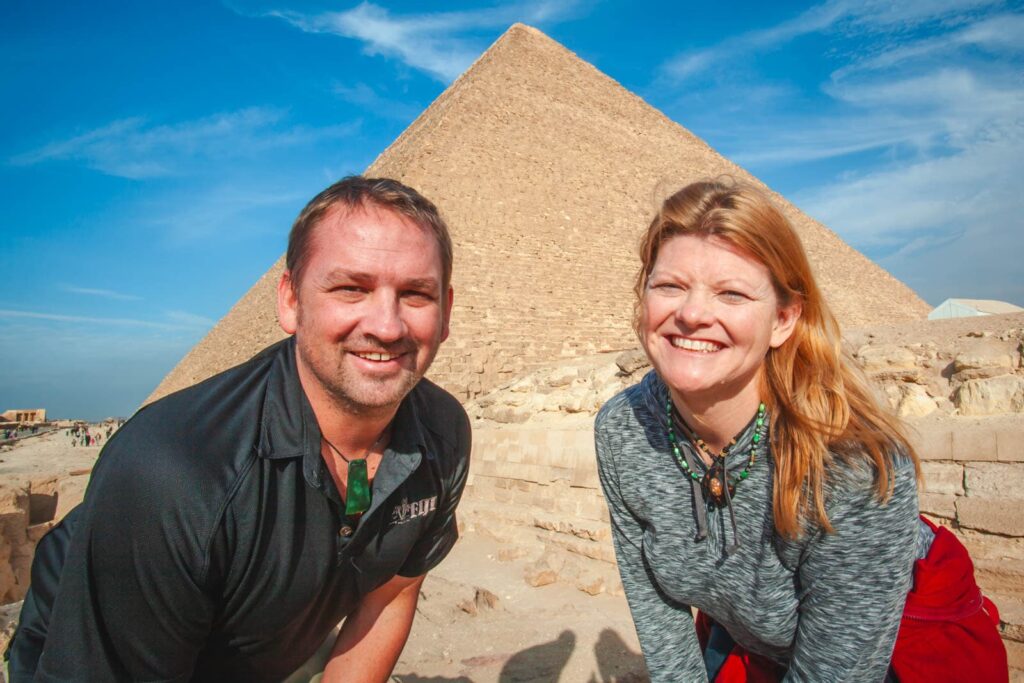
Let’s answer the question travellers ask most often before booking a trip: is Egypt safe to travel? For informed, prepared visitors, the answer is yes. Egypt is not only safe enough for many travellers to enjoy, but it is also one of the most rewarding destinations in the world. Few places combine such deep history, striking landscapes, and living culture in such a concentrated way. Standing in front of the Pyramids of Giza, sailing the Nile at sunset, or walking through the grand temples of Luxor can feel almost unreal. These are the kinds of moments that stay with you long after you return home. At the same time, Egypt is not a destination to approach casually. It is intense, energetic, and often chaotic in ways that can surprise first-time visitors. The traffic can feel wild, touts can be persistent, and the amount of attention tourists receive can be exhausting if you are unprepared. That does not mean you should avoid the country. It means you should travel with clear expectations, practical awareness, and a willingness to adapt to local realities. A trip to Egypt is rarely effortless, but for many travellers, that is exactly what makes it memorable. This guide is designed to give you an honest, real-world picture of travel safety in Egypt. It covers the current situation on the ground, the difference between the main tourist corridor and higher-risk regions, the most common scams, practical advice for solo female travellers, and the travel habits that make a big difference. If you want to explore Egypt with confidence rather than confusion, understanding these details is the best place to start. Is Egypt Safe To Travel Right Now? In broad terms, Egypt is safe for tourism in the main visitor areas, but it comes with a medium overall risk level that should not be ignored. Violent crime against tourists is uncommon, especially in the heavily monitored places most travellers visit, such as Cairo, Luxor, Aswan, and the Red Sea resorts. The more common issues are petty theft, scams, transport hassles, harassment, and the fatigue that comes from constant negotiation. Those are not small inconveniences, but they are manageable with good planning. The most important thing to understand is that safety in Egypt is highly location-dependent. The tourist corridor is very different from regions that are specifically flagged in travel advisories, such as North Sinai or remote desert border areas. In the primary travel zones, there is a strong security presence, especially around major monuments, museums, hotels, and transport routes. That level of visible protection can feel intense at first, but for many visitors it also adds reassurance. For travellers who want the short version, the safest way to approach Egypt is to stay on the main route, use reputable transport and guides, avoid sensitive border regions, and keep your expectations realistic. Egypt is not the kind of place where you want to improvise every day. It is a country where a bit of structure goes a long way. Why Egypt Has a Reputation for Being Unsafe Egypt’s reputation did not appear out of nowhere. A decade of political upheaval, widely broadcast protests, and occasional security incidents shaped how many people viewed the country. The 2011 Revolution and the years that followed were especially significant. News coverage often focuses on unrest because it is dramatic and immediate, and once a destination is associated with instability, the image can linger far longer than the actual event. There were also tragic incidents in the years after the revolution that affected the tourism industry and reinforced fears among would-be visitors. But it is essential to separate those historical moments from present-day travel conditions. Today, the country has far more security around major tourist zones than it did in the past, and that has changed the on-the-ground experience for visitors. While no country is without risk, the version of Egypt many travellers imagine based only on headlines is usually more alarming than the reality in the places they are most likely to visit. Our own experience reflects that gap between perception and reality. We visited Egypt after the revolution and found a visible security presence, yes, but also a country filled with ordinary people going about everyday life. In places such as Luxor, the atmosphere was calm, welcoming, and much more grounded than many travellers expect before arriving. Understanding Current Travel Advisories Before travelling, always check the official advisory from your own government. These advisories matter because they are based on the latest available intelligence and local conditions. That said, they are often written broadly and may cover the entire country, even though the experience varies greatly from one region to another. A warning about certain parts of Egypt does not mean every city and every tourist site carries the same level of risk. The crucial distinction is between the common tourist circuit and the areas that are explicitly advised against. Cairo, Luxor, Aswan, and the Red Sea coast are the regions most visitors focus on, and these areas are generally well protected. In contrast, places like North Sinai or remote desert zones near borders are very different environments and are not suitable for casual independent travel. When planning your trip, focus less on the most dramatic wording and more on the specific geography behind the advisory. That context matters because many travellers read an advisory and immediately assume the whole country is off-limits. In practice, millions of visitors safely explore Egypt every year by sticking to the main tourism route and using common sense. The key is not to ignore the warnings, but to understand them properly. Is Cairo Safe? Cairo is safe enough for visitors who are alert, street-smart, and comfortable with busy urban environments. It is also one of the most stimulating cities in the world. With well over 20 million people in the wider metro area, it is crowded, noisy, fast-moving, and full of contrasts. Ancient monuments sit beside honking traffic, neighbourhood bakeries, high-rise apartments, and historic mosques. The
10 Emerging Travel Destinations 2026 for solo female travellers!
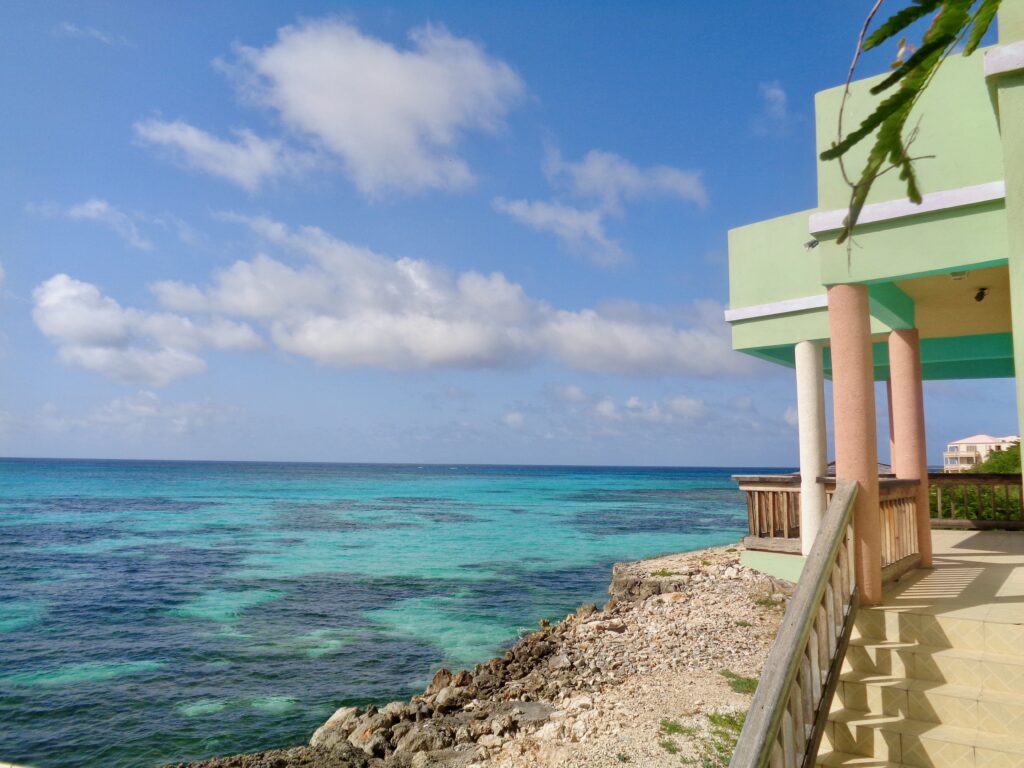
Every year, the same names tend to dominate lists of the best destinations for solo female travellers. And while it is reassuring to see familiar countries remain popular for good reasons, there is something far more exciting about looking beyond the obvious. Travel in 2026 feels like the perfect moment to widen the lens, move past the usual headline destinations, and give attention to places that are quieter, more surprising, and often more rewarding for women travelling alone. These are not destinations chosen because they are trendy or because they are easy to sell in a glossy brochure. They are places with personality. Some are remote islands where the beach feels like it belongs to you alone. Others are compact countries that work beautifully for a short stopover. A few are emerging travel picks that are finally stepping back into the spotlight after years of being overlooked. What they all share is a sense of discovery, plus the kind of atmosphere many solo travellers value most: manageable size, natural beauty, culture, and the chance to travel at your own pace. If you are planning your next independent trip, this list is designed to help you think differently about where to go. You may already be comfortable travelling solo, or you may still be building confidence and looking for somewhere that feels a little gentler than the world’s busiest destinations. Either way, these 10 places offer a refreshing mix of coastlines, heritage, wildlife, adventure, and slower travel experiences that can make a trip feel more personal and memorable. 1. Anguilla Anguilla is one of those Caribbean islands that often stays just outside the mainstream conversation, which is exactly part of its appeal. It is all about white sand, clear water, calm days, and the kind of beach scenery that makes you slow down without trying. For solo female travellers, that slower pace can be a gift. You are not rushing from one attraction to another, and you are not navigating a destination built around nightlife. Instead, you can base yourself near the coast, enjoy peaceful mornings, and spend the day moving between beaches, small restaurants, and easy island drives. One of the biggest things to know about Anguilla is that there is no airport on the island itself. Most travellers arrive via St Martin or St Maarten, which makes the journey feel slightly more adventurous but also gives you the opportunity to extend your trip. That is worth considering because a few nights on St Martin can add extra variety before or after your Anguilla stay. Once you are on the island, it is straightforward to hire a car and get around independently, which is ideal if you prefer the freedom to explore on your own schedule. Shoal Bay is often the beach that steals the show, and it is easy to understand why. The sand is soft, the sea is luminous, and the whole shoreline has that calm, restorative feel that many solo travellers are searching for. Anguilla is not really about big attractions or a packed itinerary; it is about ocean time, comfort, and unhurried days in a beautiful setting. Hidden Gems Beyond the best-known beaches, look for smaller coves and local beach bars where the atmosphere is more laid-back and less polished. These are the places where Anguilla feels most authentic, especially if you want to mix a little island life with quiet time by the sea. Early mornings are particularly rewarding here, when the beaches are at their most peaceful and the island feels wonderfully still. 2. Bonaire Bonaire is one of the Caribbean’s most rewarding off-the-radar islands, especially for travellers who prefer nature over nightlife. It is part of the ABC islands, alongside Aruba and Curaçao, but it has a distinctly different feel. Where Aruba can be more developed and Curaçao more colourful and urban in parts, Bonaire leans into its wild, low-key character. It is a destination shaped by the sea, the landscape, and conservation-minded travel. For solo female travellers who like the ocean, Bonaire is particularly appealing because the underwater world is so accessible. The island is known for shore diving and snorkelling, which means you do not always need a boat to experience some of the best marine life. That makes it practical for independent travellers, especially if you want flexibility rather than a tightly organised tour schedule. Bonaire is also one of the Caribbean’s top spots for kite-surfing, and its steady winds attract active travellers who want more than just a beach holiday. What many people do not expect is how much variety Bonaire has inland too. You will find flamingos, salt flats, cactus-covered desert terrain, and quiet roads that make exploring by car feel easy and safe. The Dutch-Caribbean influence is still present in the island’s history and cultural identity, giving it an interesting blend of European and tropical influences. If you are seeking a destination that feels peaceful, eco-conscious, and just slightly different from the standard Caribbean island escape, Bonaire should be high on your list. Hidden Gems Some of the most memorable experiences on Bonaire come away from the more obvious waterfront spots. Keep an eye out for the lesser-visited shoreline areas where the sea meets raw, open landscape, and spend time in quiet corners of the island where the desert scenery feels almost surreal. Bonaire rewards travellers who are happy to move slowly and notice details. 3. Brunei Brunei is a small kingdom that many travellers only encounter as a stopover, but it deserves more attention than it usually gets. If you are travelling around Southeast Asia or connecting onward to Borneo, this is a destination that can fit neatly into a broader route. Two or three nights is often enough to get a meaningful feel for the country, especially if you are short on time but curious about somewhere culturally distinct. One of Brunei’s strengths is its calmness. This is not a destination built around crowds, late nights, or fast-paced tourism. Instead, it offers elegant mosques,
Ceviche Chef Legend Javier Wong
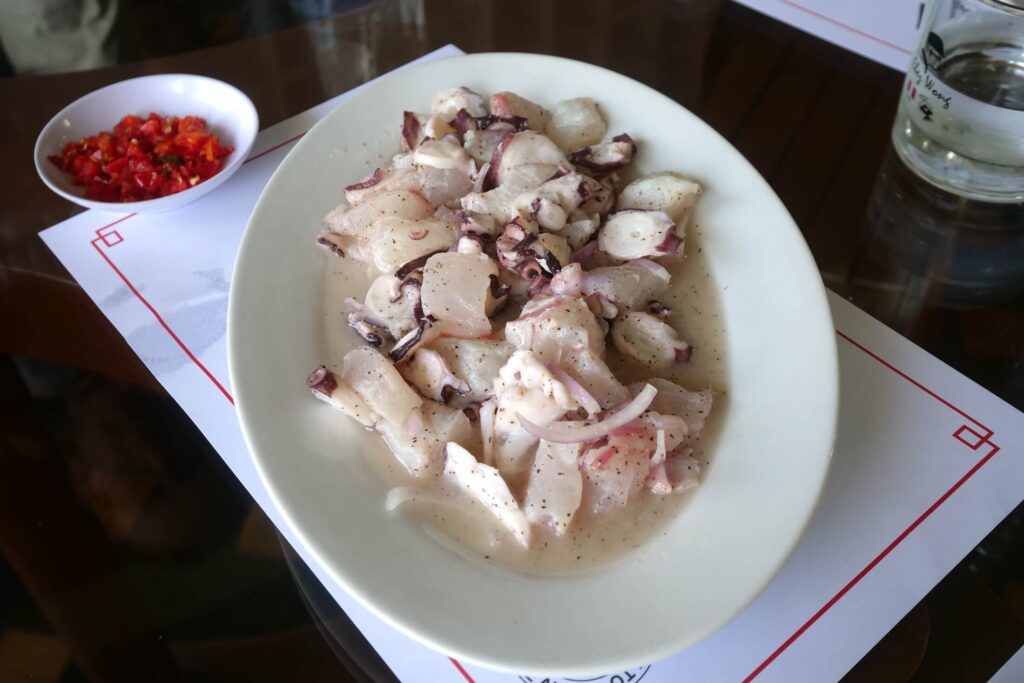
Lima, Peru, has earned its place on the global culinary map for good reason. This is a city where food is not just a highlight of the trip; for many travelers, it is the trip. From humble street-side classics to high-end dining rooms that draw international attention, Lima offers a layered and deeply rewarding food scene that reflects the country’s coastline, history, and cultural blending. Among its most celebrated experiences is a meal at Chez Wong, the intimate, reservation-only restaurant of chef Javier Wong, a man whose name has become synonymous with extraordinary ceviche. Chez Wong is not the kind of restaurant you stumble into on a whim. It is a destination in itself, the kind of place travelers plan around, talk about long before arrival, and remember long after leaving Peru. What makes it so compelling is not only the food, though the food is exceptional, but the entire rhythm of the experience: the disciplined sourcing, the quiet confidence of the chef, the small dining room, the lack of a traditional menu, and the feeling that you are witnessing a lifetime of practice expressed through a handful of ingredients. In a city full of memorable meals, this one stands apart because it feels both personal and precise. ## Chez Wong and the Culinary Identity of Lima Lima is often described as one of the world’s great food capitals, and that reputation rests in part on its remarkable relationship with seafood. The Pacific coast provides an abundance of fresh fish and shellfish, and Peruvian cooks have long transformed those ingredients into dishes that are bold, clean, and deeply satisfying. Ceviche is the most iconic example, but the city’s food culture extends far beyond a single dish. What makes Lima special is that it offers food lovers both breadth and depth: traditional recipes, modern reinterpretations, neighborhood staples, and elite dining rooms all coexist within the same culinary ecosystem. For travelers who come to Peru specifically for food, Lima is often the place where the trip becomes unforgettable. There are many excellent restaurants in the city, but Chez Wong is one of those rare places that feels almost mythic. Its reputation has spread because of one thing above all else: chef Javier Wong’s ability to create ceviche with such precision that it feels less like a dish and more like a performance of mastery. Yet the appeal of Chez Wong goes beyond celebrity status. It is rooted in respect for ingredients, devotion to technique, and the confidence to let simplicity carry the meal. ## What Makes Ceviche in Peru So Special Ceviche is one of those dishes that proves how powerful simplicity can be when the ingredients are excellent and the technique is exact. At its most basic, ceviche is made from fresh fish or seafood marinated in citrus juice, usually lime or lemon, then finished with salt, pepper, and chilies. The acid changes the texture of the fish and gives the dish its distinctive character, while the freshness of the seafood determines everything. In Peru, ceviche is not just a dish; it is a national signature. It reflects the country’s coastal geography and the pride that Peruvian cooks take in working with what the sea provides. In Lima, ceviche appears in many forms. Some versions are light and bright, some are more rustic, and others lean into stronger seasoning or side accompaniments. But what remains constant is the central expectation: the seafood must be impeccably fresh. That is why the best ceviche experiences are so dependent on timing, sourcing, and trust in the chef. At Chez Wong, all of those elements are treated with near-religious seriousness. The result is a ceviche that feels fully alive in the moment it reaches your table. ## Hidden Gems While Lima is famous for major restaurants and culinary institutions, some of its most memorable experiences come from smaller, less visible places where the focus is on craft rather than spectacle. Chez Wong is one of those hidden gems. From the outside, it does not announce itself with glamour. The walls are plain, the setting is understated, and nothing about the street-facing exterior suggests the level of precision taking place inside. That contrast is part of the appeal. Travelers who enjoy discovering places that do not look flashy but deliver exceptional quality will appreciate just how rewarding this restaurant can be. Hidden-gem dining in Lima often works this way: the best meals are sometimes tucked behind ordinary doors, and the most unforgettable dishes may be prepared in tiny spaces by chefs who have spent decades perfecting a narrow set of recipes. Chez Wong is a perfect example. It rewards curiosity, patience, and advance planning. For food-focused travelers, that combination can be more satisfying than any polished fine-dining room with a broad menu and elaborate presentation. ## The Experience of Arriving at Chez Wong Chez Wong operates by reservation only, and that detail shapes the entire experience. This is not a restaurant designed for spontaneous walk-ins. Javier Wong buys the exact amount of fish he needs based on the number of guests expected that day, which means a reservation is not merely helpful; it is essential. The limited lunch hours and small number of tables create an atmosphere of exclusivity, but not the intimidating kind. Instead, there is a sense of care. Every plate is planned before the first guest sits down. The dining room itself is modest and intimate, with only a handful of tables and little in the way of decoration. That simplicity allows the meal to take center stage. Photos and magazine covers line one wall, offering a glimpse into the chef’s long-standing recognition, but the room never feels like a museum or a performance space. It feels like a working kitchen that happens to welcome guests. That intimacy matters. You are not just eating a famous meal; you are watching a chef operate in the environment that shaped his style. For travelers planning a visit, a few practical points matter. Reserve well