Uzbekistan is one of those destinations that surprises travelers in the best possible way. For many people, it begins as a faraway name on a map, tucked into the heart of Central Asia and associated mainly with Silk Road history. Then they arrive and discover a country that is not only visually striking, but also remarkably approachable, affordable, and rich in texture. Ancient madrasahs and dazzling tilework sit alongside lively bazaars, efficient rail connections, modern cafés, and a culture that feels welcoming without being overperformed for tourists. It is a country that rewards curiosity. The more time you spend there, the more it reveals.
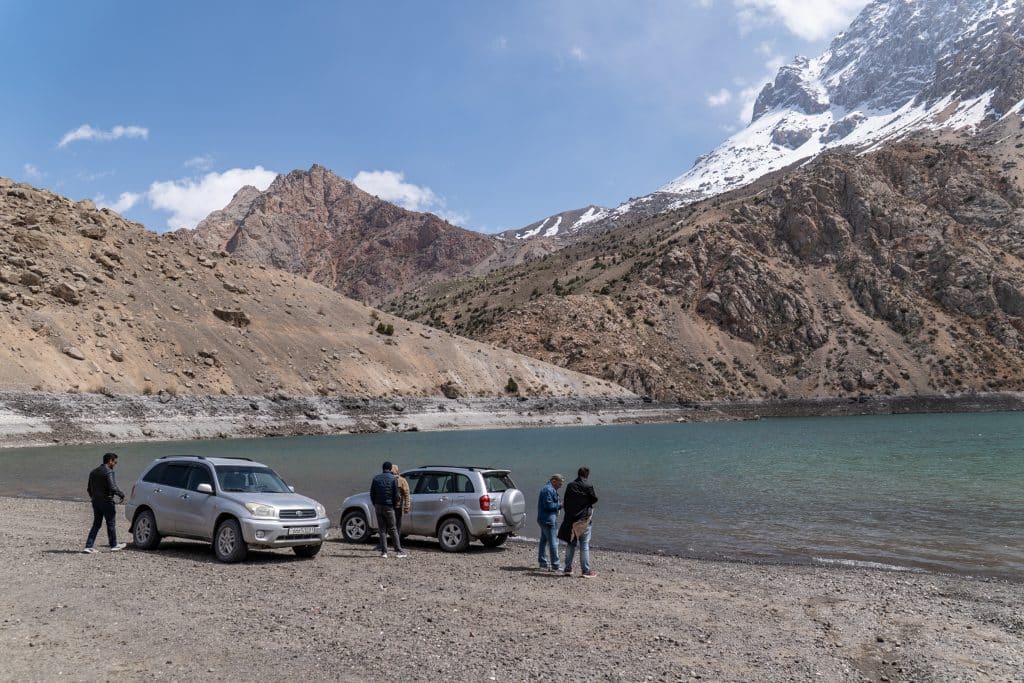
My own solo trip through Uzbekistan was part of a larger journey through Central Asia, and it ended up being one of the smoothest and most enjoyable trips I’ve ever taken. I visited Tashkent, Samarkand, Bukhara, and Khiva, learned traditional crafts, took a day trip into Tajikistan, and spent long hours simply observing the rhythms of daily life. What I found most memorable was not just the architecture, although the architecture is extraordinary. It was the ease of moving around, the quality of the food, the generosity of locals, and the sense that I had stumbled into a place still deeply rooted in its own traditions while remaining accessible to independent travelers.
Why Uzbekistan feels easier than many first-time visitors expect
One of the biggest myths about Uzbekistan is that it is a hard destination. That perception lingers partly because Central Asia still feels off the beaten path to many travelers, and partly because people assume any country ending in “-stan” must require advanced-level expertise to navigate. In reality, Uzbekistan is one of the more straightforward destinations I’ve visited. It is safe, organized, and increasingly traveler-friendly, with a strong tourism infrastructure in its major cities and a transportation network that works well when you plan ahead.
That planning matters, of course. Uzbekistan is not the sort of place where you want to wing everything at the last minute, particularly when it comes to train tickets. But if you do a bit of homework in advance, the country is wonderfully manageable. Hotels are often reasonably priced, taxis are inexpensive, and meals can be surprisingly affordable even when you’re dining well. That combination gives travelers room to upgrade strategically: a better hotel here, a faster train there, or a guided experience in a market or museum that makes the trip feel more immersive.
There’s also something reassuring about how popular Uzbekistan has become with older, well-traveled tourists from across Europe and North America. On my trip, I saw plenty of senior tour groups, which is usually a clue that a destination is far more comfortable than outsiders imagine. The contrast between the country’s intimidating reputation and its real-world ease is part of what makes a first trip here so satisfying.
Getting around Uzbekistan without stress
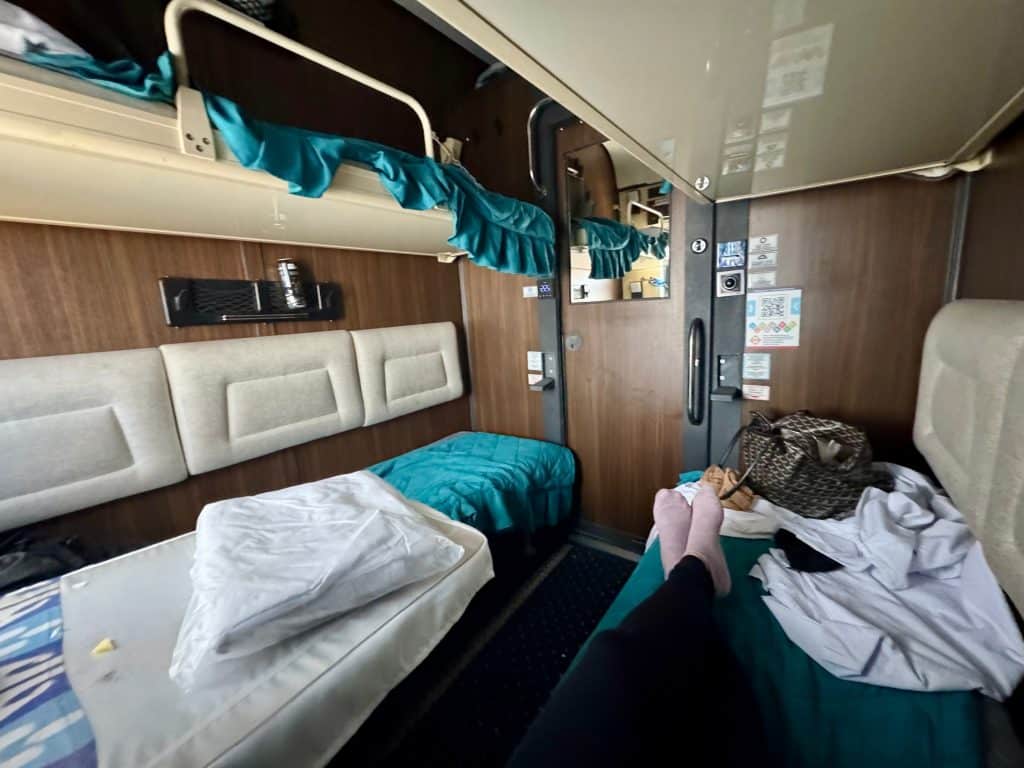
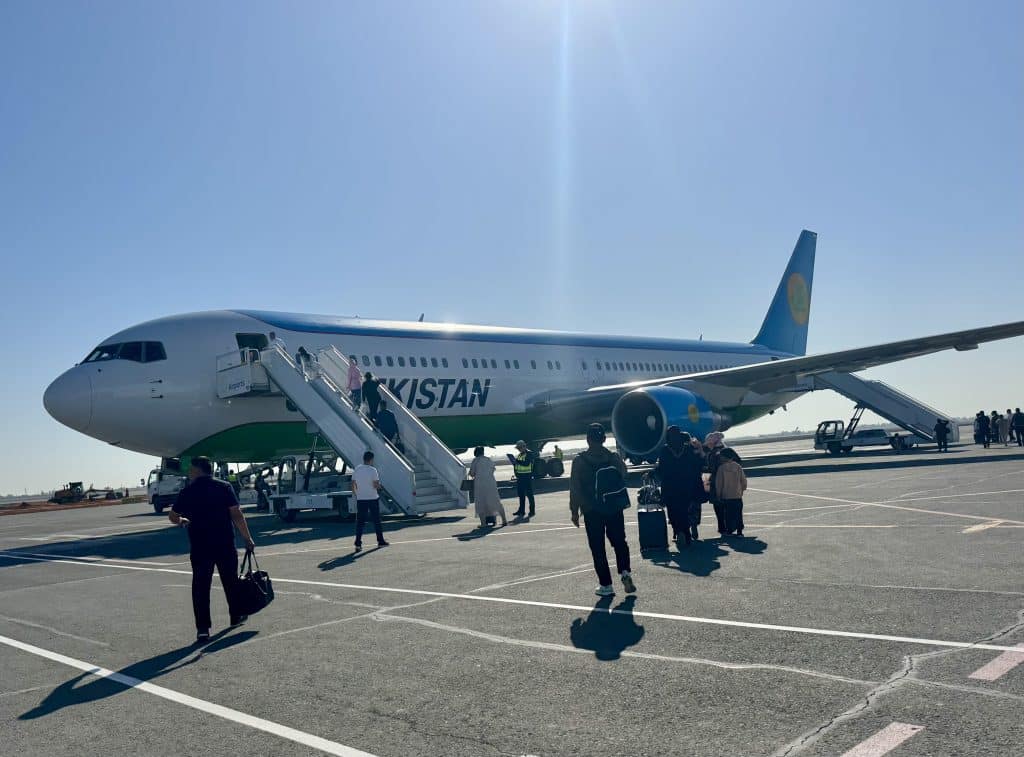
Train travel is one of the great joys of visiting Uzbekistan. The fast Afrosiyob trains connect the main Silk Road cities efficiently, and the journey from Tashkent to Samarkand, for example, is quick enough to keep your itinerary moving without exhausting you. That said, the best trains do sell out fast, often within hours of becoming available. If you’re traveling during a popular season, book as soon as tickets go on sale. Waiting until the last minute can mean settling for slower service or altering your route entirely.
If you’re nervous about navigating the ticketing systems yourself, using a travel agency can be worth the peace of mind, especially if you ask them to secure the tickets the moment they are released. There is often a markup, but for travelers who value certainty, the extra cost may feel worthwhile. In a country where the train is one of the simplest ways to move from city to city, planning ahead really does pay off.
Within cities, the Yandex Go app is essential. It is the closest thing to a ride-hailing lifeline in Uzbekistan, and it works well in most urban areas. The fares are low, the waits are usually short, and the app is useful not only for taxis but for food delivery and other practical tasks too. That said, it is wise to know that connectivity can be patchy around train stations and some more remote locations, so don’t assume you’ll be able to summon a ride at the exact moment your train pulls in. A little patience goes a long way.
An eSIM is another piece of travel gear that makes a major difference here. Being able to access maps, order taxis, communicate with guides, and translate menus without relying on inconsistent public Wi-Fi will save time and reduce friction. In Uzbekistan, that convenience is more than a luxury; it is a practical travel tool. I found city signal reliable enough for day-to-day use, though you should not expect perfect connectivity across long rail stretches or in rural areas.
What to wear and how to blend in respectfully
Uzbekistan is not a destination where you need to overthink dressing, but it is worth paying attention to the local norms. The country is culturally diverse and modern in many ways, yet most women dress in a manner that is modest rather than revealing. That means covering shoulders, knees, and cleavage is a sensible approach for female travelers who want to avoid standing out unnecessarily. Men should also keep things modest and practical, especially in cities and around religious or historic sites.
There is no need for a headscarf in daily public life unless you are entering a mosque or another religious space where such dress may be expected. Still, wearing loose, comfortable clothing that feels polished rather than flashy is a good rule of thumb. I found that simple outfits worked best: jeans, long dresses, cardigans, lightweight jackets, and layers that could be adjusted as the day warmed up or cooled down. The goal is not to disappear; it is to travel with a kind of quiet respect that helps you move through the country with ease.
For visitors who like to dress fashionably, the good news is that Uzbek style can be elegant and expressive without being overly revealing. That makes it easy to feel comfortable while still looking put together. The key is to observe rather than impose.
Why a little cash still matters a lot
Uzbekistan is more cash-oriented than many travelers expect. Even though credit cards are increasingly accepted in hotels and some restaurants, it is unwise to rely on plastic alone. You may need cash for small purchases, museum tickets, market shopping, hotel balances, taxis, and a dozen other routine expenses. It is also possible to burn through smaller denominations quickly if you’re shopping in places like Bukhara, where the temptation to buy textiles, ceramics, and handcrafted gifts is almost constant.
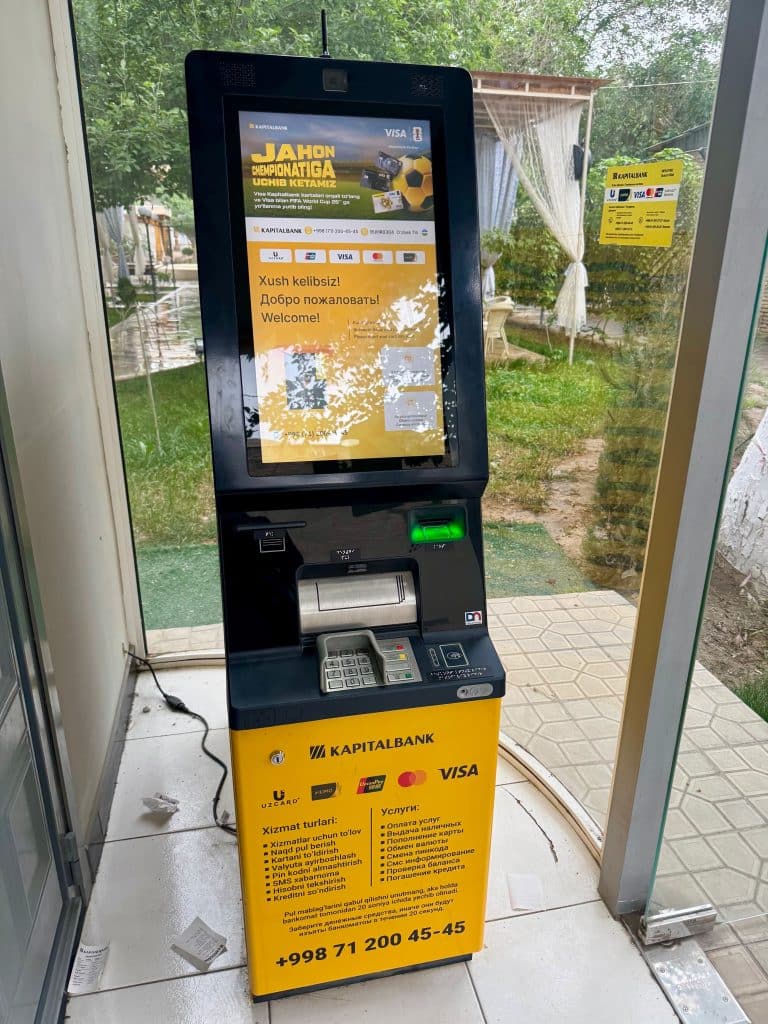
One thing to keep in mind is that you may end up carrying a lot of bills. That can feel awkward at first, but it is simply part of the rhythm of travel here. ATM access is generally available in cities, though not every machine will accept international cards. It’s smart to withdraw more than you think you’ll need whenever you find a reliable machine, especially if you have tours, shopping plans, or intercity transport to pay for.
There are also some booking quirks worth knowing. Domestic flights and some transport systems may not always play nicely with foreign cards, so if something refuses your payment, don’t panic. A different booking channel, an OTA, or an agency often solves the issue quickly. In Uzbekistan, flexibility tends to be more useful than stubbornness.
Tashkent is worth more than a quick transit stop
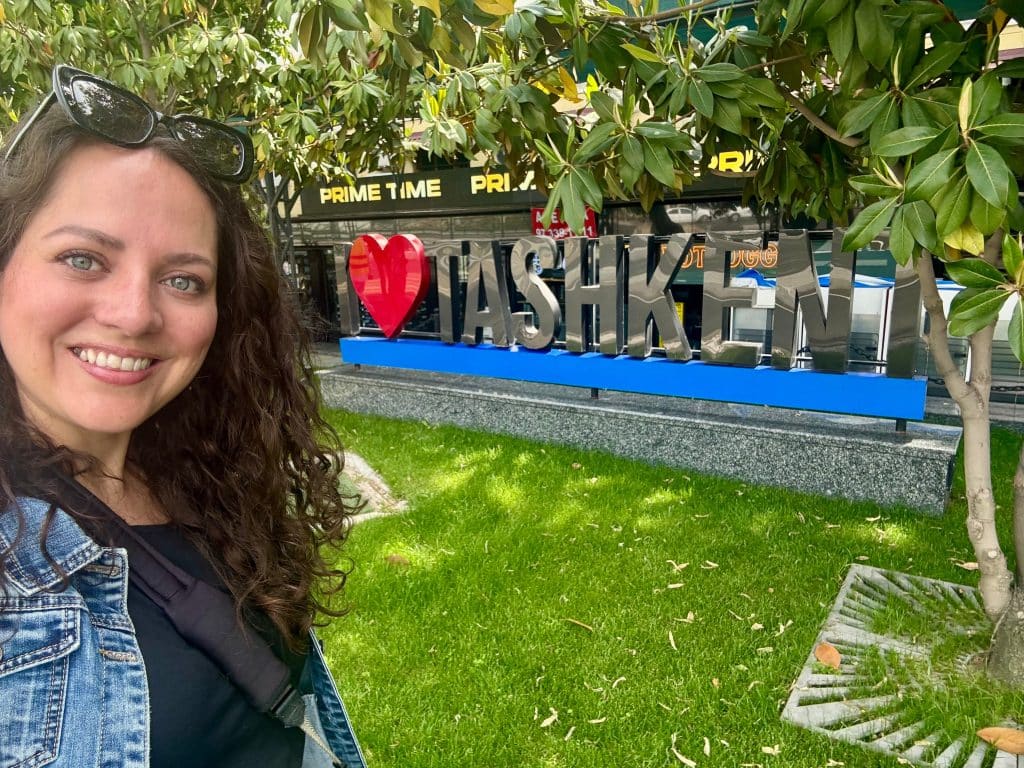
Travelers sometimes treat Tashkent as a place to arrive, recover from jet lag, and then leave. That is a mistake. Uzbekistan’s capital is not just a practical entry point; it is a compelling city in its own right. Tashkent offers a fascinating introduction to the country’s modern face, from its broad avenues and excellent metro stations to its cafés, parks, and market culture. It may not have the immediate visual drama of Samarkand or Khiva, but it has its own kind of character.
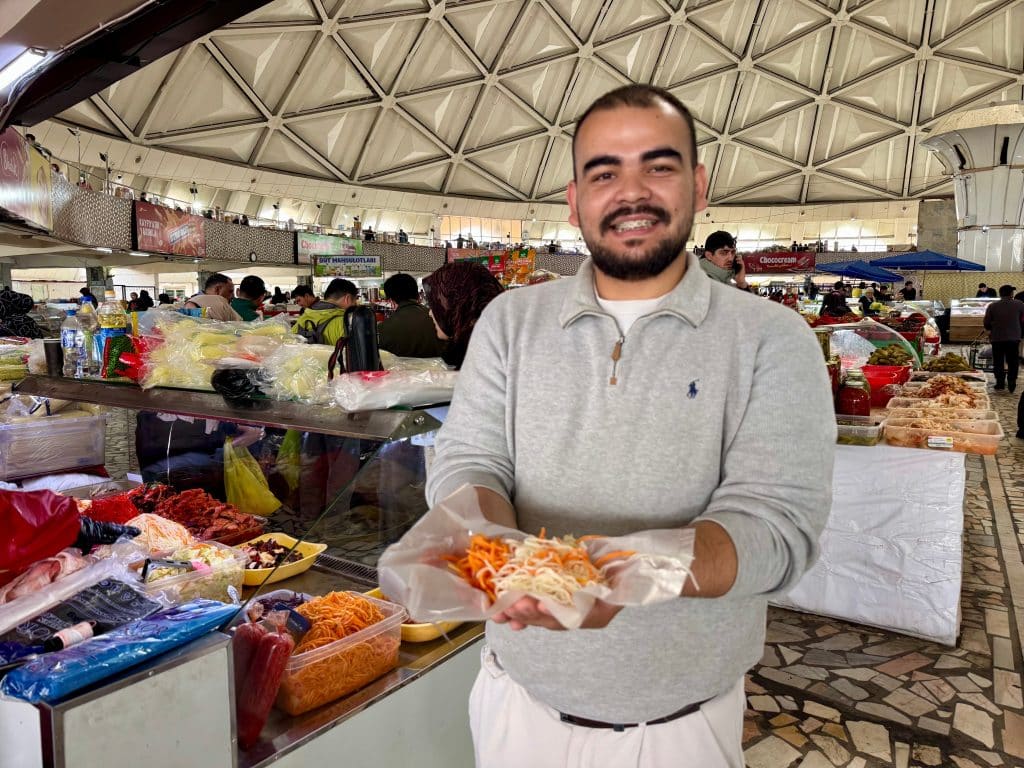
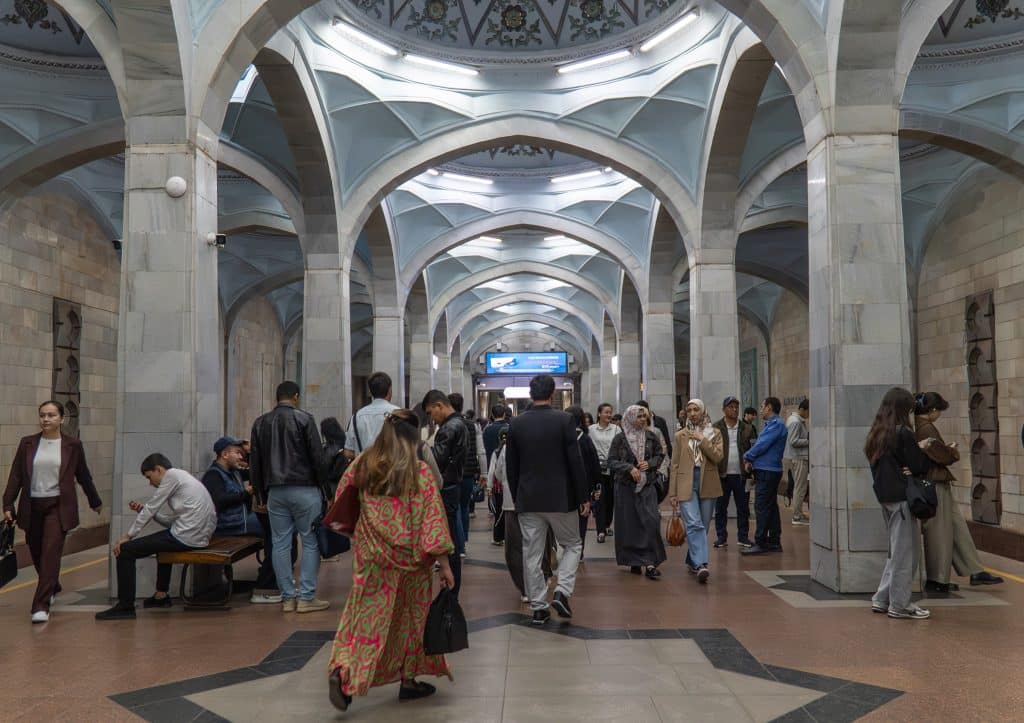
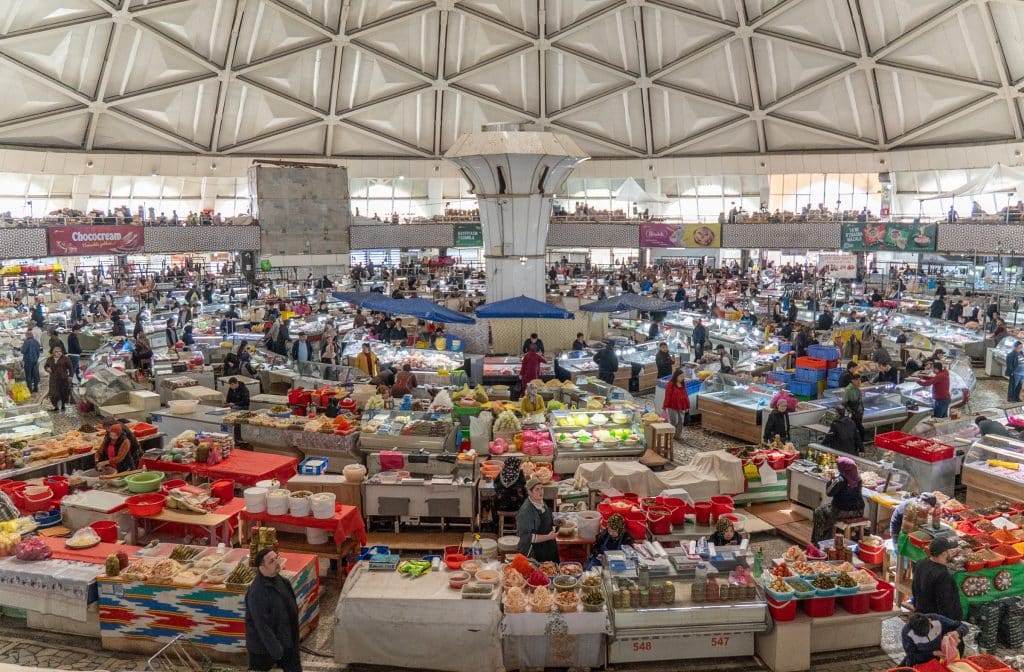
The metro system alone is reason enough to spend time here. The stations are beautifully decorated, each with its own artistic identity, and riding the metro feels less like transport and more like a small urban gallery tour. Chorsu Bazaar is another essential stop, a place where the sensory overload is part of the appeal. With a guide, it becomes far less intimidating and far more rewarding, because someone can help decode the ingredients, point out the best produce, and explain what locals actually buy.
Tashkent also gives travelers a chance to ease into Uzbek cuisine. A good plov meal here, especially when paired with tea and a relaxed lunch pace, can set the tone for the rest of the trip. Add in a museum visit, a few cafes, and time for wandering, and the capital begins to feel less like an arrival city and more like a meaningful part of the journey.
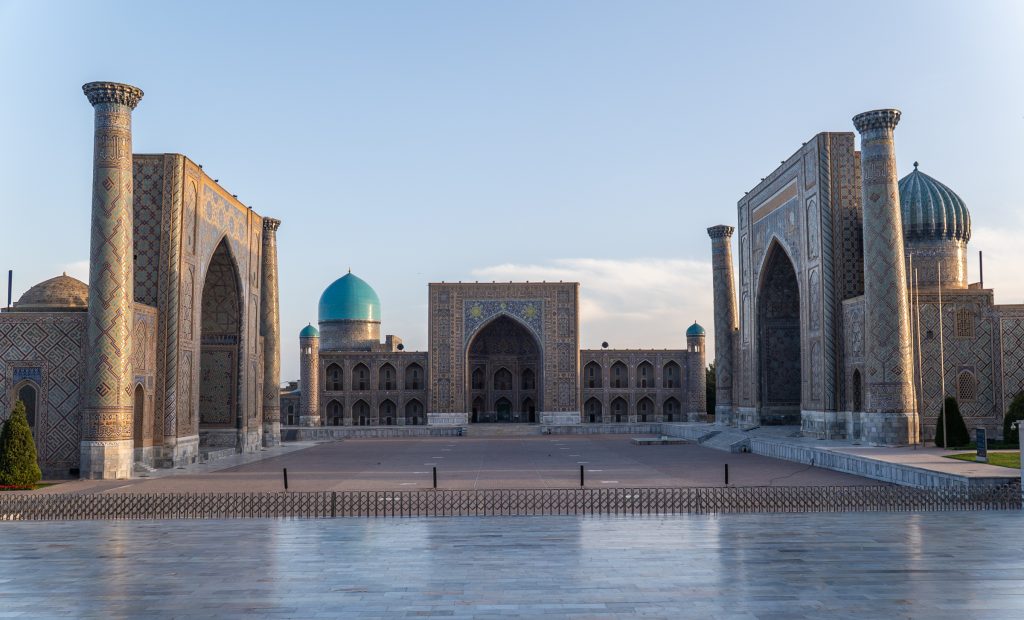
Samarkand’s beauty comes with crowds and big expectations
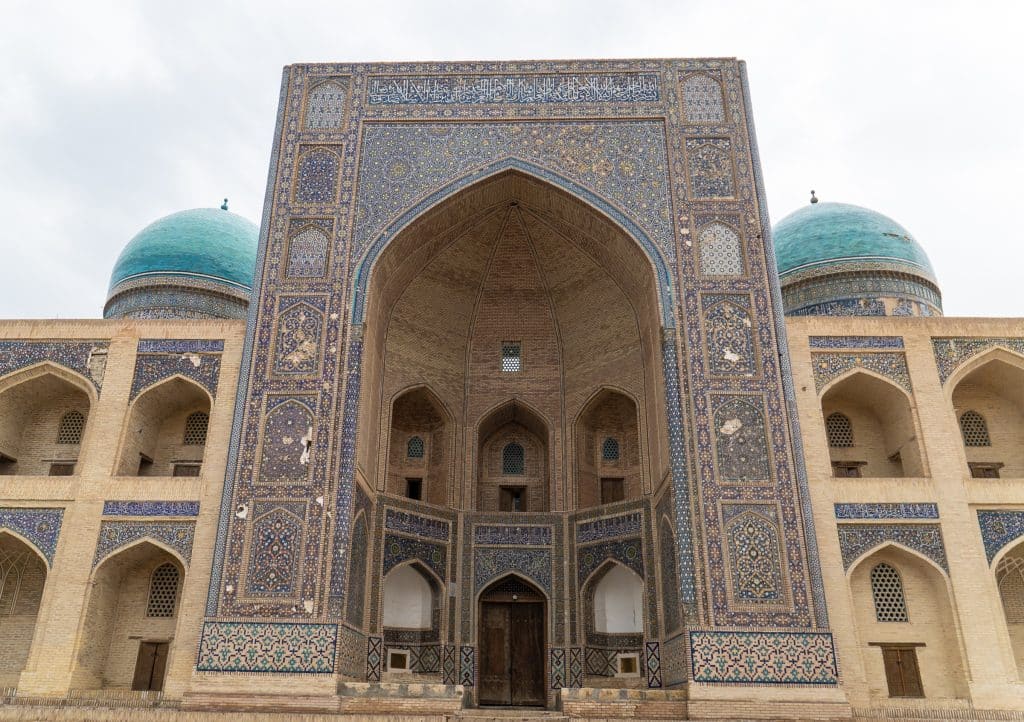
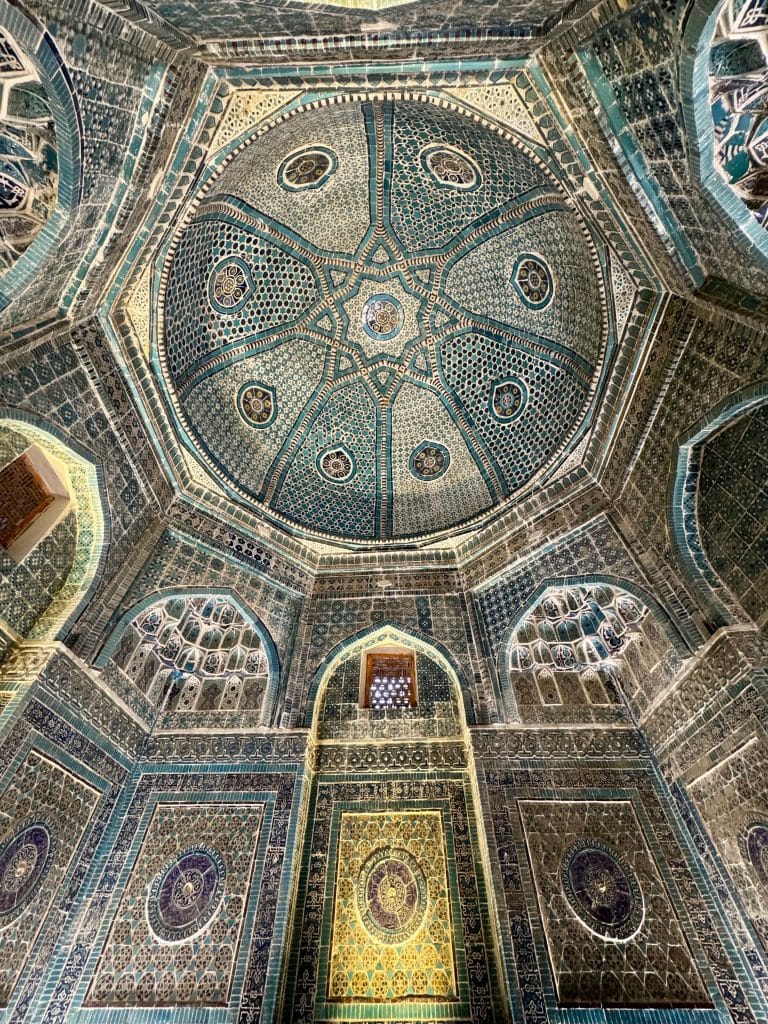
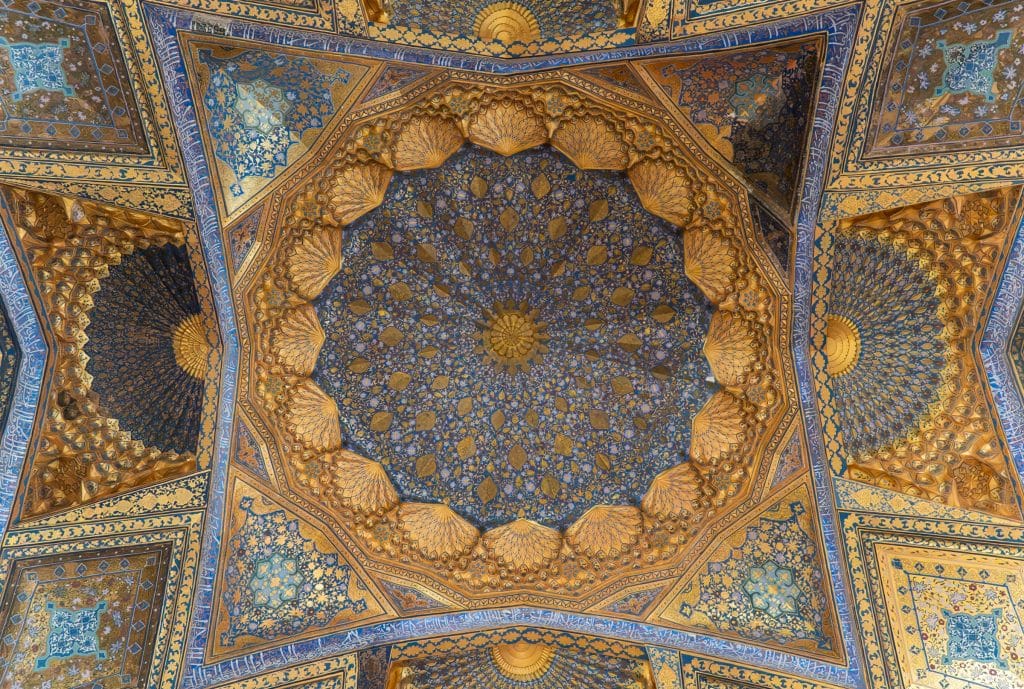
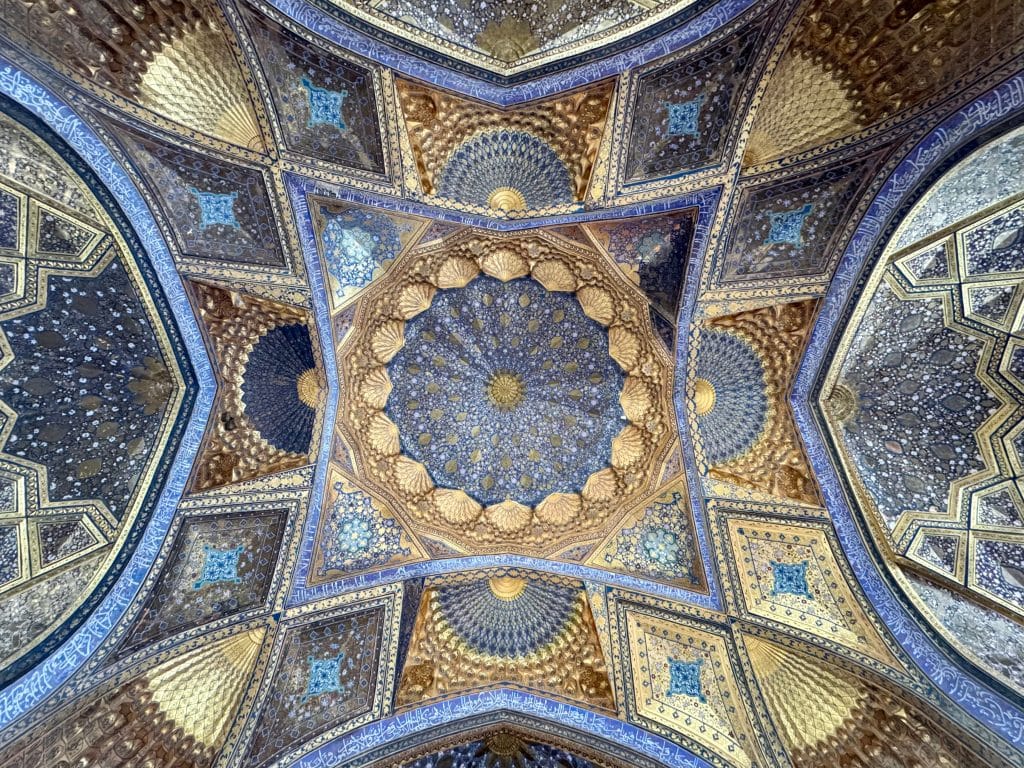
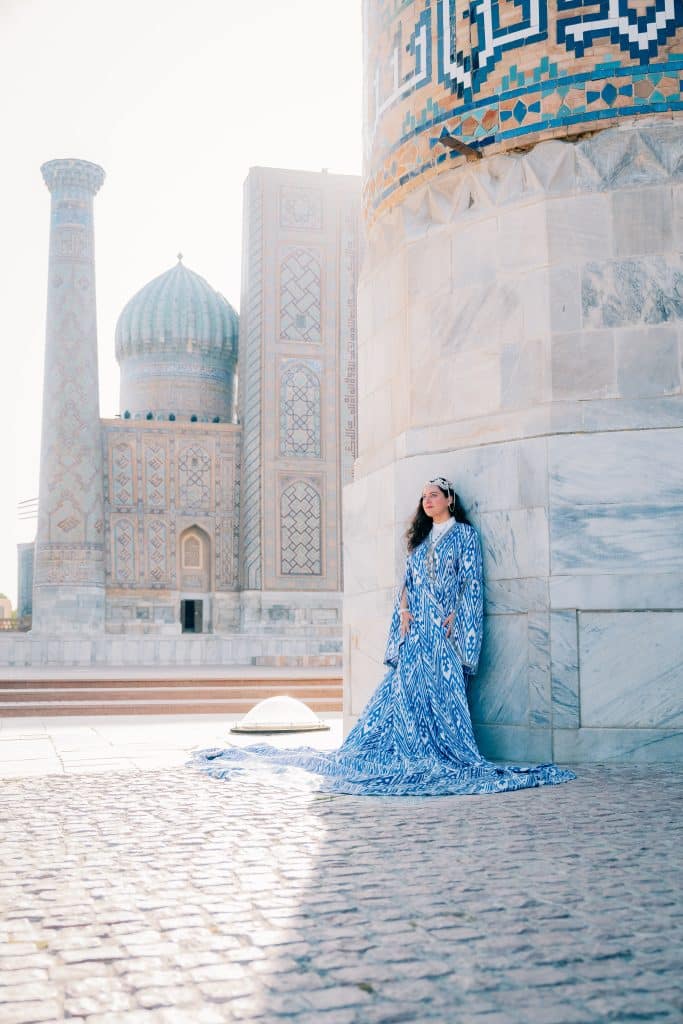
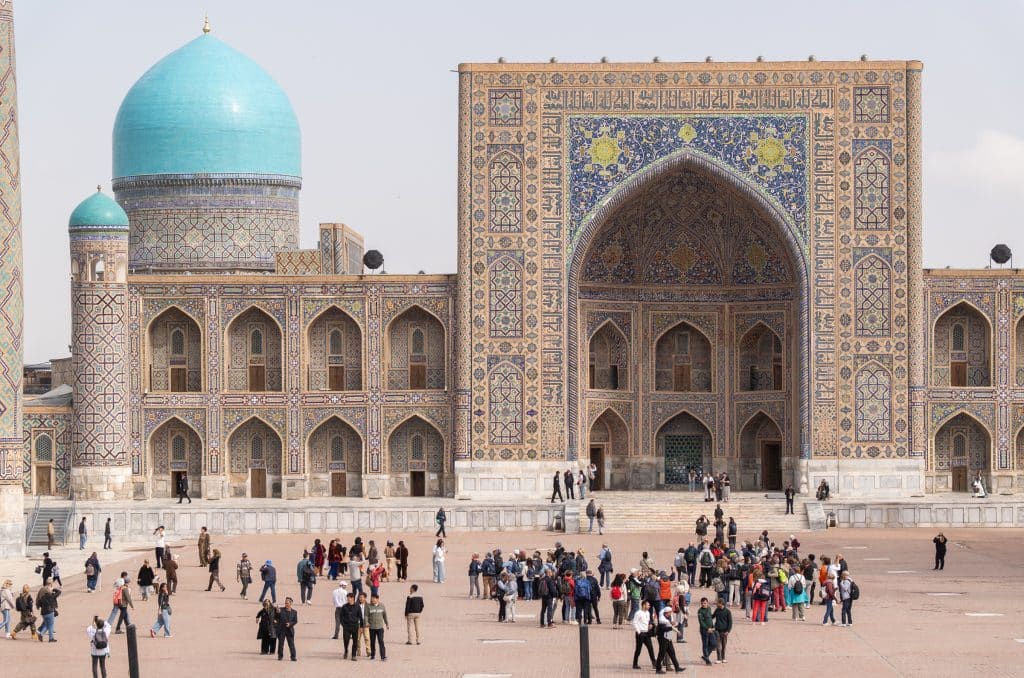
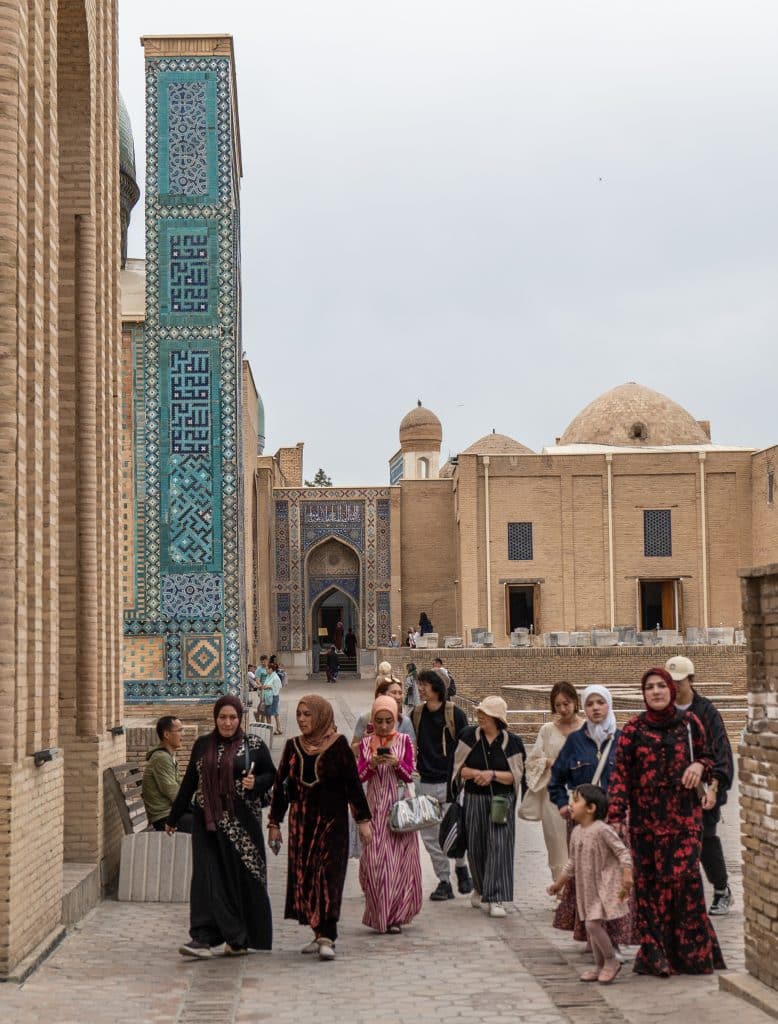
Samarkand is the postcard image many people carry in their minds when they think of Uzbekistan. The Registan is spectacular, Shah-i-Zinda is unforgettable, and the city’s historic architecture is among the most dazzling in the region. If you go to Uzbekistan, you should absolutely visit Samarkand. It is one of the crown jewels of the entire country. But it is also a city best approached with realistic expectations.
Samarkand is heavily visited and often busy. The most famous sights can feel almost theme-park-like at times, not because they are inauthentic, but because they are so beloved and so frequently visited. Traffic can be intense, restaurant openings and closures can be a little irregular, and the city’s atmosphere may feel more stressful than some travelers anticipate. That does not diminish its beauty. It simply means that Samarkand is not a place to rush through while checking off monuments. It deserves time, but not obsession.
I found that three full days was a comfortable amount of time, especially when one of those days was devoted to a side trip. That pace allowed me to see the major landmarks, enjoy slower moments, and still avoid burning out. Early mornings are especially rewarding here, when the monuments feel calmer and the light is soft enough to bring out the color in the tilework. If you have the patience to rise before the crowds, Samarkand gives back generously.
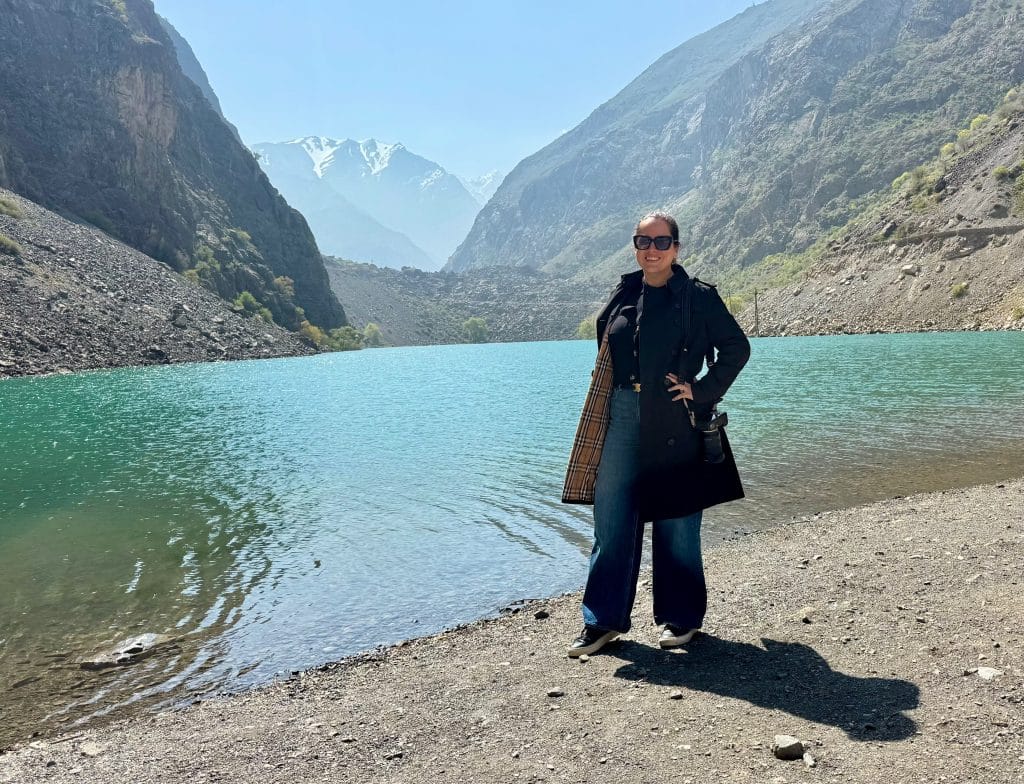
Hidden Gems
One of the best reasons to travel slowly through Uzbekistan is that the country has a number of smaller experiences that can be just as memorable as the headline attractions. In Samarkand, creative workshops offer an especially rewarding break from sightseeing. Learning a traditional craft is not just a pleasant activity; it is also a way to spend time with local artisans, hear their stories, and understand the country from the inside out. Sitting down to paint or embroider makes the travel experience feel more participatory and less observational.
Bukhara is another place where hidden gems reveal themselves in plain sight. Beyond its famous architecture and trading domes, the city is full of beautiful courtyards, artisan spaces, and small workshops where craft traditions are still alive. It is easy to spend a full day drifting between old streets, textile shops, and tea rooms without ever feeling like you’ve exhausted the city. And if you like travel that feels more intimate than performative, those quieter moments can become the heart of the trip.
Khiva, while famous, also has hidden corners beyond the main walled center. Step outside the tourist core and the atmosphere shifts. You begin to see a more ordinary city around the edges, and that contrast can be fascinating. For travelers willing to look beyond the obvious, Uzbekistan offers a steady stream of these smaller discoveries.
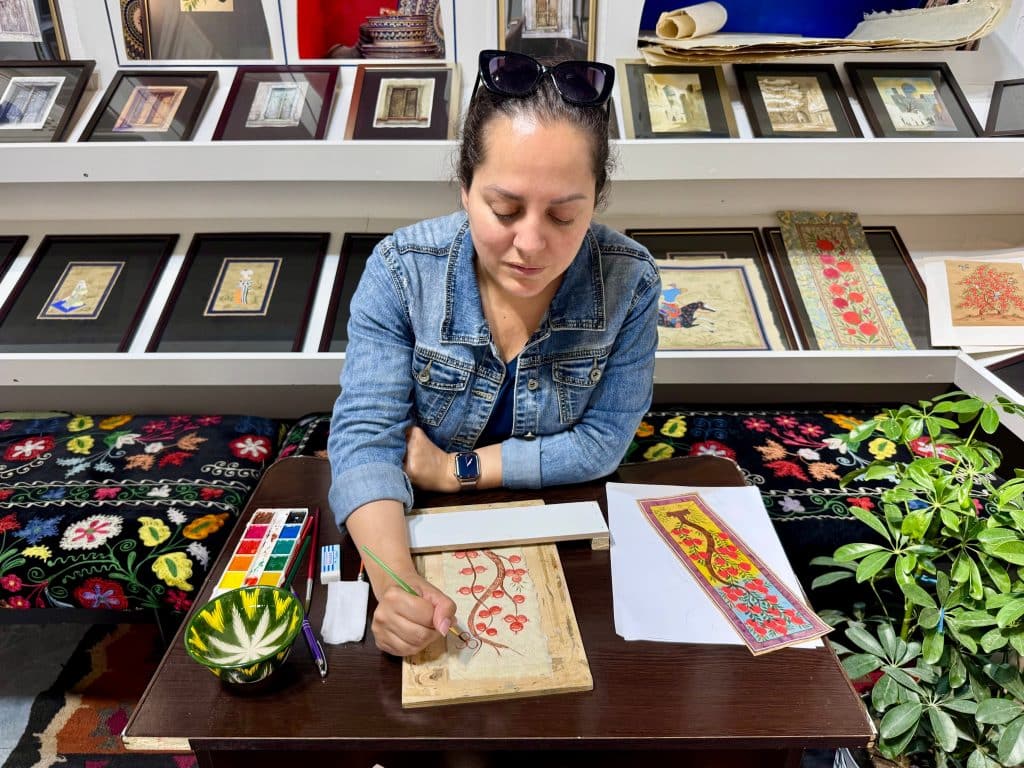
For me, the most memorable hidden gems were the craft experiences themselves. The painting workshop in Bukhara was one of the best activities I did anywhere in Uzbekistan, not because it was flashy, but because it was personal. Sitting with an artist, learning by hand, and producing something to take home created a deeper connection to the country than any quick stop at a monument could have done. The same was true of suzani embroidery in Samarkand, where the stitching became almost meditative and the conversation made the hours pass quickly. These were not side activities. They were central to how I came to understand the trip.
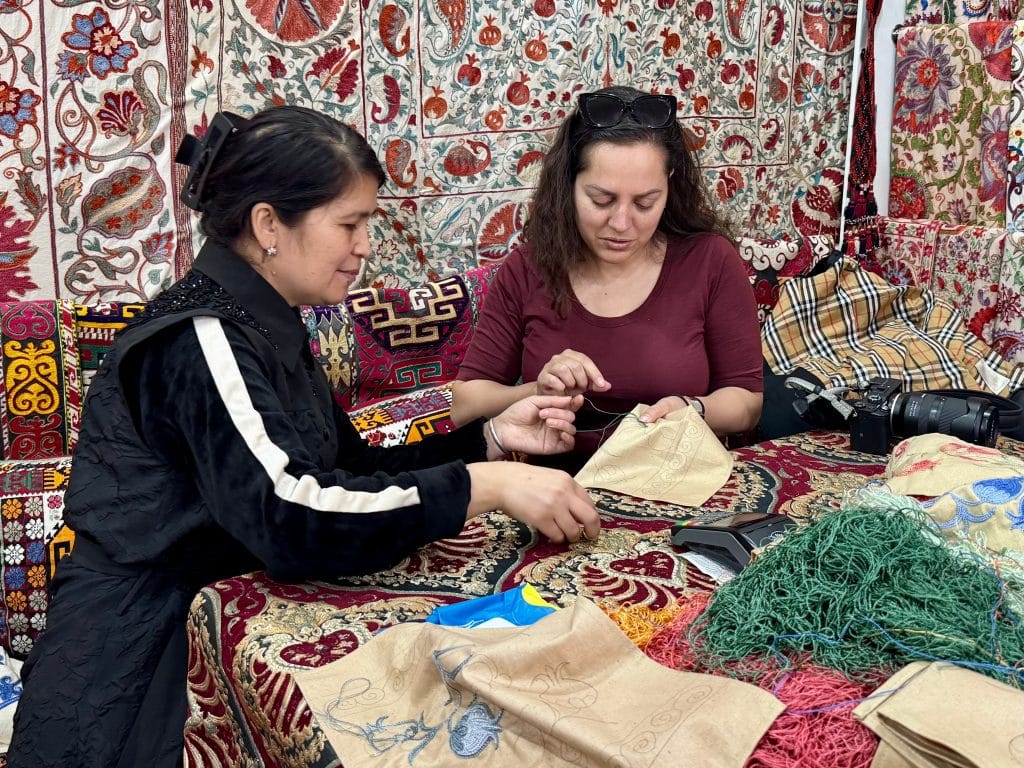
Bukhara is where shopping becomes part of the story
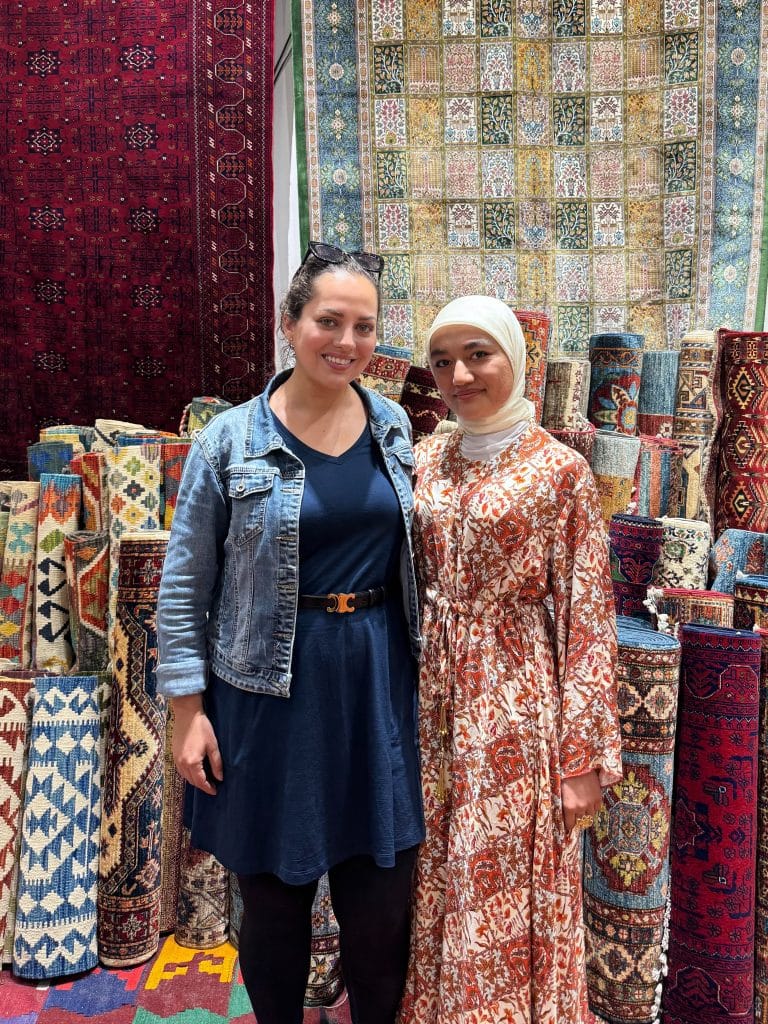
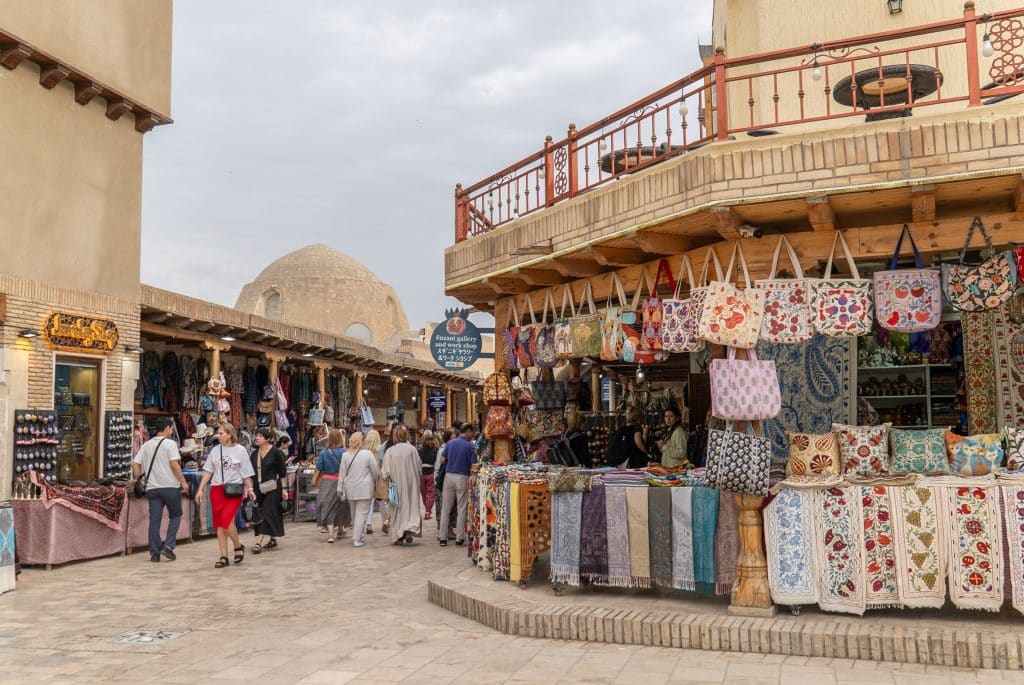
If Samarkand is the city of grand monuments, Bukhara is the city of atmosphere and craft. It is also, in my view, the best place in Uzbekistan for souvenir shopping. The quality of the goods felt consistently strong, and the range was outstanding: woven silks, suzani panels, ceramics, miniature paintings, handmade knives, and all kinds of beautiful things you could easily imagine living with at home. Bukhara’s shopping is not the sort of frantic retail therapy you get in a mall. It feels tied to place, history, and artisan tradition.
The trading domes are especially memorable because they make the act of buying feel historically grounded. These were once major Silk Road exchange points, and today they still serve as places where goods are displayed, discussed, and sold in a way that feels old-world and alive. It’s the kind of shopping district where you can easily lose track of time. If you’re someone who likes to bring home meaningful objects rather than mass-produced souvenirs, Bukhara can be dangerously tempting.
I would still advise travelers not to buy everything immediately. If something catches your eye in another city, there is no rule that says you must wait. But Bukhara is where I would save my budget for the bigger purchases, because the selection and craftsmanship here are especially strong. Just be prepared for the fact that your willpower may not survive the experience intact.
Khiva feels like another world
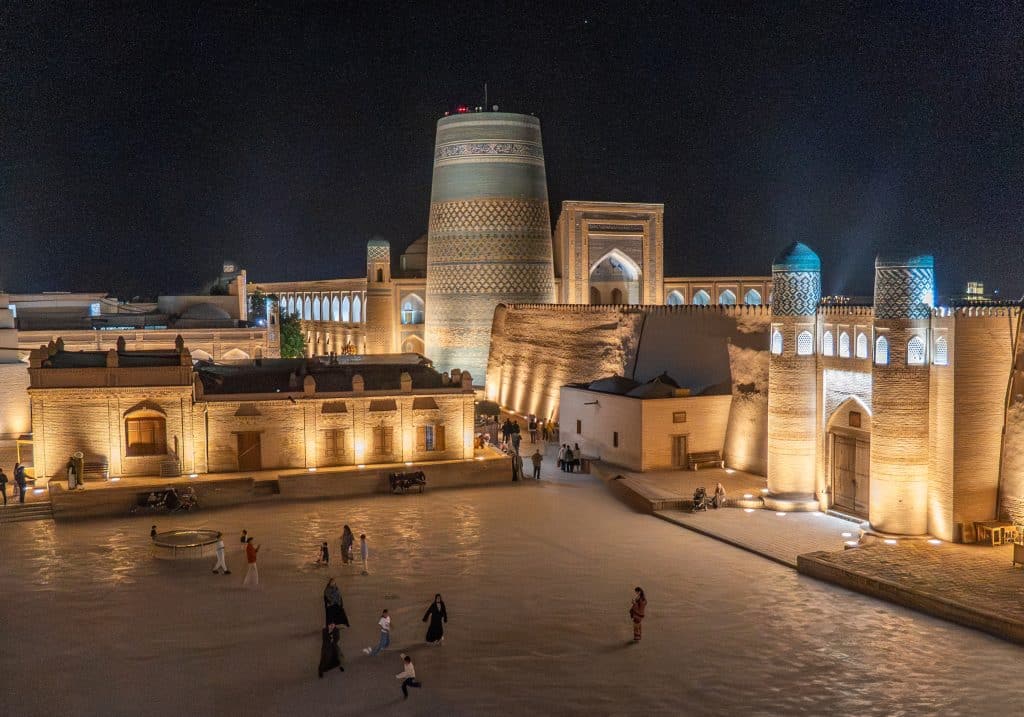
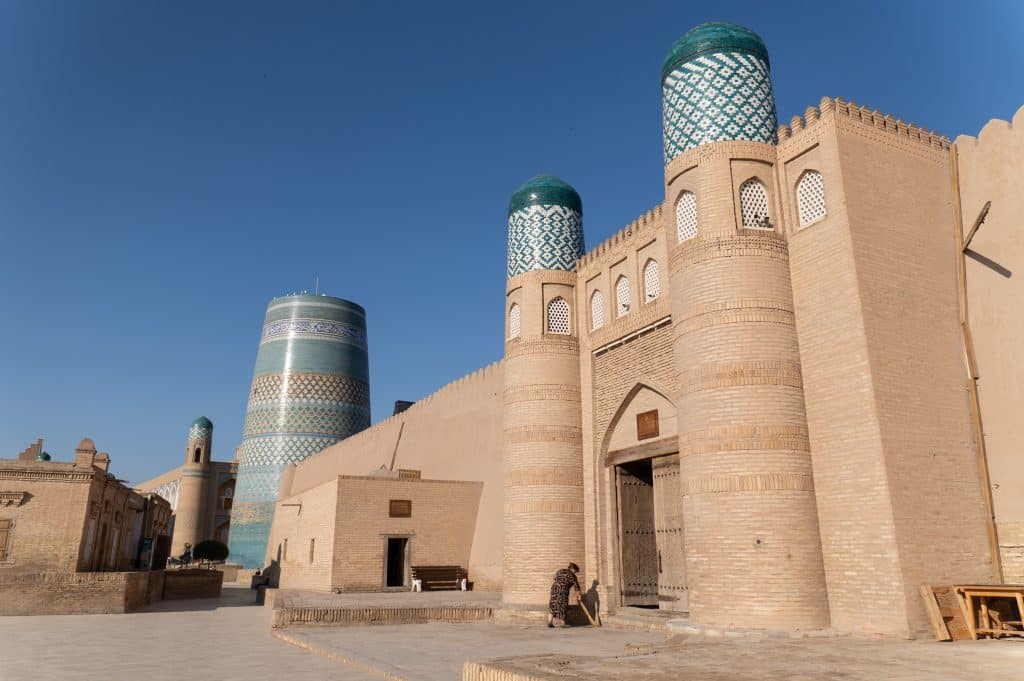
Khiva is one of the most visually distinctive places in Uzbekistan. The walled old city is compact, sun-baked, and deeply atmospheric, and it can feel almost unreal when you first arrive. It is the sort of place that makes you stop walking for a moment just to take in the skyline. The tiled minarets, mudbrick walls, and narrow lanes give it a cinematic quality that differs sharply from the grandeur of Samarkand or the layered elegance of Bukhara.
Yes, getting there takes effort. But for many travelers, that is exactly why Khiva feels so rewarding. The journey helps preserve its sense of remoteness, and the city’s position near the desert gives it a distinct energy. It is also a place where you should be ready for heat, especially in warmer seasons. Walking around midafternoon can be punishing, and the smartest strategy is often to explore early or late and rest in the middle of the day.
Khiva also offers a useful reminder that a place can be intensely tourist-focused and still be worth visiting. The old city may cater heavily to visitors, but it does so in a setting of genuine beauty. For travelers who enjoy old-world architecture and the feeling of stepping into a carefully preserved world, Khiva is hard to resist.
Uzbek food goes far beyond plov
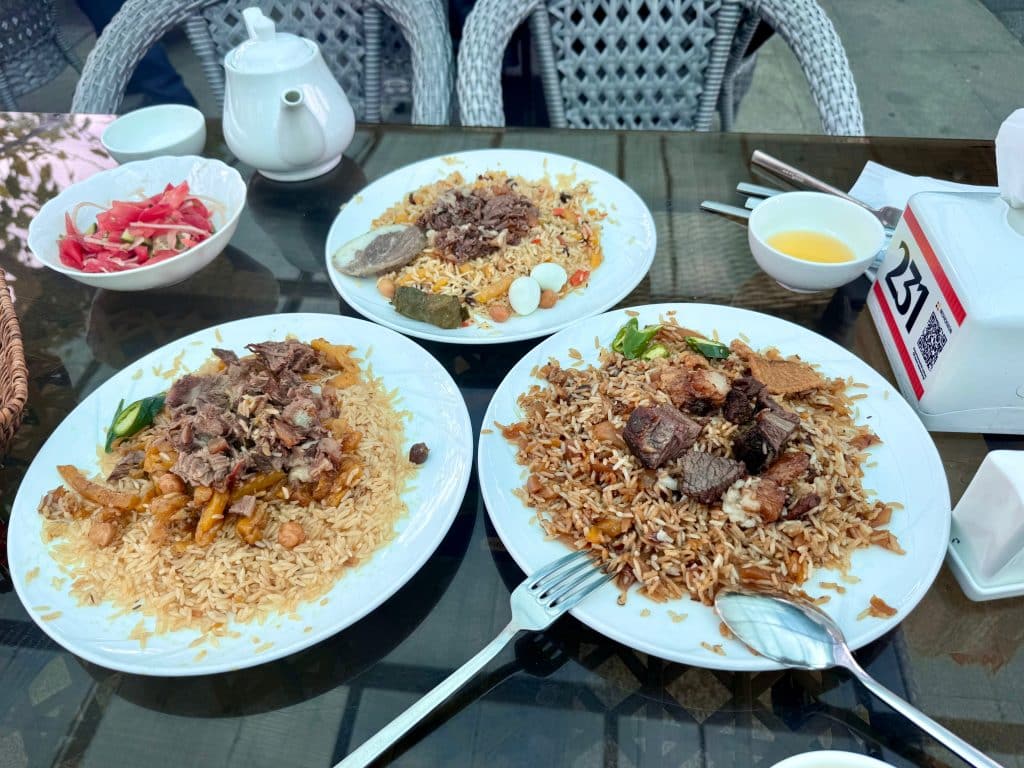
Plov is the national obsession for a reason. It is hearty, fragrant, and deeply satisfying, and there are regional variations everywhere you go. But one of the joys of traveling through Uzbekistan is discovering that the country’s food culture has far more to offer than a single beloved rice dish. If you stay open-minded, every region will introduce something worth remembering.
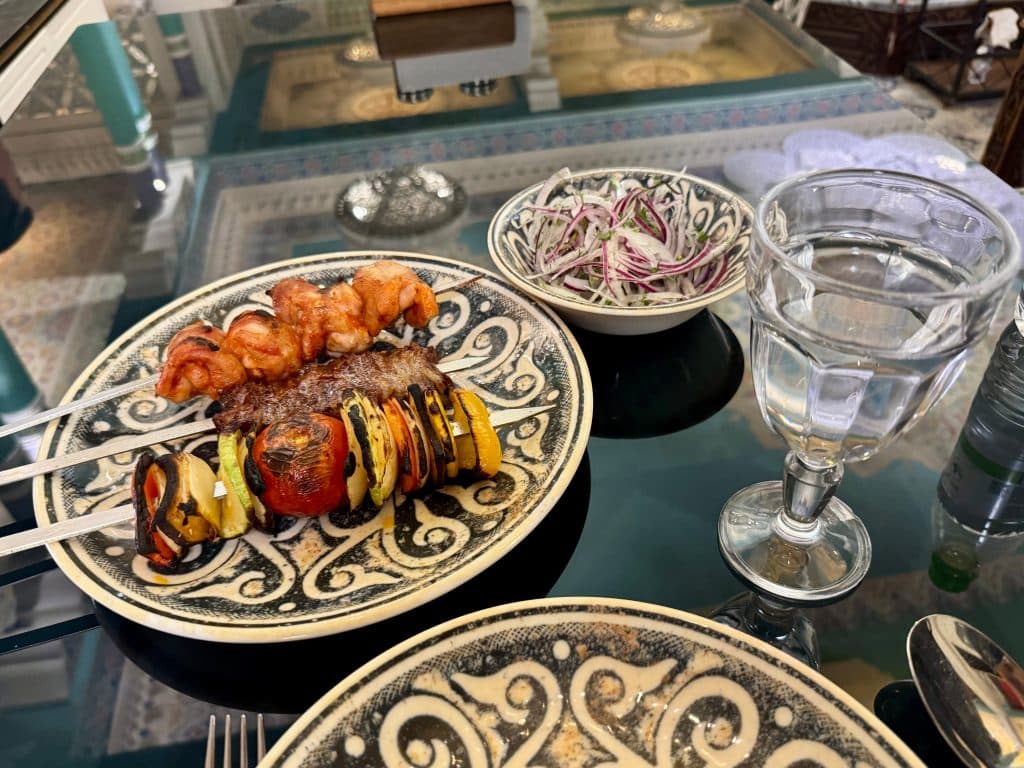
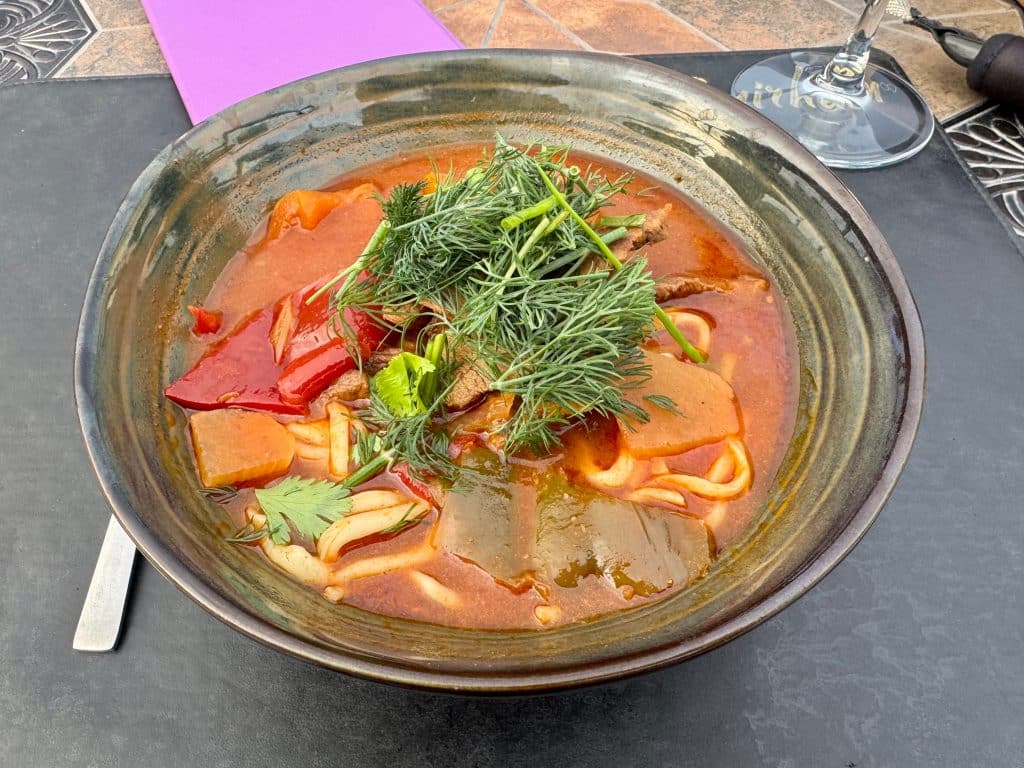
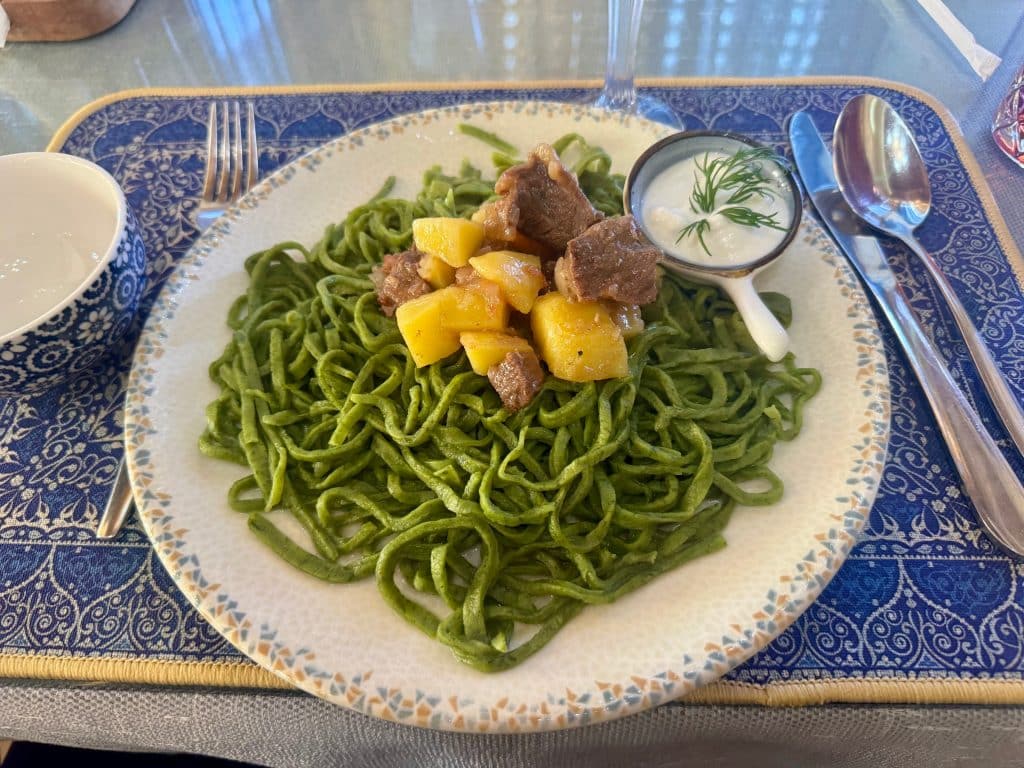
Shashlik is a classic choice, and for good reason. These grilled skewers are widely available, simple, and delicious, especially when paired with salad or bread. Laghman, with its hand-pulled noodles and savory broth, reflects the broader Central Asian culinary landscape and adds a comforting, almost homey dimension to the menu. In Khiva, shivit oshi stands out as a regional specialty worth seeking out, especially if you enjoy dishes that are both vivid and comforting.
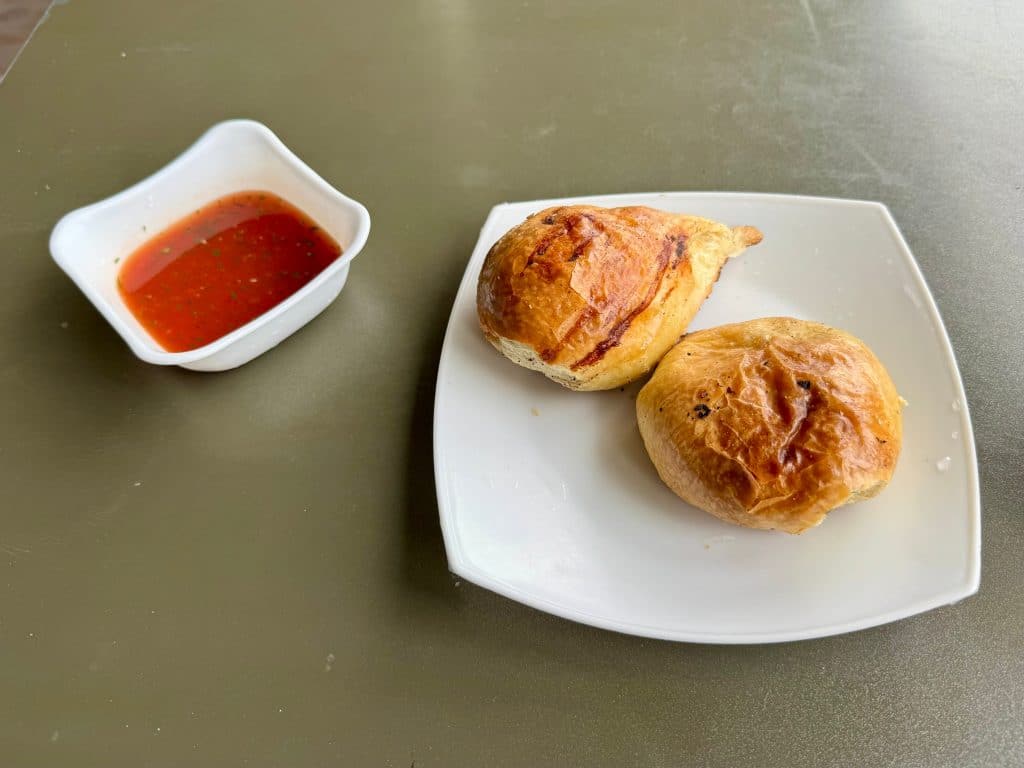
For snacks, samsa is the obvious answer. These filled pastries are everywhere, and they make excellent road-trip or midday fuel. I especially liked the versions filled with potatoes and onions, which were simple but deeply satisfying. In general, Uzbek food tends to be filling, flavorful, and made for travelers who arrive hungry. It is the kind of cuisine that anchors long sightseeing days and makes long evenings feel easier.
When to go, and why timing matters so much
Timing can shape your experience in Uzbekistan more than many travelers realize. Spring and fall are generally the best seasons, especially if you want comfortable temperatures for walking around historic centers and moving between cities. I visited in April and found the weather excellent in most places, with the important exception of Khiva, which can heat up quickly because of its desert setting. By summer, the heat can become intense enough to make sightseeing uncomfortable, especially in exposed urban areas and historic courtyards with limited shade.
That doesn’t mean summer is impossible. It simply means you need to be more deliberate, stay hydrated, and avoid trying to pack too much into the hottest part of the day. If you have to travel during the school holiday months, pace yourself and treat the afternoons as downtime. On the other hand, if you are headed to higher-altitude regions elsewhere in Central Asia, the weather logic changes completely and summer may be the ideal season.
As always in Central Asia, matching your season to your route matters more than following a single rule. In Uzbekistan, though, shoulder season is usually the sweet spot.
Travelers planning a broader Central Asia itinerary should also think carefully about pacing. It is tempting to try to do everything at once, but the region is too varied and too interesting to be reduced to a checklist of capitals and famous stops. Uzbekistan alone can easily fill a rich, rewarding trip, especially when paired with one neighboring country or with a slower, more intentional route that allows for some breathing room. That leaves space for wandering markets, lingering over tea, taking a class, and noticing the small details that make a destination memorable.
And that may be the real charm of Uzbekistan: it gives you enough beauty to fill your camera, enough culture to fill your notebook, and enough warmth to make you want to linger just a little longer.