Culture, Gastronomy, and Local Life
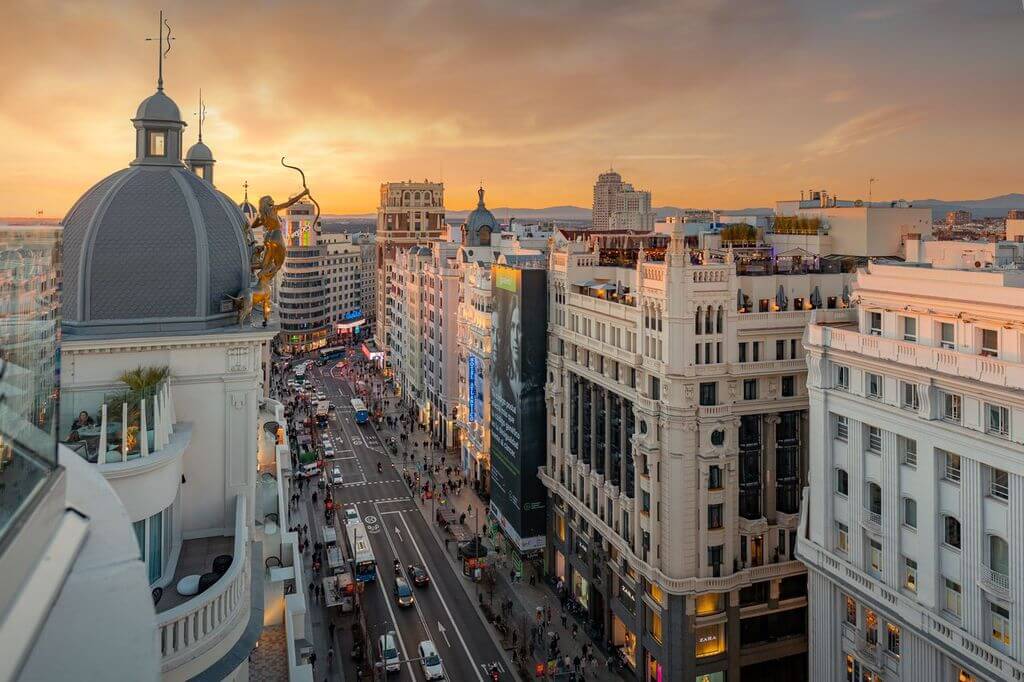
Madrid has a way of surprising first-time visitors and winning back seasoned travelers again and again. It is a city that runs on late dinners, long conversations, museum masterpieces, neighborhood bars, and a kind of effortless confidence that makes every walk feel cinematic. With grand boulevards, tucked-away courtyards, world-class art, and a food scene that ranges from old-school taverns to inventive modern kitchens, Spain’s capital is far more than a stopover between famous destinations. It is a place that rewards curiosity, and the best way to experience it is to give yourself time to wander, taste, and linger. What makes Madrid especially appealing is its balance. It is large enough to feel exciting and endlessly layered, yet intimate enough that you can build a meaningful trip around a few well-planned neighborhoods. You can spend one morning in a museum with some of the most important paintings in Europe, lunch in a historic market, an afternoon in a shaded park, and the evening on a rooftop with the city glowing below you. The rhythm is relaxed, but never dull. If you embrace Madrid’s slower pace, you’ll discover a capital that feels both elegant and deeply lived-in. Why Madrid Belongs on Your Spain Itinerary Madrid is often compared to Barcelona, but the two cities offer very different experiences. Barcelona dazzles with coastal charm and modernist landmarks, while Madrid leans into tradition, culture, and a more local-feeling urban energy. It is a city of plazas, art institutions, hidden taverns, and neighborhoods where everyday life spills into the streets. For travelers who love cities with personality, Madrid delivers in layers. It is also surprisingly versatile. Art lovers can lose themselves in the Prado, Thyssen, and Reina Sofía. Food lovers can build entire trips around tapas, markets, and classic restaurants. History buffs will find royal palaces, monasteries, and plazas that reflect centuries of Spanish power. Travelers on a budget can still enjoy a rich experience by prioritizing free parks, market meals, and affordable neighborhood bars. In other words, Madrid works for nearly every kind of trip. A Five-Day Madrid Itinerary That Balances Icons and Local Flavor If you want to do Madrid well, five days is an excellent starting point. That gives you enough time to see the major sights without rushing, while also leaving room for neighborhood wandering and smaller discoveries. The ideal trip mixes famous landmarks with slower experiences, because Madrid is not a city to be checked off quickly. It is a city to be absorbed. Day 1: The Art Walk and Madrid’s Cultural Heart Start in the area known as the Art Walk, a beautifully connected stretch of museums and historic spaces that offers one of the strongest cultural introductions to any European capital. The experience begins at the Prado Museum, an essential stop even for travelers who usually prefer smaller collections. Its galleries hold masterpieces by Goya, Velázquez, El Greco, Rubens, and many others, and the building itself reflects the importance Madrid has long placed on art as a symbol of identity and power. Give yourself time here; this is not a place to rush through. From the Prado, continue along the Paseo del Prado to the Thyssen-Bornemisza Museum, where the collection bridges centuries and styles with remarkable ease. Then finish the trio at the Reina Sofía Museum, where modern and contemporary works create a powerful contrast with the older masters you have just seen. The highlight for many visitors is Picasso’s Guernica, a large and emotionally charged painting that remains one of the most significant anti-war works ever created. Even travelers who are not especially drawn to modern art often find this museum unexpectedly moving. After a morning of galleries, slow down over lunch. Madrid’s museum district has no shortage of appealing places to eat, from rustic taverns serving cocido madrileño to stylish dining rooms with excellent croquetas and seasonal plates. This part of the city is ideal for a long meal, which is very much in keeping with local habits. A relaxed lunch gives you the perfect transition into the afternoon. In the afternoon, step into Madrid’s elegant house museums. These former private residences offer a more intimate look at the city’s artistic history, and they are often overlooked by travelers who focus only on the major institutions. The Sorolla Museum, with its luminous gardens and painterly interiors, is one of the most rewarding examples. Nearby, the Museum of Romanticism and the Lázaro Galdiano Museum offer equally atmospheric visits, combining art, decorative objects, and architecture in settings that feel personal rather than monumental. By evening, keep the pace gentle. Madrid’s first day is about immersion rather than exhaustion, so an unhurried dinner and a stroll through nearby streets is more than enough to end the day well. Day 2: Habsburg Madrid and the Historic Center Day two brings you into the oldest and most historic part of Madrid, where the city’s medieval and imperial past still shapes the street plan. Begin at Puerta del Sol, one of the most recognizable meeting points in Spain. This is where you’ll find Kilometer Zero, the symbolic starting point of the country’s highway network, along with the famous Bear and the Strawberry Tree statue, a beloved emblem of Madrid. It’s crowded, energetic, and slightly chaotic, but it remains one of the city’s defining landmarks. From there, walk to Plaza Mayor, one of Madrid’s grandest open spaces. Framed by arcades and elegant facades, the square has seen everything from markets and bullfights to public ceremonies and celebrations. Today it is one of the city’s best places for people-watching. Yes, some of the bars and cafés are priced for visitors, but the square still earns its place on any itinerary for its atmosphere alone. A classic local move is to stop for a calamari sandwich nearby. It is simple, filling, and unmistakably Madrid. This is one of those city staples that feels more meaningful when eaten in the right setting, especially after a slow walk through the old center. In the afternoon, head
A Step-By-Step Guide to the Best Hike in Crater Lake
Garfield Peak Hike: One of the Best Ways to Experience Crater Lake Crater Lake has a way of stopping people in their tracks. Even before you lace up your hiking shoes, the first glimpse of that impossibly blue caldera feels surreal—like nature decided to turn the saturation all the way up. If you’re looking for a trail that delivers those dramatic views without demanding an all-day commitment, the Garfield Peak Trail is one of the most rewarding hikes in Crater Lake National Park. What makes this hike so memorable isn’t just the summit view, though that’s certainly a highlight. It’s the steady sense of revelation as you climb higher and higher above the rim, with the lake changing character at every bend. One minute you’re looking across a forested slope, and the next you’re staring into the heart of a volcanic masterpiece. The trail is short enough to fit into a packed itinerary, but scenic enough to feel like a centerpiece experience. Why Garfield Peak Belongs on Your Crater Lake Itinerary Garfield Peak is one of those hikes that gives you a lot in return for a relatively modest effort. At just 3.3 miles round-trip, it’s accessible to many travelers, yet the climb still feels like a true mountain adventure. The trail gains about 1,100 feet, and while that means a sustained uphill workout, the path is manageable for hikers with average fitness and a good pair of shoes. The cultural and natural significance of this area adds another layer to the experience. Crater Lake itself is the collapsed remnant of Mount Mazama, a volcano whose eruption reshaped the landscape thousands of years ago. For the Indigenous peoples of the Klamath Basin, this is not just a scenic destination but a place of deep spiritual importance. Hiking here is a chance to appreciate both the geological drama and the living heritage of the region. Garfield Peak Hiking Stats Distance: 3.3 miles (5.4 km) round-trip Difficulty: Moderate Total Ascent: 1,100 feet (335 m) Lowest Elevation: 7,055 feet (2,150 m) Highest Elevation: 8,055 feet (2,455 m) Time: 1.5 to 2.5 hours Because Crater Lake sits at high elevation, even a relatively short hike can feel more strenuous than expected. Pace yourself, especially if you’ve just arrived from lower elevations. Is the Garfield Peak Hike Worth It? Absolutely. If you only have time for one moderately challenging hike at Crater Lake, Garfield Peak is an excellent choice. The trail delivers some of the park’s most dramatic views, and the summit offers a classic panorama: Crater Lake glowing below, the lodge tucked into the rim, and distant ridgelines stretching toward the horizon. There are other standout viewpoints around the park—Watchman Peak on the west side and Wizard Island if you can access it—but Garfield Peak stands out for its combination of trail variety, big views, and convenience. Since the trail begins near Crater Lake Lodge, you can be on the summit quickly without complicated logistics. Trailhead and Parking The easiest place to start is near Crater Lake Lodge. Parking is available in the lodge lot, along the road, and in nearby visitor areas, but spaces can fill quickly in summer and on event days. If you want the best chance at easy parking, arrive early. A few practical perks of starting here: You can use the restrooms inside Crater Lake Lodge. You’re close to the Visitor Center. You can combine the hike with the Discovery Point Trail or a meal at the lodge. The walk to the trailhead already gives you postcard-worthy views of the lake. From the lodge, follow the paved path along the rim for a few minutes to reach the official trailhead. It’s a great warm-up and a chance to take some early photos before the uphill work begins. Parking Tips Arrive early, especially in July, August, and September. If you’re visiting during Ride the Rim, go even earlier than you think you need to. Have a backup plan in case the lodge lot is full. Consider pairing this hike with a sunrise or early-morning stop to avoid the busiest parking window. Garfield Peak Step-by-Step Trail Guide The trail begins climbing almost immediately. There’s no long warm-up section, so expect a steady ascent right from the start. The grade is fairly consistent, though you’ll find brief flatter sections as you get closer to the summit. That rhythm—up, pause, take in the view, repeat—makes the hike feel rewarding rather than punishing. The route alternates between rimside stretches and steeper hillside sections, giving you a variety of perspectives as you climb. The trail surface is mostly packed dirt with occasional loose rock, and the path is generally easy to follow the whole way. What the Trail Feels Like Expect a hike that’s scenic from the first few minutes. The real joy here is that the views are frequent, not reserved for the summit alone. As you climb, the lake keeps reappearing through open sections of trail, and each viewpoint seems to reveal a slightly different shade of blue. A few things to know before you start: The trail is exposed with little to no shade. Wind can be strong along the rim. Summer sun can feel intense at high elevation. Conditions can change quickly, even on otherwise pleasant days. Best Viewpoints Along the Way One of the best parts of the hike is the viewpoint around the 1.3-mile mark. The trail opens up at a broad U-turn, and if you step carefully onto the ridge, you’ll get sweeping views in every direction. This is one of those places where hikers naturally stop, breathe, and forget about the miles. At the Summit The summit is where Garfield Peak truly earns its reputation. From the top, Crater Lake fills your field of vision in a way that photos simply cannot capture. On a clear day, the whole caldera looks almost unreal, ringed by rugged cliffs and forested slopes. You can spot the lodge below, trace the route you just climbed, and look south toward