Tips for a Europe trip with a happy bank account

How to explore Europe on a budget without feeling like you missed out Europe has a reputation for being expensive, but that reputation only tells part of the story. With the right timing, a flexible itinerary, and a willingness to look beyond the obvious tourist trail, you can enjoy a rewarding European trip without draining your savings. The real trick is not simply finding the cheapest option at every turn. It is about choosing where to spend, where to save, and how to travel in a way that keeps the experience rich even when the budget is lean. That might mean flying into a less obvious airport, taking a scenic train instead of a short-haul flight, or basing yourself in a city that offers great value while still putting major highlights within easy reach. Budget travel in Europe works best when it feels intentional rather than restrictive. There is freedom in knowing that you can enjoy a café breakfast in a grand old square, ride a tram like a local, and still have enough left over for a memorable dinner or a day trip. The following guide breaks down the smartest ways to make a Europe trip more affordable, while still leaving space for the kind of moments that make travel unforgettable. Fly like a savvy traveler Airfare is often the first major expense to tackle, and it can shape the entire tone of your trip. If you are flexible with dates and airports, you can often find dramatic savings compared with peak-season pricing. Booking in advance usually helps, especially for popular routes, but it is also worth comparing midweek departures and early-morning or late-night flights. These less convenient time slots can sometimes be significantly cheaper, and for a budget-conscious traveler, the trade-off is often worth it. Budget airlines such as Ryanair and EasyJet have made travel between European cities far more accessible than it used to be. They are ideal for short hops when booked carefully, especially if you travel light and understand the baggage rules before you reserve. The base fare can look incredibly low, but extras add up quickly, so it pays to read the fine print. If you are strategic, however, these carriers can open up a Europe itinerary that would once have been out of reach. Another smart approach is to search for the cheapest destination rather than starting with a fixed place in mind. Some cities consistently offer lower fares because they are served by more routes or because they are less in demand at certain times of year. This can be an excellent way to discover somewhere new while stretching your budget further. In many cases, the best value destination is not the one everyone is talking about, but the one that still feels authentic, lively, and rewarding to explore. Hop on the train and travel like a pro Once you are in Europe, trains can be one of the smartest ways to move between cities. They are often faster and more comfortable than the full airport experience, especially on routes that connect major urban centers. Instead of dealing with security queues, remote airports, and long transfers, you can step onto a train and arrive close to the heart of your next destination. For many travelers, that convenience alone is enough to make rail travel the preferred option. Europe’s rail network is especially appealing because it gives you both flexibility and scenery. Whether you use a Eurail pass, Interrail pass, or simple point-to-point tickets, train travel can work beautifully for a budget itinerary when planned in advance. High-speed routes can turn what would otherwise be a long day of transit into a short, efficient journey, while slower regional trains often offer the chance to see the countryside in a more relaxed way. There is something particularly satisfying about watching the landscape change outside the window as you move from one country to another. Sleeper trains deserve special mention because they can save both time and money. A night train allows you to skip a hotel stay and wake up in a new city ready to start exploring. For travelers trying to maximize every day of a limited trip, this can be a very practical option. It is also part of the romance of traveling overland in Europe: reading by the window in the evening, watching stations pass in the dark, and stepping off the train into a new morning with your next adventure already underway. Train travel also tends to feel less stressful than air travel. You usually have more room, less waiting, and more freedom to move around. The ability to work, read, or simply enjoy the ride makes the journey feel like part of the experience rather than a necessary inconvenience. If your goal is to travel affordably without sacrificing comfort, rail travel is one of the strongest tools in your kit. Seek out unique and affordable destinations One of the easiest ways to keep a Europe trip affordable is to choose destinations that offer strong value for money. The classic capitals and famous bucket-list cities are appealing for good reason, but they are not always the best places to base a budget trip. Expensive accommodation, high restaurant prices, and crowded attractions can quickly eat into your daily allowance. By broadening your search, you can find cities that are just as beautiful, just as interesting, and far easier on the wallet. Central and Eastern Europe are particularly good regions to consider if you want rich experiences at lower daily costs. Cities such as Budapest and Prague combine historic architecture, a lively café culture, excellent public transport, and plenty of things to see on foot. You can spend a full day wandering riverside promenades, exploring old town streets, and stopping for inexpensive local meals without feeling like you have to watch every cent. Sofia and Bucharest are also worth considering for travelers who enjoy history, urban energy, and a less predictable itinerary. These cities may not be the first names that
The Best Place to Stay for Digital Nomads

Balancing Remote Work and Travel Without Burning Out For digital nomads, the hardest part of life on the road is rarely the flight, the packing, or even the visa paperwork. It is the daily balancing act between wanting to explore a new place and needing a calm, reliable environment where real work can happen. That tension becomes especially clear when your day starts with a client call in one time zone, ends with a deadline in another, and somehow still needs to leave room for a walk through a new city. Working from cafés can be charming for an hour or two, but after a while the noise, the unstable Wi-Fi, and the uncomfortable seating start to wear you down. Hostels can be social and cheap, but they are not always built for focus. Many remote workers eventually reach the same conclusion: if travel is going to be sustainable, the place you stay matters as much as the destination itself. That is the gap that coliving has stepped in to fill. In recent years, remote work has moved from being a niche lifestyle to a mainstream reality, and with that shift has come a new kind of accommodation designed around both productivity and community. Instead of choosing between a lonely hotel room and an overstimulating hostel, travelers can now book spaces built specifically for long stays, shared experience, and dependable work setups. Outsite is one of the best-known names in that space. With properties in cities, coastal towns, and creative destinations around the world, it has become a favorite among remote workers who want more than a bed and a Wi-Fi password. They want a rhythm, a neighborhood, and a sense of belonging. What Outsite Is and Why It Exists Outsite began in 2015 with a simple idea: people who work remotely still need the practical advantages of a home and the social benefits of a shared environment. It started in Santa Cruz, California, as a place where surfers, freelancers, and remote professionals could live and work without giving up either side of their lifestyle. The concept proved popular, and the company expanded into a global network of coliving and coworking spaces tailored to location-independent travelers. Today, the platform offers dozens of locations and a membership model that rewards longer stays and repeat guests. The appeal is easy to understand. Most remote workers do not want to spend their time hunting for a decent desk or testing internet speeds in every new city. They want to arrive, unpack, and start working. Outsite removes a lot of the friction that normally comes with slow travel. You can filter by destination and setting, choosing a beach town, a major city, or a mountain escape depending on the kind of trip you want. For people who move often, that consistency is valuable. The experience may change from one property to another, but the basic standard stays familiar: private rooms, shared common areas, and a workspace designed for getting things done. How Outsite Works in Practice Outsite is often described as a boutique hotel crossed with a coworking space, and that is a fair comparison. You are not booking a dorm bed or a generic apartment. You are usually reserving a private room, and in many locations that room includes its own bathroom. In some properties, especially the more affordable options, the bathroom may be shared with one other guest, but the overall experience still feels significantly more private than a hostel. That privacy matters when you are staying somewhere for a week or more and need a real sense of routine. The common spaces are a major part of the experience. Outsite properties usually include large kitchens, living rooms, outdoor terraces, and design-forward interiors that feel more like a thoughtful home than a commercial stay. The kitchens are often spacious enough to cook properly, which is a notable advantage for travelers trying to manage both health and spending. Many properties also include extras such as laundry facilities, lounge areas, rooftop space, or even a small gym. The overall effect is practical without feeling plain. The spaces are usually bright, well-kept, and styled with local touches that give each property its own personality. Just as important is the workspace itself. A real remote-work setup is about more than good intentions. It requires a proper desk, a chair that supports long hours, strong lighting, and internet that can handle video calls without failing halfway through a meeting. Outsite understands that, and the properties are built with work in mind. Many include dedicated coworking rooms or work zones with monitors, ergonomic chairs, and fast Wi-Fi. That means you can move from breakfast to deep work without having to leave the building or improvise a setup at the kitchen table. Another detail that makes a noticeable difference is the social structure. Every location has a community manager, which helps turn the property from a simple place to stay into a living network of travelers. Before arrival, guests are often added to a group chat, usually on WhatsApp, where they can introduce themselves, share arrival times, and start planning outings. Events may include group dinners, weekend excursions, yoga sessions, tapas nights, or casual meetups. The point is not forced socializing. It is about creating natural opportunities for connection among people who already have something in common: they are working while traveling, and they understand the challenge of doing both at once. My Experience in Bordeaux Bordeaux is a city that suits this style of travel particularly well. It has enough going on to keep days full, but it is also compact enough that you can settle into a neighborhood and feel like a local after a short time. Staying in a place like Outsite there makes sense because you get the best of both worlds: a calm base where work can happen and a city outside the door that rewards wandering. Rather than treating the accommodation as an afterthought, the stay becomes part of the trip itself.
Comrades No More: Thoughts on Russia’s Invasion of Ukraine
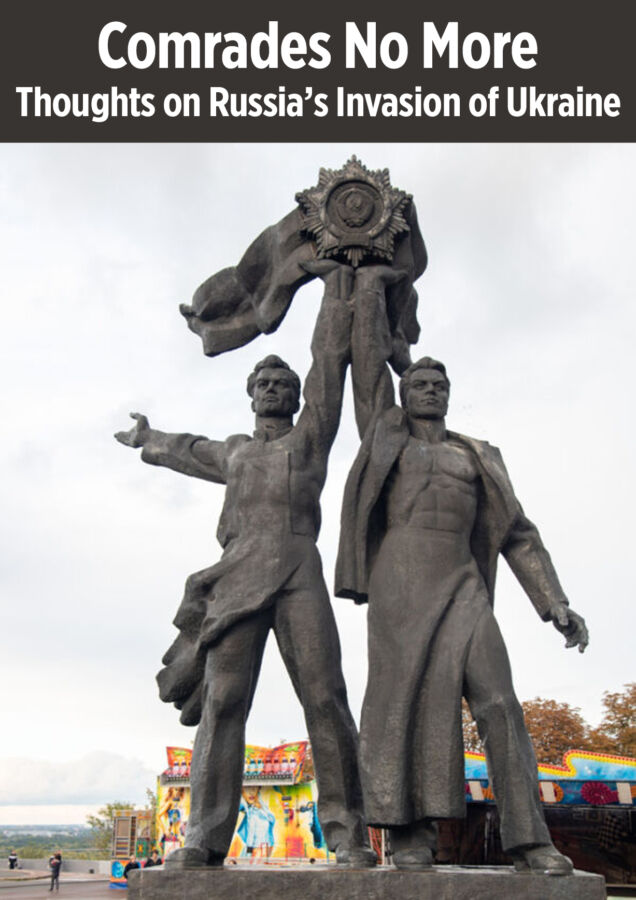
Russia and Ukraine sit at the heart of one of Europe’s most historically complicated and emotionally charged regions. Any modern travel discussion that includes these countries has to begin with context, because travel is never separate from the world around it. Borders, politics, and public sentiment all shape how people move, what they see, and how they are received. For travelers, that reality matters. It affects routes, safety, logistics, and the deeper purpose of going abroad in the first place: to understand a place beyond headlines and assumptions. For years, Europe has drawn travelers who want more than a checklist of monuments. They want to see how history lives in city streets, how ordinary people adapt when the world changes around them, and how culture persists even in difficult times. That is one reason a trip through Europe can feel so meaningful. You may begin with a landmark, a museum, or a scenic train ride, but what you carry home is often a broader sense of perspective. When conflict erupts anywhere on the continent, it reminds us that travel is not escapism. Done thoughtfully, it is a way to stay engaged with the world. In that spirit, responsible travel means paying attention to the moral and practical realities of the places you visit. Travelers often think first about flights, hotels, and itineraries, but there is also a larger question: where does your money go, and what does your presence support? These are not abstract concerns. The choices travelers make can have real consequences for local economies, communities, and political systems. That is why informed travelers need to look beyond glossy brochures and ask harder questions, especially when a destination is affected by conflict or instability. Europe’s geography can make crises feel both distant and close at once. A war in one part of the continent does not automatically define travel across the whole region, yet it inevitably influences public perception, transport networks, and visitor behavior. For many travelers, that creates confusion. Should a trip to Paris, Rome, or Athens be altered because of an event thousands of miles away? Usually, the answer depends on the actual travel conditions, official advisories, and the specific countries involved. The most important thing is not to generalize. Europe is not one uniform destination, and the realities in one place should not be carelessly projected onto another. That distinction is especially important for travelers who plan multi-country itineraries. A long tour through several cities can span very different cultural and political environments, and each stop may require its own evaluation. Train schedules, airline routes, visa rules, and local sentiment can all change quickly in response to international events. Travelers who keep flexible plans, check updated guidance, and work with reputable operators often handle disruption better than those who rely on a fixed script. In uncertain times, adaptability is a form of travel wisdom. At the same time, there is a human reason people continue to travel even when the news is difficult. Travel brings us into contact with the daily life of others. It can replace abstraction with conversation, and fear with familiarity. Walking through a neighborhood market, listening to a local guide explain a monument, or sharing a meal in a family-run restaurant does more than entertain. It helps build the kind of civic imagination that makes international empathy possible. That may sound lofty, but in practice it is often simple: people are harder to demonize after you have looked them in the eye. Understanding the Travel Context in Times of Conflict When conflict affects a region, travelers should rely on current, official information rather than rumors or social media panic. Government advisories, airline notices, embassy updates, and local tourism boards are the best starting points. Conditions can shift fast, and what was true last week may no longer apply. Travel insurance, refundable reservations, and carefully selected transportation options become far more valuable during uncertain periods. A good itinerary is not only enjoyable; it is resilient. There is also an ethical dimension to consider. Tourism can be a source of livelihood for many communities, but in times of crisis it can also become politically sensitive. Travelers need to think carefully about whether their spending supports local people directly, whether they are entering a stable environment, and whether their presence is welcome. Being a conscientious visitor means respecting the local mood rather than assuming that a destination exists to fulfill your vacation expectations. That humility is part of what makes travel worthwhile. One of the biggest mistakes travelers make is treating the map like a simple guide to risk. Distance matters, but so does context. A city may be geographically close to a conflict zone and still remain safe and fully operational, while another place farther away may experience indirect disruptions through flights, sanctions, border controls, or shifting public sentiment. Thoughtful travel planning looks at actual conditions, not just headlines. It also acknowledges that uncertainty is part of the journey, especially in regions with deep historical tensions. Why Travel Still Matters Travel remains valuable precisely because it can sharpen rather than dull our awareness. Seeing another country in person is not the same as reading about it from afar. The rhythm of a café, the architecture of a train station, the pace of a pedestrian street, and the tone of everyday conversation all reveal something that statistics cannot. In peaceful times, that experience is enriching. In difficult times, it can be grounding. It reminds us that the world is made of real places and real people, not just commentary. Many seasoned travelers understand that a good trip is not measured only by comfort or efficiency. It is measured by what you learn and how you change. That is why Europe continues to attract visitors from around the world. Its cities are layered with memory, and its public spaces invite reflection. You can stand in a grand square in the morning, visit a museum in the afternoon, and sit on a bench at dusk watching
Best Rides At Universal’s Volcano Bay Orlando Water Park (From A 10-Year Old) 2026 Update
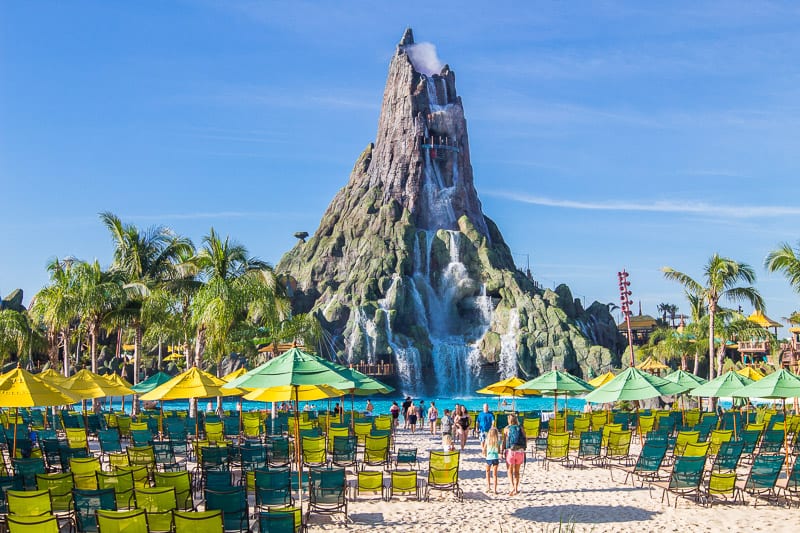
Universal Orlando Resort is one of those rare destinations that can turn a Florida trip into something far more memorable than a standard theme-park holiday. For many visitors, the headline attractions are the major roller coasters and the Wizarding World of Harry Potter, but Volcano Bay quickly earns its own place in the itinerary. It is not just a water park; it is a carefully designed, highly immersive experience that blends thrill rides, family-friendly spaces, and enough relaxation areas to make the day feel balanced rather than exhausting. If you are planning a visit to Orlando and wondering whether Volcano Bay is worth a full day, the answer is a firm yes. What makes the park stand out is how complete it feels. From the first look at Krakatau Volcano to the final sunset glow over Waturi Beach, the whole place is built around atmosphere as much as attractions. The design draws on Polynesian-inspired storytelling, and that detail gives the park a richer feel than a typical water park. It is easy to spend a day here purely chasing slides, but it is just as rewarding to slow down and enjoy the setting. That balance is part of why Volcano Bay has become such a favorite among families, couples, and anyone who wants a less frantic day between the busier Universal parks. One of the best things about Volcano Bay is that it suits different kinds of travelers. Thrill-seekers can head straight for the big drops and high-speed body slides, while younger children have dedicated splash zones and gentler play areas that feel thoughtfully separated from the more intense attractions. Adults who are less interested in adrenaline can float along lazy rivers, settle into a shaded chair, or linger near the beach-style areas and simply enjoy the view. The park manages to feel lively without becoming overwhelming, which is not always easy to achieve in a major Florida attraction. About Volcano Bay Orlando Volcano Bay opened in May 2017 and covers roughly 53 acres, making it one of the most ambitious water parks in Orlando. It was developed at significant cost and designed to feel far more immersive than a conventional collection of pools and slides. The central icon of the park is Krakatau Volcano, a dramatic structure that dominates the skyline and acts as both a visual anchor and a functional part of the ride system. Waterfalls spill from its sides, slides twist through its body, and at night the whole volcano glows in vivid color, giving the park an entirely different mood after dark. The storytelling throughout the park is loosely inspired by the journey of the Waturi people, a fictional seafaring tribe whose arrival shapes the atmosphere and design language of the park. That narrative is not essential to enjoying the rides, but it adds texture to the experience and helps explain why the park feels more polished than many other water parks. Instead of a random collection of attractions, the layout is organized into distinct villages with different personalities and crowd patterns. This makes it easier to navigate, especially for families trying to balance the needs of toddlers, teens, and adults in one visit. The four main sections are Krakatau Volcano, Wave Village, River Village, and Rainforest Village. Each area has its own rhythm. Rainforest Village is the most action-packed and contains many of the larger attractions. River Village has a calmer feel and is particularly useful for families with very small children. Wave Village offers a more relaxed atmosphere with dining options and lounging spaces, while Krakatau Volcano acts as the dramatic centerpiece that ties everything together. Once you understand the layout, the park becomes much easier to enjoy without wasting time backtracking. How Many Days Do You Need at Universal Volcano Bay? For most travelers, one full day is the sweet spot for Volcano Bay. That gives you enough time to experience the headline rides, float the lazy river, enjoy a meal, and still take breaks without feeling rushed. If you are visiting Universal Orlando Resort for several days, Volcano Bay works especially well as a middle day or a recovery day between the more intense theme parks. It gives your feet a break, lets you slow the pace a little, and still keeps the holiday feeling active and fun. That said, two days would not be unreasonable if you travel with younger children, prefer a slower pace, or want to repeat favorite attractions without worrying about fitting everything in. The park is large enough to justify it if water parks are a major part of your holiday style. If you are staying for a shorter trip, though, one day is usually enough to experience the best of it without feeling like you missed out. The key is arriving early, staying flexible, and making smart choices about which rides matter most to your group. The Best Volcano Bay Rides The ride lineup is one of the reasons Volcano Bay has such a strong reputation. Some attractions are pure adrenaline, while others are built for shared family enjoyment or simple floating and relaxing. The park works well because it does not force every visitor into the same experience. You can spend the morning chasing big thrills and the afternoon drifting through calmer water, or vice versa. Either way, there is enough variety to keep the day interesting from start to finish. Krakatau Volcano Krakatau Volcano is the heart of the park, and it deserves the attention it gets. From a distance, it looks like scenery. Up close, it becomes the source of some of the most exciting attractions in Volcano Bay. The waterfalls, the layered rockwork, and the hidden slides all make it more than a decorative feature. It feels like the park’s main event, and many guests naturally orient themselves around it throughout the day. The most thrilling rides are built into or around the volcano, and that is part of the fun. There is a real sense of anticipation as you climb
17 Fun Things To Do In Chattanooga With Kids For Lovers Of Nature & Adventure [2026 Update]
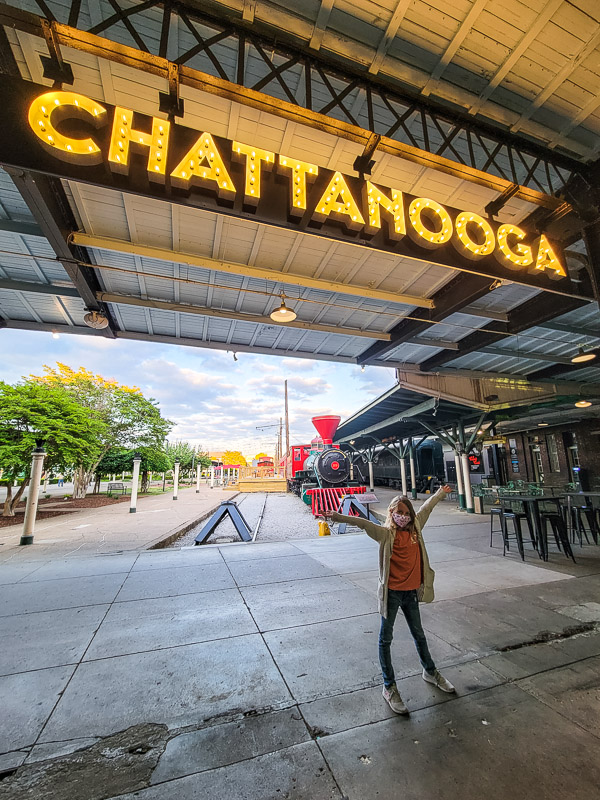
Chattanooga has gone from overlooked railroad town to one of the Southeast’s most rewarding city-break destinations, and its appeal is easy to understand the moment you arrive. The city combines mountain scenery, riverfront pathways, family-friendly attractions, and a revitalized downtown that feels lively without being overwhelming. It is the kind of place where you can spend the morning on a scenic trail, the afternoon exploring museums or historic sites, and the evening eating well in a neighborhood that still feels local. For travelers who like a destination to offer both outdoor adventure and easy urban access, Chattanooga delivers in a way that feels polished but still authentic. What makes Chattanooga especially attractive for families is the variety packed into a relatively compact area. You do not have to choose between nature and city life here. The Tennessee River winds through the center of it all, the surrounding ridges frame the skyline, and the neighborhoods each bring a different character to the trip. Southside is creative and energetic, the North Shore is laid-back and walkable, and Lookout Mountain adds the dramatic scenery that gives the city its famous nickname, Scenic City. Even a short stay can feel full, and a three-day trip is enough to build a strong first impression. If you are planning a visit with kids, it helps to think of Chattanooga as a destination that rewards a flexible pace. The city has enough attractions to keep an itinerary busy, but it also works well when you leave room for wandering, spontaneous stops, and slower moments by the river. That balance is one of the reasons it stands out among Tennessee destinations. The best trips here usually mix the iconic sights with smaller discoveries: a quiet trail, a good breakfast spot, a mural-filled alley, or a sunset over the river. Chattanooga at a Glance Chattanooga is a city where a car still makes life easier, especially if you want to reach Lookout Mountain, trailheads, or attractions outside the core downtown area. There are electric shuttles and public transportation options in the center, but having your own vehicle gives you more freedom and makes family travel simpler. Accommodation choices are varied enough to suit most budgets, from boutique hotels in the city to cabin rentals on the outskirts if you want more privacy and mountain views. For travelers who want to save, look for free festivals, outdoor concerts, and park events, especially in summer when public spaces come alive. The city is also practical in ways that matter on a family trip. Downtown is walkable, many attractions are clustered together, and several of the most popular sights can be paired on the same day. The challenge is not finding things to do; it is narrowing the list. Chattanooga works best when you accept that you will not see everything and instead focus on a thoughtful mix of scenic, cultural, and kid-friendly experiences. Why Lookout Mountain Belongs on Every Chattanooga Itinerary Lookout Mountain is the defining landscape feature of Chattanooga and one of the main reasons people fall in love with the city. Rising above the valley floor, it offers commanding views, dramatic cliffs, and a concentration of major attractions that make it worth dedicating a full day. The mountain sits only a short drive from downtown, but the feeling changes quickly once you are on it. The air seems clearer, the outlook wider, and the city below looks framed by trees, river bends, and distant ridgelines. Lookout Mountain is home to some of Chattanooga’s most famous experiences, including Rock City, Ruby Falls, the Incline Railway, and Chickamauga and Chattanooga National Military Park. Even if you only have time for one area outside downtown, this should be it. The mountain is more than a scenic backdrop; it is a place where geology, history, and tourism intersect in a way that gives the city real identity. If your schedule allows, it is worth spending time here slowly rather than rushing through several attractions in a single blur. Ride the Lookout Mountain Incline Railway The Incline Railway is one of the most memorable ways to approach the mountain. It is steep, dramatic, and just unusual enough to feel like an adventure rather than simple transportation. The ride climbs through forested slopes while giving you broad views through the windows, and the incline itself adds a little adrenaline to what might otherwise be a straightforward mountain transfer. For kids, it has the feel of a ride and an attraction at the same time, which makes it easier to hold their attention. At the top, the observation area is worth lingering over. If you are someone who likes a payoff after the anticipation, this is one of those experiences that gives you exactly that. The sweeping views over the valley and river are the kind that make you pause mid-conversation. On a clear day, you can appreciate how Chattanooga’s geography shapes everything else about the visit. The city is defined by its hills, and from this vantage point, that becomes obvious. Step Underground at Ruby Falls Ruby Falls is one of Chattanooga’s most distinctive attractions because it combines an underground cavern tour with the surprise of a waterfall hidden deep inside the mountain. The guided walk moves through caverns carved by time, with rock formations and lighting that create an atmosphere that feels part natural wonder, part theatrical reveal. For many travelers, the biggest draw is the sense of discovery. You are not just looking at a waterfall; you are going through a mountain to find it. The history adds even more interest. The story of its discovery gives the experience a human layer, and the introductory film helps place the cavern tour in context before you enter. Families often appreciate the elevator descent and the manageable pace of the tour, and children tend to be fascinated by the novelty of being so far below the surface. Once you reach the falls, the colored lighting and enclosed cavern make the scene feel almost surreal.
My Honest Review of Staying at Apukka Resort in Finnish Lapland
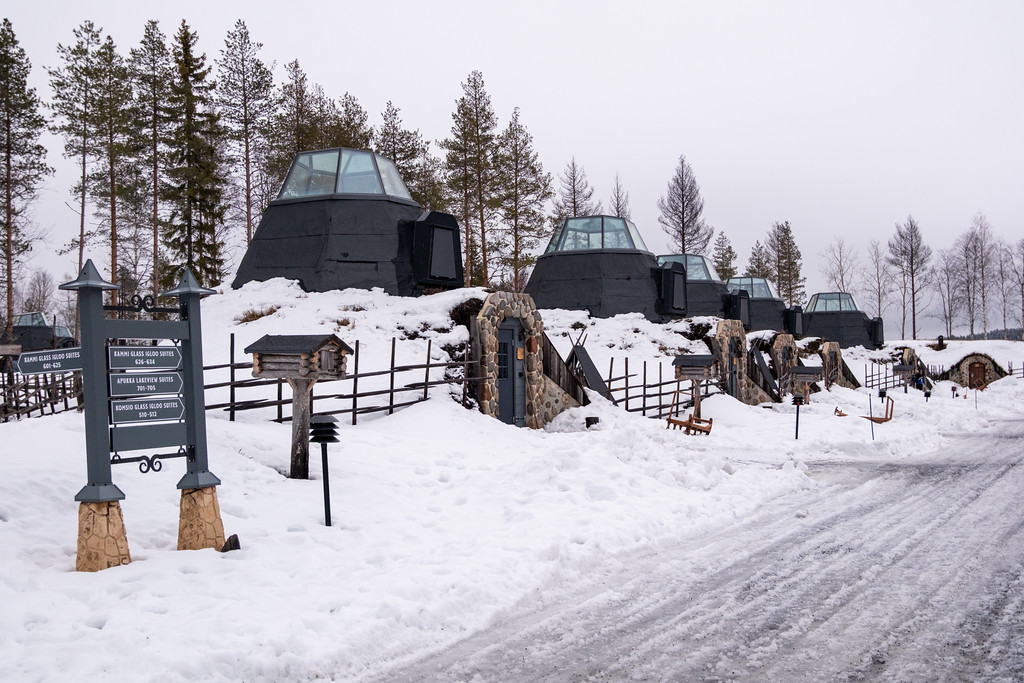
If you have ever imagined sleeping beneath a glass roof while the Northern Lights ripple overhead, gliding across a snowy forest in a husky sled, or ending a long winter day in a warm Finnish sauna, Apukka Resort in Finnish Lapland deserves a place on your travel radar. Set just outside Rovaniemi, this wilderness resort blends high-comfort accommodation with classic Arctic experiences, making it one of the most memorable places to stay near the Arctic Circle. It is not the kind of destination you choose for a simple overnight stop. You come here for atmosphere, for winter magic, and for the chance to experience Lapland in a way that feels both adventurous and surprisingly comfortable. What makes Apukka especially appealing is that it offers more than a single signature feature. Yes, the glass igloos are the headline attraction, but the resort also functions as a full Arctic basecamp. Guests can book dogsledding, reindeer sleigh rides, snowshoeing, snowmobiling, sauna sessions, aurora tours, and even dining experiences that feel rooted in the region rather than designed purely for tourists. For travelers planning a Lapland getaway, that combination of convenience and setting is a big part of the appeal. You can spend several days here without ever feeling like you are simply checking boxes on a winter activity list. My own dream of visiting a place like Apukka had been building for years, and when I finally planned a winter stay with a friend, it became clear why so many travelers are drawn to this kind of experience. It is expensive, yes, but it is also distinctive in a way that is hard to replicate. Some destinations are about value for money; others are about creating a travel memory that stays with you long after the trip ends. Apukka fits squarely into the second category. Apukka Resort igloos Northern Lights in Lapland Staying at Apukka Resort: what travelers should know Apukka Resort is located in Finnish Lapland, just above the Arctic Circle and about 15 kilometers from Rovaniemi. That distance sounds small, and in practical terms it is. But the setting feels remote in the best possible way. The resort sits beside a large lake and is surrounded by forest, which gives it the atmosphere of a secluded Arctic retreat even though it is still close enough to the town, airport, and Santa Claus Village to remain convenient. That balance is a major reason the resort works so well for visitors who want an immersive Lapland experience without the logistical stress of being truly isolated. Arctic Circle vibes The property is large enough to feel like a destination in its own right, but not so sprawling that it becomes cumbersome. Depending on where your cabin is located, the main lodge is usually a manageable five to seven minute walk away. In winter, that walk becomes part of the experience. The snow crunches under your boots, the cabins glow softly against the white landscape, and even a short stroll can feel cinematic when the sky is clear and the air is sharp with cold. When to visit Apukka Resort The most popular time to stay at Apukka is the winter season, especially from December through March, when the landscape is fully snow-covered and the resort offers its widest range of seasonal activities. This is the period when Lapland looks exactly like many travelers imagine it: white forests, frozen lakes, and dark, crisp nights with a chance of aurora activity. If your main goal is to stay in a glass igloo and watch for the Northern Lights, winter is the obvious choice. For reindeer sleighing? Winter. Northern Lights watching? October-March That said, Apukka also has an autumn season, typically from August through early November. This is a useful window for travelers who want a quieter atmosphere, lower prices, and the chance to enjoy the first dark nights of the aurora season. In Lapland, the Northern Lights are generally possible from late September onward as the nights grow longer and the skies darken earlier. For many visitors, this shoulder period offers a good compromise between winter beauty and more moderate pricing. Apukka is not open from early April through the end of July, so if your dream Lapland trip includes the Midnight Sun, you will need to look elsewhere. Still, if your priority is snow, winter activities, and aurora viewing, the resort’s seasonal schedule is part of what keeps the experience focused and authentic. Personally, late February through mid-March feels like the sweet spot. There is usually still plenty of snow, the daylight hours are longer than in midwinter, and the evenings remain dark enough for aurora hunting. For travelers building a wider Finland itinerary, that timing also helps. It gives you enough daylight for adventures without sacrificing the nighttime atmosphere that makes Lapland so special. It is the kind of trip where a slow morning, an active afternoon, and a quiet evening under the stars can all fit into the same day. What Apukka Resort offers beyond the igloos One of the most appealing things about Apukka is that it is more than a collection of pretty cabins. It is part hotel, part activity hub, and part Arctic experience center. That means you do not need to spend your time arranging every outing independently if you do not want to. The resort offers a structured but flexible way to explore Lapland, with adventure options and wellness experiences all based in one place. Main building at Apukka Sauna at Apukka Cuddling huskies Guests can book dogsledding, reindeer sleigh rides, snowmobiling, snowshoeing, ice fishing, winter fat biking, and aurora excursions. There are also several sauna experiences, including private lakeside options that feel especially satisfying after a day in the cold. For many visitors, that mix is ideal because it reduces transit time and makes it easy to do multiple activities in a short stay. When winter daylight is limited, convenience matters more than usual. The resort also provides winter clothing rentals at no charge, which is
Hidden Gems to Visit in Europe This Summer
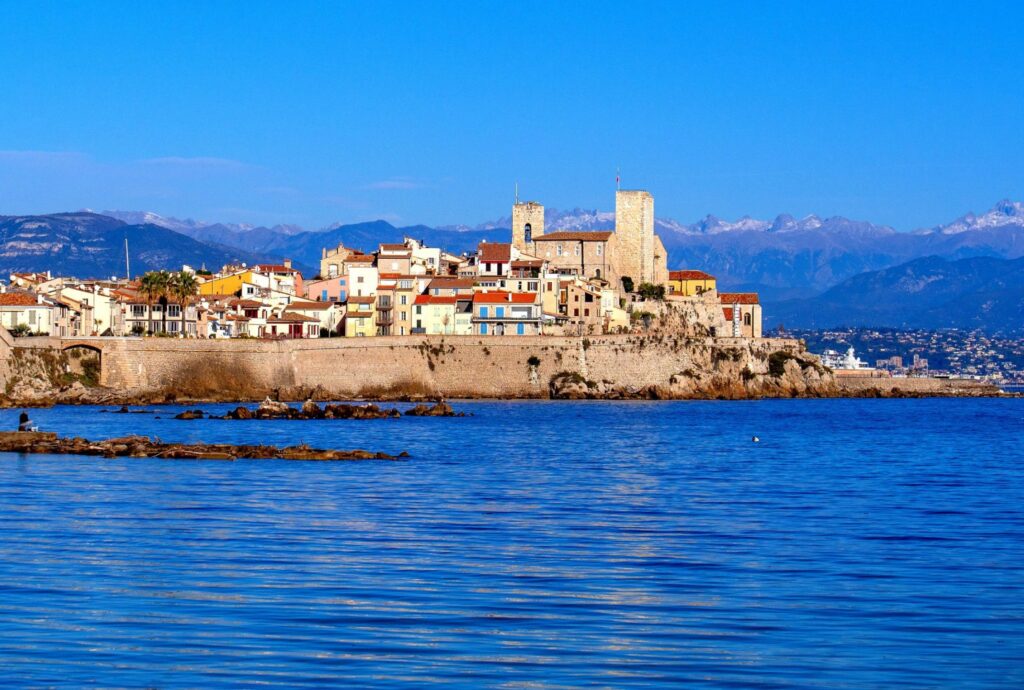
Europe remains one of the most rewarding continents to explore as a solo traveller, especially in summer when long daylight hours make it easier to wander, take scenic detours, and settle into the rhythm of a new place without feeling rushed. One of the great advantages of travelling alone in Europe is the sheer variety on offer: coastal towns, medieval hill villages, lively port cities, island escapes, and elegant old centres where you can spend an entire afternoon people-watching from a café terrace. For travellers who prefer to avoid the most crowded hotspots, the continent also hides a wealth of lesser-known destinations that still deliver beauty, culture, and that unmistakable sense of discovery. This is not the Europe of checklist tourism. It is a slower, more considered way of travelling, where a destination is judged not by how famous it is, but by how memorable it feels when you are standing in a quiet square at golden hour, or walking along a harbour before the day’s heat builds. From France to Italy, with excellent stops in Spain and Germany along the way, these destinations are ideal if you want a summer trip that feels richer than a standard city break and more personal than a fast-paced sightseeing tour. France Antibes France is full of destinations that suit solo travel, but Antibes is one of the most appealing if you want Riviera scenery without the polished intensity of some of the better-known coastal resorts. Set between Nice and Cannes, this seaside city combines old-world atmosphere with a laid-back coastal lifestyle. It has the sort of streets that invite wandering: narrow lanes in the historic centre, a busy marina, sea walls lined with views, and local cafés where you can stop for a coffee or a simple lunch without feeling out of place on your own. Antibes also has an interesting cultural history. Pablo Picasso spent time here, and the city is home to the Picasso Museum, a strong reason to linger beyond the waterfront. For travellers who enjoy blending art with place, this is one of the most satisfying parts of a visit. The museum itself feels grounded in the city’s identity rather than detached from it, which makes the experience more memorable than a quick gallery stop in a busier destination. One of Antibes’ most important sights is Fort Carré, a star-shaped fortress commissioned by Henry II of France in the 16th century. Its strategic position made sense when the town sat on the frontier with the Duchy of Savoy, and today it offers both history and views. The structure is a reminder that the French Riviera was once defined as much by military concerns as by leisure. Walking up to the fort is especially rewarding in the cooler hours of the day, when the light is soft and the harbour below looks almost still. What makes Antibes particularly attractive for solo travellers is how manageable it feels. You can explore the old town, spend time by the coast, and still have the freedom to do very little if you want to. That balance matters on a solo trip, when some days are best spent seeing a lot and others are best spent simply enjoying the atmosphere. Antibes gives you both options without demanding too much planning. Albi Albi is one of southern France’s most striking lesser-known cities, and its appeal lies in both its architecture and its sense of identity. The red-brick buildings of the historic centre immediately set it apart from many other French destinations, giving the city a warm, earthy appearance that looks especially good in summer light. As part of the UNESCO-listed Episcopal City of Albi, it offers a remarkably well-preserved urban landscape that feels cohesive rather than overly curated. Among its most important cultural draws is the Musée Toulouse-Lautrec, dedicated to the famous artist born in the region. The museum gives the city an artistic dimension beyond its architecture, and it is worth spending time here if you appreciate places where history and creativity are closely tied together. In a city like Albi, it is easy to move between museums, riverside walks, and quiet streets without needing a rigid itinerary. Albi works particularly well for travellers who enjoy smaller French cities that still feel substantial. There is enough to fill a full day or two, but not so much that the experience becomes overwhelming. That makes it a strong option if you prefer a relaxed pace and want a destination where the details matter more than the number of attractions ticked off. Avignon Avignon adds another layer to a summer trip through southern France. Historically significant as the seat of the papacy in the 14th century, it still carries the weight of that past in its monumental buildings and strong urban presence. Even if you visit primarily for leisure, it is difficult to ignore the city’s historical importance. The old walls and central streets give it a structured, almost theatrical feel, while the surrounding region provides the softer pleasures of Provence: markets, produce, and warm seasonal flavours. One of the best places to pause is the Rocher des Doms, a peaceful green space with views over the river and the surrounding area. It is the sort of place that rewards a slower visit, particularly if you have been walking through the city in the heat. Sitting there for a while offers a good contrast to the more built-up parts of Avignon and helps balance the trip between heritage and rest. While Avignon is not especially known as a major producer itself, the wider Provence region is famous for its fruits and vegetables, and local markets are one of the best ways to experience the area. The produce on display says a lot about the region’s character: seasonal, colourful, and rooted in everyday life rather than tourism alone. If you are travelling solo, a market is also one of the easiest places to feel immersed without needing a fixed plan. Spain Cartagena Spain is a
Is HandleVisa Legit? A Review For Solo Female Travellers

Why Visa Applications Feel So Overwhelming for Solo Travellers Applying for a visa can be one of the most stressful parts of planning a solo trip, especially when your schedule is tight and your departure date is already in sight. Unlike booking a flight or choosing a hotel, visa applications often involve unfamiliar rules, precise formatting, and a series of questions that can feel strangely personal. If you are travelling alone, there is no one beside you to double-check a passport number, interpret a vague instruction, or catch a missing document before you hit submit. That pressure can turn a simple administrative task into a major source of anxiety. For solo female travellers in particular, clarity and reassurance matter. Many people are comfortable navigating official government portals, but others simply want a smoother experience with fewer chances for error. That is where visa assistance platforms can become useful. They do not replace official approval processes, but they can help reduce confusion, improve organisation, and make the experience feel more manageable. For anyone juggling work, packing, accommodation, and transport all at once, that extra support can be the difference between calm preparation and last-minute panic. Visa requirements also change constantly. A destination that once required a full embassy appointment may now accept an eVisa. Another country may only need a traveller declaration or ETA instead of a traditional visa. Requirements also vary by nationality, purpose of travel, and length of stay. This is why so many travellers look for guidance before starting the process: the rules are not only complex, but they can also change without much warning. When You Need a Visa Service Not every destination requires a full visa application. Depending on where you are from and where you are going, you may only need an ETA, an electronic travel authorisation, a tourist card, or even a simple health declaration. Some countries offer clear, modern systems with streamlined steps. Others still rely on outdated portals, vague instructions, and technical language that can make an otherwise straightforward application feel unnecessarily difficult. If you are confident with official portals and comfortable checking government guidance carefully, you may not need any service at all. But if you want extra reassurance, help avoiding errors, and a cleaner step-by-step process, a visa assistance platform can be worth considering. The main benefit is not speed alone; it is peace of mind. For solo travellers who are already managing every detail themselves, that reassurance can be especially valuable. Services like HandleVisa are designed to simplify the process by breaking the application into manageable steps. Instead of making you interpret a dense government page on your own, they guide you through nationality, destination, supporting documents, and payment in a more intuitive way. For travellers who would rather spend their energy planning their route, accommodation, or safety arrangements, that can be a welcome relief. Why Government Portals Can Be So Frustrating Anyone who has spent time on official visa websites knows how unpredictable the experience can be. Some portals are clean and modern, but many are overloaded with fields, poorly translated instructions, and strict formatting rules that leave no room for minor mistakes. A passport number entered in the wrong format, a date in the wrong order, or a file uploaded in the wrong size can stop the entire process. In some cases, the form does not clearly explain what went wrong, leaving travellers to guess their way through the issue. For solo travellers, that can be particularly exhausting. You may already be researching routes, checking luggage rules, arranging airport transfers, and making sure your accommodation is in a safe area. Then, right when you expect to finish your visa application, you are faced with a portal that rejects your submission with little explanation. Many travellers have experienced the same thing: hours of filling in details, only to discover that the form needs to be restarted because of one small error. Some destinations are more notorious than others. India’s official eVisa system, for example, asks applicants to identify the correct visa category before the process even begins, and the form can be strict about passport formats and date entry. Vietnam and Thailand can present their own challenges too, especially when instructions are partially translated or hidden inside supplementary PDFs. Even experienced travellers can become frustrated when key requirements are buried beneath multiple pages of unclear guidance. China is another destination that often stands out for its demanding paperwork. The process can feel detailed and repetitive, with plenty of information required before submission. It is not unusual for travellers to worry that they have made a mistake somewhere in the application, especially when the stakes feel high and there is no obvious way to verify what the portal expects. When you are travelling alone, those small moments of uncertainty become much more stressful. How HandleVisa Approaches the Process Differently One of the strongest arguments for using a visa assistance service is simplicity. HandleVisa is designed to reduce guesswork by guiding travellers from the beginning of the process through to submission. Instead of forcing you to interpret every field independently, it presents the application in smaller, clearer stages. For many travellers, that structure alone can make the process feel far less intimidating. The platform also has the advantage of experience. With a long operating history and a large number of successful approvals, it offers a sense of reliability that many travellers find reassuring. That does not mean every application is automatically approved, because final decisions always rest with the destination country’s authorities, but it does mean the form support itself is built to help travellers avoid common mistakes. The process typically begins with basic details: your nationality, destination, and travel purpose. After that, you move into a more detailed online form, which is written in simpler language than many official portals. This is important because clarity saves time. A visa application should not feel like a legal puzzle. It should feel like a structured checklist that helps you provide
12 Important Things to Know About Traveling in Japan
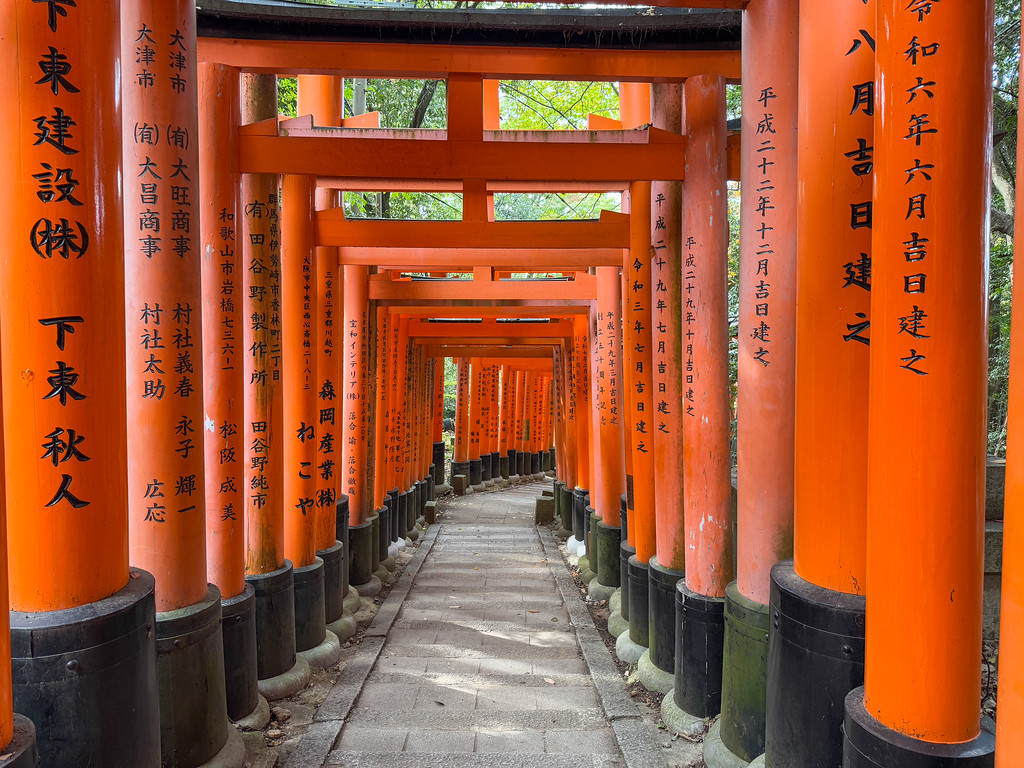
Japan has become one of the most talked-about travel destinations in the world, and for good reason. In recent years, visitor numbers have surged as more travelers seek out a place that combines ancient traditions, futuristic cities, exceptional hospitality, and some of the best food on the planet. For many first-time visitors, Japan can seem slightly intimidating from afar: the language looks unfamiliar, the transit network feels complex, and the cultural etiquette appears exacting. Yet once you arrive, the country reveals itself as remarkably welcoming, surprisingly straightforward to navigate, and deeply rewarding for travelers of all styles. What makes Japan especially memorable is the contrast. One day you can be standing beneath a row of vermilion torii gates in Kyoto, and the next you might be looking out over Tokyo’s skyline at sunset, with Tokyo Tower glowing against the evening sky and, on a clear day, Mt. Fuji faint on the horizon. Then there is Kanazawa, where elegant geisha districts and immaculately preserved gardens offer a quieter, more refined perspective on Japanese culture. Japan is not one experience but many, stitched together by efficiency, beauty, and a sense that every detail has been thoughtfully considered. Why Japan feels so special to travelers There is a reason so many visitors leave Japan already thinking about their next trip. The country delivers a rare mix of depth and ease: you can immerse yourself in centuries-old temples, wander through neighborhoods that feel wonderfully local, enjoy Michelin-caliber meals at every price point, and still move between cities with a level of efficiency that makes multi-stop itineraries realistic even for first-time travelers. Japan rewards both planning and spontaneity. It is the kind of destination where careful preparation helps, but curiosity matters just as much. Another reason Japan resonates so strongly is that it often exceeds expectations. Travelers may arrive expecting cleanliness, order, and good food, but they are often surprised by the warmth of small interactions, the thoughtful design of public spaces, the calmness of the streets, and the ease of daily life even in enormous cities. Tokyo, for example, can feel like an endless urban maze on paper, yet it is also one of the most manageable major cities in the world once you understand the transit system and embrace walking as part of the experience. Top things to know before visiting Japan There are several practical realities that can shape your trip in meaningful ways. Some are small details that make daily life easier; others influence your entire itinerary. Understanding them before you go can help turn a good trip into a seamless one. Japan is very safe One of the most reassuring things about Japan is how safe it feels in day-to-day life. Many solo travelers, including solo female travelers, find Japan to be among the most comfortable countries to explore independently. Even in busy cities such as Tokyo and Kyoto, the atmosphere tends to feel orderly and low-stress. Walking alone at night generally does not carry the same level of concern that travelers may feel in many other major cities around the world. Crime rates are low, violent crime is rare, and even petty theft is far less common than in many other popular destinations. That does not mean you should ignore basic travel common sense, but it does mean you can often relax a little more than usual. For travelers new to solo adventures, Japan can be a wonderful place to build confidence. The country’s public spaces are well maintained, stations are staffed, and most locals are happy to help if you need assistance, even if communication may require a little patience. There is a language barrier, but it is manageable Before a first trip to Japan, the language barrier can seem like the biggest obstacle. Japanese is not widely spoken outside the country, and for travelers who cannot read the writing system, even signs can appear daunting. In practice, however, many aspects of travel are designed to be accessible. Major airports, train stations, and city centers often have English signage alongside Japanese, and transport systems are generally intuitive once you spend a little time learning the basics. Technology is a major help here. Google Translate can be invaluable for menus, station information, and conversations, especially when paired with a reliable data connection through an eSIM. In many places, self-service machines include English-language options, and transit apps often provide route guidance with impressive detail. Outside the major cities, English may be less common, but travel is still very possible if you plan ahead and remain flexible. In many cases, a smile, a translation app, and a little patience go a long way. Japan is remarkably clean Japan’s cleanliness is one of the first things many visitors notice, and it is genuinely impressive. Train stations, streets, temples, and even the inside of trains are typically kept in excellent condition. The sense of public responsibility in Japan is strong, and it shows in the way people treat shared spaces. Litter is rare, and even in densely populated areas the environment often feels tidy and calm. That said, one famous travel truth is worth remembering: trash cans are not always easy to find. Travelers often carry their rubbish with them until they reach a station, convenience store, or hotel. This is one reason why “walk and eat” culture is limited in many parts of the country; it is not only about etiquette, but also about practical waste management. If you buy snacks from a convenience store, be prepared to finish them nearby or keep the wrapper until you can dispose of it properly. Public toilets are plentiful and usually free Another everyday convenience that stands out in Japan is the abundance of public restrooms. In many major cities, you can find clean, free toilets in train stations, shopping centers, parks, department stores, and convenience stores. This makes long days of sightseeing much easier, especially if your itinerary includes lots of walking or hopping between neighborhoods. Japanese restrooms are also known for their
Sacramento in 24 Hours: The Ultimate One-Day Itinerary

Planning One Day in Sacramento Planning a day trip to Sacramento, or perhaps trying to make the most of just 24 hours in California’s capital, can feel surprisingly rewarding. Sacramento is one of those cities that often slips under the radar, but once you start exploring, it reveals a rich blend of Gold Rush history, political significance, thriving arts districts, and a culinary scene rooted in the fertile Central Valley. It is a city where historic landmarks sit within easy reach of colorful murals, contemporary cafés, leafy parks, and riverfront views. That contrast is what makes Sacramento such an appealing destination for a compact city break. In just one day, you can move from the energy of Midtown’s creative streets to the dignified grounds of the State Capitol, then finish with sunset by the river and dinner in the heart of the Old Sacramento Waterfront. If you have more time, the city rewards lingering, but even a single day gives you a strong sense of its character: open, slightly underappreciated, deeply Californian, and full of local personality. This guide expands on a practical one-day itinerary while also giving you context, travel tips, and a few hidden corners worth knowing about before you go. Sacramento at a Glance Sacramento is compact enough to explore efficiently, especially if you concentrate on the downtown, Midtown, and Old Sacramento areas. The city’s grid layout makes navigation straightforward, and many of the major sights are close enough to connect on foot. That said, Sacramento is also a city best appreciated at a slower pace. Its streets reward wandering: you will spot murals tucked into alleys, historic facades beside modern cafés, and small details that reflect both the city’s frontier past and its current creative resurgence. What makes Sacramento particularly interesting is its balance of identities. It is the seat of state government, a historic river city, a food-forward destination shaped by agriculture, and a growing cultural hub. Rather than feeling overly polished, it maintains a grounded, lived-in charm that makes a visit feel authentic. For travelers who enjoy a city break with substance, Sacramento offers a lot to uncover in a short time. One Day in Sacramento Itinerary This itinerary assumes you are arriving the night before or early in the morning and have a full day to explore. It is designed for travelers who want a well-rounded experience of Sacramento’s most memorable areas, from street art and cafés to heritage sites and waterfront strolls. Be prepared for a fair amount of walking, although transit, ride-share services, and bike routes can make the day easier if you prefer not to cover everything on foot. If you happen to have a bit more than 24 hours, an extra morning gives you time to enjoy one of Sacramento’s river trails. The American River Trail and Sacramento River Bike Trail are excellent ways to extend your visit, adding a scenic outdoor dimension to an otherwise urban itinerary. But even if your time is limited, you can still enjoy a full and satisfying day. 8:00am: See the Johnny Cash Mural, Midtown The day begins with one of Sacramento’s most iconic pieces of public art. The Johnny Cash Mural stands as a bold tribute to the legendary singer and to the city’s deep connection with music history. At a towering height of roughly 15 stories, it is impossible to miss, and it makes a memorable first stop for travelers who enjoy street art with a story behind it. The mural celebrates the life and career of the “Man in Black,” with imagery that reflects his cultural impact and his connection to Folsom Prison Blues, one of his most famous songs. Start your morning here to get an immediate sense of Midtown’s creative energy. The mural is more than just a photo opportunity; it is a reminder that Sacramento’s public spaces are often used as canvases for artistic expression. If you are interested in murals, this is the perfect introduction to the city’s visual culture and an excellent way to begin a day of exploration. 8:30am: Coffee and Breakfast at Temple Coffee Roasters After your first stop, head to Temple Coffee Roasters in Midtown for a strong caffeine reset and a relaxed breakfast. Temple is one of Sacramento’s most respected coffee institutions, known for its polished interior, high-quality beans, and reliably good pastries and breakfast bites. It is an excellent place to ease into the morning, especially if you enjoy specialty coffee in a stylish but unpretentious setting. One of the most distinctive details is the café floor made from 500,000 pennies, a quirky design choice that adds to the experience and reflects the city’s playful side. Temple Coffee has multiple locations in Sacramento, but the Midtown branch feels especially well placed for a day of sightseeing. Whether you want a cappuccino, a pastry, or something more substantial, this stop gives you fuel for the rest of the itinerary while letting you experience one of the city’s favorite local hangouts. 9:00am: Explore Midtown and Its Murals Midtown is where Sacramento’s personality begins to come sharply into focus. The neighborhood is known for its tree-lined streets, historic houses, independent boutiques, lively cafés, breweries, and a rich mural scene that gives the area much of its color and energy. It feels youthful and artistic without losing its sense of place, which makes it one of the most enjoyable parts of the city to wander on foot. Take your time here. Look up, turn corners slowly, and allow yourself to drift through the district instead of rushing from one landmark to the next. Midtown’s charm is partly in its atmosphere: the mix of local businesses, public art, and urban neighborhood rhythm creates a sense of discovery around nearly every corner. Many galleries participate in Second Saturdays, a popular monthly event when local spaces open their doors for free receptions and art-focused programming. If your visit aligns with the Midtown Farmers Market, you will also find a vibrant gathering of vendors offering fresh produce,