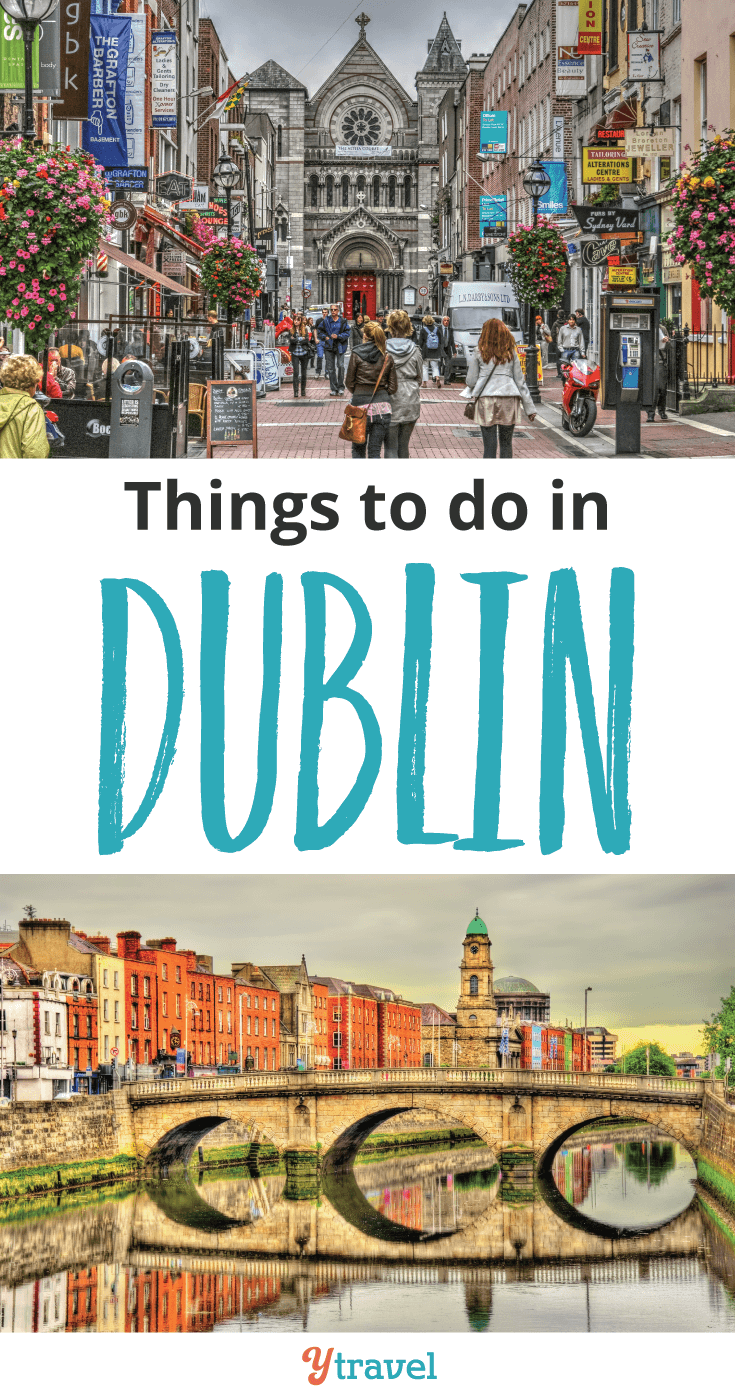
Dublin: a city of literature, music, pubs, and lived-in charm
Dublin is one of those cities that seems to reveal itself in layers. At first glance, it is all Georgian elegance, old stone bridges, and the easy warmth of pub culture. Spend a little longer here and you begin to notice the quieter details: the secondhand bookshops tucked into narrow streets, the students crossing cobbled courtyards, the smell of fresh coffee drifting from side streets, and the unmistakable sound of live music floating out of doorways long after dark. It is a capital city, but it feels intimate in a way that encourages wandering. You can trace literary history in the morning, linger over lunch in a neighborhood pub, and end the evening in a room full of strangers who are somehow ready to talk to you like an old friend.
What makes Dublin especially appealing is that it is not a city that asks you to rush. Many of its best experiences come from simple pleasures: walking, listening, tasting, and observing. You can build a trip around major landmarks and still leave room for the unexpected, whether that means stumbling upon a busker on Grafton Street, discovering a tiny record shop, or finding yourself caught in the energy of a match day crowd heading toward Croke Park. Dublin rewards curiosity, and that is what makes it such a satisfying destination for a first visit or a return trip.
![25 Unmissable Things To Do In Dublin, Ireland [Updated 2026]](https://www.ytravelblog.com/wp-content/uploads/2022/12/temple-bar-dublin-2-738x1024.jpg)
Dublin at a glance
Dublin works well for many kinds of travelers. It is compact enough for a city break, rich enough for a cultural itinerary, and walkable enough that you can cover a surprising amount on foot. Most visitors base themselves in the city center, where hotels and hostels are plentiful, though prices can rise quickly, especially during festivals, weekends, and summer. If you are looking to save money, staying just outside the center can make a noticeable difference, particularly if you are comfortable using buses, the Luas tram, or occasional rail connections.
For transport, Dublin is easy to navigate without a car. Central neighborhoods are walkable, and many of the best-known attractions sit within a reasonable distance of one another. That said, if your trip extends to places outside the city, such as Wicklow, Glendalough, or coastal towns farther afield, a rental car may be useful for flexibility. Inside Dublin itself, a Leap Visitor Card or similar transport pass can make public transit simpler and more economical.
Food, drink, and atmosphere are central to the Dublin experience. Traditional pubs remain a major draw, but the city also has a growing café culture, excellent restaurants, and a strong sense of local identity. If you are planning your first visit, it helps to think of Dublin not just as a list of attractions but as a place to experience in motion, one street, one conversation, and one good pint at a time.
1. Tour Trinity College
Trinity College is one of Dublin’s defining landmarks and one of the best places to begin a visit to the city. Founded in the late 16th century, it is Ireland’s oldest university and perhaps its most famous. The campus sits in the heart of Dublin, yet stepping through its gates feels like entering a quieter, more ordered world. The cobbled quads, classical facades, and broad lawns offer a welcome pause from the busy streets just beyond the walls.
Even if you are not planning a full academic-style tour, Trinity is worth visiting for the atmosphere alone. It is one of those places that combines grandeur with livability. Students hurry to lectures, visitors stop for photos, and the old stone buildings hold an unmistakable sense of history. The Library is the main attraction for many travelers, especially the Long Room and the Book of Kells exhibition, both of which draw huge interest. If you are short on time, it is still worth booking in advance so you can decide whether you want to experience the manuscript display, the architecture, or simply the campus setting.
For travelers who enjoy heritage sites, Trinity also offers a useful lens into Dublin’s broader story. It reflects the city’s intellectual tradition, its architectural beauty, and its long-standing role as a center of scholarship. A walk around the grounds can easily become one of the most memorable parts of your stay.
2. Visit the Guinness Storehouse
No Dublin itinerary feels complete without a visit to the Guinness Storehouse. Even if you are not especially interested in beer, the experience offers a detailed introduction to one of Ireland’s most recognizable cultural exports. Guinness is woven into Dublin’s identity, and the Storehouse presents that story with a mix of history, branding, brewing science, and city views that keep the visit engaging from start to finish.
The building itself is spread across several floors, and the experience is designed as a self-guided journey through the making of the stout, the origins of the brand, and its global influence. Along the way, you learn how the drink is brewed, how it has been marketed over generations, and why it remains such a powerful symbol of Ireland. The visit is not only about taste, though of course the pint included in the ticket is part of the appeal. The real draw is the sense of place. You are standing where one of the world’s most famous drinks was born, in a district that still smells faintly of brewing and distilling traditions.
The Gravity Bar is one of the highlights. With wide views over Dublin, it is an excellent place to pause after the exhibition and take in the city from above. On a clear day, the panorama helps connect the dots between landmarks you may have already visited or plan to see later. It is a popular attraction for good reason, so booking ahead is wise, especially during peak travel periods.
3. Join a Literary Pub Crawl
Dublin’s literary reputation is not just academic or historical; it is lived and performed in the city’s streets and pubs. A literary pub crawl offers one of the most entertaining ways to explore that tradition. Instead of a standard lecture or museum-style visit, you are guided through old drinking spots, city lanes, and stories that bring Ireland’s writers to life. The format works because it combines performance with place, and because the pubs themselves are part of the literary landscape rather than just a backdrop.
As you move through the city, actors or guides read scenes, share anecdotes, and connect the work of writers such as James Joyce, Samuel Beckett, Oscar Wilde, W.B. Yeats, and Brendan Behan to the neighborhoods they knew. The experience is both informal and insightful. You do not need to be a literary expert to enjoy it, and in fact many visitors are surprised by how approachable it feels. It is a particularly good choice if you want to understand why Dublin has such a strong reputation as a city of writers without committing to a museum-heavy day.
What makes the crawl especially appealing is the way it mirrors Dublin itself: part performance, part history, part social evening out. You may arrive thinking it will be a niche experience and leave with a much stronger sense of the city’s voice.
4. Unwind in St Stephen’s Green
St Stephen’s Green offers one of the easiest and most enjoyable breaks from the pace of central Dublin. Located just off Grafton Street, this landscaped park is a favorite with office workers, students, families, and travelers looking for a quiet bench and a bit of shade. The park’s tree-lined paths, flowerbeds, and ornamental features make it feel pleasantly removed from the surrounding streets, even though it sits in the middle of the city.
The appeal of St Stephen’s Green lies in its versatility. You can stop briefly for a walk or spend a longer stretch with a coffee, book, or picnic lunch. It is particularly pleasant on a mild day when the light catches the water, the lawns are busy but not crowded, and the park feels like part of Dublin’s daily rhythm rather than a tourist-only destination. It is also a good place to slow down and reset between busier sightseeing stops.
If you enjoy green spaces, you may also want to add the National Botanic Gardens to your itinerary. It provides a different kind of outdoor experience and is another reminder that Dublin balances urban life with calm, accessible open space.
5. Spend an evening in a traditional pub with live Irish music
One of Dublin’s defining pleasures is the pub experience, and it is worth approaching it as more than a quick drink stop. A good Dublin pub is part social club, part dining room, part music venue, and part living room. Some are famous for their history, while others are remembered for the atmosphere created by regulars, musicians, and the steady pace of conversation that fills the room. The city has hundreds of pubs, which means there is no single correct way to do it.
For many visitors, live Irish music is the heart of the experience. A traditional session can turn a simple evening into one of the most memorable moments of a trip. The music is often informal, with musicians gathering in a corner rather than on a stage, and that gives it a warmth that feels distinctly local. It is easy to spend longer than planned nursing a drink while listening to a fiddle, flute, or bodhrán set the tone for the night.
Historic pubs such as The Brazen Head, The Stag’s Head, Mulligans, Bowes, Keogh’s, The Palace Bar, and The Hairy Lemon all have strong reputations for different reasons. Some visitors chase the oldest pub, others the best pint, and others simply the best atmosphere. In Dublin, you rarely need to choose only one.
6. Eat Irish food in the city’s pubs and restaurants
Dublin is a rewarding city for anyone who wants to eat well without making dining feel overly formal. Traditional Irish dishes are often simple, hearty, and satisfying, which suits the rhythm of the city and its pub culture. Beef and Guinness stew is a classic choice, especially on a cooler day, but there is more to the local food scene than that. You will also find fish and chips, seafood chowder, potato-based comfort food, soda bread, soups, roasts, and modern dishes that reflect how Irish cuisine has evolved.
Much of the pleasure comes from the setting. A meal in Dublin is often as much about the pub interior, the staff, and the sense of local routine as it is about the plate itself. The best meals can be unpretentious: a bowl of soup after a long walk, oysters with a pint, or a simple lunch in a neighborhood spot where you hear a mix of accents at the next table. If you are visiting on a budget, many pubs offer filling lunches that are less expensive than formal restaurants while still giving you a strong sense of place.
Trying local food also helps balance a city break that might otherwise lean heavily toward sightseeing and drink. It grounds the trip in everyday life and gives you a more complete picture of Dublin as a place where people live, work, and eat, not just where tourists pass through.
7. Dine at The Brazen Head
The Brazen Head is widely regarded as Dublin’s oldest pub, and whether you visit for the history, the food, or simply the atmosphere, it delivers a memorable experience. Located on Bridge Street, it sits in one of the city’s older districts and has long been associated with travelers crossing the river and moving through the heart of the city. Its roots stretch deep into Dublin’s past, and that historical character is part of the appeal.
Inside, the pub feels warm, traditional, and welcoming. Wooden interiors, low lighting, and a sense of continuity make it an enjoyable place to linger over a meal. The menu tends to focus on familiar comfort food, which suits the setting perfectly. Beef and Guinness stew, bangers and mash, and dessert classics such as apple crumble fit the pub’s old-world feel. It is a place where the meal and the atmosphere work together, and where the history does not feel staged or overdone.
Even if you are not planning a full dinner, it is worth stopping in for a drink or an afternoon meal simply to appreciate how Dublin’s pub culture preserves its sense of continuity. It is one of the city’s most recognizable institutions for good reason.
8. Sip Irish coffee after dark
Irish coffee is one of those drinks that feels both simple and ceremonial. The combination of coffee, whiskey, sugar, and cream is familiar enough to be comforting, but when done well, it becomes a small ritual in itself. In Dublin, it is an ideal late-night drink or an after-dinner choice if you want something warming without committing to another round of beer or wine.
You will find Irish coffee in many bars and restaurants across the city, but it has a special appeal in places that lean into the city’s old-school atmosphere. It is especially enjoyable when paired with live music, a long conversation, or a cool evening walk afterward. The drink also serves as a reminder that Dublin’s nights do not have to be loud to be lively. Sometimes the most memorable evening is one spent in a dimly lit room with a well-made coffee and a slow, easy conversation.
9. Shop and people-watch on Grafton Street
Grafton Street is one of Dublin’s busiest and most recognizable pedestrian streets, and it captures the city’s commercial and social energy in a compact stretch. High-end shops sit alongside familiar chain stores, cafés, buskers, and crowds moving in every direction. Even if you are not planning to buy anything, it is worth spending time here because the street functions almost like a performance space where shopping, music, and street life overlap.
The best thing to do on Grafton Street is often the simplest: walk slowly and pay attention. The buskers are a major part of the experience, and many of them are genuinely excellent. The mood changes throughout the day, but it always feels active. You may stop for coffee, browse a few stores, or simply use it as a route between St Stephen’s Green and the river. It is one of those places that helps you understand Dublin’s rhythm through movement rather than a single attraction.
Hidden Gems
Some of Dublin’s most rewarding experiences sit just outside the most obvious tourist route. The Secret Book & Record Shop on Wicklow Street is a good example. It is easy to miss from the street, but inside you will find a wonderfully cramped, slightly chaotic mix of secondhand books, vinyl, and quiet corners that invite browsing. It feels personal rather than polished, and that gives it charm. For travelers who enjoy bookstores, record shops, and places with a little character, it is exactly the kind of stop that makes a city feel inhabited rather than curated.
Another worthwhile detour is the outer neighborhoods. Rathmines has a lively, local feel and is especially interesting if you want to see where students and longtime residents actually spend their time. Ballsbridge and Donnybrook show a more refined side of the city, with elegant streets and a calmer atmosphere. Dalkey and Killiney, meanwhile, offer coastal views and a sense of escape without requiring a full day trip. If you like scenic viewpoints, Killiney Hill is one of the best places to look back over the Dublin coastline and the surrounding landscape.
For something more atmospheric, the Chester Beatty Library is often overlooked by first-time visitors, yet it is one of the city’s finest cultural spaces. Its collection of manuscripts and art from across the world is remarkable, and the roof garden is a peaceful bonus. Likewise, the National Gallery of Ireland and the nearby cultural institutions around Merrion Square can easily fill a quieter afternoon without feeling crowded or rushed.
10. Step into Dublin’s literary world
Dublin’s literary heritage is not confined to a handful of plaques. It is built into the city’s identity, from the statues in public squares to the museums dedicated to writers and manuscripts. James Joyce, Oscar Wilde, Samuel Beckett, Jonathan Swift, and Bram Stoker are all part of the same rich cultural ecosystem that continues to shape how Dublin sees itself. Even if you have not read all the major works, their influence is impossible to miss.
Merrion Square is a particularly good place to start, thanks to the Oscar Wilde memorial and the surrounding Georgian architecture. From there, you can move toward museums such as MoLI, the Museum of Literature Ireland, or the James Joyce Centre if you want to go deeper. The key is not to treat literary Dublin as something sealed behind glass. It is alive in the streets, the pub conversations, the bookshops, and the walking tours that keep the stories in motion.
11. Walk the River Liffey and cross Ha’penny Bridge
The River Liffey divides the city in a way that is both practical and symbolic. It gives Dublin its sense of north and south, movement and pause, business and leisure. Walking along the river is one of the simplest ways to understand the city’s layout while also enjoying some of its most recognizable views. Bridges, quays, and riverside paths create a natural sightseeing route that links many of the city’s main attractions.
Ha’penny Bridge remains the most famous of these crossings. It is compact, elegant, and instantly recognizable, with the kind of historic charm that makes it a favorite for photographs. Once used by pedestrians who paid a halfpenny toll, it now functions as a purely symbolic crossing, but it still feels like one of the city’s essential sights. Standing on the bridge at the right time of day, with the river below and the city around you, gives you a very clear sense of why Dublin remains so photogenic.
12. Visit Kilmainham Gaol and Dublin Castle
Kilmainham Gaol is one of Dublin’s most powerful historic sites. The old prison tells the story of punishment, political struggle, and Irish independence in a way that is hard to forget. Guided visits are especially effective here because the building itself is only part of the experience; the stories of the prisoners, the executions, and the shifting political landscape give the place its weight. It is a solemn stop, but an important one for understanding modern Ireland.
Dublin Castle, by contrast, reveals the city’s older administrative and military history. Built on a former Viking settlement, it has evolved over centuries and now reflects the layers of power that shaped Dublin from medieval times onward. The castle grounds, state apartments, and nearby buildings make for an interesting visit even if you are not deeply interested in castles as such. Together, Kilmainham Gaol and Dublin Castle offer two very different but complementary views of the city’s past.
13. Catch a hurling or Gaelic football match
If you want to experience Dublin at its most animated, try attending a hurling or Gaelic football match at Croke Park. These sports are deeply woven into Irish culture, and the atmosphere in the stadium is unlike anything many visitors have experienced before. The pace of the game, the crowd reactions, the team colors, and the sheer intensity of local support make for an unforgettable afternoon or evening.
Even if you are not familiar with the rules at first, the energy is enough to pull you in. Gaelic football and hurling are fast, physical, and exciting to watch live, with fans who are fully invested from the opening whistle. Croke Park itself is an impressive venue, but it is the crowd that really defines the experience. For travelers who want more than standard sightseeing, this is one of the most authentic cultural experiences in the city.
14. Explore Phoenix Park and the city beyond the center
Phoenix Park offers a different side of Dublin, one that feels more spacious and reflective. As one of the largest enclosed parks in any European capital, it provides room to breathe. The open green spaces, walking routes, deer herd, and wide horizons make it a welcome contrast to the urban density of the center. It is ideal for a slower morning or an afternoon when you want to step away from museums and shopping streets.
Beyond the city center, Dublin’s suburbs and nearby coastal towns are also worth exploring. Howth offers cliff walks and sea air. Dalkey and Killiney add coastal elegance and broad views. These places help round out a trip by showing that Dublin is not only its central landmarks but also a city connected to nature, coast, and residential life. If you have the time, stepping outside the core gives your visit more depth and variety.
15. Take in folklore, music, and the everyday city
One of Dublin’s biggest strengths is that it does not separate culture from daily life. Irish folklore, music, writing, and hospitality all exist alongside commuters, shoppers, students, and pub regulars. That is part of the city’s charm. You can learn about myths and legends on a walking tour, visit museums in the morning, listen to traditional music in the evening, and still feel like you have only scratched the surface.
That sense of layered experience is what keeps people returning. Dublin is not a city you simply tick off a list. It is a place to revisit, to walk more slowly, and to notice more each time. If you give it enough time, the city starts to feel less like a collection of sights and more like a conversation you have been invited to join.
![25 Unmissable Things To Do In Dublin, Ireland [Updated 2026]](https://www.ytravelblog.com/wp-content/uploads/2011/02/scan0034-580x369.jpg)
![25 Unmissable Things To Do In Dublin, Ireland [Updated 2026]](https://www.ytravelblog.com/wp-content/uploads/2011/02/scan0041-580x385.jpg)
After a day of history, literature, and long walks, Dublin has a way of drawing you back toward its warmest traditions. A final pint in a familiar pub, a late coffee in a quiet corner, or a last stroll along the river can be just as memorable as the major landmarks. It is a city that rewards lingering, and that is often the best way to know it.