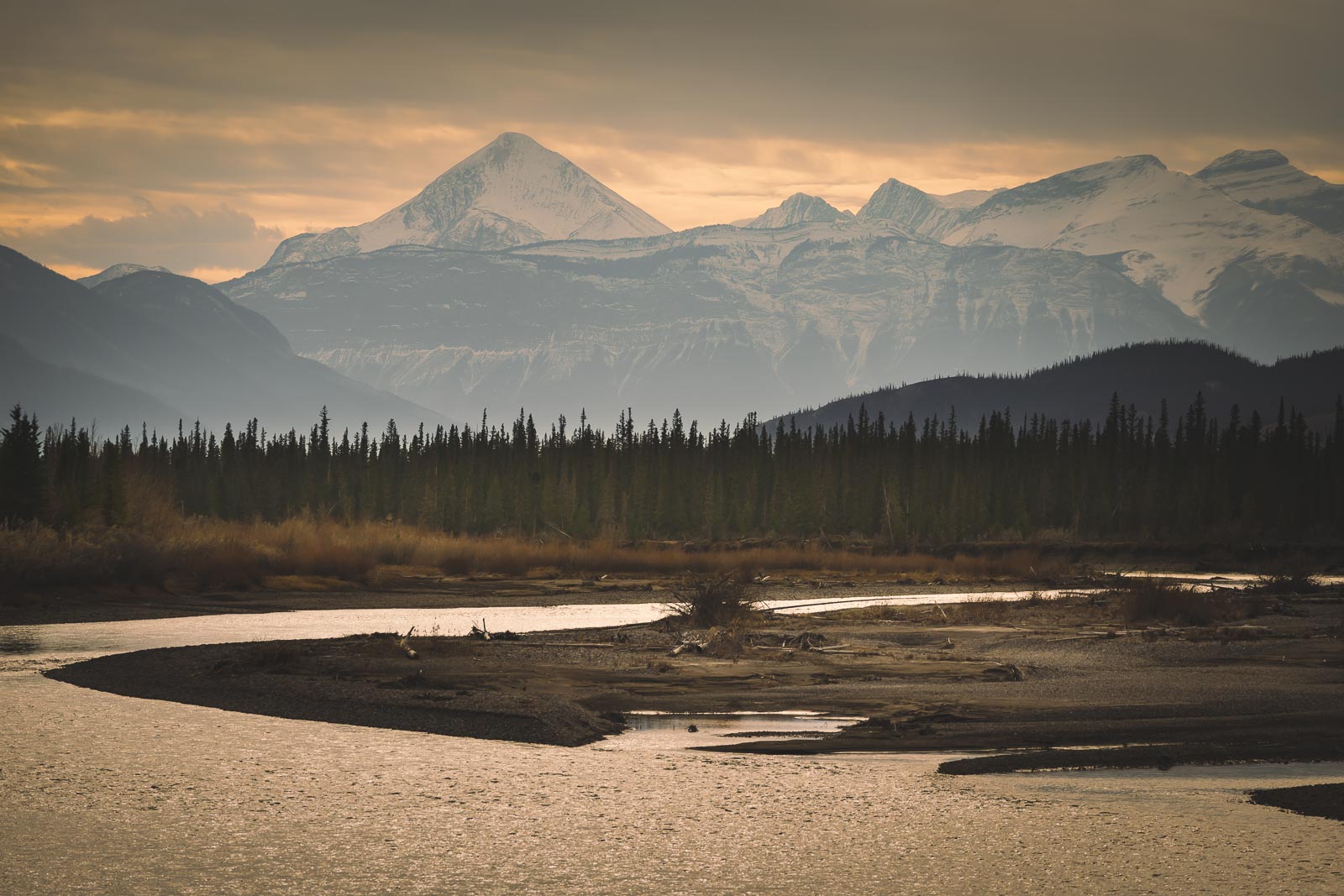
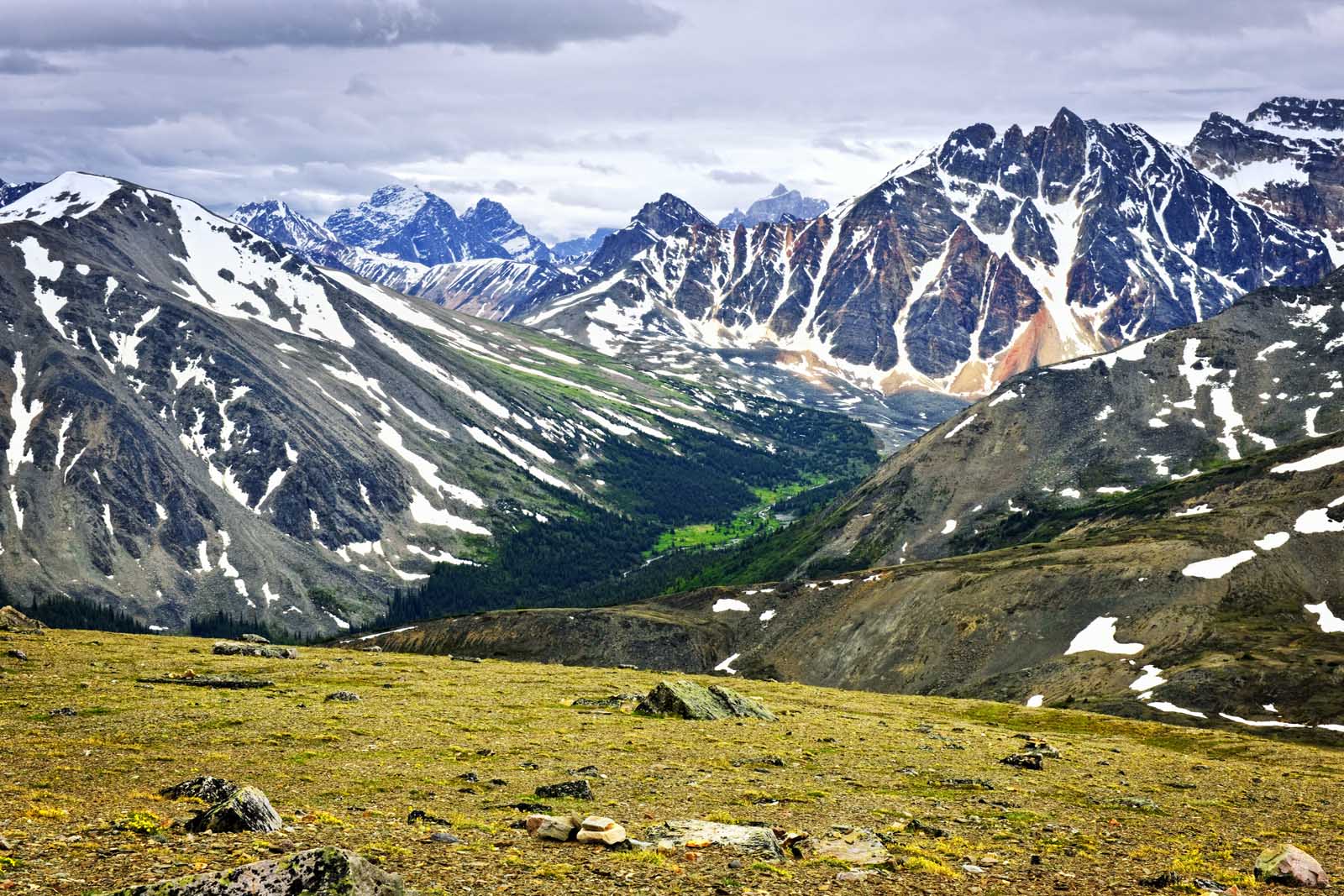
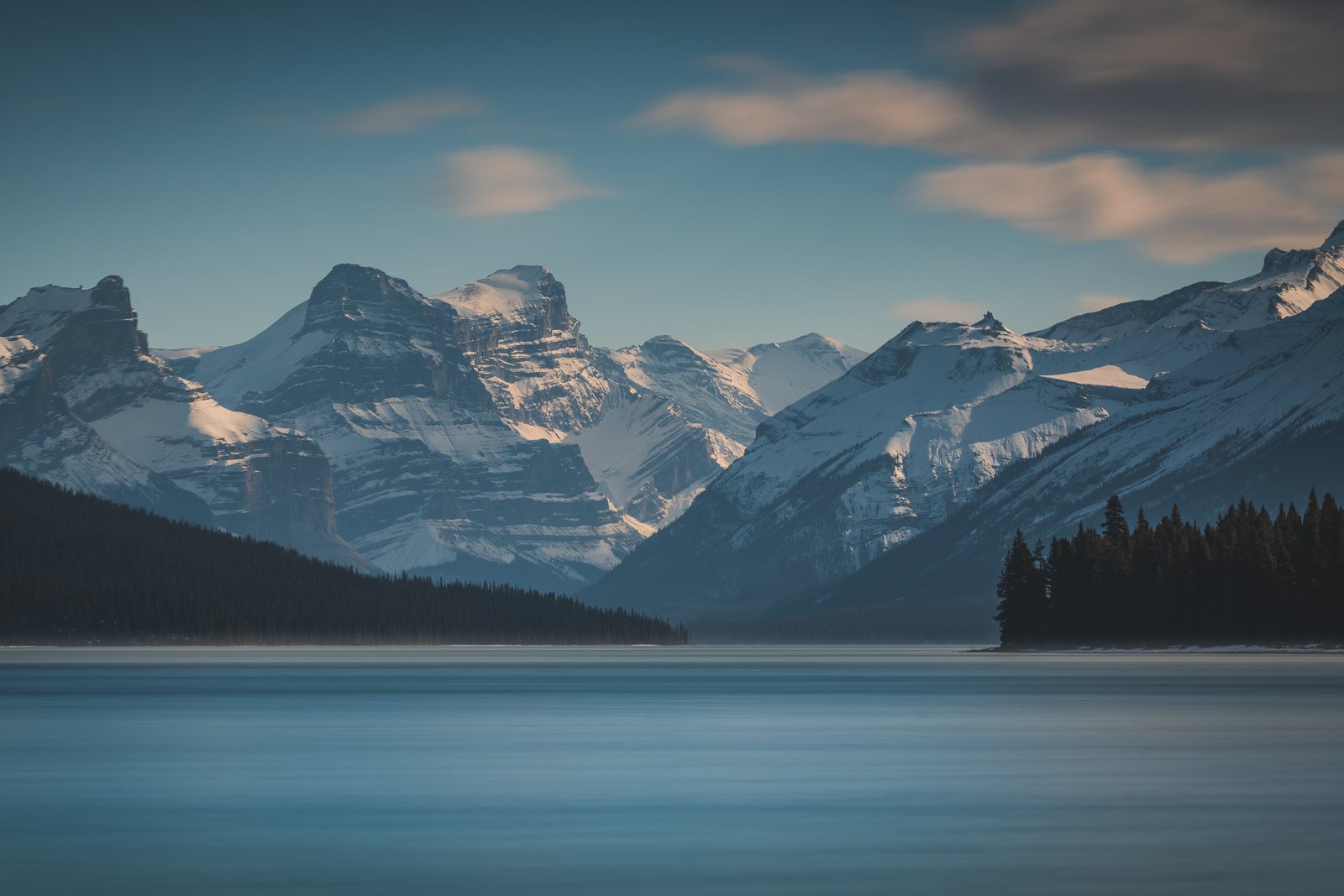
Jasper National Park is the largest national park in the Canadian Rockies, stretching across more than 11,000 square kilometres of glaciers, alpine meadows, deep river canyons, and mirrorlike lakes. It is the kind of place that changes with the light: morning brings pale blue haze over the peaks, midday sharpens every ridge and scree slope, and evening often settles the valleys into a soft gold that makes even a short walk feel memorable. For hikers, it is one of the most rewarding regions in North America because the scenery is both dramatic and remarkably accessible. You can stand beside a thundering waterfall, wander around a cluster of glacier-fed lakes, or climb high into the mountains and still be back in town in time for dinner.
What makes Jasper especially appealing is the balance between wilderness and convenience. You do not need to disappear into remote backcountry to experience the best of the park. Some of its finest trails sit only a few minutes from the townsite, and even the more ambitious hikes are linked by straightforward road access. That means you can build a trip around your pace rather than forcing your pace around logistics. It also means you can mix easy scenic walks with bigger summit days, which is exactly how many travelers get the fullest experience of Jasper.
After several visits, one thing becomes clear: Jasper has a rougher, less polished feel than some of the better-known parks in the region, and that is a large part of its appeal. Banff may draw more first-time attention, but Jasper rewards repeat visits. The mountains feel broader, the wildlife more present, and the atmosphere less hurried. If you want a destination that feels wild without being inaccessible, this is one of the best hiking regions in Canada.
Planning Your Jasper Hiking Trip
Before choosing trails, it helps to understand the practical side of hiking in Jasper National Park. The park is easy to enjoy, but it is still true mountain terrain, which means weather can change quickly, distances are longer than they first appear on a map, and many trailheads are best reached by car. Build a little flexibility into your itinerary so you can adapt to changing conditions, trail closures, or simply the kind of day you feel like having.
To enter Jasper National Park, you need a valid park pass. Passes are available online and at park entry points, and they are worth sorting out early so you can head straight into the scenery when you arrive. If you are staying multiple days or planning to visit other national parks in the Canadian Rockies, an annual Discovery Pass often offers the best value. Prices can change, so it is always smart to check the official Parks Canada site before you travel.
Getting around is simplest with your own vehicle. Jasper is roughly four hours from Edmonton and about the same from Banff via the Icefields Parkway, one of the most scenic drives in the world. That highway is not just a transfer route; it is part of the trip. Glaciers, turquoise water, and broad valleys unfold almost continuously along the drive, so leave extra time if you can. Even when the main goal is hiking, the road between trailheads becomes its own kind of sightseeing.
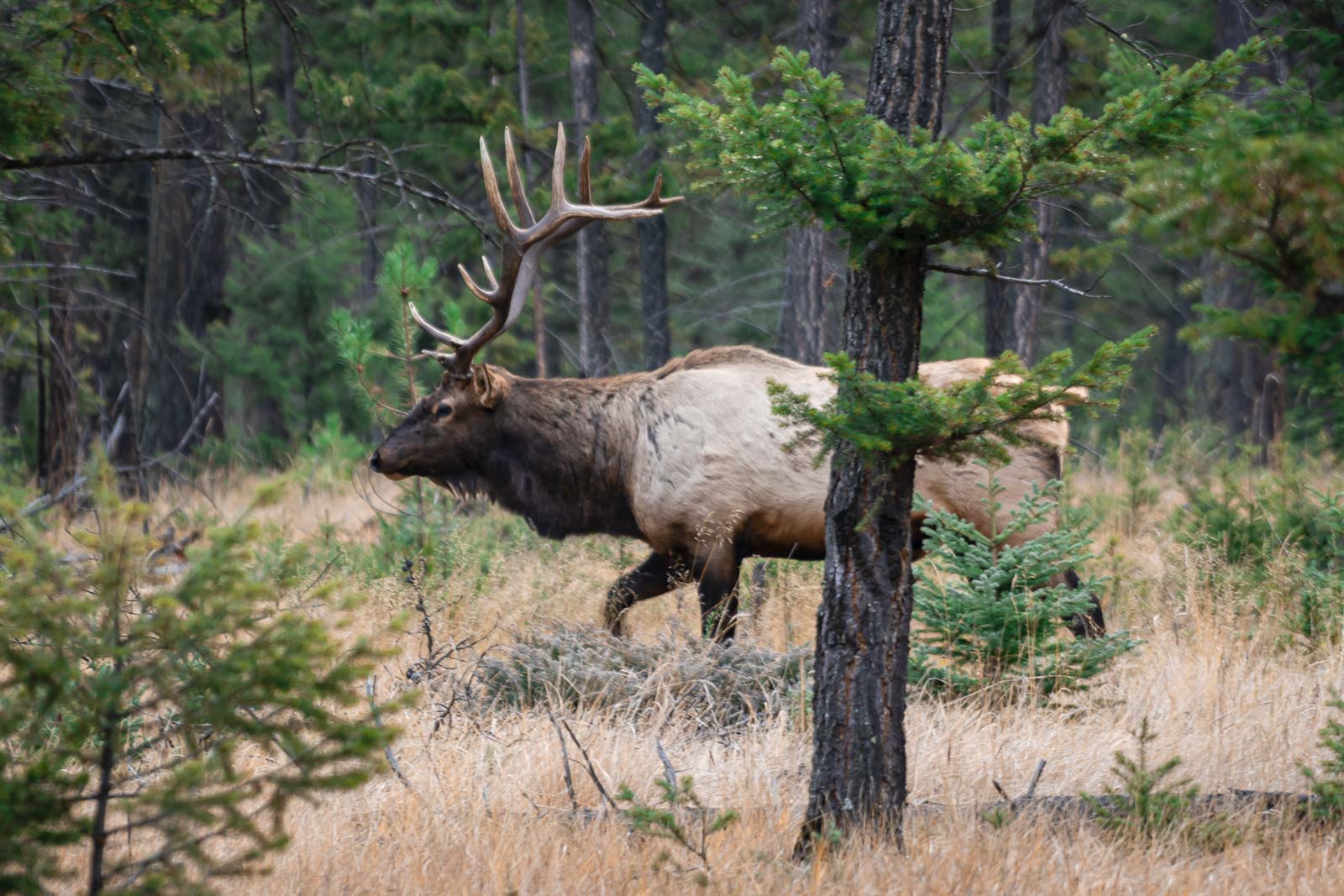
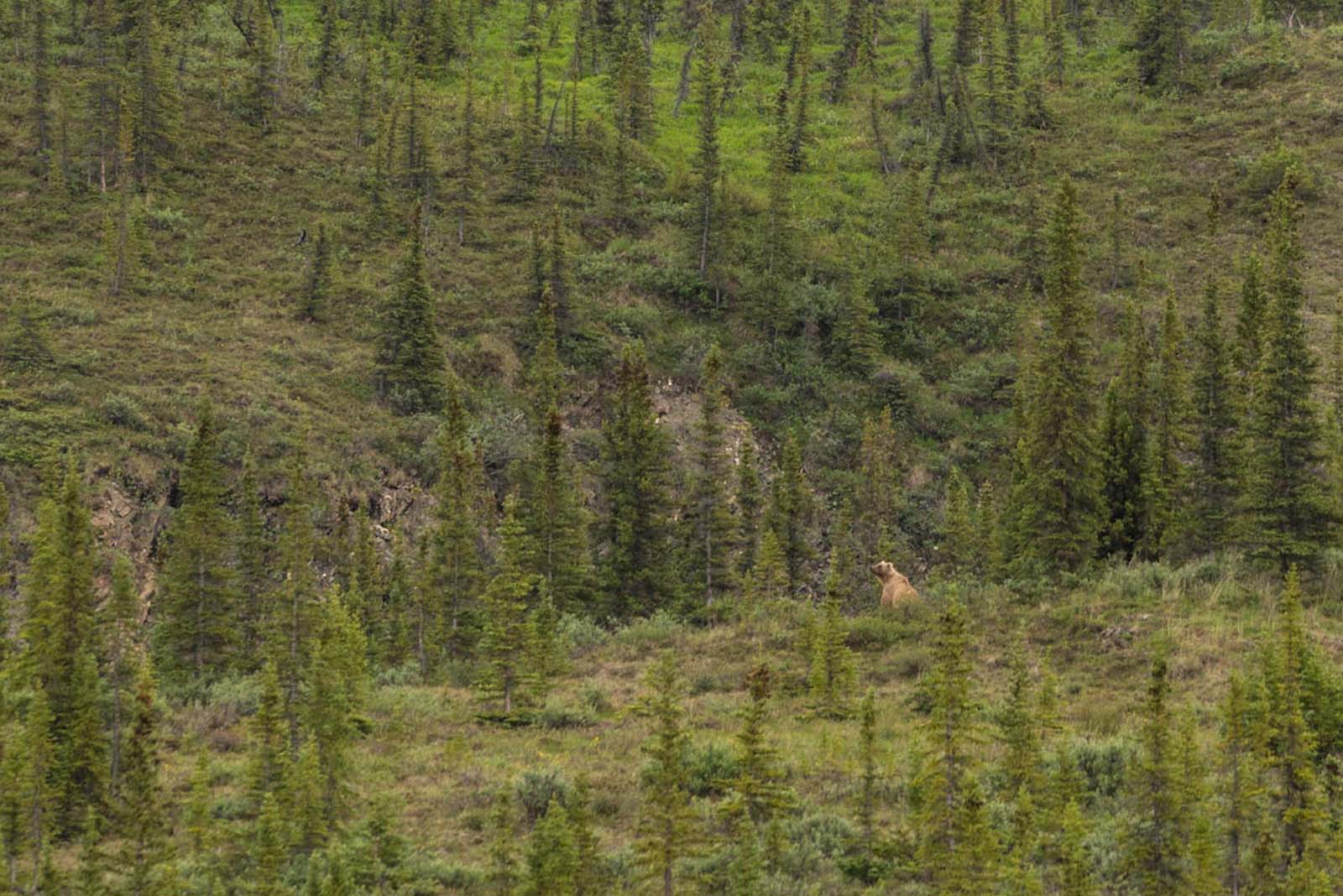
Because wildlife is active throughout the park, bear awareness is not optional. Both grizzly and black bears live here, and many of the best trails run through habitat they use regularly. Carry bear spray where it can be reached quickly, know how to use it before you hit the trail, and make noise in areas with limited visibility. In practical terms, that means staying alert at corners, around dense brush, and near streams or berry patches. Packing layers is equally important. A sunny parking lot in the morning can become a cold ridge by afternoon, so bring a waterproof shell, a warm mid-layer, and something for wind exposure at higher elevations. Water and food matter too, especially on longer hikes where there are no services once you leave town.
Where you stay also shapes the experience. Jasper townsite is the most convenient base if you want restaurants, shops, and quick access to nearby trailheads. For a more elevated stay, lakefront lodges and cabins offer a quieter rhythm and a stronger sense of place. Campers will find a range of front-country and backcountry options, but reservations are essential in peak season. Jasper is a park where good planning saves time later, leaving more room for the part that matters most: being outside.
## Easy and Accessible Jasper Hikes
The park has no shortage of serious alpine objectives, but some of the most memorable outings are the shorter ones. These hikes work well for families, first-time visitors, and anyone who wants to see a lot without committing to a full day on the trail. They are also excellent for acclimating to the altitude, testing your gear, or easing into a bigger itinerary later in the week.
Maligne Canyon
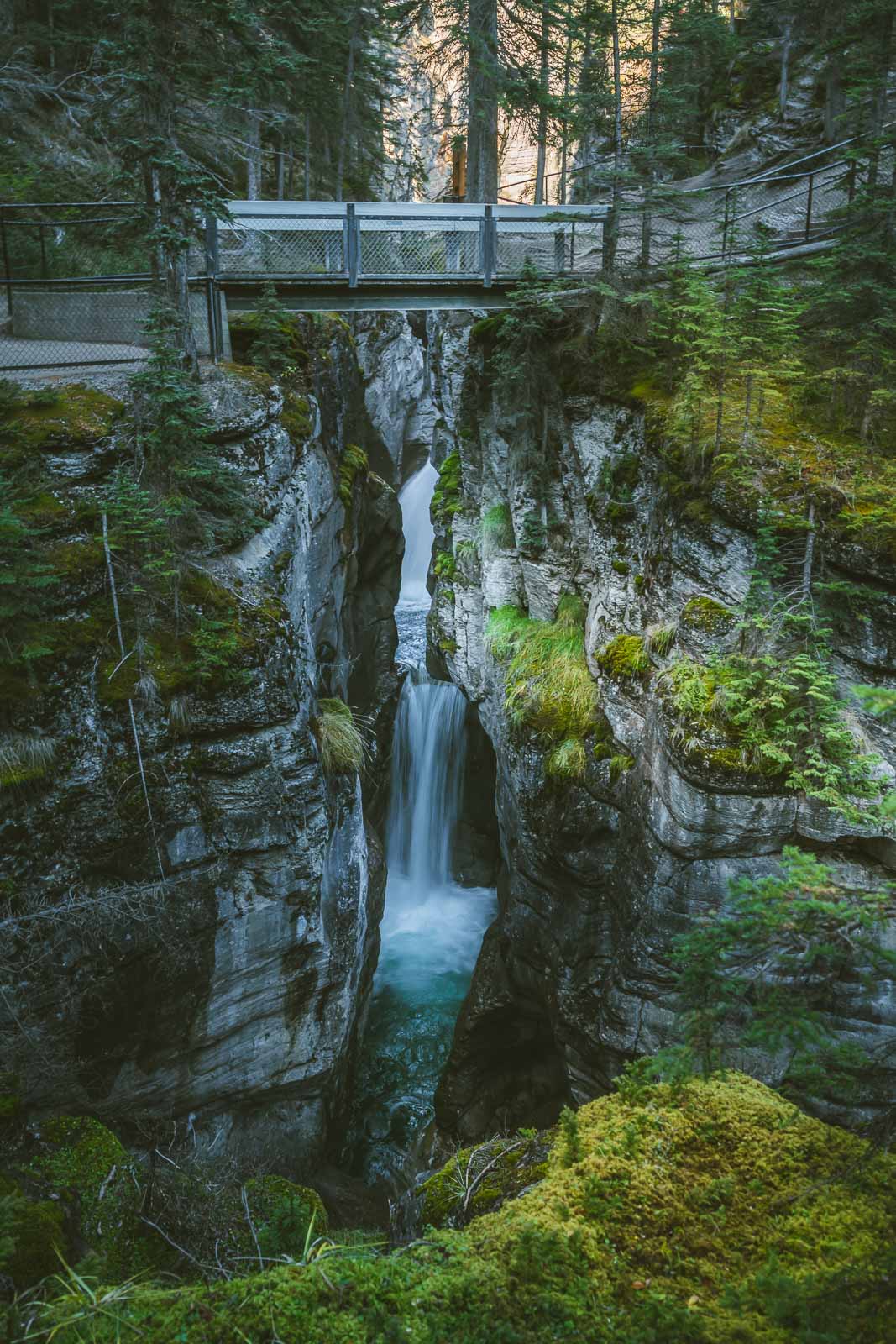
Maligne Canyon is one of Jasper’s most distinctive walks and a must for nearly any itinerary. The trail is only a short drive from town, yet it feels like an entirely different landscape once you step onto the bridges and look down into the narrow gorge. The Maligne River has carved deeply into the limestone over thousands of years, creating a dramatic canyon that narrows, twists, and drops in a way that feels almost improbably steep. Waterfalls thread through the rock, and in places the canyon walls rise so sharply that sunlight barely reaches the bottom.
This is one of the best trails for travelers who want immediate scenery without a demanding climb. It is easy to linger on the bridges, photograph the rushing water, and move slowly from viewpoint to viewpoint. In summer, the trail offers cool shade and a steady sense of movement; in winter, the canyon becomes an entirely different experience, with frozen walls, sculpted ice, and a more intimate, almost otherworldly atmosphere. If you visit in colder months, a guided ice walk can turn the canyon into one of the most unusual adventures in the Rockies.
Valley of the Five Lakes
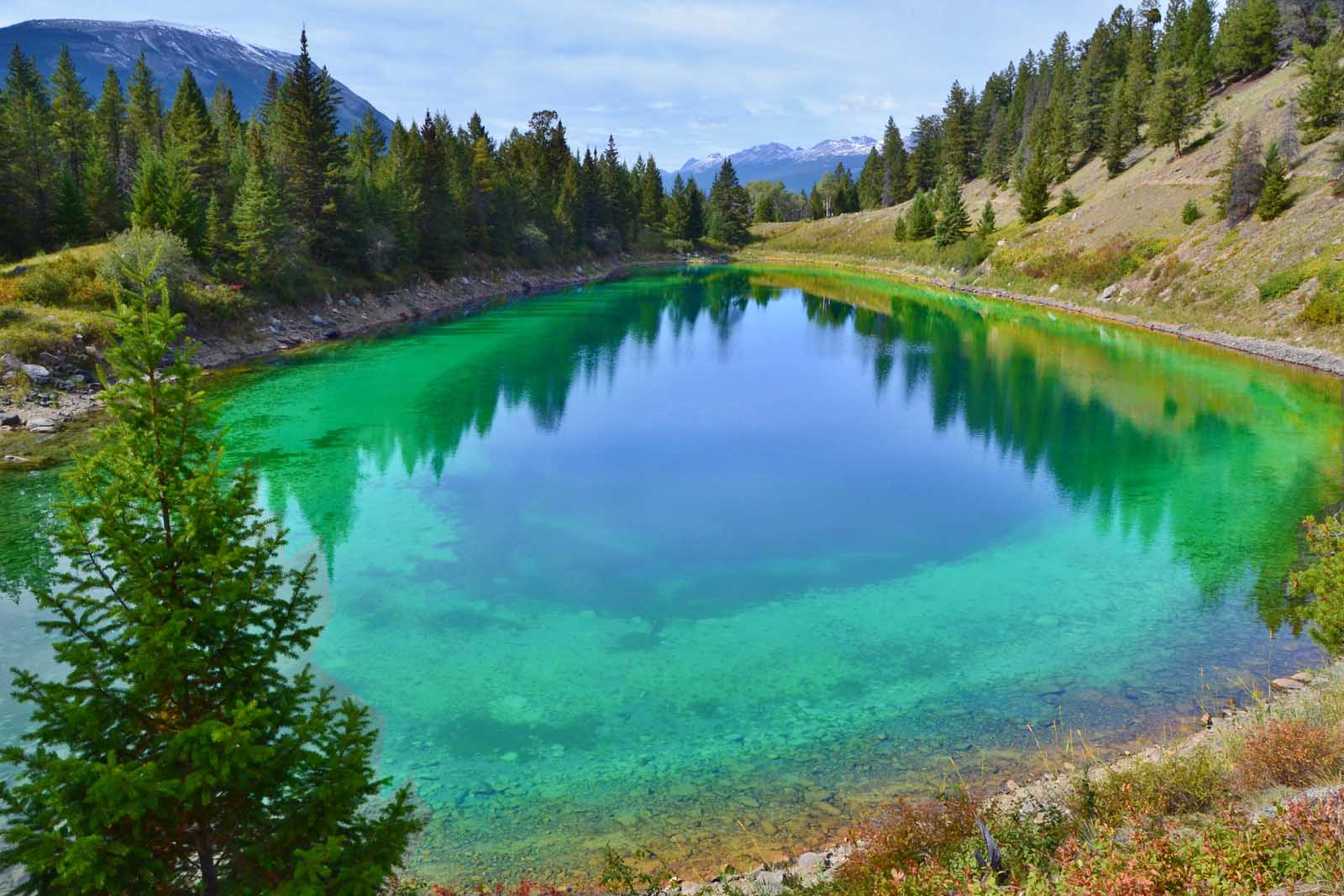
Valley of the Five Lakes is one of those hikes that looks straightforward on paper but feels richer the longer you spend on it. The trail begins in forest and gradually opens onto a series of lakes that each carry a slightly different shade of green or blue depending on the light, the weather, and the season. The color comes from glacier-fed silt in the water, which gives the lakes their vivid, almost painted appearance. Even on a busy day, there is a calmness here that makes the loop feel restorative rather than rushed.
Families tend to love this trail because it offers a satisfying walk without too much strain, and photographers appreciate how quickly the scenery shifts as you move from one lake to the next. If the weather is warm, the third lake is often the most vivid and the most photographed. In early summer, the forest is lush and the ground feels damp and fresh; by late summer, the water reflections sharpen and the viewpoints become especially clear. It is a trail that rewards a slower pace.
Athabasca Falls
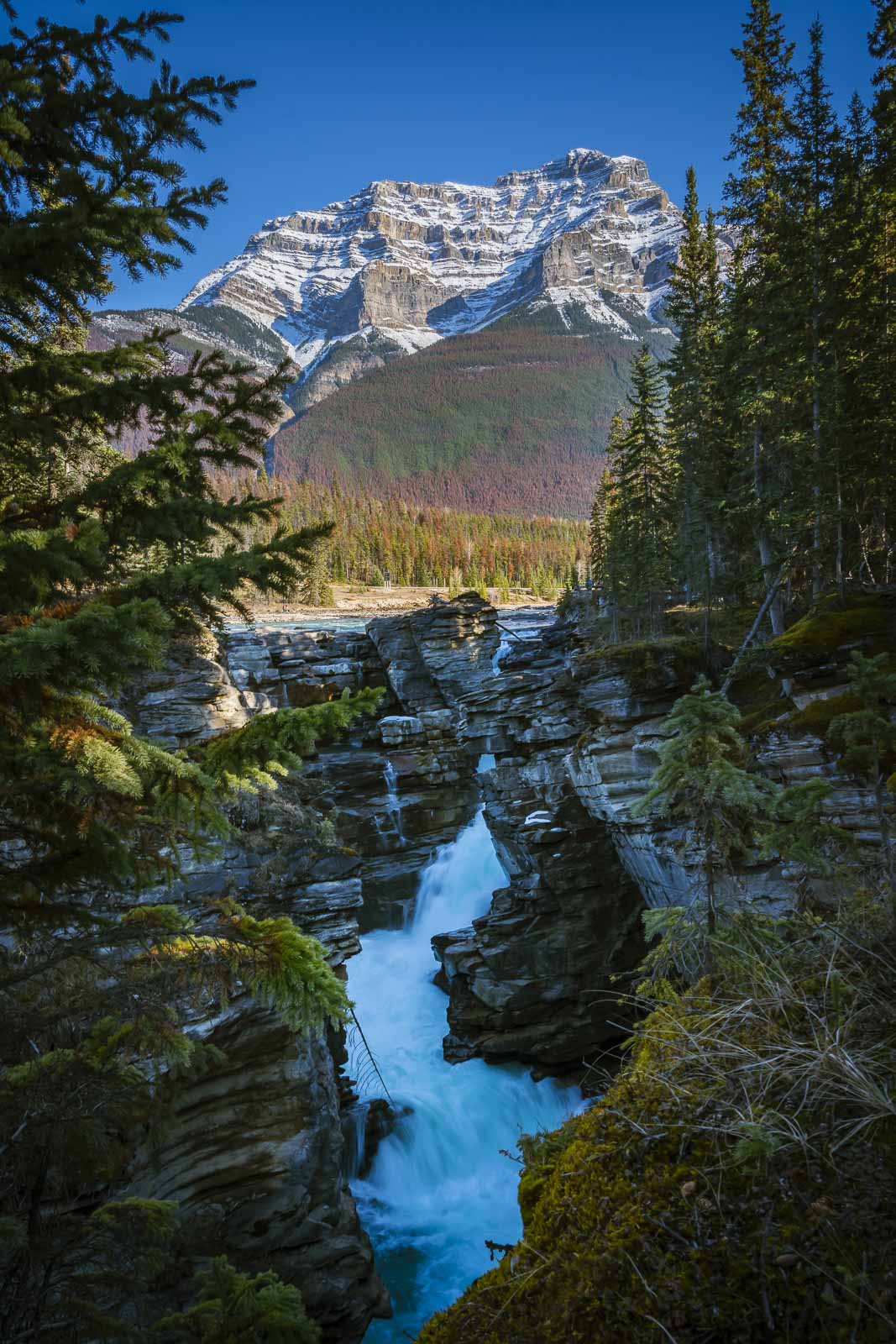
Athabasca Falls is not a long hike, but it is one of the most powerful stops in the park. The river surges through a narrow canyon, and the volume of water gives the whole area an energetic, almost thunderous character. Paved paths and viewing platforms make it easy to explore, which means the falls are accessible to nearly everyone and are especially useful on a day when you want a short, high-impact stop along the Icefields Parkway.
What makes Athabasca Falls memorable is not just the height of the water but its force. The river has cut deep into the rock, creating a setting where the sound changes as you move from one platform to another. The upper viewpoints give you a broad sense of the falls, but the lower platform is where the power really becomes tangible. Mist rises into the air, and the rush of water echoes off the canyon walls in a way that stays with you long after you leave.
Toe of the Athabasca Glacier
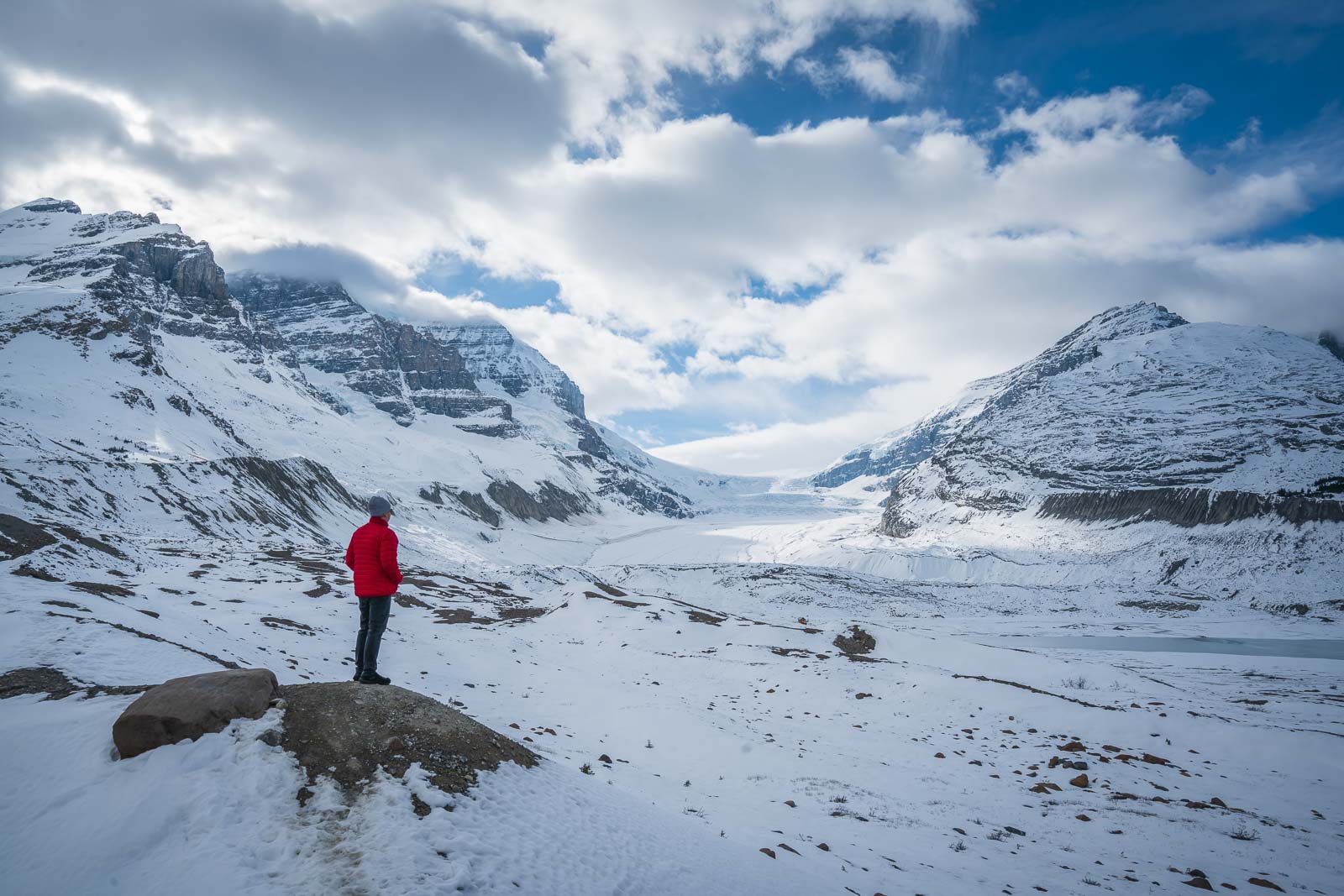
The walk to the toe of the Athabasca Glacier offers a sobering and beautiful contrast between immediate scenic reward and the evidence of change over time. The trail follows the rocky moraine left behind by the retreating glacier, and interpretive signs mark where the ice once reached in different years. It is an easy route, but one with a deeper emotional weight than many travelers expect. Standing in front of the glacier, you get a real sense of scale and fragility at the same time.
This is an excellent stop for anyone interested in the geology and climate story of the Rockies. The view of the glacier itself is striking, but the surrounding rock also tells a story of retreat and transformation. Stay behind the ropes and on marked paths, since the terrain near the glacier is unstable and crevasses can be hidden. That caution does not diminish the experience; if anything, it makes the landscape feel more real.
Jasper Discovery Trail
The Jasper Discovery Trail is ideal for a first or last day in the park because it gives you an immediate sense of the town and the surrounding mountain setting. It circles the edge of Jasper, weaving through sections that offer open views of the river valleys and the peaks that frame the townsite. It is not the kind of hike that demands concentration every step of the way, which is exactly why it works so well as a gentle introduction to the area.
This trail is also practical. It helps you orient yourself, shake off a long drive, and settle into the rhythm of the park. If you are still figuring out where to eat, where to rent gear, or which trail to tackle next, the walk doubles as a scouting route. For many visitors, it becomes part of the arrival experience rather than just another trail on the list.
Wapiti Trail
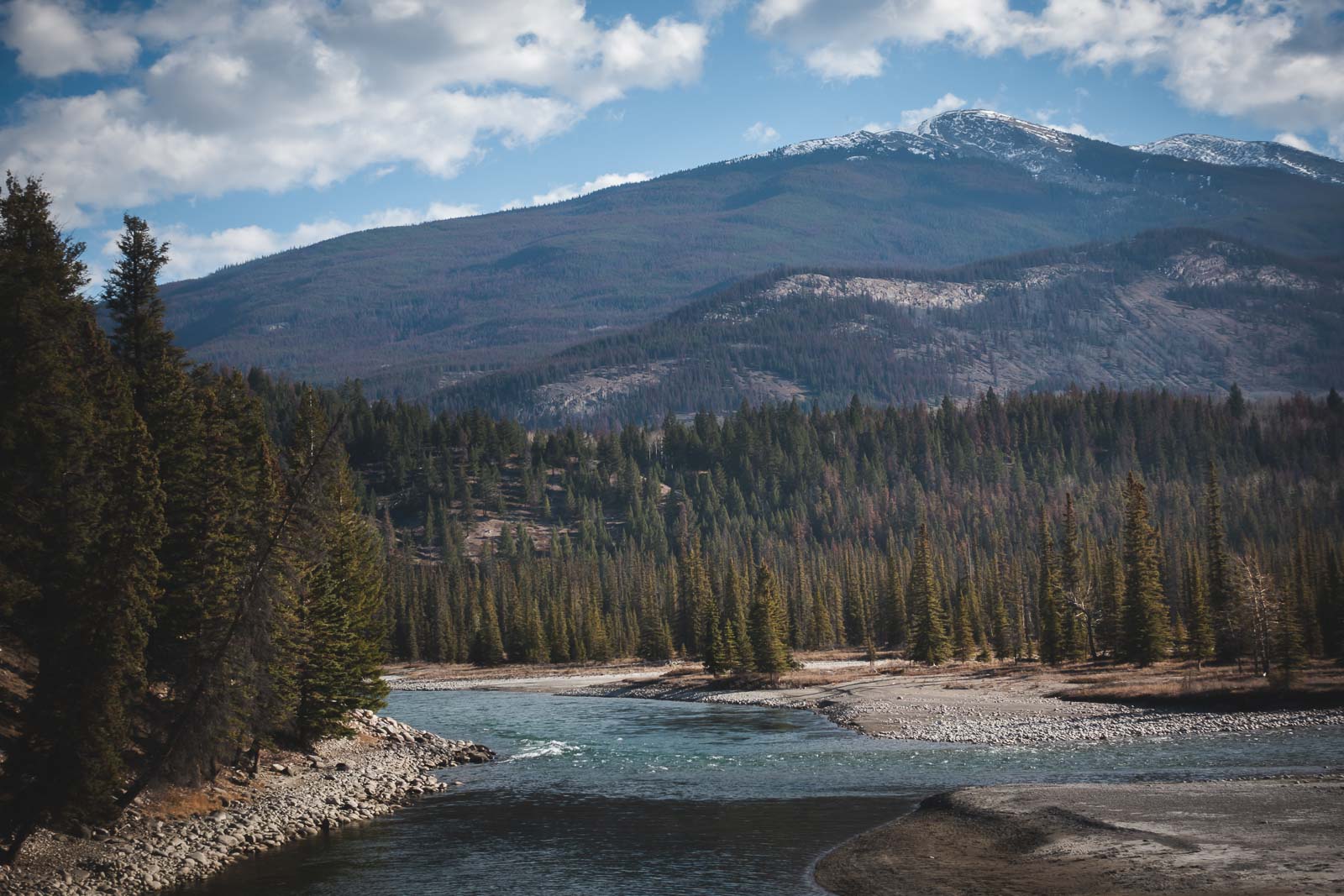
Wapiti Trail is a quieter, more relaxed option that follows the Athabasca River in a pleasant, mostly gentle line. The route is especially appealing if you want open scenery without a major climb, and it works well for travelers who prefer their hikes to feel more like an extended riverside walk. Because it begins near the campground and heads toward town, it can also be used as a practical walking corridor if you want to stretch your legs before dinner.
What stands out here is the sense of space. The river, the trees, and the mountain backdrop create a steady, calming atmosphere. It may not deliver the same dramatic wow factor as a summit trail, but it gives you the quieter side of Jasper, which many visitors come to appreciate deeply after a few days in the park.
Wabasso Lake Trail
Wabasso Lake Trail is a peaceful forest hike that feels tucked away from the main flow of visitors. The route moves through a mix of trees and damp terrain before ending at the lake, where reflections and birdlife often make the final stretch feel especially rewarding. It is one of the more subdued easy hikes in the park, and that is part of the appeal. If you want a route where you can hear the forest more than other hikers, this is a strong choice.
The trail can be muddy after rain, so footwear matters more than the mileage might suggest. It is a particularly good option for birdwatching and for travelers who want a quieter landscape after spending time at the busier marquee stops. The lake itself may not be as famous as some of Jasper’s headline destinations, but it offers a calm, reflective finish that makes the walk worthwhile.
Moderate Hikes in Jasper
Once you are ready for more elevation, Jasper begins to reveal its high-country character in a fuller way. These hikes demand more time and effort, but they deliver wide views, alpine flowers, and a stronger sense of being above the everyday landscape. They are the kind of trails that make you work a little for the view, which often makes the view feel even more earned.
Edith Cavell Meadows
Edith Cavell Meadows is one of the finest all-around hikes in Jasper because it combines glacier views, open meadows, and a steady feeling of progression from lower elevations into the alpine. The approach to the trailhead already sets the mood, with a winding road that feels remote and slightly adventurous. Once on the trail, the landscape opens gradually, and the mountain drama builds with every turn.
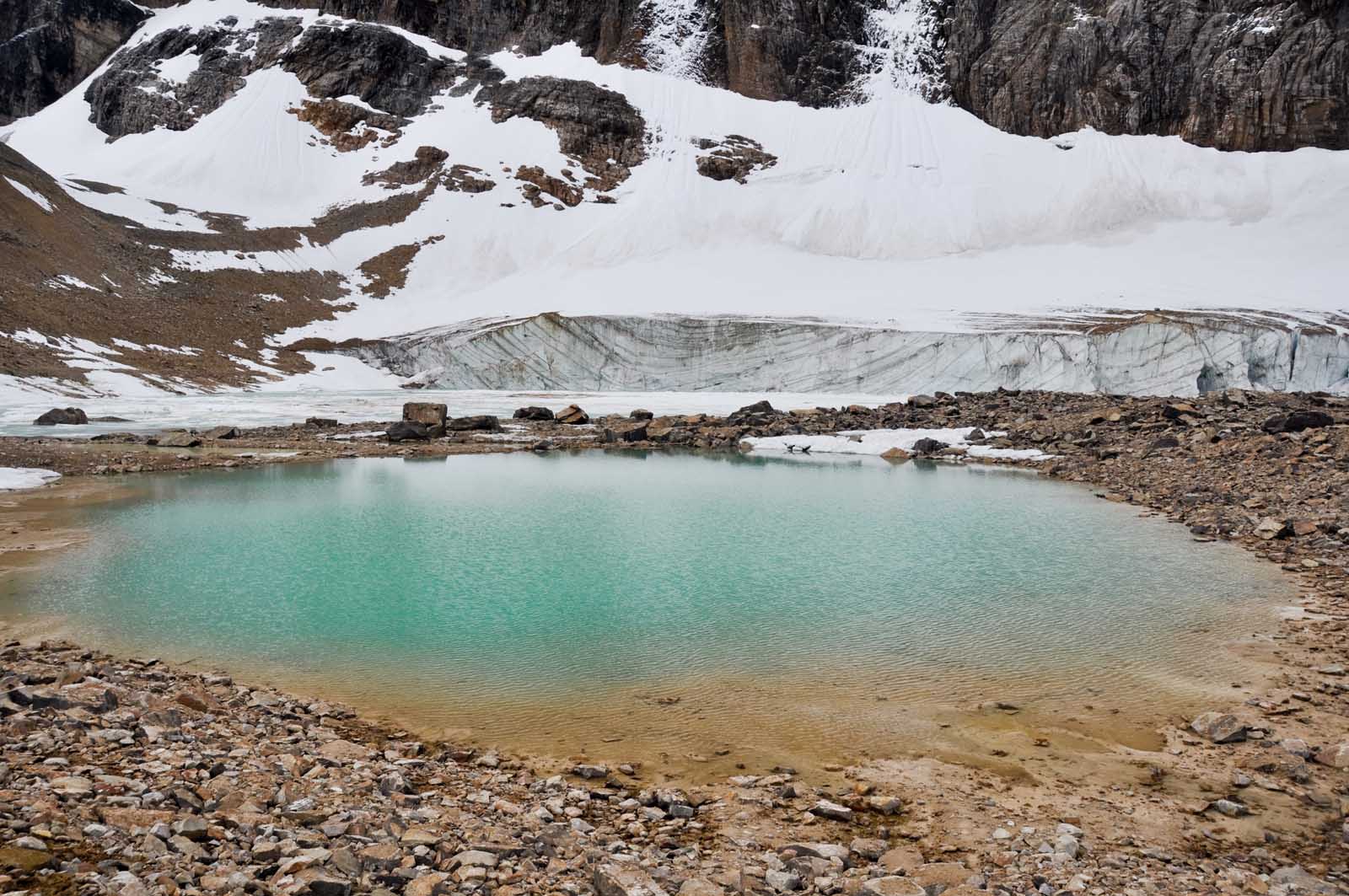
The lower section near Angel Glacier and Cavell Pond is stunning enough on its own, but the real highlight comes higher up, where the meadows fill with wildflowers in mid-summer and the glacier frames the scene behind them. It is one of the most photogenic combinations in the park: bright alpine color in the foreground, ice and rock in the distance, and wide mountain air all around. For many hikers, it ends up being one of the most memorable half-day outings in Jasper.
Sulphur Skyline Trail
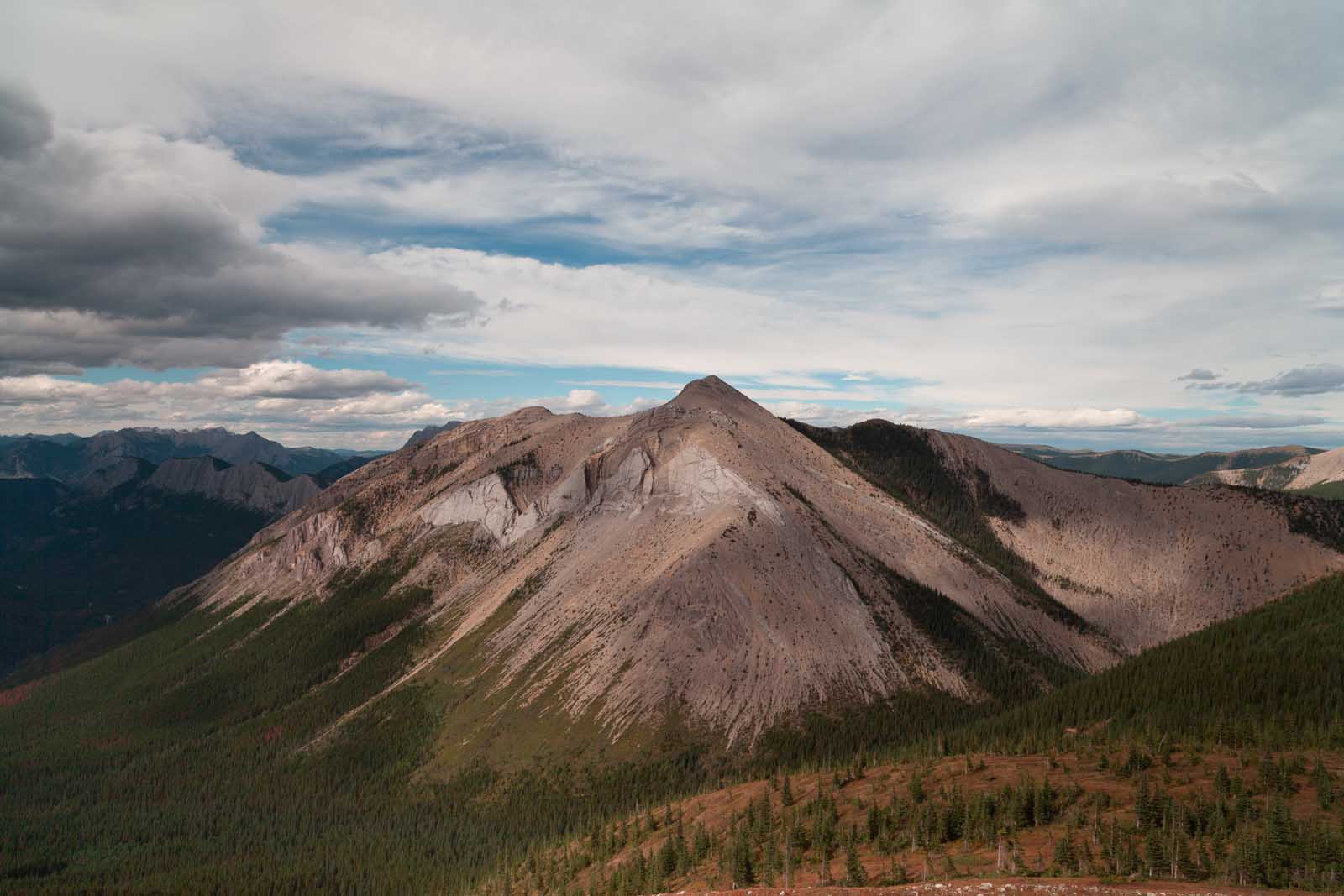
Sulphur Skyline is famous for one simple reason: it earns its views. The ascent is steady and demanding, and there is very little room to pretend otherwise. But once you break above the treeline, the whole park seems to open in front of you. The ridge delivers broad, panoramic views across the surrounding mountains and valleys, and on a clear day, the scale is unforgettable.
What makes this trail especially satisfying is the combination of hard work and immediate reward. The summit feels like a real accomplishment, but the payoff is not just visual. Because the trail begins near Miette Hot Springs, you can finish the hike with a soak that turns the whole day into a kind of mountain ritual. Few hiking days in Jasper end as well as this one.
Pyramid Lake Loop
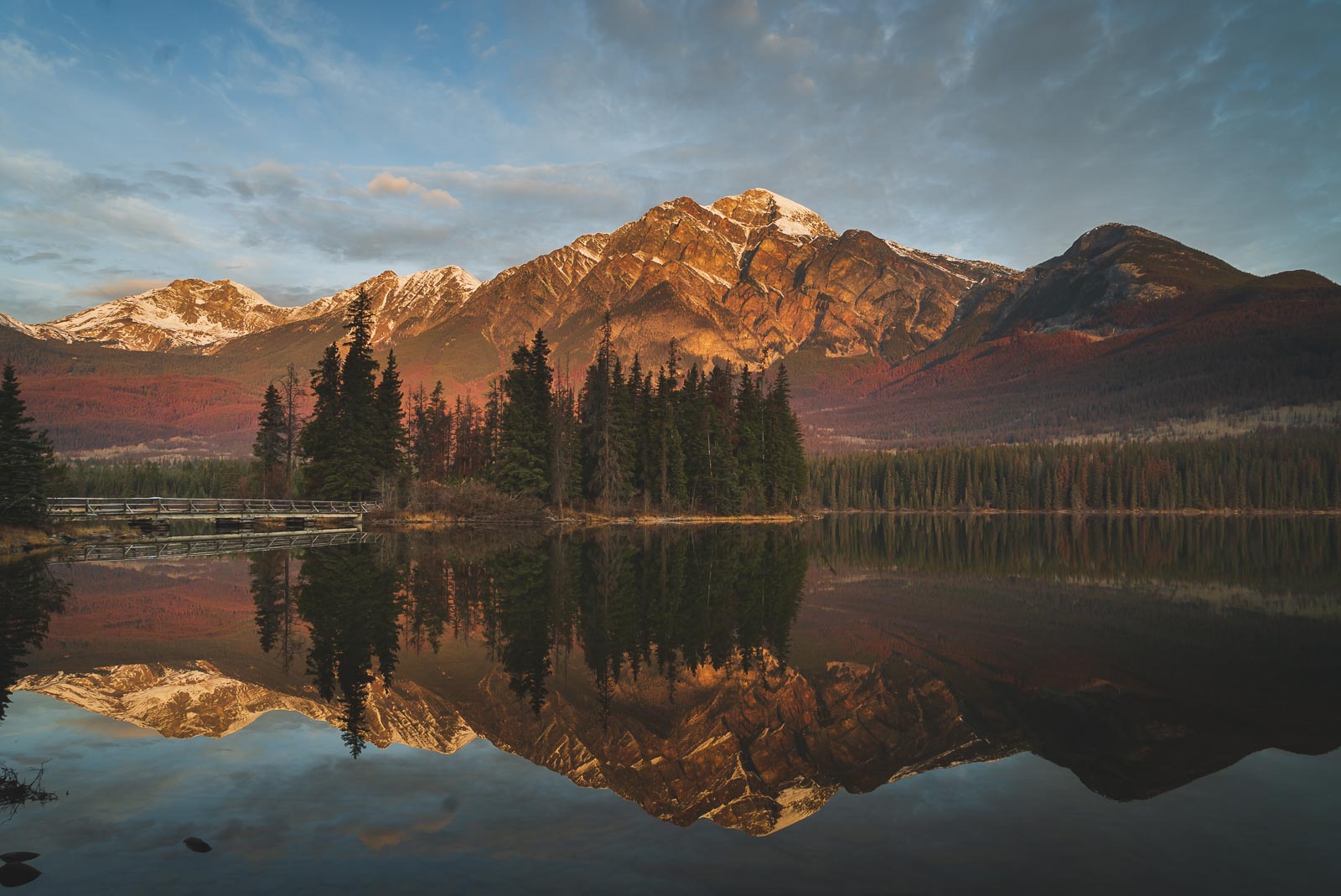
The Pyramid Lake Loop offers a gentler way to enjoy one of Jasper’s most recognizable mountain backdrops. The area sits just minutes from town, but the setting feels far enough removed to make it feel like a proper escape. The trail climbs modestly through forest and opens to viewpoints of Pyramid Mountain and the lake below, which gives you a satisfying mix of woodland hiking and open-water scenery.
This is a good trail when you want something flexible and low-pressure. It works well in the afternoon, especially if you pair it with a walk on Pyramid Island, where the mountain reflection is one of the classic images of the park. The area is also friendly for a casual visit, so even if you do not complete the full loop, you still get a strong sense of place.
Difficult Hikes for Stronger Legs and Bigger Views
Jasper’s more challenging hikes are not just longer; they are often steeper, more exposed, and more physically demanding in a way that brings the landscape closer. These routes are best approached with proper footwear, enough water, and a realistic sense of pace. The effort is worthwhile because the payoff is often a quieter trail and a broader view than most casual visitors ever see.
Bald Hills
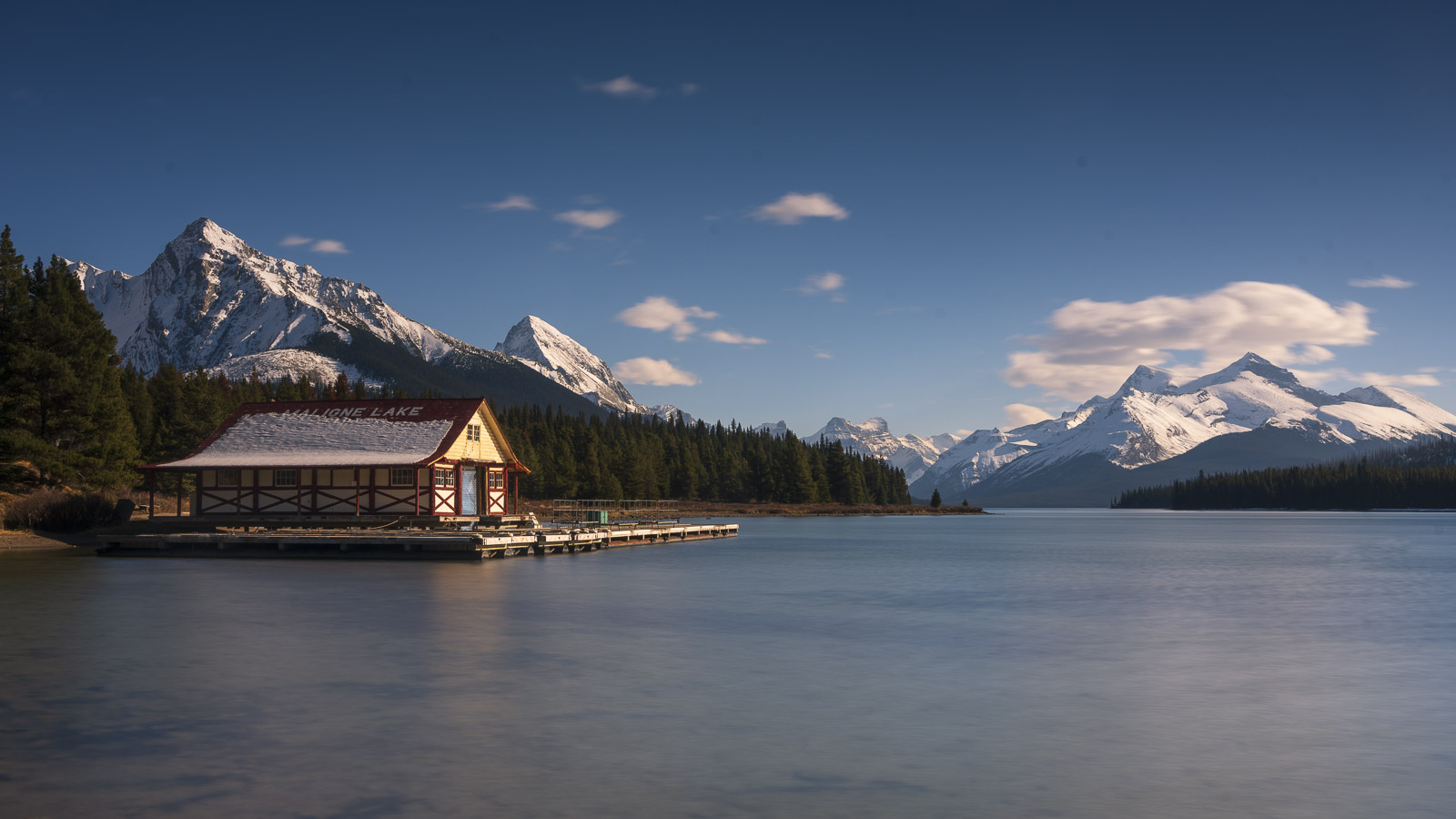
Bald Hills is a classic Jasper summit hike, and for good reason. The climb is long enough to feel serious, but it is also straightforward in the way it builds toward the reward. As the trees thin and the views of Maligne Lake widen, the whole experience begins to feel increasingly alpine. By the time you reach the summit ridge, the panorama stretches across a landscape that feels immense and fully open.
This is one of those hikes where the final push matters. Many hikers stop at the main viewpoint, but continuing to the true summit delivers a quieter and more expansive perspective. If you are comfortable with a little extra effort, the last section gives you a stronger sense of isolation and scale. On a clear day, the view from the top is among the finest in the park.
Opal Hills Loop
Opal Hills Loop may not be as long as some of Jasper’s marquee difficult hikes, but it makes up for that in steepness and effort. The ascent is direct and sustained, which means the trail asks for attention from the very beginning. The reward comes when you reach the alpine meadow, especially in summer when wildflowers brighten the hillside and the mountain setting feels vivid and alive.
One of the pleasures of Opal Hills is that it tends to feel a little less crowded than nearby Bald Hills, even though it offers a similarly satisfying high-country experience. The trail is a strong choice for hikers who want a shorter but sharper challenge, and the descent is where trekking poles prove especially useful. In summer, marmots and pikas are often part of the scenery, adding a bit of wildlife charm to the harder climb.
Whistlers Mountain Summit
Whistlers Mountain offers a different kind of challenge because the hike begins high, near the upper station of the Jasper SkyTram, but still requires a serious climb to reach the true summit. The setting is immediately dramatic. The air feels thinner, the rocks more exposed, and the terrain more alpine from the start. Even though the tram does much of the vertical work, the final hike remains a real mountain outing.
The summit view is one of the best in the park. From the top, you can see the town of Jasper below, the Athabasca Valley spreading outward, and a wide chain of peaks fading into the distance. Weather matters here. Wind, cold, and lingering snow can all appear even in summer, so this is not a hike to take lightly just because a tram carried you part of the way. The reward, though, is a feeling of standing high above the park in a way that very few places can match.
For many travelers, Jasper becomes memorable not because of a single famous sight, but because of how many different moods it can hold in one trip. One morning might begin with mist over a canyon, the afternoon with a glacier viewpoint, and the next day with a summit ridge above tree line. That variety is part of what makes the park feel so generous. You can come for a short stay and still leave with a deep sense that there is much more to return for, especially when the mountains are calling and the trailhead is only a few minutes away.
Which trail you choose first will depend on your energy, your weather window, and the kind of scenery you want most, but in Jasper, even the simplest walk can feel like a genuine encounter with the Rockies.