Returning to Ko Lipe After Nearly Two Decades
After 19 years, I finally went back to Ko Lipe, the Thai island I spent close to a month on in 2006. Back then, it was one of those rare, deeply off-the-beaten-path places that only a small number of determined travelers found their way to. Electricity was limited, beachfront bungalows were simple and cheap, and the rhythm of the island felt almost disconnected from the outside world. There was no pressure to rush, no long list of things to check off, and no sense that the island existed to perform for visitors. You came, settled in, and let the days unfold slowly.
That version of Ko Lipe made a lasting impression on me because it was the kind of place that travelers remember not for a single attraction, but for the way it makes time feel different. The island was small enough that routines formed naturally. You’d wake up, walk to the beach, swim, snorkel, read, eat, and repeat. The social life was equally simple. A handful of beach bars, a few restaurants, and a steady rotation of travelers gave the island a gentle, communal energy. It was easy to lose track of the calendar there. Days turned into weeks with almost no effort at all.
That kind of experience is hard to recreate anywhere, and perhaps especially hard to recreate once a destination becomes widely known. For years, I avoided going back because I didn’t want to risk overlaying a new version of the island onto a memory that was already complete in my mind. When a place has shaped your travel life in a meaningful way, revisiting it can feel more like a test than a trip. You wonder whether the magic will still be there, whether the scenery will still match the feeling, and whether the memory will survive contact with reality.
Still, there are moments when geography and timing make a return almost unavoidable. On a recent journey through Southeast Asia, Ko Lipe sat naturally on my route as I made my way down the Indian Ocean side of Thailand toward Malaysia. It also made practical sense for New Year’s Eve. I wanted a lively place where there would still be other travelers around, and Ko Lipe offered a direct boat connection to Langkawi, which was my next stop. So I went back, hoping at least for a pleasant reunion with a place that once meant so much to me.
What Ko Lipe Looks Like Now
The short version is that Ko Lipe has changed dramatically, and not in a way that feels balanced or sustainable. The island has followed the same overbuilt pattern that has transformed several of Thailand’s most popular coastal destinations. What was once a loosely developed island with dirt paths and basic beach infrastructure is now a place with concrete roads, heavy construction, and a constant sense that more development is always on the way. The scale of change is difficult to ignore because it touches almost every part of the island experience.
Much of the island is now paved over, and the old footpaths have given way to roads designed for cars, motorbikes, and construction vehicles. In place of many of the open, palm-shaded areas that once defined the island’s atmosphere, there are now higher-end resorts, swimming pools, and increasingly dense commercial developments. The building continues, which means the landscape still feels unfinished in the worst possible way: not rustic and charming, but actively being consumed by its own growth.
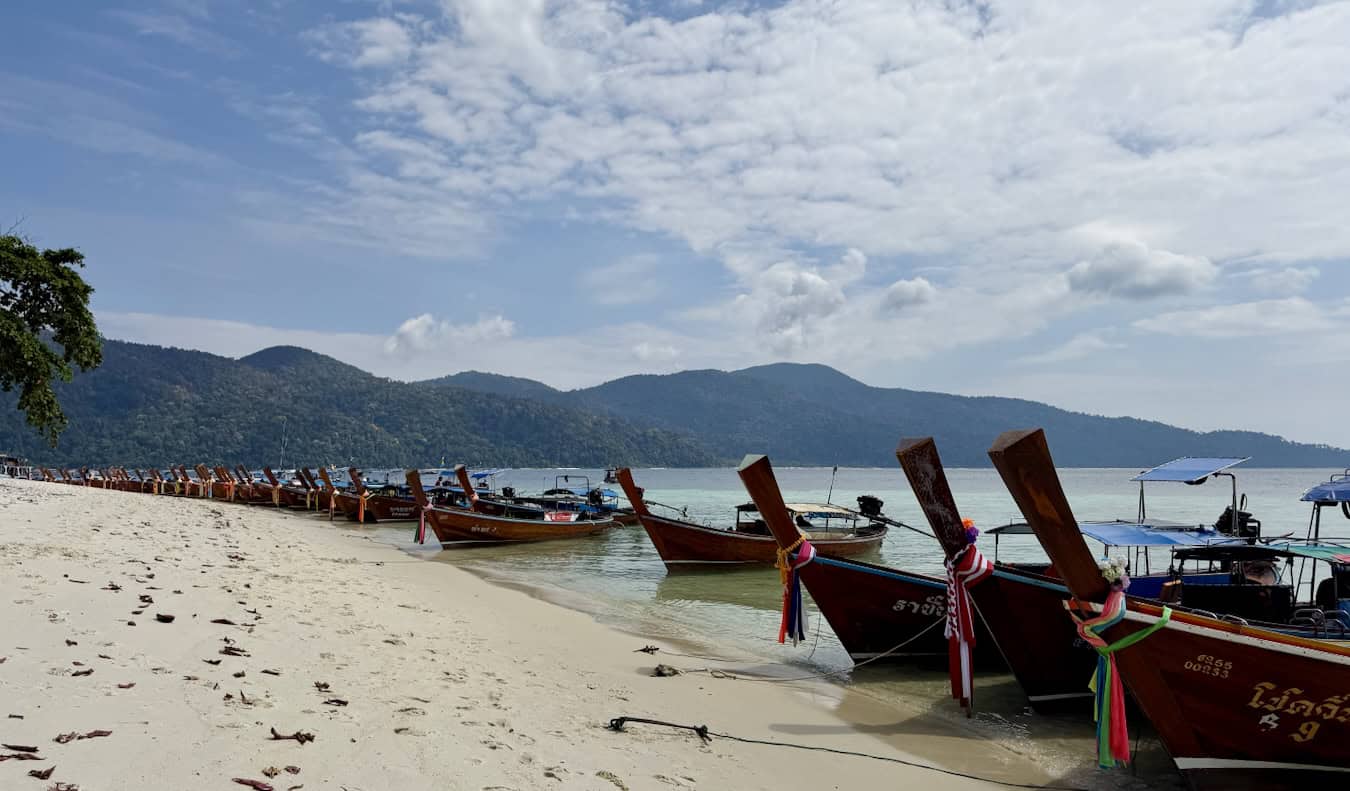
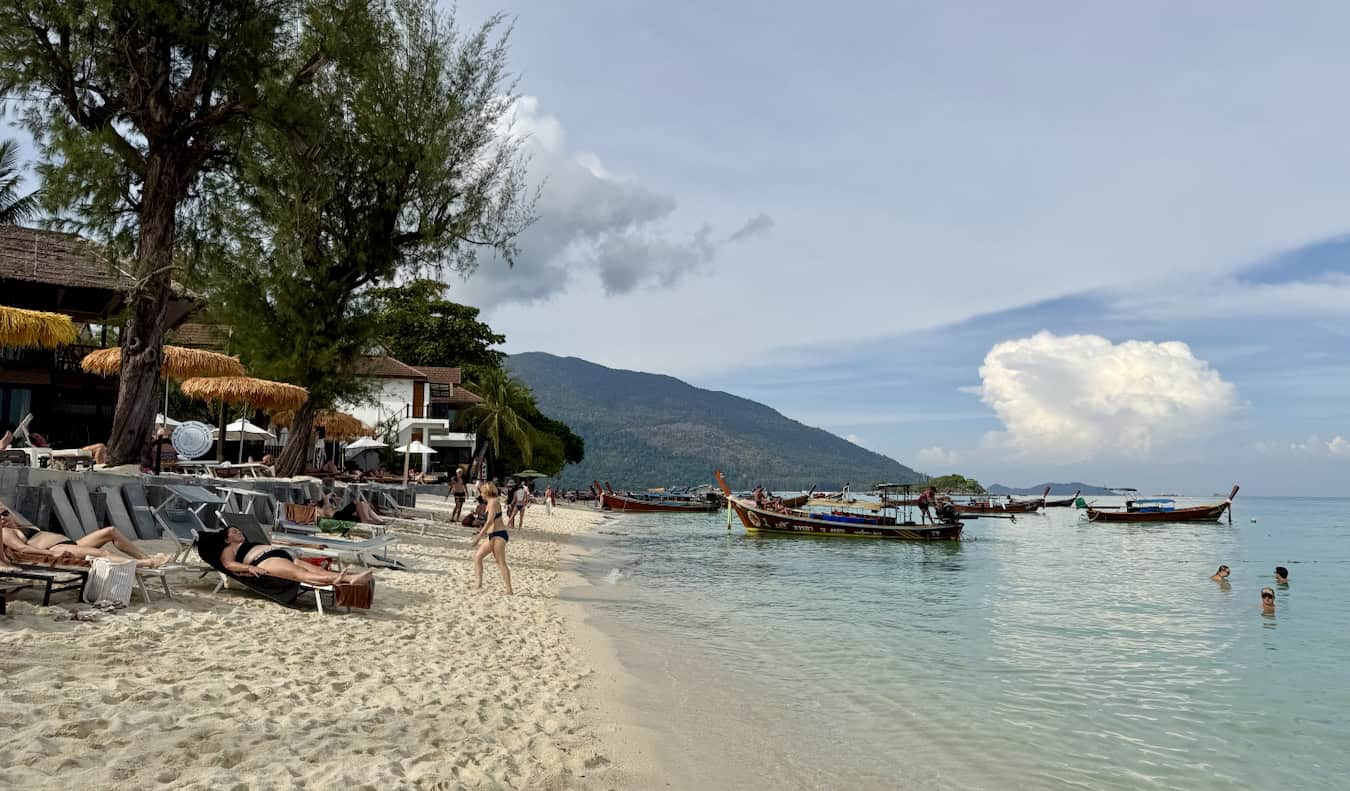
That growth also comes with environmental costs that are difficult to ignore once you notice them. The coral around the island has suffered from the combined pressure of boats, anchors, pollution, and overfishing. Beaches that once felt serene are now busy with boat traffic, and the water surface often carries the signs of that activity. Restaurants increasingly cater to a tourist market looking for familiar international dishes rather than local Thai food, which is another subtle but telling sign of how a destination shifts when volume replaces balance. The island still looks beautiful at first glance, but the more time you spend there, the more you see the strain underneath the postcard image.
The human side of that transformation matters just as much. As tourism expanded, many local people were pushed out or sold land to developers from the mainland. A significant part of the island’s workforce now comes from elsewhere, and the economic benefits of the boom do not appear to be shared evenly. This is one of the recurring problems with rapid tourism development in Thailand: the profits are often concentrated while the costs are spread across the environment, the community, and the long-term character of the destination itself.
Why Ko Lipe Still Attracts Travelers
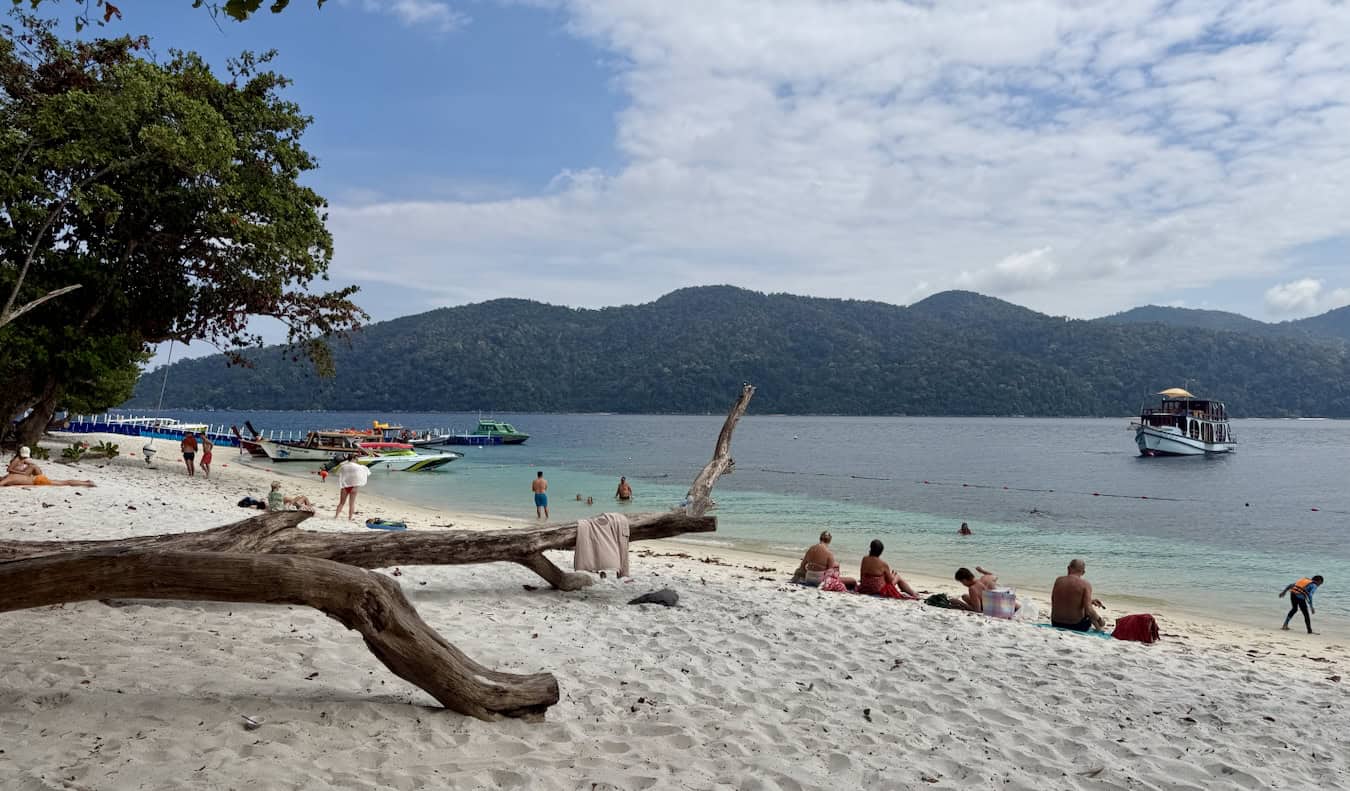
Even with all of that said, it would be disingenuous to pretend Ko Lipe has lost the qualities that make people love it. For first-time visitors, the island can still feel stunning. The water is a vivid turquoise, the sand is bright and soft, and the setting remains undeniably tropical. Because the island is part of a national park area, many visitors use it as a base for boat trips to nearby smaller islands and quiet snorkeling spots. If you arrive without much context, the immediate impression is likely to be one of beauty.
That reaction is understandable. Compared with more heavily developed destinations such as Phuket, Krabi, or Ko Phi Phi, Ko Lipe may still appear relatively manageable at first. There are fewer large-scale urban structures, and the island has retained a more compact footprint than Thailand’s major resort hubs. For someone arriving for the first time, the combination of clear water, tropical scenery, and easy access to boat trips can feel exactly like the island escape they were hoping to find.
The problem is not that Ko Lipe is ugly or without appeal. The problem is that its appeal comes at a cost that is becoming harder to justify. Beauty alone does not make a destination healthy, and a place can be visually impressive while still being under severe strain. That is why the question is no longer whether Ko Lipe is attractive. It is whether visiting it supports a model of tourism that can continue without hollowing out the very qualities people came to see.
The Case for Skipping Overvisited Islands
As I reflected on the island, I came to the same conclusion I have about Ko Phi Phi: people should not visit. That is not a statement I make lightly, and it is not a rejection of travelers who have already been there or who may have fond memories of their own. It is a judgment about the direction of the destination and the kind of pressure a visit adds to a place already struggling under too much demand.
I am not against growth. Places evolve, and tourism can create jobs, stimulate local business, and improve access to services when it is managed well. But this is not that kind of growth. What Ko Lipe has experienced is expansion without enough restraint, planning, or environmental protection. The island’s limited resources were never infinite, and every additional wave of tourism makes the tension between demand and capacity more visible.
It is also important to recognize that no local community is obligated to remain economically stagnant so that visitors can preserve a romantic version of the past. That is not a fair expectation. People deserve opportunity, infrastructure, and the ability to benefit from tourism if they choose to welcome it. The issue is not whether development should happen at all. The issue is whether it happens in a way that respects the place and the people who live there. On Ko Lipe, the answer increasingly feels like no.
For travelers, that creates a difficult but necessary decision. If enough people keep going simply because a place is famous, the pressure never eases. The same logic has played out across the region again and again: demand encourages more construction, more boats, more waste, more congestion, and more degradation. Eventually, what was once a quiet island becomes another crowded destination chasing the same visitors it helped create. At that point, the experience is no longer a simple vacation choice; it becomes a vote for a particular kind of tourism economy.
Better Alternatives in the Andaman Sea
If what you want is a beautiful island experience in southern Thailand, there are still other options that are better managed and far less overextended. Ko Lanta is a strong alternative for travelers who want a mix of beaches, easier logistics, and a more relaxed pace. It has enough infrastructure to be comfortable, but it still feels large and varied enough to absorb visitors more gracefully. You can find long beaches, decent food, and a slower rhythm that does not overwhelm the island.
Ko Jum is another good option for travelers who value simplicity over spectacle. It is less polished, less crowded, and more subdued, which makes it a better fit for people who are looking to unwind without feeding into the crush of overtourism. Ko Mook offers a different kind of island appeal, with a more low-key atmosphere and access to some memorable natural scenery. None of these places is untouched, but they are, at present, more sustainable choices than Ko Lipe.
Choosing one island over another may seem small, but collective travel behavior matters. Destinations respond to demand. When travelers reward places that manage growth responsibly, those places have a better chance of remaining livable and enjoyable for everyone. When we keep funneling attention into overbuilt destinations, we help normalize the very patterns that eventually make those places less appealing to begin with.
What This Return Taught Me
Going back to Ko Lipe was emotionally complicated because it forced me to compare memory with reality. The island did not erase the significance of my first visit, and it did not make those earlier months any less meaningful. I still remember the friends I made, the long days on the sand, the conversations with locals, the basic routines, and the freedom of living so simply for a while. Those experiences were real, and they shaped how I understand travel even now.
At the same time, travel is not preserved in amber. Islands change, communities change, and tourism patterns change. Sometimes the change is manageable and even beneficial. Sometimes it is not. Ko Lipe currently feels like a place where the balance tipped too far and too fast, where the search for profit outpaced the ability of the island to absorb it. That does not mean it has nothing left to offer, but it does mean visitors should think carefully about what their presence supports.
There is a temptation in travel to believe that by returning to a beloved place we can somehow recover an earlier version of ourselves. Usually, that is not what happens. What we recover instead is perspective. We see what has changed in the destination and what has changed in us. In this case, the return confirmed what I was afraid of all along: the island I remembered exists, but it belongs to a different time, and trying to force the present to resemble it would only create disappointment.
Traveling Responsibly in Thailand
Thailand remains one of the most rewarding countries in the world for travelers, but it also requires more thought than many visitors realize. Popular beaches, small islands, and famous coastal hubs are under pressure from development, waste, water scarcity, and ecological damage. Travelers do not cause these issues alone, but they are part of the system that sustains them. Being selective about where we go is one of the few tools we have to encourage better outcomes.
That means asking uncomfortable questions before choosing a destination. Is the local environment being protected? Are the benefits of tourism reaching residents? Is the place already over capacity? Are there nearby alternatives that would give you a better experience while putting less strain on the same fragile ecosystem? These questions do not ruin travel. They improve it by making it more intentional.
It also means accepting that not every beautiful place should become a bucket-list frenzy. Some destinations need time, limits, and stricter management. Others simply cannot handle the volume they receive. If enough travelers begin making more careful decisions, destinations are more likely to adapt. That may not happen quickly, and it may not happen at all in some places, but the alternative is passive acceptance of a model that damages both the environment and the traveler experience.
Finding the Right Kind of Island Experience
If you are planning a trip through southern Thailand and want that classic island atmosphere, you do not need to chase the most famous names to have a good time. In fact, the lesser-known or better-balanced islands often offer the more memorable experience precisely because they are not overwhelmed. A quieter beach, a slower pace, and a place where the basics still matter can leave a stronger impression than a destination built to process visitors at scale.
That is especially true in a region where transport connections make island-hopping tempting. The easiest route is not always the best one, and convenience should not be the only factor. Sometimes the most rewarding choice is to stay a little longer somewhere with less pressure, more space, and a healthier relationship with tourism. The rewards are not just ethical; they are experiential. You are more likely to enjoy the place you have chosen if it still feels like a place, not just a product.
Ko Lipe will probably continue to attract visitors, and for many people, that first visit will remain a vivid and positive memory. I understand that. The island is still photogenic, the sea still glows in the right light, and the setting still delivers an immediate tropical fantasy. But beauty is not the only measure that matters. When a destination becomes a cautionary tale, the kindest thing a traveler can sometimes do is look elsewhere, spend their money where it will do less harm, and leave the overburdened places a little breathing room.
Get the In-Depth Budget Guide to Thailand!
My detailed 350+ page guidebook is made for budget travelers like you. It cuts out the fluff found in other guidebooks and gets straight to the practical information you need to travel around Thailand. You’ll find suggested itineraries, budgets, ways to save money, off-the-beaten-path things to see and do, non-touristy restaurants, markets, bars, safety tips, and much more. It is designed to help you travel smarter, spend less, and make better choices on the road.
Planning a trip to Southeast Asia is easier when you have reliable information, a flexible route, and a clear sense of what kind of places you want to support. If you are mapping out a longer journey, it helps to think beyond the obvious highlights and build in time for destinations that match the pace and values you want from your travels.
For booking flights, accommodation, and insurance, the usual practical rules still apply: compare fares carefully, check more than one booking site, and never assume a beach destination is automatically a better value than a quieter inland stop. Travel insurance remains essential, especially when island transfers, weather changes, and activities on the water are part of the itinerary. The more remote or weather-sensitive the destination, the more useful that protection becomes.
Thailand still offers incredible variety, from lively city stops to low-key islands and inland escapes. If you want to keep exploring responsibly, choose places that can handle your visit well and that leave room for the next traveler to have a good experience too. That is the standard worth aiming for, and it begins with the choices we make long before we arrive.