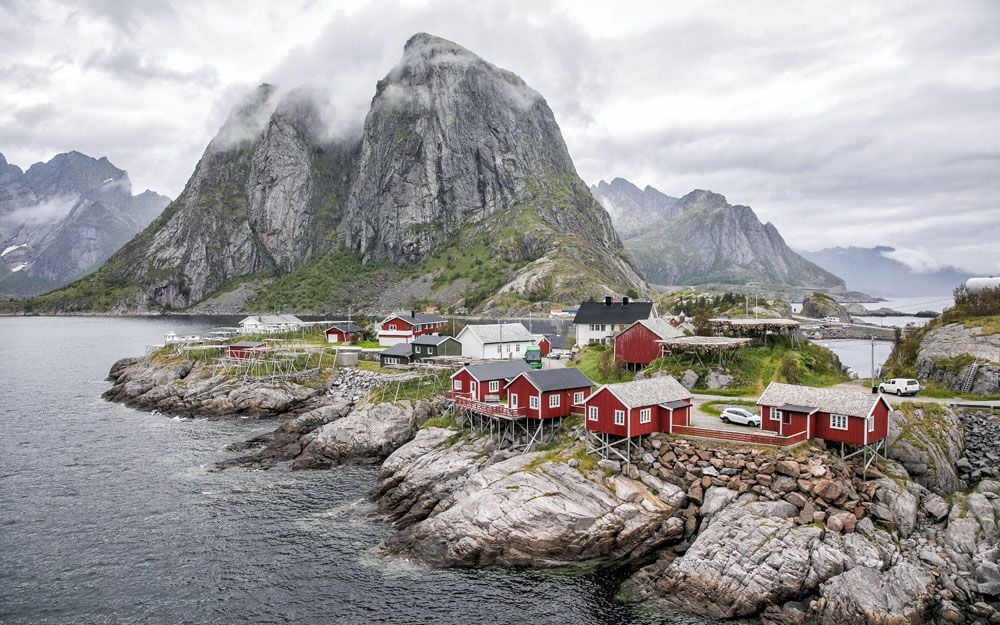
The Lofoten Islands have a way of reshaping expectations. On the map, they look like a slender chain of land stretched into the Norwegian Sea, but in person they feel much larger than their size suggests. Jagged mountains rise directly from the water, fishing villages cluster around protected harbors, and white-sand beaches appear in places that seem far too far north for anything remotely tropical. The result is a destination that feels both wild and deeply lived-in, where road trips, hikes, and small-town stops combine into one of the most memorable journeys in Norway.
If you are planning a visit, the best approach is to slow down. The islands reward travelers who leave room for detours, weather changes, and long pauses just to take in the scenery. A short stopover can be worthwhile, but the Lofoten Islands become far richer when you give them several days and allow each day to unfold naturally. What follows is a comprehensive guide to the best things to do in the Lofoten Islands, along with practical advice on where to stay, when to go, how to eat well without overspending, and how to make the most of this remarkable corner of the Arctic Circle.
Enjoy the Gorgeous Views
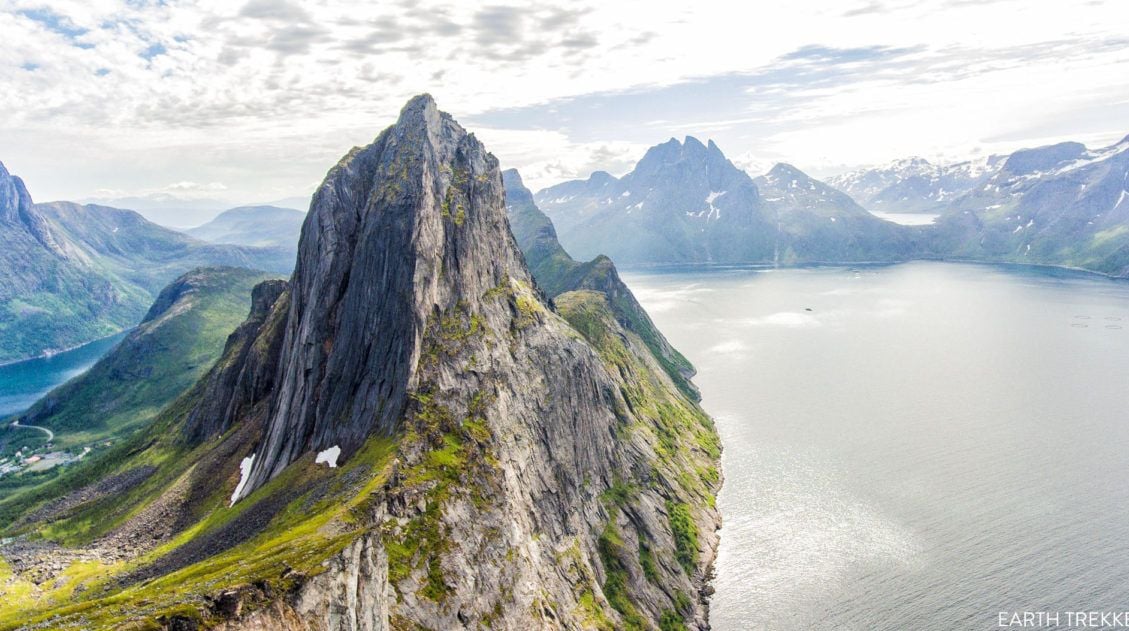
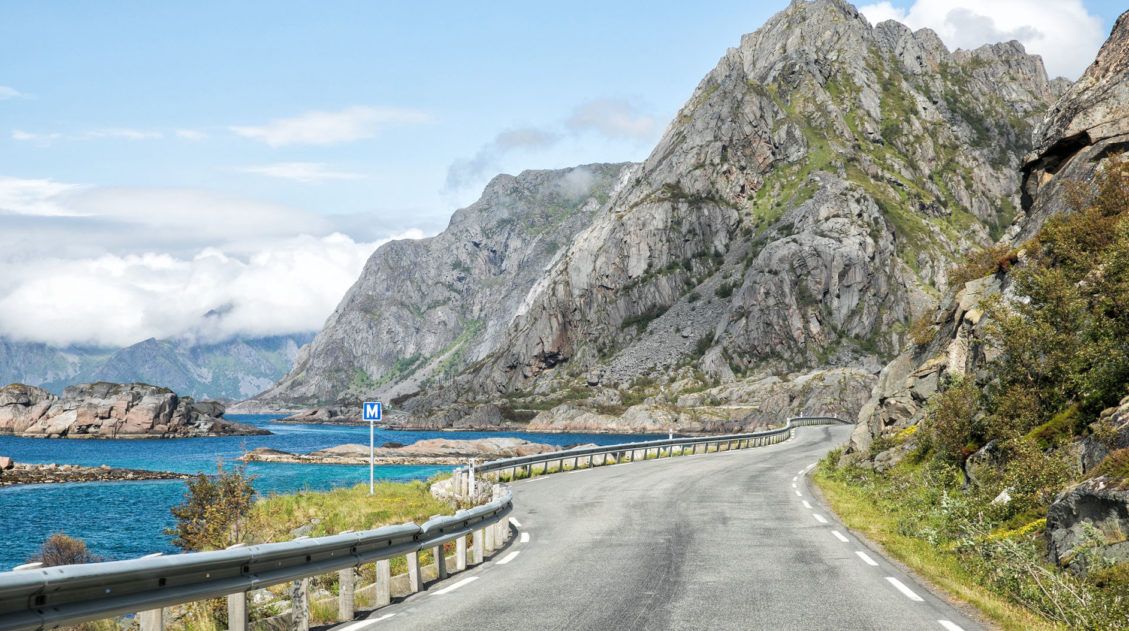
In the Lofoten Islands, the scenery is not something you occasionally encounter; it is the constant backdrop to everything you do. You notice it while driving, while hiking, while walking to dinner, and even when looking out the window from your accommodation. The landscape is sharp and dramatic, but it is also balanced by water, open sky, and quiet roads that lead to tiny communities tucked into bays and coves. Every turn seems to reveal another composition worth remembering.
One of the most striking aspects of the islands is how accessible the scenery is. You do not need to commit to an all-day hike to appreciate the views, though hiking certainly takes the experience to another level. Even a simple drive between towns can feel cinematic, with bridges crossing narrow channels, mountains mirrored in still water, and coves so blue they almost look edited. This is the kind of place where you should pull over often, not because you need a break, but because the scenery keeps making the case for one more photo stop.
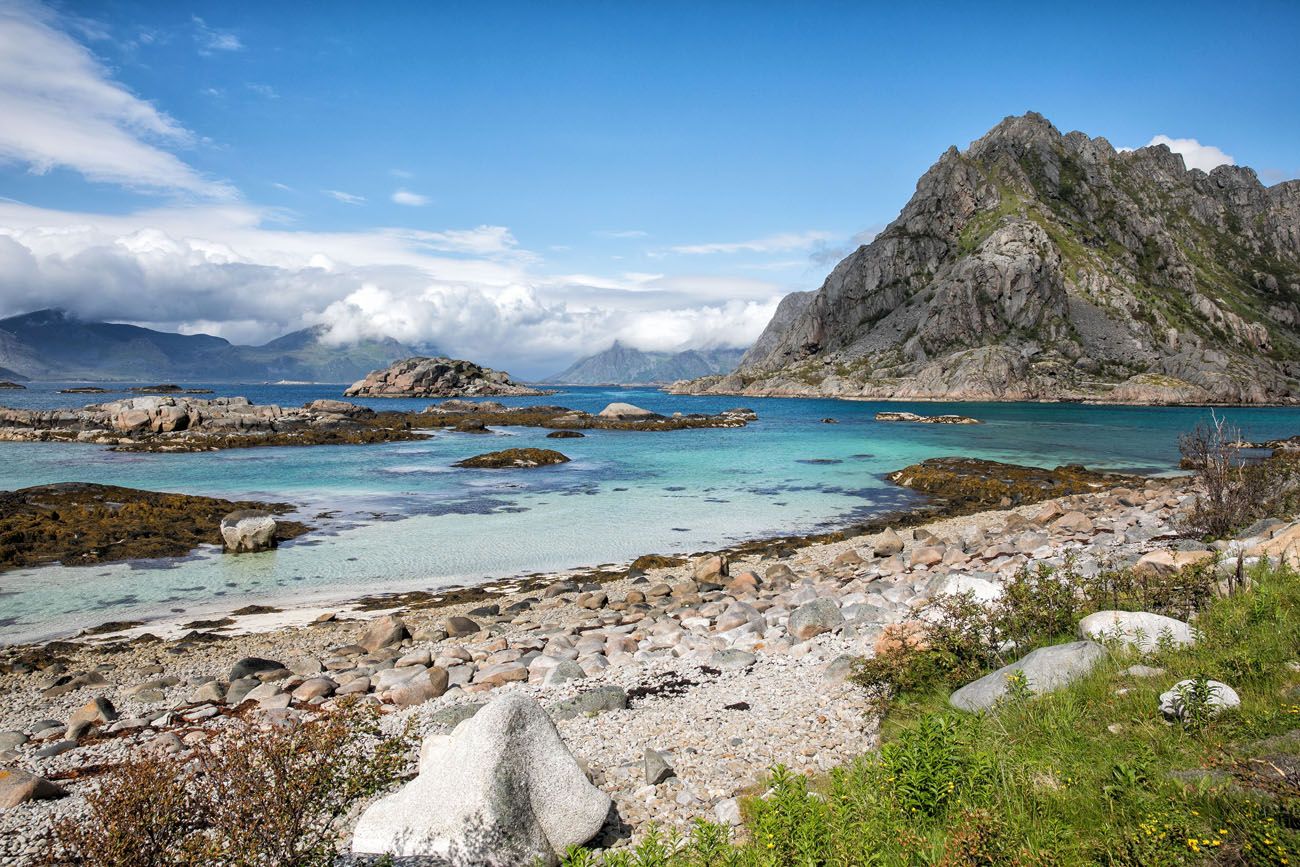
The landscape also changes with the weather in ways that make repeat views feel fresh. On clear days, the islands can appear crisp and luminous, with the sea reflecting every ridge and peak. Under mist or low cloud, the mountains look more brooding and mysterious. If you happen to catch sunset or the long glow of late summer evening, the light can transform the same road into something almost unreal. Travel here is as much about atmosphere as it is about landmarks, and that is part of the appeal.
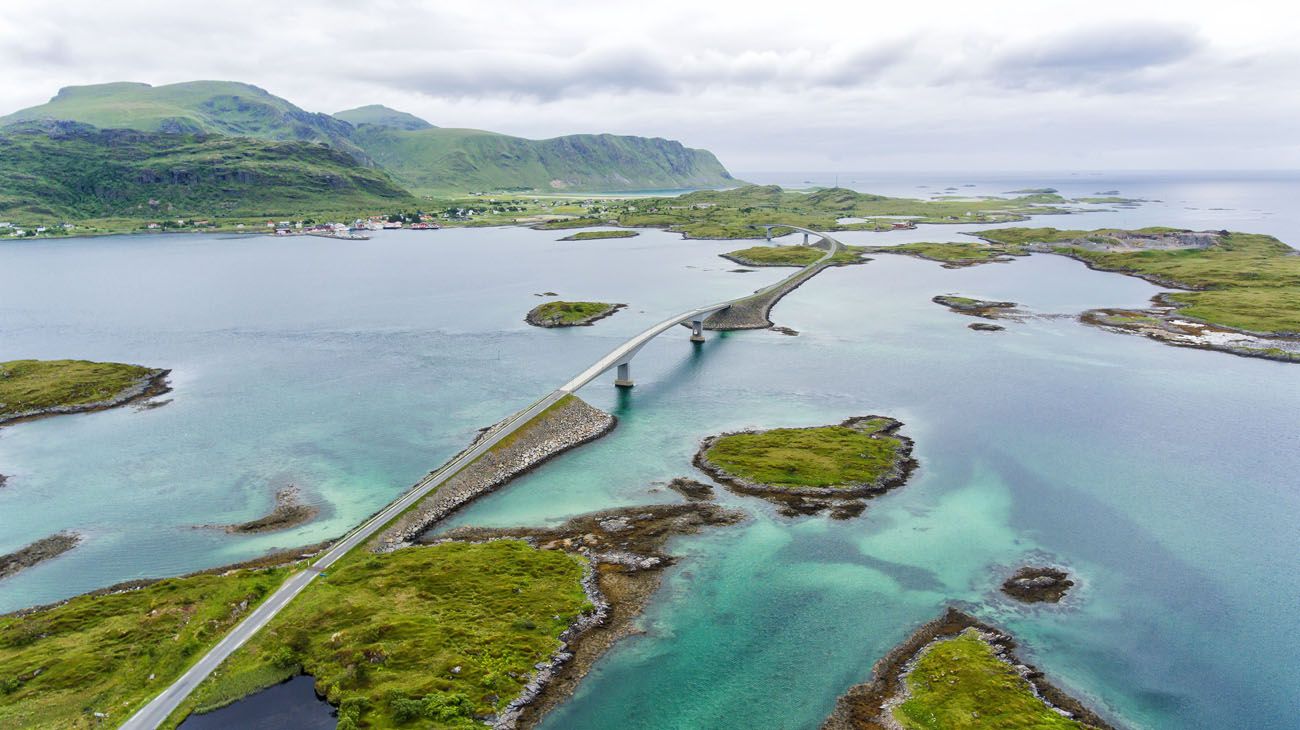
Fredvang Bridges seen from the sky
From above, the islands reveal their structure in a new way. Narrow roads connect small islands like threads, and the Fredvang Bridges stand out as one of those elegant, practical pieces of infrastructure that also happen to look beautiful from every angle. Whether you see them from the road below or from a viewpoint above, they fit perfectly into the broader visual rhythm of the Lofoten landscape. This is not a destination built around one famous view; it is a destination where the journey itself is the view.
Go to the Beach
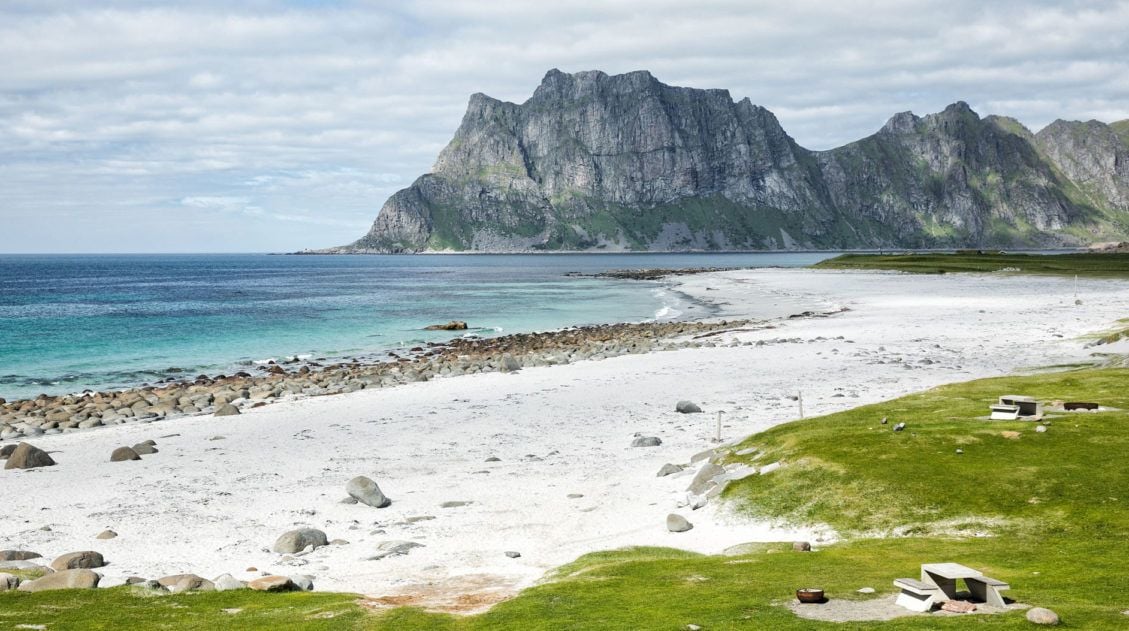
It sounds surprising at first, but the Lofoten Islands are home to some of the most beautiful beaches in Europe. The contrast is part of what makes them so special. You can stand on a stretch of white sand and look out at aquamarine water while jagged mountains rise behind you like a wall. It is the kind of scene that feels more Caribbean than Arctic, yet the setting remains unmistakably northern and dramatic.
Several of the easiest beaches to reach by car are perfect for a relaxed stop between hikes or while touring the southern islands. Ramberg Beach is one of the best known, with broad sand and a setting that feels open and expansive. Ytresand Beach has a quieter feel, and Haukland Beach is one of the most visually balanced places on the islands, with soft sand, clear water, and surrounding hills that frame the coastline beautifully. Uttakleiv Beach is nearby and often combined with Haukland on the same outing, which makes this coastal stretch ideal for a half-day explore.
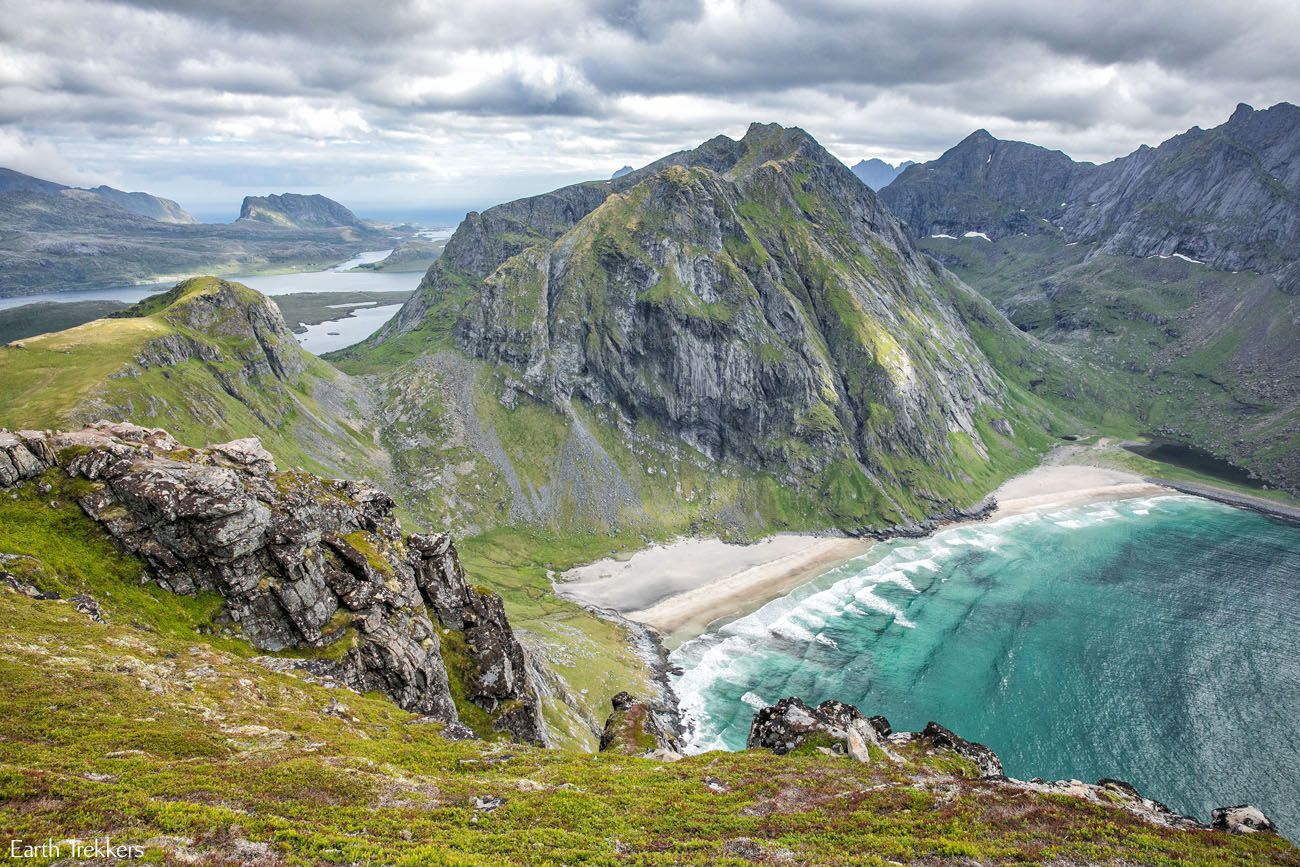
Then there are the beaches that require a little more effort. Kvalvika Beach is only reached on foot, which gives it a more secluded feel and makes the arrival even more rewarding. Bunes and Horseid Beaches are farther still, typically involving a ferry from Reine followed by a hike. If you have time for only one or two beach visits, choose a mix of easily accessible and more remote options. That way you experience both sides of the islands: the scenic convenience of roadside stops and the quieter satisfaction of beaches earned through a hike.
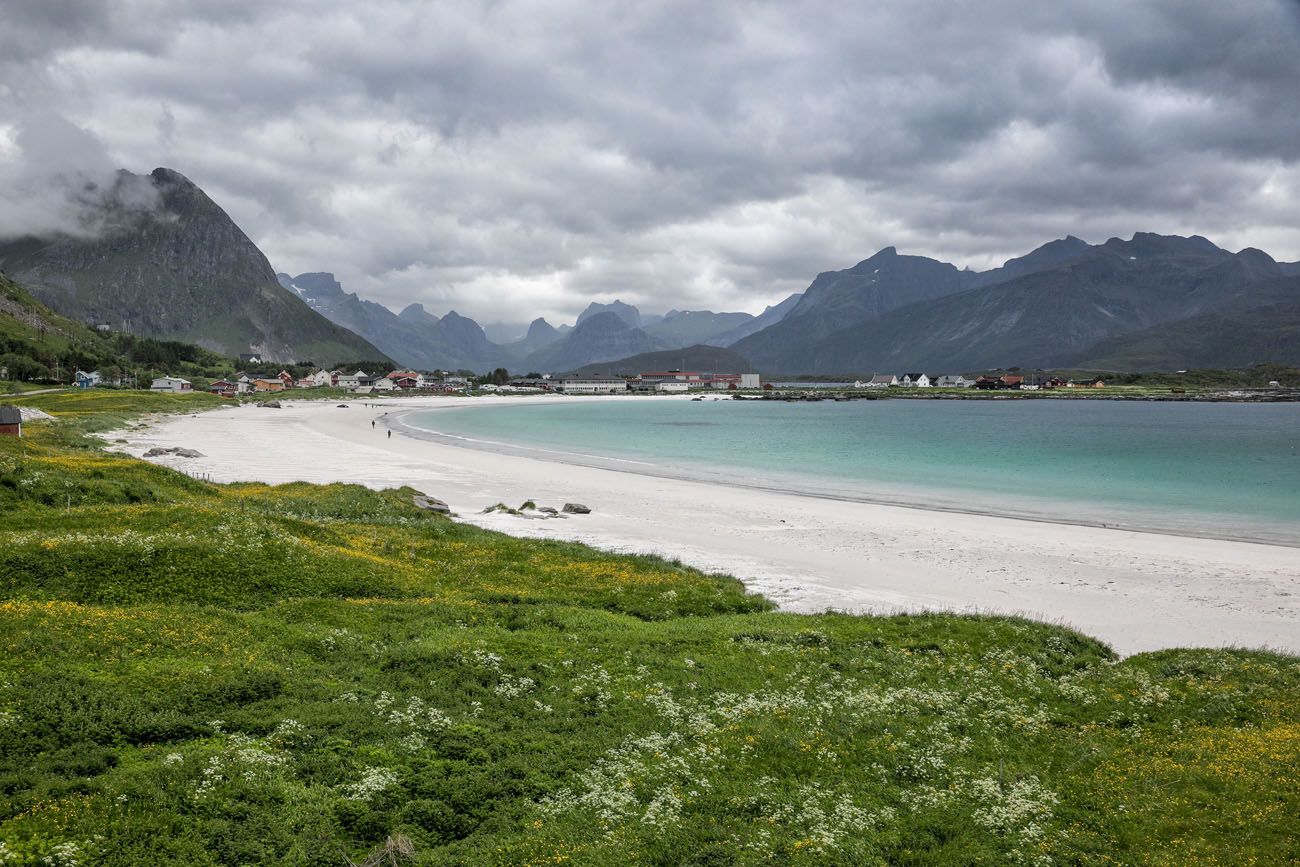
Ramberg Beach
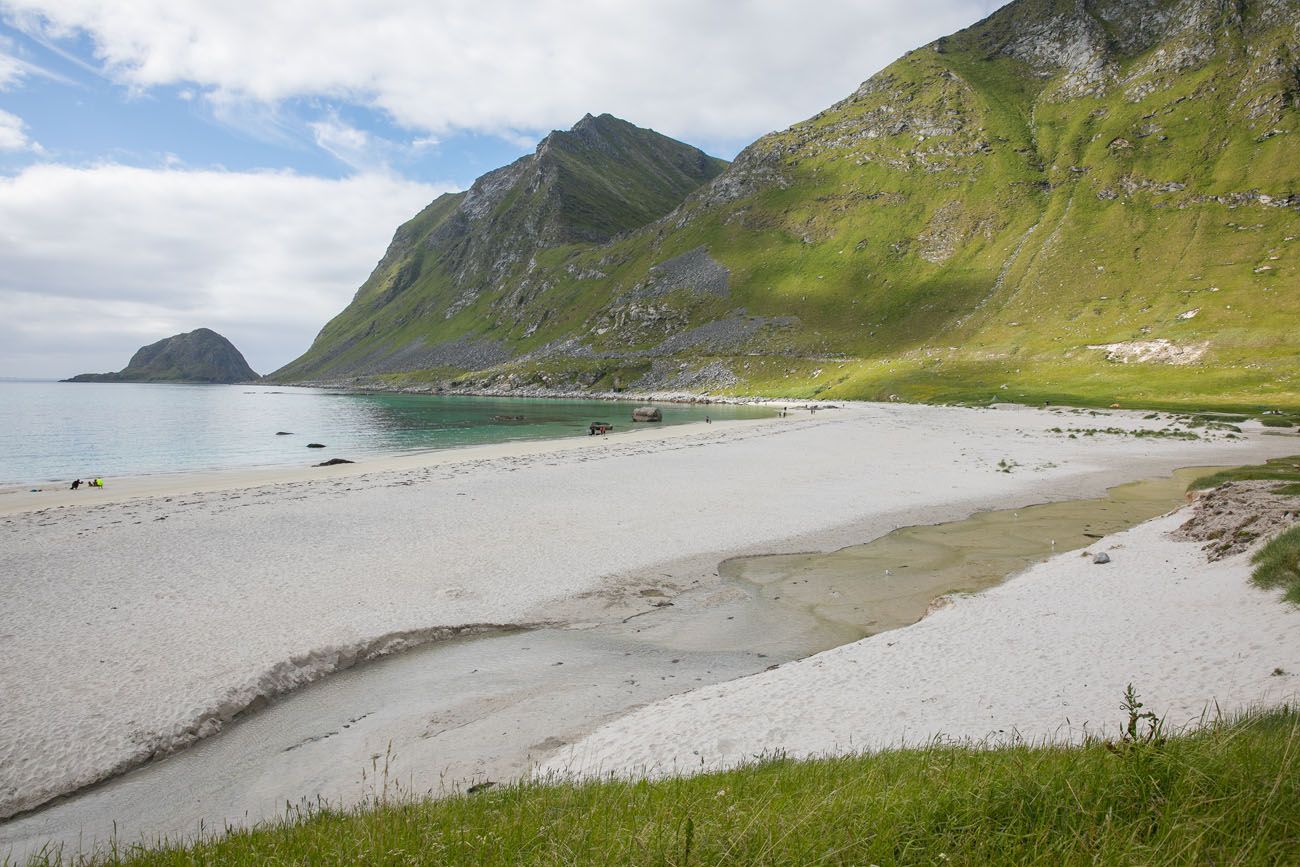
Haukland Beach
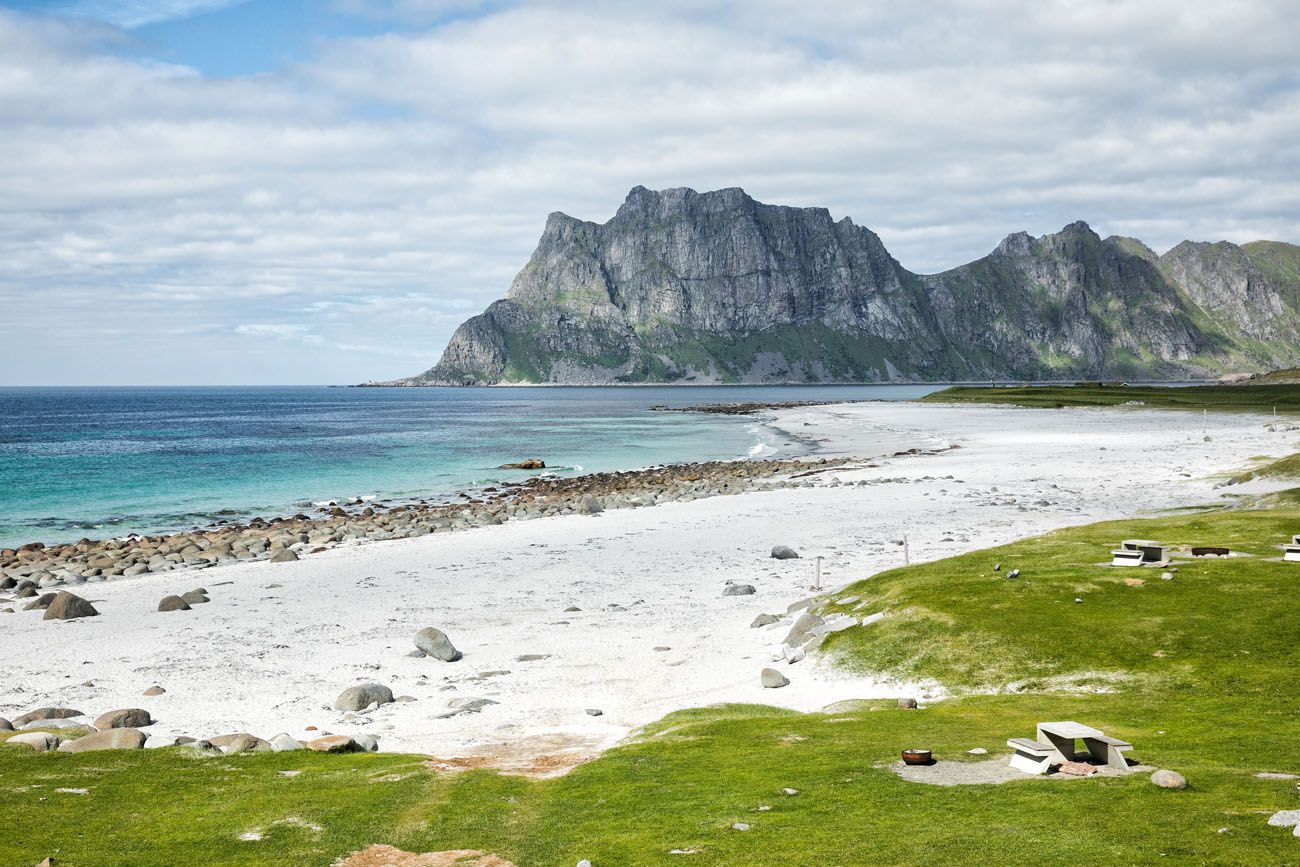
Uttakleiv Beach
Even if the water feels too cold for a long swim, the beaches still deserve time. They are excellent places for a picnic, a quiet walk, or a lingering pause between more strenuous activities. In summer, the light can make the sand glow almost silver. In shoulder seasons, the changing weather adds drama, and the waves can become part of the show. For photographers and travelers who simply like being near the sea, these beaches are some of the most rewarding places in the archipelago.
Go Surfing
Surfing may not be the first activity that comes to mind when you picture Norway, yet the Lofoten Islands have developed a genuine reputation among surfers. Unstad Beach is the place most commonly associated with the sport, thanks to reliable waves and a setting that feels both remote and energetic. It is one of those rare surf spots where the experience is defined as much by the scenery as by the break itself.
The water stays cold year-round, so a wetsuit is essential. Conditions vary by season, and winter brings stronger surf for experienced riders who are comfortable in harsher conditions. Summer tends to be more approachable for beginners or those trying the sport for the first time, with slightly milder temperatures and often smaller waves. Even if you are not planning to surf, Unstad is worth seeing because it broadens your understanding of what these islands can offer. The Lofoten landscape may be rugged, but it is also versatile, and surfing is another example of how the region keeps surprising visitors.
Conquer One or More of the Epic Hiking Trails
Hiking is one of the defining experiences in the Lofoten Islands. The trails here are not casual strolls through gentle hills; many of them involve steady climbs, exposed ridgelines, and summit views that make the effort feel entirely justified. If you love hiking, this is where the islands become unforgettable. If you do not usually hike much, Lofoten has a way of converting you into a willing participant.
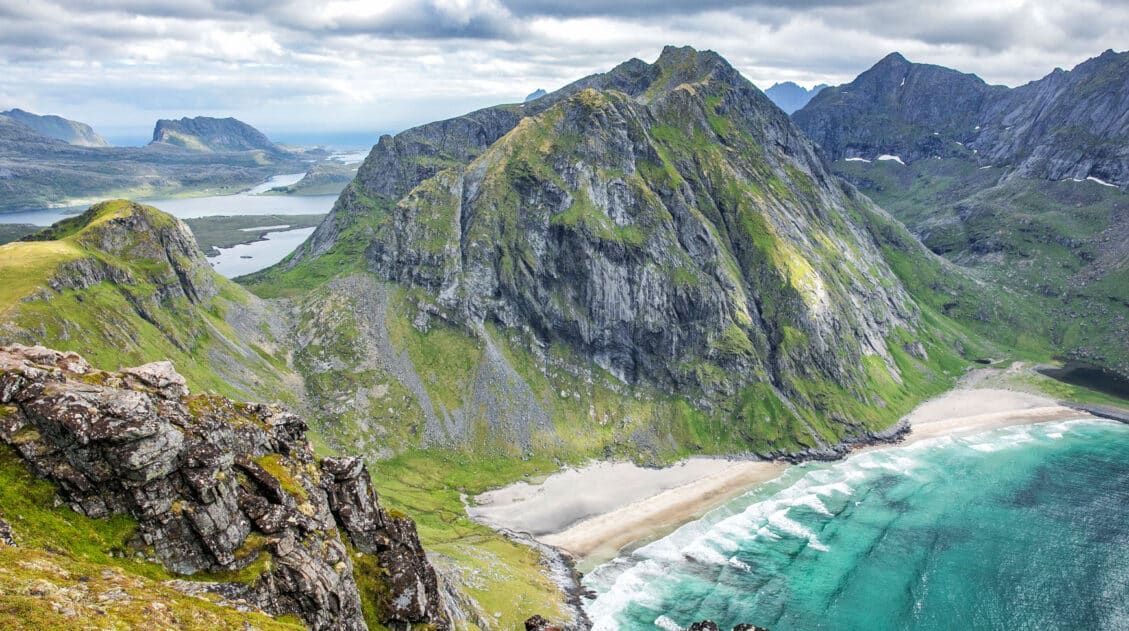
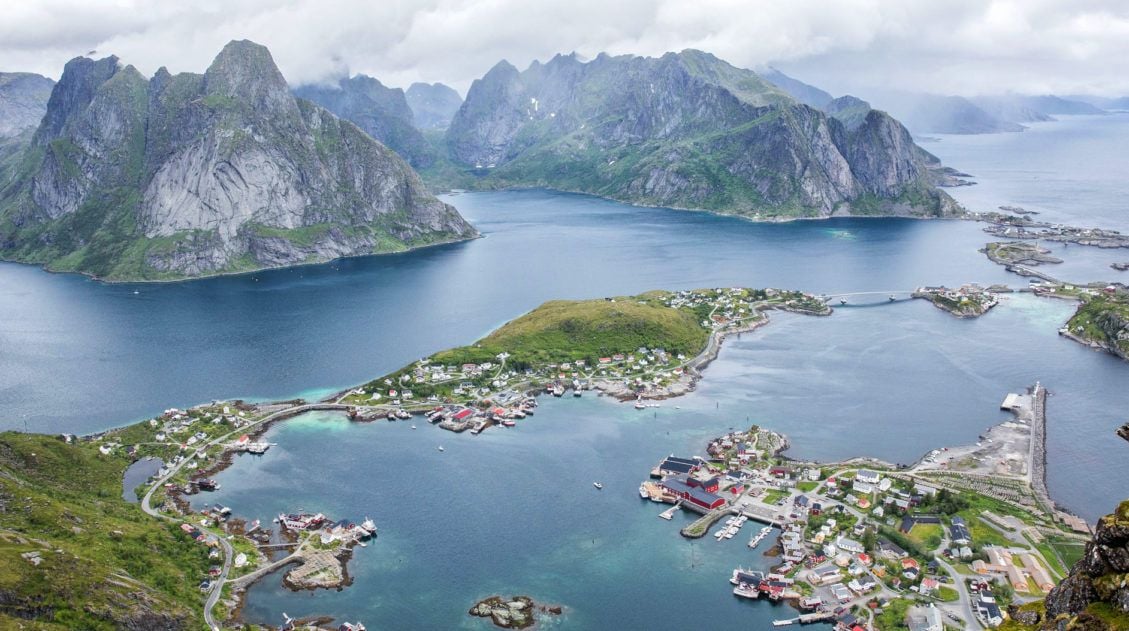
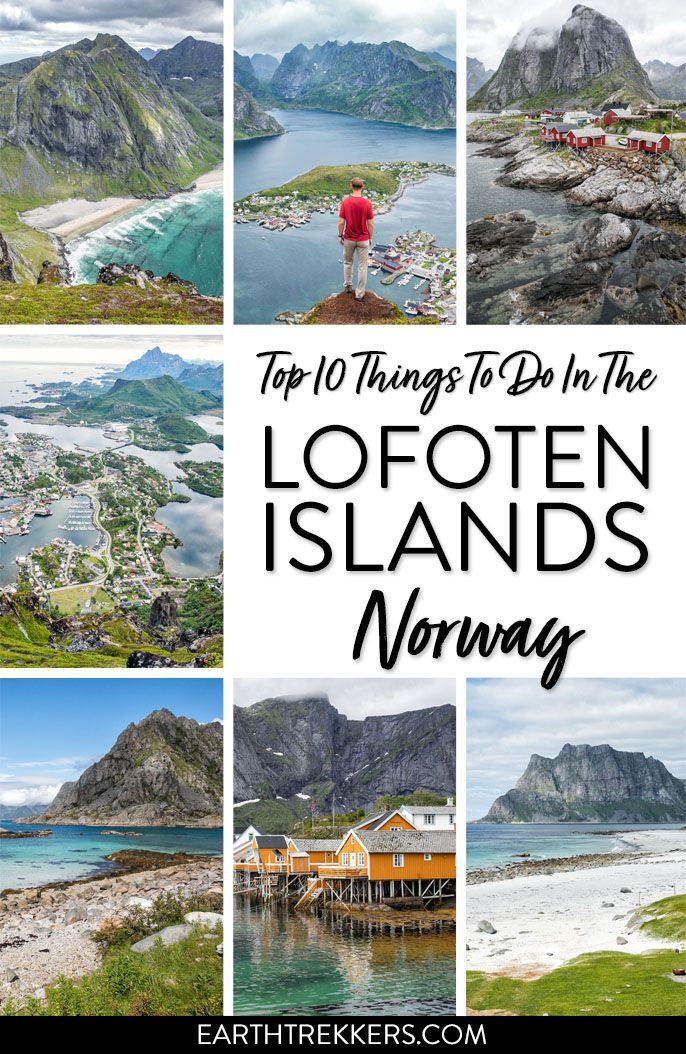
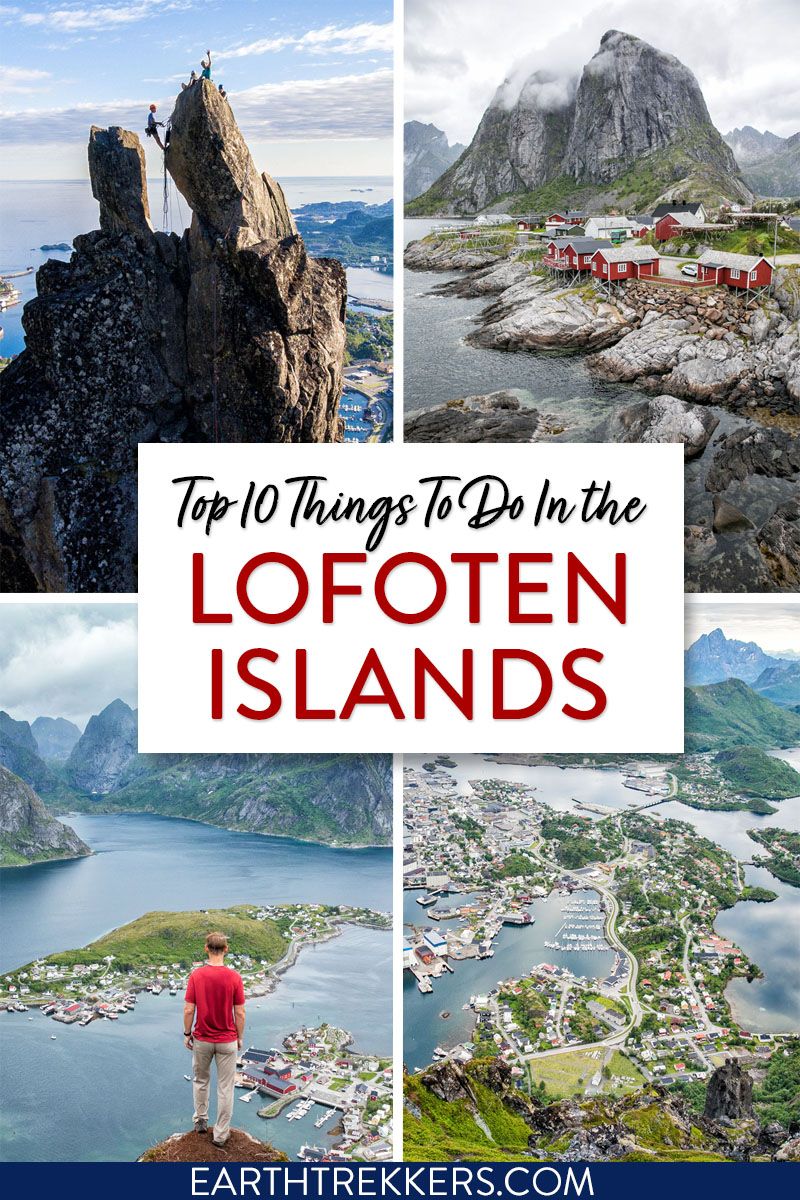
Reinebringen is the most famous hike, and for good reason. The view is iconic, with Reine’s red cabins and surrounding water laid out below in a way that appears almost unreal from the summit. But Reinebringen is not a trail to underestimate. Conditions can be steep and challenging, and hikers should be prepared for a serious ascent. If you want an equally memorable experience with a slightly different character, Ryten is a fantastic choice. The trail is challenging enough to feel earned, but approachable for many hikers who have a decent level of fitness. The payoff is a spectacular look over Kvalvika Beach and the surrounding coastline.
For a shorter but still rewarding outing, Svolvaer Fløya and Festvagtind offer sweeping views over islands, inlets, and the town below. These hikes can be ideal if you want a strong payoff without dedicating an entire day to the trail. One of the nicest things about hiking in Lofoten is the variety. You can choose a summit challenge, a beach overlook, or a compact mountain walk, depending on your energy, the weather, and how much daylight you have.
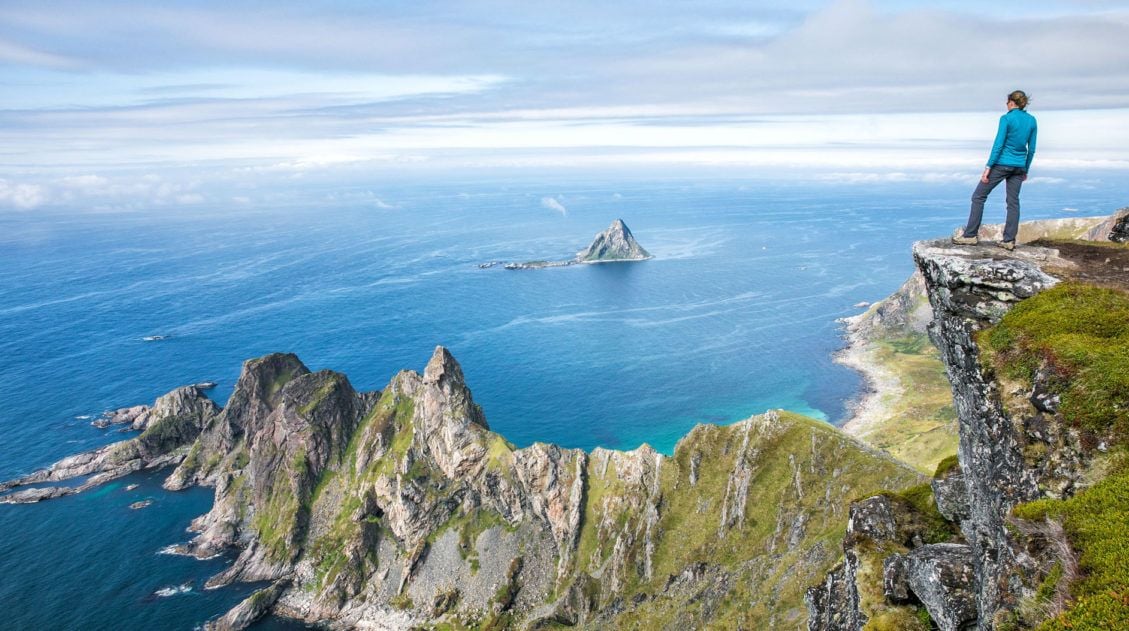
During a short trip, it is tempting to cram in too many hikes, but the weather can be unpredictable, and the terrain asks for respect. Good footwear, layered clothing, and enough water are non-negotiable. Trails can be slippery after rain, and wind at the top can be stronger than expected. Still, the effort is worthwhile. From high above the islands, the scale of the place becomes clear, and it is often the mountain views that linger longest in memory.
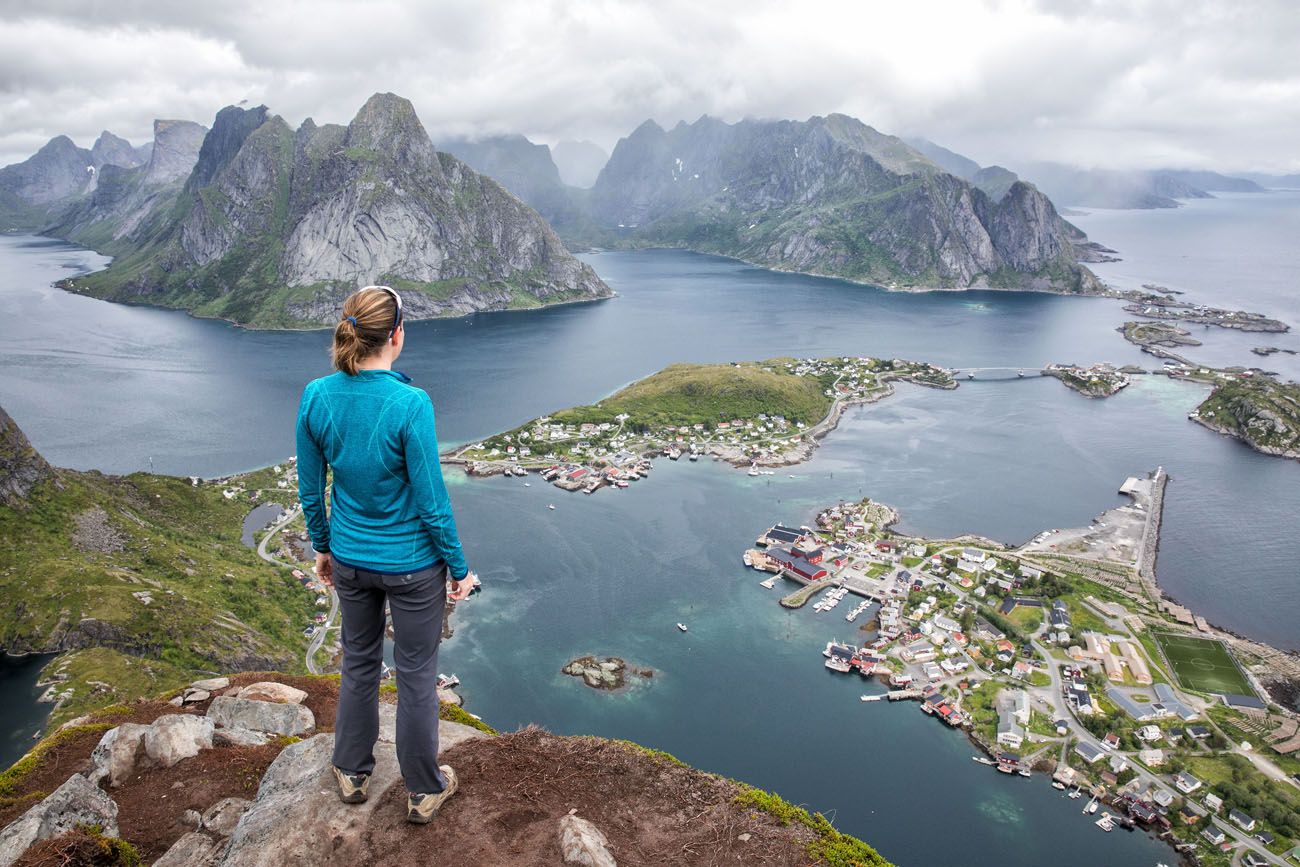
Reinebringen
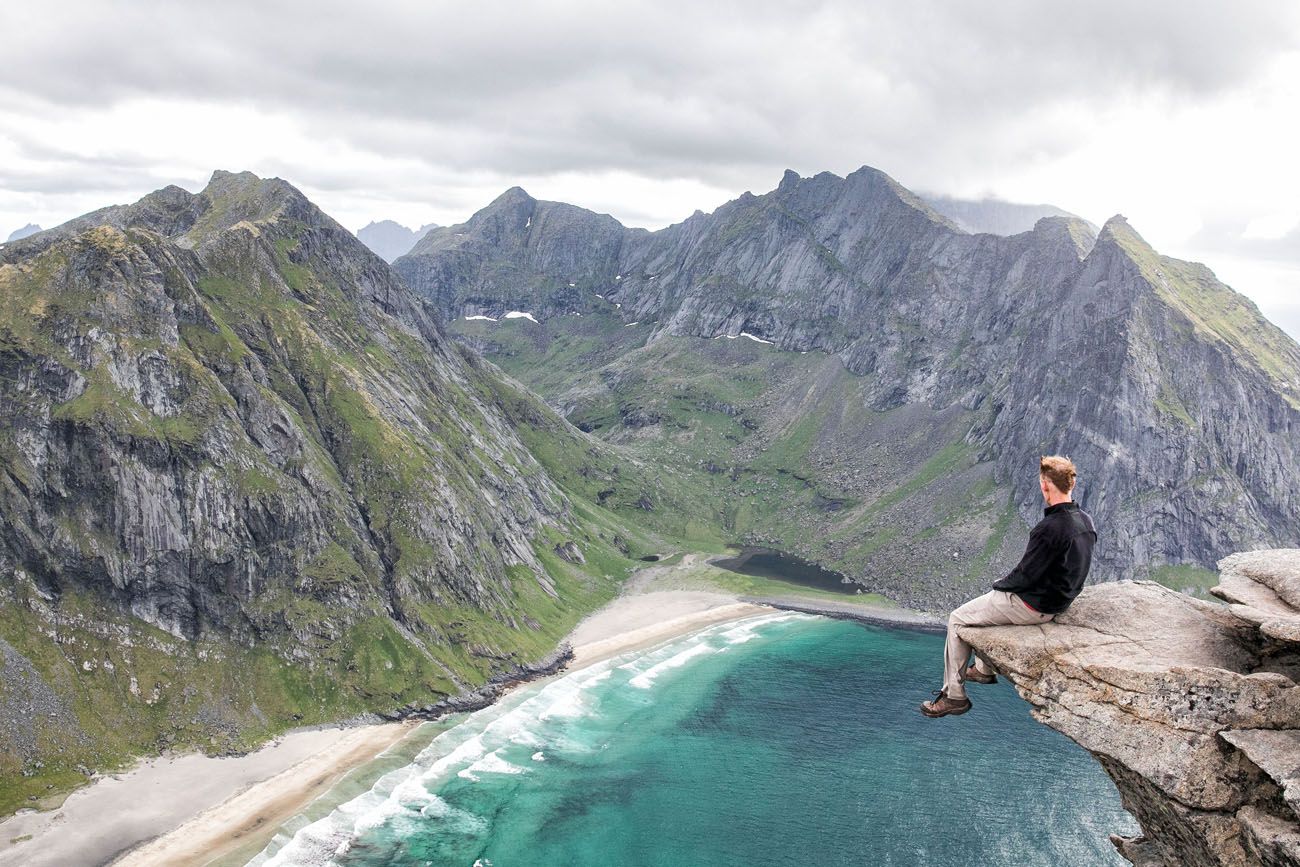
Ryten
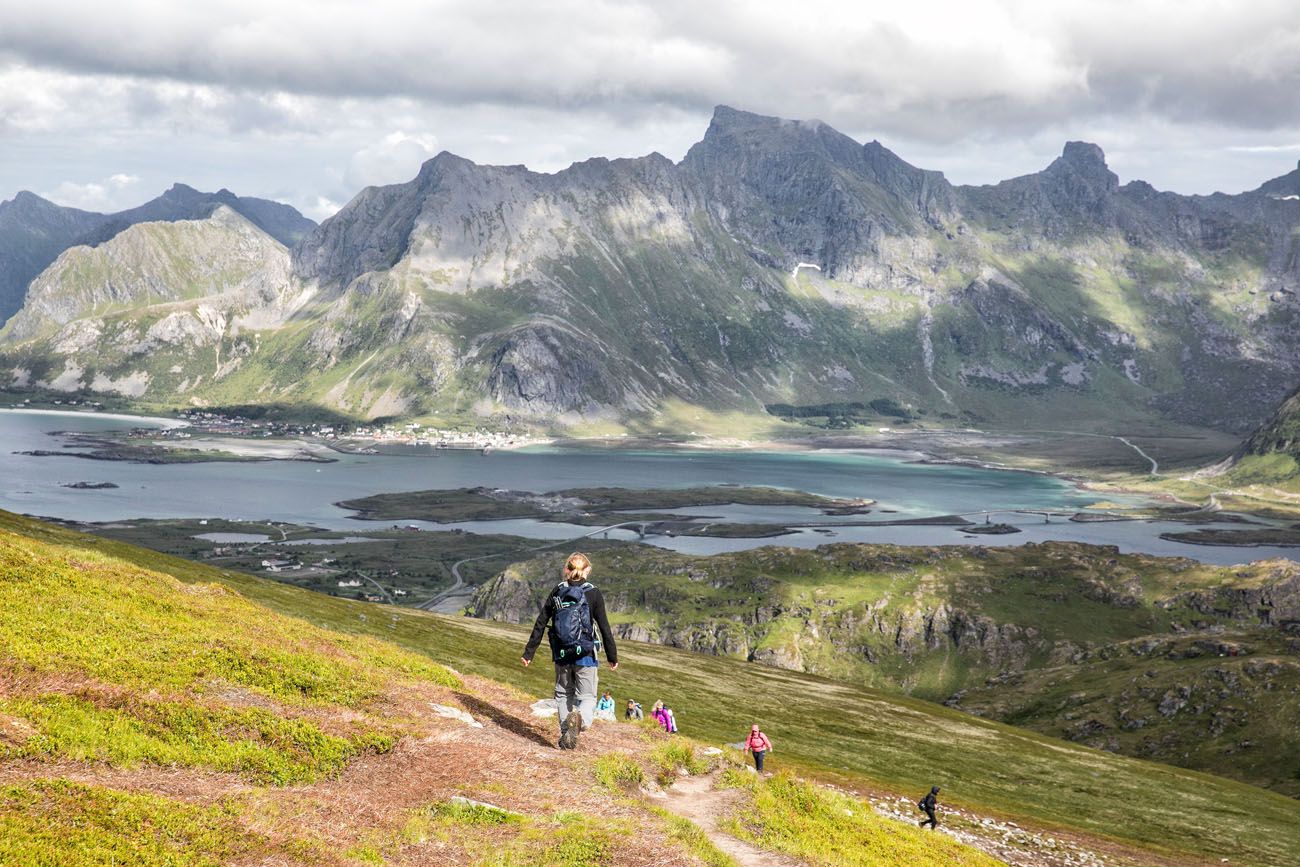
Another view from the Ryten hiking trail.
Stay in a Rorbu
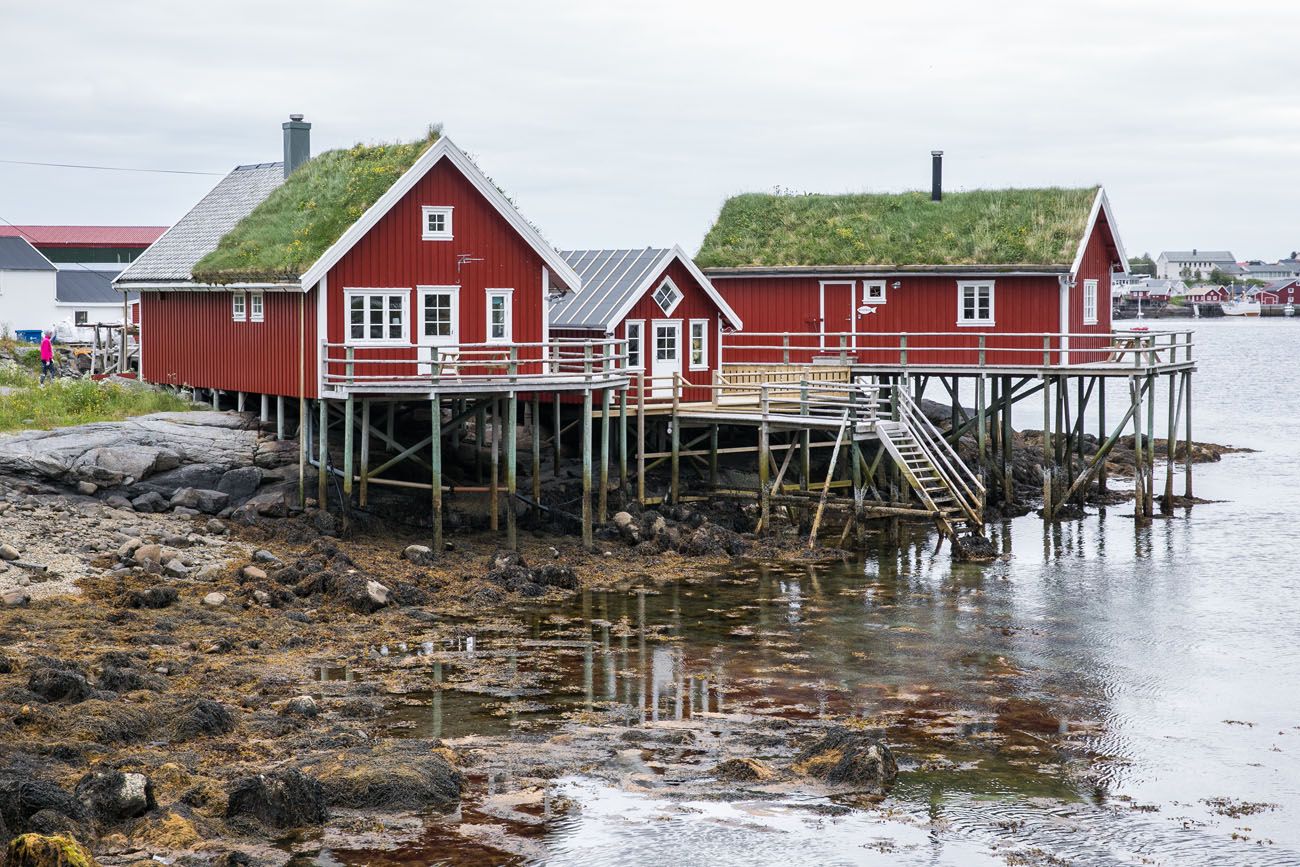
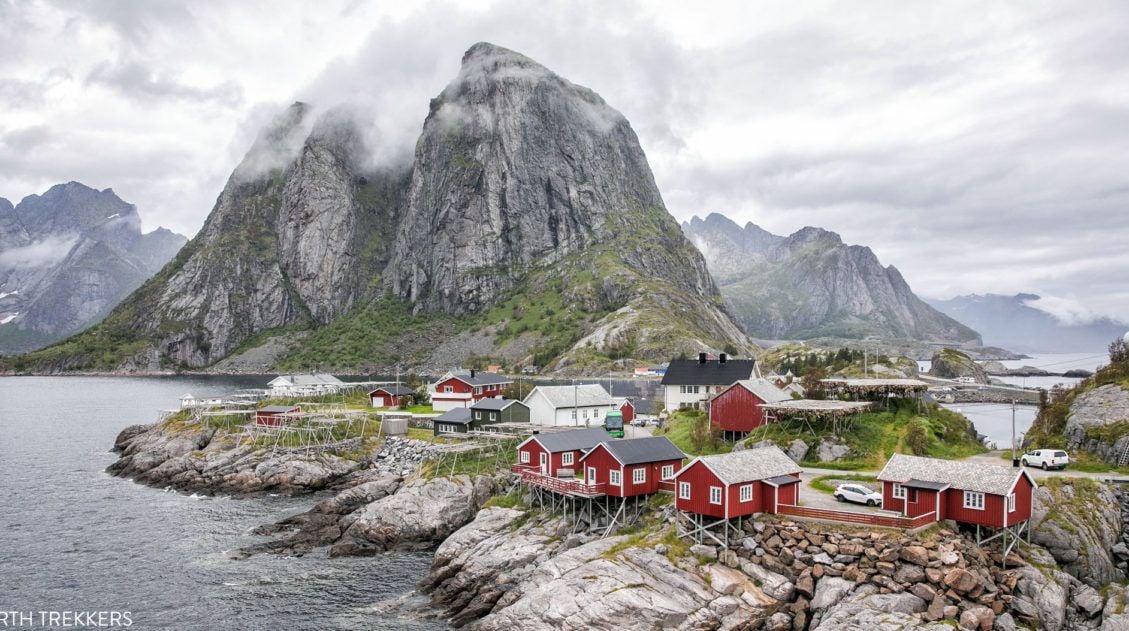
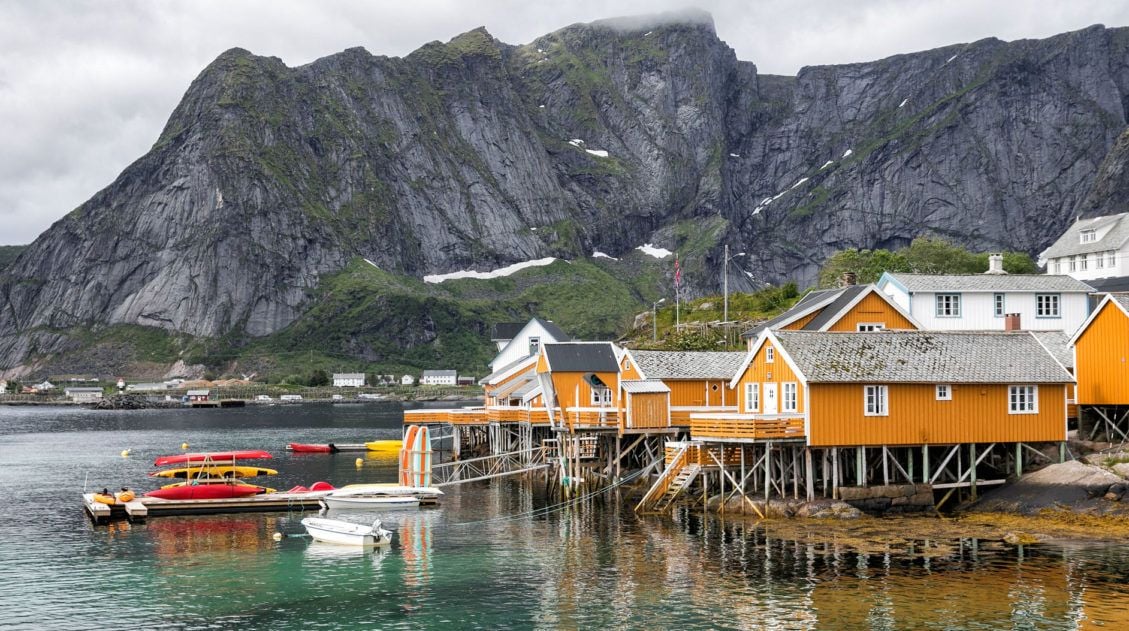
Accommodation is part of the Lofoten experience, and staying in a rorbu can be one of the highlights of the trip. A rorbu is a traditional fisherman’s cabin that has often been restored into a comfortable apartment or guesthouse. Many are built on stilts over the water, which gives them a distinctive silhouette and a setting that feels rooted in the islands’ fishing heritage. They are one of the clearest ways to connect with the local character of the region while still enjoying a practical and comfortable stay.
Inside, rorbuer usually offer a small kitchen, a living area, and one or more bedrooms, making them especially useful for longer stays or for travelers who want to prepare some of their own meals. The design tends to be simple rather than luxurious in a flashy sense, but that is precisely what makes them appealing. You are not just booking a room; you are staying in a building type that reflects the history of the islands.
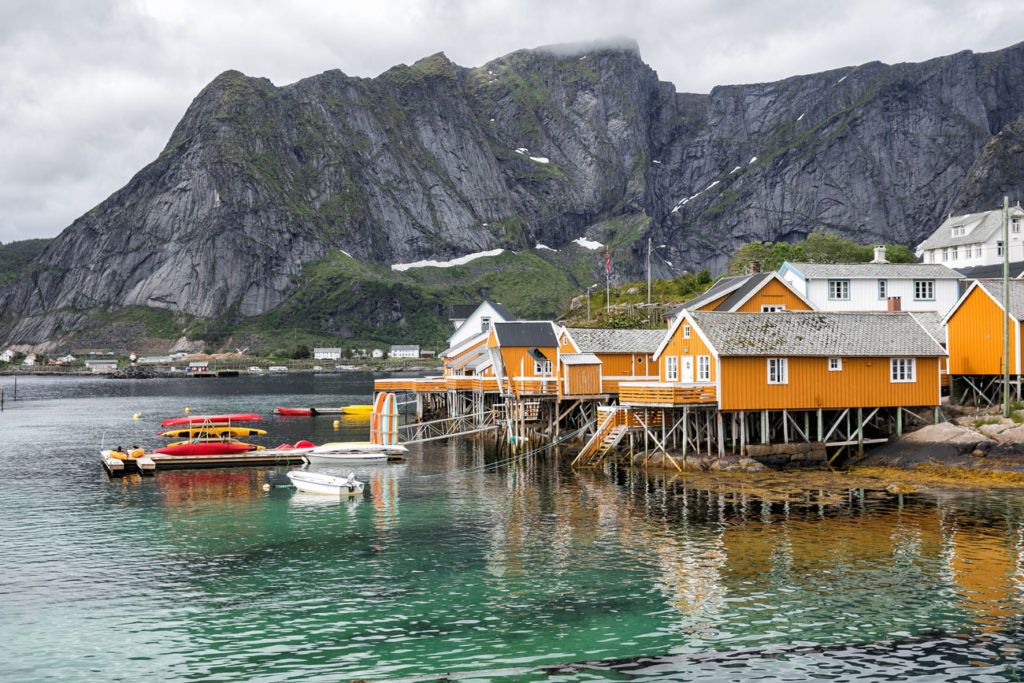
Rorbuers in Sakrisøy
For many visitors, a rorbu stay becomes one of the defining memories of the trip. Waking up to the sound of water nearby, stepping outside to see fishing boats and mountains, and watching the light change over the harbor can make even an ordinary morning feel special. If your itinerary allows it, this is one of the best ways to experience the Lofoten Islands at a slower, more atmospheric pace.
Explore the Towns and Fishing Villages
The towns and villages of the Lofoten Islands are not just places to resupply; they are essential to understanding the region. Each one has its own rhythm, and moving between them gives your trip a useful sense of variety. Some are busier and more practical, while others feel almost frozen in time. Together, they create a route that is as culturally interesting as it is scenic.
Svolvaer is one of the largest towns in the islands and a natural starting point for many travelers. It has an airport, a ferry port, hotels, restaurants, and enough services to make it a convenient base. It is also a good place for activities such as fishing excursions, boat trips, or visits to the Lofoten War Museum. Because of its size and location, Svolvaer often serves as a useful introduction to the islands before the route becomes more rural and intimate.
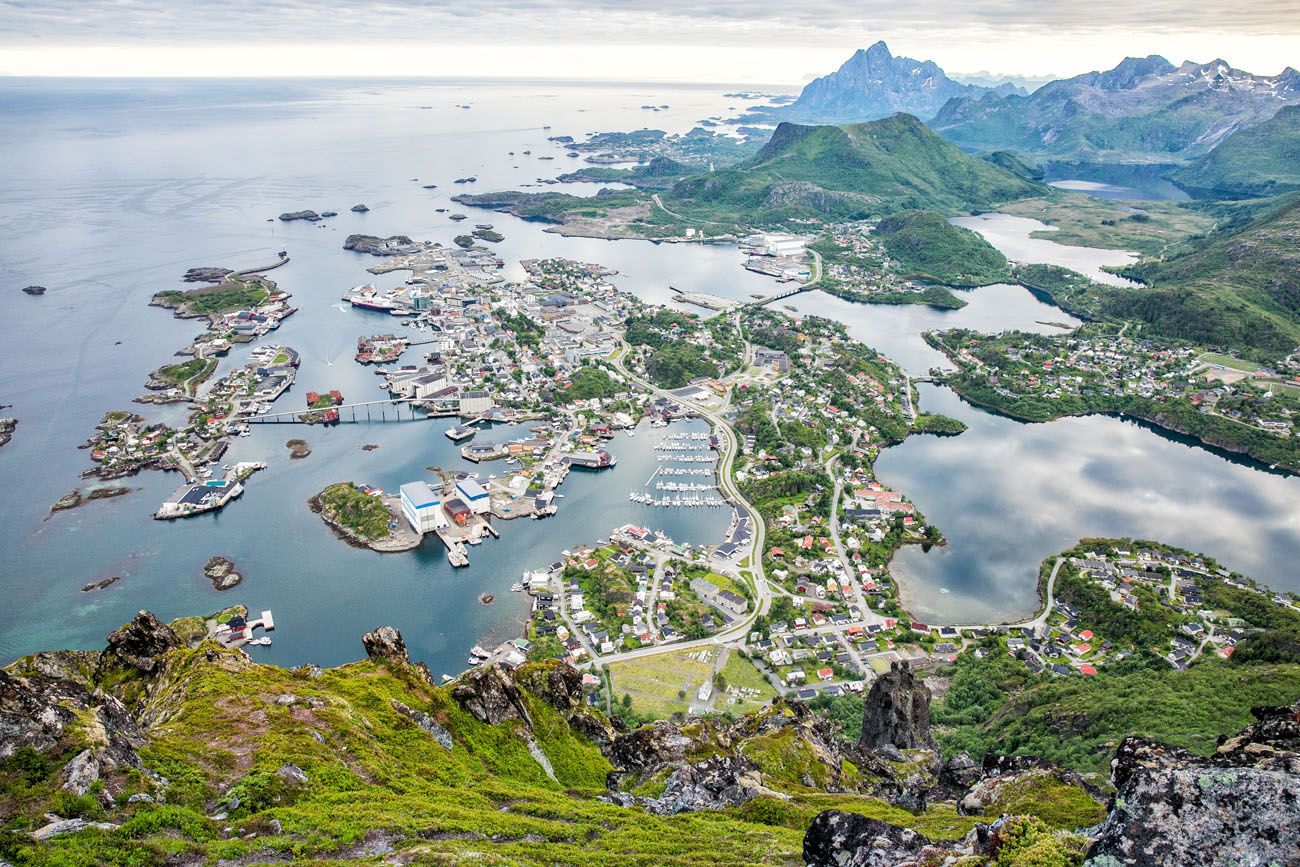
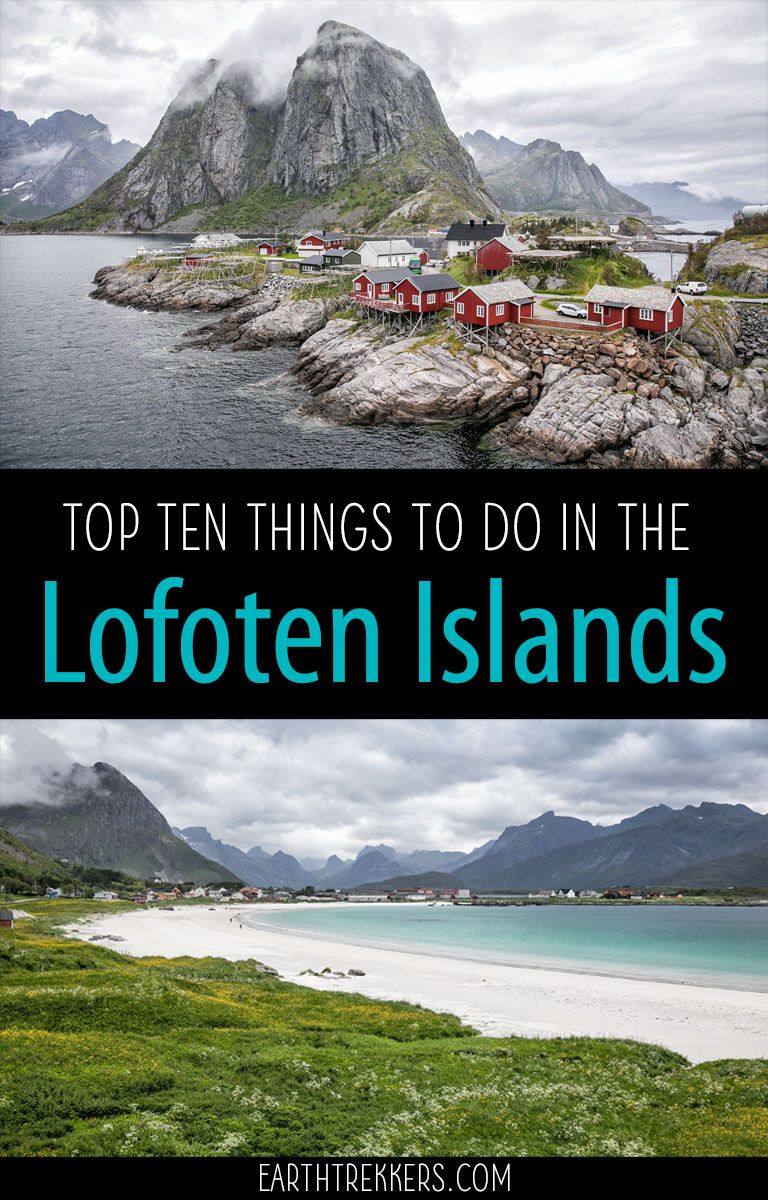
Farther south, the villages become quieter and increasingly picturesque. Henningsvaer is well known for its harbor setting and compact village atmosphere, while Reine is one of the most photographed places in Norway, thanks to its dramatic position between mountains and water. Sakrisøy and Hamnøy are tiny but photogenic, with their combination of bridges, cabins, and steep peaks. Every stop adds another layer to the journey, and it is worth allowing time simply to wander, photograph the harbor, and linger over lunch or coffee when the mood strikes.
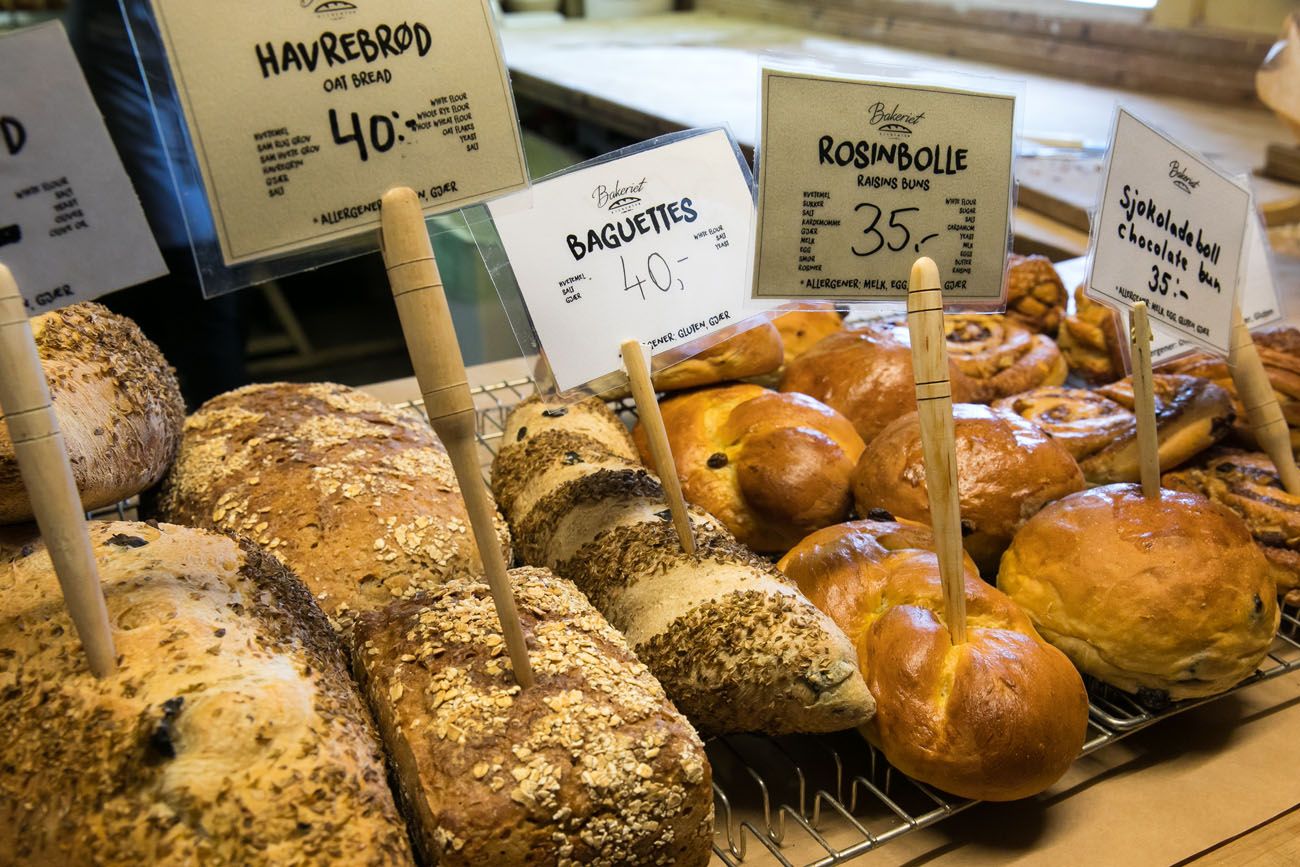
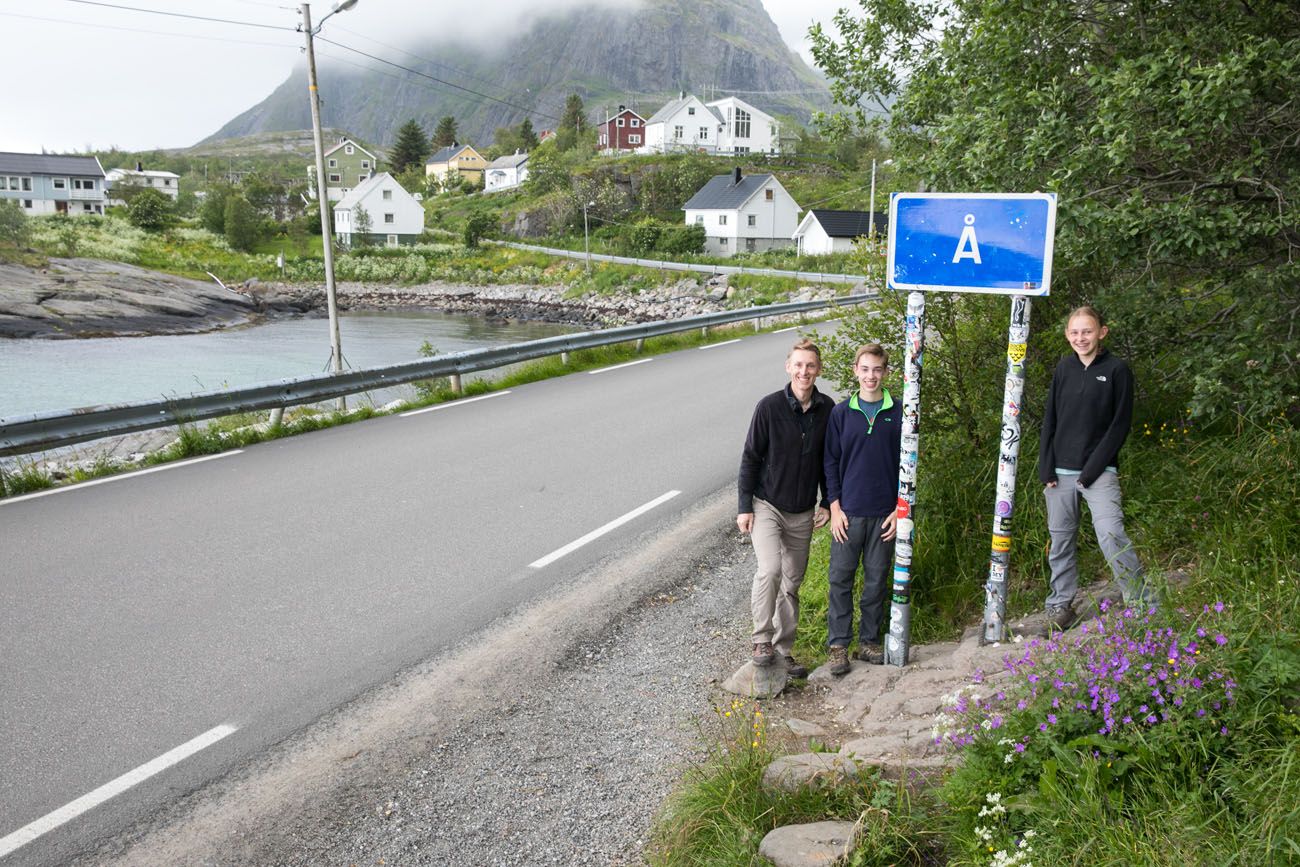
The tiny town of Å, pronounced more like “aw,” marks the end of the road on the southern tip of the islands. It is small, quiet, and easy to overlook if you are rushing through, but it offers a sense of arrival that makes the drive feel complete. The bakery, museums, and village atmosphere create a fitting final stop for a road trip through the islands’ main route.
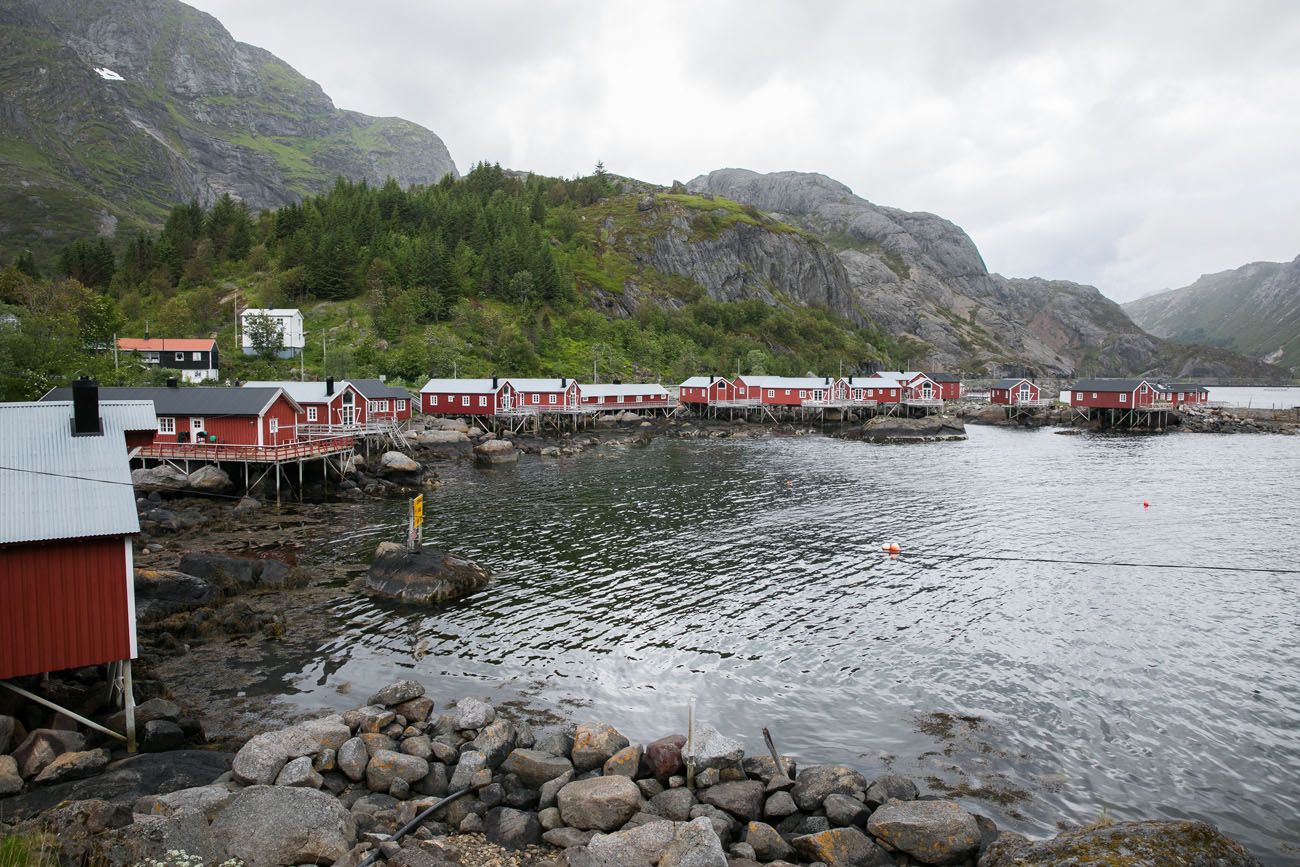
Visit Historic Nusfjord
Nusfjord is one of the best-preserved fishing villages in the Lofoten Islands, and it feels especially atmospheric because it has retained much of its historic character. Rather than simply looking at the village from a distance, visitors can explore a living open-air museum that reflects the fishing and industrial history of the region. A sawmill, old store, and cod-liver oil factory help bring that history into focus in a way that is both accessible and memorable.
Staying overnight here can be especially rewarding. The village atmosphere becomes more peaceful in the evening, and the experience of sleeping in or near historic rorbuer adds another layer of immersion. Nusfjord is a good reminder that the islands are not only about dramatic nature; they are also about the communities that shaped their cultural identity over generations.
Eat the Local Cuisine
Food in the Lofoten Islands is closely tied to the sea, and that connection shows up on menus throughout the region. Fish and seafood are central, and many restaurants lean into local ingredients and traditional preparations. Eating here can be expensive, especially once drinks are added, so it helps to approach meals strategically rather than treating every dinner as a long, indulgent event.
In Henningsvaer, Fiskekrogen is widely regarded as a strong seafood option. In Reine, Gammelbua offers a broader menu that includes fish, seafood, and steak. For travelers keeping a closer eye on budget, Anita’s Sjomat has long been a favorite because it is relatively affordable by Lofoten standards while still delivering a good local experience. In Sørvågen, Maren Anna is another restaurant many travelers hear about and wish they had time to try.
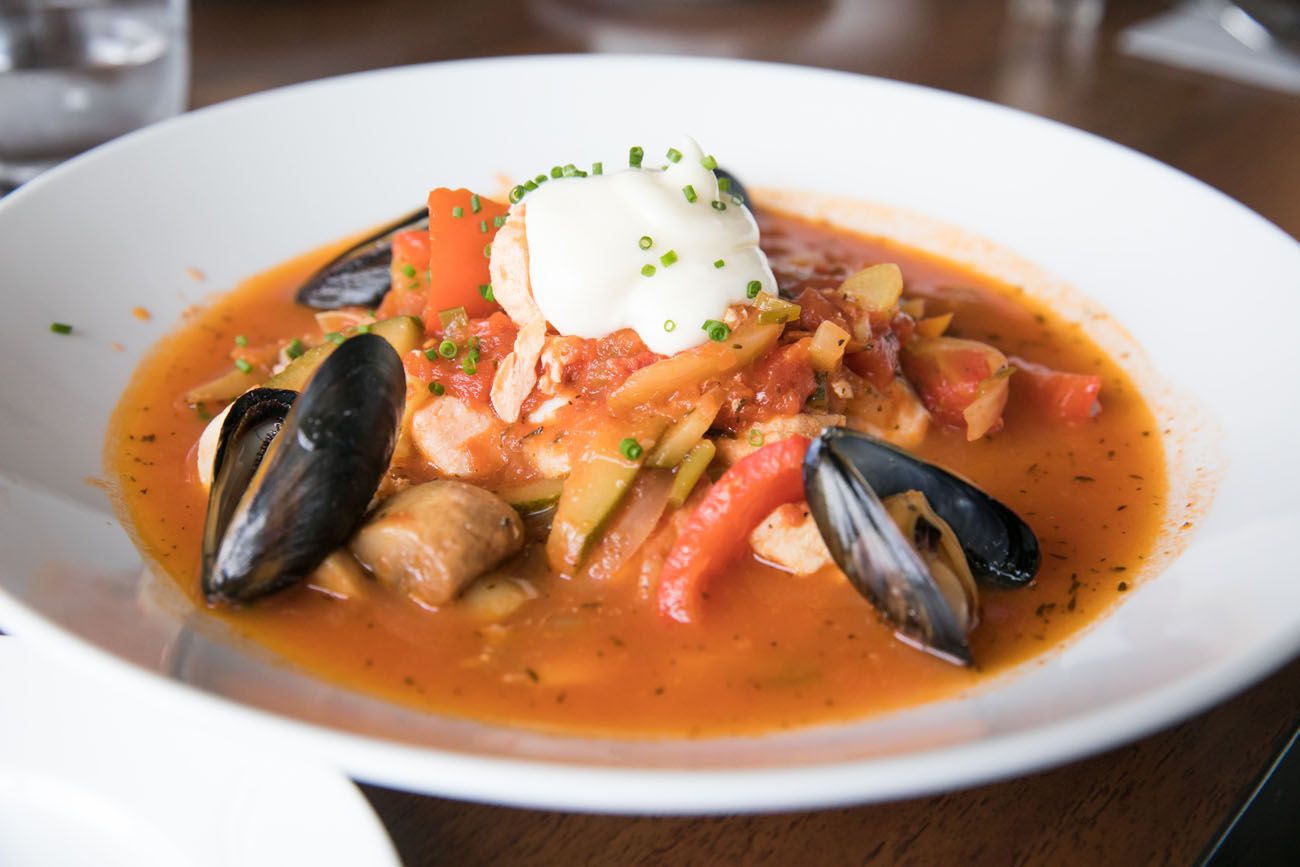
One of the most practical ways to manage costs is to balance restaurant meals with grocery store purchases. Breakfast and lunch are often easy to assemble on your own, especially if your accommodation includes a kitchen. This allows you to save restaurant dining for a few evenings or special meals without feeling like you are missing out. It also gives you more freedom to spend on experiences rather than simply increasing your daily food bill.
Climb Svolvaergeita
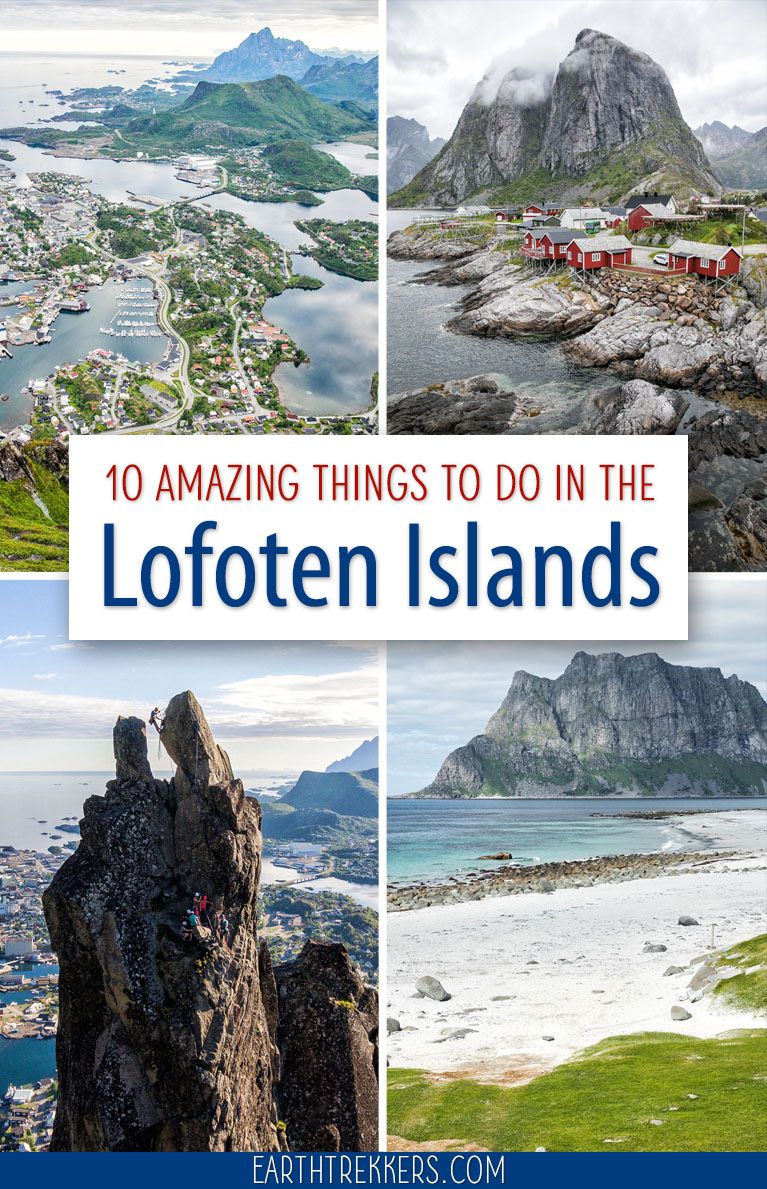
Svolvaergeita, known as The Goat, is one of the most recognizable rock formations in the islands and a favorite among climbers. Its twin horns make it instantly identifiable, and the climb itself adds a memorable dose of adrenaline to a trip that already leans heavily toward adventure. Even visitors who are not experienced climbers often admire it from below and quickly understand why it has become so iconic.
Those with the right guidance and confidence can climb to the top, and for some, the most exhilarating part is the famous jump between the horns. It is not an activity to rush into casually, but for travelers who enjoy guided adventure and have a sense of fun about it, it can become one of the most memorable experiences in the Lofoten Islands. The setting alone makes it worthwhile, with cliffs, sea, and sky creating a dramatic backdrop for the ascent.
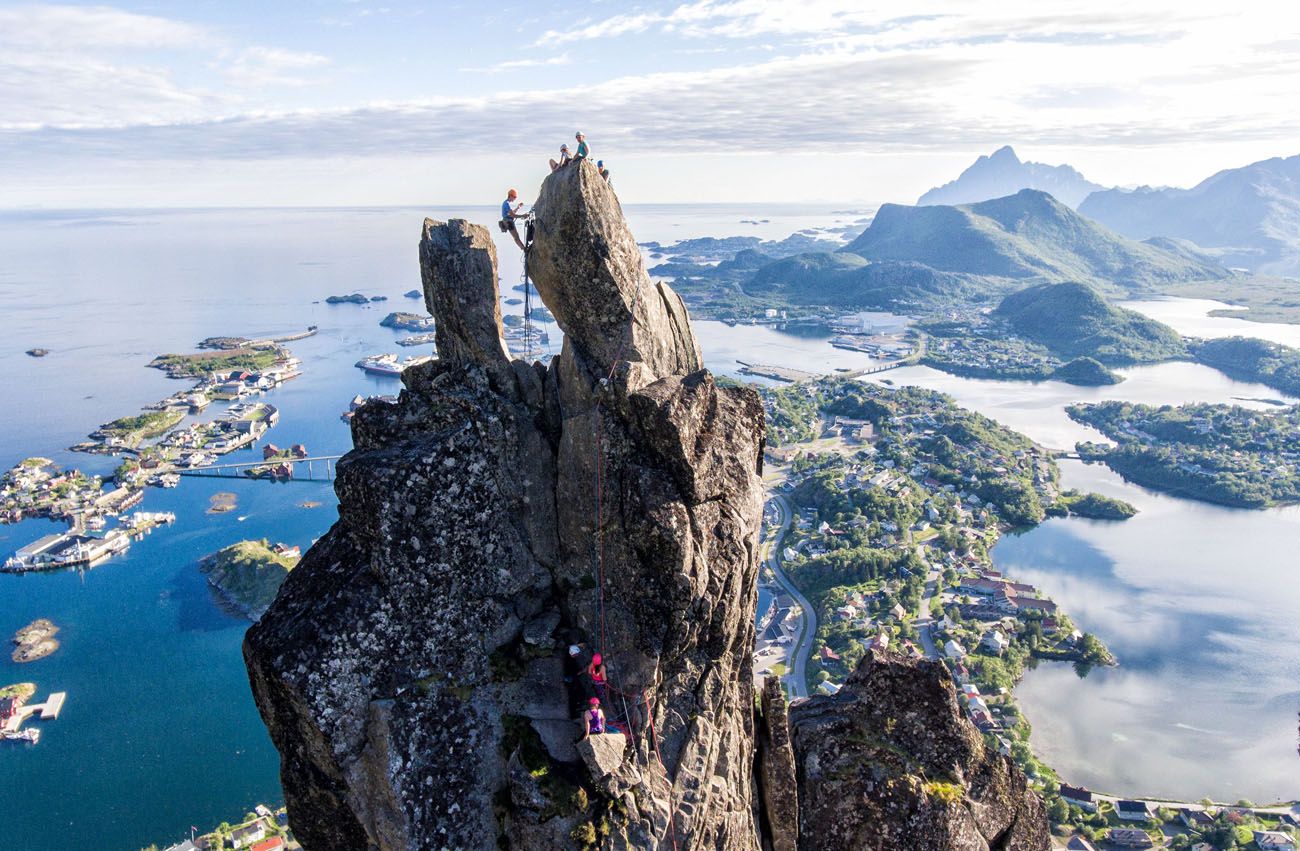
Climbing Svolvaergeita is the kind of experience that stays with you because it combines physical challenge with an unforgettable view. Even if you do not climb it yourself, seeing others make the ascent gives you a sense of the adventurous spirit that defines so much of the region.
See the Northern Lights
Because the Lofoten Islands sit within the Arctic Circle, they are one of the places where the Northern Lights can appear during the darker months of the year. From September through April, the chances exist whenever skies are clear and solar activity cooperates. No trip can guarantee a sighting, but the possibility adds a special sense of anticipation to autumn and winter travel.
Winter also brings a very different mood to the islands. The days are short, the light is scarce, and the landscape can feel quiet enough to slow your whole pace of travel. For some visitors, that is exactly the attraction. The snow-covered mountains, dim blue light, and occasional aurora create an atmosphere that is unlike the brighter summer season. If you are hoping to see the Northern Lights, build some flexibility into your itinerary and be prepared to stay up late on clear nights.
How Many Days You Need in the Lofoten Islands
Although the islands can be explored in a brief visit, the experience improves significantly when you allow more time. A minimum of two full days is enough to sample the landscape, drive part of the route, and visit a few towns, but it will likely feel rushed. With four days, the pace becomes much more comfortable. You can combine a scenic drive with a hike, spend time on the beaches, and leave room for weather changes without feeling like your itinerary is unraveling.
If you have a week, you can travel more slowly and appreciate the differences between the northern and southern islands. That extra time also helps if you want to hike more than once, take a ferry to a remote beach, or simply linger in a village when the weather is especially good. The Lofoten Islands are not a place to treat as a checklist; they reward travelers who leave enough space to follow the light, the weather, and their own pace.
Best Time to Go to the Lofoten Islands
The best time to visit depends on what you want from the trip. Summer is the easiest season for most travelers. Days are long, the weather is relatively stable, and the midnight sun gives the islands an almost dreamlike quality. June into July is often the sweet spot for people who want a mix of hiking, driving, and outdoor time with manageable conditions. Early August can also be excellent, though the islands are at their busiest then.
Spring brings long days, lower crowds, and beautiful sunsets, but hiking can still be complicated by lingering snow, especially earlier in the season. Autumn is darker and wetter, yet it has appeal for travelers who want a quieter atmosphere and the return of the Northern Lights. Winter is the most demanding season, with limited daylight and challenging weather, but it can also be dramatically beautiful for those who want to see the islands in their most elemental form.
Because the weather can shift quickly, packing layers is essential no matter when you go. Even in summer, temperatures can feel cool once wind and rain are factored in. A flexible mindset will help more than any one item in your bag, because the best days in the Lofoten Islands often come from adjusting your plan rather than forcing it.
Where to Stay
Accommodation across the islands ranges from rorbuer and apartments to hotels and hostels, and the best choice depends on your route and how many nights you have. If you are visiting for only two or three days, a centrally located base can save time and reduce driving. Leknes or the surrounding area can work well in that case, and Nusfjord is another appealing option for its historic feel.
If you have four or more days, you can afford to spread out more. Staying in Hamnøy or Reine gives you access to some of the most photogenic parts of the islands, and waking up in those settings can be especially rewarding. Splitting your stay between the north and south also works very well, particularly if you want to reduce long daily drives. One practical approach is to spend the first part of your trip in or near Svolvaer and the second part farther south near Reine or Å. This creates a more balanced road trip and helps you experience the islands in two distinct moods.
The most important thing is to book early, especially in summer. The most desirable stays, particularly the classic rorbuer, can fill far in advance. If you are aiming for a specific village or want a water-facing cabin, it is wise to reserve well before your departure date so that your lodging supports your route rather than limiting it.
For travelers who love the idea of remote scenery, active days, and quiet evenings by the water, the Lofoten Islands deliver a rare combination of wilderness and comfort. You can spend the morning on a summit, the afternoon on a beach, and the evening in a fishing village with fresh seafood on the table, all within one unforgettable day.
The islands have a rhythm that is easy to fall into once you stop trying to see everything at once. A good cup of coffee, a coastal drive, a weather window for one more hike, and a final evening light over the harbor can be enough to make the whole journey feel complete in its own quiet, unforgettable way.