After fifteen years of traveling across continents, some of the most memorable journeys we’ve taken have been inside the US National Parks. They are not just scenic stops on a road trip; they are living landscapes, each shaped by geology, weather, wildlife, and time. Trying to rank them in a neat top-to-bottom list has always felt wrong to us, because the best park is rarely the one with the biggest reputation. It is the one that fits the kind of trip you want to have, whether that means strenuous hikes, quiet mornings in the wild, coastal drives, or the simple pleasure of standing somewhere that makes the rest of the world feel very small.
This guide is designed to help you choose well. It is based on firsthand travel, repeated visits, and the practical lessons that come from being in these places in different seasons, at different times of day, and sometimes with the crowds and sometimes without them. If you are planning your first national park trip or your tenth, the goal here is the same: help you match the park to the kind of experience you actually want.
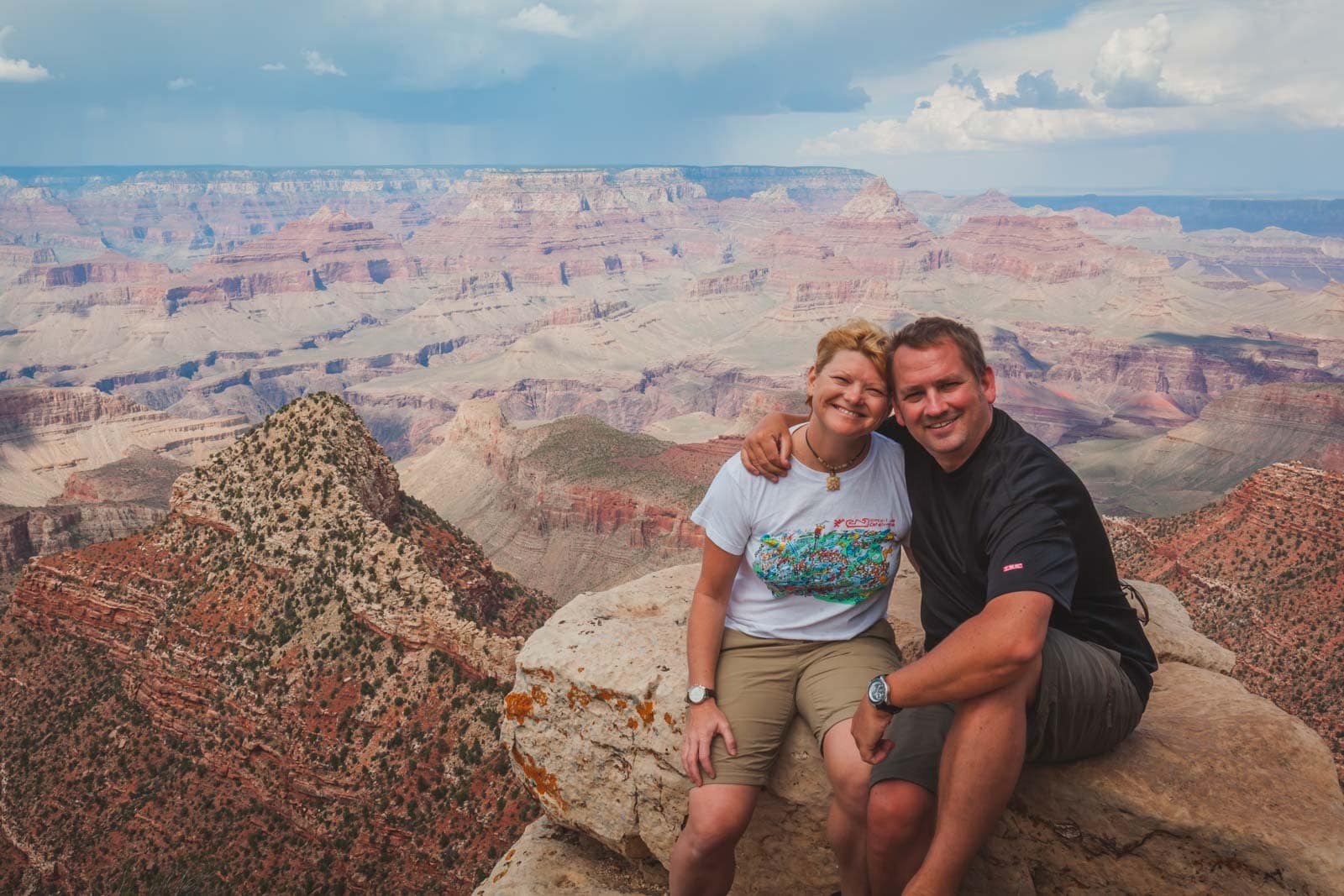
Our Top Picks at a Glance
If your time is limited, these are the parks that consistently deliver some of the strongest all-around experiences in the country. Yellowstone stands out for wildlife and geothermal features. Zion is unmatched for iconic hikes and narrow canyon walls. Yosemite remains one of the most photogenic landscapes in North America. Glacier rewards travelers with alpine scenery and a dramatic road trip. The Grand Canyon is the place for scale and geology, Olympic brings together rainforest, coast, and mountains in one park, and Denali offers a true wilderness experience on a scale that is difficult to comprehend until you are there.
Each of those parks earns its reputation for different reasons, and each one is best approached with realistic expectations. Yellowstone is busy for a reason, but it is large enough that you can still find quiet corners. Zion can feel intense in peak season, but the drama of the canyon floor is unforgettable. Yosemite rewards patience and timing. Glacier asks for planning. The Grand Canyon is one of the most famous places in the world, yet it still feels personal when you watch the light shift across the rim. Olympic and Denali, meanwhile, offer an entirely different kind of escape: one humid and green, the other vast and elemental.
How to Use This Guide
Instead of forcing a ranking, we’ve organized the parks by travel style and landscape. That makes the guide more useful whether you’re planning a one-week vacation, a cross-country itinerary, or a focused trip built around hiking, photography, or wildlife. You might be drawn first to the parks with the most famous landmarks, but sometimes the less obvious choice ends up becoming the trip you remember most vividly. A park that gets less attention may fit your pace better, offer better shoulder-season conditions, or give you the solitude that a marquee destination cannot.
It also helps to think about time of year. Several parks are dramatically affected by snow, heat, road closures, or shuttle systems. In some places, the best experience depends on whether you arrive at sunrise, in the shoulder season, or with a campsite reserved months ahead. A little planning goes a long way in the national parks, and that is especially true in the most visited ones. The reward for that planning is access to some of the most spectacular public land on Earth.
Iconic Scenery Worth the Journey
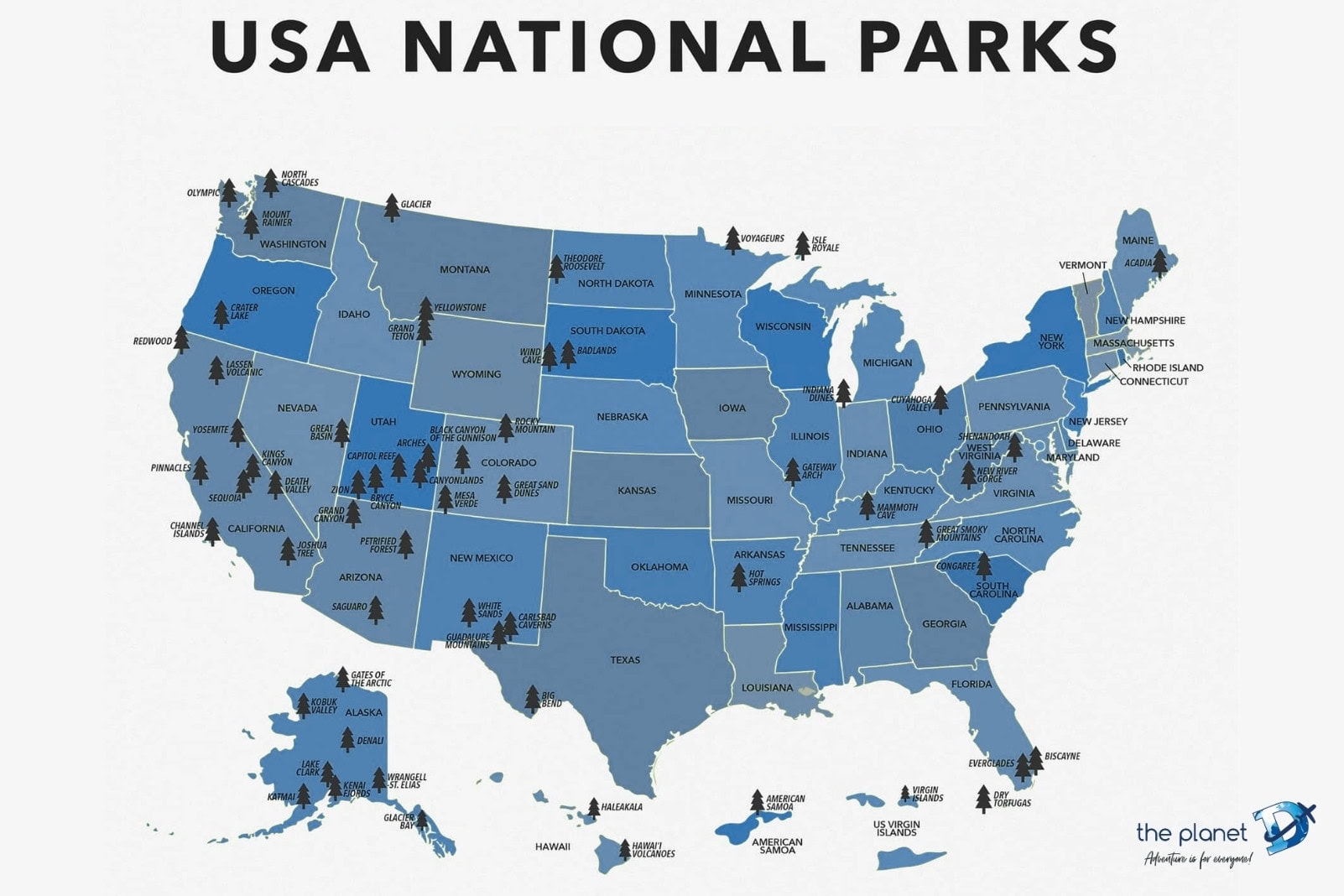
Some parks are famous because they truly are extraordinary, even by the high standards of the national park system. They are the landscapes people recognize from photographs, calendars, and old travel books, and yet the real thing still manages to surprise. Yellowstone, the Grand Canyon, Yosemite, and Zion all belong in that category. They are different in character, but each one offers a vivid sense of place that stays with you long after the trip ends.
Yellowstone National Park, Wyoming
Yellowstone is the first national park in the United States, and the scale of its significance is matched by the force of the place itself. It is a landscape of steam, color, sulfur, deep forests, wide valleys, and wildlife that still moves according to its own rhythms. The geothermal activity gets most of the attention, and for good reason. There is nowhere quite like standing near a geyser basin while the ground bubbles and vents beneath your feet. But Yellowstone is also about the broader experience of being in a huge ecosystem where bison, elk, bears, wolves, and birds all occupy the same protected space.
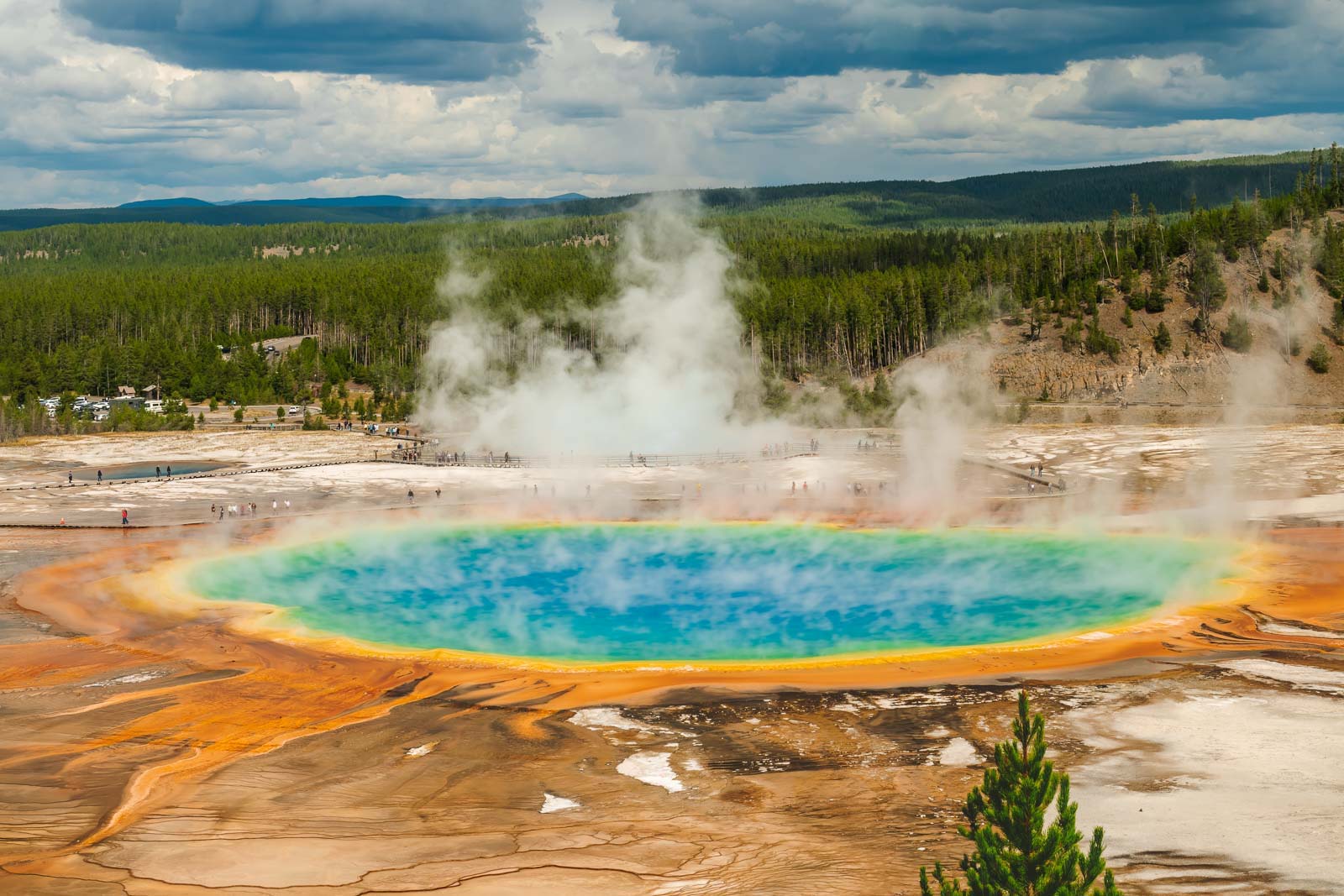
We have returned to Yellowstone more than once, and one of the most satisfying parts of the park is that it rewards repeat visits. Old Faithful is iconic, but the real character of Yellowstone appears in the less hurried moments: watching a herd of bison crossing a valley at dawn, pausing beside a hot spring that glows almost unnaturally in the morning light, or driving slowly through Lamar Valley in search of wildlife. The Grand Prismatic Spring is one of the park’s most famous features, and it deserves the attention it gets, but we would still recommend building time into your day to explore farther afield. The Upper Geyser Basin, Hayden Valley, and Lamar Valley each offer their own version of Yellowstone, and they all feel different depending on the season.
The best time to visit is usually spring or autumn if you want a more comfortable crowd level and strong wildlife viewing. Lodging inside the park is convenient if you can get it, but nearby towns like West Yellowstone and Gardiner are practical bases as well. Yellowstone is one of those parks where the map matters. Distances can be deceptive, traffic can be slow, and scenic pullouts are worth taking seriously because some of the best moments happen when you least expect them.
Grand Canyon National Park, Arizona
The Grand Canyon has a reputation so large that it can be hard to imagine it feeling personal. Yet standing on the South Rim, looking across layers of stone that seem to stretch into geological time, it becomes clear why so many travelers are moved by it. The canyon does not present itself as a single dramatic reveal; it unfolds in waves of color, shadow, and scale. It is less a single view than an entire atmosphere.
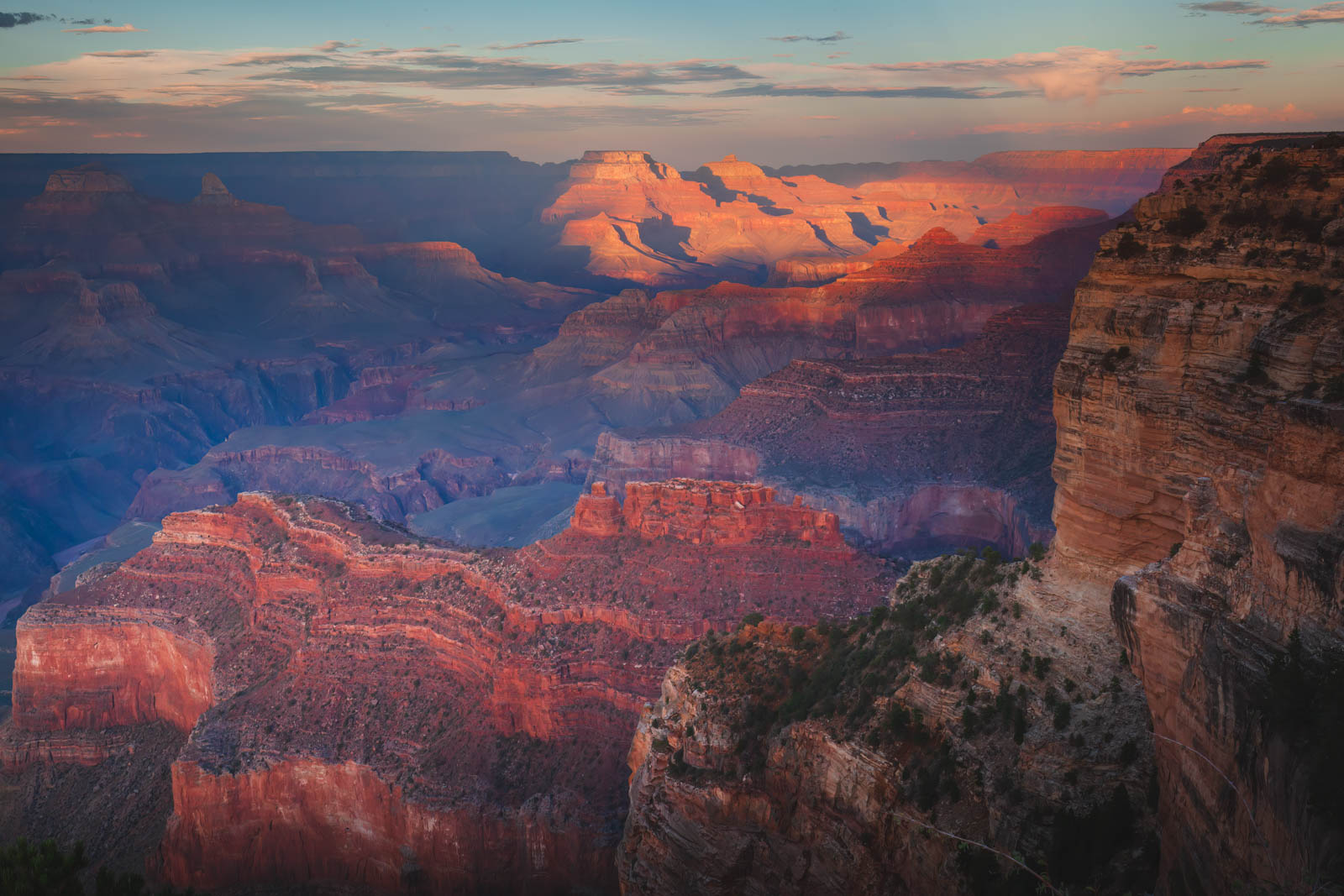
What makes the Grand Canyon memorable is not just the famous panorama but the way it forces you to think differently about time and distance. The rock layers tell the story of the planet with unusual clarity, and hiking even a short distance into the canyon changes your perspective in a very literal sense. The South Rim is the most accessible section and includes the visitor center, scenic viewpoints, and the Rim Trail, but it is worth staying long enough to experience the canyon at sunrise or sunset. The light changes the stone dramatically, and the mood of the place shifts with it.
For travelers who want more than a viewpoint, the canyon also offers rim-to-river hikes, mule rides, and rafting on the Colorado River, though any activity here should be planned with the terrain in mind. Heat and elevation can be challenging, especially in warmer months. March through May and September through November are generally more comfortable, particularly if you want to hike without fighting extreme temperatures. Even a short visit can be unforgettable, but the Grand Canyon rewards longer stays because the canyon reveals different personalities throughout the day.
Yosemite National Park, California
Yosemite is one of the few parks that still feels larger than its reputation. The valley, the granite walls, the waterfalls, and the high country all contribute to a landscape that feels both dramatic and deeply ordered. It is a photographer’s favorite for obvious reasons, but it is also a place where hikers, climbers, and casual visitors can all find something meaningful. The park has an almost cinematic quality, and yet it never feels artificial.
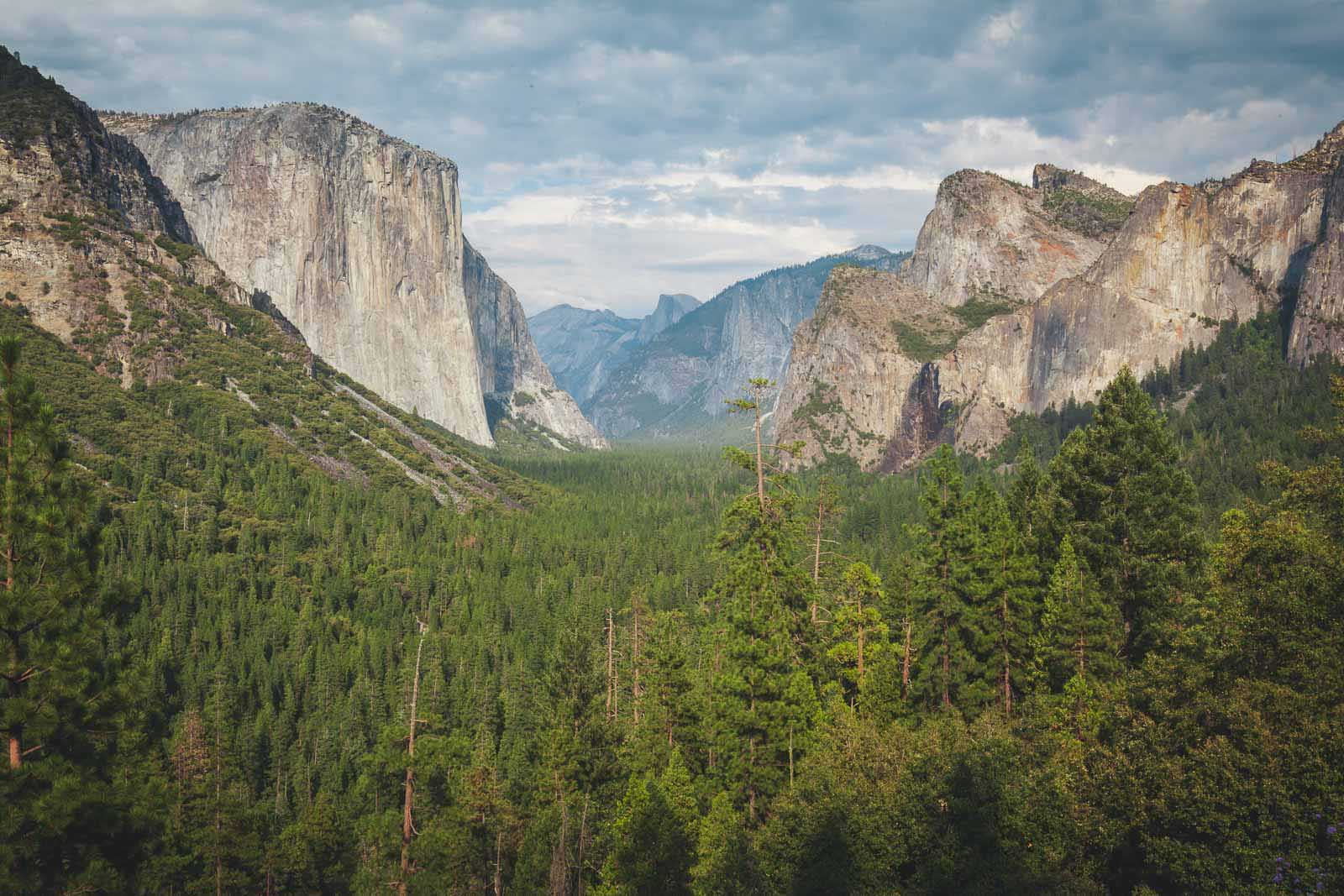
For many travelers, Yosemite Valley is the emotional center of the park. El Capitan rises with an almost impossible verticality, Half Dome dominates the skyline, and waterfalls thunder during snowmelt season. Tunnel View remains a classic introduction to the valley, especially in late afternoon when the light softens the cliffs and gives the whole scene more depth. But Yosemite is not limited to its famous vistas. Even short walks can feel memorable here because the setting does so much of the work. Spring is ideal if you want the waterfalls at their fullest, while autumn offers quieter trails and a more relaxed pace.
One reason Yosemite endures is that it works for many kinds of travelers. You do not need to be a technical climber or an expert backpacker to appreciate it, though the park certainly rewards both. You can spend a week there and still feel like you’ve only scratched the surface. That balance between accessibility and grandeur is part of what makes Yosemite so compelling.
Zion National Park, Utah
Zion is one of the most immediate national park experiences in the country. Instead of viewing the canyon from above, you move through it, walk beside its walls, and sometimes literally wade through its river. That change in perspective makes Zion feel intimate despite the size of the cliffs around you. The sandstone walls are steep, luminous, and visually overwhelming in the best possible way.
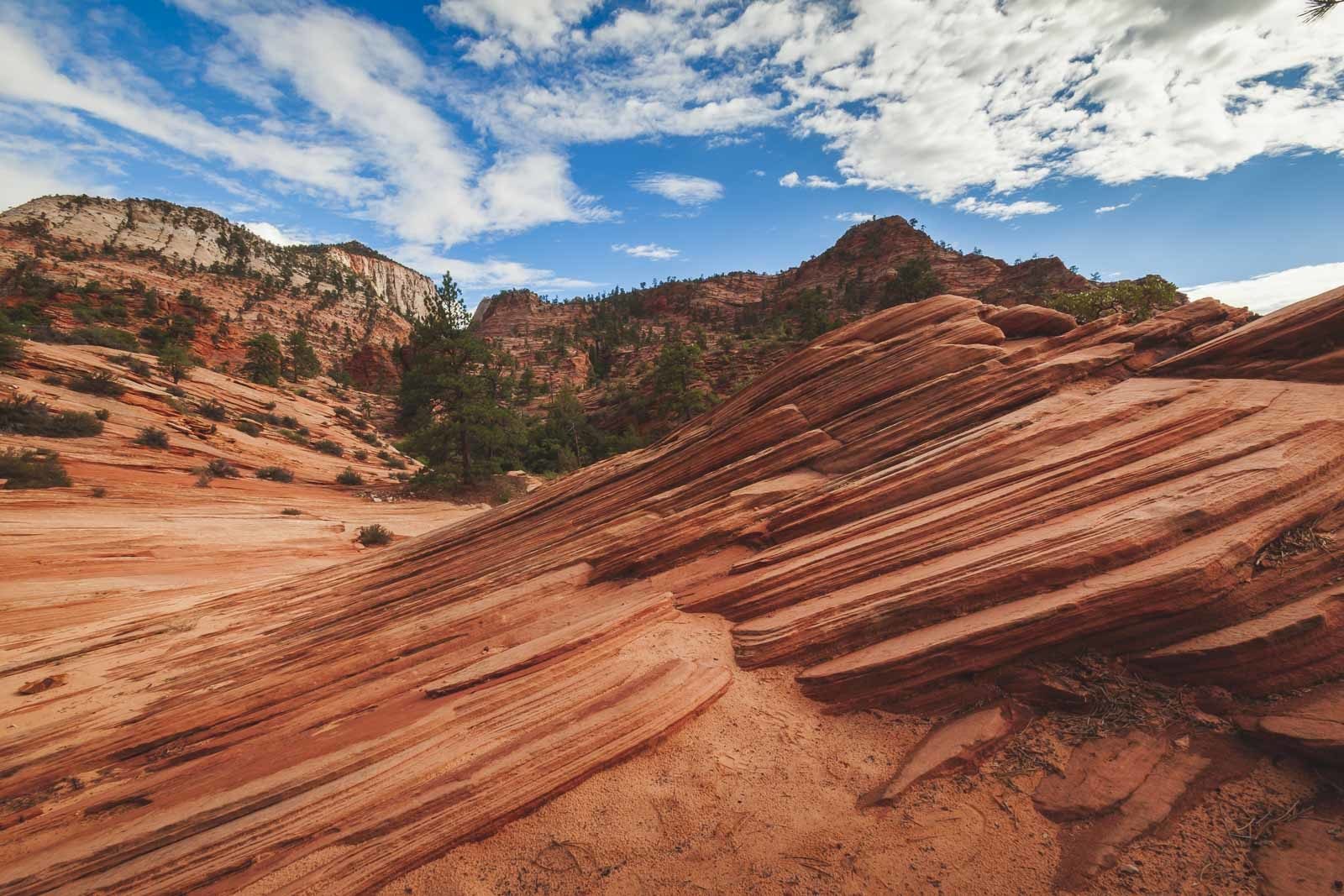
The park’s reputation for hiking is well earned. The Narrows is one of the most distinctive hikes in America, and Angels Landing has become famous for both its views and its adrenaline. But Zion offers more than headline trails. Emerald Pools gives visitors a gentler introduction to the canyon, and the Zion-Mount Carmel Highway is itself worth the drive for the views as the landscape shifts from canyon floor to high desert and back again. The shuttle system can take some getting used to, but it is an important part of managing access in the main canyon, and using it usually makes the day easier rather than harder.
The best times to visit are spring and autumn, when temperatures are friendlier for hiking and the park is at its most manageable. Summer heat can be intense, and the experience changes substantially when the canyon is packed. Even so, Zion remains one of the most rewarding parks in the system because it gives travelers such a direct physical connection to the landscape.
For Hikers, Explorers, and Road-Trippers
Some parks are best understood on foot, while others invite a combination of driving, hiking, and lingering at overlooks. The parks in this section are ideal for travelers who want a little more challenge and a stronger sense of movement through the landscape. They tend to require more planning, more water, more time, and often more willingness to get away from the obvious stops.
Denali National Park, Alaska
Denali is wild in a way that many travelers only encounter once or twice in a lifetime. The scale is immense, the interior is largely roadless, and the sense of remoteness is immediate. When weather allows, the mountain itself appears with a force that feels almost unreal. Even when it is hidden in cloud, Denali still feels like a place shaped by vast distance and weather larger than human schedules.
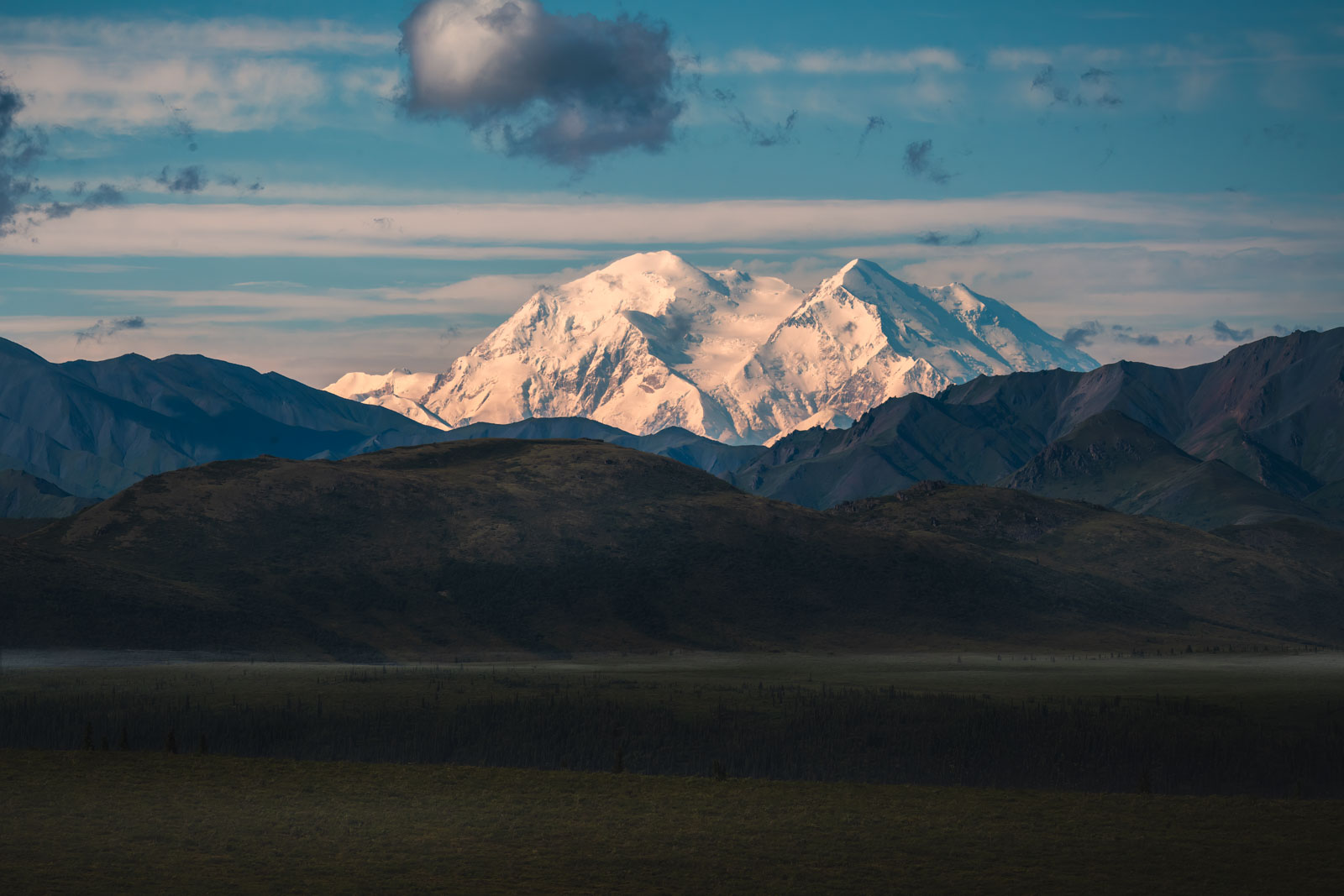
Access inside the park is intentionally limited to preserve the wilderness experience, which means the bus system becomes part of the adventure. That slower pace is a feature, not a flaw. It creates the kind of travel where you watch the landscape carefully and pay attention to every movement on the horizon. Grizzly bears, moose, Dall sheep, and caribou can all appear during a drive, and flightseeing tours add another layer of scale. If you have the chance to take one, it can be one of the most memorable travel investments you ever make.
The most practical time to visit is between late May and early September. Outside that window, accessibility narrows significantly. Denali is not a park for hurried sightseeing; it is a place that asks for patience and gives you immersion in return.
Glacier National Park, Montana
Glacier is one of the most satisfying parks for anyone who loves alpine scenery and high-elevation hiking. It has the kind of mountains that seem to rise directly out of the earth, along with cold lakes, active glacial terrain, and a road system that turns the park into one of the great drives in North America. The Going-to-the-Sun Road alone would make Glacier notable, but the park goes far beyond that single route.
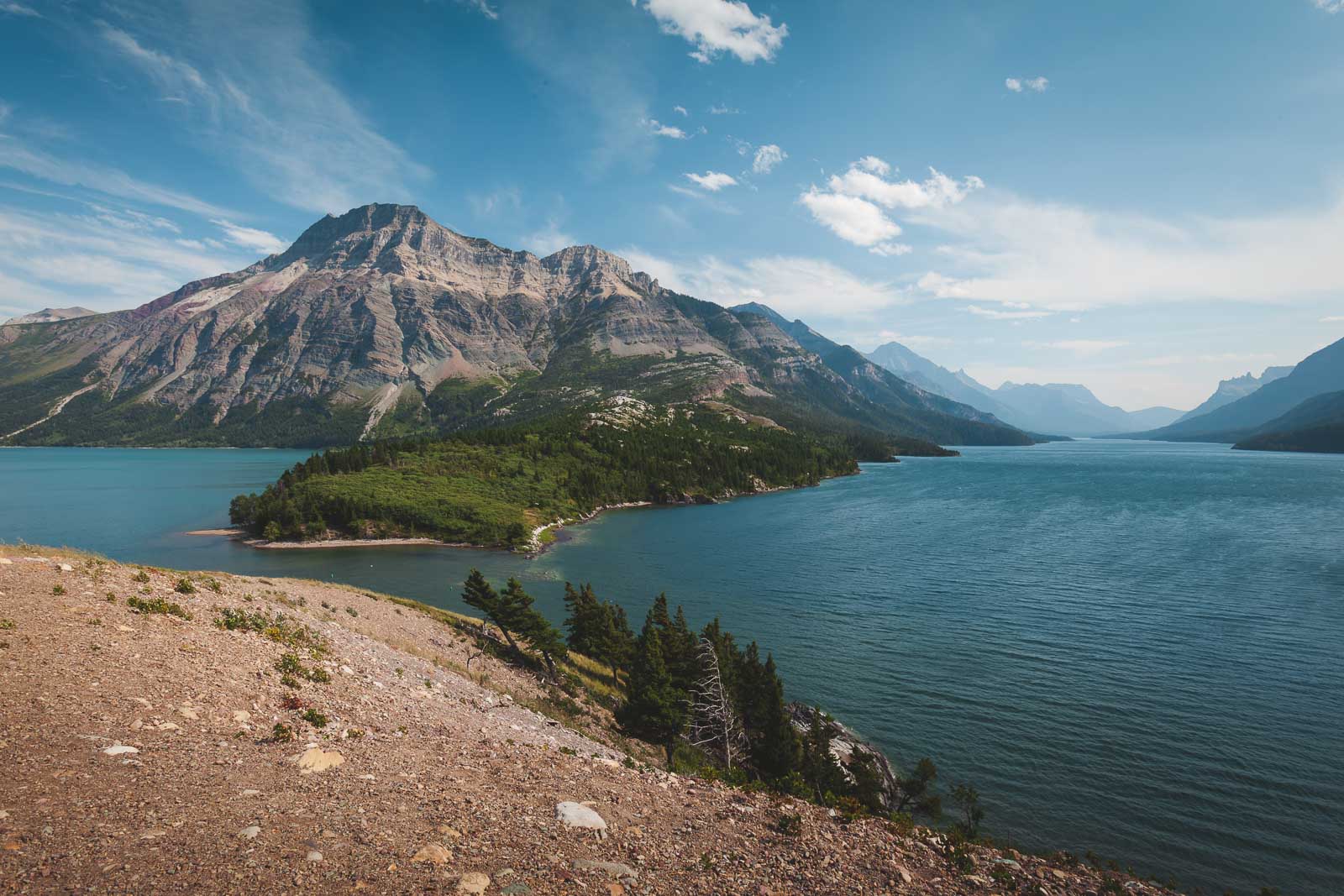
The trail system here is outstanding, and some of the best experiences come only after you leave the car behind. Highline Trail is one of the park’s signature hikes, with big views and a genuine sense of exposure, while Grinnell Glacier takes you deeper into the alpine setting that defines Glacier. These are the kinds of hikes that stay with you because they combine physical effort with constant visual payoff. The scenery is dramatic, but it never feels staged.
July and August are usually the best months for road access and snow-free trails, but that also means the park is at its busiest. Reservations for the Going-to-the-Sun Road area are now part of the planning process in peak season, so it pays to book early and build your itinerary carefully. Glacier is especially rewarding for travelers who like to plan ahead and then be rewarded with unforgettable scenery.
Rocky Mountain National Park, Colorado
Rocky Mountain National Park offers a classic alpine experience with high peaks, clear lakes, tundra, and enough elevation to make you feel it almost immediately. Trail Ridge Road is one of the most famous scenic drives in the country because it climbs into a rare high-country world where the views open up dramatically and the air gets noticeably thinner. Even if you never leave the car, the park makes a strong impression.
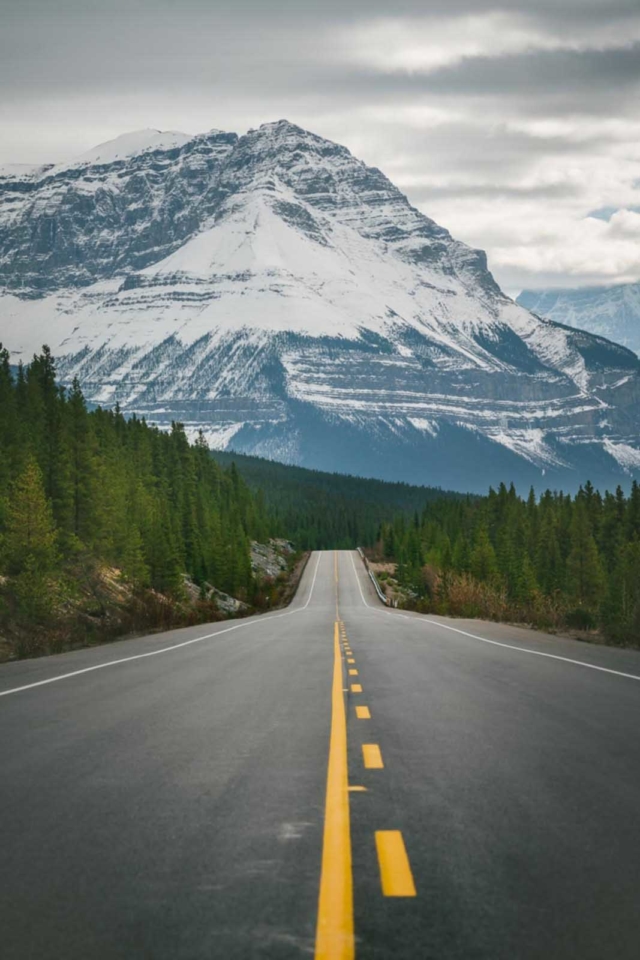
For hikers, the appeal is just as strong. The park’s lakes, ridges, and meadows create a good range of trail options, and the hike to Emerald Lake is a classic for a reason. It gives you multiple alpine lakes in one route and offers a good introduction to the higher elevations without requiring an extreme commitment. That said, altitude is not something to ignore. Taking a day to acclimatize can make the difference between a good experience and a miserable one.
June through September is generally the most practical season for a full visit, though weather can still shift quickly. Rocky Mountain is popular enough to require some patience, but it remains one of the best parks in the system for travelers who want big mountain scenery without needing technical mountaineering skills.
Canyonlands National Park, Utah
Canyonlands is one of the most underrated parks for visitors who want dramatic desert scenery without the level of congestion found in some of Utah’s better-known parks. It is huge, remote, and divided into districts that do not connect by road, which means visiting requires a little strategy. That same remoteness is part of its appeal. The park feels like an actual expedition rather than a series of roadside stops.
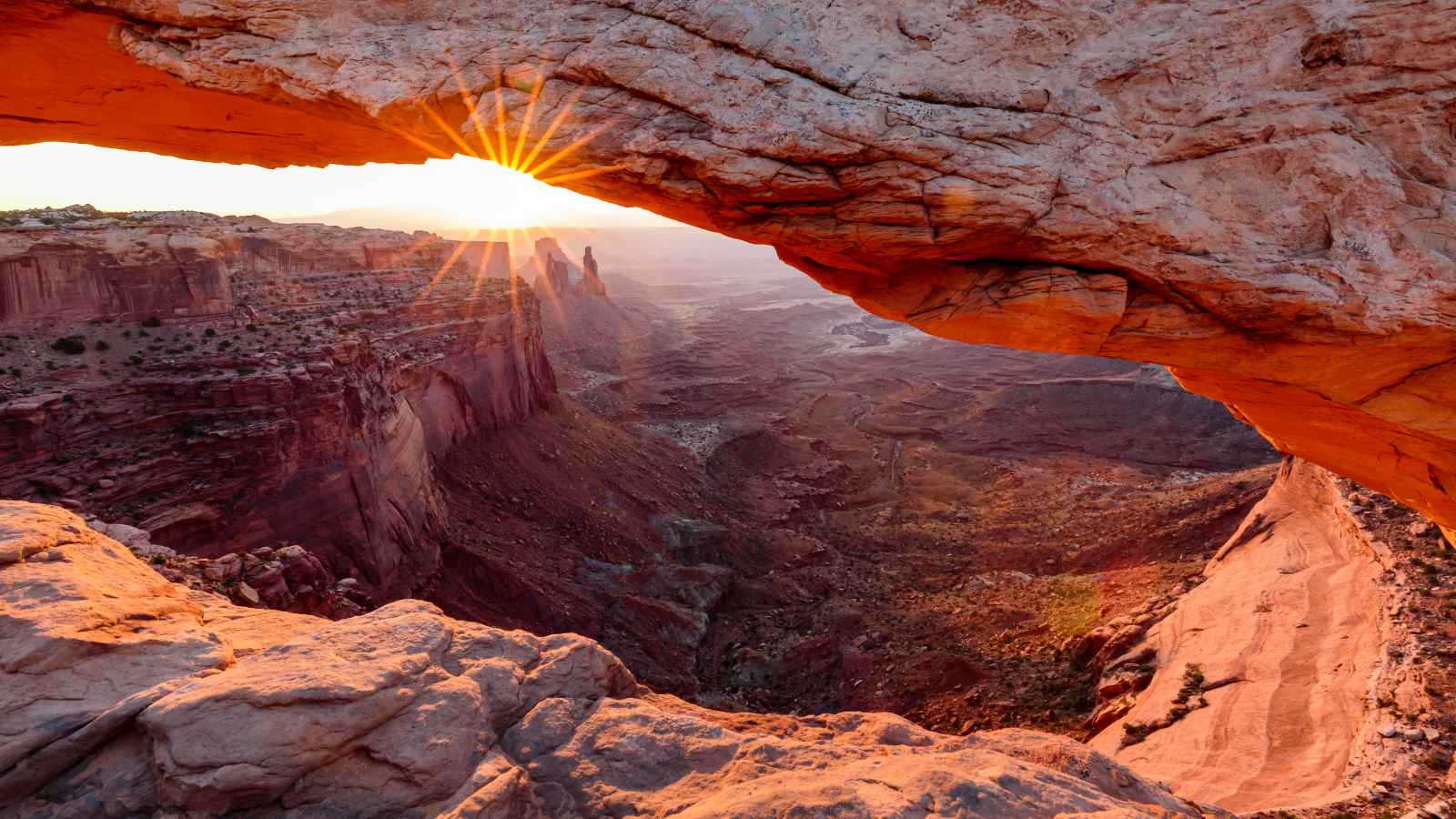
Island in the Sky is the easiest district to explore in a short visit and provides enormous views over the canyon systems below. Mesa Arch is one of the signature landmarks, especially at sunrise, but the wider value of the district is in the way it presents the landscape from above. The Needles rewards stronger hiking effort, while The Maze is for travelers with serious backcountry experience and time. If you want solitude and a stronger sense of scale, Canyonlands delivers both.
Spring and autumn are the best seasons for most travelers. The summer heat can be punishing, and the distances between districts mean you should not underestimate drive times. Canyonlands is one of those places that feels best when you give it room.
Otherworldly Landscapes
Some parks feel less like familiar terrain and more like geological experiments. Their shapes, colors, and textures are so distinct that they seem to belong to another planet. These parks are ideal for travelers who care about photography, unusual landforms, or simply the pleasure of standing in a place that doesn’t look like anywhere else.
Arches National Park, Utah
Arches contains more than two thousand natural stone arches, along with spires, fins, and balanced rock formations that turn the entire park into a kind of open-air sculpture garden. The deep red stone and vast blue sky create a visual contrast that is hard to overstate. Even on a first visit, it feels instantly recognizable, as if you have seen it before in photographs but are only now understanding its actual shape and scale.
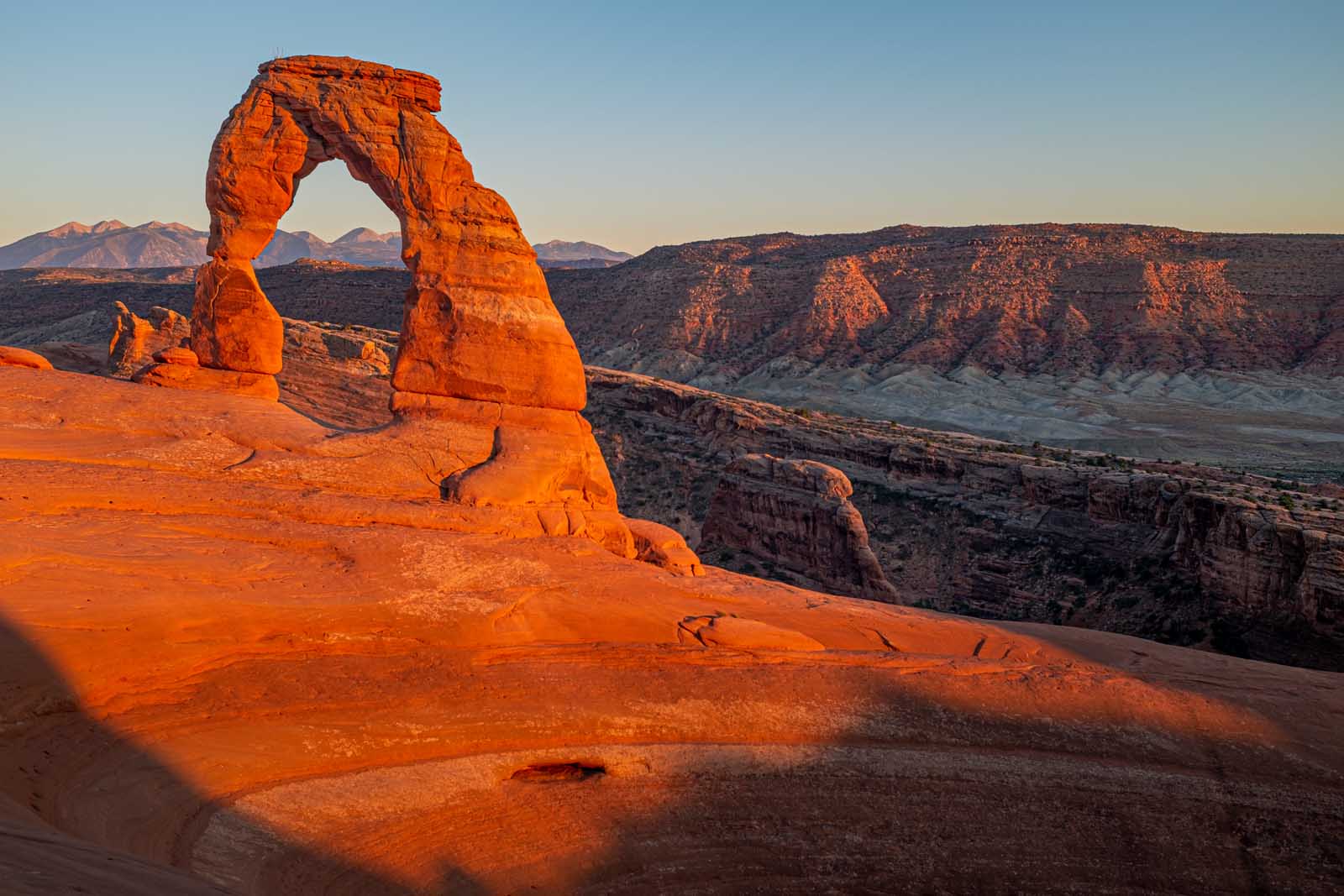
Delicate Arch is the park’s most famous feature, and the hike to it remains one of the essential short hikes in the Southwest. But Arches is not only about the marquee stop. Many of the best formations are visible from the scenic drive, and the park has several shorter trails that offer strong rewards without demanding full-day effort. That makes it a useful park for travelers who want a big visual payoff within a compact itinerary. Spring and autumn are the most comfortable seasons, especially since the desert heat can become intense.
Badlands National Park, South Dakota
Badlands surprises many first-time visitors because it is more layered, colorful, and textural than people expect. The eroded buttes and pinnacles look stark at first glance, but the longer you look, the more variation appears in the ridges and shadows. It is one of the best parks for slow observation because the landscape keeps changing with the light.
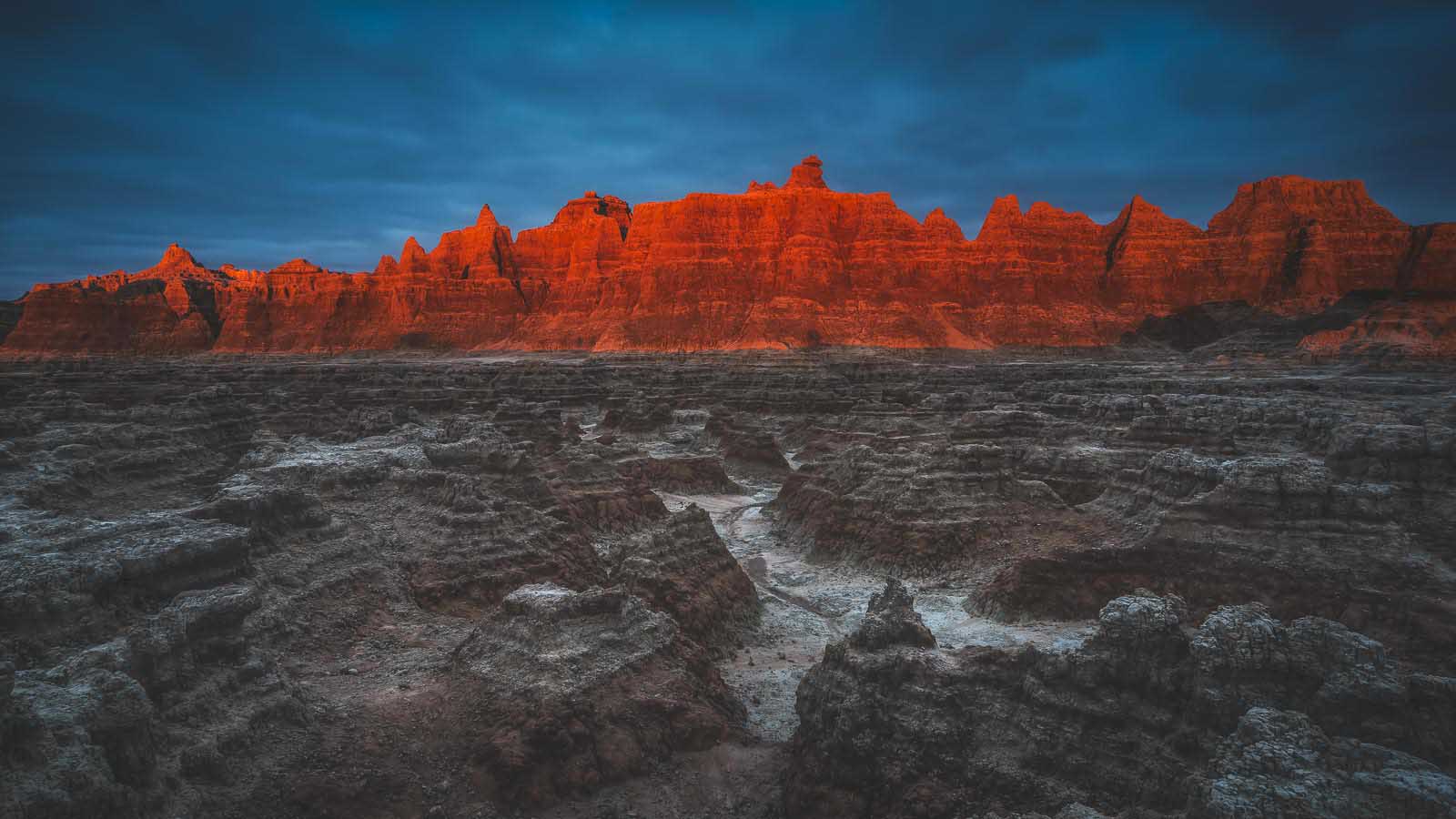
The scenic loop road is the obvious starting point, but the park becomes far more interesting when you step onto the trails. Short walks like the Door Trail and the Notch Trail bring you closer to the formations and make the geology feel immediate rather than distant. Badlands is also notable for its fossil beds, which add another layer of fascination to the landscape. Spring and autumn are the most comfortable times to visit, though the park can be compelling in almost any weather if you are prepared.
Death Valley National Park, California and Nevada
Death Valley is a park of extremes, and that identity shapes everything about the visit. It is the hottest, driest, and lowest place in North America, which means timing matters more here than almost anywhere else. Early mornings, cooler months, and careful preparation are essential. The landscape is dramatic, but it demands respect.
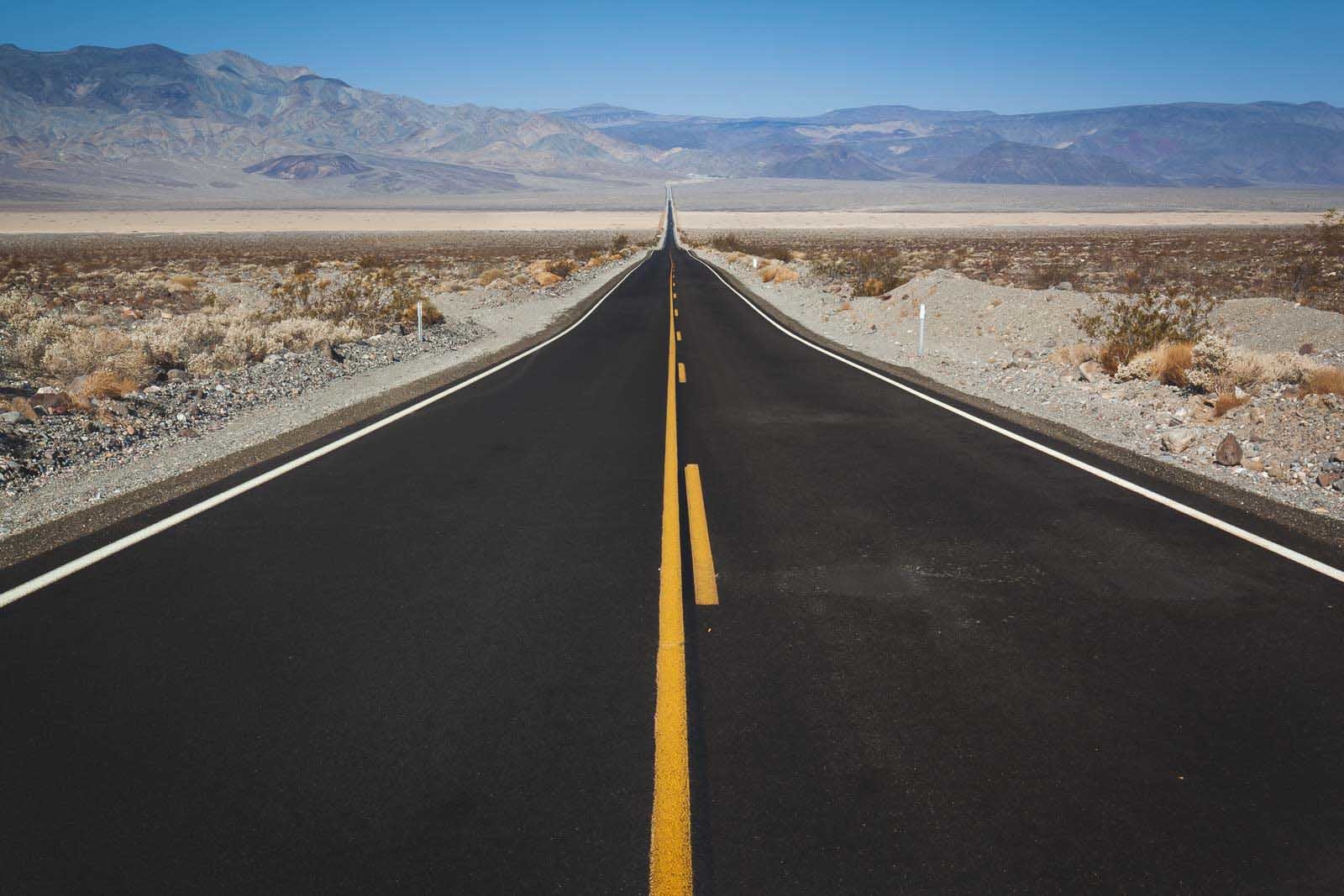
What surprises many visitors is how varied the park feels despite its harsh reputation. Badwater Basin, Artist’s Palette, and Zabriskie Point each reveal a different aspect of the valley’s terrain. Sunrise at Zabriskie Point is especially memorable because the first light brings out warm color in the badlands and makes the ridges glow. At night, the stargazing can be extraordinary. Visiting between late autumn and spring is the safest and most comfortable option for most travelers.
Bryce Canyon National Park, Utah
Bryce Canyon is one of the most visually unusual parks in the country. The main amphitheater is filled with hoodoos, tall spires of rock that seem almost deliberately arranged. The result feels theatrical and slightly surreal, as if the park were designed to reward curiosity more than speed. It is smaller and easier to navigate than some of the larger western parks, but it leaves a huge impression.
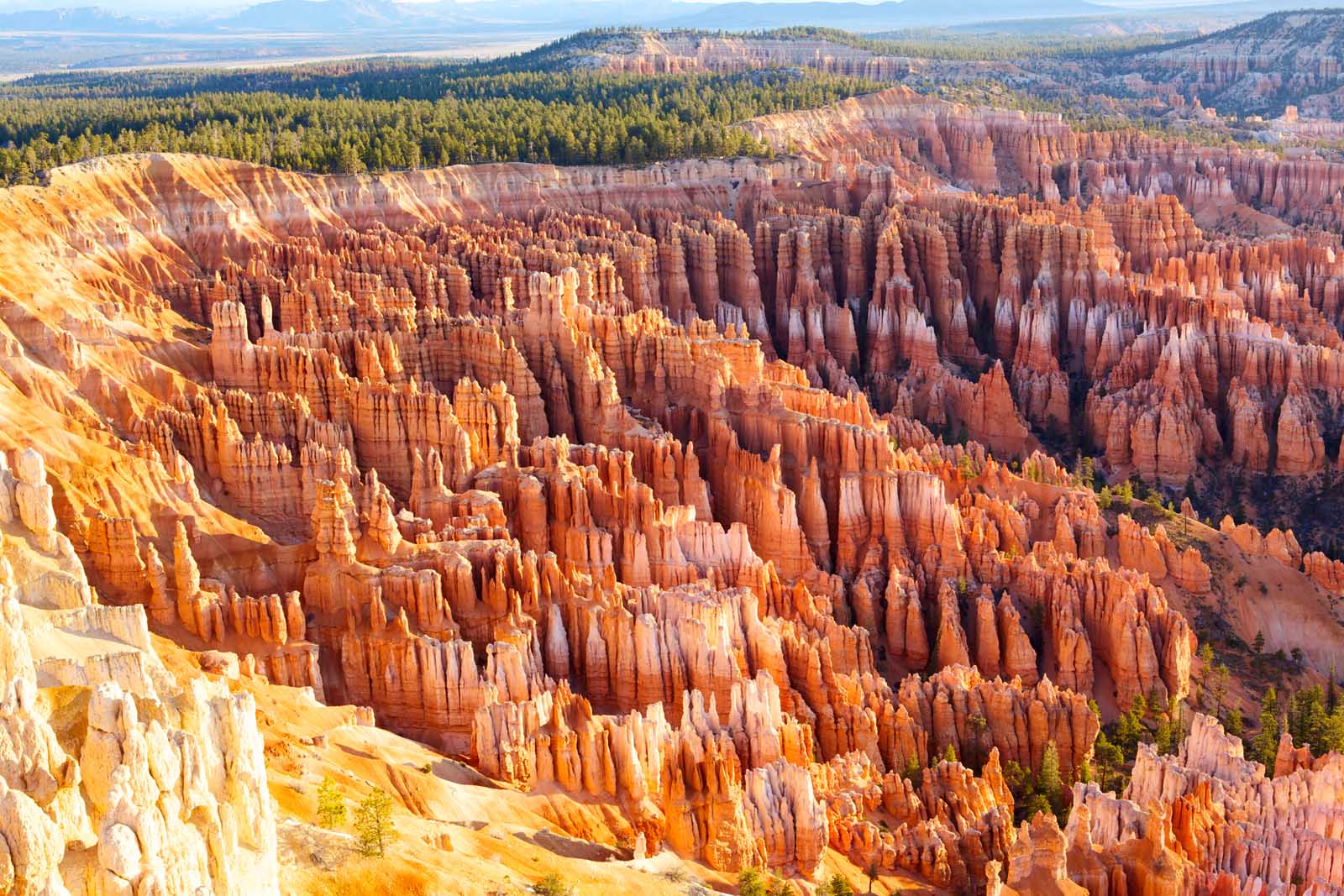
The best way to understand Bryce is to leave the rim and walk among the hoodoos. The Queen’s Garden and Navajo Loop combination is one of the most satisfying short hikes in the Southwest because it changes the entire perspective. Instead of looking down into the formations, you are walking through them. Bryce is also known for dark skies, and the astronomy here is excellent. The high elevation and low light pollution make it one of the most compelling national park destinations for stargazing.
Joshua Tree National Park, California
Joshua Tree has a distinct personality shaped by the meeting of two deserts: the Mojave and the Colorado. That meeting creates a landscape of unusual trees, massive boulders, and open skies that often feel especially alive at sunset. The park attracts climbers, photographers, and travelers who appreciate a desert environment with a strong visual identity.
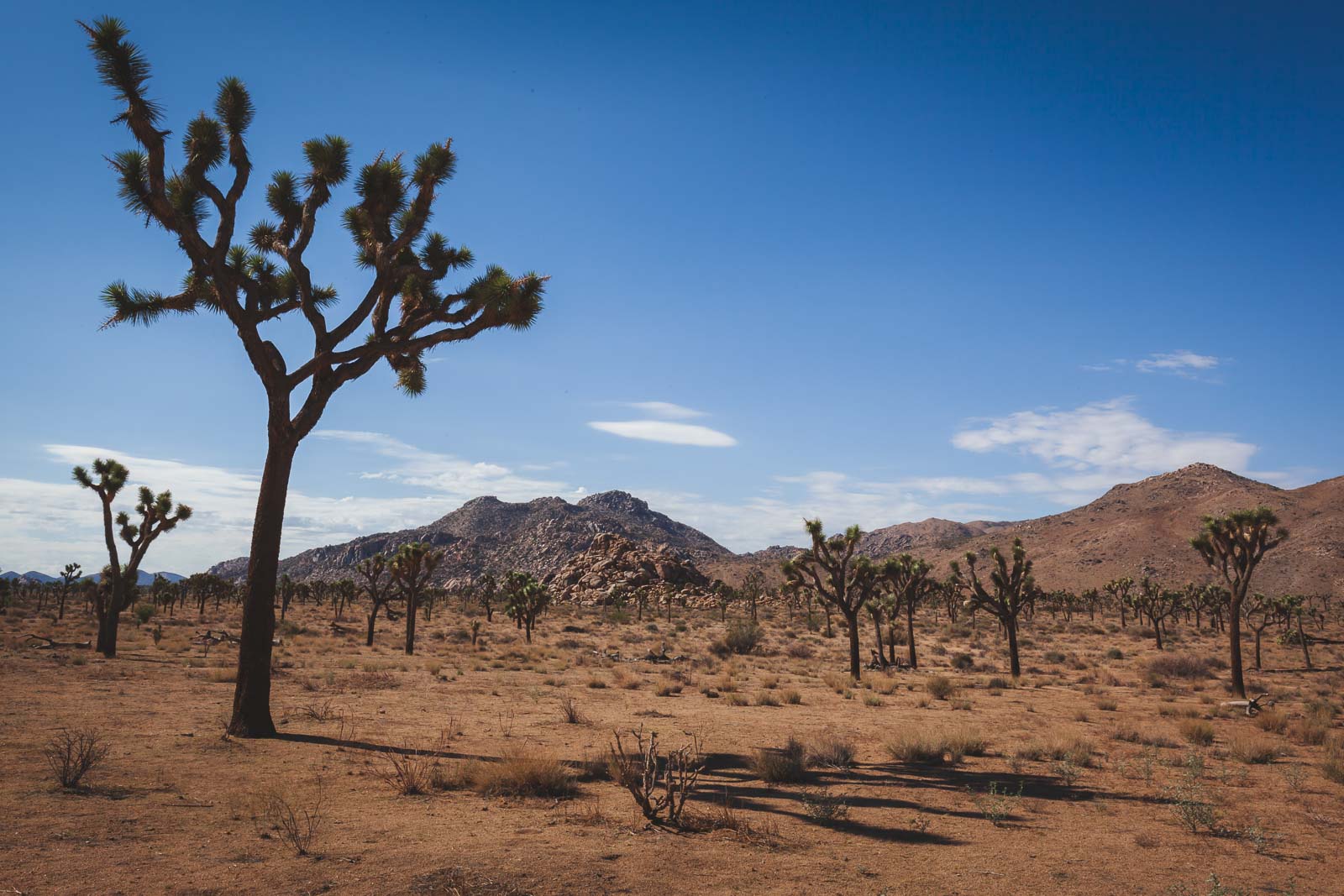
Both sides of the park are worth exploring because they feel quite different. The western section is where the famous Joshua trees are most concentrated, while the eastern section has more cholla cactus and a lower desert character. Bouldering and rock climbing are major draws, but there are also good hikes for casual visitors. Early morning or late afternoon is the best time to move through the park, especially in the warmer months, and October through May offers the most comfortable conditions overall.
Crater Lake National Park, Oregon
Crater Lake is one of those places that seems almost too blue to be real. The lake fills a collapsed volcano caldera, and the depth and clarity of the water create an intense color that photographs rarely capture accurately. It is a park built around a single overwhelming feature, but that feature is so strong that it carries the whole experience.
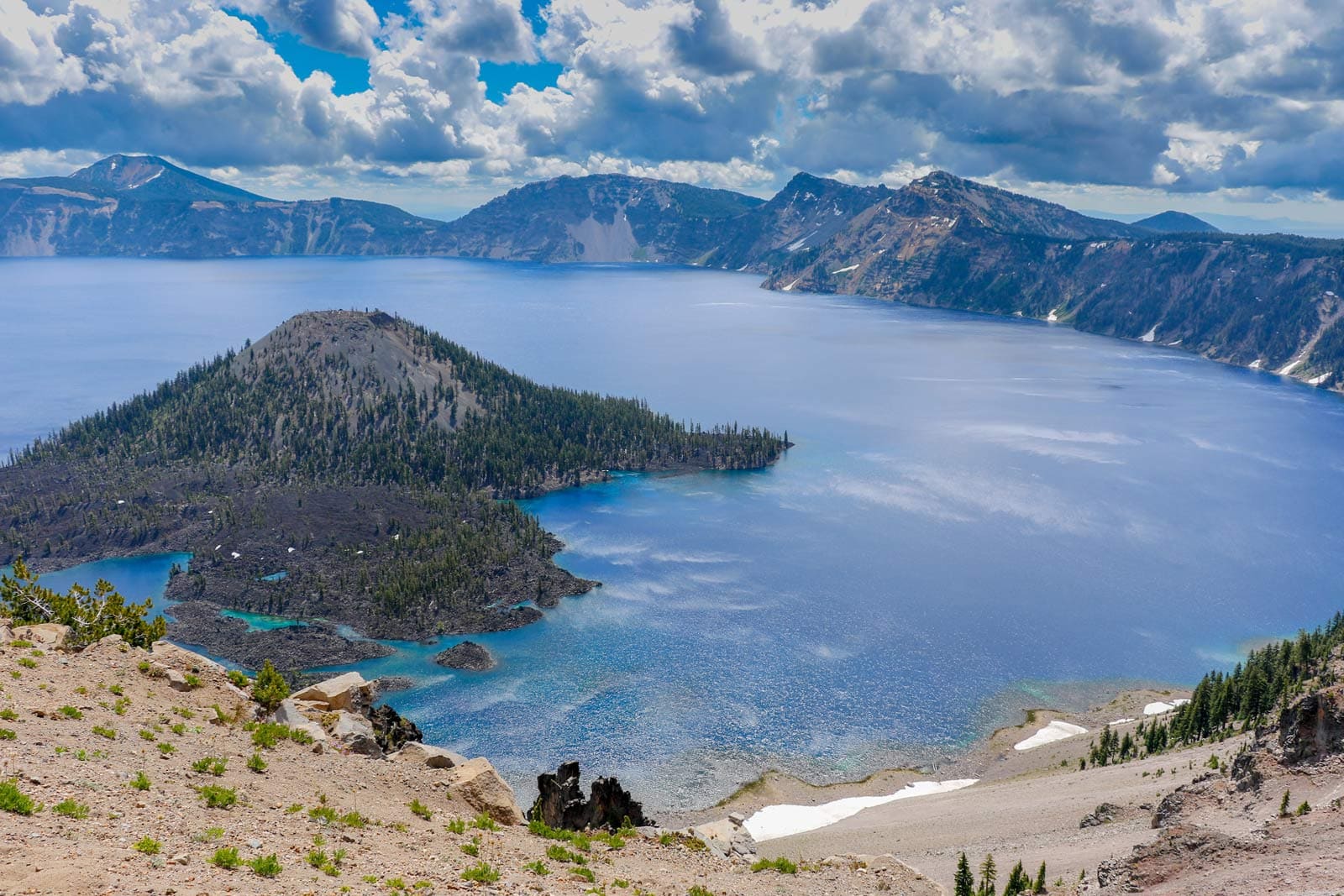
The Rim Drive is the easiest way to understand the scale of the lake, offering a series of viewpoints that reveal the caldera from different angles. Taking a boat tour adds another dimension, especially if you want to see Wizard Island or experience the lake at water level. The park is most accessible from July through September, when snow has cleared from much of the road system. Even a brief stop can be impressive, but the longer you stay, the more the color and stillness of the lake sink in.
Coastal, Island, and Water-Driven Parks
Water changes a park completely. It shapes the weather, the vegetation, the wildlife, and the way visitors move through the landscape. These parks are defined by coastlines, fjords, reefs, and islands, and many require more logistics than a standard road trip. The payoff is a kind of remoteness and beauty that feels distinct from the inland parks.
Olympic National Park, Washington
Olympic is one of the most diverse parks in the system because it combines three major environments in one place: rugged coastline, temperate rainforest, and glaciated mountains. That range makes it especially rewarding for travelers who want variety without leaving one park boundary. The Hoh Rainforest, Rialto Beach, and Hurricane Ridge each feel like different destinations, and that is part of the attraction.
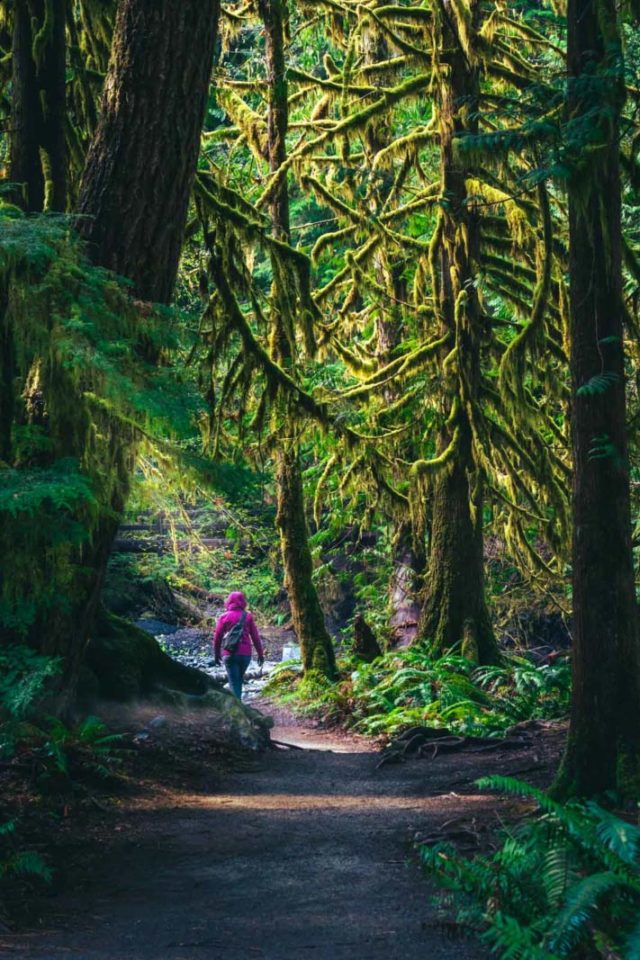
The rainforest sections are especially memorable because of their density and texture. Moss hangs from branches, the light is filtered and soft, and the air feels alive with moisture. On the coast, tide pools and sea stacks create a wilder, more exposed atmosphere, while the mountain areas give you open views and cooler air. Rain gear is always worth packing, because weather on the Olympic Peninsula can shift quickly. Summer is usually the most dependable season, but the park is compelling year-round if you are prepared for damp conditions.
Glacier Bay National Park, Alaska
Glacier Bay is a park where the journey by water is part of the experience. It is enormous, remote, and dominated by tidewater glaciers that regularly calve into the sea. Watching that happen is one of the defining natural spectacles in Alaska. The sound alone makes an impression before the ice even hits the water.
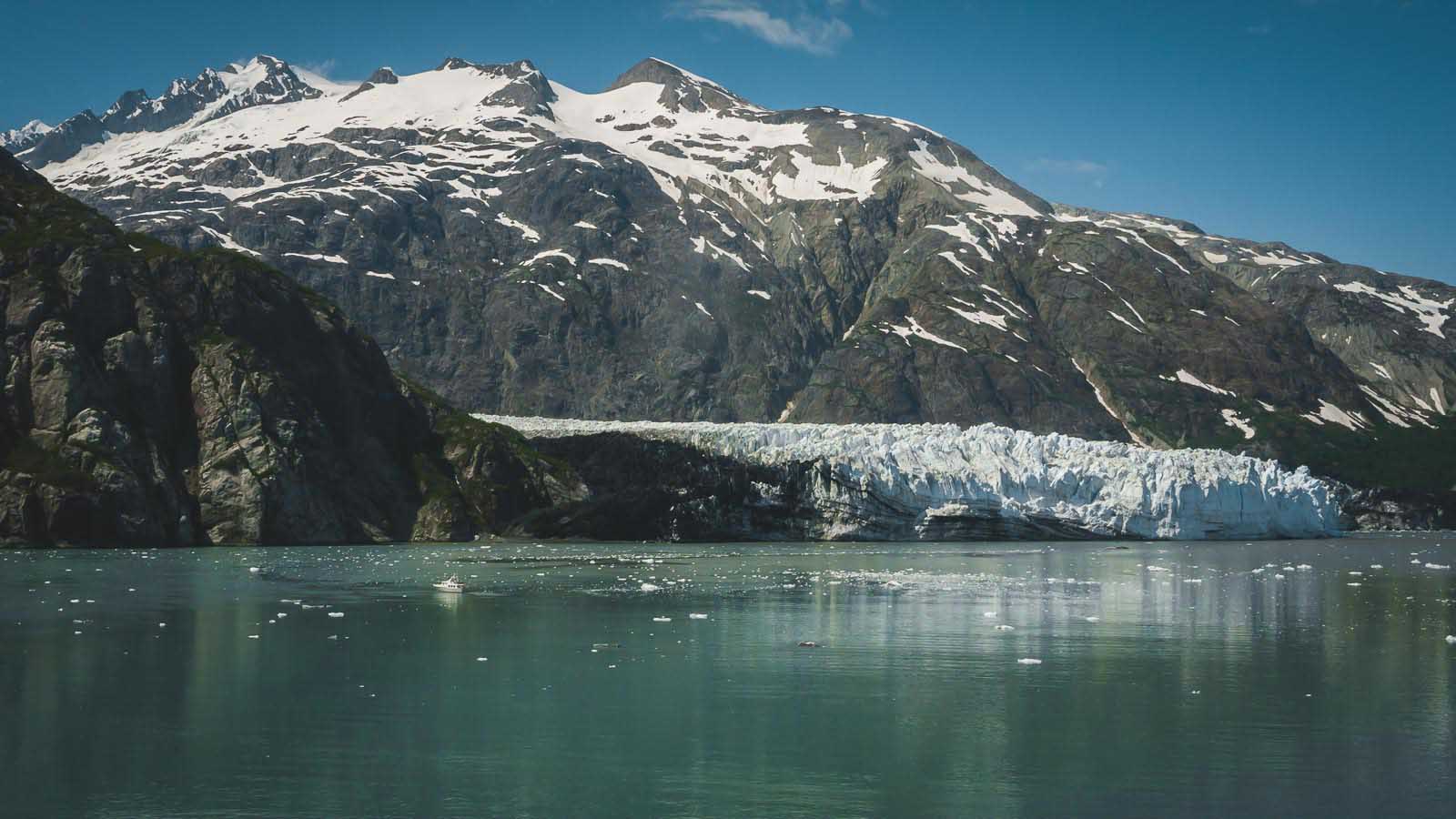
The park is ideal for travelers who appreciate marine wildlife and fjord scenery. Depending on the vessel and the route, it is possible to see whales, sea otters, sea lions, eagles, and bears along the shoreline. Smaller ships often create a more intimate experience and can sometimes access areas that larger vessels cannot. The cruise season runs from May to September, and that window is when most visitors experience the park. Glacier Bay feels less like a place to rush through and more like a place to observe carefully as it passes by.
Acadia National Park, Maine
Acadia is one of the most elegant combinations of mountain and sea in the national park system. The granite peaks, rocky coastline, and weathered pines create a distinctly northeastern atmosphere that feels refined without being polished. It is a park where sunrise matters, the tides matter, and the scenery changes with the weather in ways that make repeated visits worthwhile.
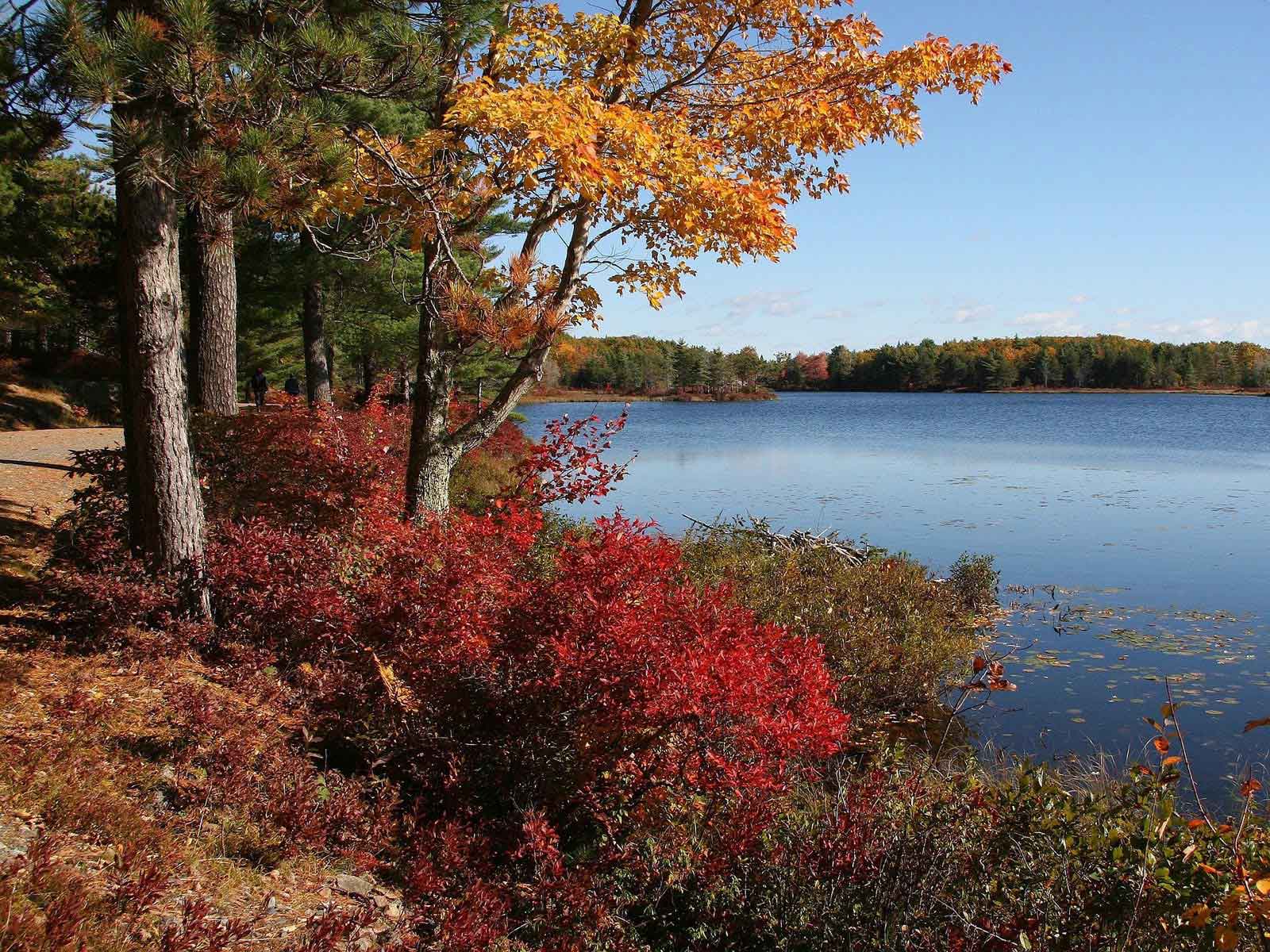
Cadillac Mountain is the park’s signature sunrise destination, and during certain parts of the year it is one of the first places in the United States to see the morning light. The Park Loop Road connects many of the main highlights, including Sand Beach and Thunder Hole, while the trail system ranges from easy coastal walks to more demanding climbs. Autumn is especially appealing because of the foliage, but summer offers the best conditions for enjoying the coast and spending long hours outside.
Dry Tortugas National Park, Florida
Dry Tortugas is one of the most remote parks in the lower forty-eight, and getting there is part of the adventure. Located far west of Key West, it requires either a ferry or a seaplane, which immediately filters out casual traffic and helps preserve its sense of isolation. The center of the park is Fort Jefferson, a massive coastal fortress surrounded by bright water and coral reef.
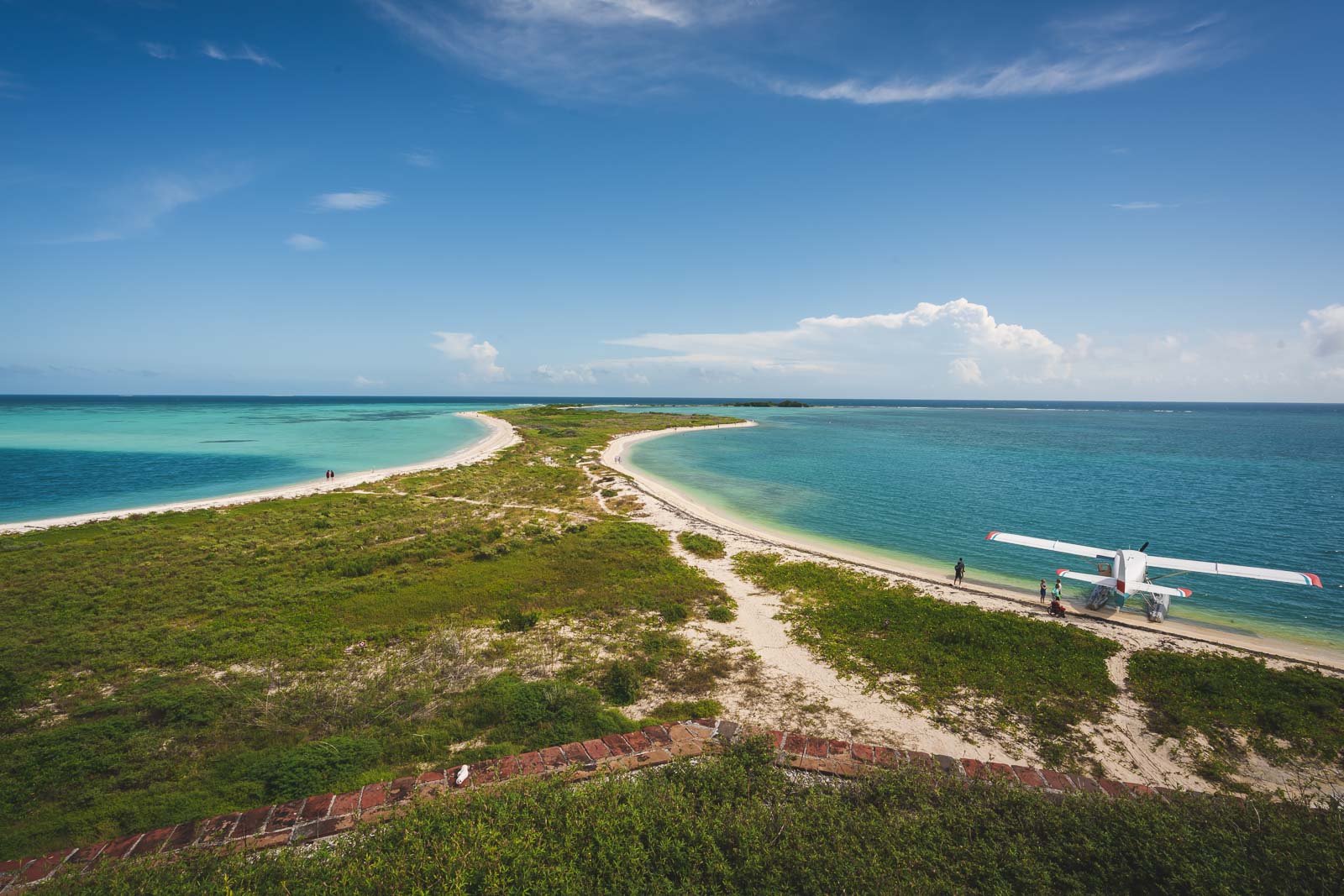
This is a park for people who want history and snorkeling in the same trip. The fort is substantial enough to occupy hours of exploration, while the surrounding waters make it easy to step from a historic site into a marine environment. The park can also be an overnight destination for those who want a truly unusual camping experience. Book transportation well ahead of time, especially in peak season, since capacity is limited and the best dates disappear quickly. November through April is the most comfortable period weather-wise.
Haleakalā National Park, Hawaii
Haleakalā offers one of the most dramatic sunrise experiences in the country. The summit of the volcano sits above the clouds, and arriving before dawn means watching the sky brighten from a cold, silent landscape that feels entirely separate from the tropical coast below. The name means “House of the Sun,” and that is an apt description for a place that can feel both stark and luminous.
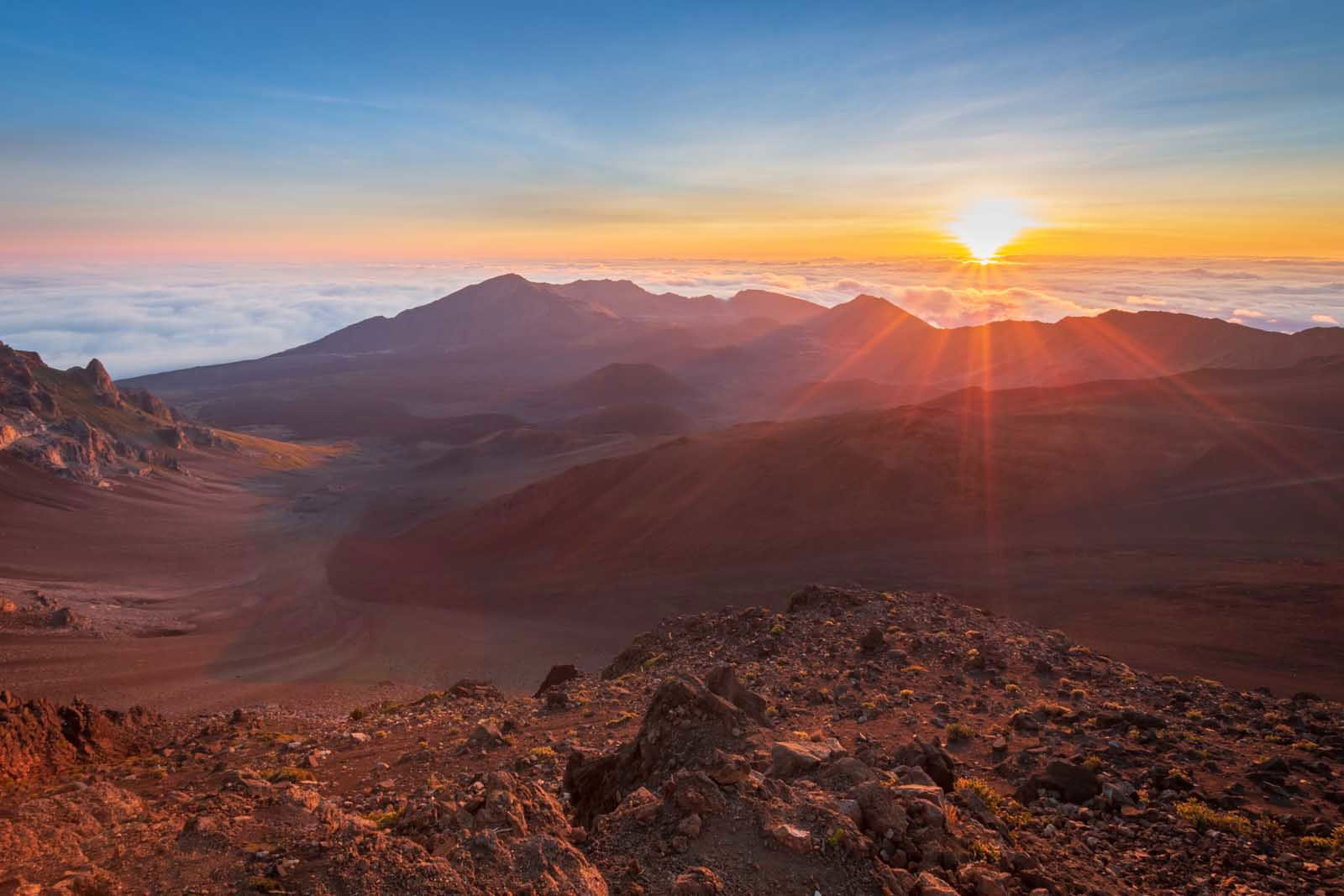
The summit is only part of the story. The park’s Kīpahulu District presents a completely different environment, with lush vegetation, bamboo, and the Pīpīwai Trail leading toward Waimoku Falls. That contrast is one of the most memorable aspects of Haleakalā: the volcanic crater and the rainforest are both part of the same protected landscape, yet they feel worlds apart. Sunrise reservations are required for the summit during early morning hours, so planning ahead is important. The park works year-round, though conditions can vary significantly by elevation and district.
American Samoa National Park, American Samoa
American Samoa National Park is one of the least visited parts of the national park system, but it deserves attention because of how unusual and remote it is. Spread across multiple islands in the South Pacific, it protects tropical rainforest, coral reef, and cultural sites in a setting that feels deeply connected to both place and tradition.
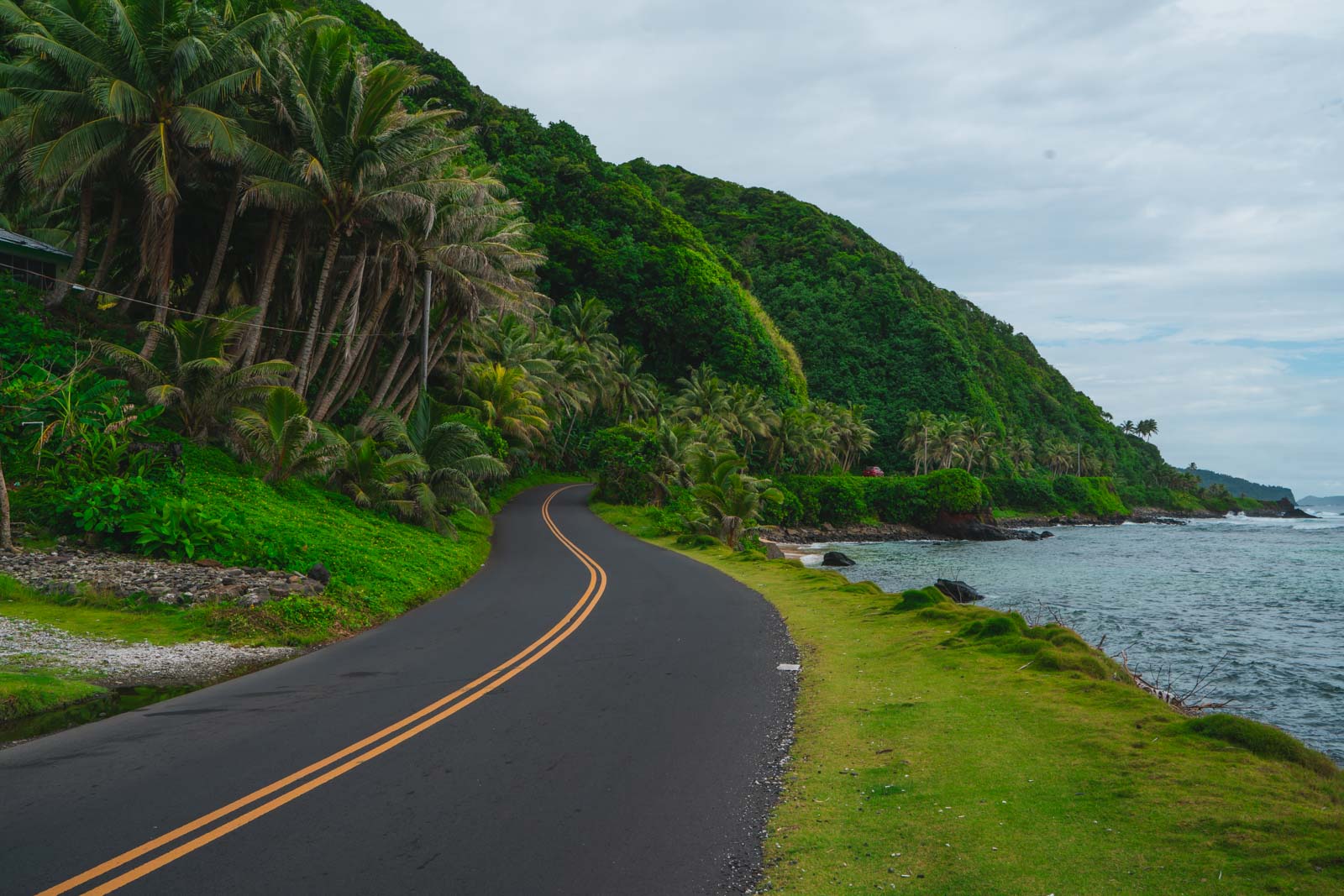
Visiting here is not casual travel. It takes planning, distance, and a willingness to travel far beyond the usual national park circuit. That is part of what makes it memorable. The reward is a quieter, more immersive experience in a landscape that feels far removed from the continental United States. It is the kind of destination that stays with travelers precisely because it asks so much to reach it.
Forests, Mountains, and Old-Growth Country
These parks offer a different kind of awe. Instead of shocking you with canyons or deserts, they build a sense of wonder through scale, age, and atmosphere. The experience is often quieter, but not less powerful. In these places, the forest itself becomes the attraction, and the mountains shape the rhythm of the visit.
Great Smoky Mountains National Park, North Carolina and Tennessee
Great Smoky Mountains is the most visited national park in the United States, and it is easy to see why. It is accessible, lush, and deeply varied, with forests, streams, wildlife, and the soft blue haze that gives the mountains their name. For many travelers, it is also the first national park they ever visited, which gives it a special place in the broader story of American travel.
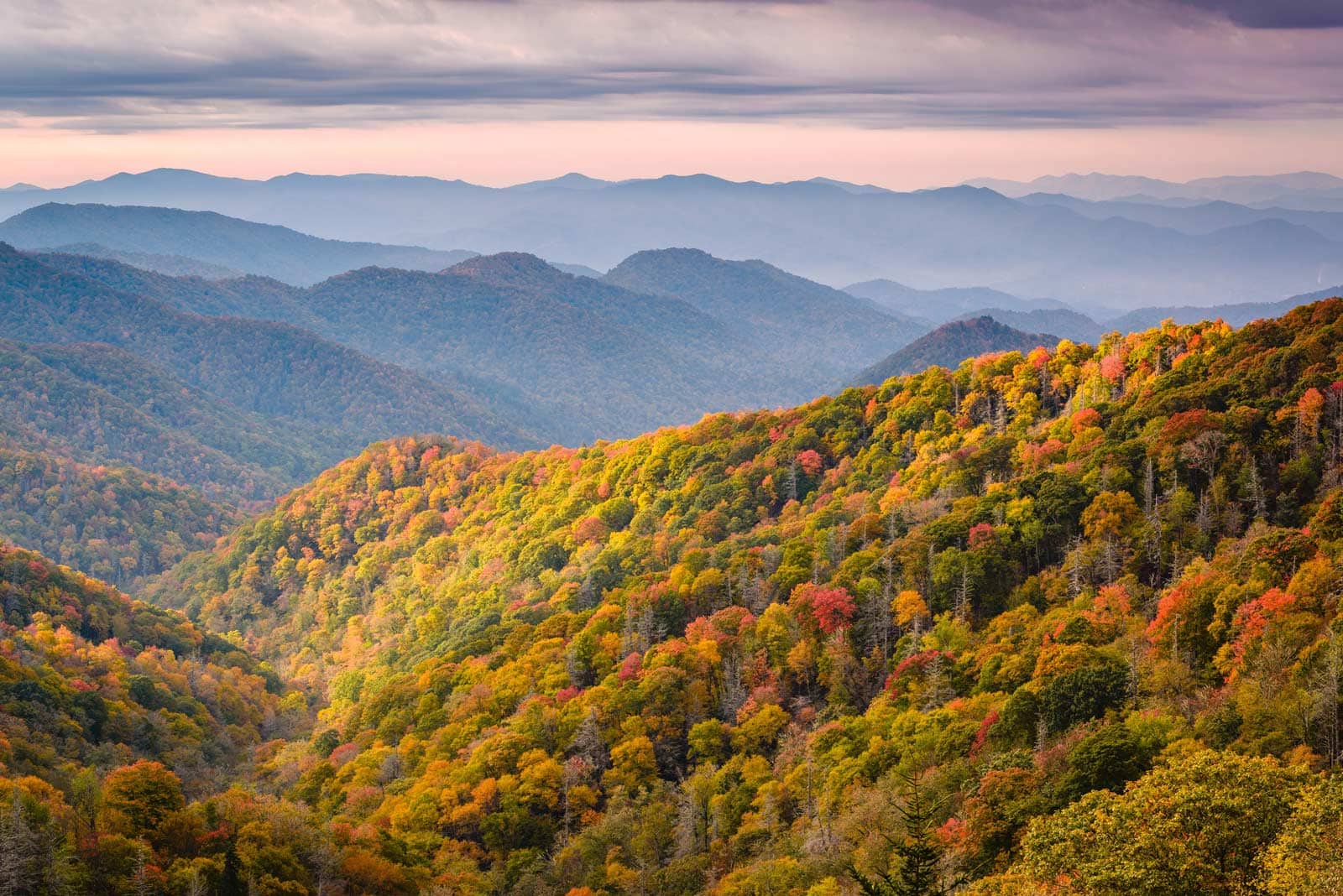
The park is especially strong for travelers who like a mix of scenery and culture. Historic structures, old roads, and wildlife viewing all contribute to its character. The driving can be crowded in places, particularly around Cades Cove, so entering through less-used access points can make the day feel calmer. Autumn is popular for the foliage, but spring wildflowers are equally appealing if you want a quieter visit. This is a park that rewards slow wandering more than checklist tourism.
Sequoia and Kings Canyon National Parks, California
Sequoia and Kings Canyon are closely connected, and together they form one of the most impressive mountain-and-forest combinations in the country. Sequoia is where you walk among the giant trees and confront scale in an immediate, almost humbling way. Standing beside General Sherman is one of those experiences that makes photographs feel insufficient, because the sheer size of the tree is difficult to process without being there.
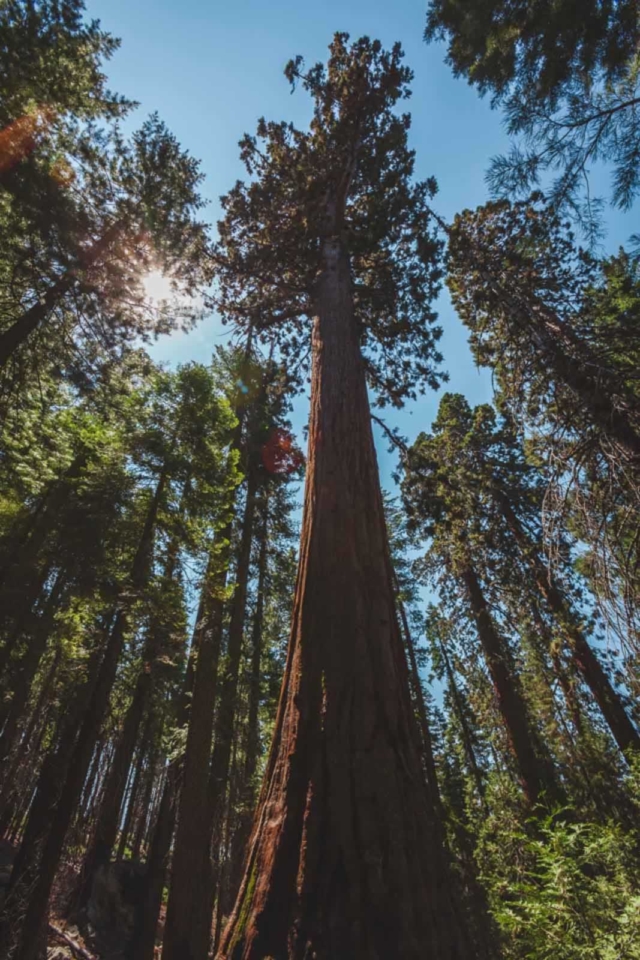
Kings Canyon adds another dimension with granite walls, deep valleys, and high Sierra terrain that rivals more famous mountain parks. The drives can be winding and slow, but that is part of the experience, not a drawback. These parks are especially rewarding in summer and early autumn when access is best and the higher trails are open. Together, they offer some of the strongest examples of the Sierra Nevada in one trip.
Redwood National Park, California
Redwood National Park has a different energy from Sequoia because the trees are tall rather than massive in the same way, and the forest feels more vertical and atmospheric. Walking among coast redwoods is a quiet, almost reverent experience. The scale is so large that the light becomes part of the architecture of the forest.
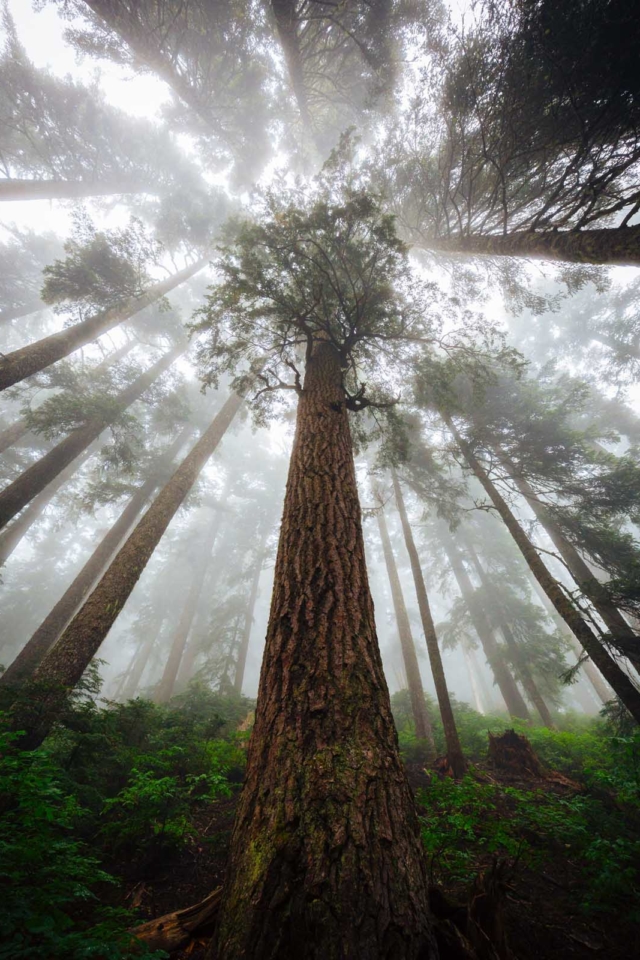
The park is actually a network of protected federal and state lands rather than a single compact unit, which makes it feel expansive and varied. The nearby coastline adds even more texture to the visit. Trails through old-growth redwood groves are the primary draw, but scenic drives such as Newton B. Drury Parkway and the Avenue of the Giants make it easy to combine forest travel with broader coastal exploration. Rain and fog are common, especially from autumn through spring, which only adds to the mood.
Grand Teton National Park, Wyoming
Grand Teton is one of the most visually striking mountain parks in the United States because the peaks rise suddenly and without foothills from the valley floor. That abrupt rise gives the range a dramatic silhouette that is unmistakable from the first view. It is a park that photographs beautifully, but more importantly, it feels alive with wildlife and open space.
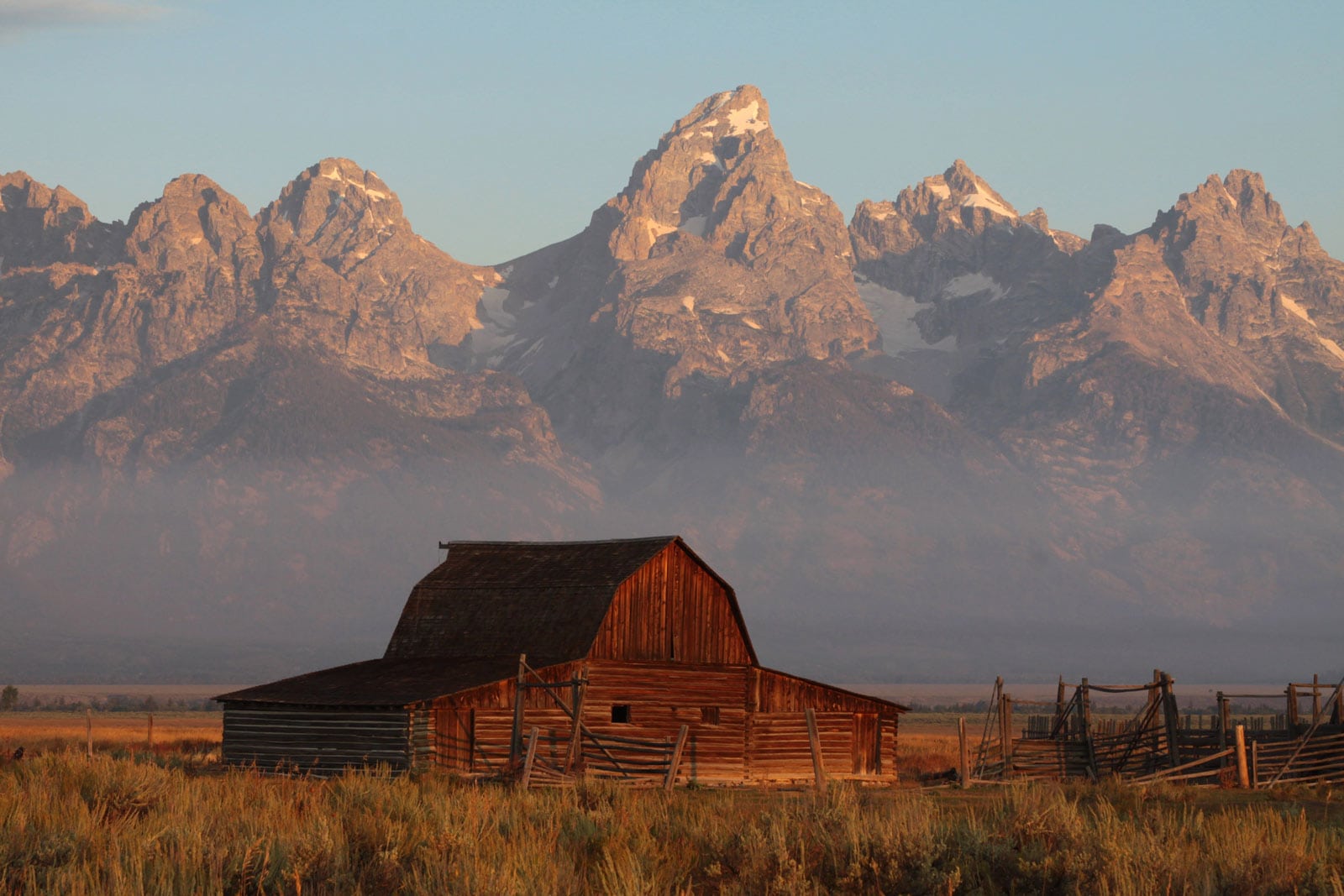
The best photo opportunities often come at sunrise, when the light reflects in the Snake River or settles over the sagebrush flats. Mormon Row is a classic stop for the historic barns with the peaks behind them, while Schwabacher Landing offers the iconic water reflections. Autumn is a particularly strong season because the crowds thin out and the wildlife activity is excellent. Moose, elk, bison, and pronghorn all contribute to the sense that this is a landscape shared by people and animals alike.
For Travelers Who Prefer Space Over Crowds
Some parks are less famous but no less compelling. They tend to reward travelers who are willing to go farther, plan more carefully, and embrace a slower pace. These places often offer stronger solitude, deeper immersion, and a sense of discovery that can be harder to find in the marquee destinations.
Everglades National Park, Florida
The Everglades is not a park of big overlooks or dramatic mountain silhouettes. It is a vast wetland system where the details matter: the movement of birds, the texture of the mangroves, the changing water levels, and the slow accumulation of life in shallow water. It is one of the most distinctive ecosystems in the country and a UNESCO World Heritage Site.
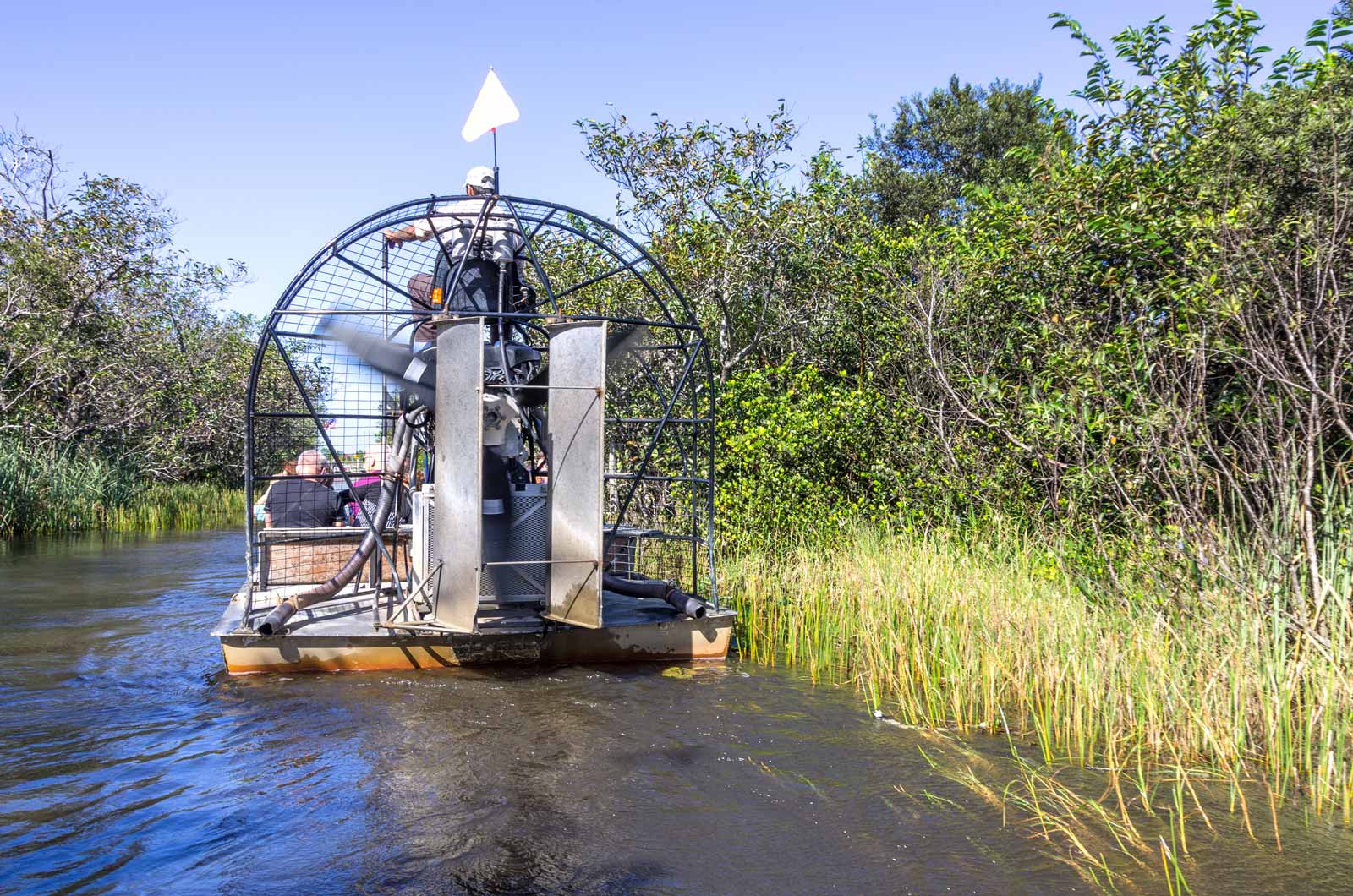
The best way to understand the Everglades is by moving through it slowly, often by kayak or canoe. Paddling through mangrove tunnels or sawgrass prairies gives a much stronger sense of the park than a quick roadside stop. The dry season from December to April is the best time for wildlife viewing, when animals concentrate around remaining water sources and bird activity is easier to observe. It is a quiet park, but it is not a passive one. You notice more the longer you spend there.
Isle Royale National Park, Michigan
Isle Royale is one of the least visited national parks in the country, and that remoteness is exactly what gives it power. Set in Lake Superior, far from the mainland, it offers a wilderness experience that feels unusually self-contained. There are no roads to speak of, and access requires either a ferry or a seaplane, which naturally limits the number of visitors.
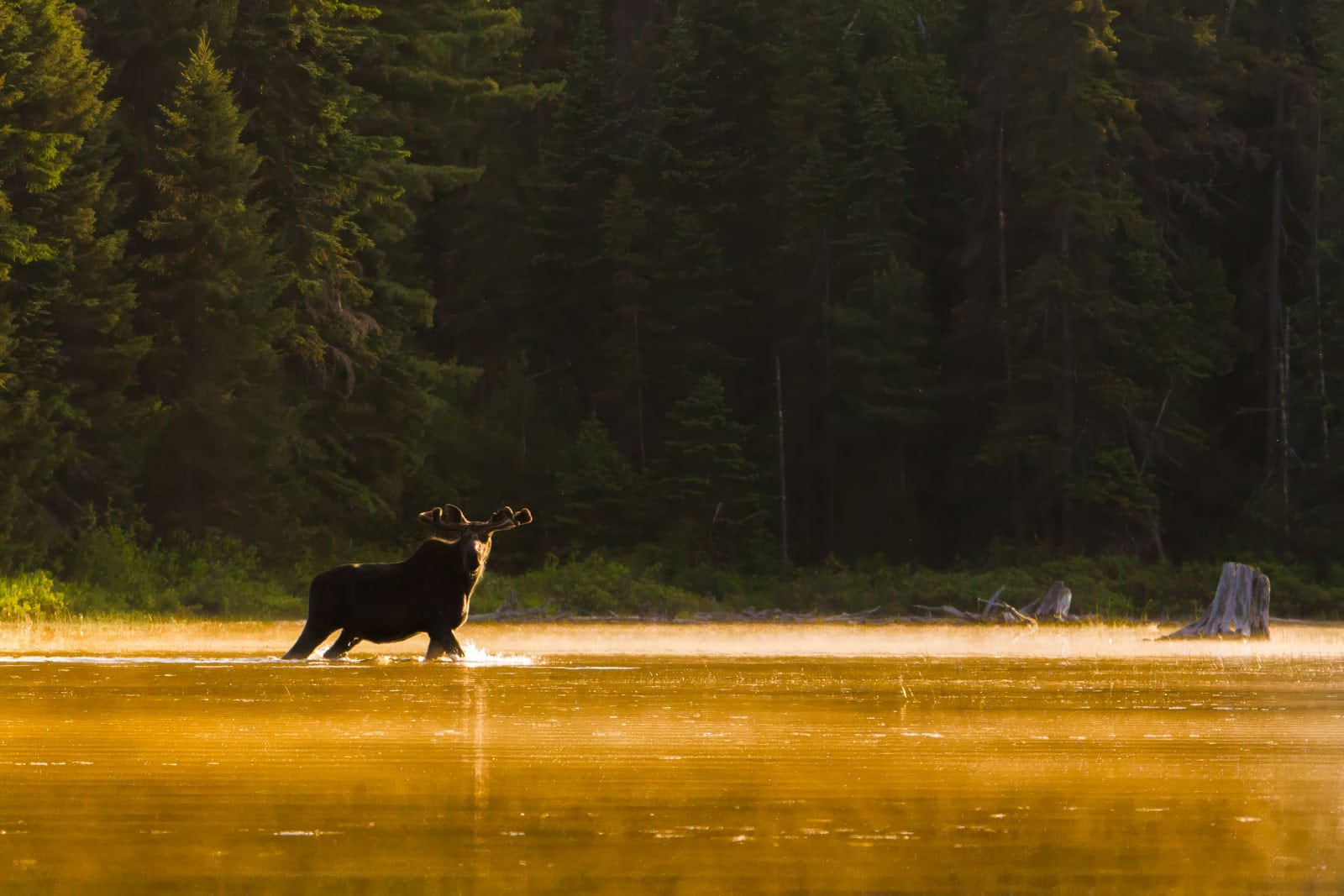
For backpackers and paddlers, Isle Royale is exceptional. The park is known for its moose and wolves, and the lack of easy access creates a sense of independence that many travelers find deeply rewarding. It is a place where you need to carry what you need and plan carefully, but that also means the experience is more immersive. Mid-April through October is the operating season, with summer offering the most dependable conditions.
Practical Planning Tips
Visiting US National Parks is not difficult, but it does reward preparation. Reservations, timed entry systems, road closures, shuttle routes, weather windows, and seasonal access rules can all shape the quality of the trip. If you are heading to a popular park in summer, book lodging as early as possible. If you want fewer crowds, consider spring or autumn and make sure the park you choose still has the roads and trails open when you arrive. In high-elevation parks, altitude should be taken seriously. In desert parks, water and heat management matter far more than many travelers expect.
It also helps to decide what kind of experience you want before you go. Are you looking for photography? Then plan around sunrise and sunset. Are you chasing hikes? Prioritize trail access and seasonal conditions. Want wildlife? Learn when animals are most active and where the best viewing corridors are. Are you traveling with family? Choose parks with accessible scenic loops, shorter walks, and good visitor center infrastructure. The park is only half the story; the timing and the planning shape the memory.
Questions Travelers Often Ask
The most visited national park in the United States is Great Smoky Mountains National Park, but popularity is not the same thing as best. California has the most national parks of any state, which makes it an excellent choice for a park-focused road trip. If you are looking for the least visited parks in the continental United States, Isle Royale is among the quietest and most remote. And yes, an annual park pass is worth it if you plan to visit several parks in a year, because the cost can be recouped quickly.
As for the most beautiful park, that remains a personal judgment. Some travelers will always prefer the high drama of Grand Teton or Yosemite. Others will fall hardest for the hoodoos at Bryce Canyon, the coastlines of Olympic, or the broad silence of Death Valley at sunrise. Part of the joy of the national park system is that there is no single correct answer. The country holds a remarkable variety of protected places, and each one reveals a different version of what natural beauty can look like.
Where to Begin
For a first-time visitor, Yellowstone, Yosemite, the Grand Canyon, and Zion are excellent starting points because they combine iconic scenery with a wide range of experiences. For a more adventurous trip, Glacier, Denali, Canyonlands, and Isle Royale offer a stronger sense of remoteness and challenge. If you want something different, Olympic, Acadia, Redwood, and Everglades each provide landscapes that feel far removed from the classic western park image.
What matters most is not checking off the most famous names as quickly as possible. It is choosing the park that matches your pace, your season, and the kind of memory you want to carry home. These places are large enough to hold repeated visits and varied itineraries, and that is part of what makes them so enduringly rewarding. Wherever you start, the next trip will probably already be taking shape in the back of your mind.
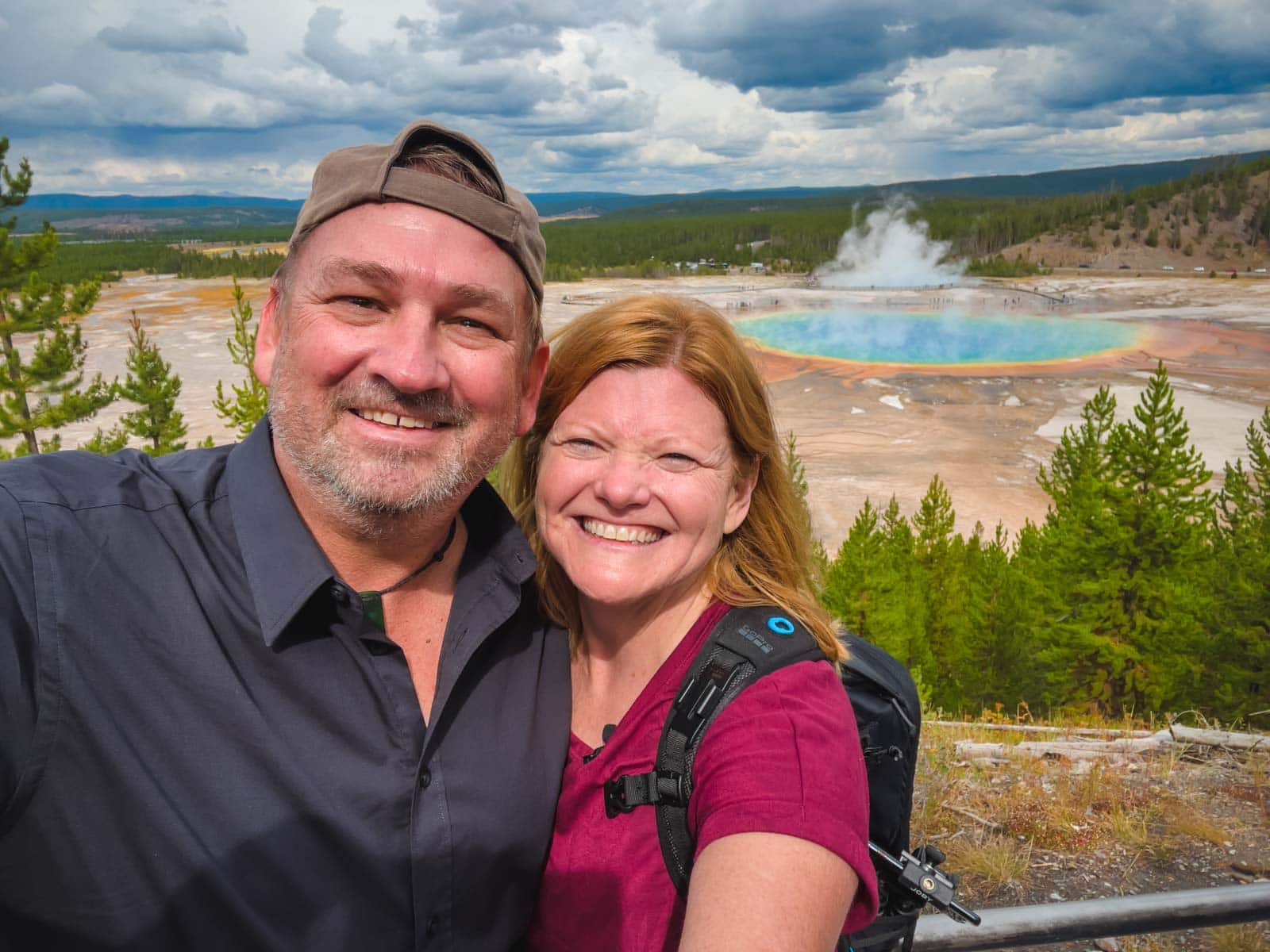
After years of traveling, we keep coming back to the same truth: the national parks are not just scenic destinations, they are some of the best places in the country to feel fully present. Whether you find that feeling on a foggy coastal trail, beside a geyser basin at dawn, in the stillness of a desert sunset, or on a road that disappears into the mountains, the experience tends to linger long after the trip ends. And once you’ve had one good day in a national park, it becomes very hard not to plan the next one.