Feijao Tropeiro is one of those dishes that tells you a great deal about Brazil before you have even finished the first bite. It is hearty without being crude, generous without feeling excessive, and deeply rooted in the everyday food culture of Minas Gerais. If you are planning a trip to Belo Horizonte, or even if you are only passing through the city with a hungry evening to spare, this is the kind of meal that deserves a place on your itinerary. At Bar Do Careca, the experience goes beyond simply ordering a famous regional specialty. You step into a local restaurant where the aromas, the rhythm of the kitchen, and the pride of the staff combine to create something memorable in the most authentic sense.
What makes this visit stand out is that it feels so unforced. There is no polished performance here, no attempt to package Brazilian food into something trendy or over-styled. Instead, you are met with the quiet confidence of a place that knows exactly what it is doing. In Belo Horizonte, a city famous across Brazil for its food culture, that matters. The standards are high, the local palate is discerning, and restaurants that endure for decades do so because they serve food people genuinely return for. Bar Do Careca belongs in that category, and Feijao Tropeiro is the dish that best explains why.
## Bar Do Careca and the Food Culture of Belo Horizonte
Belo Horizonte has long been recognized as one of Brazil’s great cities for eating well. In Minas Gerais, cooking is not treated as an accessory to travel; it is part of the city’s identity. Markets are busy, bars are social institutions, and neighborhood restaurants often feel more essential to local life than any polished dining room ever could. Bar Do Careca fits this landscape perfectly. It is the kind of place travelers hope to find when they search for “local food” in a new city, although in practice these places are rarely discovered by accident. They are found through word of mouth, through curiosity, and through the decision to go slightly beyond the obvious.
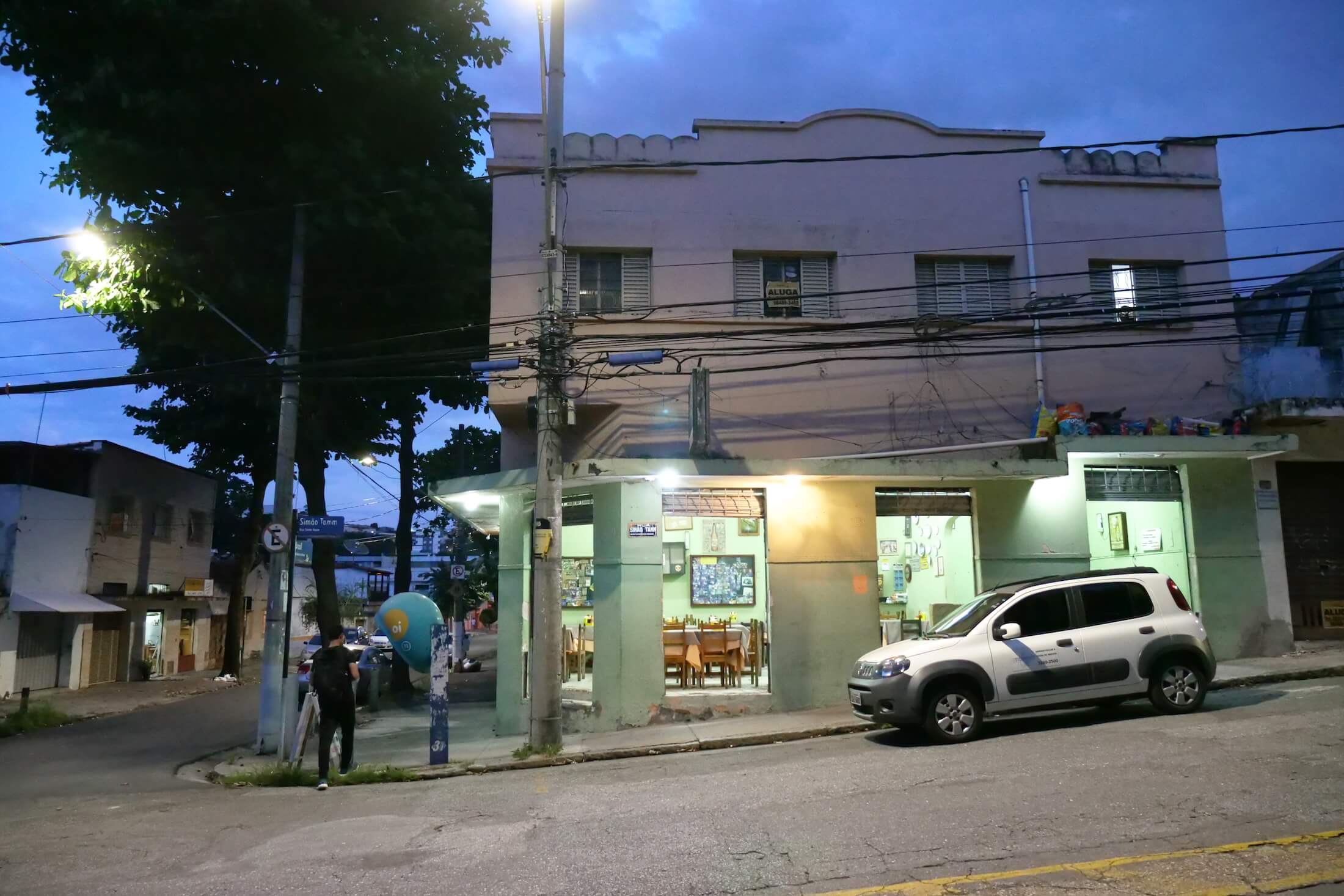
The restaurant sits in a modest neighborhood rather than a flashy tourist district, and that is part of the charm. The surroundings are calm, almost unassuming, which can be misleading if you judge too quickly from the street. Once inside, though, the atmosphere changes. The kitchen sends out a steady stream of frying aromas, the tables fill with plates that look both comforting and abundant, and the staff move with the practiced ease of people who have spent years doing this work. There is a reassuring steadiness to the whole setting. You know immediately that this is not a place trying to impress you through design alone. It impresses through food, through generosity, and through the quiet assurance that the meal is going to be excellent.
That feeling matters when you are traveling for food. The best meals are not always the ones with the most elaborate presentation or the most famous international reputation. Sometimes they are the ones where the room smells like garlic, onion, frying meat, and beans, where the portions are more honest than decorative, and where the people making your food have spent a lifetime refining the details. Bar Do Careca is exactly that kind of place.
## Letting the Aromas Lead the Way
One of the first things you notice at Bar Do Careca is the aroma. It arrives before the plate does, and it arrives with confidence. Fried onions, garlic, peppers, olive oil, and meat all seem to be working together in the air itself, creating the sort of appetite that no menu can fully prepare you for. This is the kind of restaurant where just walking through the front door makes you feel hungrier than you did when you arrived. The kitchen has that deeply satisfying, slow-building scent of food being made in quantity and with care.
That sensory experience is important because the dishes here are not light, minimalist, or restrained. They are dishes with history and substance. They are built from ingredients that have fed people through long days, hard work, and family tables where the measure of success was whether everyone left full and content. When you walk in, the smells tell you that the food will not be delicate in the modern, decorative sense. It will be layered, substantial, and full of the sort of cooking that depends on patience and good judgment.
At Bar Do Careca, following your nose is practical advice. The kitchen does not hide what it is doing. The sound of pans, the sizzle of onions, the slow accumulation of flavor, and the visible pride in the final plating all invite you in. This is one of the pleasures of eating in a traditional Brazilian restaurant: the food often feels connected to the room around it. You are not just receiving a finished product. You are witnessing a style of cooking that is deeply social, almost conversational, and entirely tied to place.
## What to Order at Bar Do Careca
If you only order one thing, make it Feijao Tropeiro. But the smartest approach is to build the meal around several dishes that show the range of Minas Gerais cooking. Brazilian meals often balance beans, meat, and starch, and at this restaurant that structure is taken seriously. The result is a table that feels both practical and indulgent, a combination that defines so much of Brazilian comfort food.
You will see variations of these foundations throughout the country: beans of different types, meats in generous portions, and accompaniments like manioc, potatoes, or rice. At Bar Do Careca, these elements are treated with respect rather than as afterthoughts. The beans are flavorful, the meats are deeply seasoned, and the starches do what good starches should do in a meal like this: provide balance, absorb flavor, and make the plate feel complete.
Start with the dishes that best reveal the kitchen’s strengths, then allow yourself to order more than you planned. This is a restaurant where an extra side can transform the meal from enjoyable to unforgettable. The portions are generous, but they are also built with enough complexity that the food remains interesting from the first bite to the last.
## Scarlet Eggplant, or Jiló, and the Beauty of Bitter Flavor
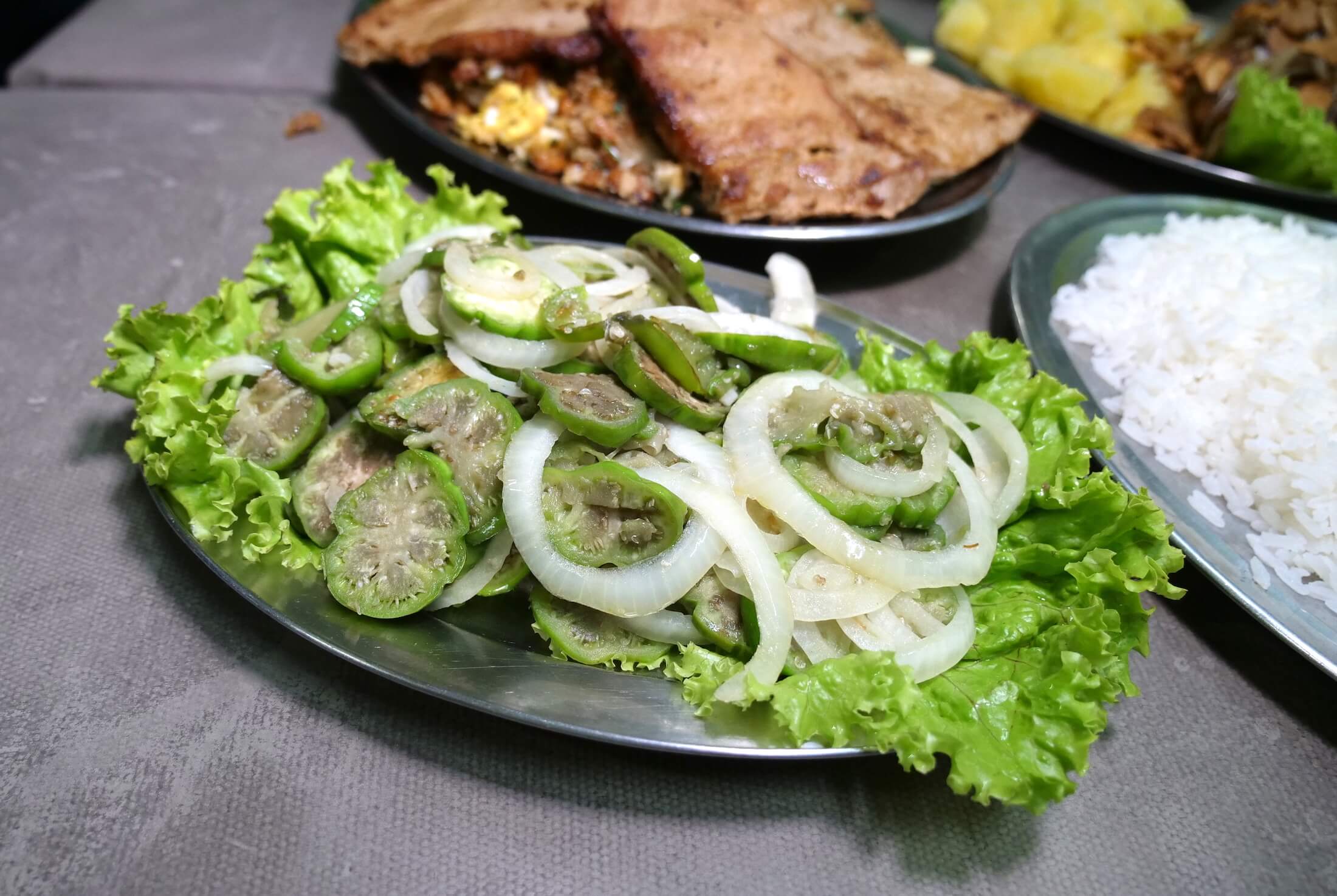
Among the standout dishes at Bar Do Careca is Jiló, known in English as scarlet eggplant. It is the sort of vegetable that surprises travelers who are expecting standard side-dish behavior. Jiló has a distinctive bitterness that can be arresting the first time you try it, but that bitterness is exactly what gives the dish character. In Minas Gerais, and in much of South-Central Brazil, it is a beloved part of the food landscape rather than a novelty item.
At this restaurant, the Jiló is handled in a way that lets the ingredient speak clearly. It is cooked with onion, garlic, and olive oil, sometimes paired with liver or other rich ingredients, and the result is far more nuanced than you might expect from a simple vegetable dish. The texture remains pleasantly firm, and the flavor develops a subtle complexity that makes the bitterness feel purposeful rather than harsh. For many diners, this becomes the kind of dish that changes their mind about a vegetable they may previously have ignored.
Jiló also offers a glimpse into a broader truth about Brazilian food: some of the most memorable dishes are not necessarily the richest or largest, but the ones that show restraint and confidence in equal measure. In a meal filled with meat, beans, and starch, a bitter vegetable might seem like a side note. Here, though, it becomes part of the main story. It keeps the palate alert and reminds you that local food traditions are often more varied than outsiders assume.
## Pan-Cooked Beef and the Comfort of Garlic
Another dish worth ordering is the pan-cooked beef, or bife de panela. This is the sort of meal that tells you a lot about the kitchen’s approach to flavor. The meat is cooked with garlic and onions until everything becomes deeply aromatic, and it is often served with manioc or potatoes. The result is not elegant in a faintly decorative sense, but it is extremely satisfying. Every component feels like it belongs.
Beef in Brazil can be extraordinary, and in Minas Gerais it often appears in forms that are straightforward yet intensely flavorful. The quality comes from the cooking rather than from elaborate presentation. Here, the meat is tender, juicy, and seasoned in a way that lets the natural richness of the beef remain front and center. The garlic does not hide the meat; it amplifies it. The onions add sweetness and depth. The starches, whether cassava or potatoes, round out the plate without competing for attention.
This is exactly the kind of dish that rewards a slow meal. It is not meant to be rushed. Let the meat cool slightly, taste it with the starch, then try it with some of the sauce and garlic left on the plate. Small details matter here, and the simplest bites can be the most satisfying. If you are traveling through Belo Horizonte and looking for a meal that reflects the region’s love of robust, homestyle cooking, this is a smart choice.
## Feijao Tropeiro and Why It Matters
Now to the dish that makes the restaurant unforgettable: Feijao Tropeiro. If there is one plate that captures the spirit of Minas Gerais comfort food, this is it. Feijao Tropeiro is not a delicate dish. It arrives like a celebration, a mountain of beans, pork, eggs, herbs, and fried flavor, all brought together with remarkable skill. It is the kind of food that feels both humble and majestic, which is part of its enduring appeal.
The first thing you notice is the scale. This is a big dish, often served on an impressive platter that makes the portion feel even more abundant. But the size alone does not explain the experience. What makes Feijao Tropeiro special is the balance. The beans provide body, the pork brings richness, the eggs add depth, and the cassava flour gives the dish its signature texture. Then there are the onions, garlic, greens, and the carefully managed layers of seasoning that make each bite different from the last.
It is a dish with remarkable texture. There is softness, crunch, saltiness, and a lingering savoriness that keeps you going back for another forkful even when you are already full. The flavors are bold but not chaotic. A good version of Feijao Tropeiro feels composed, and that composition is what separates a memorable plate from a merely filling one. At Bar Do Careca, the dish is prepared with enough confidence to let the ingredients remain distinct while still working as a whole. That takes experience.
For many travelers, this becomes the meal they remember most clearly from a trip to Belo Horizonte. Not because it is refined in a formal sense, but because it is so completely satisfying. It is the kind of food that seems to answer a question you did not know you were asking: what does deeply local, deeply loved Brazilian cooking actually taste like when it is made by people who know it inside out?
## Watching the Kitchen at Work
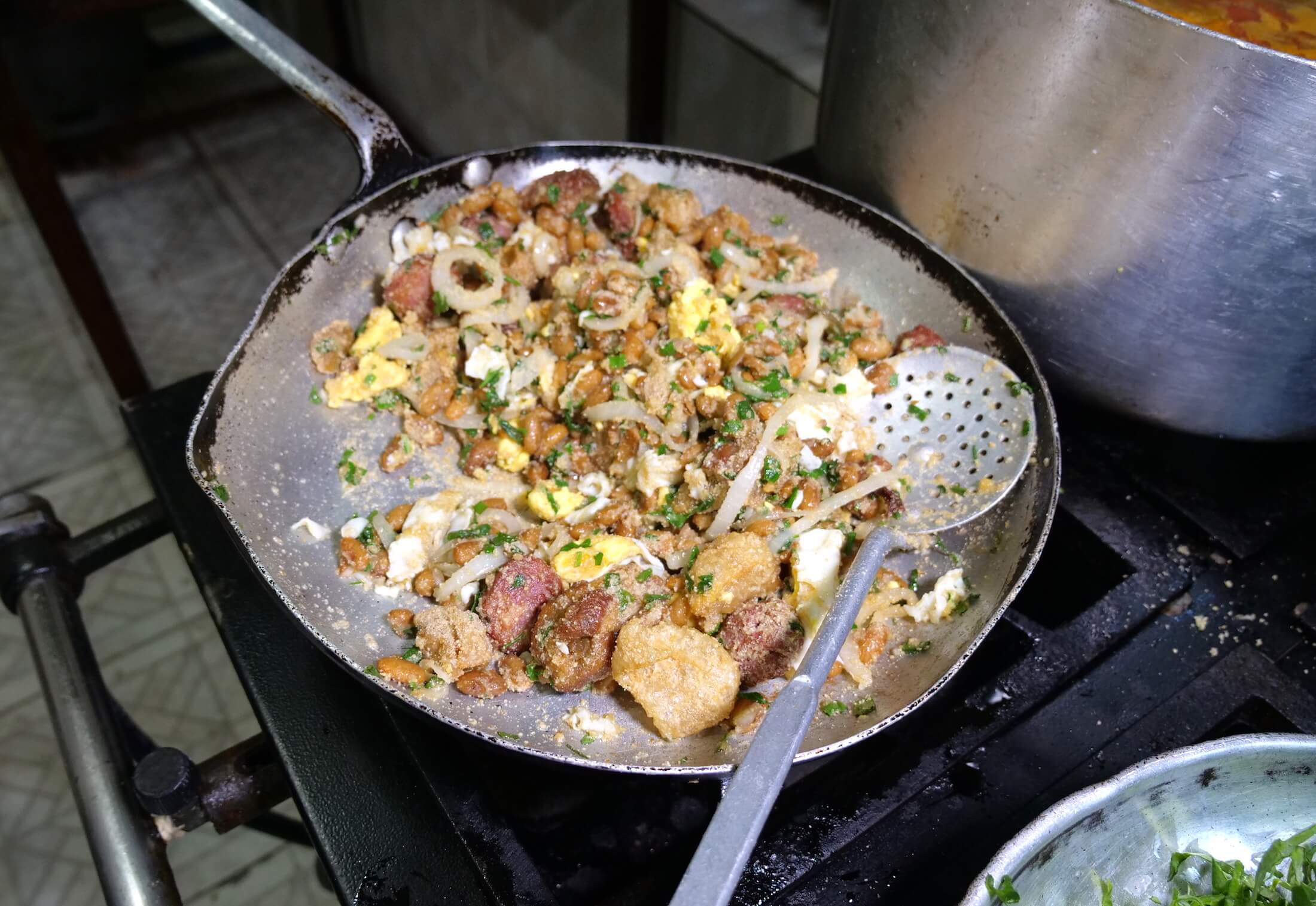
Part of what makes Bar Do Careca special is the chance to observe how the dish comes together. Feijao Tropeiro is not assembled in a hidden, sterile environment. It is made with visible energy, in stages, with multiple pans and a great deal of movement. Onions and beans begin the process, another pan handles garlic and additional onions, sausage is added, and then come the pork cracklings, eggs, cassava flour, herbs, greens, and stock. There is something almost theatrical about the pace of it, but it is not performance for performance’s sake. It is simply the way a seasoned kitchen works when it knows exactly what it is doing.
Seeing the process adds an extra layer of appreciation. You understand that the dish’s complexity is not accidental. Every ingredient has a role. The final pork chops on top, used almost like a garnish, are especially memorable. They make the dish feel triumphant, almost ceremonial. It is rare to see meat used in this way, not as the main body of the dish but as a finishing flourish that adds visual impact and more flavor at the same time.
For a traveler interested in food culture, those behind-the-scenes moments matter. They reveal how local kitchens think, how tradition is maintained, and how dishes that appear rustic on the plate are often highly disciplined in execution. Watching the cooking can be almost as rewarding as eating, especially when the person preparing the food has the confidence and speed that come only from years of practice.
## The People Behind the Meal
Good restaurants are not built on recipes alone, and Bar Do Careca is a strong reminder of that. A meal here is shaped by the people working in the room. The owner, the staff, and the cooks all contribute to the sense that you are being welcomed into a longstanding local institution rather than merely seated at a table. There is pride in the service, pride in the food, and pride in the history of the place. That combination is difficult to fake.
When a restaurant has survived for decades, especially in a food city like Belo Horizonte, it usually means the operation has found a rhythm that works. The staff know the menu, know the customers, and know how to keep the experience grounded even when the food is rich and the portions are generous. That kind of consistency matters when you are traveling. It gives you confidence to order boldly, to trust the specialties, and to relax into the meal instead of overthinking it.
There is also a kind of warmth in the interaction that makes the food taste better. A meal becomes more than a transaction when the people serving it clearly care about the dishes and the customers who come to enjoy them. At Bar Do Careca, that warmth is part of the appeal. It helps explain why visitors often remember not only the Feijao Tropeiro, but also the feeling of being looked after while eating it.
## Planning Your Visit to Bar Do Careca
If you are putting together a food-focused trip to Belo Horizonte, it is worth checking the restaurant’s opening hours before you go, because the schedule varies across the week. That matters in a city where timing can shape the entire dining experience. Arriving at the right moment lets you enjoy the room at its most lively without being caught out by an unexpected closure.
The restaurant also offers excellent value for the quality and quantity of food you receive. A meal shared among several people can be extremely satisfying without becoming extravagant, which makes it a strong choice for travelers who want a memorable local dining experience without spending excessively. More importantly, the value here is not just financial. It is cultural. You are paying for a chance to eat food with real regional significance, cooked in a style that reflects the city and the state around you.
For food travelers, this is the kind of place that justifies a detour. It is not necessary to overcomplicate the visit. Come hungry, bring an openness to local flavors, and allow the restaurant to guide the meal. Order the Feijao Tropeiro, consider the Jiló, add a beef dish or two, and leave room for the possibility that the plate you remember most will be the one that looked the simplest at first glance. Belo Horizonte has many reasons to be on a traveler’s list, but Bar Do Careca is one of the tastiest.
There are meals you enjoy, and then there are meals that seem to define the city around them, and this is one of those moments in Belo Horizonte.