The Tour du Mont Blanc: Some Tips I Learned Along the Way
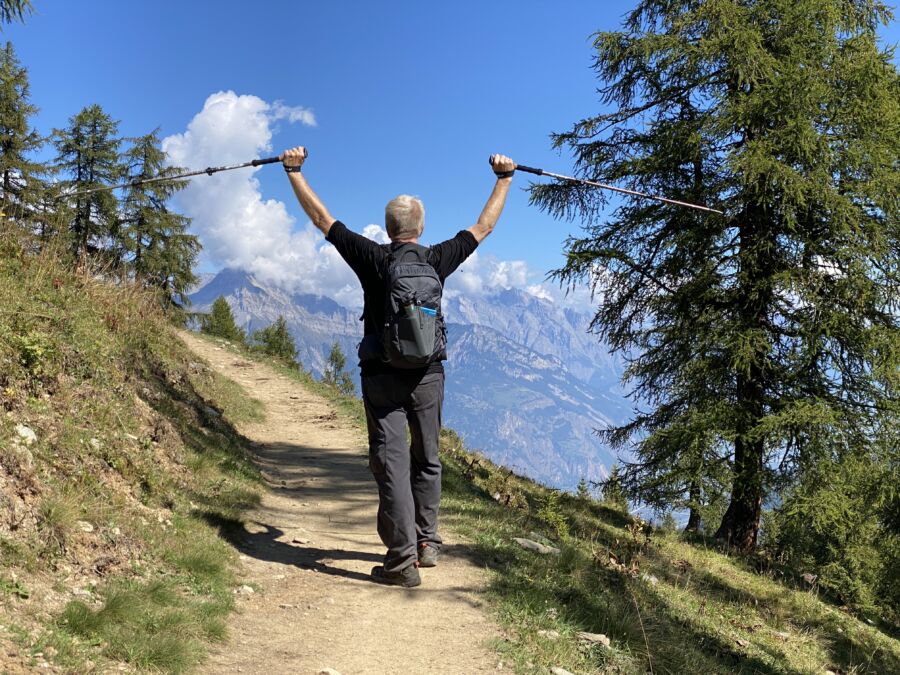
There’s something humbling about circling Mont Blanc on foot. The mountains don’t care how old you are, how experienced you think you are, or how many miles you’ve logged on other trails. They simply rise around you in a cathedral of rock, ice, and weather, and ask you to be prepared. That was the feeling I carried on the Tour du Mont Blanc, a route that has become one of Europe’s most celebrated long-distance hikes not because it is easy, but because it is magnificent, varied, and deeply rewarding for hikers who come ready to respect it. At 66, I felt a little like the father of the hiking community while walking around Mont Blanc earlier this fall. Yet the trail never made me feel out of place. The TMB is absolutely doable for reasonably fit hikers, including first-timers who are honest about their limits and willing to plan carefully. In fact, I met plenty of people on the route who were older than me, and just as many who were younger but clearly underestimating how much endurance a multi-day alpine trek demands. The beauty of this hike is that it welcomes all kinds of travelers, provided they arrive with realistic expectations. The Tour du Mont Blanc is often described in broad strokes: a legendary circuit around Western Europe’s highest peak, crossing France, Italy, and Switzerland. But the lived experience is more interesting than the label. One moment you’re climbing through fragrant forest and meadows dotted with grazing cows; the next you’re staring at glaciers that look close enough to touch. Villages appear like punctuation marks in the itinerary, offering coffee, soup, and a bed before the next demanding stretch. This rhythm of effort and reward is part of what makes the route so memorable. It is not just a hike; it is a moving portrait of the Alps. Why the Tour du Mont Blanc Stands Out There are many famous hikes in Europe, but few offer the same blend of accessibility, variety, and drama. The TMB is long enough to feel like a true expedition, yet well supported by mountain huts, guesthouses, and trail towns that make logistics manageable for non-experts. That balance is a big part of its appeal. You can choose a guided trip, book lodging independently, or carry a lighter pack and stay in comfortable accommodations along the way. For many travelers, that means the adventure feels ambitious without becoming intimidating. What also sets the route apart is the constant change in scenery. Alpine forests give way to open passes. Quiet valleys turn into steep stone corridors. Waterfalls, pastureland, and jagged ridgelines each have their moment. Even on tired days, the trail stays visually interesting, which matters more than people think. When you are hiking day after day, monotony can be draining. The Tour du Mont Blanc avoids that trap. Health and Safety Come First For total novices like Shelley and me, it was wise to stay proactive about health and safety from the beginning. Long hikes punish complacency. Small problems become big ones quickly when you are carrying a pack, descending steep terrain, or pushing through weather that changes by the hour. The smartest hikers are not the ones who act fearless; they are the ones who notice trouble early and respond without ego. Good boots, liner socks, slippery powder, and moleskin for tender skin are essential. We kind of became gear geeks along the way, investing in good day bags, woolen clothes, and great hiking shoes. I was never so thankful for a wool cap in Europe. The right gear doesn’t just add comfort; it reduces friction, fatigue, and the chance that minor discomfort will snowball into something that slows you down for days. On a route like this, a blister is not a small inconvenience. It is a logistical problem, a mood problem, and sometimes a mobility problem. The footwear lesson is especially important. Boots should be broken in long before you arrive, and they should match the terrain you expect to encounter. Trail shoes work for some hikers, but many people will prefer something more protective on rocky descents and uneven alpine paths. Liner socks can help manage moisture and reduce rubbing. Moleskin, tape, and blister treatment supplies should not be buried at the bottom of your bag. Keep them easy to reach. The same goes for anything you use often, because when you need it, you usually need it fast. Pack for Performance, Not Just Comfort I was skeptical about a lot of so-called “good ideas” before the hike, but two things I eventually appreciated were a daily baggie of trail mix and my metal water bottle. I complained about the steep price tag at first, but soon realized the bottle was worth every cent. On the trail, convenience often becomes value. If an item keeps your water cold, survives the abuse of a long trek, and doesn’t fail halfway through a climb, it earns its place quickly. Trail mix sounds almost too simple to matter, but that kind of reliable food can make a real difference on a strenuous day. When energy dips and the next village still feels far away, a small handful of nuts, dried fruit, and chocolate can lift you without requiring a full stop. It is practical fuel, and on long walks practicality is often more useful than novelty. The same principle applies to every part of your pack: choose items that solve a real problem, not ones that merely look good in a packing list. Wool clothing proved to be one of the best decisions we made. Wool socks help manage moisture, wool base layers regulate temperature, and a wool cap can be surprisingly valuable when you are exposed to cold wind at higher elevations. Synthetic layers have their place, but wool earned my trust over and over again. When you’re sweating on the climb and cooling quickly on the descent, fabric choice matters more than fashion. A good day bag also matters more
Power You Can Roll Wherever You Need It: BLUETTI Elite 400 Review

Why Portable Power Matters More Than Ever From backup at home to everyday use outdoors, portable power has moved from a niche convenience into something that feels genuinely practical for modern life. Over the last few years, many households have had a wake-up call: when the power goes out, even briefly, daily routines can unravel fast. Refrigerators stop humming, Wi-Fi drops, remote work becomes impossible, and the small comforts we rely on suddenly feel fragile. For anyone who spends time traveling, camping, road-tripping, or simply likes the flexibility of working outside, a dependable power source can make the difference between adapting easily and scrambling for a solution. The BLUETTI Elite 400 sits squarely in that growing category of products that bridge two worlds. It is designed for home backup, but it also makes sense for outdoor use, which is exactly why it stands out. Instead of treating portable power as something reserved for emergencies, more people are beginning to see it as part of an adaptable lifestyle. Whether you are preparing for storm season, creating a more resilient home setup, or making spring and summer outings a little more comfortable, the appeal is obvious: power that moves with you. A Different Way to Think About Backup Power Traditional backup power has often been seen as something fixed in place, something that belongs in a garage, basement, or utility room and only gets used when a blackout forces the issue. That mindset is changing. More travelers, remote workers, homeowners, and outdoor enthusiasts are looking for solutions that feel less like emergency hardware and more like versatile tools that can be part of daily life. The beauty of this shift is that it matches how people actually live now: work happens in more than one room, relaxation happens in more than one place, and home itself often blends into the patio, backyard, or campsite. That is where a product like the Elite 400 becomes interesting. It is not just about surviving an outage. It is about keeping life moving, whether that life is unfolding at home or somewhere a little farther off the beaten path. A power station with serious capacity and output can support the essentials, but what really matters is whether it is easy enough to use that you will actually reach for it. When a device can move with you and fit into ordinary routines, it stops feeling like a contingency plan and starts functioning like a real utility. First Impressions: Built to Move, Not Sit Still The first thing most people notice about the BLUETTI Elite 400 is not the watt-hour rating or the output specs. It is the fact that it does not force you to lift and carry a heavy unit wherever it needs to go. That may sound like a small design choice, but in practice it completely changes how a power station feels to live with. Many portable power stations are technically portable, yet still awkward enough that they end up staying in one place. This one behaves differently because it has a telescopic handle and built-in wheels, giving it the feel of rolling luggage rather than a piece of equipment you have to wrestle with. That matters more than people expect. If you can roll a power station from the kitchen to the office, from the living room to the patio, or from inside the house out into the backyard without thinking twice, then it becomes part of the flow of the day. There is no mental hurdle. No debate about whether it is worth the effort to move it. The result is a device that feels more accessible and more likely to be used regularly, which is the point of buying something like this in the first place. Home Backup That Works With Real Life One of the biggest challenges with backup power is integration. A lot of solutions sound useful in theory, but in practice they can require planning, installation, and a dedicated space that many people simply do not have. Some systems feel too permanent; others feel too cumbersome to be worth the trouble unless an emergency is already underway. The Elite 400 avoids a lot of that friction. It does not ask for a complicated setup or a renovation project. It can sit where you need it, be plugged in when necessary, and move out of the way when it is not. That flexibility matters in a home environment because the needs are rarely static. In the kitchen, backup power can protect food and keep essentials running. In an office or workspace, it can help preserve a productive day when the grid becomes unreliable. In a family home, it can reduce stress by making outages feel less disruptive and less urgent. The key is not that it replaces every other system in the house. The key is that it gives you a practical layer of resilience without requiring a dramatic change to how your home operates. For travelers and road trip planners, this same logic applies in a different context. A dependable portable power station can support a camper van setup, RV stopover, weekend cabin stay, or long drive with multiple devices in play. It becomes part of the broader travel toolkit, the kind of item that makes multi-day trips smoother and gives you options when you are away from traditional infrastructure. That kind of reliability is especially valuable when your plans change or when you find yourself in a place where power access is not as straightforward as you expected. What Makes the Capacity Feel Practical It is easy to be impressed by specifications on paper, but a power station only proves itself when you start using it with the devices that matter to you. The Elite 400 offers 3,840Wh of capacity and 2,600W of output, which puts it in a class that can handle far more than small electronics. That is important because many people do not just need to charge a phone. They need to
12 Important Things to Know About Traveling in Japan
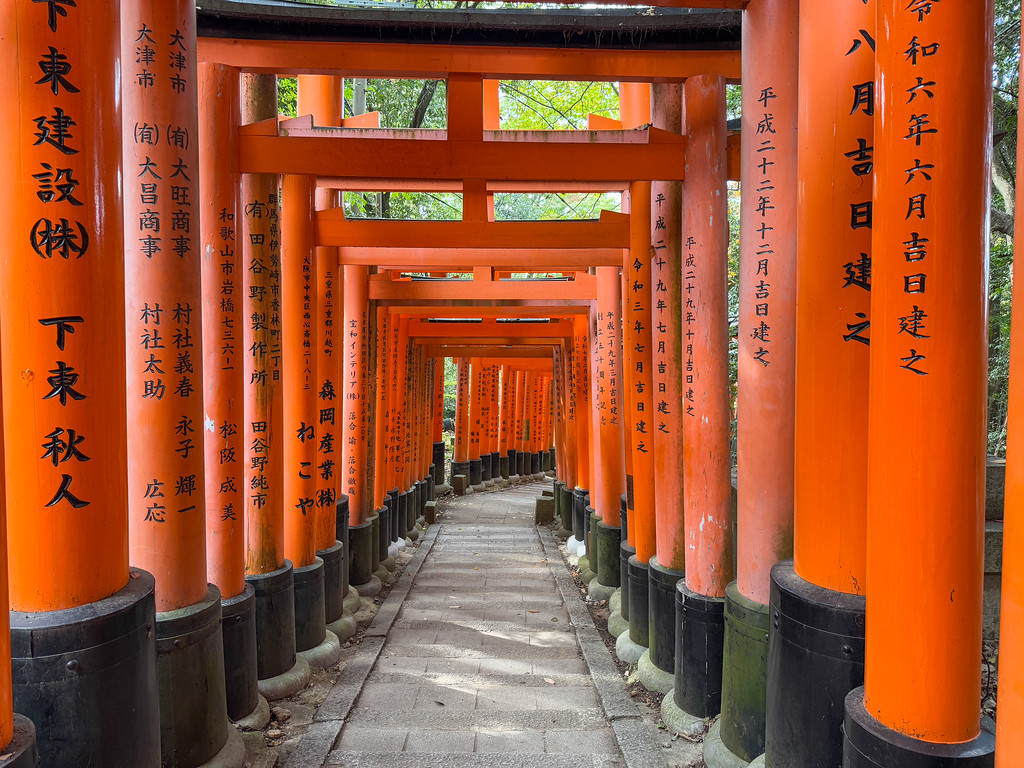
Japan has become one of the most talked-about travel destinations in the world, and for good reason. In recent years, visitor numbers have surged as more travelers seek out a place that combines ancient traditions, futuristic cities, exceptional hospitality, and some of the best food on the planet. For many first-time visitors, Japan can seem slightly intimidating from afar: the language looks unfamiliar, the transit network feels complex, and the cultural etiquette appears exacting. Yet once you arrive, the country reveals itself as remarkably welcoming, surprisingly straightforward to navigate, and deeply rewarding for travelers of all styles. What makes Japan especially memorable is the contrast. One day you can be standing beneath a row of vermilion torii gates in Kyoto, and the next you might be looking out over Tokyo’s skyline at sunset, with Tokyo Tower glowing against the evening sky and, on a clear day, Mt. Fuji faint on the horizon. Then there is Kanazawa, where elegant geisha districts and immaculately preserved gardens offer a quieter, more refined perspective on Japanese culture. Japan is not one experience but many, stitched together by efficiency, beauty, and a sense that every detail has been thoughtfully considered. Why Japan feels so special to travelers There is a reason so many visitors leave Japan already thinking about their next trip. The country delivers a rare mix of depth and ease: you can immerse yourself in centuries-old temples, wander through neighborhoods that feel wonderfully local, enjoy Michelin-caliber meals at every price point, and still move between cities with a level of efficiency that makes multi-stop itineraries realistic even for first-time travelers. Japan rewards both planning and spontaneity. It is the kind of destination where careful preparation helps, but curiosity matters just as much. Another reason Japan resonates so strongly is that it often exceeds expectations. Travelers may arrive expecting cleanliness, order, and good food, but they are often surprised by the warmth of small interactions, the thoughtful design of public spaces, the calmness of the streets, and the ease of daily life even in enormous cities. Tokyo, for example, can feel like an endless urban maze on paper, yet it is also one of the most manageable major cities in the world once you understand the transit system and embrace walking as part of the experience. Top things to know before visiting Japan There are several practical realities that can shape your trip in meaningful ways. Some are small details that make daily life easier; others influence your entire itinerary. Understanding them before you go can help turn a good trip into a seamless one. Japan is very safe One of the most reassuring things about Japan is how safe it feels in day-to-day life. Many solo travelers, including solo female travelers, find Japan to be among the most comfortable countries to explore independently. Even in busy cities such as Tokyo and Kyoto, the atmosphere tends to feel orderly and low-stress. Walking alone at night generally does not carry the same level of concern that travelers may feel in many other major cities around the world. Crime rates are low, violent crime is rare, and even petty theft is far less common than in many other popular destinations. That does not mean you should ignore basic travel common sense, but it does mean you can often relax a little more than usual. For travelers new to solo adventures, Japan can be a wonderful place to build confidence. The country’s public spaces are well maintained, stations are staffed, and most locals are happy to help if you need assistance, even if communication may require a little patience. There is a language barrier, but it is manageable Before a first trip to Japan, the language barrier can seem like the biggest obstacle. Japanese is not widely spoken outside the country, and for travelers who cannot read the writing system, even signs can appear daunting. In practice, however, many aspects of travel are designed to be accessible. Major airports, train stations, and city centers often have English signage alongside Japanese, and transport systems are generally intuitive once you spend a little time learning the basics. Technology is a major help here. Google Translate can be invaluable for menus, station information, and conversations, especially when paired with a reliable data connection through an eSIM. In many places, self-service machines include English-language options, and transit apps often provide route guidance with impressive detail. Outside the major cities, English may be less common, but travel is still very possible if you plan ahead and remain flexible. In many cases, a smile, a translation app, and a little patience go a long way. Japan is remarkably clean Japan’s cleanliness is one of the first things many visitors notice, and it is genuinely impressive. Train stations, streets, temples, and even the inside of trains are typically kept in excellent condition. The sense of public responsibility in Japan is strong, and it shows in the way people treat shared spaces. Litter is rare, and even in densely populated areas the environment often feels tidy and calm. That said, one famous travel truth is worth remembering: trash cans are not always easy to find. Travelers often carry their rubbish with them until they reach a station, convenience store, or hotel. This is one reason why “walk and eat” culture is limited in many parts of the country; it is not only about etiquette, but also about practical waste management. If you buy snacks from a convenience store, be prepared to finish them nearby or keep the wrapper until you can dispose of it properly. Public toilets are plentiful and usually free Another everyday convenience that stands out in Japan is the abundance of public restrooms. In many major cities, you can find clean, free toilets in train stations, shopping centers, parks, department stores, and convenience stores. This makes long days of sightseeing much easier, especially if your itinerary includes lots of walking or hopping between neighborhoods. Japanese restrooms are also known for their
A Step-By-Step Guide to the Best Hike in Crater Lake
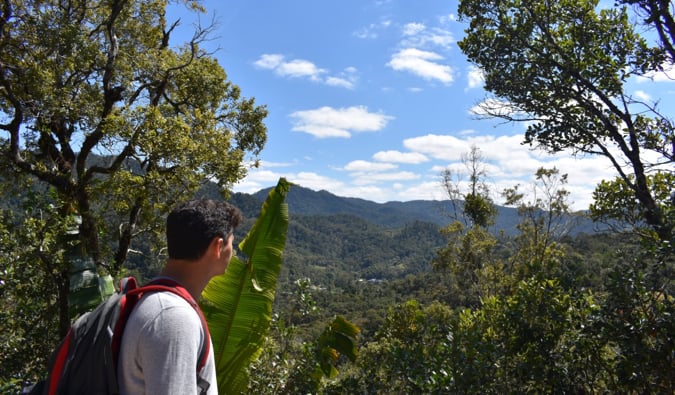
Garfield Peak Hike: One of the Best Ways to Experience Crater Lake Crater Lake has a way of stopping people in their tracks. Even before you lace up your hiking shoes, the first glimpse of that impossibly blue caldera feels surreal—like nature decided to turn the saturation all the way up. If you’re looking for a trail that delivers those dramatic views without demanding an all-day commitment, the Garfield Peak Trail is one of the most rewarding hikes in Crater Lake National Park. What makes this hike so memorable isn’t just the summit view, though that’s certainly a highlight. It’s the steady sense of revelation as you climb higher and higher above the rim, with the lake changing character at every bend. One minute you’re looking across a forested slope, and the next you’re staring into the heart of a volcanic masterpiece. The trail is short enough to fit into a packed itinerary, but scenic enough to feel like a centerpiece experience. Why Garfield Peak Belongs on Your Crater Lake Itinerary Garfield Peak is one of those hikes that gives you a lot in return for a relatively modest effort. At just 3.3 miles round-trip, it’s accessible to many travelers, yet the climb still feels like a true mountain adventure. The trail gains about 1,100 feet, and while that means a sustained uphill workout, the path is manageable for hikers with average fitness and a good pair of shoes. The cultural and natural significance of this area adds another layer to the experience. Crater Lake itself is the collapsed remnant of Mount Mazama, a volcano whose eruption reshaped the landscape thousands of years ago. For the Indigenous peoples of the Klamath Basin, this is not just a scenic destination but a place of deep spiritual importance. Hiking here is a chance to appreciate both the geological drama and the living heritage of the region. Garfield Peak Hiking Stats Distance: 3.3 miles (5.4 km) round-trip Difficulty: Moderate Total Ascent: 1,100 feet (335 m) Lowest Elevation: 7,055 feet (2,150 m) Highest Elevation: 8,055 feet (2,455 m) Time: 1.5 to 2.5 hours Because Crater Lake sits at high elevation, even a relatively short hike can feel more strenuous than expected. Pace yourself, especially if you’ve just arrived from lower elevations. Is the Garfield Peak Hike Worth It? Absolutely. If you only have time for one moderately challenging hike at Crater Lake, Garfield Peak is an excellent choice. The trail delivers some of the park’s most dramatic views, and the summit offers a classic panorama: Crater Lake glowing below, the lodge tucked into the rim, and distant ridgelines stretching toward the horizon. There are other standout viewpoints around the park—Watchman Peak on the west side and Wizard Island if you can access it—but Garfield Peak stands out for its combination of trail variety, big views, and convenience. Since the trail begins near Crater Lake Lodge, you can be on the summit quickly without complicated logistics. Trailhead and Parking The easiest place to start is near Crater Lake Lodge. Parking is available in the lodge lot, along the road, and in nearby visitor areas, but spaces can fill quickly in summer and on event days. If you want the best chance at easy parking, arrive early. A few practical perks of starting here: You can use the restrooms inside Crater Lake Lodge. You’re close to the Visitor Center. You can combine the hike with the Discovery Point Trail or a meal at the lodge. The walk to the trailhead already gives you postcard-worthy views of the lake. From the lodge, follow the paved path along the rim for a few minutes to reach the official trailhead. It’s a great warm-up and a chance to take some early photos before the uphill work begins. Parking Tips Arrive early, especially in July, August, and September. If you’re visiting during Ride the Rim, go even earlier than you think you need to. Have a backup plan in case the lodge lot is full. Consider pairing this hike with a sunrise or early-morning stop to avoid the busiest parking window. Garfield Peak Step-by-Step Trail Guide The trail begins climbing almost immediately. There’s no long warm-up section, so expect a steady ascent right from the start. The grade is fairly consistent, though you’ll find brief flatter sections as you get closer to the summit. That rhythm—up, pause, take in the view, repeat—makes the hike feel rewarding rather than punishing. The route alternates between rimside stretches and steeper hillside sections, giving you a variety of perspectives as you climb. The trail surface is mostly packed dirt with occasional loose rock, and the path is generally easy to follow the whole way. What the Trail Feels Like Expect a hike that’s scenic from the first few minutes. The real joy here is that the views are frequent, not reserved for the summit alone. As you climb, the lake keeps reappearing through open sections of trail, and each viewpoint seems to reveal a slightly different shade of blue. A few things to know before you start: The trail is exposed with little to no shade. Wind can be strong along the rim. Summer sun can feel intense at high elevation. Conditions can change quickly, even on otherwise pleasant days. Best Viewpoints Along the Way One of the best parts of the hike is the viewpoint around the 1.3-mile mark. The trail opens up at a broad U-turn, and if you step carefully onto the ridge, you’ll get sweeping views in every direction. This is one of those places where hikers naturally stop, breathe, and forget about the miles. At the Summit The summit is where Garfield Peak truly earns its reputation. From the top, Crater Lake fills your field of vision in a way that photos simply cannot capture. On a clear day, the whole caldera looks almost unreal, ringed by rugged cliffs and forested slopes. You can spot the lodge below, trace the route you just climbed, and look south toward