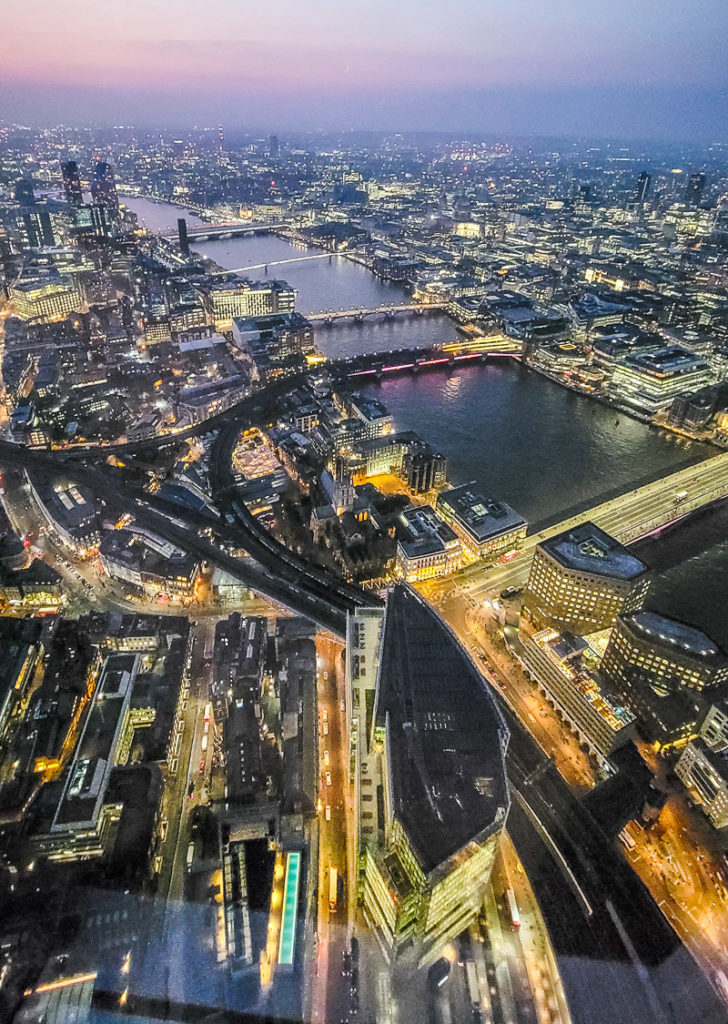
London’s Best Views: A City That Keeps Revealing Itself
I never get tired of London’s views. Even though it is one of the busiest capitals in the world, it still has a remarkable sense of space when you look at it from above, across the river, or from a quiet park on a clear afternoon. The city unfolds in layers: medieval churches, glass towers, grand government buildings, bridges, parks, and narrow streets that seem to lead toward another story at every turn. That contrast is what makes London so captivating. You are never looking at just one skyline; you are looking at a conversation between eras.
For travelers who enjoy seeing a city from multiple perspectives, London is especially rewarding. You can admire it from high observation decks, from river cruises, from cathedral galleries, from rooftop bars, or from hilltops on the city’s edges. Each angle gives a different impression. One view may emphasize the raw scale of the city, while another reveals how beautifully the River Thames threads its way through the capital. On one side, the skyline looks modern and almost futuristic. On another, it feels deeply historic, with domes, towers, and bridges that have become part of the city’s identity.
![16+ Of The Best Views In London From Above And Below [2026 Update]](https://www.ytravelblog.com/wp-content/uploads/2022/05/eye-of-london-12.jpg)
Overlooking the River Thames from the London Eye, the city feels surprisingly intimate despite its size. The river bends through the center like a silver guide, connecting many of the landmarks that visitors come to see on their first trip. It is also one of the best ways to appreciate London’s balance of movement and calm. The traffic, crowds, and noise feel far away for a moment, replaced by a broad, elevated sweep of rooftops, steeples, and bridges. That ability to pause and take in the whole city is one of the reasons London remains such a memorable destination.
When planning a trip around London’s viewpoints, it helps to think beyond the obvious landmarks. Yes, the major observation platforms are worth seeing, but some of the most rewarding experiences come from the places in between. A riverside walk at sunset, a cup of coffee beside a famous bridge, or a quiet climb up a church tower can be just as striking as a paid viewing deck. London rewards curiosity, and the more you move through it, the more viewpoints reveal themselves naturally.
Below is a detailed look at the city’s most rewarding places to admire the skyline, the river, and the architecture that makes London feel unlike any other capital in Europe.
Planning a London View-Focused Trip
If your main goal is to see London beautifully, planning matters. The city is enormous, and the best viewpoints are spread across both banks of the Thames and into neighborhoods that feel completely different from one another. Start by grouping sights geographically. You can pair the South Bank with Westminster, St Paul’s with the City of London, or Greenwich with the eastern skyline. That approach saves time and makes the day feel smoother.
It is also worth considering the time of day. London often has soft, moody light, but when the weather clears, the city can look especially dramatic in the hour before sunset and just after dusk. That is the time when glass towers reflect amber light, the river begins to glow, and the landmarks become easier to appreciate in silhouette. Morning can be excellent too, especially for quieter viewing platforms and less crowded river walks.
Budget is another factor. London can be expensive, particularly for observation decks and rooftop dining. Fortunately, some of the city’s best views are free. Public gardens, bridges, museums, and even certain church towers offer excellent panoramas without the hefty price tag. For travelers wanting to stretch their money, mixing one or two paid viewpoints with several free ones is the smartest way to experience the city.
The Shard: London’s Most Dramatic Skyline View
The Shard is impossible to ignore. Its sharp, glass-clad silhouette rises above the city like a modern landmark designed to be seen from every angle. As the tallest building in Western Europe, it has become one of London’s most recognizable features, and part of its appeal is simply the scale of the experience. Even before you reach the viewing platform, the building feels cinematic.
The views from The Shard are especially impressive because they reveal the geography of London in a way few other places can. From the open-air platform on level 72, the River Thames appears to snake across the city, linking boroughs and historic districts that can feel distant at street level. On a clear day, you can trace bridges, rooftops, church spires, and the ever-expanding skyline stretching east toward Canary Wharf. The enclosed level 69 is equally useful if the weather is less reliable, giving you a broad and comfortable vantage point with plenty of room to absorb the view.
![16+ Of The Best Views In London From Above And Below [2026 Update]](https://www.ytravelblog.com/wp-content/uploads/2022/05/The-Shard-river-thames-london.jpg)
The Shard becomes even more memorable close to sunset. Arriving about an hour before dusk gives you several different moods in one visit: late afternoon light, glowing sunset colors, and then the sudden sparkle of the city after dark. London is especially beautiful when the lights begin to come on across the river and the streets below start to shimmer. If you want the most atmospheric experience, this is the window to aim for.
##TOKENHOT_IMAGE_URL_3
For a special occasion, the building’s rooftop bar adds another layer to the experience. Rather than standing still in one spot, you can move slowly around with a drink and look out from several angles. That sense of space is part of what makes The Shard stand out. It is not just about height; it is about seeing how London’s old and new identities overlap in real time. Because tickets are popular, booking in advance is the best way to avoid disappointment and usually saves money too.
For travelers seeking a luxury stay, the hotel within The Shard is one of the most striking accommodation options in the city. Floor-to-ceiling windows make the skyline part of the room itself, and the experience is particularly strong after dark when the city glows below you. It is the sort of place that turns a view into the centerpiece of the trip.
The London Eye: A Moving Panorama of the Capital
The London Eye is one of the city’s most famous attractions, but it earns its reputation. What makes it special is not just the height, but the slow, measured pace of the rotation. You are given time to look, absorb, and compare landmarks as they drift into view. Big Ben, the Houses of Parliament, St Paul’s Cathedral, Tower Bridge, Buckingham Palace, and the Thames all appear in sequence, creating a living map of central London.
At 135 meters tall, the London Eye remains one of the best ways to orient yourself in the city. Unlike a fixed viewing platform, the pods gently shift your perspective as you move, which makes the experience feel immersive rather than static. This is especially enjoyable if you are visiting London for the first time and want a broad visual introduction before exploring on foot. On clear days, the horizon feels especially expansive, and the wheel offers a rare chance to see how much green space and water is woven into the capital’s center.
Families and couples alike tend to enjoy the London Eye because it feels relaxed and accessible. You are not rushing through a crowded attraction; instead, you have time to look closely at the details below. A riverboat moving under a bridge, a red double-decker bus crossing Westminster, or the dome of St Paul’s in the distance all become part of the experience. For travelers who like their sightseeing with a little romance and a little context, it remains one of the most satisfying paid viewpoints in London.
Sky Garden: A Free View with a Green Twist
Sky Garden is one of the smartest choices for travelers who want a high-rise view without paying the premium associated with some other observation decks. Housed in the Walkie Talkie building, it combines panoramic city views with a landscaped indoor garden, which gives the space a calmer and more elegant atmosphere than you might expect from a commercial tower in the heart of the financial district.
What makes Sky Garden appealing is the balance between openness and comfort. You can move through the planted terraces, find a seat, and take in the skyline without feeling rushed. The views are broad and satisfying, especially because they look across the Thames toward The Shard and the eastern side of the city. It is also one of the best places to appreciate how many layers London has built into its skyline, from the sharp geometry of modern towers to the domes and spires further west.
Reservations are essential, and it is wise to book as early as possible. If you manage to pair the visit with a meal or drink at one of the restaurants or bars, the experience feels even more complete. For travelers who like finding value in a major city, Sky Garden is one of London’s best examples of a high-impact, lower-cost viewpoint.
The Garden at 120: Quiet, Open, and Underrated
The Garden at 120 Fenchurch Street is another excellent stop for city views, and it tends to feel less crowded than the major headline attractions. Its landscaped terrace makes it feel more like an urban retreat than a traditional observation deck, which is part of the charm. From here, you can look toward Tower Bridge, The Shard, Canary Wharf, and other parts of the skyline that define modern London.
This viewpoint is especially useful for travelers who prefer a calmer atmosphere. It is not the highest viewpoint in the city, and that is partly why it works. You still get a wide panorama, but the experience is easier to enjoy at a slower pace. The open-air feel makes it a nice stop on a walking day through the City of London, especially if you want to pause before continuing toward the river or a nearby pub.
It is also a good reminder that not every memorable view in London needs to come from a major paid attraction. Sometimes the best scenes are found in places that feel almost incidental, where the city unexpectedly opens up in front of you.
St Paul’s Cathedral: History, Faith, and a Legendary Skyline
St Paul’s Cathedral is one of London’s most iconic buildings, and its presence is protected in a way that reflects how important it remains to the city. The fact that several protected sightlines preserve views of the dome is a fascinating example of how London balances development with heritage. You can feel this tension between old and new all over the capital, but it is especially noticeable here.
The cathedral is worth visiting not just for its architecture and historical significance, but because it offers one of the most meaningful elevated views in London. Climbing the 528 steps to the Golden Gallery is a commitment, yet the reward is a sweeping look over rooftops, bridges, and the Thames. The view has a layered quality that differs from modern observation decks. Instead of looking through glass at the city, you feel physically embedded in one of its defining monuments.
There is also something especially memorable about seeing the city from within a place that has stood through so much of its history. The cathedral’s stonework, staircases, and galleries give the visit a sense of continuity. For Harry Potter fans, the famous spiral staircase adds another point of interest, but even without that connection, the ascent is rewarding in its own right.
Tower Bridge and the River Thames: Classic London in Motion
Tower Bridge is one of those landmarks that never loses its pull, even if you have seen it in countless photos. It is important to note that Tower Bridge is not London Bridge, a confusion that still catches many first-time visitors off guard. The bridge’s twin towers, blue suspension details, and strategic position beside the Tower of London make it one of the most photogenic spots in the capital.
Walking across Tower Bridge is free and offers a generous look up and down the Thames. The river feels especially active here, with boats, walkways, and the historic skyline all competing for attention. If you have time to go inside the towers, you will get higher views and a better sense of the bridge’s engineering and history. Watching the bascules rise is even more memorable, since it gives you a rare sense of how the city still functions as a working river port, not just a tourist backdrop.
The river itself is one of London’s greatest viewpoints because it keeps changing. A cruise shows you the city in motion, and even a simple walk along the embankment can reveal reflections, boats, and new perspectives on familiar landmarks. The Thames is not only a scenic feature; it is the axis around which many of the best views in London are arranged.
Millennium Bridge, Tate Modern, and the South Bank
The Millennium Bridge gives one of the most satisfying approaches to St Paul’s Cathedral in the city. As you cross, the dome seems to grow larger with each step, which creates a subtle but powerful sense of anticipation. The bridge also offers excellent reverse views toward Tate Modern and along the river, making it a strong viewpoint in both directions.
Nearby, Tate Modern offers a different kind of viewing experience. As a major art museum, it naturally draws people for the collection, but its upper floors reward anyone interested in city views. Looking out across the Thames from the museum creates a striking contrast between the industrial character of the building and the elegance of the surrounding city. The South Bank location is especially satisfying because it feels alive with movement: walkers on the riverside path, boats on the water, and the cathedral’s dome anchoring the skyline.
After visiting the museum, a riverside stop nearby adds a relaxed way to continue the view. Sitting by the water with the skyline in front of you is one of the simplest pleasures in London. It is the sort of moment that can easily become a trip highlight because it feels unforced and unhurried.
Blackfriars, Westminster, and Sunset Along the Thames
London sunsets are not guaranteed, but when the sky clears, the city becomes especially beautiful. Blackfriars is one of the better places to look for that warm evening light because the river, bridges, and city buildings respond so well to color. When the sky turns peach and gold, the skyline takes on a more dramatic personality, and even the most familiar landmarks feel newly cinematic.
Westminster also deserves mention because it combines some of the city’s most famous structures with one of the richest visual relationships in London. Big Ben, the Houses of Parliament, and the surrounding statues and squares make this area a strong place to slow down and look around. Even if you have seen the buildings before, the view changes depending on the season, the weather, and your exact position on the street. That is part of London’s charm: it rewards repetition.
One of the pleasures of viewing London at sunset is that it shifts from a city of detail to a city of silhouette. Spires, domes, cranes, and towers stand out more sharply. For photographers, this is often the best light of the day. For everyone else, it is simply a beautiful time to stand still for a few moments and let the capital reveal itself again.
Greenwich: One of the Finest Long Views in London
Greenwich offers one of the city’s most elegant and expansive panoramas. From the Royal Observatory and Greenwich Park, the view stretches across landscaped greenery, historic buildings, and the distant modern skyline of Canary Wharf. The contrast is part of what makes it so rewarding. You can look over a place shaped by royal history and maritime heritage while also seeing the financial future of London rise in the distance.
The area feels different from central London in the best way. It is calmer, greener, and slightly removed from the rush of the West End and the City. That makes the view more contemplative. You are not just checking off another sightseeing stop; you are seeing how London grows outward and upward while still preserving spaces that feel almost timeless. Greenwich is especially beautiful on a mild day when you can linger in the park and enjoy the layered skyline without hurrying.
Other Views Worth Adding to Your List
There are plenty of additional places in London that deserve a spot on any skyline-focused itinerary. Primrose Hill is one of the most beloved because it offers a broad, clean look over the city from a grassy summit. Richmond Park and Parliament Hill are excellent if you prefer a greener, more relaxed setting. The Emirates Air Line cable car gives a playful, moving view over the Thames, while Up at The O2 is ideal for travelers who want a slightly more adventurous experience. For something more dramatic, the ArcelorMittal Orbit offers a distinctive structure and a far-reaching perspective over the Olympic Park area.
Food and drink can be part of the view experience too. Rooftop bars and riverfront pubs often give you some of the most enjoyable moments of the trip, especially when the weather cooperates. A place like Duck & Waffle, with its height and glass-wrapped outlook, turns dinner into a memorable part of the sightseeing day. Meanwhile, classic riverside pubs give you a more relaxed and distinctly London atmosphere, especially when you can sit outside and watch the water move past.
Travelers who enjoy a city from the water should also consider a guided Thames cruise or even a simple ferry ride as part of the transport network. There is something memorable about seeing the city pass by from river level, where the scale of the bridges and the historic landmarks feels much more immediate. It is one of the easiest ways to understand how much of London’s identity is tied to the Thames.
Practical Tips for Seeing the Best Views in London
To make the most of London’s viewpoints, book the major paid attractions in advance whenever possible. This is especially true for The Shard, the London Eye, and Sky Garden. Advance booking helps you secure your preferred time slot and can also reduce costs. If you are traveling on a budget, mix one paid attraction with several free ones so that you still get variety without overspending.
Weather is another important factor. London can change quickly, so flexibility helps. If one day is cloudy, move your outdoor viewpoints to another day and use the indoor observation spaces or museums when conditions are less favorable. It is also smart to keep an eye on sunset times, because a one-hour window can make a major difference in the quality of the light.
Finally, do not underestimate simple viewpoints. A bridge walk, a quiet garden terrace, or a riverside pub can be just as memorable as a famous ticketed attraction. London’s best scenes often happen between the landmarks, where the city feels most alive. If you stay curious, keep moving, and give yourself time to look up, London will keep offering new angles to admire long after your first visit.
![16+ Of The Best Views In London From Above And Below [2026 Update]](https://www.ytravelblog.com/wp-content/uploads/2022/05/best-views-in-london.jpg)
There is always another angle to discover in London, and that is exactly why the city stays with you long after you leave.