For us, a trip to Hamilton feels like coming home. Dave’s dad was born and raised here, and much of his childhood was spent visiting relatives in the city, back when Hamilton was still carrying the well-worn reputation of “Steeltown.” Over the years, we’ve watched The Hammer change in ways that feel both dramatic and deeply authentic. The industrial backbone is still part of its identity, but today Hamilton is just as well known for its creative energy, emerging food scene, cultural institutions, and the outdoor beauty of the Niagara Escarpment that rises around it.
What makes Hamilton especially appealing is how easily it balances old and new. One hour you can be standing inside a grand 19th-century mansion or aboard a wartime destroyer; the next you can be hiking toward a waterfall, sipping coffee downtown, or wandering through an art gallery that rivals those in much larger cities. It’s the kind of destination that rewards curiosity. You don’t need to rush it, and in fact Hamilton is at its best when you give it time to reveal its layers. Whether you’re planning a day trip from Toronto, a weekend escape, or a longer Ontario road trip, this guide covers the best things to do in Hamilton, Ontario, along with practical tips for making the most of your visit.
Top Hamilton Attractions at a Glance
Hamilton offers a remarkable variety of experiences within a relatively compact area. If you’re short on time, the main appeal falls into four broad categories: historic attractions, waterfalls and conservation areas, waterfront parks and trails, and a growing cultural and nightlife scene. Dundurn Castle, the Royal Botanical Gardens, Webster’s Falls, the Waterfront Trail, and the Warplane Heritage Museum are often the headline names, but they’re only the beginning. Hamilton’s real charm lies in the way these places connect into a bigger story about the city itself.
Historic Sites and Museums
Hamilton’s history is not something you simply read about in a museum booklet and move on from. It is visible in the city’s architecture, its neighbourhoods, its civic pride, and its preserved landmarks. The city’s historic sites help explain how Hamilton evolved from a strategic settlement and industrial powerhouse into the modern city it is today.
Dundurn Castle
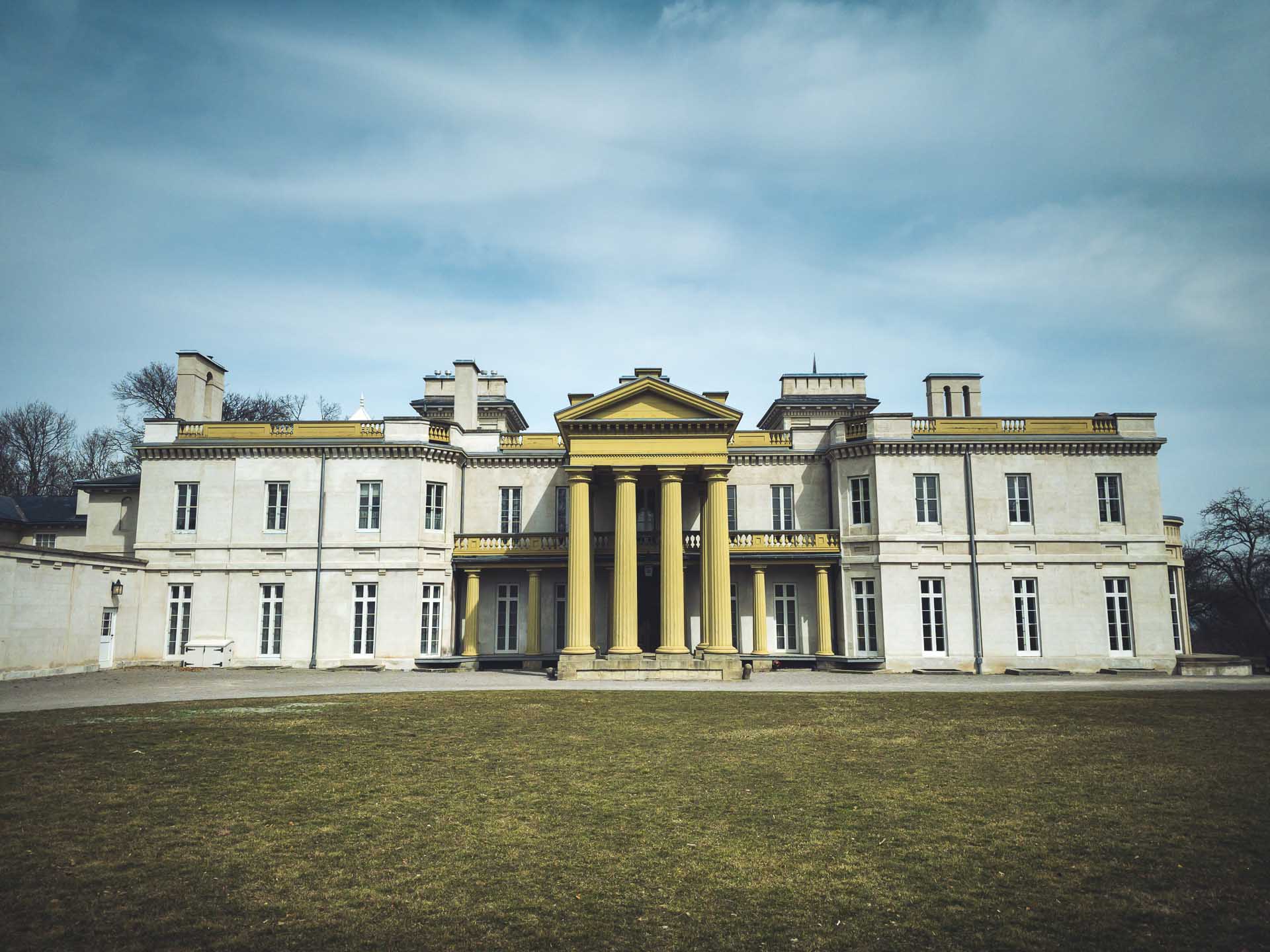
A visit to Dundurn Castle is one of the most rewarding ways to start exploring Hamilton. This elegant 1830s villa, once home to Sir Allan Napier MacNab, offers a carefully preserved glimpse into upper-class life in early Canada. The house itself is beautiful, but what makes the experience memorable is the guided interpretation. Costumed staff bring the rooms to life with stories about domestic routines, political ambition, and the social customs of the period. It is less like walking through an empty historic house and more like stepping into a functioning household frozen in time.
The grounds are worth lingering over as well. Even if you only go for the house tour, allow extra time to walk around the property, visit the kitchen garden, and enjoy the views toward the harbour. The Hamilton Military Museum is included with admission, which adds another layer to the experience for anyone interested in Canadian history.
Canadian Warplane Heritage Museum
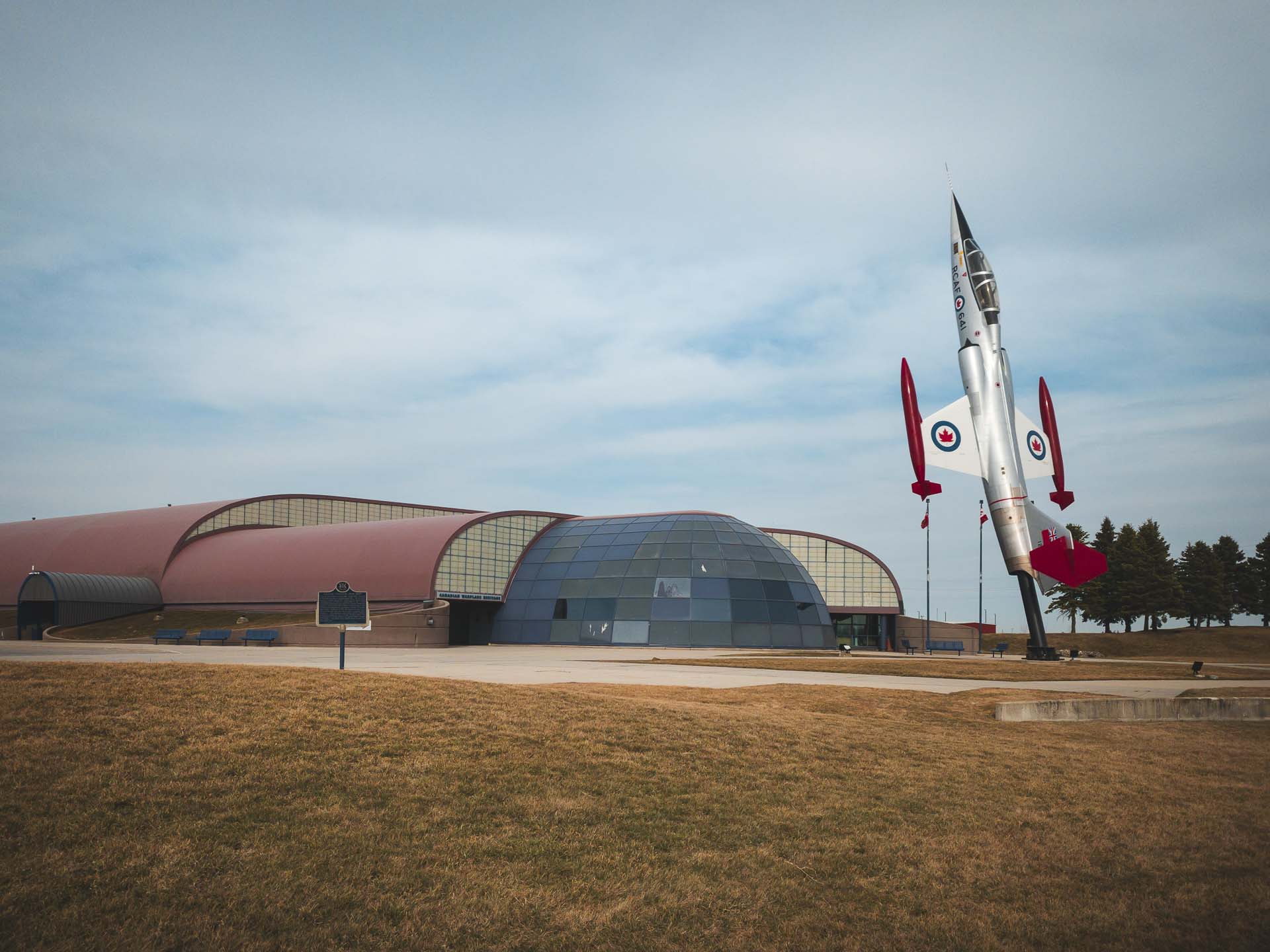
Located beside Hamilton International Airport, the Canadian Warplane Heritage Museum is one of the city’s best attractions for aviation enthusiasts, families, and anyone with an interest in military history. Its collection includes more than 40 aircraft flown by Canadians since the Second World War, but the star of the show is the Avro Lancaster. As one of only two airworthy Lancaster bombers left in the world, it draws visitors for very good reason. Even those who arrive knowing little about aviation usually leave with a new appreciation for the scale and significance of these machines.
One of the best parts of visiting is the chance, on the right day, to see historic aircraft take off or land. That moment adds a rare kind of energy to the museum visit because it connects the display pieces to their living, flying histories. If you’re interested in simulation experiences, the museum also offers extras worth checking in advance.
HMCS Haida National Historic Site
HMCS Haida is one of Hamilton’s most memorable waterfront attractions and one of Canada’s most significant naval museums. Known as “Canada’s most fightingest ship,” this restored Tribal-class destroyer is the only surviving vessel of its kind. Visiting the ship gives you a vivid sense of what life was like aboard a naval warship during the Second World War, the Korean War, and the Cold War. The narrow passageways, steep ladders, and compact quarters all reinforce the reality of life at sea, where function mattered more than comfort.
It is a hands-on experience in the best sense. You are not just looking at exhibits behind glass; you are moving through the ship itself, imagining the crew working, sleeping, and serving in remarkably tight conditions. Good shoes are important, and so is taking your time. This is one of the city’s strongest examples of heritage tourism done well, because it allows visitors to feel the scale of the ship rather than simply observe it.
##TOKENHOT_IMAGE_URL_3
Hamilton Museum of Steam & Technology
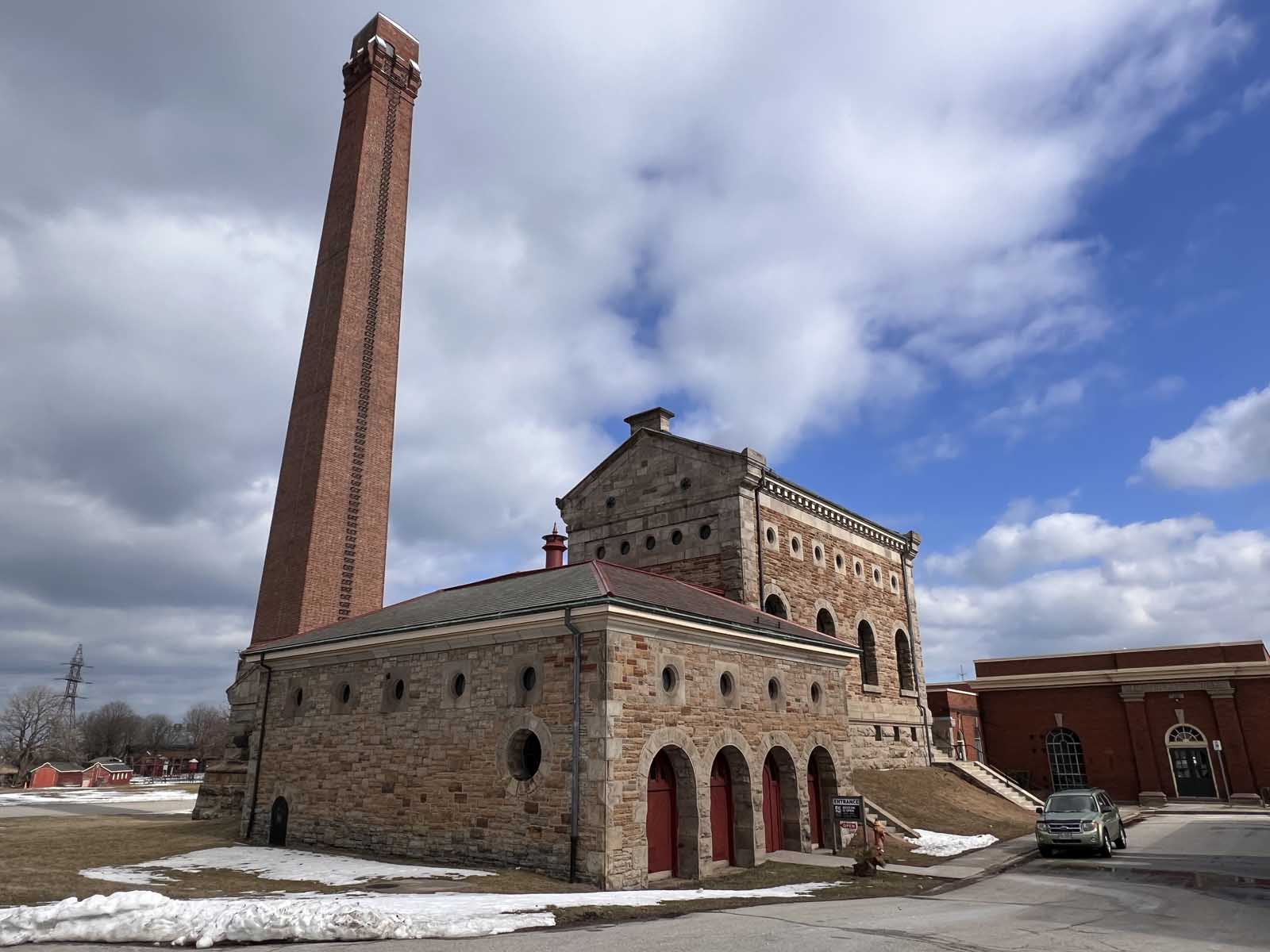
Set inside the restored 1859 waterworks building, the Hamilton Museum of Steam & Technology is a fascinating stop that often surprises first-time visitors. The museum focuses on the history of steam power in Canada and preserves the enormous machinery that once supplied water to the city. For anyone with even a passing interest in engineering, industrial design, or the infrastructure that made modern cities possible, this is an absorbing place to explore.
The real thrill comes during a live steam demonstration, when the massive engines and pumps are shown in operation. In that moment, the building stops feeling like a static museum and becomes what it once was: a vital, working part of Hamilton’s growth. It is one of the city’s most underrated attractions and a great reminder that Hamilton’s industrial past is not just something the city survived, but something it transformed into a point of pride.
##TOKENHOT_IMAGE_URL_4
Battle of Stoney Creek
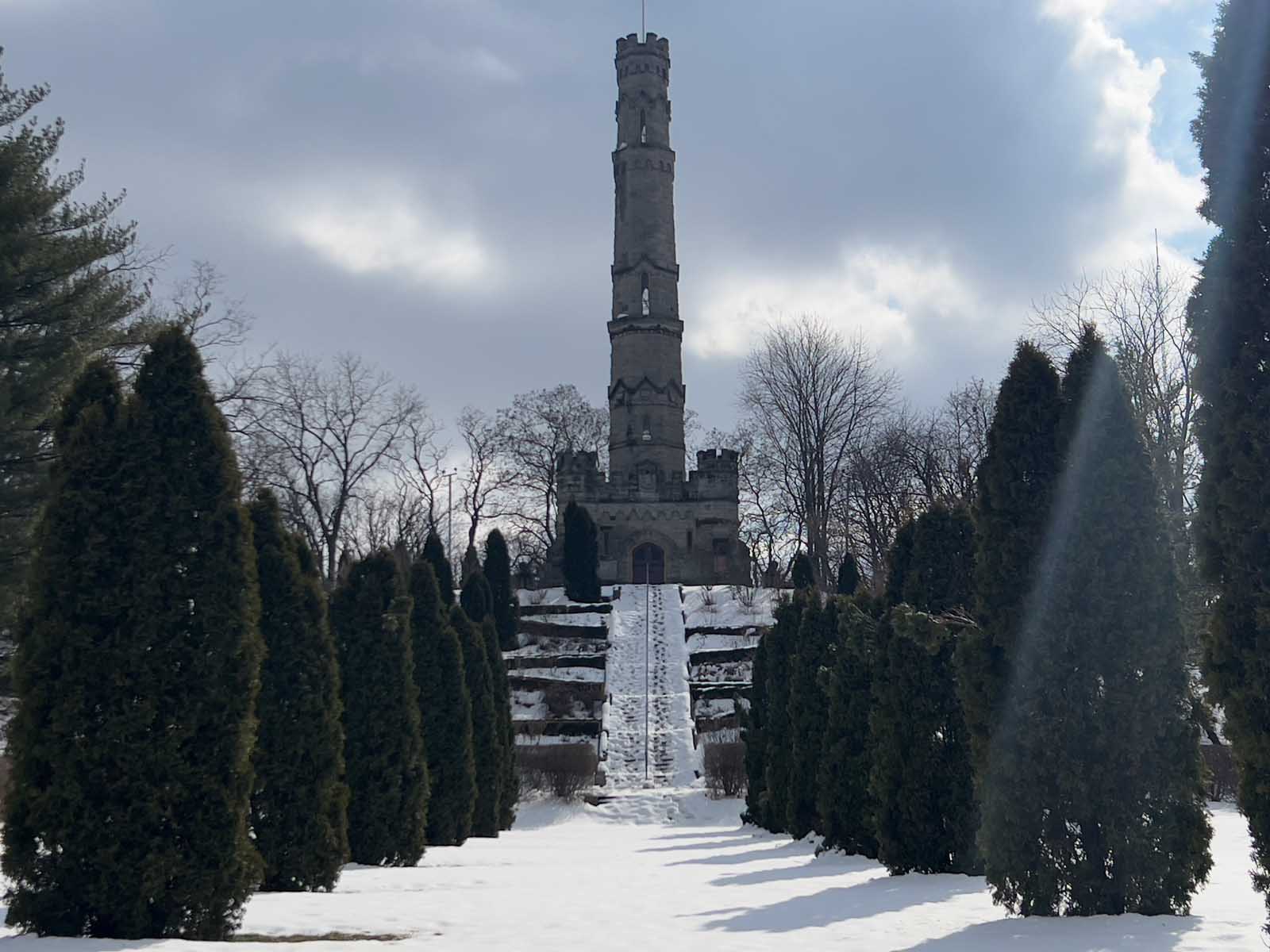
History buffs should not miss the National Historic Site marking the Battle of Stoney Creek, one of the defining moments of the War of 1812. The Battlefield House Museum, built on the original Gage Homestead site, gives context to the events of June 1813, while the tall Battlefield Monument stands as a striking marker over the landscape. Together, they help explain why this location mattered so much strategically and politically.
Climbing the monument is absolutely worth the effort. The elevated view puts the surrounding terrain into perspective and helps you imagine how the battle unfolded. For travellers who enjoy understanding a place through its history, this stop offers a meaningful connection to Canada’s early military past.
##TOKENHOT_IMAGE_URL_5
The Erland Lee Museum
In Stoney Creek, the Erland Lee Museum marks the birthplace of the Women’s Institutes, an organization that began in this modest 19th-century farmhouse and eventually spread across the world. The site is important not only for Canadian history, but for women’s history, community organizing, and rural education. Its exhibits tell the story of how a local initiative grew into a movement with international reach.
It’s one of those attractions that may not be as famous as Hamilton’s castles or waterfalls, but it adds depth to a visit by showing how ordinary places can hold extraordinary significance. If you enjoy heritage sites with a strong social history dimension, this is well worth your time.
##TOKENHOT_IMAGE_URL_6
Outdoor Adventures and Waterfalls
Hamilton’s biggest natural advantage is its setting. The city sits on the Niagara Escarpment, a UNESCO World Biosphere Reserve, which gives it a dramatic landscape of cliffs, wooded valleys, trails, and waterfalls. For many visitors, this is the side of Hamilton that leaves the strongest impression. The city has earned its reputation as the “Waterfall Capital of the World,” and while the slogan sounds bold, it’s not far from the truth.
Chasing Waterfalls in Hamilton
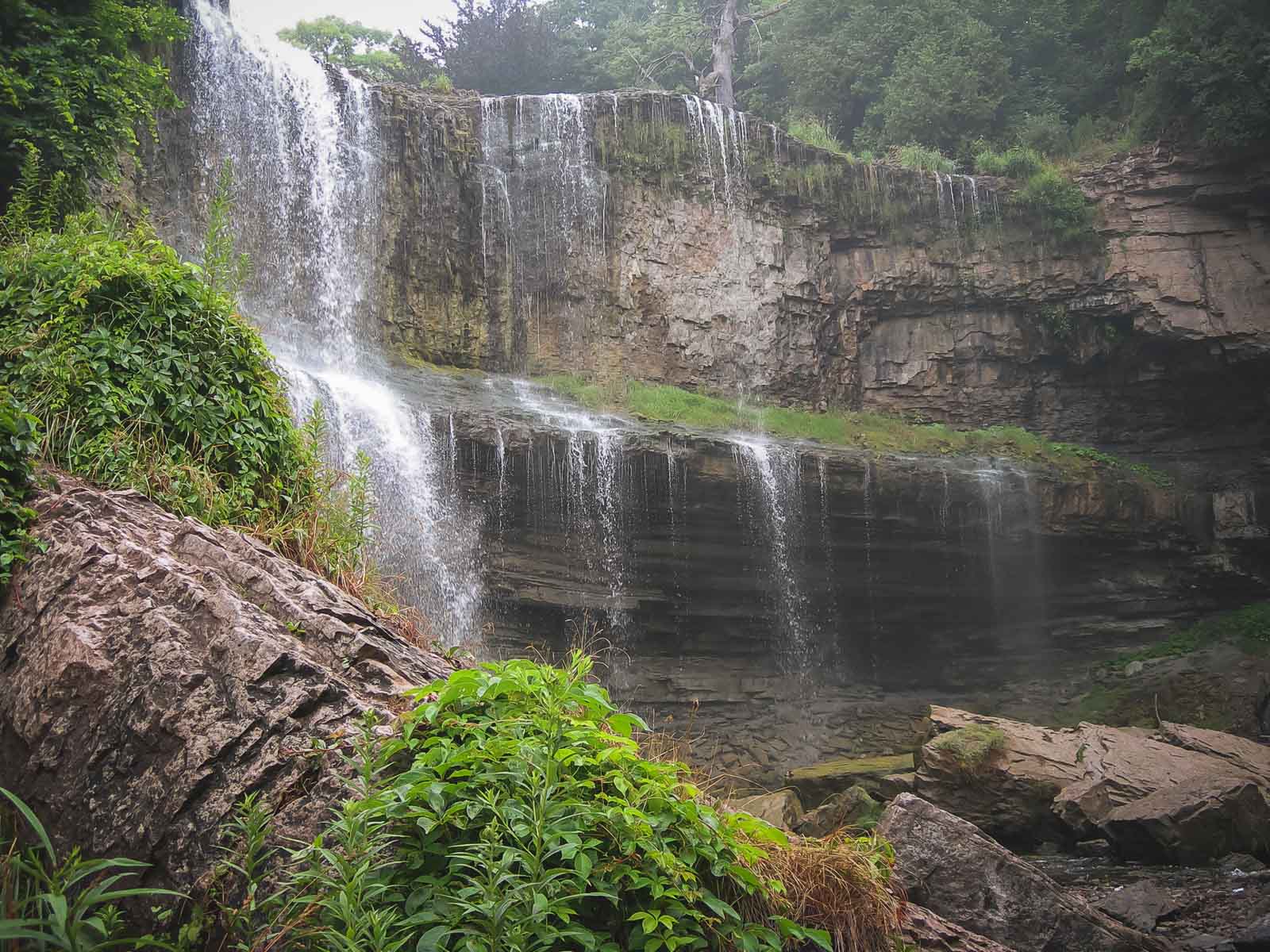
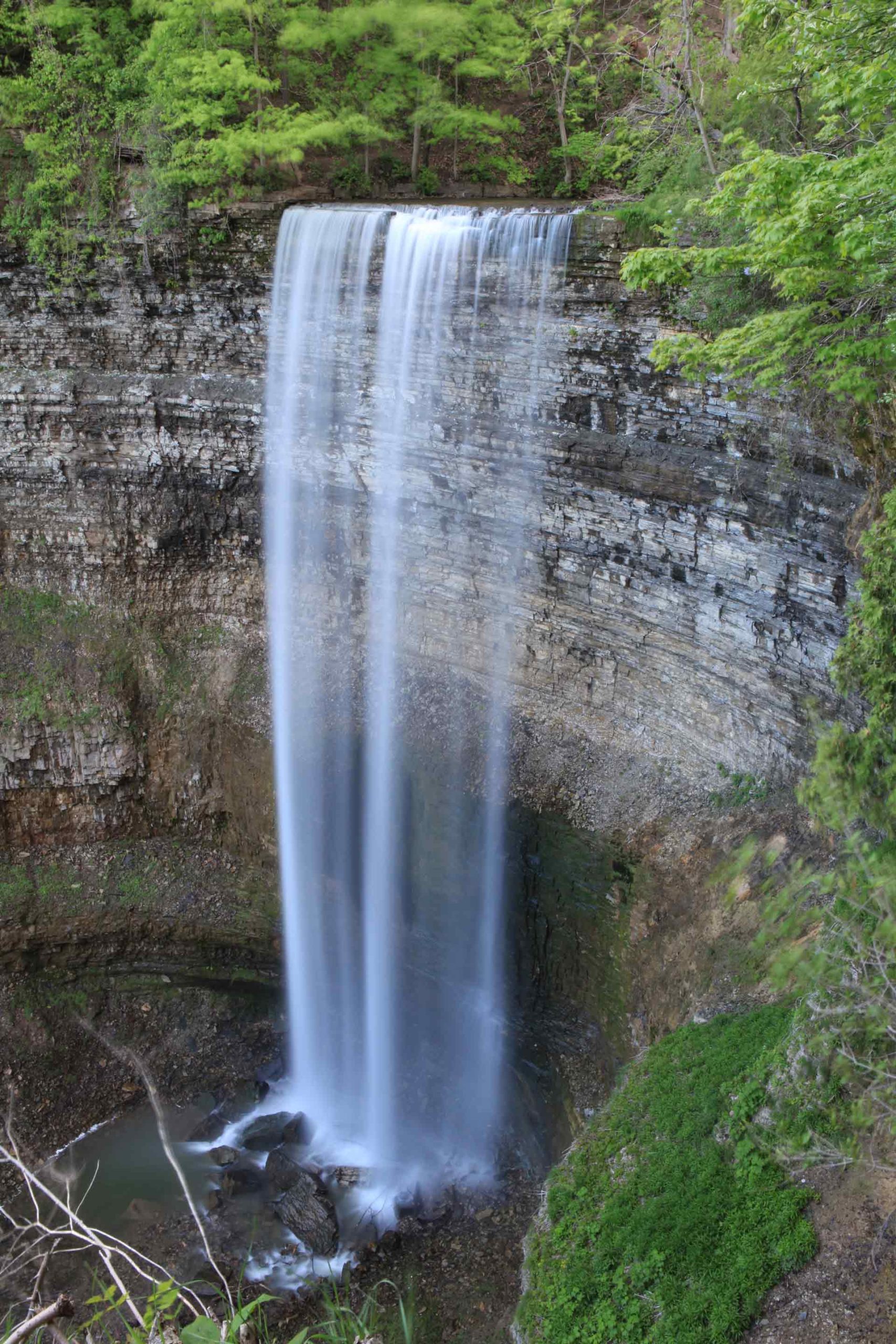
There are over 100 waterfalls within the city limits, which makes Hamilton one of the most unique urban nature destinations in Canada. Some falls are broad and powerful, while others are delicate and easy to miss if you’re not paying attention. Webster’s Falls is one of the most iconic, with its classic curtain-like drop; Albion Falls is wider and more layered, with water tumbling over rock shelves; and Tews Falls is the city’s tallest at 41 metres. The scale and variety mean that waterfall chasing here never feels repetitive.
Access rules can change, especially around parking, reservations, and trail conditions, so it is always smart to check official conservation authority information before heading out. That small bit of planning makes the day much smoother, particularly in peak season when the most famous falls can become crowded.
##TOKENHOT_IMAGE_URL_7
Spencer Gorge Conservation Area
Spencer Gorge is one of the best places to experience Hamilton’s natural drama at full strength. It includes some of the city’s most famous waterfalls and leads visitors toward Dundas Peak, where the view opens up across the valley in one of the most scenic panoramas in Southern Ontario. In autumn, the landscape becomes even more striking, with the hills and forest canopy turning shades of gold, red, and copper.
This is one of those spots that rewards a slower visit. The waterfall viewing is excellent, but the real magic often comes from taking time to hike, pause, and take in the valley from different angles. If you want a classic Hamilton outdoor experience that combines accessible scenery with a sense of scale, this is a strong choice.
##TOKENHOT_IMAGE_URL_8
Royal Botanical Gardens
The Royal Botanical Gardens is one of Hamilton’s most impressive attractions and an essential stop for travellers who appreciate landscapes, plant collections, and quiet places to wander. As Canada’s largest botanical garden and a National Historic Site, it spans more than 2,400 acres and includes multiple garden areas, trails, and ecological spaces. Hendrie Park is especially appealing, with a thoughtful blend of formal gardens and seasonal colour, while the restored David Braley Rock Garden offers a beautifully designed place for a longer walk.
The RBG also gives the city a softer, more contemplative side. It is not just about flowers, though the collections are outstanding; it is about design, conservation, and the relationship between cultivated spaces and the escarpment landscape. If your time is limited, prioritize one area rather than trying to see it all in a single visit.
##TOKENHOT_IMAGE_URL_9
Hiking the Bruce Trail and the Dundas Valley
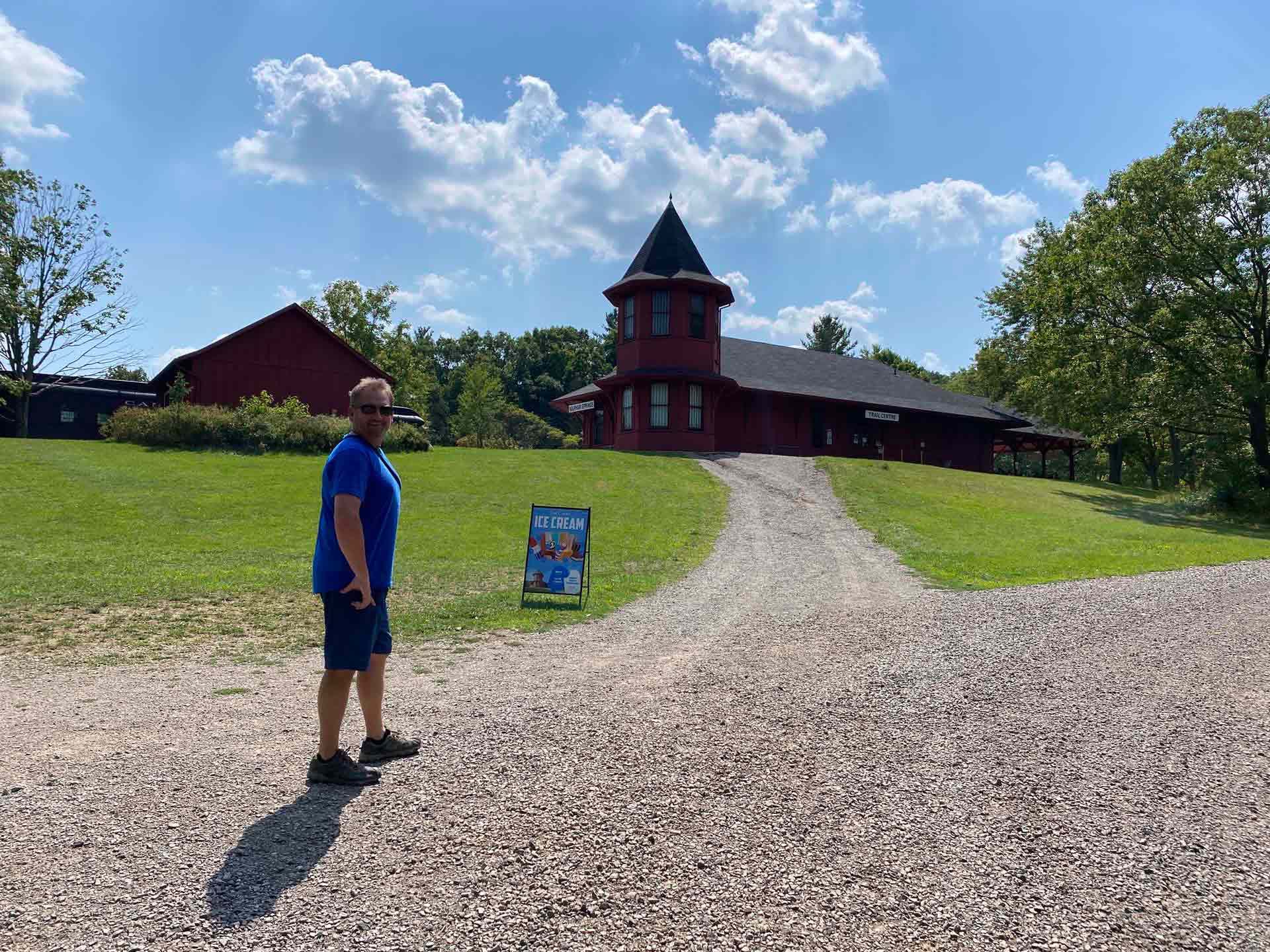
The Dundas Valley Conservation Area is a dream for hikers and anyone who wants to experience Hamilton’s natural side without leaving the city behind. With more than 40 kilometres of trails, it offers everything from easy loops to longer sections of the Bruce Trail, Canada’s oldest and longest marked footpath. Some routes pass through woodland, along old rail corridors, and past ruins that quietly hint at the region’s past.
Starting at the Dundas Valley Trail Centre is the easiest way to orient yourself. From there, you can choose a short loop, connect to a portion of the Bruce Trail, or explore the Hamilton to Brantford Rail Trail for something flatter and more relaxed. The area is especially appealing if you want a nature day that feels structured but not overly engineered. It has enough trail variety to suit families, casual walkers, and more experienced hikers alike.
##TOKENHOT_IMAGE_URL_10
Hamilton’s Waterfront and Parks
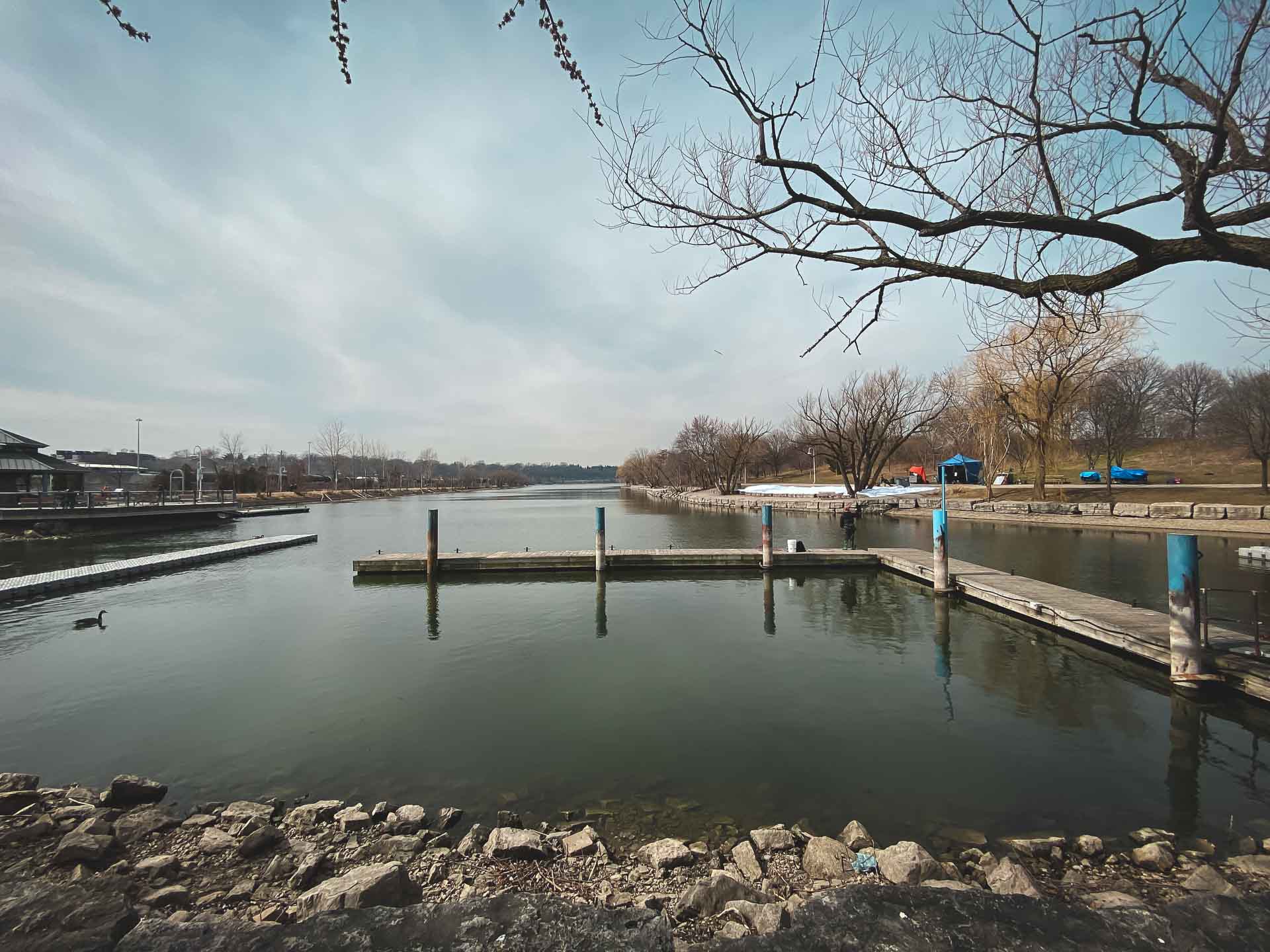
Hamilton’s waterfront tells one of the city’s most interesting transformation stories. What was once an industrial harbour has become a place for walking, cycling, paddling, picnics, and public events. The redevelopment is not polished in a way that erases the city’s past; instead, it creates space for people to enjoy the harbour while still sensing the scale and history of the working waterfront.
Bayfront Park
Bayfront Park is a generous green space along Hamilton Harbour and one of the city’s most family-friendly destinations. It offers a trail system, a boat launch, plenty of open lawn, and a large playground that makes it especially popular with parents and young children. The park also hosts concerts and festivals, which means it can feel lively in a very local way rather than just scenic.
What makes Bayfront Park attractive is the atmosphere. It is not a formal botanical garden or a tightly programmed urban square. It is a place where people gather casually, walk dogs, watch boats, and spend time outdoors without much fuss. That relaxed quality makes it easy to enjoy for an hour or an entire afternoon.
##TOKENHOT_IMAGE_URL_11
Strolling the Waterfront Trail
The Waterfront Trail links Pier 4 Park and Bayfront Park over roughly 12 kilometres, creating a pleasant route for walking, running, or biking. It is flat, accessible, and straightforward to enjoy, which makes it ideal for visitors who want scenic movement without a challenging hike. Along the route you’ll find places to stop for ice cream, watch anglers at work, or simply look out across the harbour and take in the changing skyline.
Biking a section of the trail is one of the easiest ways to cover more ground while still feeling connected to the waterfront. The path allows you to move between park spaces at a comfortable pace, and the views help explain why the area has become such a focal point for Hamilton’s recreation scene.
##TOKENHOT_IMAGE_URL_12
Take a Harbour Cruise
For a different angle on Hamilton, a narrated harbour cruise offers a useful and often overlooked perspective. Instead of simply seeing the waterfront from shore level, you get to understand the scale of the harbour, the industrial facilities, and the ways Hamilton has reimagined its relationship with the water. The narration is especially valuable because it turns the cruise into a moving history lesson rather than just a scenic outing.
If you like attractions that add context to the places you’ve already visited on foot, this is a smart addition to your itinerary. It is also a good way to rest your legs while still seeing more of the city.
##TOKENHOT_IMAGE_URL_13
Relax in Gage Park
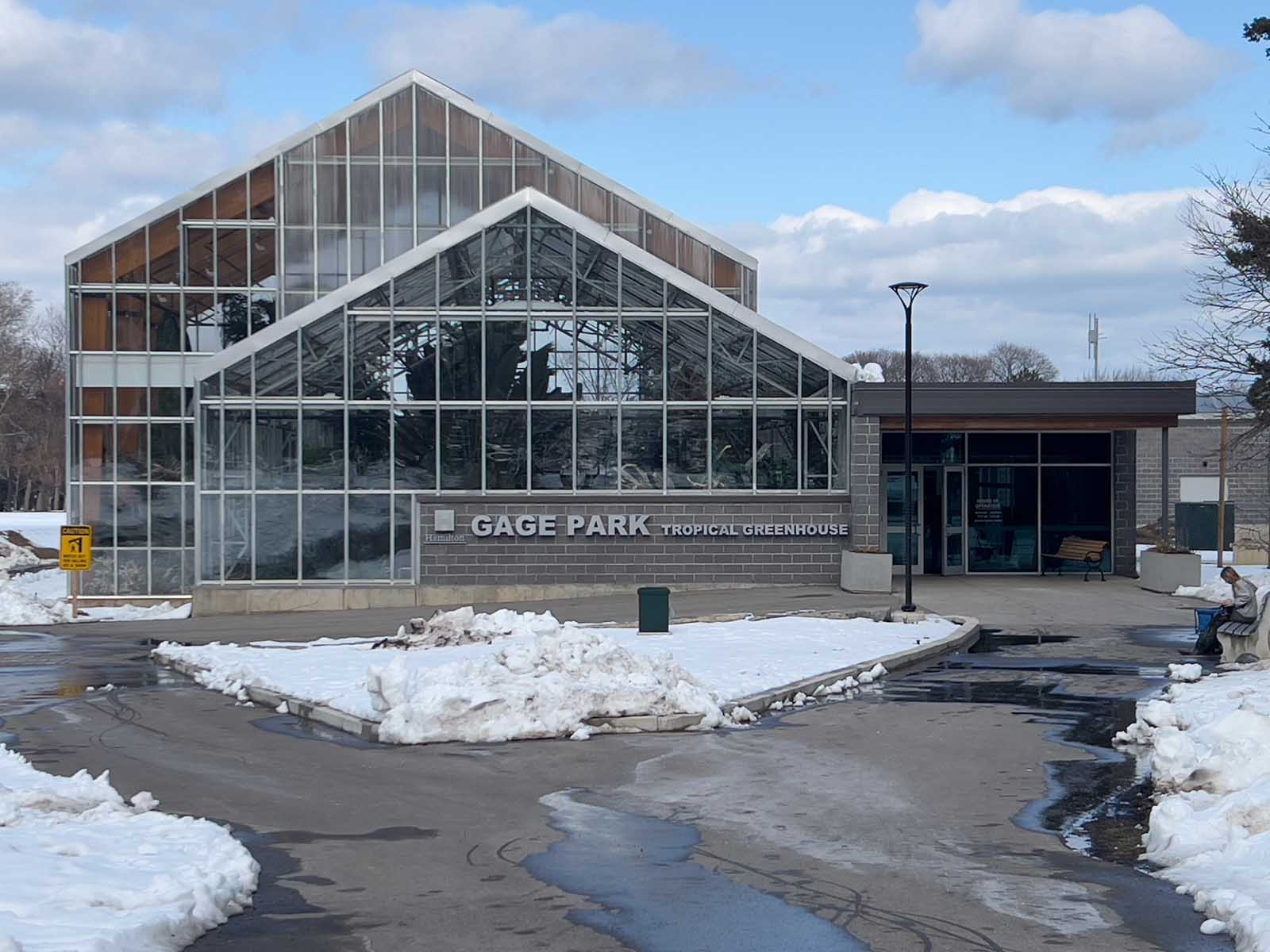
Gage Park is one of the largest and most versatile urban parks in East Hamilton, and it works equally well as a quick stop or a full afternoon destination. The themed gardens are attractive in every season, and the Tropical Greenhouse is a standout, especially in colder months when stepping inside feels like a warm escape. Families will also find open spaces, a wading pool, and a variety of recreational features that make the park easy to enjoy without a rigid plan.
In winter, Gage Park changes character and becomes a place for skating and seasonal lights, which gives it year-round appeal. It is one of those spaces that reflects Hamilton’s habit of making practical city places feel welcoming and lived in.
##TOKENHOT_IMAGE_URL_14
Grab Fish and Chips at Hutch’s
No Hamilton waterfront experience feels complete without a stop at Hutch’s. This long-running beachside institution has been serving fish and chips, burgers, ice cream, and shakes for generations, and it still feels like the kind of place people return to out of habit as much as appetite. That is part of its charm. It is casual, familiar, and tied to the city’s summer rhythm in a way that more polished restaurants often can’t match.
Expect a lineup on sunny days, and don’t let that discourage you. This is one of those simple local pleasures that makes a trip feel lived in rather than curated. A meal here pairs naturally with a walk along the harbour or a lazy afternoon at the park.
##TOKENHOT_IMAGE_URL_15
Culture, Sports, and Entertainment
Hamilton’s cultural scene has grown steadily over the years, and today it offers enough range to keep an itinerary interesting well beyond the daytime sights. Galleries, theatre, and sports are woven into the city’s identity, which gives visitors plenty of ways to experience Hamilton after the trails and museums have closed.
Art Gallery of Hamilton
The Art Gallery of Hamilton is the oldest and largest art museum in Southern Ontario, and its permanent collection is one of the strongest in the province. With works by the Group of Seven, Emily Carr, Tom Thomson, and many other notable artists, it offers a clear sense of Canadian art history alongside contemporary exhibitions. The gallery is accessible without feeling oversized, and that makes it easy to enjoy even if you are not an art specialist.
For travellers who want a thoughtful indoor stop between outdoor activities, the gallery is a strong choice. It also adds balance to a Hamilton trip by showing that the city’s cultural identity extends far beyond its industrial roots.
##TOKENHOT_IMAGE_URL_16
Canadian Football Hall of Fame and the Tiger-Cats
Hamilton’s relationship with football is part civic culture, part local religion. The Canadian Football Hall of Fame, located at Tim Hortons Field, is a fitting tribute to a city often described as the birthplace of Canadian football. The exhibit is easy to visit and gives useful context to the sport’s Canadian history, its personalities, and its traditions.
If you can time your visit with a Hamilton Tiger-Cats game, do it. The atmosphere is lively, loyal, and unmistakably local. Even visitors who don’t follow CFL football closely often find themselves caught up in the energy of the crowd. It is one of the best ways to feel Hamilton’s personality at full volume.
##TOKENHOT_IMAGE_URL_17
Hess Village
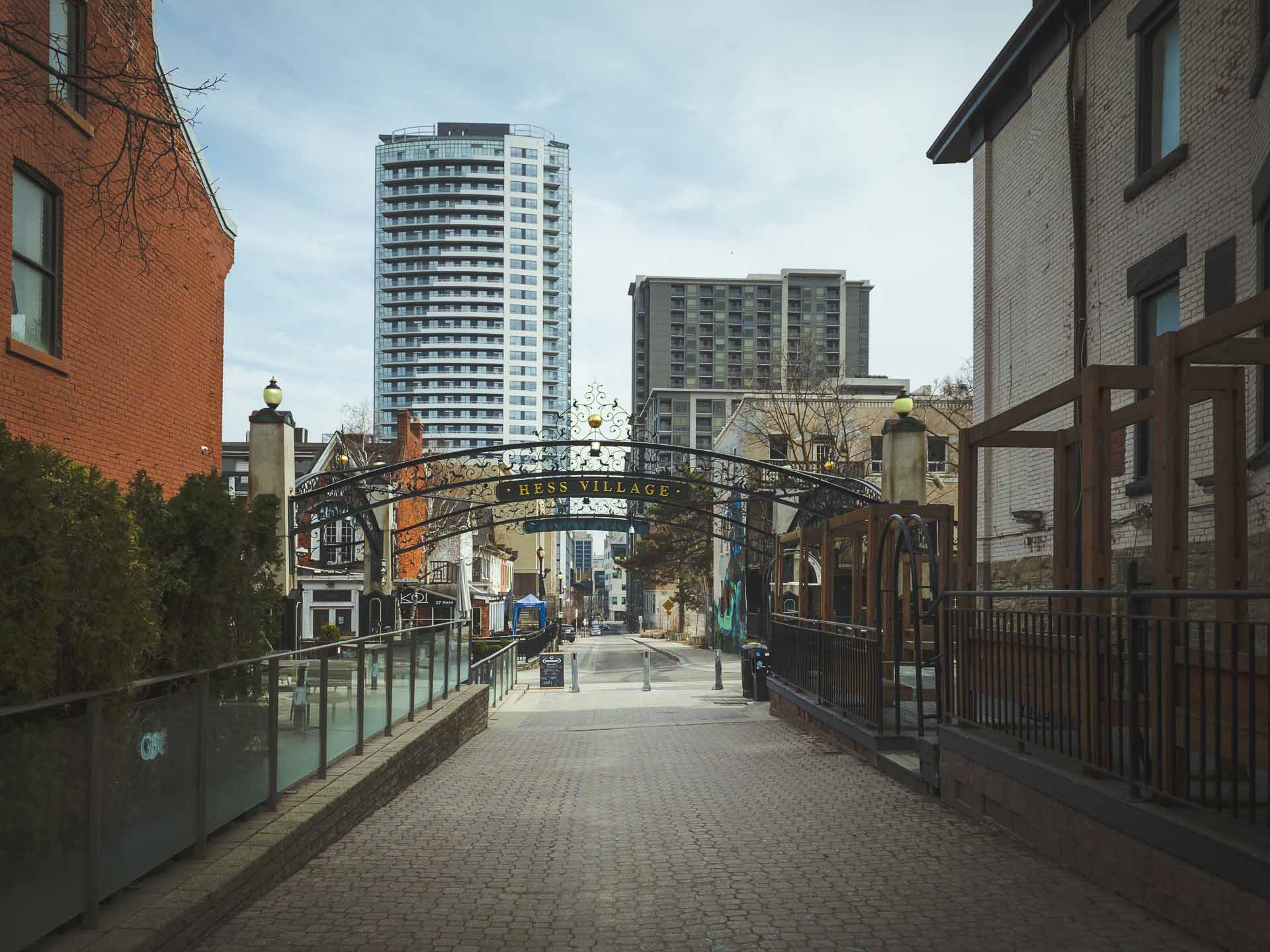
When the sun goes down, Hess Village becomes one of the city’s most active nightlife areas. The pedestrian-only streets, historic buildings, patios, live music, and restaurant density make it a natural place to end an evening. It can be busy, especially on warm nights, but that bustle is part of the experience. It feels social, compact, and easy to navigate on foot.
If you prefer a slightly quieter dinner scene, nearby King William Street is often a better choice, with a growing collection of restaurants that have helped turn it into one of Hamilton’s most interesting dining corridors. Together, these neighbourhoods show how the city has turned old urban fabric into something contemporary and usable.
##TOKENHOT_IMAGE_URL_18
Theatre Aquarius
For live performance, Theatre Aquarius remains one of Hamilton’s strongest cultural anchors. Located downtown in the Dofasco Centre for the Arts, it stages a broad mix of productions, from classic plays to contemporary musicals. The theatre has long been a place where Hamilton audiences can enjoy professional-level performances without heading to Toronto, and that accessibility is part of its value.
If your travel dates line up with a show, it is worth checking what’s on. A night at the theatre adds a different rhythm to a Hamilton trip and is a reminder that the city’s creative life is not confined to galleries and music venues.
##TOKENHOT_IMAGE_URL_19
Hidden Gems
Hamilton’s headline attractions deserve their reputation, but some of the most memorable moments come from places that don’t always make the top of a first-time itinerary. Hidden gems in Hamilton are often the spots where the city feels most local, most relaxed, and most unexpectedly beautiful. Tiffany Falls is one of the best examples: it is smaller and gentler than the famous waterfall names, yet it offers an easy, satisfying walk and a quieter atmosphere. That alone makes it valuable, especially if you want the scenery without the crowds.
Another rewarding lesser-known experience is simply exploring the neighbourhoods around King William Street, Locke Street, and parts of downtown where heritage buildings, independent cafés, and small restaurants give the city a more intimate feel. These areas are less about major landmarks and more about atmosphere. They are ideal for slowing down, browsing, and noticing the city’s everyday texture.
For travellers who enjoy a more local waterfront experience, Pier 4 Park and nearby edges of the harbour can feel calmer than the busiest sections of the trail. Early mornings and weekdays are especially good times to visit if you want the water, open space, and skyline views without much interruption. Hidden gems in Hamilton are often about timing as much as location, and a flexible schedule can make the city feel even more rewarding.
Food and Drink
Hamilton’s dining scene has changed dramatically in recent years. The city still has its comforting classics, but it also offers a growing number of inventive restaurants, market vendors, and neighbourhood cafés. For many visitors, food becomes an important part of the Hamilton experience because it reflects the city’s mix of tradition, reinvention, and local pride.
Hamilton Farmers’ Market
Established in 1837, the Hamilton Farmers’ Market is one of the city’s oldest landmarks and one of its most useful downtown stops. It brings together produce vendors, butchers, bakers, specialty food stalls, and artisans under one roof, making it a practical place to eat and browse. The market is especially good for lunch, since the range of prepared food is broad enough to suit different tastes and budgets.
What makes the market work so well is that it feels genuinely functional. It is not staged for tourists, yet it is very welcoming to them. You can pick up snacks, sit down for a meal, and get a sense of how locals use the downtown core in their daily routines.
Planning Your Hamilton Visit
Hamilton is one of those places that can be experienced in many different ways depending on your interests and the time you have. If you are here for one day, focus on a manageable combination such as Dundurn Castle, a waterfall stop, and the waterfront. If you have two days, add the Royal Botanical Gardens, a museum, and a downtown food stop. If you are staying longer, the city opens up beautifully into a more layered destination where history, nature, and local culture start to connect.
Getting around is easiest with a car, especially if you want to visit conservation areas, historic sites, and waterfalls that are spread across different parts of the city. Downtown Hamilton is walkable, and the waterfront can be enjoyed on foot or by bike, but the broader attractions are more convenient with your own transportation. Visiting during spring, summer, or early autumn gives you the best chance to enjoy both the trails and the parks, though winter can be surprisingly appealing if you are interested in galleries, theatre, and the city’s indoor attractions.
Hamilton works because it doesn’t try to be one thing. It is a former steel city, a university city, a trail city, a waterfall city, and a food city all at once. That mix is what gives it character, and why so many visitors leave feeling like they’ve only just scratched the surface. The more time you spend here, the more Hamilton reveals, and that is exactly what makes it worth coming back to again and again.
Take your time, follow the escarpment, and let the city lead you from harbour to hillside at its own pace.