Traditional Portuguese Food: A Long-Form Guide to the Dishes That Define a Journey
There are few destinations we’ve explored that engage the senses quite like Portugal. Over two full months, we moved from the sunlit seafood restaurants of the Algarve to the cobbled, history-rich streets of the north, building our trip around one simple idea: eat as much as possible, and eat it well. Portugal rewards that kind of curiosity. The food is honest, regional, deeply rooted in tradition, and often better in the places that look the least polished from the outside. A tiny tasca in Lisbon, a family-run tavern in a village inland, a grill beside the Atlantic, or a bakery on a quiet corner can all become the most memorable meal of your trip.
This is not a country where food is treated as an accessory to travel. It is part of the landscape, part of the rhythm of the day, and part of how people gather, celebrate, and slow down. If you are planning a trip and want to understand Portugal through its cuisine, this guide will help you know what to order, what each dish tastes like, and how to eat like a local rather than a tourist. From iconic seafood and comforting stews to breads, snacks, wines, and liqueurs, here is a premium, practical look at the traditional Portuguese dishes worth seeking out.
What Makes Portuguese Food So Memorable
Portuguese cuisine is often described as simple, but that word can be misleading. Simplicity here does not mean plain. It means confidence in ingredients. Olive oil is used generously and with purpose. Garlic, onions, parsley, bay leaf, paprika, and wine appear again and again, not to overwhelm but to support. Seafood is treated with a kind of respect that comes naturally in a coastal nation, while meat dishes often reflect the country’s rural traditions, where meals were built to nourish families through long days and cooler evenings.
There is also a strong sense of regional identity. The north leans heartier, with richer stews, bread-based comfort dishes, and stronger wine traditions. The centre often mixes mountain produce, rustic recipes, and deeply traditional baking. The Algarve and the southern coast celebrate the sea, with shellfish, grilled fish, and copper-pan stews that make the most of local catches. In between, cities like Lisbon and Porto offer everything from classic recipes to modern reinterpretations, but the best food is still often the food that has barely changed for generations.
Pastel de Nata: The Custard Tart That Became a National Obsession
You cannot begin a conversation about Portuguese food anywhere else. Pastel de nata is more than a pastry; it is part of daily life. The best version has a shell that is crisp, delicate, and almost impossibly flaky, with layers that crack open at the first bite and scatter over your plate. Inside is a warm custard that is silky, sweet without being cloying, and usually finished with a dusting of cinnamon. Some versions lean more caramelised on top, others are softer and creamier in the centre, but the very best ones are served fresh from the oven and eaten immediately, often standing at the counter with a coffee in hand.
Part of the charm is that pastel de nata is not reserved for special occasions. You’ll find it in bakeries, cafés, train stations, and neighbourhood pastelarias across the country. If you have time, try a few from different regions. Lisbon gets much of the international attention, but the joy of pastel de nata is that it is woven into ordinary Portuguese life. Eating one warm, before the pastry loses its crispness, is the simplest travel luxury in Portugal.
Bacalhau: Portugal’s Most Famous Ingredient
Bacalhau, or dried and salted cod, is the dish that best captures the country’s culinary identity. It is said there are 365 ways to prepare it, one for every day of the year, and while that number may be more legend than fact, it says a lot about how deeply bacalhau is embedded in the national imagination. Historically linked to sailors, preservation, and long journeys at sea, it remains a staple on menus across Portugal in forms both humble and elaborate.
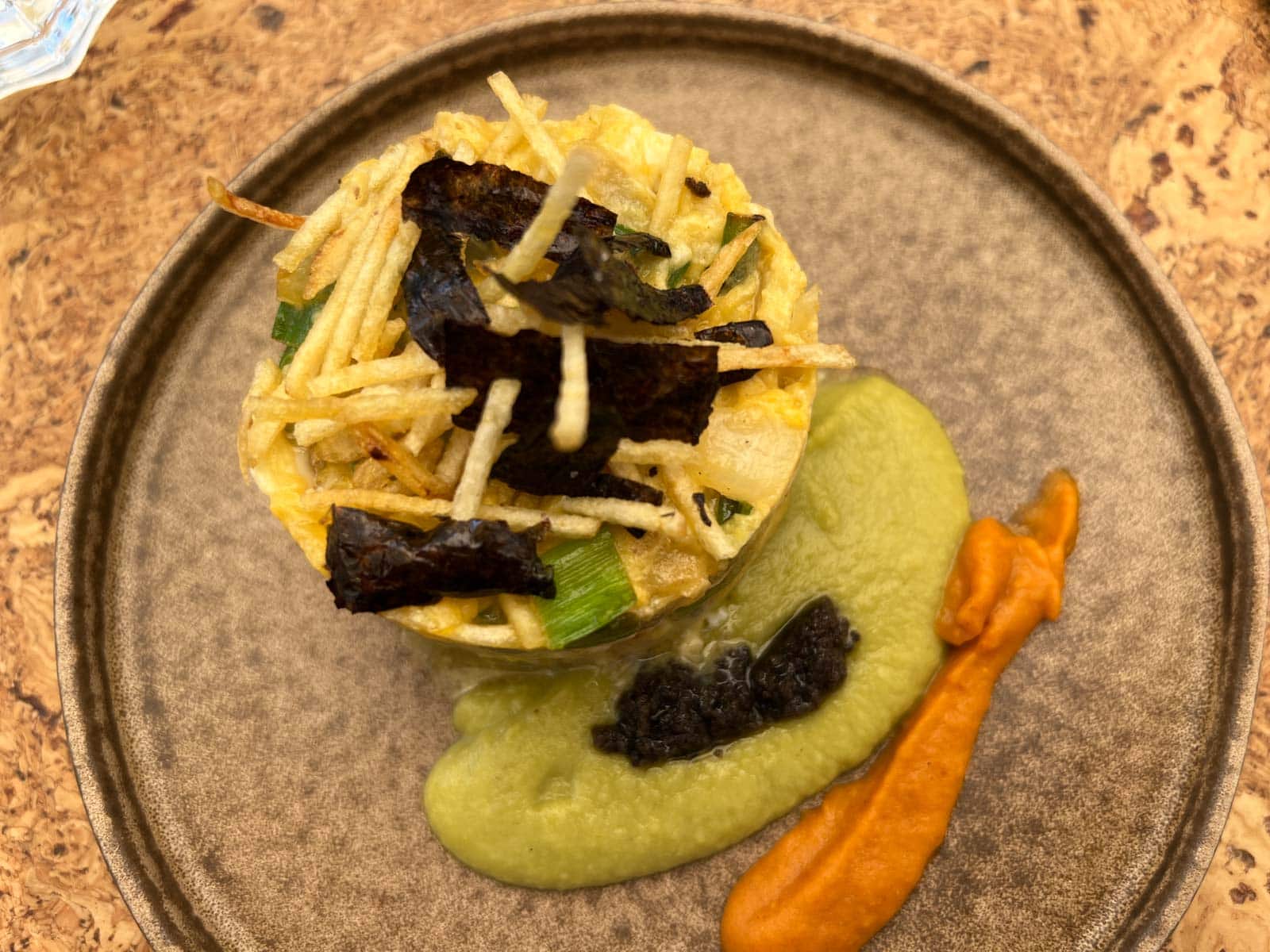
One of the easiest and most satisfying introductions is Bacalhau à Brás, where shredded cod is mixed with onions, fine fried potatoes, and softly scrambled eggs. The result is comforting and well balanced, with just enough texture to keep each bite interesting. You’ll also see bacalhau baked with cream, layered with vegetables, formed into fritters, or served in versions that feel tied to family Sundays and holiday tables. If you are only in Portugal for a short time, bacalhau is one of the essential dishes to understand the cuisine as a whole.
Bifana: The Sandwich That Proves Simple Food Can Be the Best Food
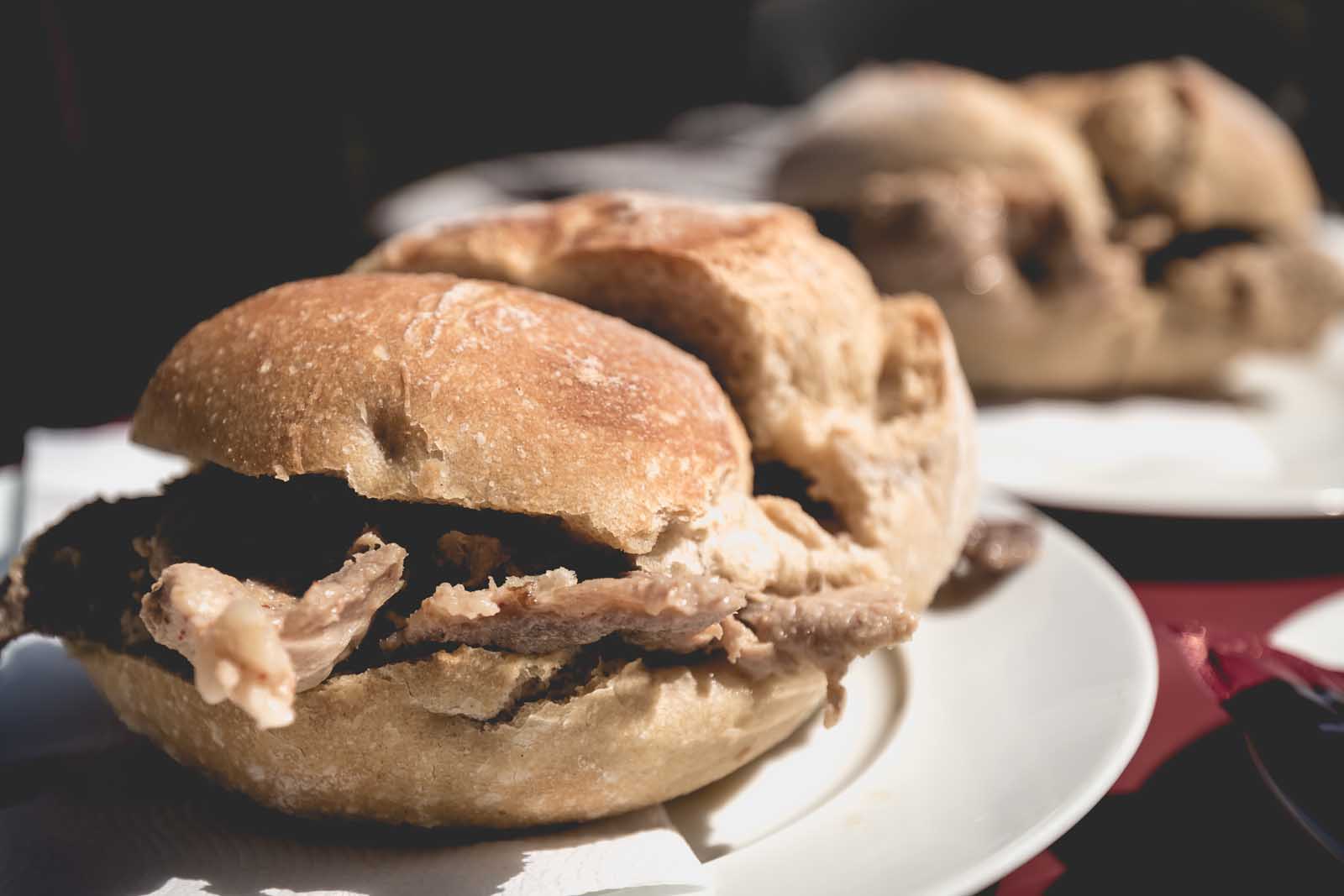
The bifana is Portugal’s answer to the perfect cheap meal. Thin slices of pork are marinated in garlic, white wine, and spices, then served inside a soft bread roll that soaks up the juices without falling apart. It is the kind of lunch that looks unassuming from the outside but delivers exactly what you want when you are hungry, short on time, and looking for something local. Some versions are plain and peppery, others slightly saucier, and mustard is commonly served on the side for anyone who wants a sharper contrast.
Bifanas are especially good in no-frills places where the griddle is always hot and the air smells faintly of pork, bread, and coffee. They are popular because they are quick, affordable, and satisfying without feeling heavy. If you are traveling on a budget or trying to eat like a local, the bifana is one of the smartest orders on the menu.
Grilled Sardines: The Taste of Summer by the Sea
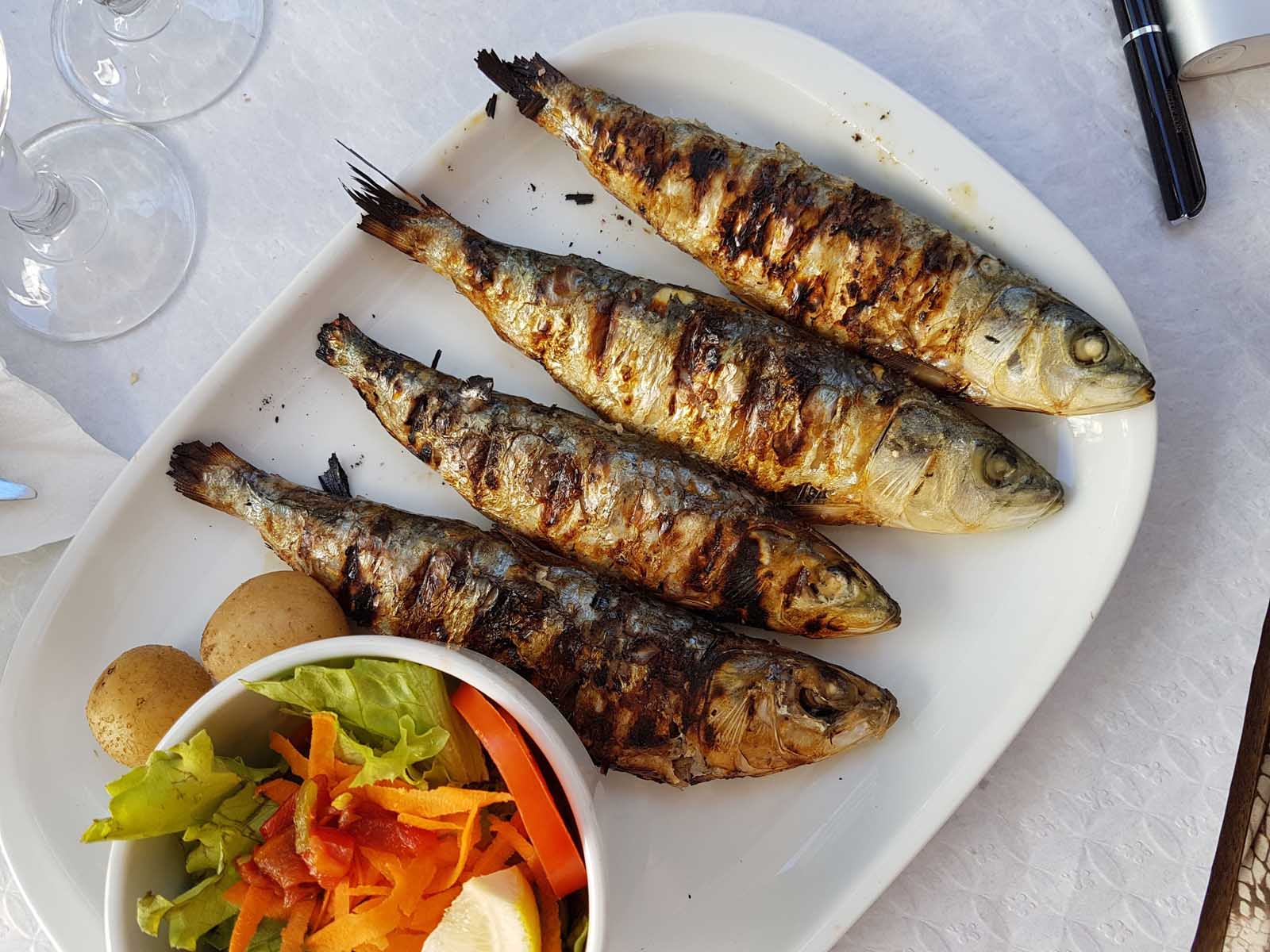
Few dishes capture the spirit of Portugal in summer as clearly as sardinhas assadas. Fresh sardines are grilled over charcoal until the skin is lightly crisp and the flesh remains juicy and rich. The flavor is simple, but that simplicity is what makes the dish work. When the fish is fresh, it needs very little else beyond good seasoning, heat, and patience.
In Lisbon, especially during festival season, the smell of grilled sardines can drift through entire neighbourhoods. They are often eaten with bread underneath to catch the juices, and getting a little messy is part of the tradition. For many travellers, this is one of the most memorable food experiences in Portugal because it feels so tied to place, season, and atmosphere. It is not a refined dish in the formal sense, but it is one of the country’s most beloved.
Piri-Piri Chicken: Charcoal, Heat, and Coastal Simplicity
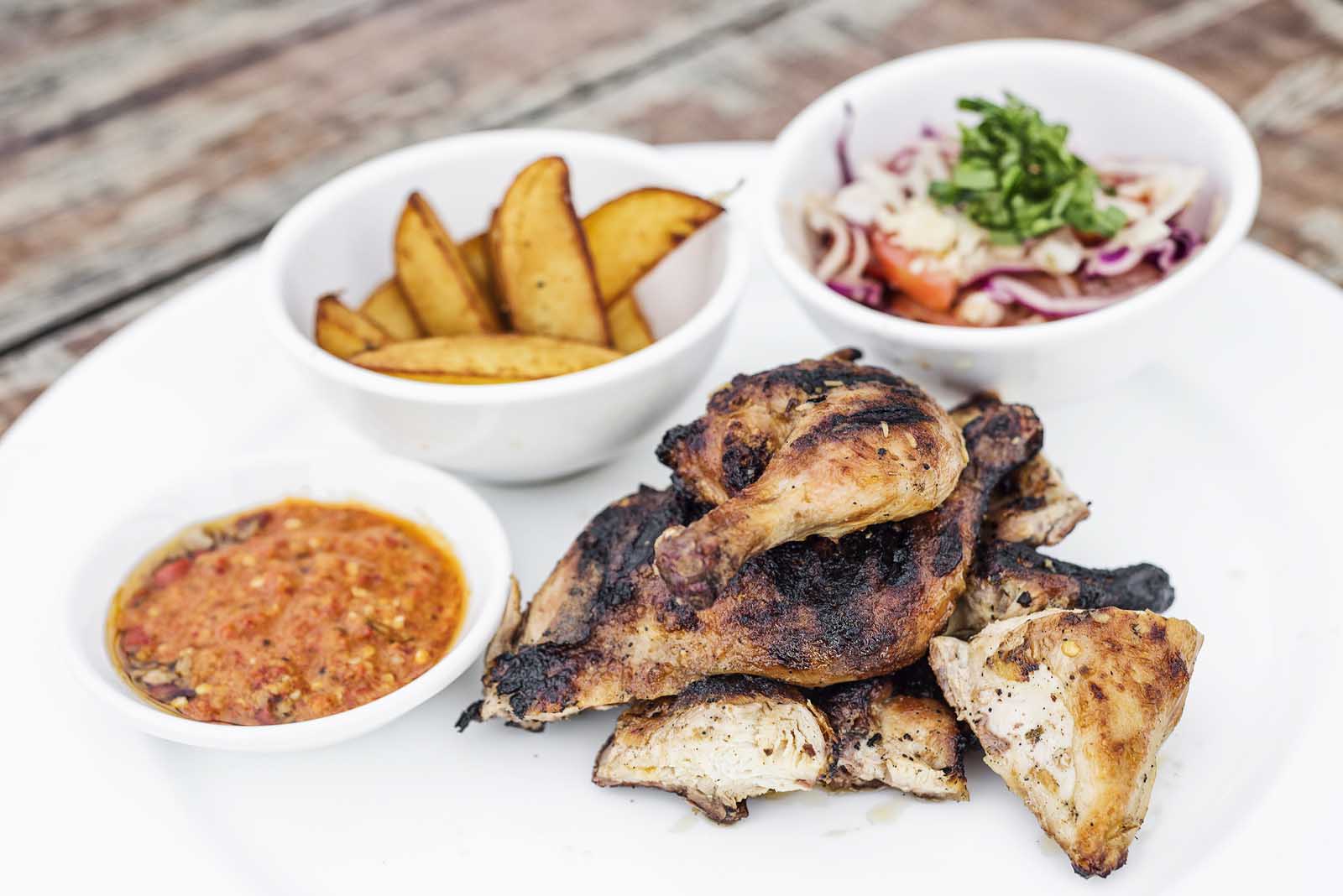
Piri-piri chicken is widely known beyond Portugal, but the real thing is worth seeking out. The best versions begin with a spatchcocked chicken that is marinated in chili, garlic, olive oil, lemon, and sometimes paprika, then grilled over charcoal until the skin turns crisp and the meat stays juicy. The sauce varies from one restaurant to another, which is part of the appeal. Some places make it fiery, others keep it mild, and many serve extra sauce on the side for those who want more heat.
What makes piri-piri chicken so appealing is that it remains a local meal even when it is famous abroad. It is often served with fries, rice, and a simple salad, nothing fancy, just enough to support the chicken without distracting from it. In a country that values straightforward cooking, this dish is a reminder that good technique and good seasoning are often enough.
Caldo Verde: Portugal’s Comforting Bowl of Soup
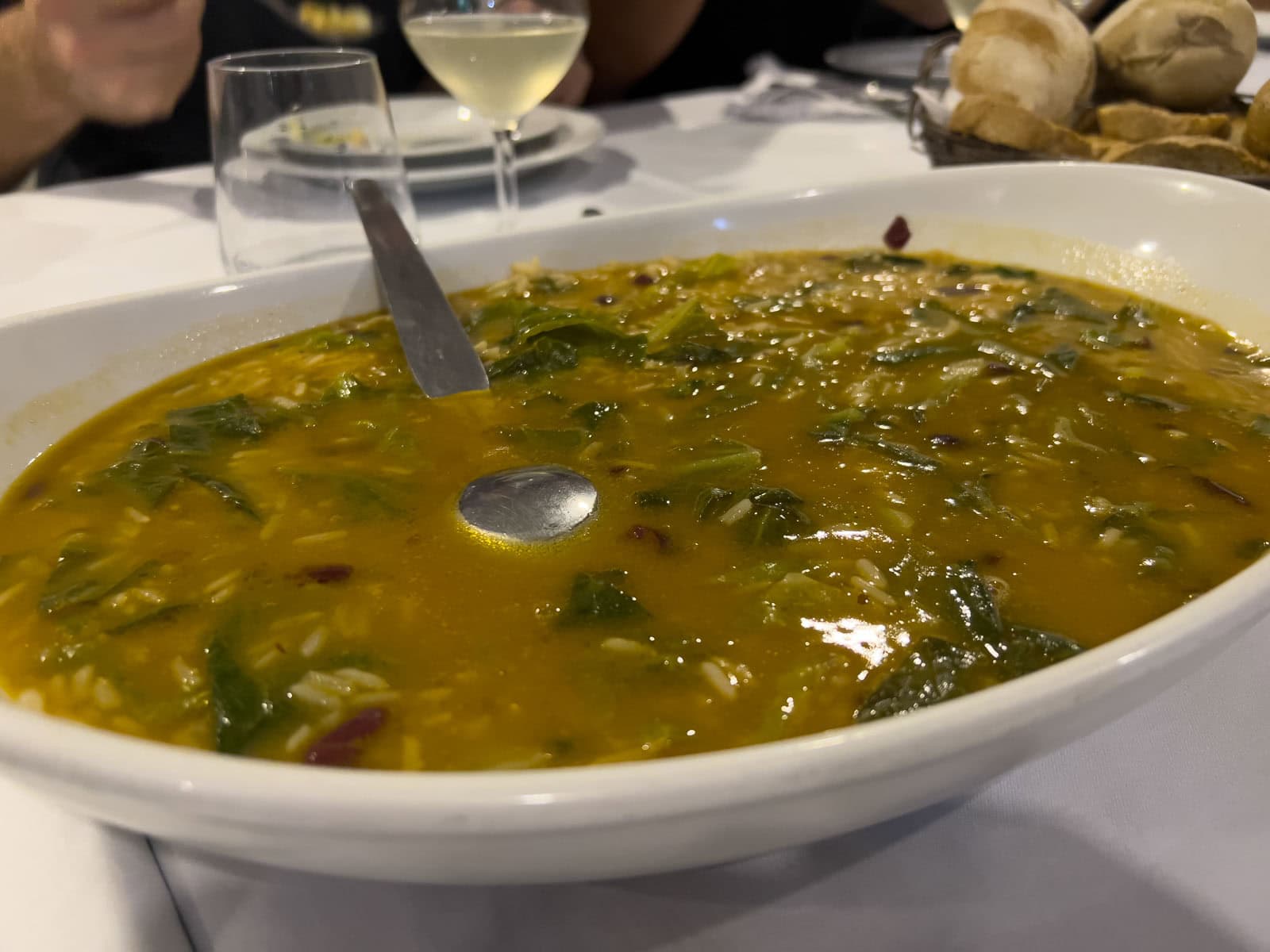
Caldo verde is one of the most beloved soups in Portugal, and for good reason. It begins with potatoes, onions, garlic, and olive oil, which are blended or simmered into a smooth, savory base before finely shredded greens are added, usually collard greens or kale. Slices of smoky chouriço often finish the dish, bringing saltiness and depth.
This is the kind of soup that feels especially good on cooler evenings or after a day spent walking through a city. It is rustic and uncomplicated, but it has the kind of balance that makes traditional recipes endure. Whether served as a starter or as a light meal with bread on the side, caldo verde is one of those dishes that feels both nourishing and distinctly Portuguese.
Francesinha: Porto’s Famous Over-the-Top Sandwich
Francesinha is one of the most famous dishes in Portugal, and once you see it, it is easy to understand why. This Porto specialty is built like a monument to appetite: layers of sausage, ham, and steak, covered with melted cheese and drenched in a rich sauce made from tomato, beer, and spices. It is often served with fries and can easily become the centerpiece of an entire afternoon meal.
There is nothing delicate about francesinha, and that is exactly the point. It is hearty, indulgent, and intensely satisfying. For many travellers, it becomes one of the most memorable food experiences in Porto, especially when eaten in a traditional restaurant where the dish has been perfected over many years. It is the sort of meal best approached with time, hunger, and no concern for neatness.
Carne de Porco à Alentejana: Portugal’s Surf and Turf Classic
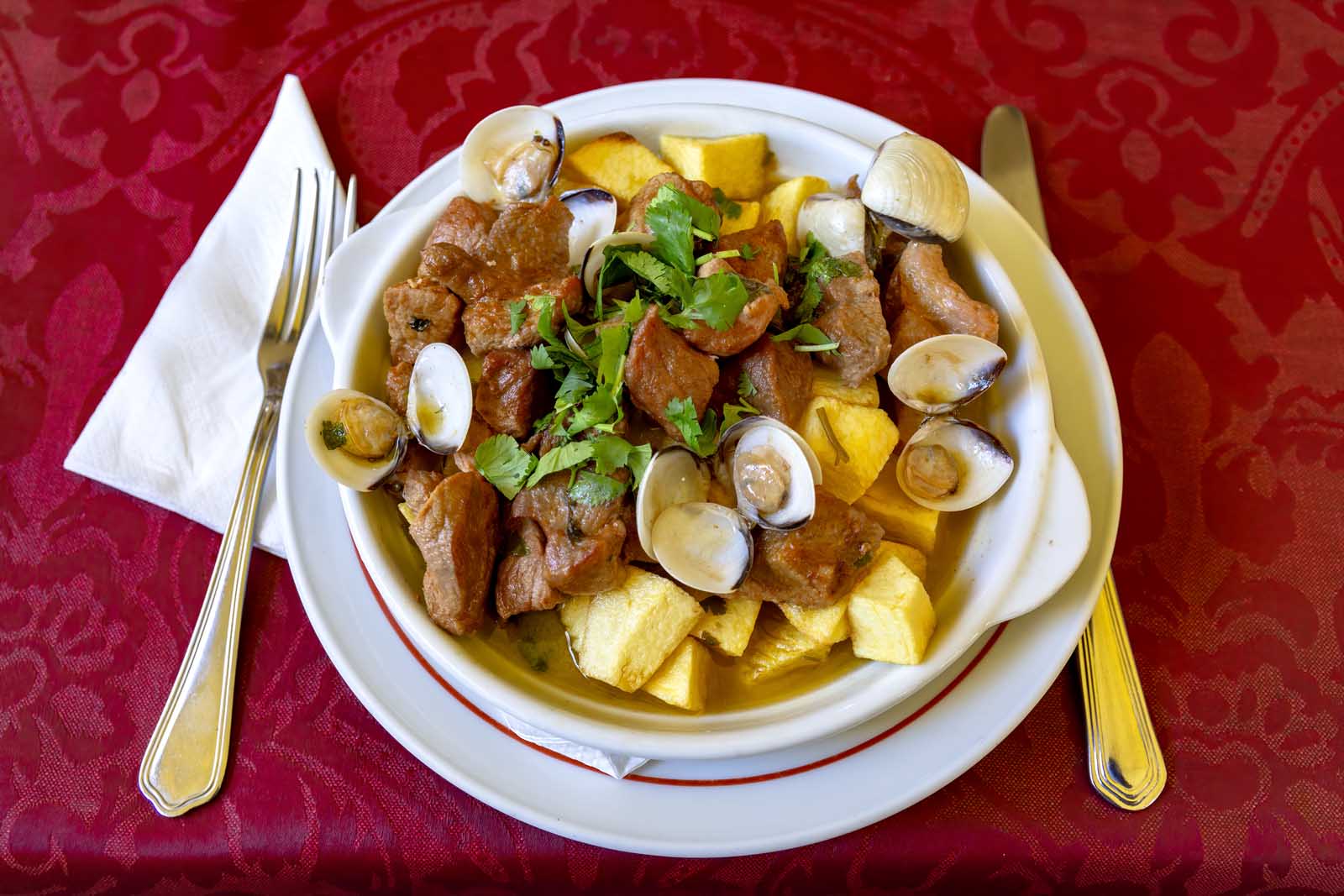
Carne de porco à Alentejana is one of the most interesting dishes in Portuguese cooking because it combines land and sea in a way that feels surprisingly natural once you taste it. Pork is marinated with garlic and wine, then cooked with clams and served over fried potatoes, usually finished with fresh herbs such as cilantro. The richness of the pork and the salinity of the shellfish create a contrast that feels deeply satisfying.
Despite the name, the dish is associated with the Alentejo region, though it is popular throughout the country. It is one of those recipes that can sound unusual on paper but makes complete sense at the table. If you enjoy seafood but also love hearty meat dishes, this is one of the most distinctive Portuguese plates you can order.
Arroz de Marisco: A Seafood Rice Dish Worth Ordering Slowly
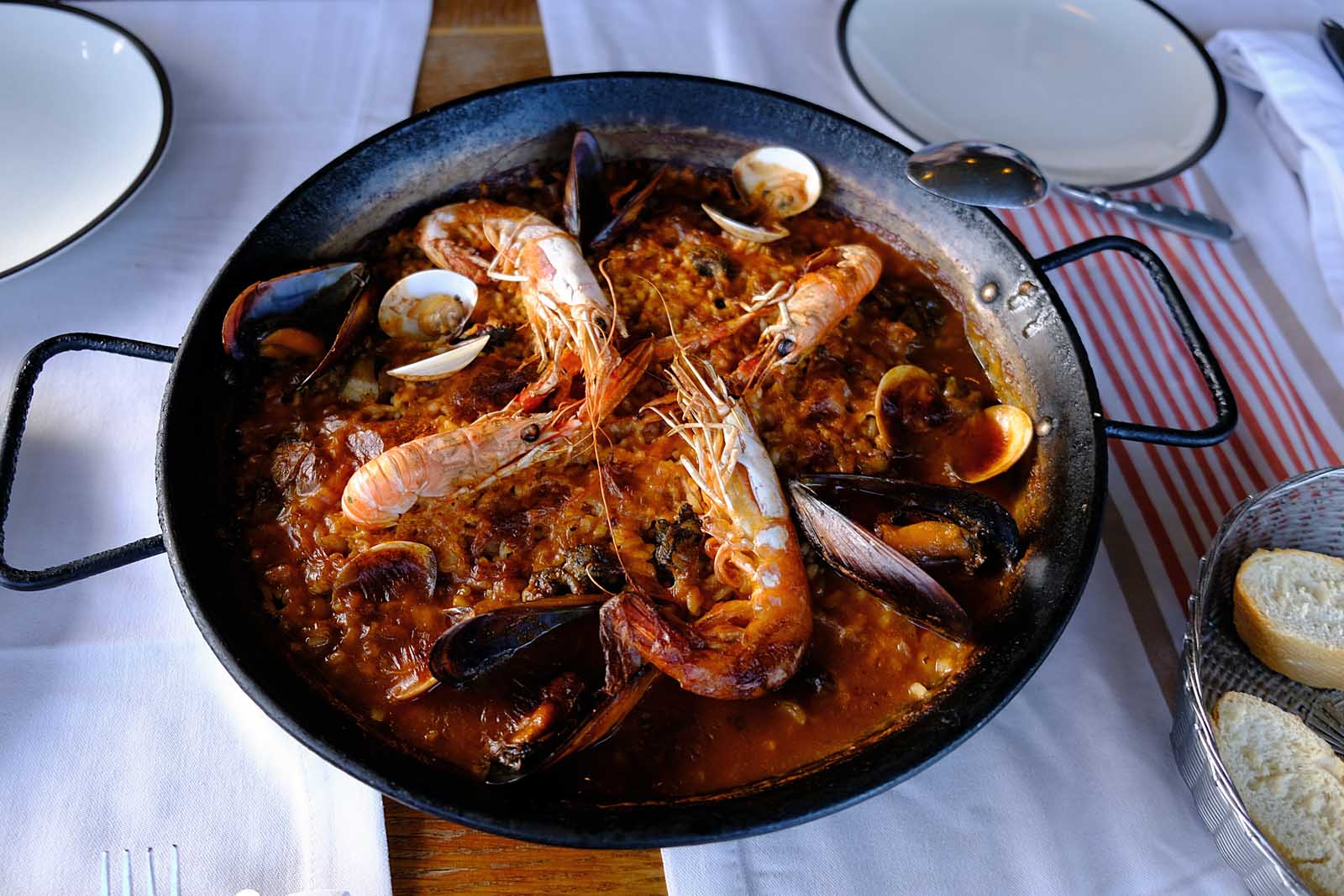
Arroz de marisco is not paella, even if it may look similar at first glance. The Portuguese version is usually looser and more brothy, with rice simmered in a seafood stock until it absorbs deep flavor without becoming dry. Prawns, clams, mussels, squid, and sometimes crab or lobster are added generously, making the dish feel abundant and celebratory.
This is a meal that rewards sharing. It often arrives in a clay pot, still steaming, with a perfume of garlic, shellfish, tomato, and herbs rising from the table. It is especially good for a long lunch by the sea, ideally with a cold bottle of Vinho Verde. If you are traveling along the coast, this is one of the dishes that most clearly expresses the country’s relationship with the Atlantic.
Bitoque: A Reliable Local Lunch
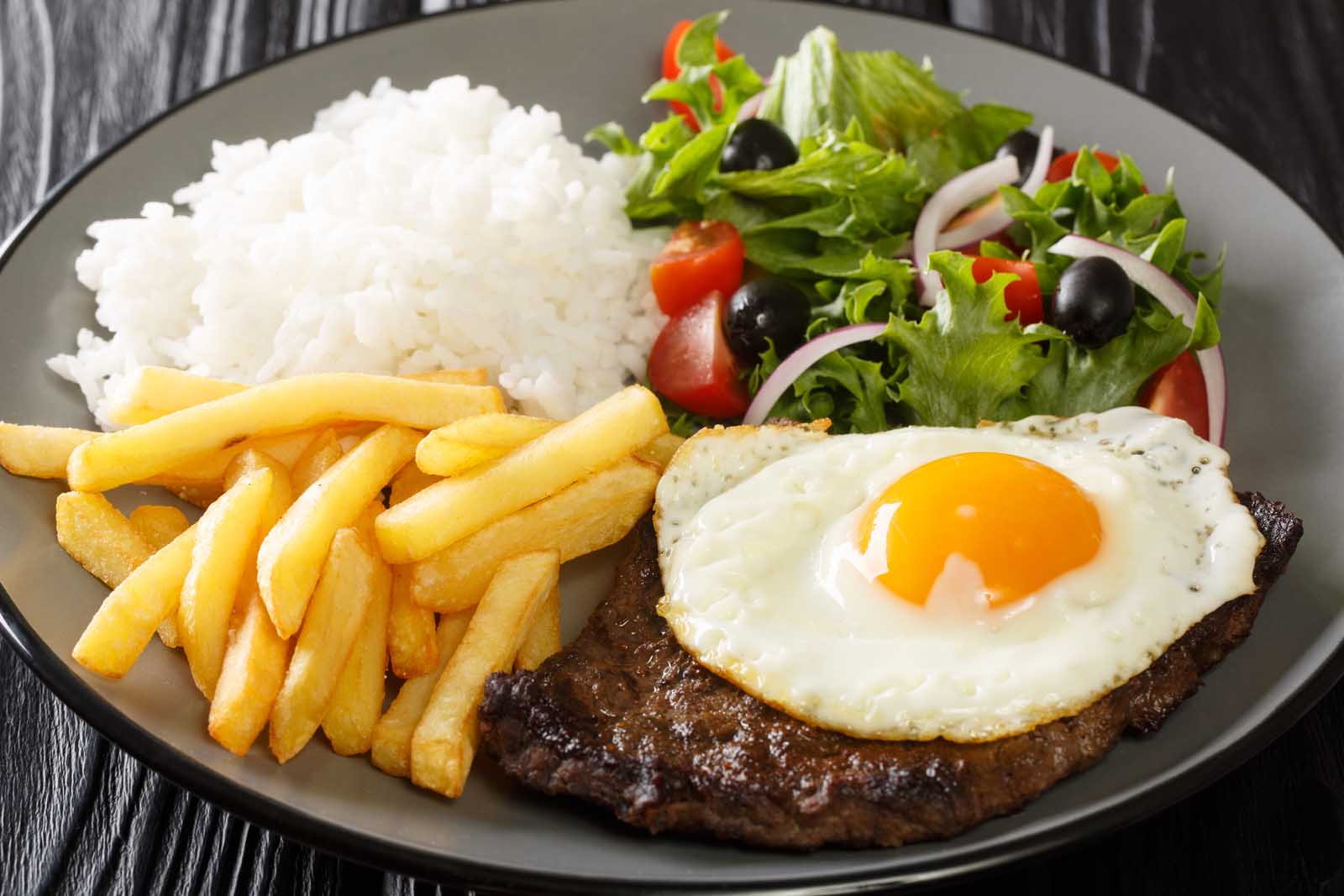
Bitoque is one of the most common comfort meals you will find in Portugal. It typically consists of a thin steak, either beef or pork, pan-fried with garlic and butter and topped with a fried egg. Fries and rice are almost always part of the plate, along with a little salad or vegetables depending on the restaurant.
It is not a flashy dish, but that is precisely why it works so well. Bitoque is dependable, filling, and usually available in the kind of local restaurants that travellers often hope to find but sometimes overlook. If you want a straightforward lunch that feels rooted in everyday Portuguese life, this is one of the best options.
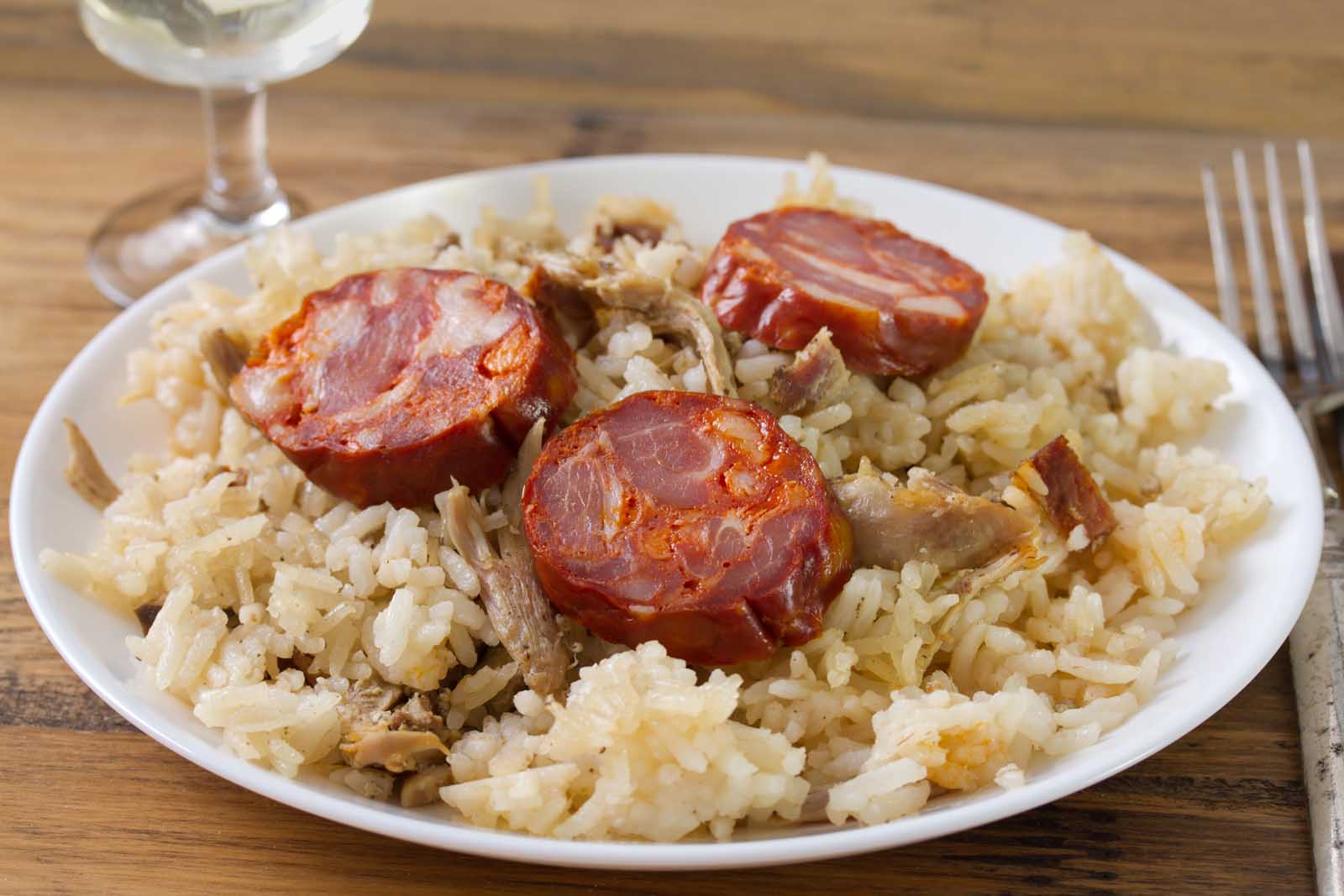
Arroz de Pato: Duck Rice with a Crispy Finish
Arroz de pato, or duck rice, is a rich baked rice dish that feels made for cooler days and unhurried dinners. The duck is simmered until tender, then shredded and mixed with rice cooked in the flavorful broth. Chouriço is frequently arranged across the top, and the whole dish is baked until the surface takes on a lightly crisp finish.
The best versions are deeply savory and aromatic, with enough richness to feel special but not so much that they become overwhelming. Like many Portuguese comfort foods, it is straightforward in idea but layered in flavor. It is the kind of dish that feels both home-cooked and restaurant-worthy at the same time.
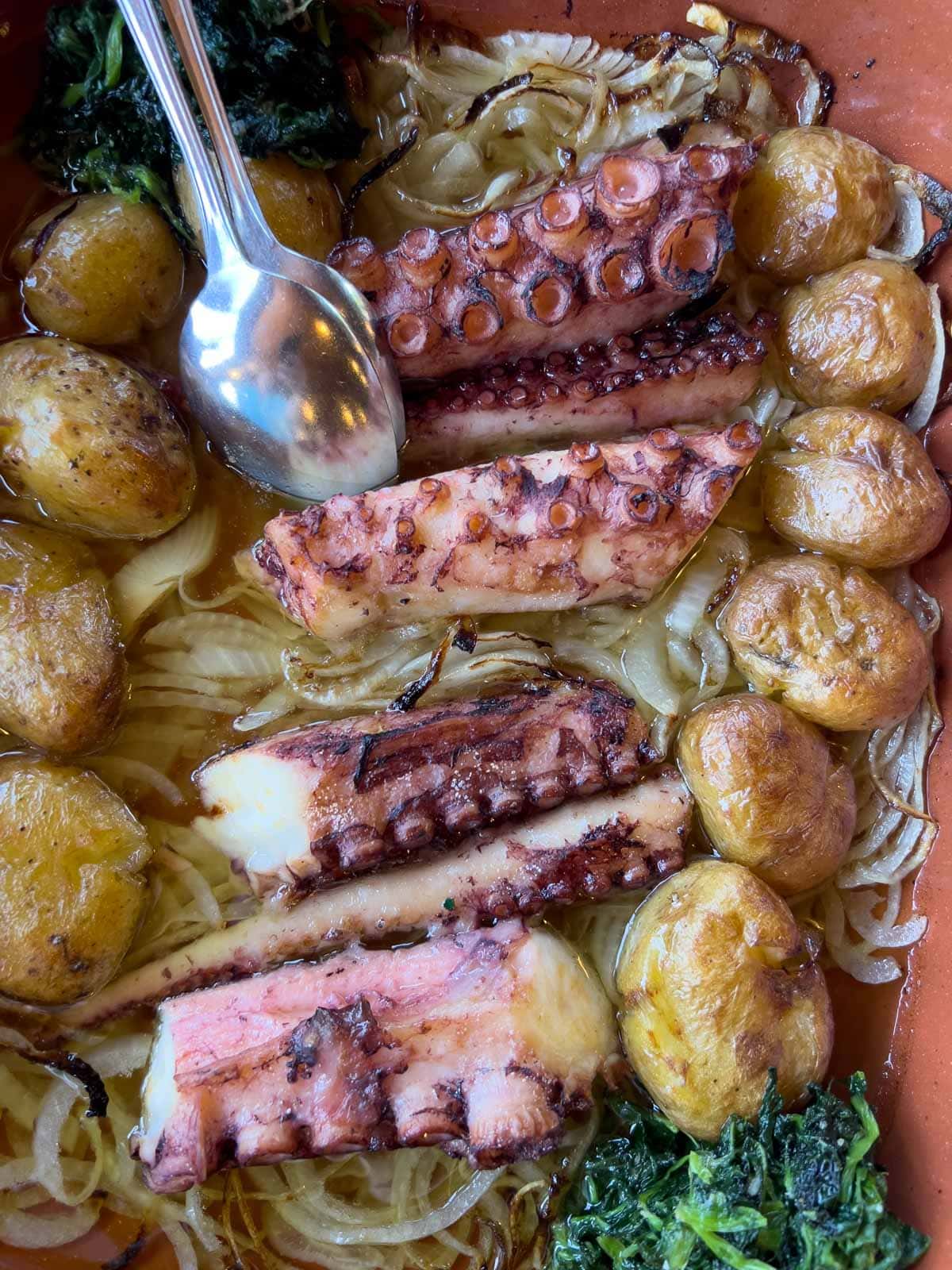
Polvo à Lagareiro: Octopus Cooked the Portuguese Way
For travellers who love seafood, polvo à lagareiro is a dish worth making room for. Octopus is first boiled until tender and then roasted with lots of garlic and a generous amount of olive oil. It is typically served with smashed roast potatoes that soak up the oil and seasoning beautifully.
One of the surprises of eating octopus in Portugal is how soft and delicate it can be when cooked properly. Instead of being chewy or intimidating, it becomes rich and buttery in texture, with the olive oil and garlic allowing the ingredient to shine. This is one of those plates that often wins over people who thought they didn’t like octopus.
Bolinhos de Bacalhau: The Snack You Will Keep Reordering
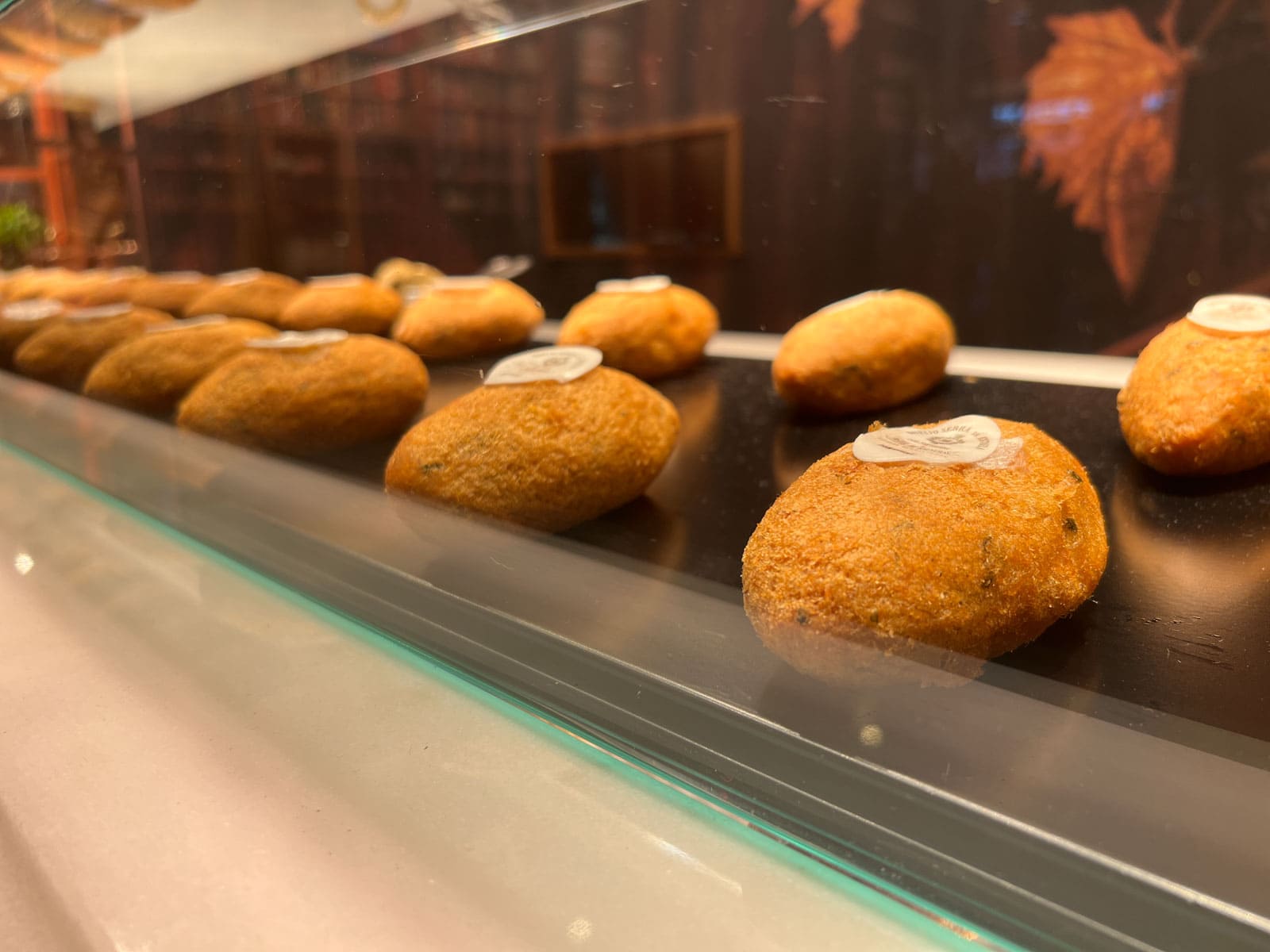
Bolinhos de bacalhau are small cod fritters made with salted cod, potato, egg, and parsley. Crisp on the outside and light and fluffy inside, they are one of the most common snacks in Portugal and one of the easiest to enjoy at any time of day. You will find them in cafés, tascas, and more formal restaurants alike.
They are especially good with a cold drink in the afternoon, but they also work as a starter before a larger meal. Their appeal lies in the way they transform one of Portugal’s most iconic ingredients into something bite-sized and easy to share. For many visitors, they are one of the first dishes that creates a lasting affection for Portuguese cooking.
Cozido à Portuguesa: A Feast Built for Sharing
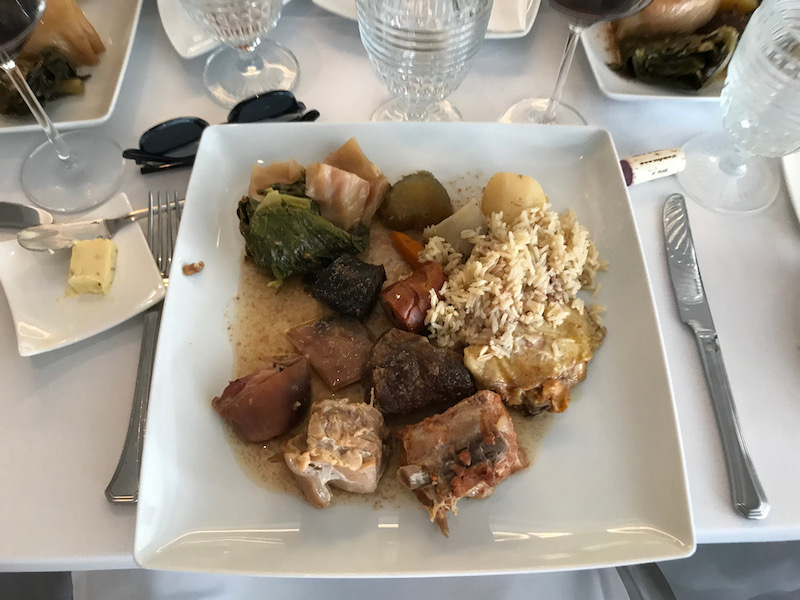
Cozido à portuguesa is one of the most substantial traditional dishes in the country. It is a boiled stew or platter of meats and vegetables that may include beef, pork, chicken, chouriço, morcela, potatoes, carrots, cabbage, and other seasonal ingredients. The dish reflects older rural traditions, where meals were designed to feed families generously using what was available.
Because of its size and richness, cozedo is often a Sunday dish or a meal for gatherings. It is not light, and it is not meant to be. It is the sort of food that speaks to slow cooking, patience, and communal eating. If you are interested in experiencing Portugal’s more rustic culinary side, this is one of the most authentic plates to order.
Cataplana de Marisco: The Algarve’s Signature Shellfish Stew
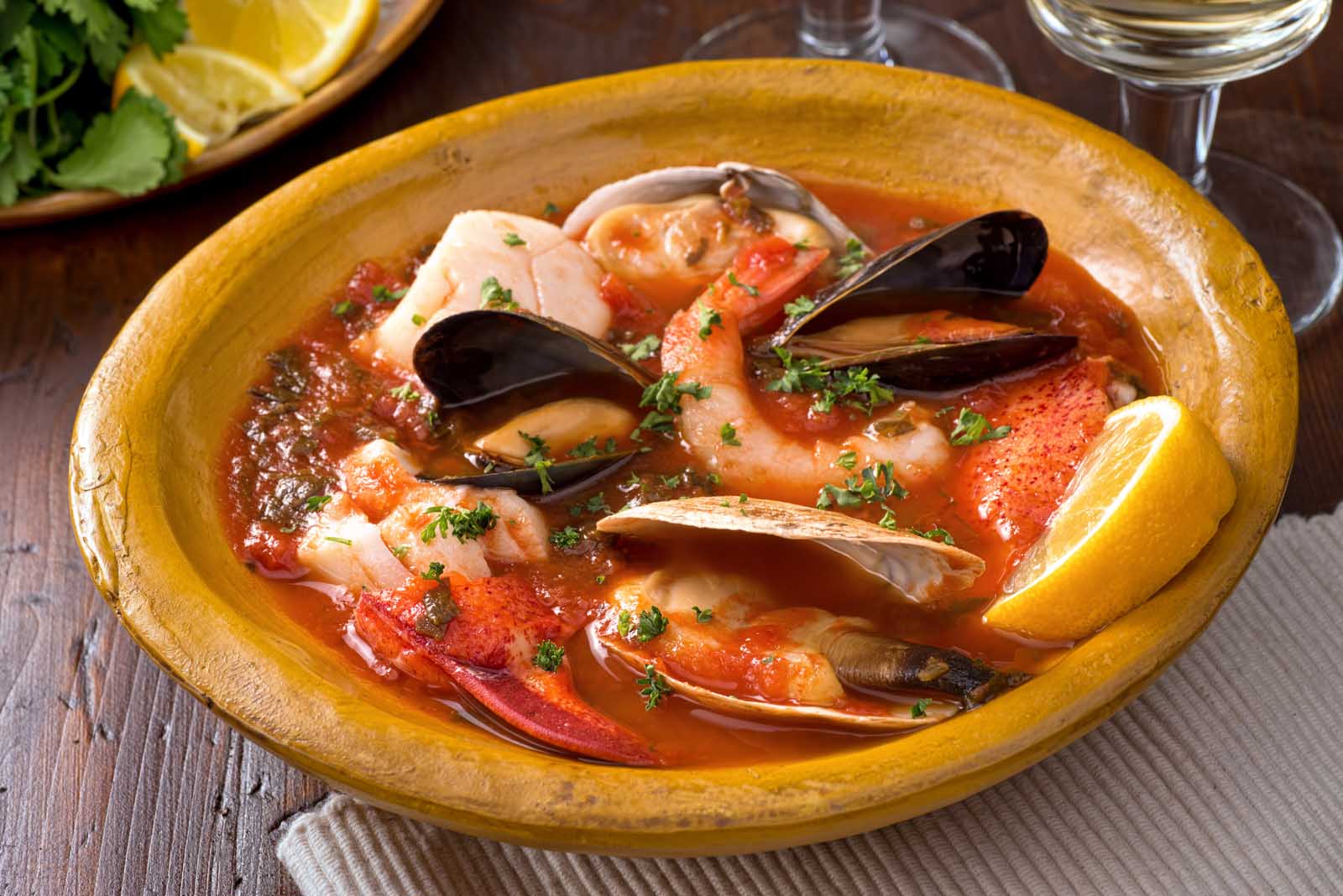
Cataplana de marisco is as much a culinary experience as it is a dish. Named after the distinctive copper pan in which it is cooked and served, this seafood stew is one of the Algarve’s most famous specialties. The pan seals in steam, allowing clams, prawns, fish, tomatoes, onions, garlic, herbs, and white wine to cook into a fragrant, concentrated broth.
The presentation matters here. When the cataplana is opened at the table, the aroma is immediate and vivid, and the steam alone is enough to make the meal feel special. It is especially memorable in a seaside setting, where the freshness of the seafood feels connected to the environment around you. This is one of the dishes that most clearly captures the southern coast’s love of the ocean.
Peixinhos da Horta: A Humble Snack with a Big Culinary Legacy
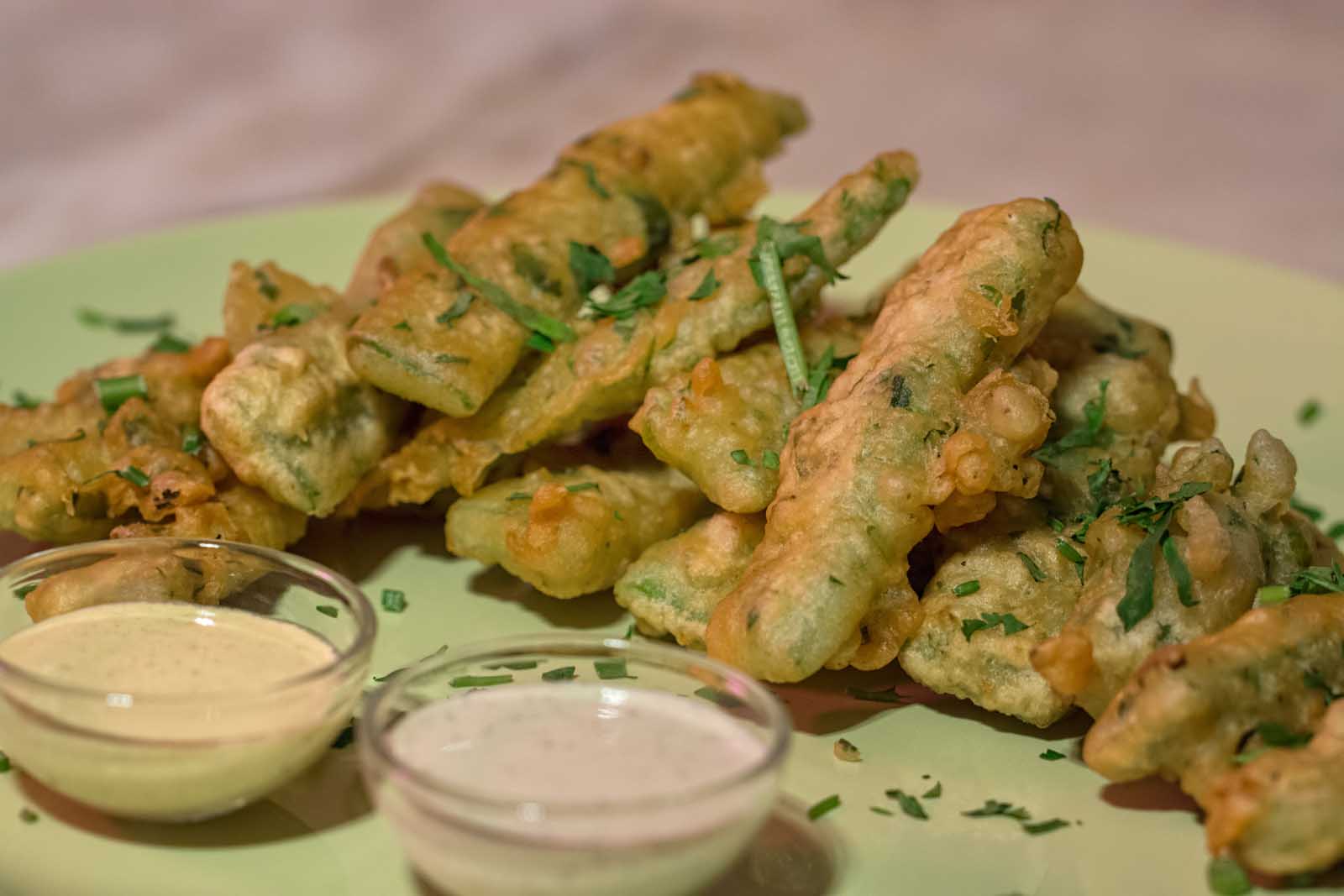
Peixinhos da horta, literally “little fishes from the garden,” are battered and fried green beans. The name comes from the shape and the way the beans are presented, but the dish itself is one of the simplest and most addictive snacks in Portuguese cooking. Lightly crisp and best eaten hot, they make a great appetizer or vegetarian-friendly side.
The dish also carries historical significance, with many food historians noting its influence on tempura, thanks to Portuguese contact with Japan centuries ago. Whether you eat them for the history or just because they taste excellent, peixinhos da horta are a small but memorable part of the Portuguese table.
Picanha, Feijoada, and the Influence of Shared Culinary Histories
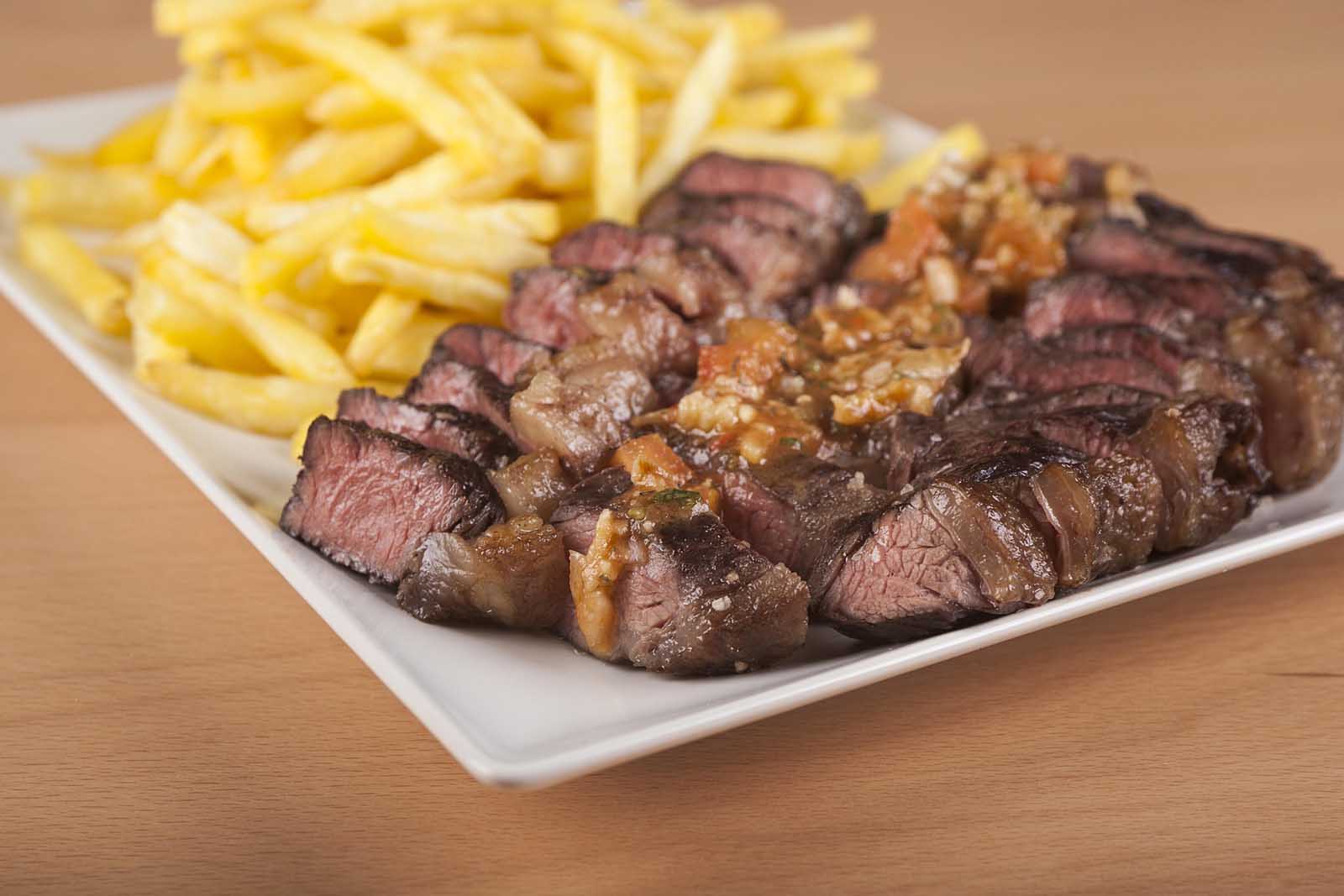
Portugal’s food culture has been shaped by centuries of movement across the Atlantic, and dishes such as picanha and feijoada reflect those broader connections. Picanha, a prized cut of beef known for tenderness and a rich fat cap, is often grilled simply and served with fries and rice or beans. It has become a favourite for meat lovers in Portugal because it cooks beautifully over charcoal and delivers strong flavour without needing much embellishment.
Feijoada, meanwhile, is a hearty bean stew with pork and beef that feels especially suited to slower, colder days. It is substantial, deeply savory, and often served in ways that encourage lingering at the table. These dishes may have roots that extend beyond Portugal, but they have been fully absorbed into the country’s dining culture.
Caldeirada de Peixe: The Fisherman’s Stew
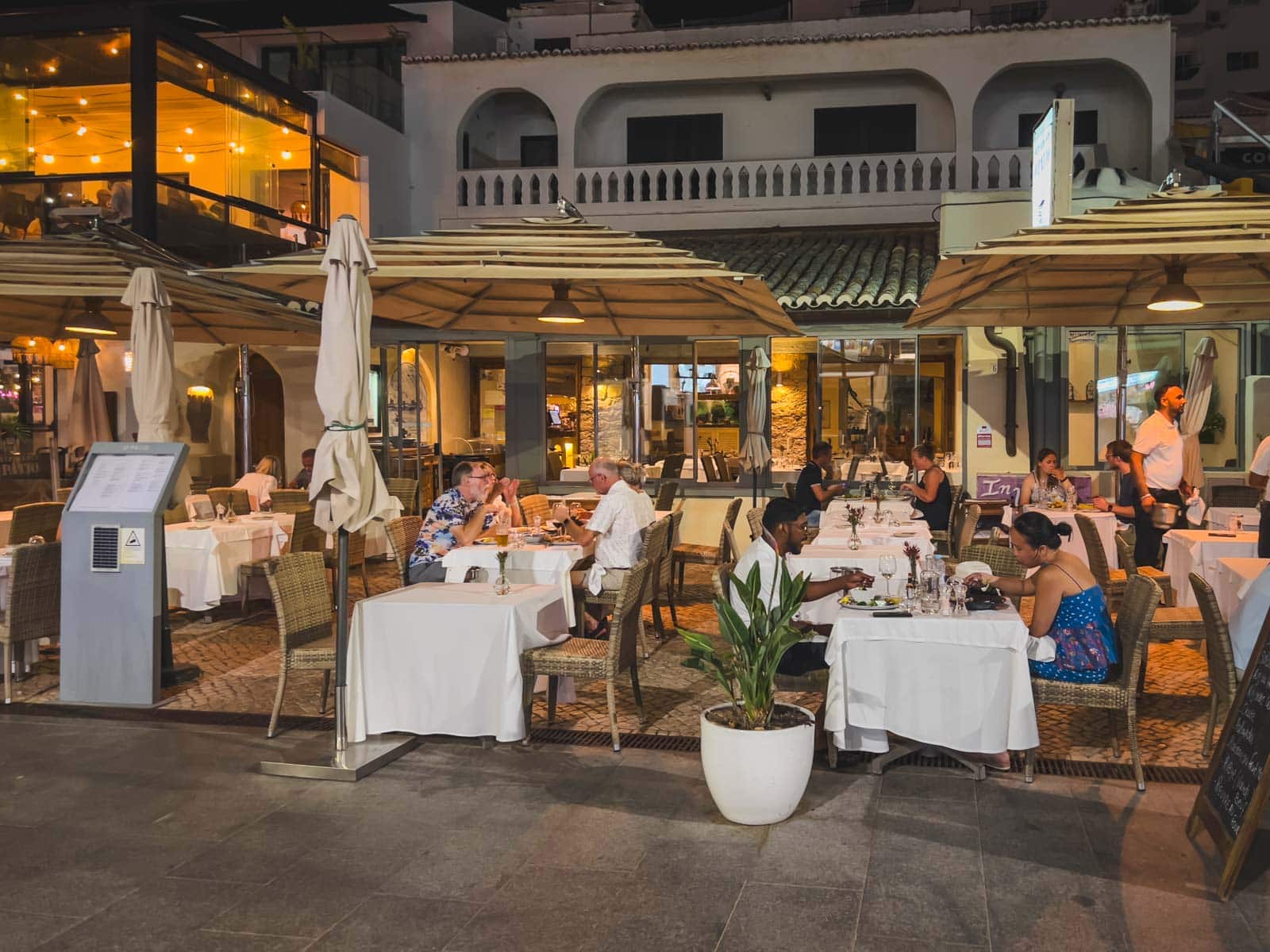
Caldeirada de peixe is one of the most traditional seafood dishes in Portugal. It is a layered fish stew made with whatever the fishermen brought in that day, along with potatoes, onions, tomatoes, peppers, herbs, and olive oil. Rather than being overly refined, it is rustic and practical, built around freshness and flavour.
That flexibility is part of what makes caldeirada so interesting. Different regions and households prepare it differently, and no two versions are exactly alike. What they share is a sense of place: this is food built from the coast, for people who understand the sea as both sustenance and identity. It is one of the best dishes to try if you want to eat closer to the country’s maritime roots.
Ovas: A Dish for the Curious Eater
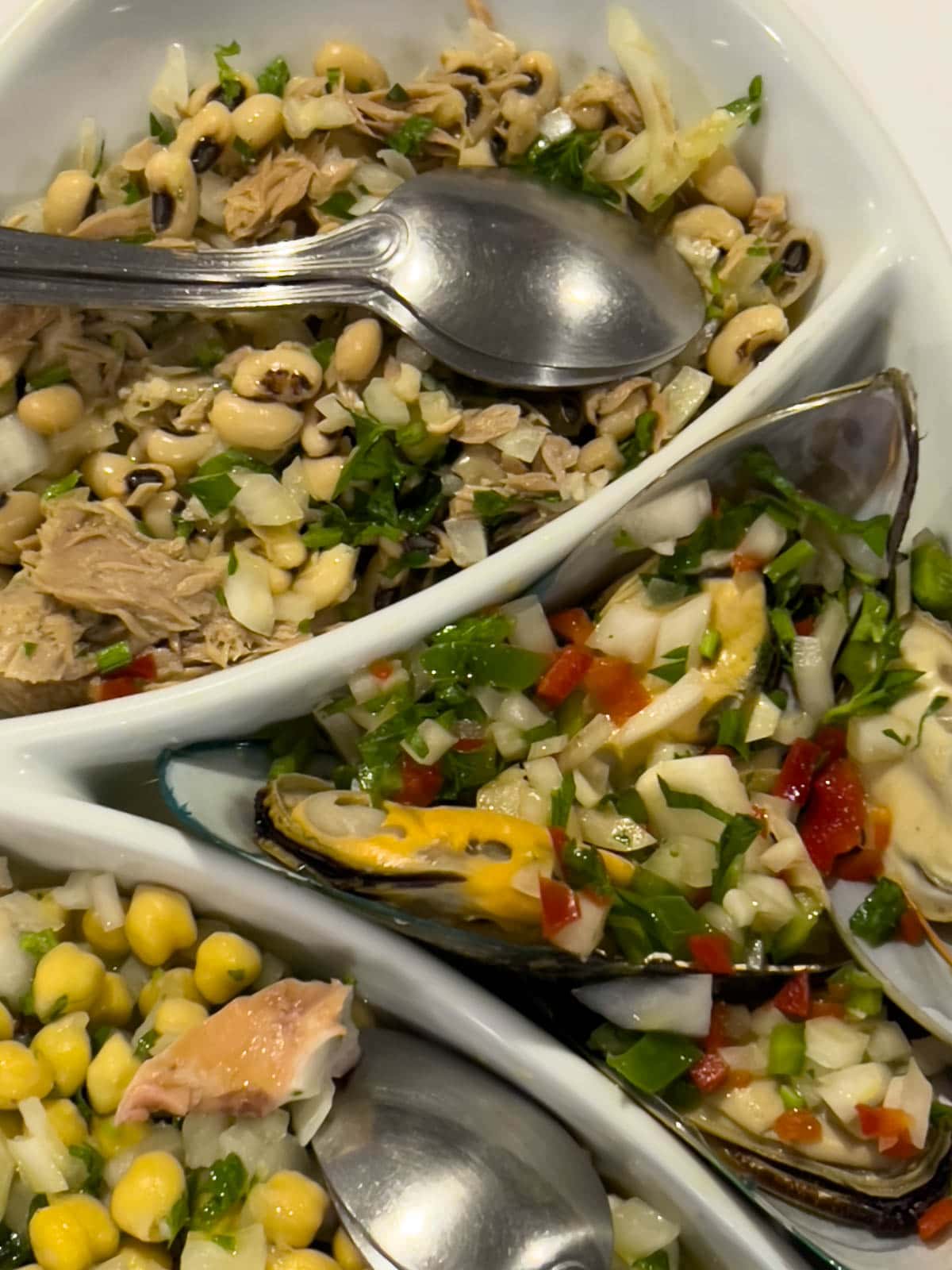
Ovas, made from fish roe, is one of the more traditional and adventurous dishes you can encounter in Portugal. Usually served chilled and sliced, it may be dressed simply with olive oil, vinegar, and onions, alongside boiled potatoes. The texture is smooth and unusual, and the flavor is more subtle than many first-time visitors expect.
This is not a dish everyone will gravitate toward, but it is part of the broader food story of Portugal, where preservation, resourcefulness, and respect for ingredients have long shaped what ends up on the table. For adventurous travellers, ovas is a chance to taste something that feels deeply local and less commonly ordered by tourists.
Hidden Gems: Regional Specialties That Deserve More Attention
Some of the most rewarding food discoveries in Portugal happen away from the headline dishes. In the interior regions, you may come across rustic bread soups, stewed greens, mountain cheeses, and recipes that have barely changed in generations. In small fishing communities, local grills often serve the day’s catch with little more than salt, olive oil, and bread. In village bakeries, you might find pastries or bread rolls that are less internationally famous but more closely tied to everyday life.
One of the most satisfying parts of exploring Portugal is realizing how much regional variation exists. A dish in Porto may taste a little different than the same dish in Lisbon. A seaside town may prepare shellfish with a lighter touch than an inland restaurant. Even a humble lunch special can reveal a great deal about how people in a particular area eat, shop, and socialize. For travellers who like to go beyond the obvious, the hidden gems are often the meals that stay with you longest.
Serra da Estrela Cheese: A Must for Cheese Lovers
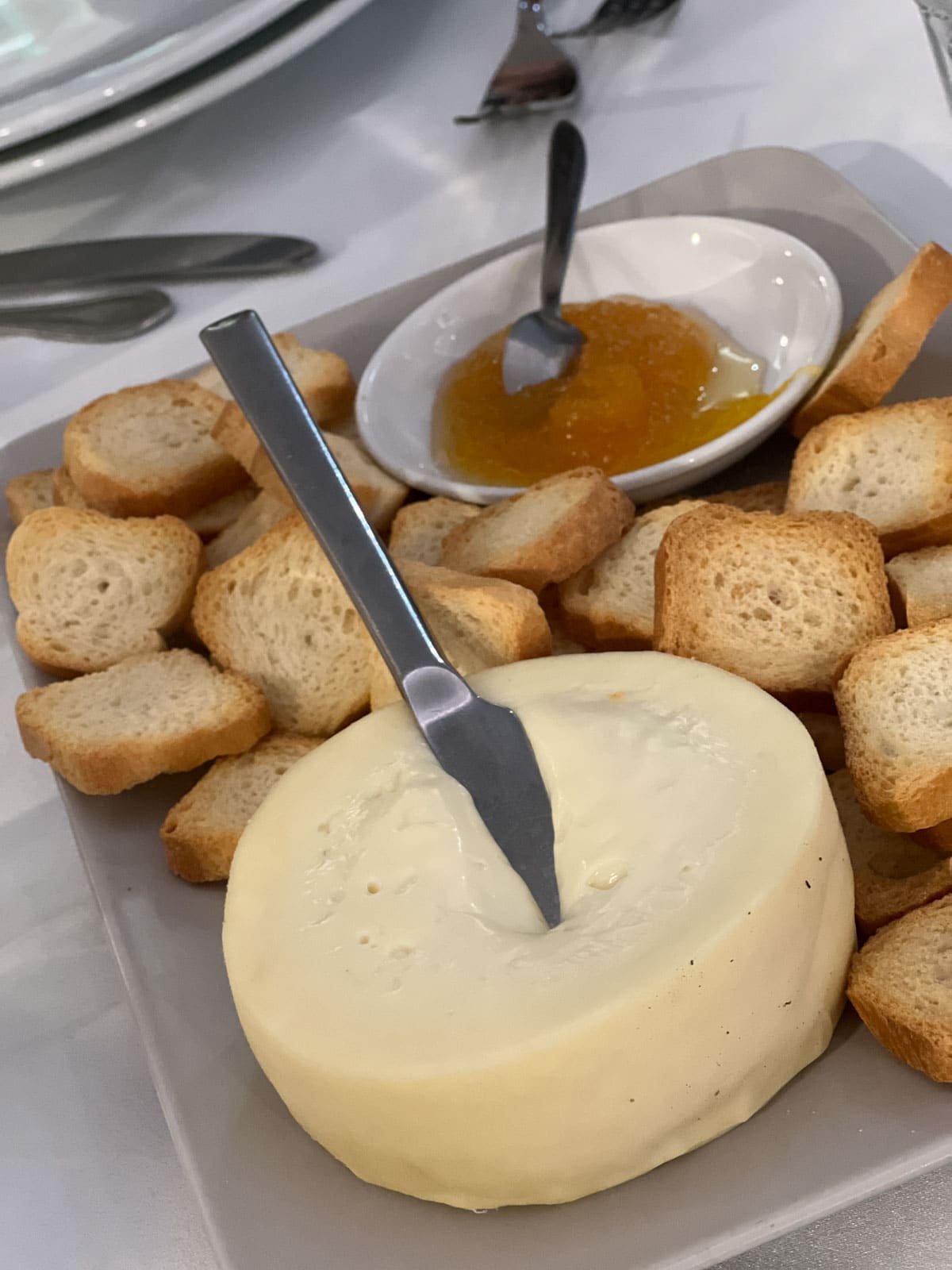
Queijo Serra da Estrela is Portugal’s most celebrated cheese, and it deserves its reputation. Produced in the Serra da Estrela mountains, this sheep’s milk cheese is soft, rich, and famously spoonable when ripe. The texture is luxurious, the flavor is complex, and the experience of cutting into it and dipping bread into the centre is one of the great pleasures of Portuguese snacking.
It is typically served at room temperature so the interior can become properly creamy. If you see it at a market or specialty shop, it is well worth trying, especially with bread and a glass of red wine. It is a reminder that Portuguese food is not only about seafood and stews, but also about excellent dairy traditions in the right regions.
Pão de Deus: Breakfast the Portuguese Way
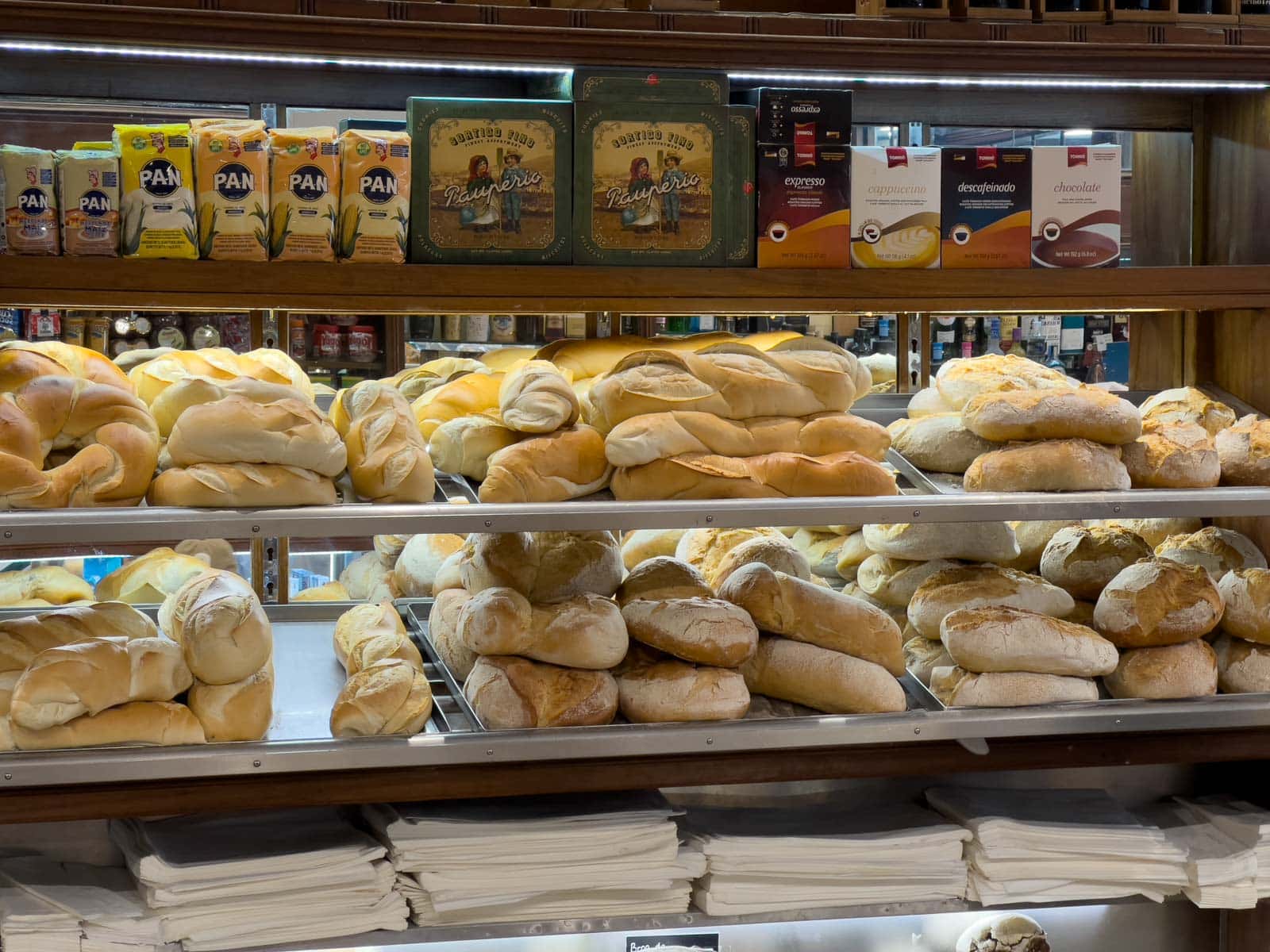
Pão de Deus, or “God’s Bread,” is a soft bun with a sweet coconut topping that toasts lightly in the oven. It is one of the most popular bakery items in Portugal and makes for a simple but satisfying breakfast. The bread is pillowy, the topping adds just enough sweetness, and the result pairs perfectly with a strong coffee.
If you want to understand the rhythm of a Portuguese morning, this is an excellent place to start. People often keep breakfast light, especially before a long lunch later in the day, and pão de deus fits that pattern beautifully. It is modest, affordable, and easy to love.
Bola de Berlim: The Beach Doughnut You Should Not Skip
Bola de berlim is the Portuguese take on a filled doughnut, and it is especially associated with summer and the beach. Rolled in sugar and often filled with a sweet egg yolk cream, it is sold by vendors along the sand, making it one of the most recognisable seasonal snacks in the country. Some versions now come filled with chocolate or other creams, but the traditional custard-like filling remains the classic.
There is something charmingly nostalgic about eating one while sitting near the sea. It is not an elegant snack, but it is a joyful one. If you are traveling in the Algarve or on other coastal stretches in the warmer months, keep an eye out for these vendors; they are part of the local summer experience.
Cebolada and Linguiça: The Flavours Behind Everyday Cooking
Cebolada is not a standalone dish so much as a foundational preparation: onions, tomatoes, and garlic slowly cooked until soft and sweet. It often becomes the base for fish or meat dishes, adding depth without overwhelming the primary ingredient. That kind of cooking is common throughout Portugal, where sauces tend to support rather than dominate.
Linguiça, a smoke-cured pork sausage seasoned with garlic and paprika, plays a different but equally important role. It can be grilled, fried, simmered into stews, or brought to the table in dramatic style. Its smoky, savory character gives dishes warmth and intensity. Together, cebolada and linguiça show how Portuguese cuisine uses a few reliable building blocks to create meals that feel deeply satisfying.
What to Drink in Portugal
Portugal’s food is closely tied to its drinks, and it is worth paying as much attention to the glass as to the plate. Port wine is the country’s most famous fortified wine, produced in the Douro Valley and traditionally served as a dessert wine. Ruby port is fruity and bold, while tawny port tends to be nuttier and more complex. A tasting in Porto or the Douro is one of the best ways to understand the style.
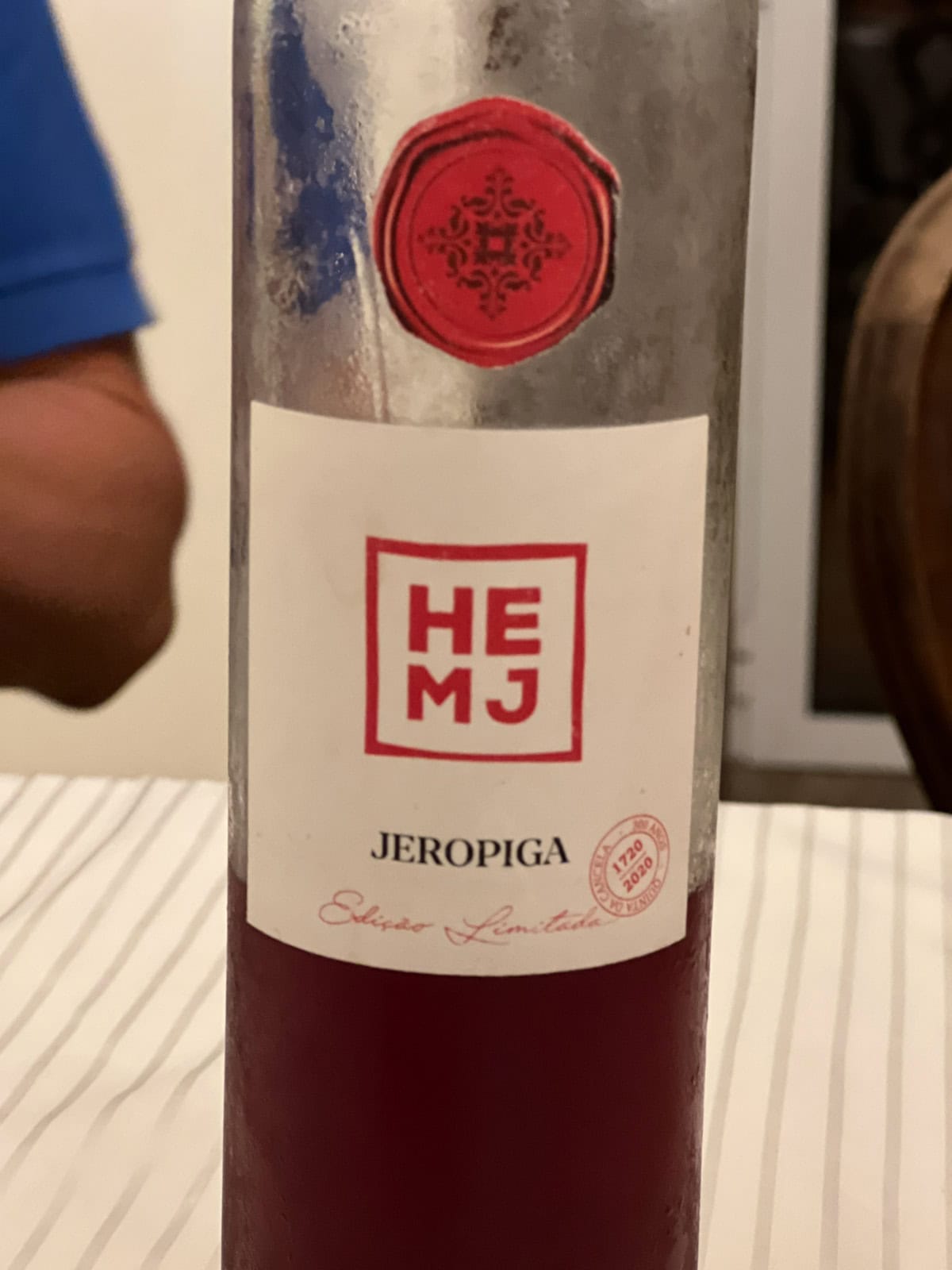
Vinho Verde, despite the name, is not green in colour. It is a young, light, refreshing wine from the north, often with a slight natural fizz. It pairs wonderfully with seafood and warm afternoons. Ginjinha is another local favourite, a cherry liqueur that is especially popular in Lisbon. Served in tiny glasses and sometimes in chocolate cups, it is a sweet, strong, distinctly local finish to an evening.
Hidden Gems in the Bakeries, Bars, and Tascas
Beyond the famous dishes, the real joy of eating in Portugal often comes from the small discoveries. A bakery that seems ordinary from the street may have the best pão de deus you will taste. A neighbourhood bar may serve the crispiest cod fritters with the friendliest service. A family-run tasca might have a prato do dia that changes daily and offers extraordinary value without sacrificing quality.
If you are exploring cities like Lisbon or Porto, it pays to wander a few streets away from the obvious tourist corridors. In the smaller towns and rural areas, it is often the unpretentious places that deliver the most memorable meals. Ask what is fresh, ask what is local, and if you see a dish on a chalkboard that you do not recognise, consider ordering it. Portugal rewards curiosity.
How to Eat Well in Portugal Without Overthinking It
One of the best things about travelling for food in Portugal is that you do not need to chase luxury to eat well. Lunch is often the most important meal of the day, and many restaurants offer excellent value with a prato do dia. Dinner can start later than many travellers expect, often after 8:00 PM, so plan accordingly if you want to eat where locals eat.
It also helps to understand the couvert, the small items that may arrive at the table at the beginning of a meal, such as bread, olives, cheese, or pâté. These are not always free, so if you do not want them, simply decline politely. A little knowledge goes a long way and helps you dine more comfortably. Most importantly, do not rush. Portuguese meals are often meant to be enjoyed at an easy pace, with conversation, wine, and time to appreciate what is on the table.

Planning a Food-Focused Trip Through Portugal
If food is central to your itinerary, it is worth shaping your route around regional specialties rather than trying to sample everything in one city. Lisbon and Porto are excellent starting points because they offer variety, access, and lots of traditional restaurants, but some of the country’s most memorable dishes are tied to specific places. The Algarve is ideal for seafood stews and fresh fish. The north is strong on comforting, hearty food and wine. The interior regions offer a more rural and traditional feel, with dishes that speak to the seasons and local produce.
A food tour can be a smart first-day activity in one of the major cities because it helps you understand what to look for, what to order, and how to identify the places locals actually use. From there, the best strategy is simple: mix famous dishes with regional specialties, and leave room for spontaneous stops. Portugal is the kind of country where an unplanned lunch can become one of the best meals of the trip.

Frequently Asked Questions About Food in Portugal
People often ask what the national dish of Portugal is, and the answer is usually bacalhau. While there is no single officially declared national dish in the strictest sense, salt cod is widely treated as the country’s signature ingredient. Another common question concerns breakfast, which is usually light and simple: bread, butter, cheese, jam, pastries, and coffee are all typical.
Portuguese food is generally not very spicy. That surprises some visitors who associate the cuisine with bold seasoning, but the real emphasis is on depth rather than heat. Piri-piri is the main exception, and even then it is often easy to control. If you like spice, ask for the sauce on the side. If you don’t, you can still enjoy the vast majority of Portuguese dishes without worrying about heat.
Final Thoughts from a Two-Month Food Journey Across the Country
After spending two full months eating our way from the sunny coast of the Algarve to the historic hills of the north, one thing became clear very quickly: the best food in Portugal is rarely about complexity. It is about confidence in the basics, pride in local ingredients, and a cooking culture that knows when to keep things simple. That is what makes the country so rewarding for travellers who love to eat.
Some meals were memorable because of where we ate them, such as sardines during a festival in Lisbon or a steaming seafood stew by the coast. Others stood out because they were perfect examples of everyday Portuguese cooking, like a bowl of caldo verde on a cool evening or a bifana eaten standing at a counter. More than anything, we came away with a deep appreciation for how food in Portugal is tied to place, season, and habit. It is a country that invites you to slow down, order another glass, and stay a little longer at the table.

There is no shortage of dishes to try, and the best part is that the journey can look different for every traveller. You might come for the custard tarts and stay for the seafood, or arrive expecting a few familiar dishes and leave with a new appreciation for the breads, cheeses, soups, and regional specialties that make Portuguese food so distinctive. Either way, the next great meal is probably not far away, and in Portugal, that is exactly the point.