Madrid has a way of revealing itself slowly. It doesn’t hit you with a single grand gesture and then fade into the background. Instead, it unfolds through late lunches, museum afternoons, long walks under plane trees, and evenings that begin far later than most visitors expect. For travelers who enjoy cities with personality, rhythm, and a strong sense of place, Madrid is one of Europe’s most rewarding destinations. It is a city for people who like to wander with no fixed agenda, who want good food without fuss, and who appreciate the simple pleasure of moving through a place that feels fully lived-in.
What makes Madrid especially compelling is that it never feels like a city designed only for visitors. Yes, it has headline museums, elegant boulevards, atmospheric plazas, and polished hotels. But it also has the ordinary texture that gives a city depth: neighborhood bakeries, packed terrace bars, bookshops, local markets, and parks where residents actually linger. Madrid is a place where you can spend the morning in front of world-famous art, the afternoon in a leafy park, and the evening in a bar where the menu has barely changed in decades. That combination is hard to beat.
Madrid Runs on Its Own Clock
If you are arriving from a country with earlier dining hours, Madrid can feel like it operates by another set of rules entirely. Meals happen late, social life stretches deep into the evening, and the city seems to believe that every hour deserves to be enjoyed properly. Lunch is not a quick refueling break but a real event. Dinner often begins after most people elsewhere would already be thinking about bed. Even on weekdays, the city stays lively well past what many visitors expect.
This rhythm is one of Madrid’s great charms. It encourages you to slow down and adjust rather than rush from sight to sight. One of the best parts of a trip here is embracing the local tempo. A lazy breakfast, a long museum visit, a pause for coffee, then an afternoon terrace stop before dinner — this is the Madrid way. The city rewards those who do not try to force it into a rigid schedule.
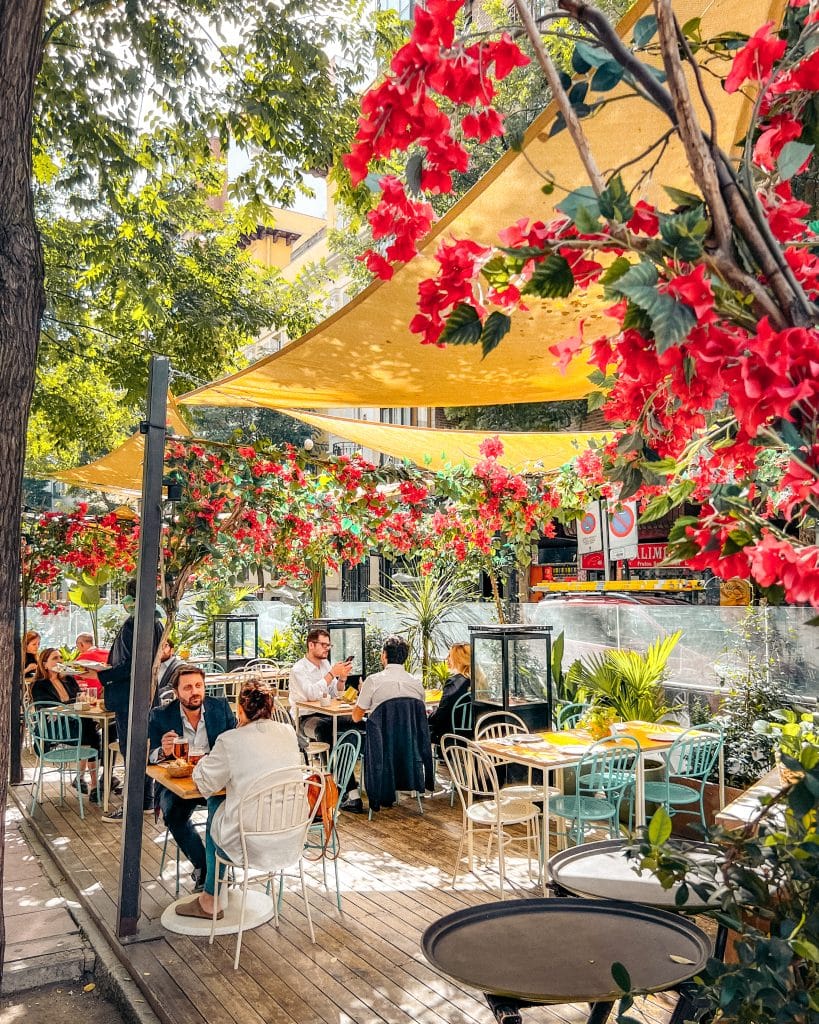
The late-afternoon tradition known as tardeo captures that spirit perfectly. It is the social window between the workday and the evening, when friends meet for drinks and conversation before heading home, out to dinner, or further into the night. In neighborhoods like Salamanca, terraces fill with people who seem in no hurry to be anywhere else. It is a very Madrid kind of pleasure: polished but relaxed, social but unpretentious.
What to Expect When You Visit
Visitors sometimes worry that Madrid will feel too big or too busy, but the city is surprisingly easy to navigate once you settle in. The center is compact enough to walk, while the metro is efficient, clean, and useful for longer hops. Distances that might feel intimidating on a map are often straightforward in practice. This makes Madrid a particularly good choice for a city break, especially if you like being able to combine sightseeing with neighborhood wandering.
It also helps that Madrid is a city of broad skies and generous public spaces. Unlike some capitals that feel compressed by traffic or commercial energy, Madrid gives you room to breathe. Streets open onto plazas, boulevards stretch farther than you expect, and the city’s parks create welcome pauses in the urban rhythm. That sense of space softens the experience and makes it easier to settle into the city’s pace.
Parks and Greenery
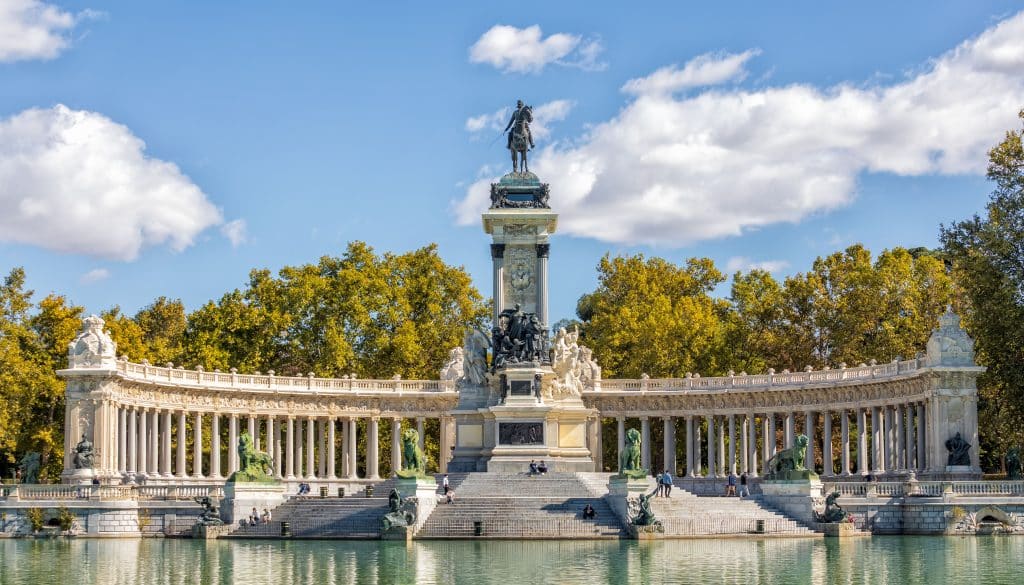
El Retiro Park is one of the first places many visitors fall in love with in Madrid, and for good reason. It is not just a park in the functional sense; it is a destination in its own right. In a city that feels dense and metropolitan, Retiro offers an immediate shift in mood. Step inside and the noise seems to drop away. The paths widen, the trees rise overhead, and the pace of the day naturally slows.
The park’s rowing lake is a classic Madrid scene, especially on bright afternoons when boats drift across the water and people gather around the edges to watch. The Crystal Palace is another highlight: a 19th-century glass-and-iron structure that looks delicate from a distance and almost theatrical up close. The monument to Alfonso XII, with its grand curved colonnade and lakefront setting, adds another layer of drama to the landscape. Retiro is not only beautiful; it has the kind of scale and variety that makes it easy to spend a long time there without feeling repetitive.
For many travelers, the best way to enjoy Retiro is simply to claim a bench or find a quiet patch of shade and linger. Bring a book, a coffee, or nothing at all. In a city as rich as Madrid, not every memorable moment has to be scheduled.
Art and Museums
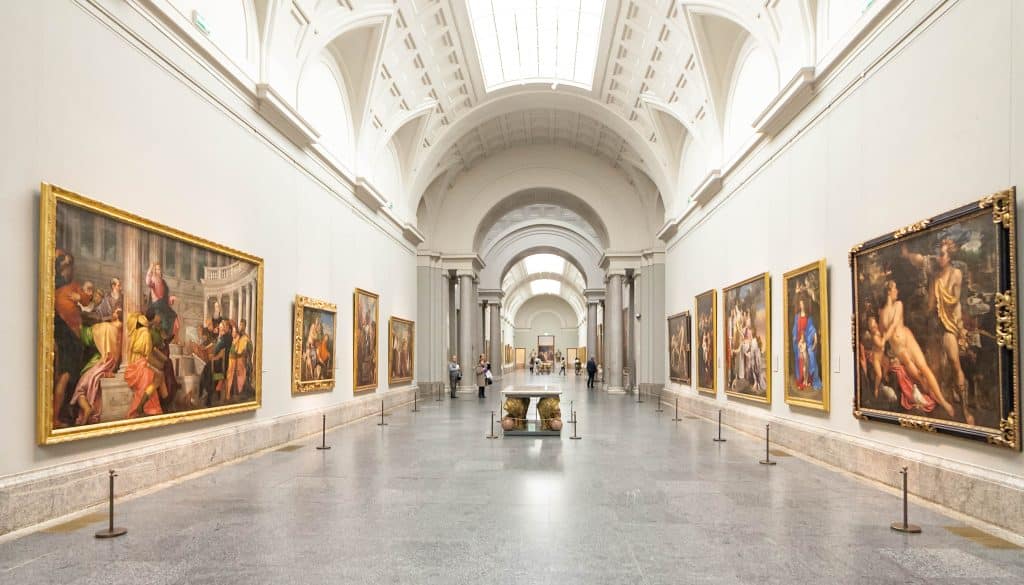
Madrid is one of Europe’s most important museum cities, and its art institutions are reason enough to plan a visit. The city’s most famous trio — the Prado, Reina Sofía, and Thyssen-Bornemisza — forms what is often called the Golden Triangle of Art. Together they offer a remarkable sweep of European and Spanish art, from Old Masters to modern masterpieces.
The Reina Sofía is essential for anyone interested in modern art, contemporary history, or the emotional force of painting on a monumental scale. Picasso’s Guernica is the museum’s most famous work, and it deserves the attention it receives. The painting is enormous, unsettling, and unforgettable in person. Even if you have seen it reproduced many times, the original has a physical presence that photographs cannot convey. It dominates the room, and the experience of standing before it is one of the most powerful museum moments in the city.
But a great museum visit is rarely only about the famous pieces. Some of Madrid’s most lasting art memories come from the unexpected discoveries that stop you in your tracks. That is part of the joy of the Reina Sofía: wandering without a predetermined list and allowing yourself to be surprised. The Prado and Thyssen-Bornemisza deepen that experience with extraordinary collections that reward both focused art lovers and casual visitors. Between the three, you could easily spend several days exploring without running out of material.
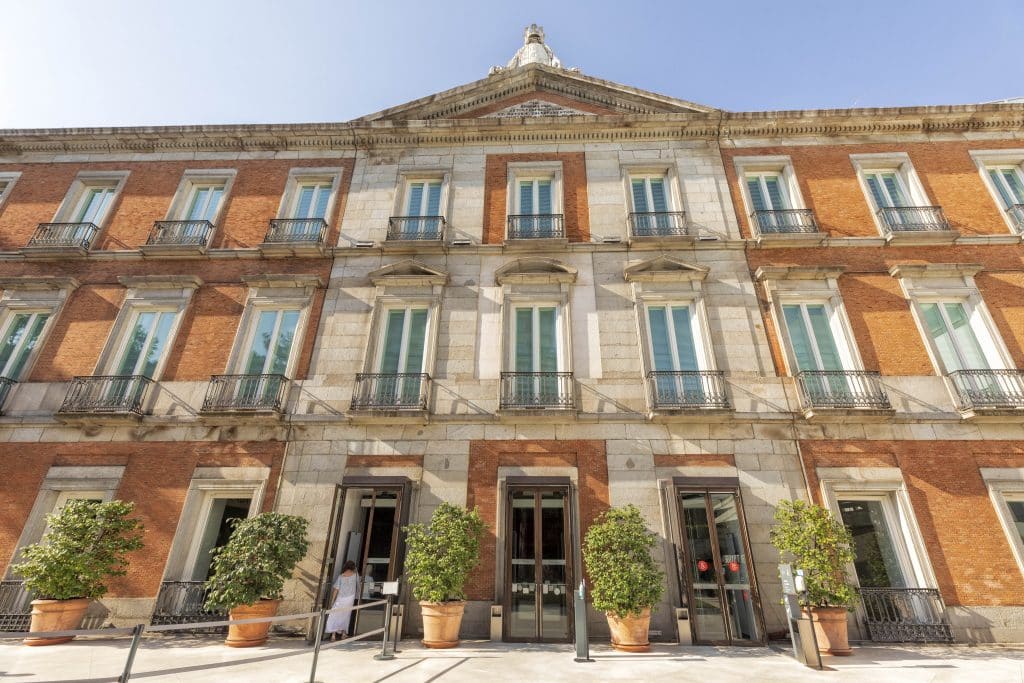
The Prado in particular is the kind of museum that can feel overwhelming in the best way. Its galleries are dense with masterpieces, and the building itself has an old-world grandeur that suits the collection. If you are short on time, it is wise to choose a few sections and experience them slowly rather than trying to see everything. Madrid’s museums are not meant to be rushed.
Culinary Culture Worth Traveling For
Madrid’s food scene is one of its strongest arguments for a visit. It is not a city that relies on one signature dish or one trendy neighborhood. Instead, it offers a layered culinary culture that ranges from casual tapas bars to serious fine dining, with plenty in between. The city’s relationship with food feels deeply social. People meet over drinks, linger over plates, and treat eating out as a daily ritual rather than a special occasion.
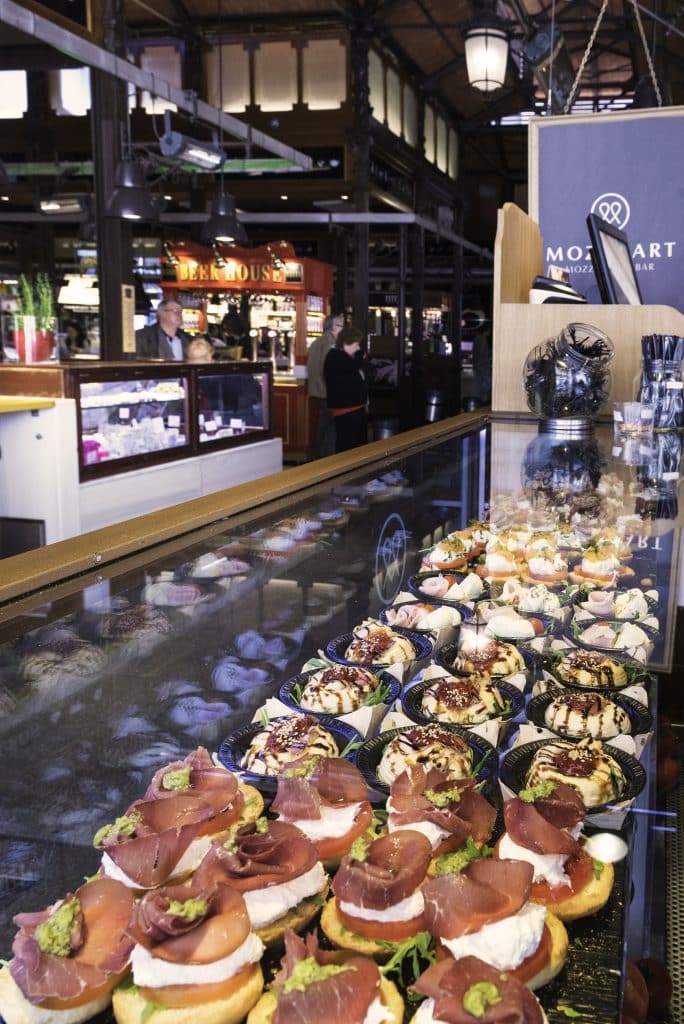
Mercado de San Miguel is one of the city’s most famous food stops, and while it is certainly popular with visitors, it earns its reputation through atmosphere alone. The iron-and-glass market near Plaza Mayor is visually striking, and the variety of stalls makes it easy to graze your way through different tastes. Iberian ham, small bites of seafood, gildas, olives, wine, and other local specialties give you an easy introduction to Madrid’s culinary identity. It is not the place for a long, leisurely meal, but it is ideal for sampling and people-watching.
Beyond the market, the city’s food traditions are where Madrid becomes especially interesting. In older taverns, you will still find simple, satisfying combinations of jamón, cheese, house wine, and tapas served with no unnecessary theatrics. One dish that deserves attention is cocido madrileño, a slow-cooked stew of chickpeas, meat, and vegetables that reflects the city’s more home-style culinary heritage. It is hearty, comforting, and especially appealing when you want to understand what locals actually eat.
Madrid also knows how to do indulgence. Fine dining is well represented, with Michelin-starred restaurants and ambitious chefs pushing the city forward. Yet even in its most refined spaces, Madrid tends to stay grounded. The food scene has confidence, but not arrogance. That balance makes eating here feel approachable as well as exciting.
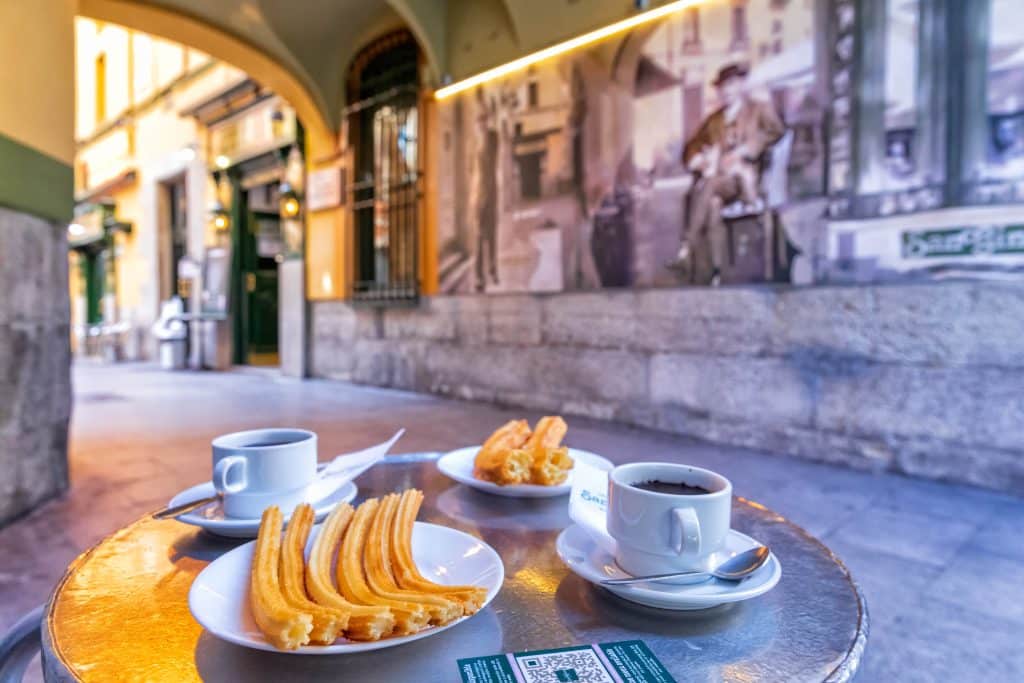
And then there are churros with hot chocolate, which deserve their own paragraph because they are one of the simplest and most satisfying pleasures in the city. Whether you eat them in the morning, after a late night, or as an afternoon indulgence, they are one of Madrid’s signature experiences. Thick, rich hot chocolate and crisp churros may be a classic pairing, but in Madrid they feel like part of the city’s emotional vocabulary.
Exploring Madrid Neighborhoods
One of the most rewarding things about Madrid is how clearly its neighborhoods express different moods. The city is not monolithic. Instead, it invites you to move between districts that each have a distinct personality, which is one of the reasons it works so well for repeat visits.
Malasaña is often described as Madrid’s creative heart, and it lives up to that reputation with a mix of vintage shops, independent cafés, alternative style, and a youthful energy that feels organic rather than packaged. It is a place to wander without a plan, stop for coffee, and notice the details. Chueca, by contrast, is bright, social, and welcoming, with a strong LGBTQ+ identity and an easygoing sense of confidence. It is one of the city’s most vibrant areas for food, drinks, and nightlife.
Salamanca offers a different version of Madrid altogether. Wide streets, elegant storefronts, and refined terraces give the district a polished atmosphere that suits long lunches and afternoon drinks. It is a neighborhood where the city’s more upscale side comes into focus, but it remains distinctly Madrileño rather than sterile or overly formal.
La Latina is ideal for a Sunday stroll, especially if you want to browse El Rastro, the city’s famous flea market. The neighborhood has a historic feel and a wonderfully social street-life culture. After wandering the market, it is easy to settle in for vermut and tapas at a bar with tables spilling out onto the sidewalk. That mix of browsing, snacking, and lingering is part of what makes Madrid so easy to enjoy.
For travelers who want to look beyond the most familiar areas, Carabanchel is an emerging district worth watching. It has an artsy, local character and a less polished feel than the central neighborhoods. Chamberí, meanwhile, offers a very authentic urban experience with a more residential rhythm. It is the kind of place where you are more likely to share space with locals than tourists, and Calle Zurbano in particular makes for a pleasant walk thanks to its boutiques, restaurants, and cultural stops.
Hidden Gems
Madrid rewards curiosity, and some of its best experiences come from following side streets and stepping beyond the obvious attractions. A hidden gem in Madrid is often less about secrecy and more about discovery — finding a place that still feels rooted in everyday local life. That might be a tiny café where the pastries are excellent and the atmosphere is unhurried, a quiet plaza that suddenly opens into sunlight, or a neighborhood bar where the menu is short because the kitchen does a few things exceptionally well.
One of the city’s most underrated pleasures is simply exploring the residential streets away from the major landmarks. In these areas, Madrid feels less like a capital delivering a performance and more like a city going about its business with style. Small bakeries, traditional bars, independent bookstores, and local markets all contribute to that feeling. If you want to experience Madrid beyond the postcard version, spend an afternoon drifting through neighborhoods without a checklist and let the city surprise you.
Chamberí is especially good for this kind of slow exploration. It has enough restaurants and small cultural stops to keep things interesting, but it remains grounded in everyday life. Carabanchel is another place where the rewards come from being observant rather than following a tourist trail. For travelers who enjoy cities that reveal themselves gradually, these are some of the most satisfying corners of Madrid.
Madrid Compared with Barcelona
Travelers often compare Madrid and Barcelona, but they offer very different experiences. Barcelona has the sea, iconic architecture, and a more obviously photogenic profile. Madrid is less immediately showy, but it has a deeper urban confidence. It feels bigger in spirit, more rooted in the rhythm of daily life, and less shaped by the expectations of visitors.
If you love the feeling of a true capital — the density, the energy, the sense that the city is doing its own thing regardless of tourism trends — Madrid will probably appeal to you more than you expect. It is not trying to be picturesque at every turn. It is trying to be itself. And that authenticity is a major part of its appeal.
Madrid also has a particularly strong appeal for repeat travelers to Spain. If you have already seen the coastal highlights or spent time in other Spanish cities, Madrid offers something complementary: a big-city experience built around culture, parks, neighborhoods, and dining. It is a destination that rewards lingering.
Planning Your Trip to Madrid
Madrid is one of the easiest major European cities to plan for, especially if you are flying internationally. Madrid-Barajas Airport is well connected, and the metro makes it simple to reach the city center without fuss. Once you are in town, public transit is efficient and intuitive enough that you do not need to rely heavily on taxis. Central neighborhoods such as Malasaña, Chueca, or areas near the Prado work especially well as bases because they keep you close to many of the city’s main attractions while still offering a strong neighborhood feel.
Timing your visit depends on what kind of trip you want. Spring and autumn are the most comfortable seasons, with mild temperatures and a good balance of energy and ease. Summer can also work, especially if your schedule is flexible and you value lower hotel prices or shorter lines at major sites. Madrid tends to empty out somewhat when locals head to the coast, which can make the city feel more spacious than usual. Winter is another very good option. The weather is milder than in many other European capitals, and the city often enjoys bright skies even on cooler days.
For most travelers, three full days is the minimum worthwhile stay. That gives you enough time for the major museums, a park visit, a food-focused day, and at least one neighborhood-heavy stroll. If you want to include day trips, five days is far more comfortable. Toledo, Segovia, and Aranjuez are all excellent options, and each offers a different angle on central Spain’s history and architecture. Madrid also works well as part of a longer Spain itinerary, thanks to the country’s strong rail connections to Barcelona, Seville, Valencia, and beyond.
What makes Madrid especially appealing, though, is that it does not need to be paired with anything else to justify the journey. It stands well on its own. The city offers enough depth for a first-time visitor and enough variety to reward returning travelers. If you like the idea of a destination that combines culture, local rhythm, public life, and excellent food without trying too hard, Madrid is an easy city to love.
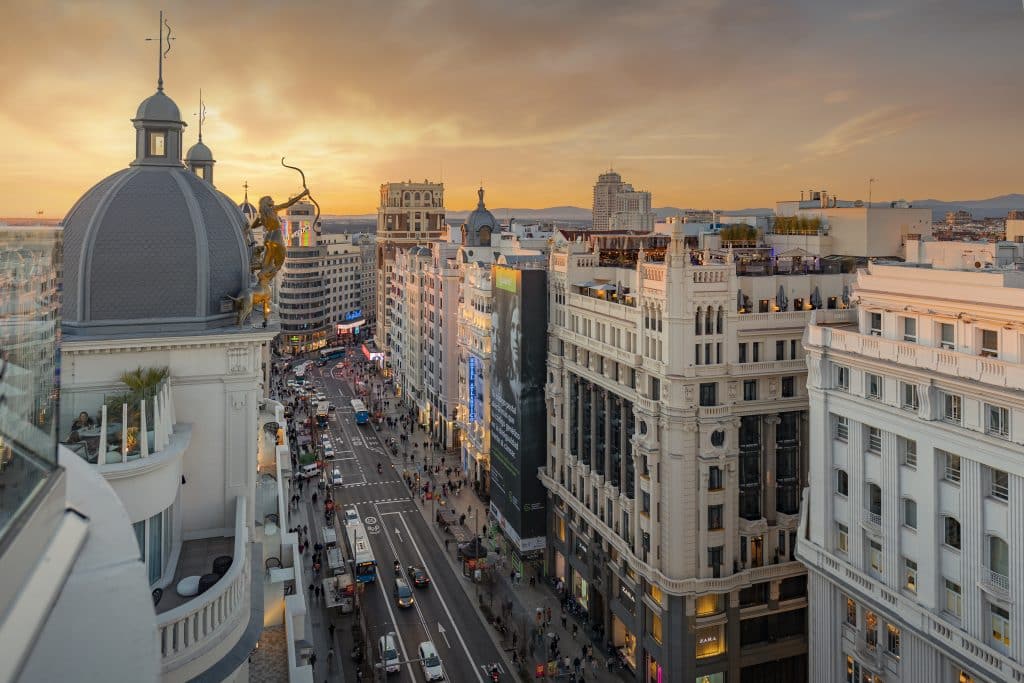
There is something deeply satisfying about a place that trusts itself, and Madrid does exactly that. From the monumental sweep of Gran Vía to the quiet corners of its neighborhoods, it offers a city experience that feels generous rather than performative. You can spend your days in museums, your evenings on terraces, and your in-between moments in parks or cafés, and somehow the whole trip still feels relaxed. Madrid stays with you long after you leave, and it has a way of making a return visit feel less like a possibility and more like a plan.