How to explore Europe on a budget without feeling like you missed out
Europe has a reputation for being expensive, but that reputation only tells part of the story. With the right timing, a flexible itinerary, and a willingness to look beyond the obvious tourist trail, you can enjoy a rewarding European trip without draining your savings. The real trick is not simply finding the cheapest option at every turn. It is about choosing where to spend, where to save, and how to travel in a way that keeps the experience rich even when the budget is lean. That might mean flying into a less obvious airport, taking a scenic train instead of a short-haul flight, or basing yourself in a city that offers great value while still putting major highlights within easy reach.
Budget travel in Europe works best when it feels intentional rather than restrictive. There is freedom in knowing that you can enjoy a café breakfast in a grand old square, ride a tram like a local, and still have enough left over for a memorable dinner or a day trip. The following guide breaks down the smartest ways to make a Europe trip more affordable, while still leaving space for the kind of moments that make travel unforgettable.
Fly like a savvy traveler
Airfare is often the first major expense to tackle, and it can shape the entire tone of your trip. If you are flexible with dates and airports, you can often find dramatic savings compared with peak-season pricing. Booking in advance usually helps, especially for popular routes, but it is also worth comparing midweek departures and early-morning or late-night flights. These less convenient time slots can sometimes be significantly cheaper, and for a budget-conscious traveler, the trade-off is often worth it.
Budget airlines such as Ryanair and EasyJet have made travel between European cities far more accessible than it used to be. They are ideal for short hops when booked carefully, especially if you travel light and understand the baggage rules before you reserve. The base fare can look incredibly low, but extras add up quickly, so it pays to read the fine print. If you are strategic, however, these carriers can open up a Europe itinerary that would once have been out of reach.
Another smart approach is to search for the cheapest destination rather than starting with a fixed place in mind. Some cities consistently offer lower fares because they are served by more routes or because they are less in demand at certain times of year. This can be an excellent way to discover somewhere new while stretching your budget further. In many cases, the best value destination is not the one everyone is talking about, but the one that still feels authentic, lively, and rewarding to explore.

Hop on the train and travel like a pro
Once you are in Europe, trains can be one of the smartest ways to move between cities. They are often faster and more comfortable than the full airport experience, especially on routes that connect major urban centers. Instead of dealing with security queues, remote airports, and long transfers, you can step onto a train and arrive close to the heart of your next destination. For many travelers, that convenience alone is enough to make rail travel the preferred option.
Europe’s rail network is especially appealing because it gives you both flexibility and scenery. Whether you use a Eurail pass, Interrail pass, or simple point-to-point tickets, train travel can work beautifully for a budget itinerary when planned in advance. High-speed routes can turn what would otherwise be a long day of transit into a short, efficient journey, while slower regional trains often offer the chance to see the countryside in a more relaxed way. There is something particularly satisfying about watching the landscape change outside the window as you move from one country to another.
Sleeper trains deserve special mention because they can save both time and money. A night train allows you to skip a hotel stay and wake up in a new city ready to start exploring. For travelers trying to maximize every day of a limited trip, this can be a very practical option. It is also part of the romance of traveling overland in Europe: reading by the window in the evening, watching stations pass in the dark, and stepping off the train into a new morning with your next adventure already underway.
Train travel also tends to feel less stressful than air travel. You usually have more room, less waiting, and more freedom to move around. The ability to work, read, or simply enjoy the ride makes the journey feel like part of the experience rather than a necessary inconvenience. If your goal is to travel affordably without sacrificing comfort, rail travel is one of the strongest tools in your kit.
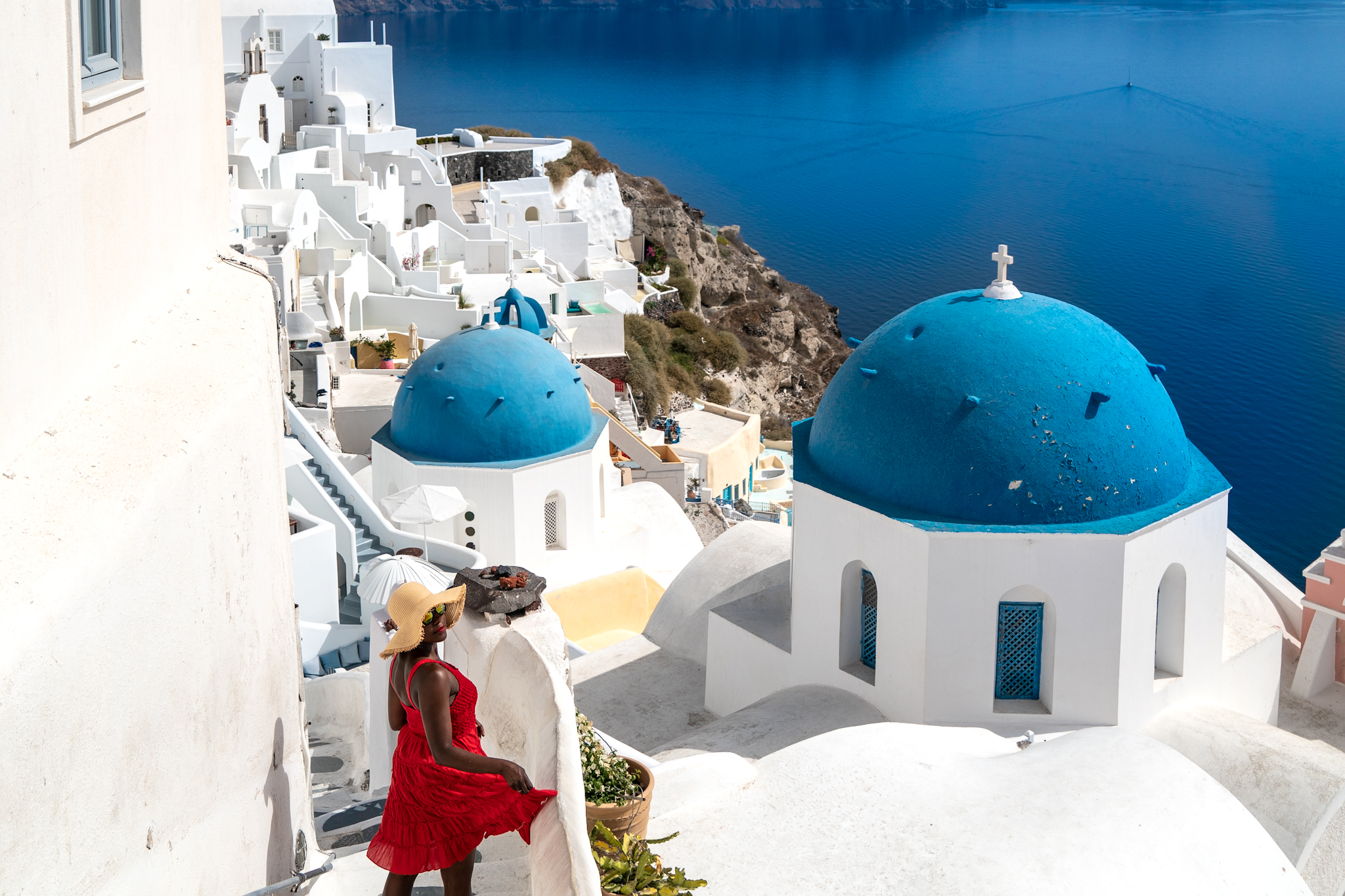
Seek out unique and affordable destinations
One of the easiest ways to keep a Europe trip affordable is to choose destinations that offer strong value for money. The classic capitals and famous bucket-list cities are appealing for good reason, but they are not always the best places to base a budget trip. Expensive accommodation, high restaurant prices, and crowded attractions can quickly eat into your daily allowance. By broadening your search, you can find cities that are just as beautiful, just as interesting, and far easier on the wallet.
Central and Eastern Europe are particularly good regions to consider if you want rich experiences at lower daily costs. Cities such as Budapest and Prague combine historic architecture, a lively café culture, excellent public transport, and plenty of things to see on foot. You can spend a full day wandering riverside promenades, exploring old town streets, and stopping for inexpensive local meals without feeling like you have to watch every cent. Sofia and Bucharest are also worth considering for travelers who enjoy history, urban energy, and a less predictable itinerary. These cities may not be the first names that come to mind, but they often provide a more relaxed and affordable travel experience than the western European heavyweights.
That does not mean iconic cities should be avoided altogether. It simply means being realistic about how to include them. A smart itinerary might pair a more expensive destination with one or two lower-cost cities nearby, balancing the budget across the whole trip. For instance, you might spend a few days in a major capital, then continue to a lesser-known city where food and lodging cost less. That kind of contrast can make the journey more interesting and financially sustainable.
When you look beyond the obvious names, you also open the door to places that feel more local and less polished for tourism. Those can be the destinations that stay with you longest. Smaller museums, neighborhood bakeries, local markets, and ordinary street scenes often create the memories that feel most authentic. In many ways, that is what budget travel does best: it pushes you to travel with more curiosity and less dependence on expensive attractions.

Hidden Gems worth adding to your route
Hidden gems are especially valuable on a budget trip because they often deliver a strong travel experience without the same level of crowds or pricing that comes with major hotspots. The best hidden gems are not necessarily secret places. They are simply destinations that many travelers overlook, even though they have enough character, culture, and infrastructure to make a trip enjoyable and easy to manage. When you add a hidden gem to your route, you often get a more relaxed pace, lower costs, and the chance to explore a city before it becomes widely hyped.
In Europe, hidden gems can take many forms. They might be smaller capital cities with elegant architecture and affordable hotels, historic towns with walkable centers, or coastal destinations that are far less expensive than the famous resort strips. The appeal lies in the balance: you still get the atmosphere of a memorable European destination, but you spend less time queuing and less money trying to enjoy it. For many travelers, this is where the trip really starts to feel personal.
These places also reward travelers who are willing to slow down. Instead of racing from landmark to landmark, you can spend more time in local neighborhoods, in public squares, or along quiet streets where daily life feels more visible. A hidden gem is often less about one iconic attraction and more about the overall mood of the place. That can make it ideal for travelers who want authenticity as much as affordability.
Get around like a local
Once you reach your destination, how you move around can make a major difference to your overall spending. Public transportation is usually the most efficient and budget-friendly way to get around European cities. Many urban networks are reliable, clean, and easy to navigate, with buses, trams, metro lines, and commuter trains connecting major neighborhoods and sights. A day pass or multi-day ticket can often be a worthwhile investment if you plan to travel around a lot.
Walking is another underrated budget strategy. Many European city centers are compact enough to explore on foot, and walking gives you a better sense of scale, architecture, and atmosphere than rushing past in a vehicle. It also helps you spot the kinds of places that rarely appear in guidebooks: corner bakeries, small plazas, independent bookshops, and neighborhood cafés that might become the highlight of your day. For travelers who enjoy a more immersive style of sightseeing, walking can be one of the best parts of the experience.
In some cities, bike rental is an excellent option too. Cycling can be a quick, low-cost, and enjoyable way to cover more ground while still staying close to the rhythm of local life. It is especially useful in flatter cities with good bike lanes and a culture that supports two-wheeled travel. Whether you choose to walk, ride, or use public transport, moving like a local usually means spending less and seeing more.
Time your travels wisely
Timing matters enormously when you are planning a budget trip to Europe. One of the simplest ways to reduce costs is to travel during shoulder season, typically in spring and early autumn. April and May, as well as September and October, often bring a very appealing combination of milder weather, lower prices, and fewer crowds. That means you are more likely to find better deals on flights and accommodation, while also enjoying a more comfortable pace at major attractions.
Traveling outside the absolute peak season can change the whole feel of a destination. Museums may be easier to enter, restaurants less rushed, and city streets more pleasant to walk. Even popular places can feel more manageable when the summer crowds have thinned. For budget travelers, this is important because it reduces the pressure to pre-book everything far in advance at inflated rates. It also makes it easier to be spontaneous once you arrive.
That said, shoulder season is not just about saving money. It is often the best time to see a destination at its most balanced. Parks still look beautiful, outdoor dining remains comfortable in many places, and daylight is usually long enough to make the most of each day. If you want value without sacrificing the quality of the trip, this is one of the best timing strategies available.
Stay in affordable accommodations
Accommodation can quickly become one of the largest expenses on any Europe trip, but there are plenty of ways to reduce the cost without giving up comfort entirely. Hostels remain one of the best options for budget travelers, especially if you choose well-reviewed properties in central locations. Modern hostels are often far better than their old stereotypes suggest, with private rooms, good communal spaces, secure luggage storage, and useful social opportunities for solo travelers.
If you want to save even more, couch surfing and work-stay arrangements can dramatically lower the cost of a trip. Staying with locals can also add a human dimension that hotels rarely provide. You may receive neighborhood tips, restaurant recommendations, or practical advice that helps you experience the destination in a more grounded way. For some travelers, that local perspective becomes one of the most memorable parts of the journey.
Camping can work well in regions with the right infrastructure, especially if your route includes countryside, lakes, or coastal areas. It is also one of the more flexible options for road trips or outdoor-focused itineraries. For travelers looking for something a little different, river cruises can sometimes offer better value than ocean cruises, particularly when considering what is included and how many destinations are packed into one trip. The right accommodation choice depends on your travel style, but the common goal is the same: keep costs manageable while preserving the sense of adventure.
Eat well without overspending
Food is one of the great pleasures of traveling in Europe, and it does not have to be expensive. The key is to balance restaurant meals with simpler, more local choices. Bakeries, markets, and small casual eateries can offer exceptional food at a fraction of the cost of more polished dining rooms. In many cities, lunch menus are better value than dinner, so shifting your bigger meal to midday can be an easy way to save.
It also helps to eat where locals eat rather than where the most obvious tourist traffic is. Restaurants a few streets away from major landmarks often have lower prices and a more relaxed atmosphere. Grocery shops are another useful tool for budget travelers, especially if you are staying somewhere with a kitchen or at least a kettle and fridge. A picnic in a park or a simple takeaway meal can still feel very satisfying when it is part of a thoughtful day of exploration.
Trying local specialties does not have to be expensive either. In fact, some of the most memorable dishes are often tied to everyday cooking rather than formal dining. Street food, pastries, soups, sandwiches, and seasonal snacks can all give you a strong sense of place while keeping your daily spending under control.
Make your itinerary work harder for you
A good budget itinerary is not just a list of places. It is a sequence of decisions that reduce unnecessary costs and make each transition smoother. Grouping destinations geographically is one of the smartest approaches, because it minimizes time and money spent moving around. If you are already in a region well served by trains, for example, it makes sense to keep your route compact and avoid zigzagging across the continent.
It is also worth choosing a mix of bigger and smaller destinations. A major city may be more expensive, but it often has better transport links and more accommodation options. A smaller city may offer lower daily costs and a more relaxed vibe. Combining the two gives you a trip that feels varied without becoming complicated. This is especially useful if you want to keep the Europe trip realistic on a moderate budget while still seeing a lot.
Flexibility is your greatest advantage. The traveler who can adjust a date by one day, switch to a different airport, or choose a different train connection is often the one who ends up spending less. Good travel planning is less about rigid perfection and more about knowing where small adjustments can create meaningful savings.
Travel smart, travel light, and enjoy the journey
Ultimately, a budget Europe trip is about making space for experiences rather than expenses. You do not need luxury hotels or premium flights to have a trip that feels rich and memorable. With careful planning, good timing, and a willingness to explore beyond the obvious, Europe becomes far more accessible than many travelers expect. The cities, rail routes, local neighborhoods, and unexpected corners of the continent all come together to create a journey that feels personal, practical, and full of possibility.
If you keep your plans flexible, choose destinations wisely, and allow room for a few spontaneous discoveries, you can travel widely without spending wildly. That is where the real satisfaction of budget travel begins, and it is what makes a European adventure feel worth every step along the way.