Balancing Remote Work and Travel Without Burning Out
For digital nomads, the hardest part of life on the road is rarely the flight, the packing, or even the visa paperwork. It is the daily balancing act between wanting to explore a new place and needing a calm, reliable environment where real work can happen. That tension becomes especially clear when your day starts with a client call in one time zone, ends with a deadline in another, and somehow still needs to leave room for a walk through a new city. Working from cafés can be charming for an hour or two, but after a while the noise, the unstable Wi-Fi, and the uncomfortable seating start to wear you down. Hostels can be social and cheap, but they are not always built for focus. Many remote workers eventually reach the same conclusion: if travel is going to be sustainable, the place you stay matters as much as the destination itself.
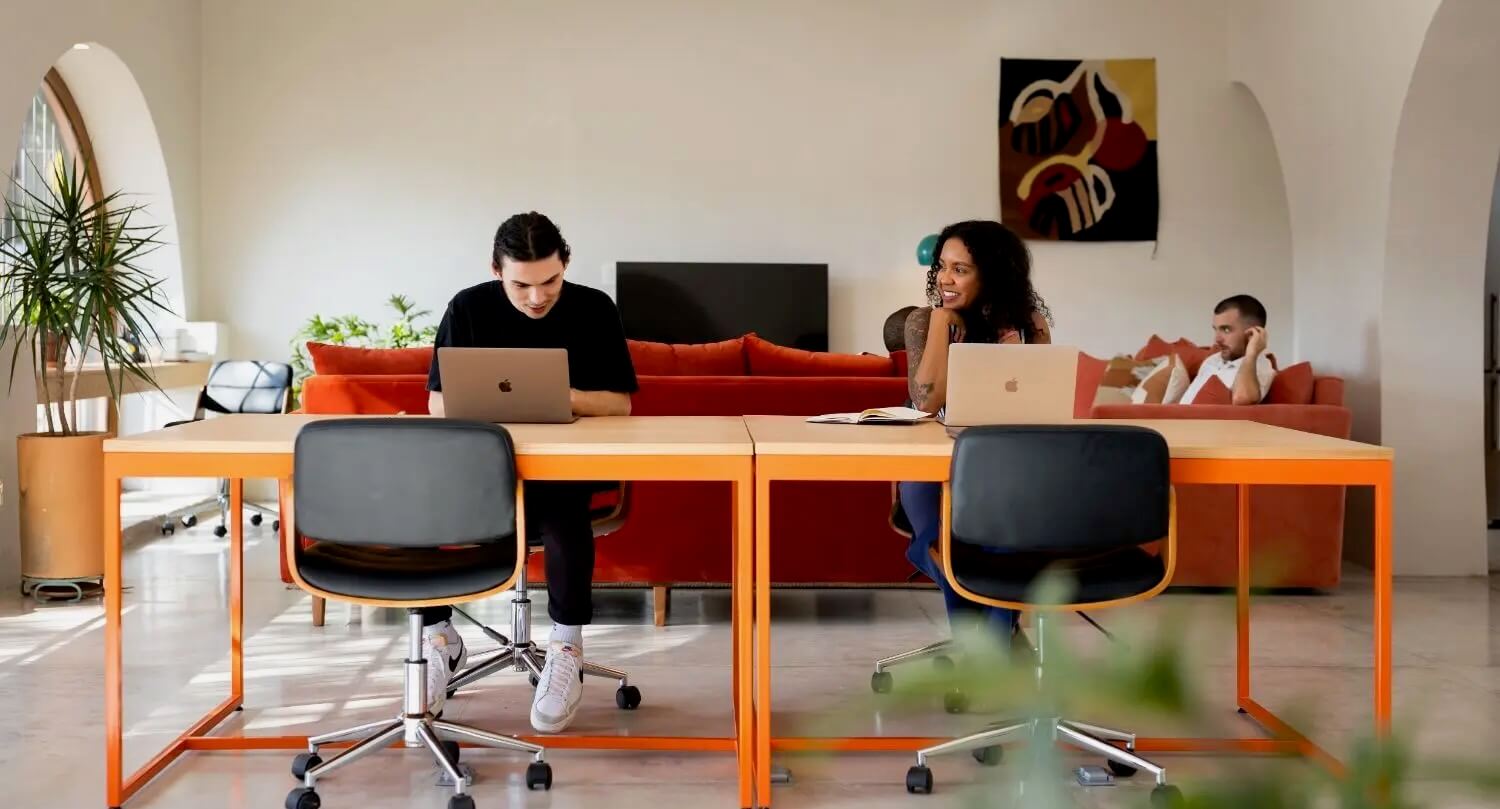
That is the gap that coliving has stepped in to fill. In recent years, remote work has moved from being a niche lifestyle to a mainstream reality, and with that shift has come a new kind of accommodation designed around both productivity and community. Instead of choosing between a lonely hotel room and an overstimulating hostel, travelers can now book spaces built specifically for long stays, shared experience, and dependable work setups. Outsite is one of the best-known names in that space. With properties in cities, coastal towns, and creative destinations around the world, it has become a favorite among remote workers who want more than a bed and a Wi-Fi password. They want a rhythm, a neighborhood, and a sense of belonging.
What Outsite Is and Why It Exists
Outsite began in 2015 with a simple idea: people who work remotely still need the practical advantages of a home and the social benefits of a shared environment. It started in Santa Cruz, California, as a place where surfers, freelancers, and remote professionals could live and work without giving up either side of their lifestyle. The concept proved popular, and the company expanded into a global network of coliving and coworking spaces tailored to location-independent travelers. Today, the platform offers dozens of locations and a membership model that rewards longer stays and repeat guests.
The appeal is easy to understand. Most remote workers do not want to spend their time hunting for a decent desk or testing internet speeds in every new city. They want to arrive, unpack, and start working. Outsite removes a lot of the friction that normally comes with slow travel. You can filter by destination and setting, choosing a beach town, a major city, or a mountain escape depending on the kind of trip you want. For people who move often, that consistency is valuable. The experience may change from one property to another, but the basic standard stays familiar: private rooms, shared common areas, and a workspace designed for getting things done.
How Outsite Works in Practice
Outsite is often described as a boutique hotel crossed with a coworking space, and that is a fair comparison. You are not booking a dorm bed or a generic apartment. You are usually reserving a private room, and in many locations that room includes its own bathroom. In some properties, especially the more affordable options, the bathroom may be shared with one other guest, but the overall experience still feels significantly more private than a hostel. That privacy matters when you are staying somewhere for a week or more and need a real sense of routine.
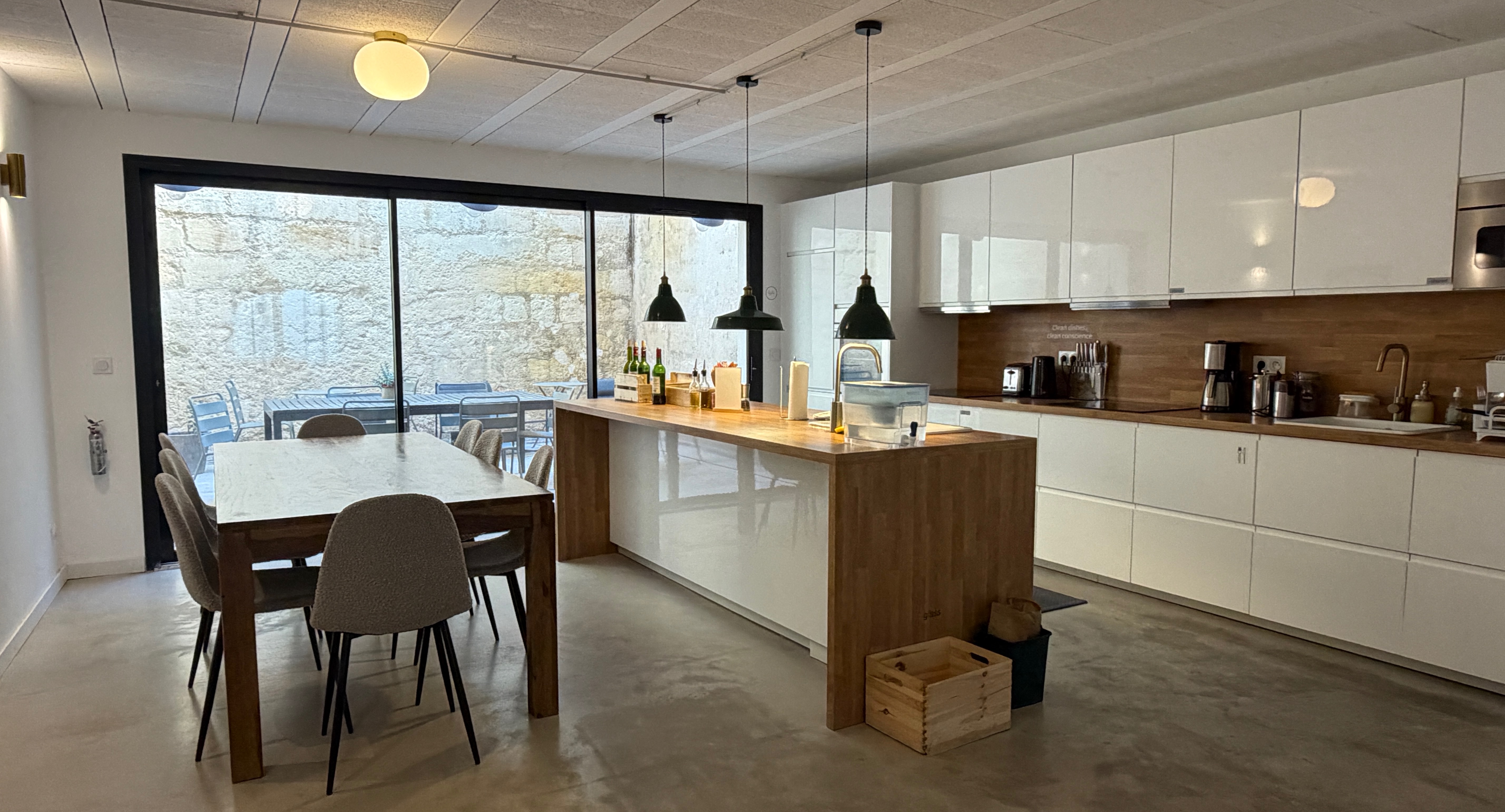
The common spaces are a major part of the experience. Outsite properties usually include large kitchens, living rooms, outdoor terraces, and design-forward interiors that feel more like a thoughtful home than a commercial stay. The kitchens are often spacious enough to cook properly, which is a notable advantage for travelers trying to manage both health and spending. Many properties also include extras such as laundry facilities, lounge areas, rooftop space, or even a small gym. The overall effect is practical without feeling plain. The spaces are usually bright, well-kept, and styled with local touches that give each property its own personality.
Just as important is the workspace itself. A real remote-work setup is about more than good intentions. It requires a proper desk, a chair that supports long hours, strong lighting, and internet that can handle video calls without failing halfway through a meeting. Outsite understands that, and the properties are built with work in mind. Many include dedicated coworking rooms or work zones with monitors, ergonomic chairs, and fast Wi-Fi. That means you can move from breakfast to deep work without having to leave the building or improvise a setup at the kitchen table.
Another detail that makes a noticeable difference is the social structure. Every location has a community manager, which helps turn the property from a simple place to stay into a living network of travelers. Before arrival, guests are often added to a group chat, usually on WhatsApp, where they can introduce themselves, share arrival times, and start planning outings. Events may include group dinners, weekend excursions, yoga sessions, tapas nights, or casual meetups. The point is not forced socializing. It is about creating natural opportunities for connection among people who already have something in common: they are working while traveling, and they understand the challenge of doing both at once.
My Experience in Bordeaux
Bordeaux is a city that suits this style of travel particularly well. It has enough going on to keep days full, but it is also compact enough that you can settle into a neighborhood and feel like a local after a short time. Staying in a place like Outsite there makes sense because you get the best of both worlds: a calm base where work can happen and a city outside the door that rewards wandering. Rather than treating the accommodation as an afterthought, the stay becomes part of the trip itself.
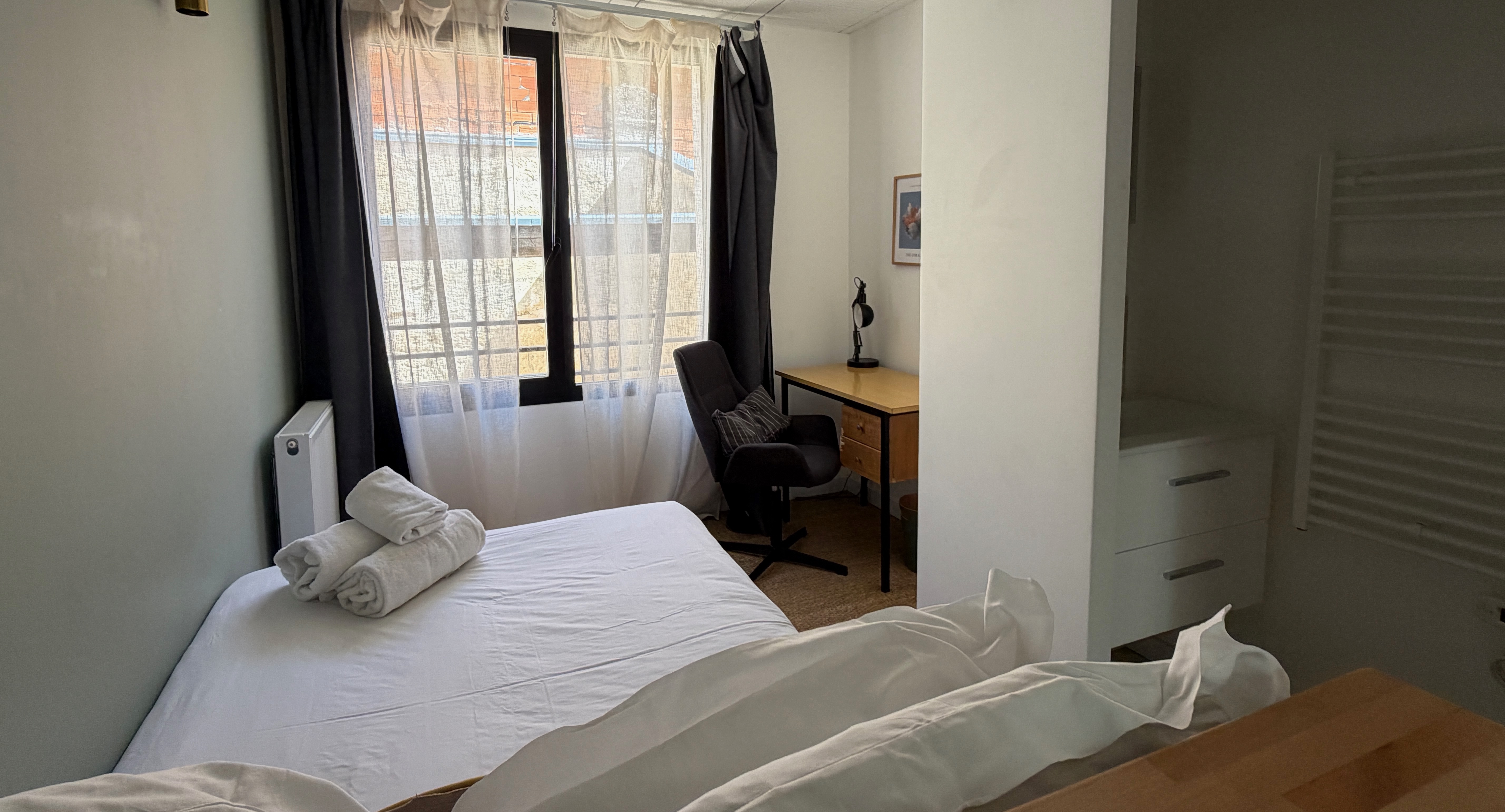
During a stay in Bordeaux, the practical benefits were immediate. The room was comfortable, the desk was actually usable, and the shower had excellent pressure, which is one of those small details that makes a long trip feel much more civilized. The shared kitchen was spotless, with plenty of counter space and regular cleaning, making it easy to prepare breakfast, lunch, or a simple dinner without feeling as though you were working around someone else’s mess. That kind of cleanliness matters when you are staying somewhere for several nights. It shapes how rested and focused you feel each morning.
The design also stood out. Natural light, plants, thoughtful furniture, and local artwork made the space feel lived in without being cluttered. Instead of the impersonal character of a chain hotel or the chaotic energy of a budget hostel, the atmosphere felt calm and intentional. That is part of why coliving has become so appealing to remote workers. A well-designed space can have a real effect on your mood and productivity. When the environment is easy to live in, it is easier to stay disciplined with your work and still enjoy the city after hours.
Why the Community Matters So Much
The social side of Outsite is not a bonus feature; for many guests, it is the main reason to stay. Remote work can be isolating. It is easy to go from one Zoom call to the next without speaking to anyone in real life. When you travel like that, the excitement of new places can start to feel strangely lonely. Coliving helps bridge that gap by surrounding you with people who are living a similar lifestyle. You do not need to explain why you are answering emails at noon or why you are heading to a café with your laptop instead of taking a full day off to sightsee. Everyone gets it.
That shared understanding creates a very different social tone from the average hostel. In many hostels, the social energy leans toward short-term backpacking, drinking, and constant movement. That can be fun, but it is not always compatible with working full-time on the road. At Outsite, the average guest is often staying for a week, two weeks, or longer. The conversations tend to be more relaxed and more useful. People exchange restaurant recommendations, compare work routines, suggest day trips, and sometimes even become collaborators, clients, or future friends. For solo travelers, that kind of connection can be grounding in a way that is hard to overstate.
What to Consider Before Booking
Outsite is a strong option, but it is not for every traveler or every budget. The pricing reflects the private room, the workspace, the design, and the curated community. If your goal is to stretch every euro or dollar as far as possible, a traditional hostel or a basic guesthouse will usually be cheaper. For travelers who are used to a $15 dorm bed in Southeast Asia, Outsite will feel expensive. But the comparison is not really fair, because the value proposition is different. You are paying for convenience, consistency, comfort, and a better working environment. Once you compare it against the cost of a decent Airbnb plus a coworking membership, the numbers can make more sense.
Availability is another factor worth thinking about. The most popular locations fill up quickly, especially during peak travel seasons. If you are hoping to spend summer in Lisbon or winter in Costa Rica, last-minute booking may not be realistic. Planning ahead is important if you want one of the best properties or need specific dates. That is especially true for longer stays, since many remote workers prefer locations where they can settle into a routine rather than move every few days. If flexibility is your travel style, Outsite can still work, but the best experience often comes from booking early and choosing a stay that matches your schedule rather than forcing a spontaneous trip.
It is also worth noting that some locations have minimum stay requirements. While many properties allow short visits of just a couple of nights, others may require longer bookings because of local regulations or the nature of the property. That matters for city breaks and quick work trips. If you are only in town for a weekend, check the rules first so you are not disappointed later. Pet policy is another common limitation. Because the spaces are shared and designed for communal living, many locations do not allow pets. That keeps things simpler for guests with allergies or sensitivities, but it is an important detail if you travel with an animal.
Hidden Gems Within the Outsite Experience
One of the best things about staying in a coliving space is how often the small, unexpected details end up becoming the most memorable parts of the trip. A good community manager can point you toward a neighborhood bakery that tourists never find, a wine bar that stays calm on weekdays, or a quiet park where you can take a break between meetings. In Bordeaux, as in many Outsite destinations, the local knowledge you gain from staff and other guests can shape your whole stay. You might discover a market you would have walked past, a cycling route along the river, or a lunch spot that becomes part of your daily routine.
There is also a hidden value in the rhythm of the property itself. The best coliving houses create little moments that make travel feel less fragmented. It could be morning coffee with someone heading to a startup meeting, a last-minute dinner invitation after work, or an impromptu weekend plan that begins in the kitchen and ends in another neighborhood entirely. These are not dramatic experiences, but they are the kind that make a place feel real. For long-term travelers, that sense of ordinary life in a foreign city is often what makes a trip memorable.
In that sense, the hidden gem is not only the destination. It is the chance to inhabit it properly. Instead of passing through as a visitor who never quite settles, you get to experience a place with a little more depth. You work there, shop there, eat there, and get to know the patterns of the day. That can transform even a short stay into something more meaningful.
Frequently Asked Questions About Outsite
Many travelers wonder whether membership is required. The answer is no. Anyone can book a stay, although members get access to better rates and additional perks. For people who plan to stay multiple nights or return to the platform often, membership can pay off quickly. It is also useful for travelers who value flexibility across different destinations and want access to a network rather than a single property.
Another common question is whether the guest mix skews young. In general, the answer is that it attracts professionals more than party travelers. Guests often include freelancers, founders, consultants, and remote employees in their late twenties through forties, though the exact demographic depends on the location. The atmosphere is usually mature, focused, and social in a low-pressure way. That makes it easier to work during the day and still have a pleasant social life in the evening.
People also ask whether the model makes sense for short stays. It can, especially if you are using the trip as a workcation or trying to get a lot done in a new city. But the value often becomes more obvious the longer you stay. Once you settle in, know the kitchen layout, recognize the other guests, and have a productive workspace you can count on, the experience starts to feel less like a hotel and more like a temporary home base.
Traveling Well on the Road
For many travelers, the challenge is not simply getting from one place to another. It is creating a way of moving that remains sustainable over time. That means choosing accommodation that supports your goals rather than undermining them. It means spending money in ways that actually improve your trip, whether that is on a private room, reliable internet, or a neighborhood where you can truly settle in. It also means accepting that the best travel experiences are not always the cheapest ones. Sometimes the smarter choice is the one that gives you more energy, more focus, and more opportunities to meet people who understand your lifestyle.
Outsite fits that idea well. It is not designed for everyone, and it is not trying to be. It is a practical, polished option for remote workers who want comfort, productivity, and community in one place. If you have ever tried to work from a noisy hostel or spent an entire afternoon searching for a café with Wi-Fi that actually works, you already know why that matters. A well-run coliving stay can turn a stressful work trip into something far more balanced, and in the right city, that balance can make all the difference.
For digital nomads who want to keep exploring without losing structure, places like Outsite offer a way to stay connected to both work and travel, and that is often exactly the kind of base that makes the next journey feel worth taking.
How to Travel the World on $75 a Day
If you want to travel smarter, spend less, and still have richer experiences, learning how seasoned travelers manage their money can make a huge difference. A strong travel strategy is not about cutting every comfort; it is about knowing when to save and when to spend for real value. That is especially true for remote workers who need accommodation that supports both work and life on the road.

My New York Times best-selling travel book shows you how to stretch your budget, find better deals, and travel with more confidence, whether you are planning a short city break or a longer journey across multiple countries. It is a practical guide built for travelers who want to go farther without overspending, and it remains a useful companion for anyone building a life around travel.
Book Your Trip: Logistical Tips and Tricks
Planning a trip well can save you time, money, and stress. For flights, comparing fares across multiple airlines and booking sites is still one of the most effective ways to find a good deal. For accommodation, it helps to match the platform to your trip style: hostels for budget flexibility, booking sites for broader hotel options, and specialized coliving platforms when your priority is remote work and community. Travel insurance is also worth sorting out before you leave, especially if you are crossing borders often, working remotely, or carrying expensive gear.
There are also practical tools that can make planning smoother. Travel credit cards can help you earn points toward flights and stays, which is useful if you travel frequently. Car rental platforms can simplify short road trips or day excursions outside the city. And if you prefer to fill your itinerary with local experiences, activity marketplaces can help you book tours, walking routes, and skip-the-line tickets without a lot of hassle. The best trips usually come from a mix of good planning and room for spontaneity, and that balance is easier to find when the basics are handled before you arrive.
When you travel with purpose, the details matter. A good place to stay, a reliable workspace, and a neighborhood that feels easy to live in can shape the entire trip. For remote workers looking to combine destination travel with everyday productivity, that is often the difference between simply passing through and actually feeling at home, even for a little while.