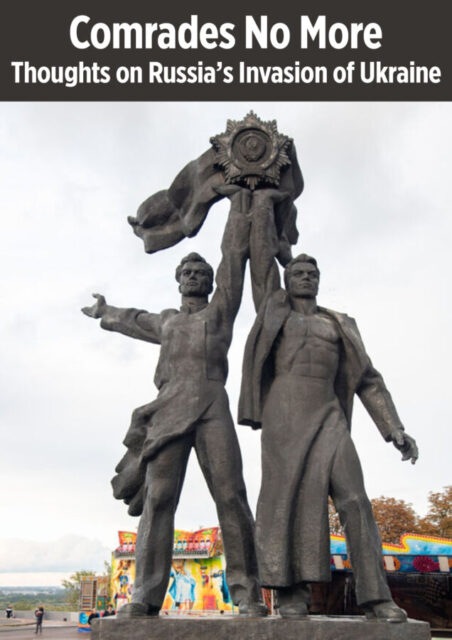
Russia and Ukraine sit at the heart of one of Europe’s most historically complicated and emotionally charged regions. Any modern travel discussion that includes these countries has to begin with context, because travel is never separate from the world around it. Borders, politics, and public sentiment all shape how people move, what they see, and how they are received. For travelers, that reality matters. It affects routes, safety, logistics, and the deeper purpose of going abroad in the first place: to understand a place beyond headlines and assumptions.
For years, Europe has drawn travelers who want more than a checklist of monuments. They want to see how history lives in city streets, how ordinary people adapt when the world changes around them, and how culture persists even in difficult times. That is one reason a trip through Europe can feel so meaningful. You may begin with a landmark, a museum, or a scenic train ride, but what you carry home is often a broader sense of perspective. When conflict erupts anywhere on the continent, it reminds us that travel is not escapism. Done thoughtfully, it is a way to stay engaged with the world.
In that spirit, responsible travel means paying attention to the moral and practical realities of the places you visit. Travelers often think first about flights, hotels, and itineraries, but there is also a larger question: where does your money go, and what does your presence support? These are not abstract concerns. The choices travelers make can have real consequences for local economies, communities, and political systems. That is why informed travelers need to look beyond glossy brochures and ask harder questions, especially when a destination is affected by conflict or instability.
Europe’s geography can make crises feel both distant and close at once. A war in one part of the continent does not automatically define travel across the whole region, yet it inevitably influences public perception, transport networks, and visitor behavior. For many travelers, that creates confusion. Should a trip to Paris, Rome, or Athens be altered because of an event thousands of miles away? Usually, the answer depends on the actual travel conditions, official advisories, and the specific countries involved. The most important thing is not to generalize. Europe is not one uniform destination, and the realities in one place should not be carelessly projected onto another.
That distinction is especially important for travelers who plan multi-country itineraries. A long tour through several cities can span very different cultural and political environments, and each stop may require its own evaluation. Train schedules, airline routes, visa rules, and local sentiment can all change quickly in response to international events. Travelers who keep flexible plans, check updated guidance, and work with reputable operators often handle disruption better than those who rely on a fixed script. In uncertain times, adaptability is a form of travel wisdom.
At the same time, there is a human reason people continue to travel even when the news is difficult. Travel brings us into contact with the daily life of others. It can replace abstraction with conversation, and fear with familiarity. Walking through a neighborhood market, listening to a local guide explain a monument, or sharing a meal in a family-run restaurant does more than entertain. It helps build the kind of civic imagination that makes international empathy possible. That may sound lofty, but in practice it is often simple: people are harder to demonize after you have looked them in the eye.
Understanding the Travel Context in Times of Conflict
When conflict affects a region, travelers should rely on current, official information rather than rumors or social media panic. Government advisories, airline notices, embassy updates, and local tourism boards are the best starting points. Conditions can shift fast, and what was true last week may no longer apply. Travel insurance, refundable reservations, and carefully selected transportation options become far more valuable during uncertain periods. A good itinerary is not only enjoyable; it is resilient.
There is also an ethical dimension to consider. Tourism can be a source of livelihood for many communities, but in times of crisis it can also become politically sensitive. Travelers need to think carefully about whether their spending supports local people directly, whether they are entering a stable environment, and whether their presence is welcome. Being a conscientious visitor means respecting the local mood rather than assuming that a destination exists to fulfill your vacation expectations. That humility is part of what makes travel worthwhile.
One of the biggest mistakes travelers make is treating the map like a simple guide to risk. Distance matters, but so does context. A city may be geographically close to a conflict zone and still remain safe and fully operational, while another place farther away may experience indirect disruptions through flights, sanctions, border controls, or shifting public sentiment. Thoughtful travel planning looks at actual conditions, not just headlines. It also acknowledges that uncertainty is part of the journey, especially in regions with deep historical tensions.
Why Travel Still Matters
Travel remains valuable precisely because it can sharpen rather than dull our awareness. Seeing another country in person is not the same as reading about it from afar. The rhythm of a café, the architecture of a train station, the pace of a pedestrian street, and the tone of everyday conversation all reveal something that statistics cannot. In peaceful times, that experience is enriching. In difficult times, it can be grounding. It reminds us that the world is made of real places and real people, not just commentary.
Many seasoned travelers understand that a good trip is not measured only by comfort or efficiency. It is measured by what you learn and how you change. That is why Europe continues to attract visitors from around the world. Its cities are layered with memory, and its public spaces invite reflection. You can stand in a grand square in the morning, visit a museum in the afternoon, and sit on a bench at dusk watching daily life unfold. Those moments do not erase global conflict, but they can deepen your understanding of it.
For travelers planning a European journey, this is a good time to be intentional. Build itineraries that leave room for adjustment. Avoid overpacking the schedule. Choose destinations for substance, not just prestige. Consider staying longer in fewer places so you can experience them more thoughtfully. And if you encounter news that changes your plans, respond with patience rather than frustration. Travel is supposed to expand your perspective, and that includes learning how to handle change gracefully.
Practical Tips for Responsible European Travel
Before departure, review current entry requirements, transportation updates, and local health or security guidance. Even when there is no direct issue in your chosen destination, international conditions can affect connections, rail schedules, and border procedures. Keep digital and printed copies of important documents, and make sure someone at home has your itinerary. A small amount of preparation can save a great deal of stress if plans shift unexpectedly.
Money matters too. Using reputable payment methods, carrying a mix of cash and cards, and understanding local banking norms can prevent hassles during transit. Travelers should also think carefully about where they book accommodations and tours. Independent family-owned businesses often provide a more direct connection to the local economy than large anonymous intermediaries. Whenever possible, favor services that are transparent, locally grounded, and responsive to changing conditions.
Another useful habit is to travel lightly in the emotional sense as well. In tense geopolitical moments, people often arrive with strong opinions but little context. It is better to listen first. Ask respectful questions. Read local perspectives. Accept that not everyone sees events the way you do. A trip can become far more meaningful when you allow a destination to be complex rather than reducing it to a political storyline.
City Breaks and Cultural Travel in Europe
One reason Europe remains such a compelling travel region is the density of its cities. A few days in London can feel completely different from a few days in Athens, and yet both offer museums, public squares, neighborhood cafés, and layers of history that reward slow exploration. City breaks work well for travelers who want depth without committing to an exhaustive itinerary. They also make it easier to adapt when circumstances change, because major cities typically offer multiple transit options, diverse accommodations, and a wide range of cultural activities.
For many visitors, the pleasure of a city break lies in ordinary routines. Taking public transit, buying pastries from a local bakery, wandering through a neighborhood market, or watching the evening commute can be just as memorable as visiting a famous monument. In a region as historically rich as Europe, the line between landmark and daily life often disappears. That is part of the appeal. You are never far from a cathedral, a palace, a square, or a museum, but you are also surrounded by the practical realities of contemporary urban living.
Travelers who value context should also use city breaks to learn about the wider region. Museums, memorials, and guided walks can help frame current events within a longer historical story. Understanding the past does not make the present easier, but it does make it more intelligible. The best trips often combine pleasure and perspective, letting you enjoy a city while also learning something that changes the way you see the world.
Hidden Gems
Not every meaningful travel experience happens at a headline attraction. Some of the most memorable moments in Europe come from places that are quieter, less obvious, and less crowded. A neighborhood bookshop tucked behind a busy avenue, a small church with local worshippers, a riverside path away from the tourist center, or a modest family restaurant can reveal more about a destination than the famous sites ever could. Hidden gems matter because they slow the pace of travel and encourage curiosity.
They are also practical choices in uncertain times. Lesser-known neighborhoods and smaller regional towns can offer a calmer pace and a more personal sense of place, provided they are reachable and appropriate to visit. Travelers who seek out these experiences often find they return home with stronger memories and a better understanding of local life. The key is to stay respectful, spend thoughtfully, and avoid treating quieter communities like secret trophies to be collected. A hidden gem is valuable because it feels genuine, not because it is difficult to post online.
In European travel especially, hidden gems can be as simple as stepping one street away from a major square or spending an extra hour in a local district instead of moving quickly to the next monument. Those small detours often produce the most durable memories. They give you time to observe how people live, work, and gather in the spaces between the famous sights.
Planning with Flexibility and Perspective
The strongest travel plans are those built with both excitement and realism. Book the trip that inspires you, but leave room for delays, route changes, and unexpected developments. A flexible mindset is especially important in Europe, where cross-border travel can be wonderfully efficient but also vulnerable to disruptions. Flights may change, rail lines may adjust, and local conditions may affect access. Travelers who adapt well tend to enjoy themselves more, even when the plan changes.
Perspective matters too. A single news event should not erase the broader richness of a continent or the possibility of meaningful travel. At the same time, no trip should ignore the realities of the moment. Responsible travelers know how to hold both truths at once. They can appreciate the beauty of a destination and remain aware of its vulnerabilities. They can enjoy a museum or a neighborhood walk without pretending that the outside world has paused.
That balance is part of mature travel. It asks for curiosity without naïveté, enjoyment without denial, and movement without carelessness. When travelers approach Europe with that attitude, they are more likely to have trips that are not only memorable but also ethically grounded. And in a world where headlines can change the meaning of a destination overnight, that kind of grounded travel feels more valuable than ever.
As plans unfold and the travel landscape continues to evolve, the best journeys will be the ones shaped by awareness, patience, and a genuine desire to understand the places we visit.