Japan has become one of the most talked-about travel destinations in the world, and for good reason. In recent years, visitor numbers have surged as more travelers seek out a place that combines ancient traditions, futuristic cities, exceptional hospitality, and some of the best food on the planet. For many first-time visitors, Japan can seem slightly intimidating from afar: the language looks unfamiliar, the transit network feels complex, and the cultural etiquette appears exacting. Yet once you arrive, the country reveals itself as remarkably welcoming, surprisingly straightforward to navigate, and deeply rewarding for travelers of all styles.
What makes Japan especially memorable is the contrast. One day you can be standing beneath a row of vermilion torii gates in Kyoto, and the next you might be looking out over Tokyo’s skyline at sunset, with Tokyo Tower glowing against the evening sky and, on a clear day, Mt. Fuji faint on the horizon. Then there is Kanazawa, where elegant geisha districts and immaculately preserved gardens offer a quieter, more refined perspective on Japanese culture. Japan is not one experience but many, stitched together by efficiency, beauty, and a sense that every detail has been thoughtfully considered.


Why Japan feels so special to travelers
There is a reason so many visitors leave Japan already thinking about their next trip. The country delivers a rare mix of depth and ease: you can immerse yourself in centuries-old temples, wander through neighborhoods that feel wonderfully local, enjoy Michelin-caliber meals at every price point, and still move between cities with a level of efficiency that makes multi-stop itineraries realistic even for first-time travelers. Japan rewards both planning and spontaneity. It is the kind of destination where careful preparation helps, but curiosity matters just as much.
Another reason Japan resonates so strongly is that it often exceeds expectations. Travelers may arrive expecting cleanliness, order, and good food, but they are often surprised by the warmth of small interactions, the thoughtful design of public spaces, the calmness of the streets, and the ease of daily life even in enormous cities. Tokyo, for example, can feel like an endless urban maze on paper, yet it is also one of the most manageable major cities in the world once you understand the transit system and embrace walking as part of the experience.
Top things to know before visiting Japan
There are several practical realities that can shape your trip in meaningful ways. Some are small details that make daily life easier; others influence your entire itinerary. Understanding them before you go can help turn a good trip into a seamless one.
Japan is very safe


One of the most reassuring things about Japan is how safe it feels in day-to-day life. Many solo travelers, including solo female travelers, find Japan to be among the most comfortable countries to explore independently. Even in busy cities such as Tokyo and Kyoto, the atmosphere tends to feel orderly and low-stress. Walking alone at night generally does not carry the same level of concern that travelers may feel in many other major cities around the world.
Crime rates are low, violent crime is rare, and even petty theft is far less common than in many other popular destinations. That does not mean you should ignore basic travel common sense, but it does mean you can often relax a little more than usual. For travelers new to solo adventures, Japan can be a wonderful place to build confidence. The country’s public spaces are well maintained, stations are staffed, and most locals are happy to help if you need assistance, even if communication may require a little patience.
There is a language barrier, but it is manageable

Before a first trip to Japan, the language barrier can seem like the biggest obstacle. Japanese is not widely spoken outside the country, and for travelers who cannot read the writing system, even signs can appear daunting. In practice, however, many aspects of travel are designed to be accessible. Major airports, train stations, and city centers often have English signage alongside Japanese, and transport systems are generally intuitive once you spend a little time learning the basics.
Technology is a major help here. Google Translate can be invaluable for menus, station information, and conversations, especially when paired with a reliable data connection through an eSIM. In many places, self-service machines include English-language options, and transit apps often provide route guidance with impressive detail. Outside the major cities, English may be less common, but travel is still very possible if you plan ahead and remain flexible. In many cases, a smile, a translation app, and a little patience go a long way.
Japan is remarkably clean

Japan’s cleanliness is one of the first things many visitors notice, and it is genuinely impressive. Train stations, streets, temples, and even the inside of trains are typically kept in excellent condition. The sense of public responsibility in Japan is strong, and it shows in the way people treat shared spaces. Litter is rare, and even in densely populated areas the environment often feels tidy and calm.
That said, one famous travel truth is worth remembering: trash cans are not always easy to find. Travelers often carry their rubbish with them until they reach a station, convenience store, or hotel. This is one reason why “walk and eat” culture is limited in many parts of the country; it is not only about etiquette, but also about practical waste management. If you buy snacks from a convenience store, be prepared to finish them nearby or keep the wrapper until you can dispose of it properly.
Public toilets are plentiful and usually free

Another everyday convenience that stands out in Japan is the abundance of public restrooms. In many major cities, you can find clean, free toilets in train stations, shopping centers, parks, department stores, and convenience stores. This makes long days of sightseeing much easier, especially if your itinerary includes lots of walking or hopping between neighborhoods.
Japanese restrooms are also known for their quality. It is common to find bidet features and heated seats, even in public facilities. However, travelers should be prepared for a slight difference in amenities: some restrooms may not provide soap, paper towels, or hand dryers. Carrying a small personal towel is a practical local habit and a smart travel tip. A little hand sanitizer is also useful, especially if you plan to move around frequently throughout the day.
You will need cash

Despite Japan’s image as a hyper-modern country, cash still plays an important role in everyday spending. You may find that smaller shops, temples, markets, and some restaurants prefer or require cash. Even if cards are accepted in many places, it is wise to carry yen at all times so you are not caught off guard. In some cases, you may even need cash immediately after arrival, such as when purchasing a train ticket from the airport.
The good news is that withdrawing cash is straightforward. Convenience store ATMs are widely available and generally reliable for foreign debit cards. It is always sensible to notify your bank before departure and ensure your card can be used internationally. Alongside cash, many travelers also use rechargeable IC cards such as Suica, Pasmo, or ICOCA for transit and small purchases. These cards simplify travel enormously and can often be used in convenience stores and some food outlets as well.
Expect to walk much more than you think

Traveling in Japan is wonderfully active. You will likely walk far more than you do at home, especially if your trip includes multiple neighborhoods, temples, museums, gardens, and stations in a single day. It is not unusual to accumulate 15,000 to 25,000 steps daily in a city like Tokyo. Good footwear is not optional; it is essential.
Well-made walking shoes can make the difference between a trip that feels energizing and one that becomes exhausting. Try to plan each day with geographic logic in mind so you are not zigzagging across the city repeatedly. Even the most efficient itinerary will still involve long stretches on your feet, so pacing yourself matters. Give yourself permission to take breaks, sit in parks, and slow down when needed. Japan rewards travelers who are willing to experience it on foot.
Train stations can feel like cities of their own

Japan’s railway system is one of the country’s great marvels, but its most famous stations can feel overwhelming at first. Large hubs such as Tokyo Station, Shinjuku, and Osaka’s major transit centers are not merely places to catch a train; they are sprawling complexes with shopping, dining, and endless passageways. Some stations are so large that they function like mini-cities, complete with malls, underground food halls, and specialized shopping streets.
This is why time management is critical. If you are heading to a timed reservation, airport transfer, or day trip connection, leave early. Navigation apps like Google Maps can be incredibly helpful, often showing not just the route but the correct train car, platform, and exit. Still, the sheer size of the stations can make them disorienting. Building in extra time allows you to stay calm, explore a little, and avoid the stress of rushing through a maze of signage and escalators.
Pack light if possible


Japan is one of those destinations where light packing makes a huge difference. While luggage-forwarding services are excellent and widely used, they are not instant, which means you still need a small overnight bag and essentials even if your suitcase is being transferred between cities. If your itinerary includes several destinations, large bags can quickly become cumbersome on trains, in stations, and on stairs.
Traveling carry-on only, or at least as lightly as possible, can save you a great deal of stress. Hotels in Japan often provide laundry facilities, and many are surprisingly efficient and inexpensive. That makes it far easier to repeat outfits, mix and match clothing, and avoid overpacking. If you are worried about shopping, a good strategy is to buy souvenirs and extras near the end of the trip so you only need to transport them to the airport rather than across the country.
You do not need to pack your own kimono

One of the pleasures of traveling in Japan is participating in local culture in a respectful, easygoing way. If you want to dress in a kimono for photos or a special outing, you do not need to bring one from home. In many cities, especially in Kyoto, there are rental shops that offer full styling services, allowing visitors to enjoy the experience without the hassle of packing delicate garments.
These rentals can be a fun way to spend part of a day, particularly near temples, gardens, or historic districts. It is a good example of how Japan makes cultural experiences accessible to visitors. Rather than worrying about logistics, you can simply immerse yourself in the moment and enjoy the atmosphere of the city around you.
Japanese food goes far beyond sushi and ramen


Japan is a dream destination for food lovers, but many travelers arrive with a very narrow picture of what they will eat. Sushi and ramen are certainly part of the story, but the cuisine is far broader and more varied than many visitors expect. Everyday meals may include tempura, tonkatsu, curry rice, grilled fish, yakitori, noodle dishes, rice bowls, and beautifully prepared set breakfasts. There is also a world of regional specialties, each with its own ingredients and traditions.
For those willing to explore, Japan can become a culinary adventure in itself. Try a kaiseki dinner if you have the chance, and do not skip the humble convenience store snacks. Onigiri, sandwiches, pastries, drinks, and hot foods from convenience stores can be surprisingly satisfying, especially on days when you are on the move. Even if you are not naturally adventurous with food, you will almost certainly eat very well in Japan.
Hospitality in Japan is on another level

Japanese hospitality, known as omotenashi, is often described as a form of deeply sincere service, and once you experience it firsthand, the concept makes immediate sense. It is not just about politeness; it is about anticipation, care, and attention to detail. Guests are often treated with a level of consideration that feels both understated and profound.
You might notice it in a bow at check-in, a beautifully arranged room, a carefully prepared meal, or a farewell from an inn owner who stands outside to wave goodbye until you are out of sight. These gestures are not flashy, but they leave a lasting impression. In smaller towns and family-run accommodations, the warmth can feel especially personal. Even when language barriers exist, kindness is often communicated clearly through action.
Visitors are welcome to participate in Japanese culture

Many travelers worry about making cultural mistakes in Japan, but in general, respectful participation is encouraged. Visitors are welcome at temples and shrines, even if they are not religious. They may observe rituals, purchase charms, ring bells, or make offerings as long as they follow local custom and behave respectfully. Cultural appreciation is usually embraced when it is sincere.
The same is true for other experiences that visitors often enjoy, such as wearing a kimono, watching sumo, attending festivals, or exploring museums and historic districts. The key is to be considerate, avoid turning sacred or traditional spaces into a costume parade, and follow the lead of the people around you. Japan is proud of its culture, and visitors are often invited to share in that pride thoughtfully.
Hidden Gems

While Tokyo, Kyoto, and Osaka are classics for a reason, some of the most memorable experiences in Japan come from places that are a little less crowded and a little more understated. Kanazawa is a perfect example. With its beautifully preserved districts, refined atmosphere, and excellent cultural sights, it offers a quieter alternative to the country’s busiest destinations. Kenroku-en Garden, often considered one of Japan’s most beautiful landscape gardens, is a place where seasonal color, water, stone, and architecture come together in a way that feels timeless.
Another lovely hidden gem is Kyoto’s quieter backstreets and lesser-known temple approaches. Many travelers rush straight to the most famous photo spots, but taking the back way up or exploring early in the day can turn an iconic site into something more peaceful and personal. Instead of only chasing the same landmark views seen on social media, consider wandering neighborhoods like Yanaka in Tokyo, where a slower pace and more local atmosphere reveal another side of the city. Hidden gems in Japan are often not secret so much as overlooked by travelers in a hurry.
Food can also be a hidden gem experience. A small neighborhood izakaya, a tiny soba shop, or a regional specialty in a city outside the standard tourist circuit can become the most memorable meal of the trip. Kanazawa’s gold leaf treats, quiet regional restaurants, and family-run inns all show how much richness exists beyond the headline attractions. The more you explore beyond the obvious, the more Japan opens up.
Overtourism and how to travel thoughtfully
Japan’s popularity has brought real challenges in certain places, especially along the well-worn Tokyo-Kyoto-Osaka route. This does not mean you should avoid famous sights altogether, but it does mean traveling with awareness. If you are visiting the most iconic spots, try to go early in the morning or later in the day. Move respectfully, avoid blocking pathways for photos, and remember that locals are living their everyday lives around these attractions.
One of the best ways to travel more thoughtfully is to build variety into your itinerary. Mix famous destinations with smaller cities, quieter neighborhoods, and experiences that spread tourist dollars more widely. Japan offers more than enough beauty, food, and culture to support a trip that feels both exciting and responsible. In many cases, the less-traveled places are also the ones where you will have more space, more conversation, and more room to breathe.
A practical note about maps and symbols
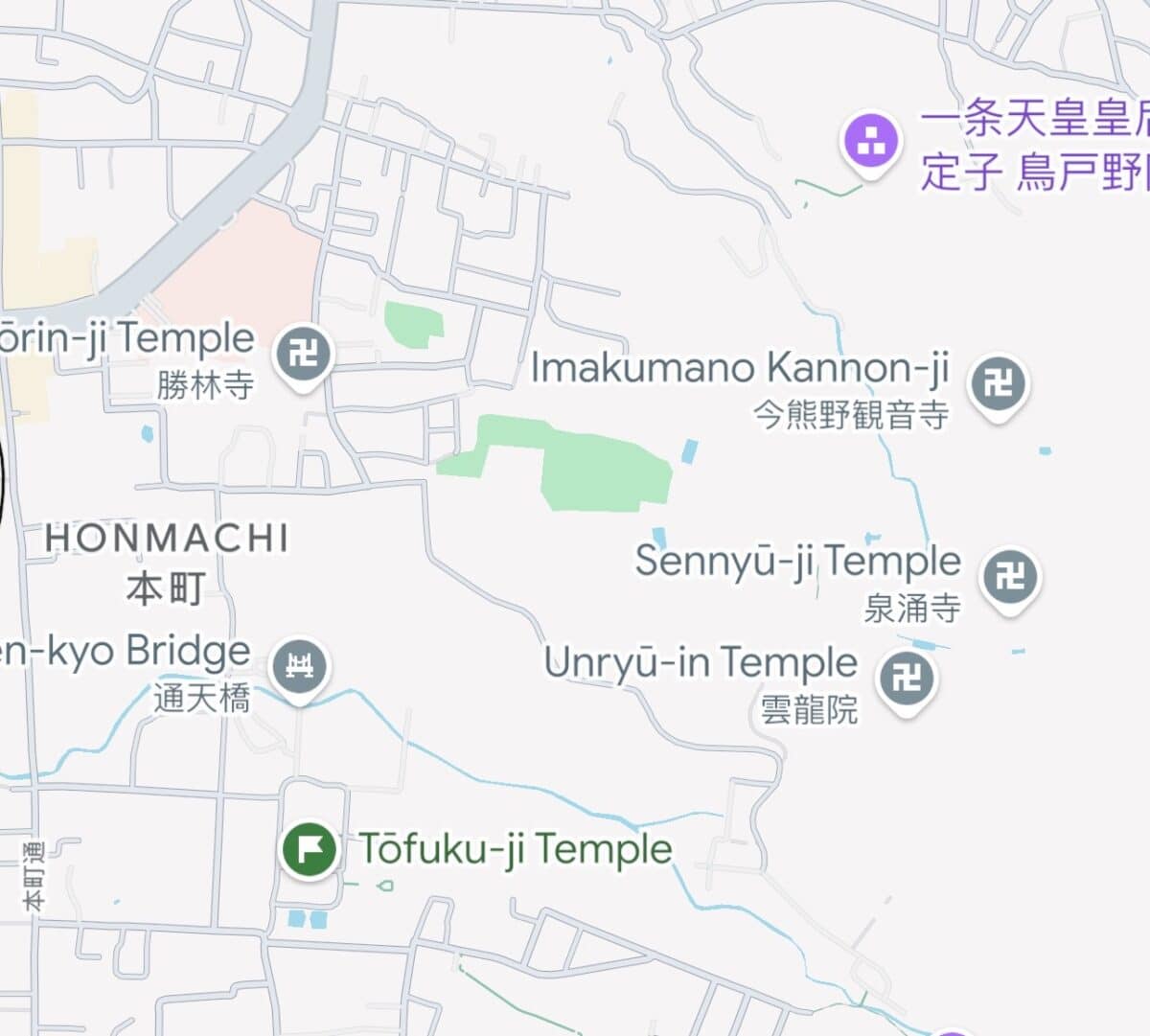
If you use map apps in Japan, you may notice a symbol that resembles the Nazi swastika. In Japan, this is the manji, an ancient Buddhist symbol associated with peace, good fortune, and prosperity. It appears on maps to indicate temples and religious sites. The symbol long predates its misuse in Europe and carries a very different meaning in Japanese context. It can be surprising to see at first, but it is simply part of the country’s cultural and religious landscape.
Understanding details like this can make travel in Japan feel smoother and more respectful. The more you learn before arriving, the easier it becomes to appreciate the country on its own terms. From transit etiquette to dining customs to cultural symbols, a little preparation allows the experience to unfold with far less stress.
Japan is the kind of place that stays with you long after you leave. The combination of order, beauty, food, hospitality, and variety makes it endlessly compelling, whether you are visiting for the first time or returning for another, deeper look. Once you experience the rhythm of its cities, the calm of its gardens, and the quiet confidence of its culture, it is easy to understand why so many travelers fall in love with it.
Who’s ready to plan a trip to Japan?