Madrid has a way of surprising first-time visitors and winning back seasoned travelers again and again. It is a city that runs on late dinners, long conversations, museum masterpieces, neighborhood bars, and a kind of effortless confidence that makes every walk feel cinematic. With grand boulevards, tucked-away courtyards, world-class art, and a food scene that ranges from old-school taverns to inventive modern kitchens, Spain’s capital is far more than a stopover between famous destinations. It is a place that rewards curiosity, and the best way to experience it is to give yourself time to wander, taste, and linger.
What makes Madrid especially appealing is its balance. It is large enough to feel exciting and endlessly layered, yet intimate enough that you can build a meaningful trip around a few well-planned neighborhoods. You can spend one morning in a museum with some of the most important paintings in Europe, lunch in a historic market, an afternoon in a shaded park, and the evening on a rooftop with the city glowing below you. The rhythm is relaxed, but never dull. If you embrace Madrid’s slower pace, you’ll discover a capital that feels both elegant and deeply lived-in.
Why Madrid Belongs on Your Spain Itinerary
Madrid is often compared to Barcelona, but the two cities offer very different experiences. Barcelona dazzles with coastal charm and modernist landmarks, while Madrid leans into tradition, culture, and a more local-feeling urban energy. It is a city of plazas, art institutions, hidden taverns, and neighborhoods where everyday life spills into the streets. For travelers who love cities with personality, Madrid delivers in layers.
It is also surprisingly versatile. Art lovers can lose themselves in the Prado, Thyssen, and Reina Sofía. Food lovers can build entire trips around tapas, markets, and classic restaurants. History buffs will find royal palaces, monasteries, and plazas that reflect centuries of Spanish power. Travelers on a budget can still enjoy a rich experience by prioritizing free parks, market meals, and affordable neighborhood bars. In other words, Madrid works for nearly every kind of trip.
A Five-Day Madrid Itinerary That Balances Icons and Local Flavor
If you want to do Madrid well, five days is an excellent starting point. That gives you enough time to see the major sights without rushing, while also leaving room for neighborhood wandering and smaller discoveries. The ideal trip mixes famous landmarks with slower experiences, because Madrid is not a city to be checked off quickly. It is a city to be absorbed.
Day 1: The Art Walk and Madrid’s Cultural Heart
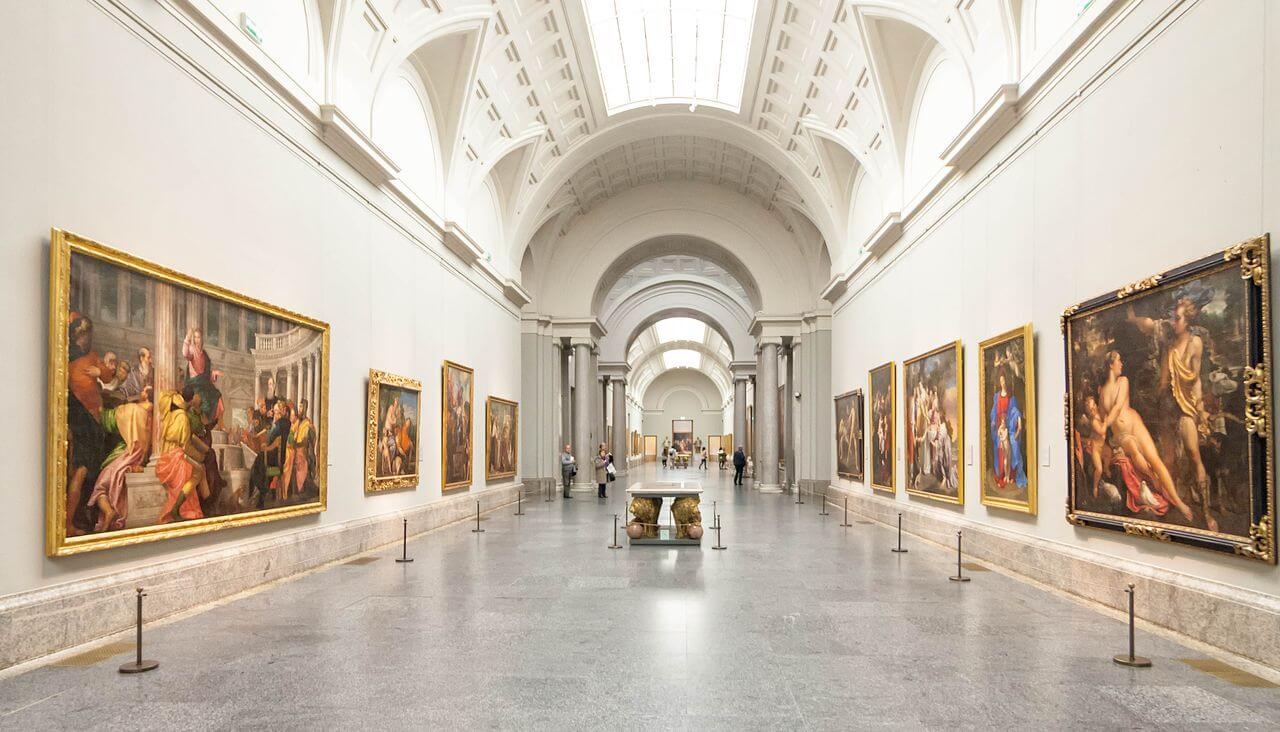
Start in the area known as the Art Walk, a beautifully connected stretch of museums and historic spaces that offers one of the strongest cultural introductions to any European capital. The experience begins at the Prado Museum, an essential stop even for travelers who usually prefer smaller collections. Its galleries hold masterpieces by Goya, Velázquez, El Greco, Rubens, and many others, and the building itself reflects the importance Madrid has long placed on art as a symbol of identity and power. Give yourself time here; this is not a place to rush through.
From the Prado, continue along the Paseo del Prado to the Thyssen-Bornemisza Museum, where the collection bridges centuries and styles with remarkable ease. Then finish the trio at the Reina Sofía Museum, where modern and contemporary works create a powerful contrast with the older masters you have just seen. The highlight for many visitors is Picasso’s Guernica, a large and emotionally charged painting that remains one of the most significant anti-war works ever created. Even travelers who are not especially drawn to modern art often find this museum unexpectedly moving.
After a morning of galleries, slow down over lunch. Madrid’s museum district has no shortage of appealing places to eat, from rustic taverns serving cocido madrileño to stylish dining rooms with excellent croquetas and seasonal plates. This part of the city is ideal for a long meal, which is very much in keeping with local habits. A relaxed lunch gives you the perfect transition into the afternoon.
In the afternoon, step into Madrid’s elegant house museums. These former private residences offer a more intimate look at the city’s artistic history, and they are often overlooked by travelers who focus only on the major institutions. The Sorolla Museum, with its luminous gardens and painterly interiors, is one of the most rewarding examples. Nearby, the Museum of Romanticism and the Lázaro Galdiano Museum offer equally atmospheric visits, combining art, decorative objects, and architecture in settings that feel personal rather than monumental.
By evening, keep the pace gentle. Madrid’s first day is about immersion rather than exhaustion, so an unhurried dinner and a stroll through nearby streets is more than enough to end the day well.
Day 2: Habsburg Madrid and the Historic Center
Day two brings you into the oldest and most historic part of Madrid, where the city’s medieval and imperial past still shapes the street plan. Begin at Puerta del Sol, one of the most recognizable meeting points in Spain. This is where you’ll find Kilometer Zero, the symbolic starting point of the country’s highway network, along with the famous Bear and the Strawberry Tree statue, a beloved emblem of Madrid. It’s crowded, energetic, and slightly chaotic, but it remains one of the city’s defining landmarks.
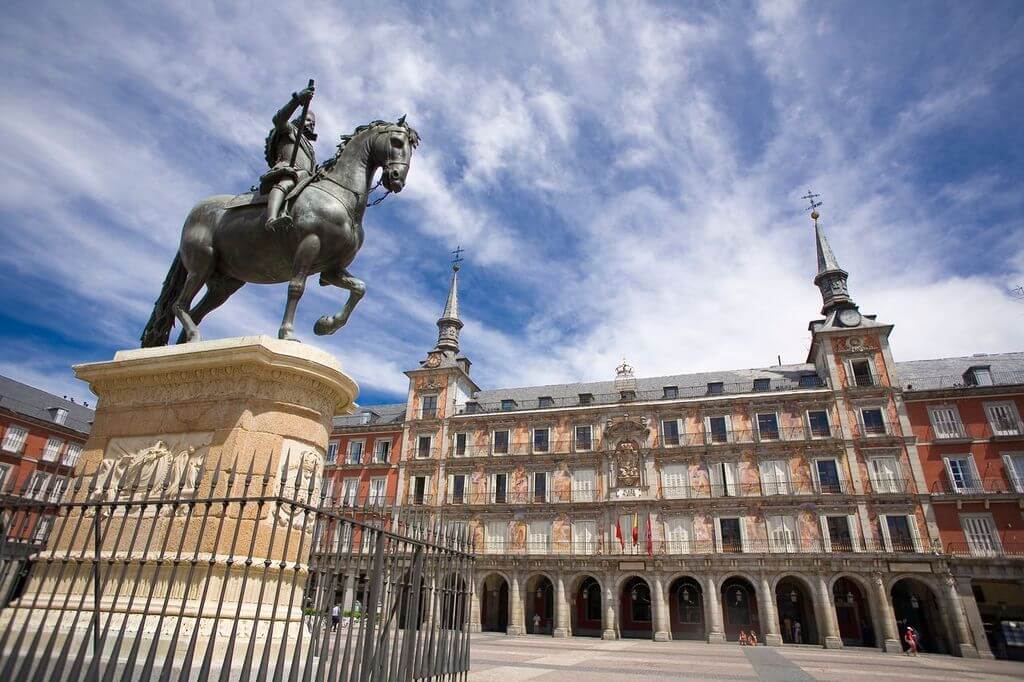
From there, walk to Plaza Mayor, one of Madrid’s grandest open spaces. Framed by arcades and elegant facades, the square has seen everything from markets and bullfights to public ceremonies and celebrations. Today it is one of the city’s best places for people-watching. Yes, some of the bars and cafés are priced for visitors, but the square still earns its place on any itinerary for its atmosphere alone.
A classic local move is to stop for a calamari sandwich nearby. It is simple, filling, and unmistakably Madrid. This is one of those city staples that feels more meaningful when eaten in the right setting, especially after a slow walk through the old center.
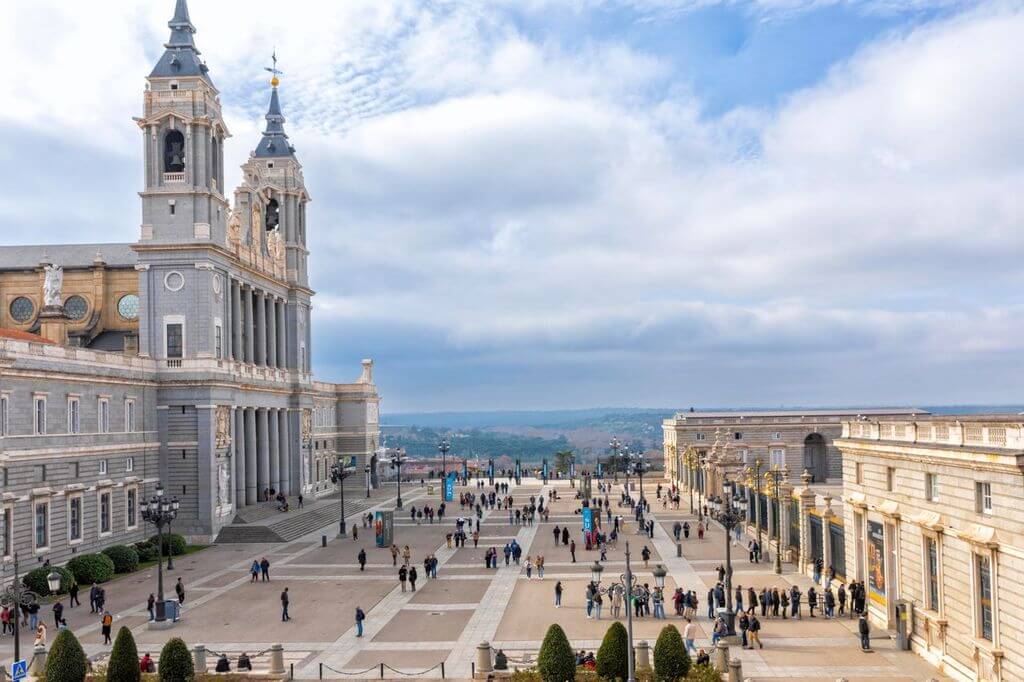
In the afternoon, head to the Royal Palace, one of the most impressive palaces in Europe. Although it is no longer the working residence of the royal family, it remains a dazzling symbol of ceremonial Spain. Its scale is staggering, with thousands of rooms and richly decorated interiors that reflect the grandeur of the monarchy. The Royal Armory adds another layer of interest for travelers who appreciate historical detail.
Close the day at Almudena Cathedral, whose mixed architectural identity reflects the long timeline of its construction. The cathedral’s exterior stands in elegant conversation with the palace next door, while its interior and crypt reveal a more complex religious and artistic history. If you have time, head up for views over the city as the light softens. It is one of the loveliest moments in Madrid.
Day 3: Markets, Tapas, and Rooftops
Madrid is one of Europe’s most rewarding cities for food-focused travelers. You do not need to sign up for a formal tour to experience it well. In fact, some of the best meals come from simply following your appetite through the city’s markets and neighborhood streets.
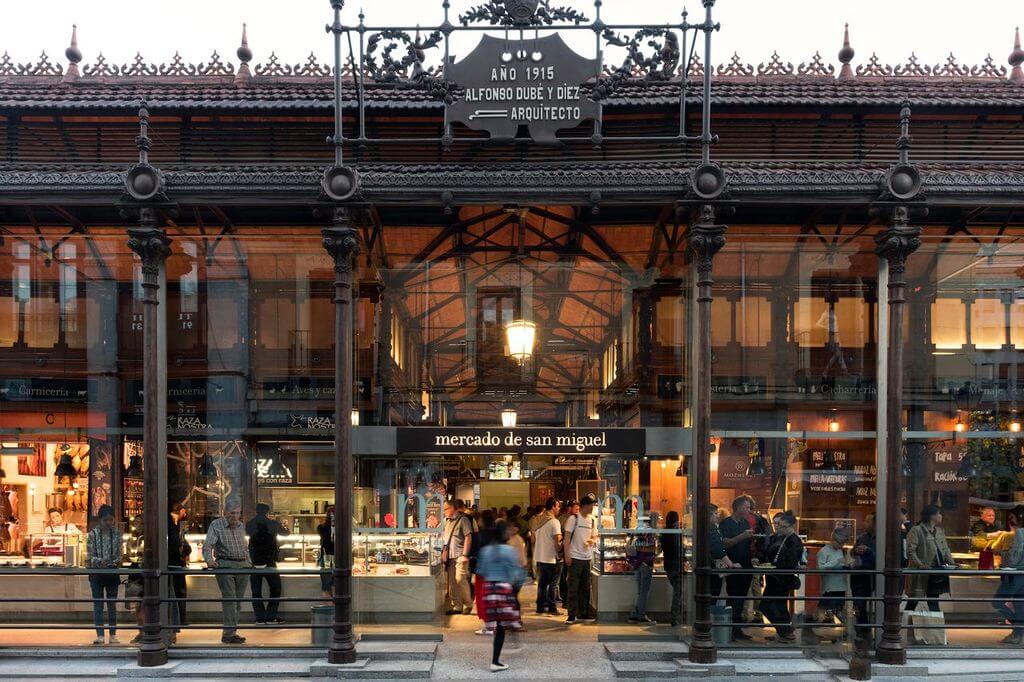
Start with Mercado de San Miguel, a lively and beautifully restored market near Plaza Mayor that brings together tapas counters, specialty bites, wine, seafood, and sweets under one roof. It is a popular stop, so expect energy and crowds, but that is part of the appeal. For a more local-feeling experience, look beyond the most obvious spots and explore markets such as Mercado de San Antón in Chueca or Mercado de Vallehermoso, where the atmosphere can feel a little more neighborhood-centered and less polished for visitors.
For lunch or dinner, Madrid’s classics are worth seeking out. Sobrino de Botín has a place in culinary history and is often associated with old-world dining tradition, while La Latina and Barrio de las Letras are excellent neighborhoods for a slow tapas crawl. Both areas reward aimless wandering, which is exactly how they should be experienced. Step into one bar for a drink and a plate of something fried, then move on to the next. In Madrid, variety is part of the pleasure.
As evening approaches, head toward Gran Vía for a completely different view of the city. Rooftop bars have become one of Madrid’s most enjoyable late-day rituals, and the skyline looks especially striking from above. Whether you choose a polished hotel terrace or a more casual rooftop spot, the experience pairs beautifully with the city’s sunset glow.
Madrid has also become more welcoming for vegetarians and vegans in recent years. In neighborhoods like Malasaña, plant-based versions of Spanish dishes now sit comfortably alongside traditional fare, making it much easier for travelers with different dietary preferences to eat well without compromise.
Day 4: UNESCO Landscapes and Easy Day Trips
One of Madrid’s biggest advantages is how easy it is to pair a city break with a memorable day trip. If you want to extend your visit beyond the capital itself, several nearby UNESCO-listed destinations are well worth the journey.
The most impressive historical option is El Escorial, a massive complex commissioned by Philip II and built to symbolize imperial power, religious devotion, and dynastic ambition. It combines monastery, palace, basilica, library, and royal tombs in one imposing ensemble. The mood here is quite different from the opulence of the Royal Palace in Madrid. El Escorial feels austere, monumental, and deeply rooted in Spain’s past.
Another beautiful choice is Aranjuez, where palace architecture and landscaped gardens create a more graceful and romantic atmosphere. Once used by the royal family as a spring retreat, it offers a slower, greener experience with impressive interiors and long outdoor walks. If your ideal day trip includes a mix of culture and fresh air, this is an excellent option.
For something smaller and more scholarly, Alcalá de Henares offers a beautifully preserved historic center and a strong literary heritage tied to Cervantes. It is a rewarding destination for travelers who enjoy strolling through university towns with a strong sense of place. Each of these trips expands your understanding of Madrid beyond the capital’s core streets, and each can be done comfortably in a day.
Hidden Gems Worth Adding to Your Madrid Trip
Madrid’s best-known sights are deservedly popular, but some of the city’s most memorable moments happen in quieter, less obvious places. If you want your trip to feel more personal, build in time for hidden corners and lesser-known cultural spaces.
Las Descalzas Reales is one of the most intriguing places in the city. From the outside, it may seem understated, but inside it reveals an extraordinary collection of art and religious treasures linked to aristocratic women who sought refuge there over the centuries. The result is a place where faith, power, and private wealth intersect in unusually intimate ways.
Nearby, the Royal Monastery of La Encarnación offers another glimpse into Madrid’s monastic heritage. Its atmosphere is quieter and more restrained than the city’s larger attractions, which makes it especially compelling for travelers looking to slow down and notice details. Frescoes, sculpture, and a sense of living history make the visit rewarding even if you only spend a short time there.
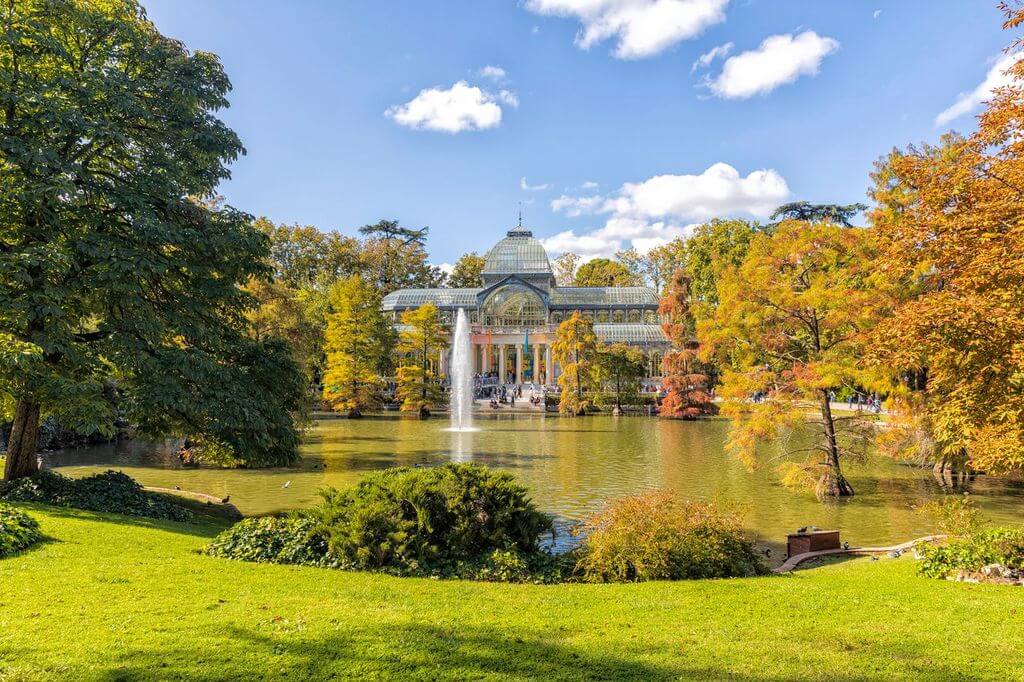
For a change of pace, Casa de Campo provides a vast green escape from the city’s built environment. It is the kind of place locals use for walking, cycling, lakeside meals, and lazy afternoons away from traffic and crowds. If you want one final scene that feels distinctly Madrid but less polished than the usual postcard view, this is it.
Practical Tips for a Smoother Madrid Visit
Madrid is easy to enjoy when you understand its rhythm. First, plan your meals later than you might at home. Restaurants often open into the evening in a way that reflects the city’s unhurried social life, and if you arrive too early, you may find places still quiet or not fully in service. Second, wear comfortable shoes. Madrid is a walking city, and even when you use the metro or taxis, you will likely spend a lot of time on foot between neighborhoods, museums, and plazas.
If you want to save money, focus on combining free or low-cost experiences with a few high-value highlights. Parks, historic squares, neighborhood walks, and market meals can fill much of your day without stretching your budget. Many museums also have reduced hours or free entry windows, so it is worth checking timings before you go. Travel insurance is also smart for any international trip, especially one that involves several moving parts.
Accommodation choices in Madrid can vary widely, so think carefully about location. Staying near the center can save time and reduce transport costs, while neighborhoods such as Malasaña, Chueca, La Latina, and Barrio de las Letras each offer their own personality. If you prefer quieter evenings, look slightly beyond the busiest central zones while keeping metro access in mind.
Getting around the city is straightforward thanks to the metro, buses, and walkable districts. For a short stay, a mix of walking and public transport is usually the easiest and most enjoyable approach. Madrid is a city that reveals itself best at street level, but it is large enough that strategic transport helps preserve your energy for the parts that matter most.
Budget-Friendly Ways to Experience Madrid Well
Traveling in Madrid does not have to be expensive. In fact, the city is one of the better European capitals for travelers who want culture and atmosphere without a luxury budget. The key is knowing where to spend and where to save.
Choose one or two major museums rather than trying to see everything. Focus on neighborhood bars and casual eateries for some meals, then treat yourself to one memorable dinner rather than trying to dine upscale every night. Look for lunch menus, market bites, and local sandwiches that give you a satisfying taste of the city without unnecessary extras. Public transport is affordable and efficient, and many of the city’s greatest pleasures are free: plazas, parks, architecture, and people-watching.
Madrid also rewards travelers who leave room for spontaneity. Some of the best moments happen when you follow a side street, step into a bar that looks inviting, or linger in a square longer than planned. That flexibility not only makes the trip more memorable, it also helps you travel in a way that feels natural rather than overprogrammed.
A City That Keeps Giving Back
Madrid is the kind of destination that grows richer the more attention you give it. The first visit may be about seeing the major landmarks, but the second or third visit is often where the city truly opens up. You start to notice the neighborhood rhythms, the way locals gather over drinks, the beauty hidden in courtyards and side streets, and the enormous pride the city takes in its art and history.
That is why Madrid remains such a compelling destination for city breaks and longer stays alike. It is grand without feeling cold, vibrant without losing its sense of tradition, and sophisticated without becoming inaccessible. Whether you come for the museums, the food, the late-night energy, or the quieter corners that most visitors miss, Madrid has a way of making you feel like there is always one more place to discover, one more meal to enjoy, and one more street worth following just a little farther.

By the time you leave, the city’s mix of elegance, energy, and everyday warmth will likely be lingering in your memory long after the trip ends. That is the real charm of Madrid: it does not just impress you once, it invites you to come back and experience it again, this time with a little more confidence and a lot more appetite.